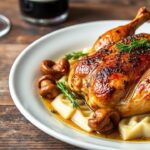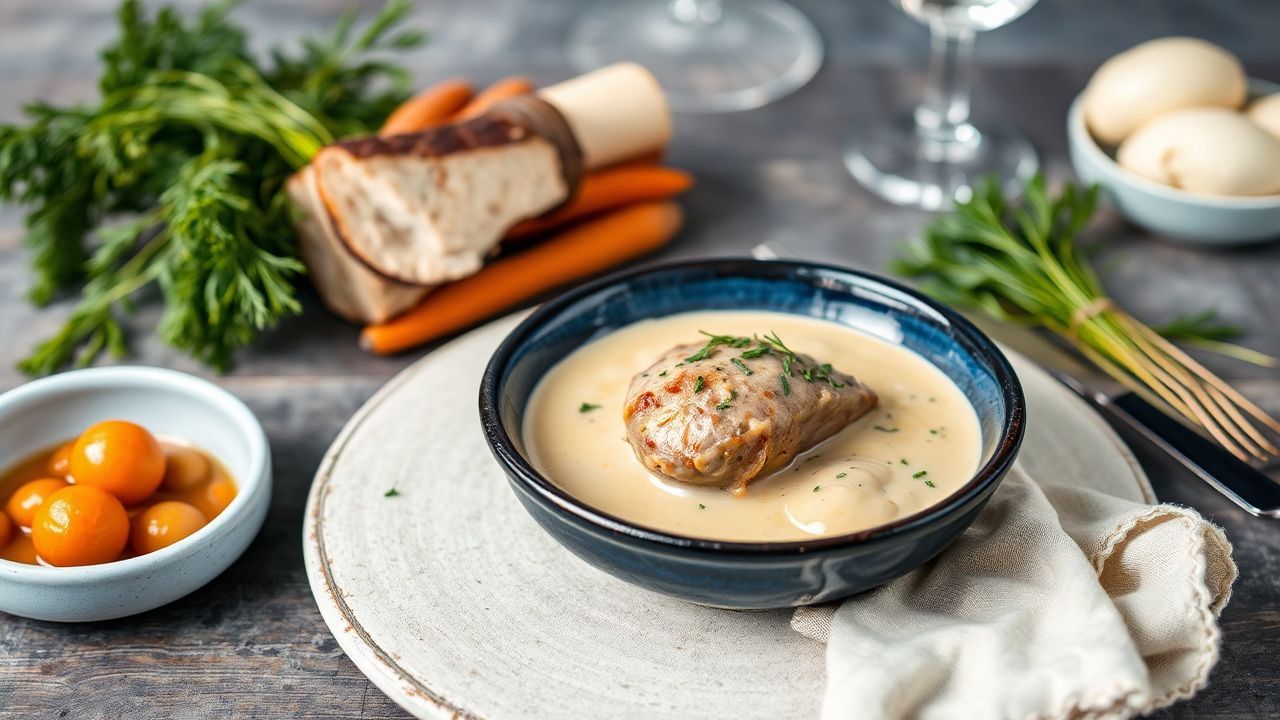

The scent of slow-cooked veal, mingled with the subtle sweetness of carrots and the rich perfume of a creamy, herb-infused sauce, is an olfactory promise of pure culinary bliss. For many, particularly those who grew up with a taste for classic French cuisine, veal blanquette with carrots is more than just a dish; it’s a nostalgic journey, a comforting embrace on a chilly evening, proof of the enduring power of simple, impeccably executed ingredients. It’s the kind of meal that silences a boisterous table, eliciting appreciative murmurs and the scraping of spoons against porcelain. This dish, a cornerstone of French home cooking and bistro fare, represents a particular kind of elegance – one that is unpretentious, deeply satisfying, and utterly timeless. Its preparation, while seemingly straightforward, offers a nuanced exploration of texture and flavour, demanding patience and a respect for the ingredients. The gentle poaching of the veal, the careful emulsification of the sauce, and the harmonious integration of the vegetables all contribute to its profound appeal. To truly understand veal blanquette is to understand the soul of French comfort food.
- The Genesis and Enduring Appeal of Veal Blanquette
- The Anatomy of a Perfect Veal Blanquette: Ingredients and Their Roles
- The Art of Preparation: A Step-by-Step Culinary Journey
- Preparing the Veal and Poaching Liquid:
- Cooking the Carrots:
- Creating the Sauce Base (Panada):
- Building and Emulsifying the Sauce:
- Combining and Serving:
- Nutritional Profile: A Look at the Comforting Core
- Elevating Your Veal Blanquette: Expert Touches for Restaurant-Quality Results
- Frequently Asked Questions about Veal Blanquette
- Can I make veal blanquette ahead of time?
- What is the best cut of veal to use for blanquette?
- How can I thicken the sauce if it’s thin?
Key Takeaways:
- Veal blanquette is a quintessential French dish, celebrated for its tender veal and velvety sauce.
- Mastering the technique of poaching veal is crucial for achieving its signature delicate texture.
- The emulsion of the sauce, often a mixture of egg yolks and cream, is the heart of its luxurious mouthfeel.
- Carrots provide a vital counterpoint of sweetness and colour, balancing the richness of the veal and sauce.
The Genesis and Enduring Appeal of Veal Blanquette
The origins of blanquette, meaning “whitened” in French, are rooted in a time when red meat was often considered too robust or gamey for more refined palates. The technique of gently simmering meat in a pale liquid, thereby preserving its delicate colour and flavour, allowed for a more subtle and elegant presentation. While blanquette can be prepared with other meats like lamb or chicken, the use of veal is arguably its most iconic iteration. Veal, with its inherent tenderness and mild, sweet flavour, is the perfect canvas for the rich, creamy sauce that defines this dish. The addition of carrots, a humble yet indispensable component, elevates the blanquette from merely a rich stew to a balanced and visually appealing main course. Their natural sweetness and vibrant orange hue provide a delightful contrast to the pale, creamy sauce and the tender white meat.
Historically, dishes like blanquette were born out of necessity and ingenuity. In the absence of modern refrigeration, preserving meat often involved cooking it slowly and serving it in a sauce that would help keep it moist and flavourful. The evolution of French culinary techniques, particularly during the classical period, refined these rustic preparations into the sophisticated dishes we know today. The blanquette, in particular, became a symbol of bourgeois home cooking, a dish that could be prepared for family gatherings or for entertaining guests without resorting to overly complicated or ostentatious methods. Its enduring appeal lies in its ability to satisfy a primal craving for warmth and richness while simultaneously offering a refined sensory experience. It’s a dish that speaks of tradition, of generations of cooks honing their skills, and of a deep appreciation for the subtle nuances of flavour and texture.
The Anatomy of a Perfect Veal Blanquette: Ingredients and Their Roles
Crafting an exemplary veal blanquette is a meticulous process, beginning with the selection of the finest ingredients. The quality of the veal is paramount; it dictates the final texture and the inherent sweetness of the dish. For blanquette, cuts like the shoulder (épaule), breast (poitrine), or even the shank (jarret) are ideal because they contain enough connective tissue and fat to become meltingly tender when slow-cooked. The traditional method involves poaching these cuts in a flavourful liquid, often a court-bouillon, which is a fragrant broth of water, aromatics, and a touch of acidity, typically white wine or vinegar, designed to gently cook and tenderise the meat while imparting subtle flavour notes. The carrots, often cut into thick coins or batons, should be fresh and vibrant, their natural sugars intensifying as they cook alongside the veal, offering a sweet counterpoint to the richness of the sauce.
The sauce, the very soul of the blanquette, is where much of the magic happens. It begins with the strained poaching liquid, reduced and then enriched with a liaison – a classic thickening agent made from egg yolks and heavy cream. This emulsion is the key to the sauce’s signature velvety texture and subtle richness. The delicate balance of the liaison is crucial; it must be incorporated gently to prevent scrambling. Common aromatics that infuse the poaching liquid and later the sauce include bay leaves, thyme, parsley stems, and sometimes a pinch of nutmeg. These herbs and spices provide a subtle complexity that complements, rather than overpowers, the delicate flavour of the veal. A whisper of lemon zest or a touch of freshly grated nutmeg can further enhance the sauce’s aromatic profile, adding a layer of sophistication.
Essential Components for Four Servings:
- Veal: 800g (approx. 1.75 lbs) veal shoulder or breast, cut into 4-5 cm (1.5-2 inch) cubes. Look for pale pink meat with good marbling.
- Carrots: 4-5 medium carrots (approx. 300g / 10.5 oz), peeled and cut into 2 cm (0.75 inch) thick rounds or batons.
- Onions: 1 large onion, peeled and halved.
- Celery: 1 stalk of celery, roughly chopped (optional, for poaching liquid).
- Leek: The white and pale green parts of 1 leek, washed and roughly chopped (optional, for poaching liquid).
- Herbs: 2 bay leaves, 4-5 sprigs of fresh thyme, a few sprigs of fresh parsley.
- Liquid: 1.5 litres (approx. 6 cups) water or a mix of water and unsalted chicken stock.
- White Wine: 200ml (approx. 7 fl oz) dry white wine (e.g., Sauvignon Blanc or unoaked Chardonnay) – optional, for poaching liquid.
- Butter: 30g (2 tablespoons) unsalted butter.
- Flour: 30g (2 tablespoons) all-purpose flour.
- Egg Yolks: 2 large egg yolks.
- Heavy Cream: 150ml (approx. 5 fl oz) heavy cream (minimum 35% fat).
- Lemon: Juice of half a lemon, to taste.
- Salt: Fine sea salt, to taste.
- Black Pepper: Freshly ground black pepper, to taste.
- Fresh Parsley: A small handful, finely chopped, for garnish.
The Art of Preparation: A Step-by-Step Culinary Journey
The preparation of veal blanquette is a dance of patience and precision, where each step builds upon the last to create a symphony of flavours and textures. It begins with the careful preparation of the veal, ensuring it is cut into uniform pieces to promote even cooking. The poaching liquid itself is a crucial element, acting as a gentle crucible for the meat, infusing it with subtle aromatics. This stage is where the foundation of the dish’s delicate character is laid. The carrots are treated with equal respect, their sweetness developed through slow cooking, ensuring they are tender but not mushy, providing a crucial textural and flavourful counterpoint to the richness of the veal and sauce.
The subsequent creation of the sauce, particularly the emulsification of the liaison, demands attentiveness. It’s a moment where technique truly shines, transforming simple ingredients into a luxurious, silken coating for the veal and vegetables. The final seasoning and the addition of fresh herbs are the final brushstrokes on this culinary canvas, bringing all the elements into perfect harmony. This methodical approach ensures that the final dish is not just a meal, but an experience – one that celebrates the inherent quality of the ingredients and the artistry of French cooking.
-
Preparing the Veal and Poaching Liquid:
Begin by trimming any excess fat or sinew from the veal cubes. In a large, heavy-bottomed pot or Dutch oven, place the veal, halved onion, celery stalk (if using), leek (if using), bay leaves, and thyme sprigs. Pour in enough water (or water and stock mixture) to generously cover the veal by at least 2.5 cm (1 inch). Add the dry white wine, if using. Bring the liquid to a gentle simmer over medium heat, skimming off any impurities or foam that rises to the surface during the initial minutes. Reduce the heat to low, cover the pot, and let the veal poach very gently for approximately 1.5 to 2 hours, or until the veal is fork-tender. The key is a very low simmer, not a rolling boil, to ensure the veal remains tender and pale.
-
Cooking the Carrots:
While the veal is poaching, prepare the carrots. Once peeled and cut, you can cook them separately to ensure they reach the desired tenderness without overcooking the veal. One method is to add them to the poaching liquid during the last 20-30 minutes of the veal’s cooking time, ensuring they are submerged. Alternatively, for more control, you can gently simmer them in lightly salted water in a separate pot until they are tender but still hold their shape. Drain them and set aside. This ensures the carrots are perfectly cooked and their sweetness is highlighted.
-
Creating the Sauce Base (Panada):
Once the veal is tender, carefully remove the veal cubes and the cooked carrots from the poaching liquid using a slotted spoon and set them aside. Strain the poaching liquid through a fine-mesh sieve into a clean bowl or saucepan, discarding the solids. You should have approximately 1 litre (4 cups) of strained liquid. In the original pot (cleaned if necessary), melt the 30g of butter over medium heat. Whisk in the 30g of flour and cook for about 1-2 minutes, stirring constantly, to create a pale roux. This is the base for your sauce, known as a panada. Do not let it brown.
-
Building and Emulsifying the Sauce:
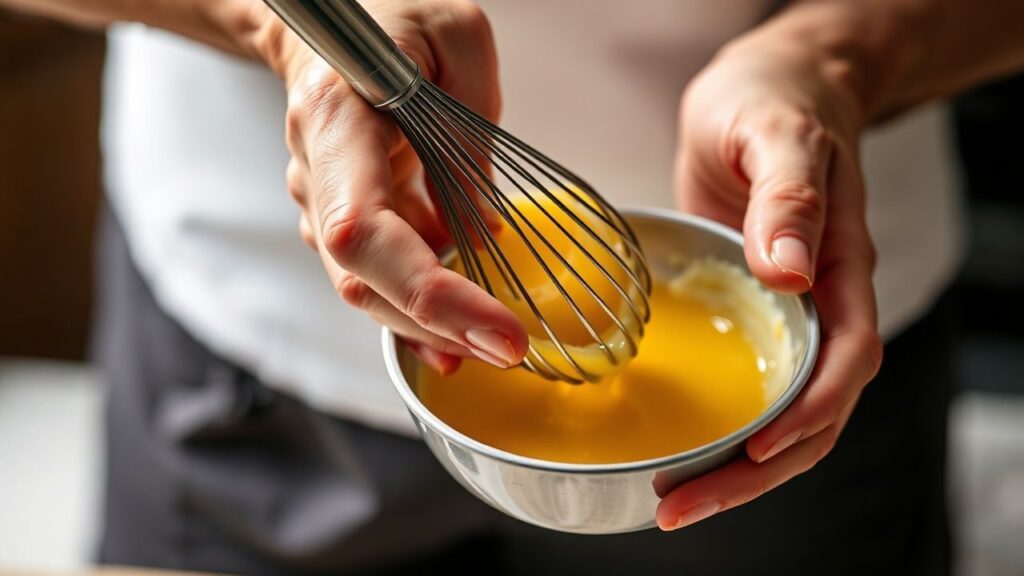
Gradually whisk the warm, strained poaching liquid into the roux, a little at a time, ensuring each addition is fully incorporated before adding more. This gradual addition prevents lumps and helps create a smooth sauce. Bring the sauce to a gentle simmer, stirring constantly, and let it cook for about 5-10 minutes until it thickens slightly. Season with salt and freshly ground black pepper to taste. In a small bowl, whisk together the 2 egg yolks and 150ml of heavy cream until thoroughly combined. Temper the egg yolk mixture by slowly whisking about half a ladleful of the hot sauce into it. This gently warms the yolks and prevents them from scrambling. Then, pour the tempered yolk mixture back into the main pot of sauce, whisking constantly over very low heat. Do NOT let the sauce boil after adding the liaison, as this will cause the eggs to scramble. Stir gently until the sauce has thickened to a luxurious, velvety consistency. Stir in the juice of half a lemon to brighten the flavours.
-
Combining and Serving:
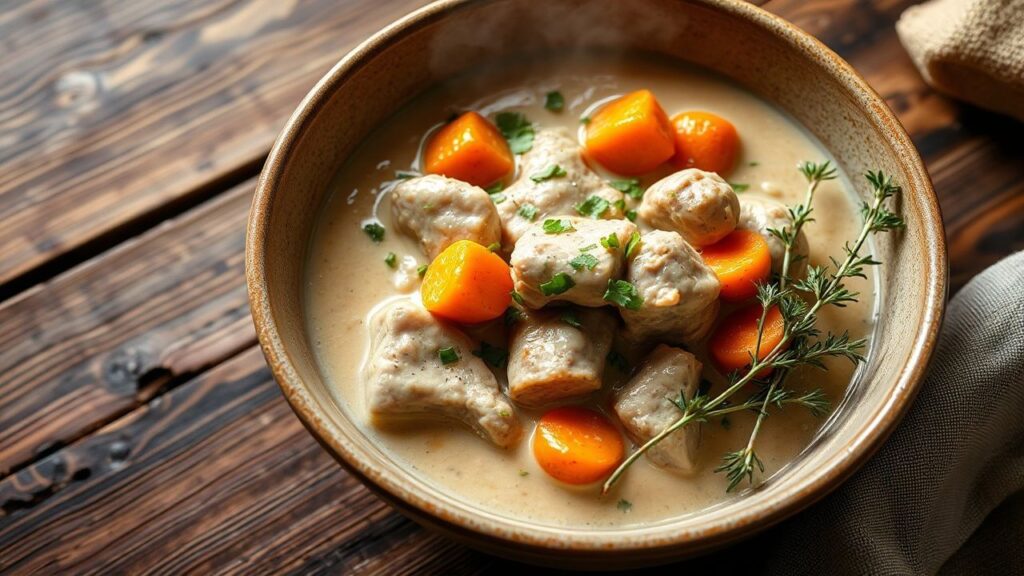
Gently return the cooked veal and carrots to the finished sauce. Stir carefully to coat everything evenly. Allow the dish to warm through gently over very low heat for a few minutes, but again, avoid boiling. Taste and adjust seasoning if necessary. To serve, ladle the veal blanquette into warmed shallow bowls or plates. Garnish generously with freshly chopped parsley. Traditionally, this dish is served with steamed rice, boiled potatoes, or even simple crusty bread to mop up the exquisite sauce.
Nutritional Profile: A Look at the Comforting Core
While veal blanquette with carrots is undeniably a rich and comforting dish, understanding its nutritional composition provides insight into its place within a balanced diet. The primary source of protein comes from the veal, which is typically lean and a good source of essential amino acids, iron, and B vitamins. Carrots contribute dietary fibre, vitamin A (in the form of beta-carotene, crucial for vision and immune function), and antioxidants. The sauce, while contributing significantly to the dish’s indulgence, is also a source of calcium and protein from the dairy components (cream and egg yolks).
It’s important to acknowledge the calorie and fat content, which are elevated due to the cream and egg yolk liaison. However, when prepared with good quality ingredients and portioned appropriately, veal blanquette can be a satisfying and nutrient-dense meal. The presence of lean protein and vitamins from the veal and carrots balances the richness of the sauce. For instance, a typical serving (without accompaniments like rice) might provide around 450-550 calories, with a significant portion of that coming from fat, but also offering 30-40 grams of protein and a good dose of Vitamin A. The exact figures will vary based on the specific cuts of veal used, the exact proportions of cream and butter in the sauce, and portion sizes.
Approximate Nutritional Information Per Serving (excluding accompaniments):
| Nutrient | Amount |
|---|---|
| Calories | 520 kcal |
| Protein | 35 g |
| Fat | 32 g |
| Saturated Fat | 18 g |
| Carbohydrates | 18 g |
| Fiber | 4 g |
| Vitamin A | 250% DV |
| Iron | 15% DV |
Note: DV = Daily Value. These are approximate values and can vary based on exact ingredients and preparation methods.
Elevating Your Veal Blanquette: Expert Touches for Restaurant-Quality Results
Achieving the sublime texture and flavour of a truly exceptional veal blanquette involves a few nuanced techniques that can elevate it from a home-cooked meal to a restaurant-worthy masterpiece. The quality of the veal, as mentioned, is paramount, but how it’s cooked and the precision with which the sauce is handled are equally critical. For instance, many chefs advocate for a two-stage cooking process for the veal: a gentle poach followed by a brief braise or gentle simmer in its own sauce. This ensures maximum tenderness and prevents the meat from becoming dry or tough, a common pitfall for less experienced cooks. The traditional French culinary education places immense importance on the ‘mise en place’ – ensuring all ingredients are prepped and ready before cooking begins. This methodical approach minimizes stress during the critical sauce-making stages.
The emulsion of the sauce is another area where subtle adjustments can make a significant difference. While the classic liaison of egg yolks and cream is standard, some chefs might opt for a slightly more refined technique, perhaps incorporating a small amount of ‘beurre manié’ (equal parts softened butter and flour kneaded together) if the sauce needs a touch more body or stability without risking the scramble of additional yolks. The choice of aromatics in the poaching liquid can also be nuanced; a touch of mace or a single star anise, used with extreme restraint, can add an unexpected layer of aromatic complexity. Finally, the garnish is not merely decorative but an integral part of the flavour profile. Beyond parsley, a sprinkle of microgreens or a very fine julienne of preserved lemon peel can add a burst of freshness and an elegant finish.
The success of a veal blanquette hinges on the gentle handling of the meat and the masterful emulsification of the sauce. Overheating the sauce after the addition of the egg yolks is a common mistake that can lead to a grainy or curdled texture, undermining the dish’s inherent elegance. The goal is a sauce that coats the back of a spoon beautifully, with a luminous sheen, rather than one that looks like scrambled eggs. This requires constant vigilance and precise temperature control, often achieved by cooking the sauce over a bain-marie or the lowest possible heat setting. The subtle acidity from the lemon juice is not just for flavour; it also helps to cut through the richness of the sauce, providing balance and preventing the dish from feeling overly heavy.
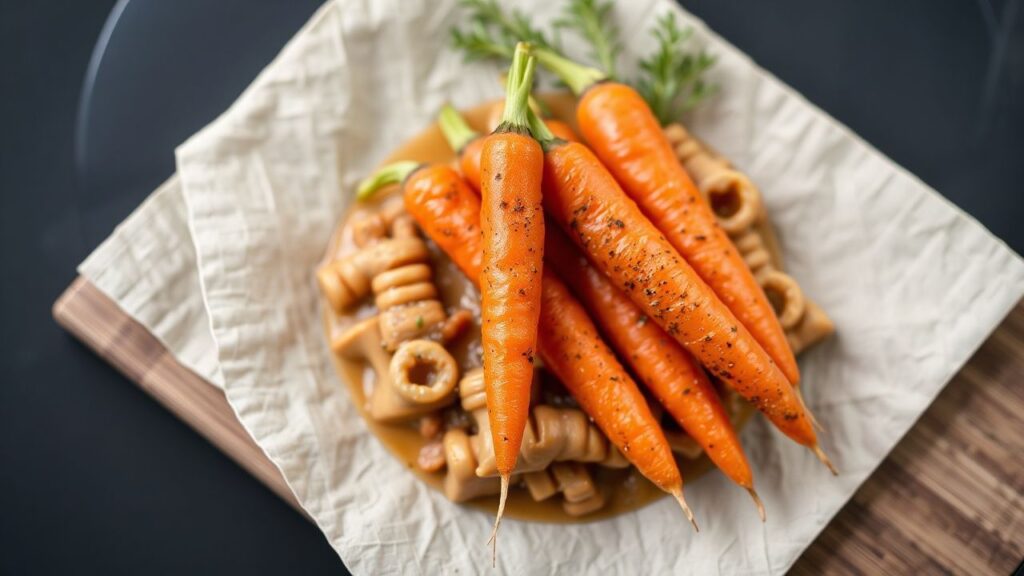
The final plating of the veal blanquette is also an opportunity to showcase its inherent beauty. While a rustic, generous serving is often appreciated, a more refined presentation can involve carefully arranging the veal and carrots on the plate, ensuring the sauce cascades elegantly over them. The vibrant orange of the carrots provides a striking visual contrast against the pale veal and creamy sauce. A final flourish of freshly chopped herbs not only adds a pop of colour but also a fragrant lift that complements the richness of the dish. Consider serving it in shallow, wide bowls that allow the diners to appreciate the entirety of the dish, rather than deep, narrow ones where the components can become muddled.
Frequently Asked Questions about Veal Blanquette
Can I make veal blanquette ahead of time?
Yes, veal blanquette can be made ahead of time, and in many cases, the flavours meld and deepen beautifully overnight. Prepare the dish entirely up to the point of adding the liaison (egg yolks and cream). Allow the sauce to cool completely, then refrigerate it along with the cooked veal and carrots in separate airtight containers. When ready to serve, gently reheat the veal and carrots in a saucepan. Separately, gently warm the sauce (do not boil). Then, temper the egg yolks and cream with a little of the warmed sauce, and whisk this mixture into the remaining sauce over very low heat until thickened. Finally, gently combine the veal and carrots with the reheated sauce. This method ensures the liaison is perfectly emulsified and the dish is served at its best, preventing the sauce from breaking or the veal from becoming tough during prolonged reheating.
What is the best cut of veal to use for blanquette?
The ideal cuts of veal for blanquette are those that benefit from slow, moist cooking, as they contain connective tissues that break down into gelatin, contributing to a tender texture and rich mouthfeel. Veal shoulder (épaule) is an excellent choice, offering a good balance of meat and fat. Veal breast (poitrine) is also very suitable and can be more economical. Some chefs also favour the veal shank (jarret), particularly the upper part, for its marrow bones which add incredible depth to the poaching liquid, though it may require slightly longer cooking. Avoid very lean cuts like veal loin or fillet, as they will dry out during the poaching process and lack the necessary richness for this style of dish.
How can I thicken the sauce if it’s thin?
If your veal blanquette sauce is too thin after adding the liaison, there are a couple of reliable methods to thicken it without compromising its texture or flavour. The most traditional and elegant approach is to use a liaison of egg yolks and cream, as described in the recipe. If the sauce is still not thick enough, you can prepare a small amount of ‘beurre manié’ – knead together equal parts softened unsalted butter and all-purpose flour to form a paste. Whisk small amounts of this paste into the simmering sauce until it reaches your desired consistency. Alternatively, you can create a slurry by mixing a tablespoon of cornstarch with two tablespoons of cold water, then whisking this into the simmering sauce until thickened. Be cautious with cornstarch, as it can impart a slightly glossy sheen and a subtle flavour if overused. Whichever method you choose, ensure the sauce is gently simmering when you add the thickener and whisk continuously until smooth.
See also: Veal