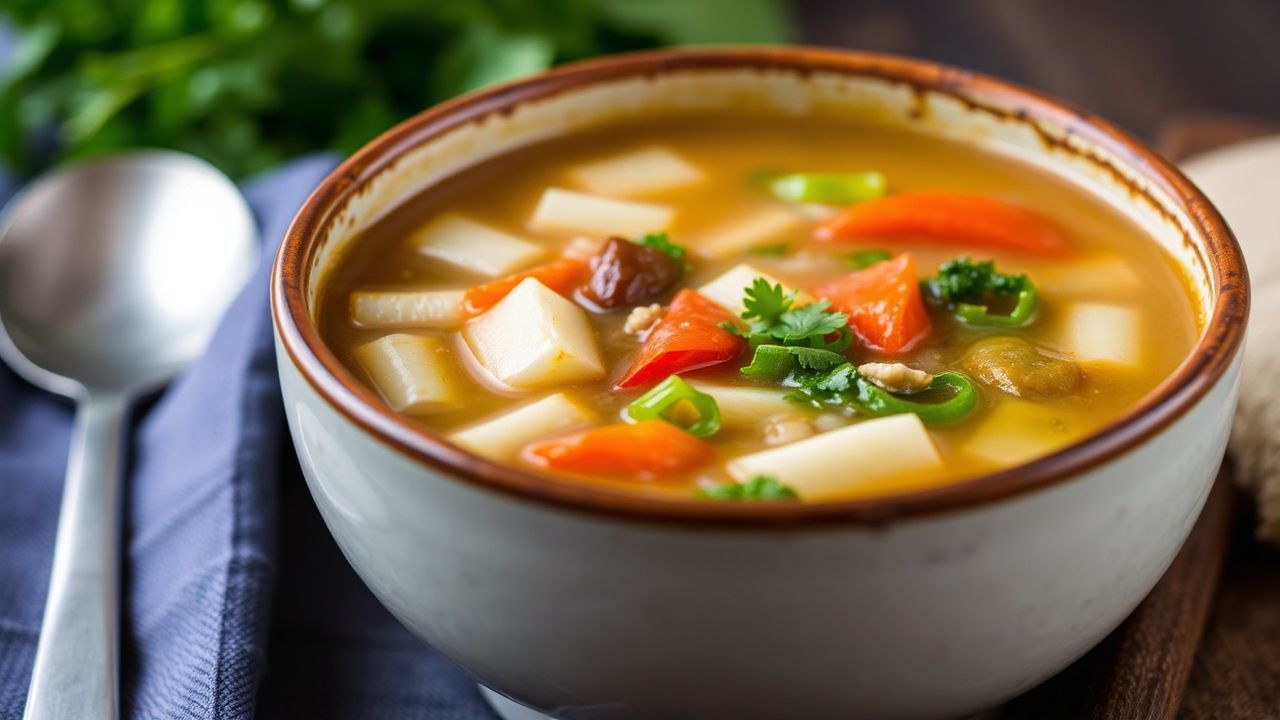

Vegetable soup: a comforting classic, but often misunderstood. Beyond its simple facade lies a universe of flavor potential and historical resonance, a true testament to culinary alchemy.
- The Enduring Allure of a Well-Made Vegetable Soup
- The Genesis of a Kitchen Staple: A Culinary Tapestry
- The Pillars of Excellence: Ingredients for an Unforgettable Vegetable Soup
- The Aromatic Foundation: Mirepoix and Beyond
- The Vegetable Ensemble: A Symphony of Textures and Flavors
- The Lifeblood: The Broth
- Herbs and Spices: The Finishing Touches
- The Art of Preparation: Crafting a Masterpiece
- Step 1: Building the Flavor Base (The Sauté)
- Step 2: Introducing the Liquids and Heartier Vegetables
- Step 3: Simmering for Depth and Harmony
- Step 4: Incorporating Tender Vegetables and Greens
- Step 5: Seasoning and Finishing Touches
- Nutritional Powerhouse: The Health Benefits of Vegetable Soup
- Nutritional Information (Approximate per serving, based on 6 servings):** Calories: 150-250 kcal Protein: 5-10g Fat: 5-10g Carbohydrates: 20-30g Fiber: 5-8g Sodium: Varies greatly depending on broth and added salt. Expert Insight: To further boost the nutritional profile and add a creamy texture without dairy, consider blending a portion of the cooked soup (including some of the starchy vegetables) and returning it to the pot. This technique, often employed in professional kitchens, creates a richer mouthfeel and a more integrated flavor profile. Elevating Your Vegetable Soup: Pro Tips from the Kitchen Achieving restaurant-quality vegetable soup at home is entirely within reach with a few key adjustments and considerations. Mastering the Broth is Non-Negotiable
- The Art of the Sauté: Patience is Key
- Consider Umami Boosters
- Textural Variety is Paramount
- Seasoning: A Nuanced Approach
- The Importance of Fresh Herbs
- Case Study: The Minestrone Variation – proof of Regionality
- Conclusion: The Timeless Appeal of Vegetable Soup
- Frequently Asked Questions
- What is the best type of broth for traditional vegetable soup?
- How can I make my vegetable soup thicker without using a roux or cornstarch?
- Can I freeze leftover vegetable soup?
At a Glance: Key Takeaways
- Traditional vegetable soup is a canvas for seasonal ingredients and regional variations.
- Mastering the broth is paramount to achieving depth and complexity.
- Technique, from mirepoix to simmering time, significantly impacts the final outcome.
- This dish offers remarkable nutritional benefits and adaptability for various dietary needs.
The Enduring Allure of a Well-Made Vegetable Soup
For many, the mere mention of vegetable soup conjures images of childhood kitchens, of grandmother’s gentle hands ladling steaming bowls, or perhaps of a restorative balm during a cold winter’s eve. Yet, to dismiss traditional vegetable soup as mere sustenance or a simple assembly of disparate ingredients is to overlook a profound culinary narrative. It is a dish that, in its most elemental form, speaks of resourcefulness, seasonality, and the inherent beauty of transforming humble produce into something deeply nourishing and profoundly satisfying. It is a culinary archetype, a foundation upon which countless variations have been built, yet its true essence often lies in its unpretentious perfection. The humble vegetable soup, when crafted with intention and respect for its components, transcends its humble origins to become a symphony of textures and a celebration of the earth’s bounty.
This article explore the heart of what makes a traditional vegetable soup truly exceptional. We will explore the foundational elements, from selecting the finest ingredients to the nuanced techniques that elevate a basic broth to liquid gold. We will also touch upon its historical significance and its remarkable adaptability, ensuring that this comforting classic can be enjoyed by all, regardless of dietary preferences or culinary skill. Prepare to rediscover the profound depth and exquisite simplicity of a truly great vegetable soup.
The Genesis of a Kitchen Staple: A Culinary Tapestry
The origins of vegetable soup are as ancient and varied as the cultures that have nurtured it. Long before the advent of refrigeration and globalized food systems, communities relied on the seasonal availability of produce. Stews and broths featuring vegetables were a natural extension of this, a means to preserve, utilize, and combine the bounty of the garden. Across Europe, regional variations emerged: the hearty *minestrone* in Italy, rich with beans and pasta; the robust *pot-au-feu* in France, often including root vegetables and a slow-cooked cut of meat for its foundational broth; the lighter, herb-infused broths of the Mediterranean. In Britain, a simple vegetable broth, often thickened with barley or potatoes, served as a staple. These were not merely recipes; they were reflections of local climates, available agricultural produce, and the culinary traditions passed down through generations.
The concept of a “traditional” vegetable soup is, therefore, a fluid one, constantly reinterpreted through the lens of time and place. However, a common thread binds them: the celebration of fresh, seasonal ingredients simmered gently to create a harmonious blend of flavors. This emphasis on natural goodness, on coaxing out the inherent sweetness of carrots, the earthy depth of potatoes, and the vibrant notes of greens, is the bedrock upon which this dish stands. It is proof of the power of simplicity, proving that extraordinary meals can arise from the most unassuming components.
At a Glance: Key Takeaways
- Traditional vegetable soup is a canvas for seasonal ingredients and regional variations.
- Mastering the broth is paramount to achieving depth and complexity.
- Technique, from mirepoix to simmering time, significantly impacts the final outcome.
- This dish offers remarkable nutritional benefits and adaptability for various dietary needs.
The Pillars of Excellence: Ingredients for an Unforgettable Vegetable Soup
The success of any great vegetable soup hinges on the quality and thoughtful selection of its constituent parts. While the specific vegetables can and should change with the seasons, certain foundational elements contribute immeasurably to its overall character and depth.
The Aromatic Foundation: Mirepoix and Beyond
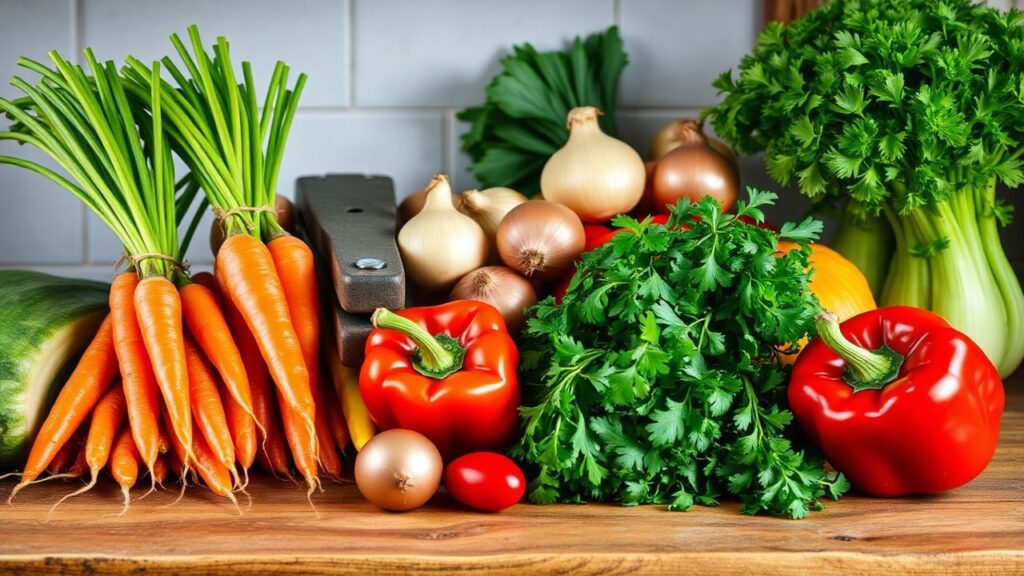
At the heart of most savory cooked dishes, and certainly of a superior vegetable soup, lies the *mirepoix*: a classic French combination of finely diced onions, carrots, and celery. This trio, sautéed gently in fat, forms the aromatic bedrock, releasing its sugars and developing complex flavors that permeate the entire soup. The ratio is typically 2 parts onion to 1 part carrot and 1 part celery, though this can be adjusted to personal preference.
- Onions: Yellow or sweet onions are ideal for their balanced sweetness and ability to soften beautifully.
- Carrots: Provide sweetness and a vibrant color.
- Celery: Adds a subtle peppery note and a refreshing, vegetal aroma.
Beyond the mirepoix, other aromatics matter significantly. Garlic, minced or smashed, infuses a pungent depth. Leeks, with their milder, sweeter onion flavor, can be used in place of or in addition to onions, particularly in spring and summer variations.
The Vegetable Ensemble: A Symphony of Textures and Flavors
The beauty of traditional vegetable soup lies in its inclusivity, yet careful consideration of texture and flavor compatibility is key. Aim for a balance of starchy vegetables, sweet vegetables, and leafy greens.
- Root Vegetables: Potatoes (Yukon Gold or red potatoes hold their shape well), sweet potatoes, parsnips, and turnips add substance and earthy sweetness.
- Cruciferous Vegetables: Broccoli, cauliflower, and Brussels sprouts contribute a pleasant bitterness and textural contrast.
- Alliums: Shallots can offer a more refined onion flavor.
- Legumes: While not strictly vegetables, beans (cannellini, kidney, or chickpeas) and lentils add protein, fiber, and heartiness.
- Greens: Spinach, kale, Swiss chard, or even robust collard greens wilt down beautifully, adding a final burst of freshness and nutrients.
- Other Favorites: Zucchini, bell peppers, peas, and corn can all contribute to a vibrant and flavorful soup, depending on the season and regional preference.
The Lifeblood: The Broth
The broth is the soul of your vegetable soup. While vegetable broth can be purchased, making your own offers unparalleled control over flavor and quality.
- Homemade Vegetable Broth: A rich, homemade vegetable broth, built from simmering vegetable scraps (onion skins, carrot peels, celery ends) with aromatics like bay leaves, peppercorns, and parsley stems, forms an unparalleled base.
- Chicken or Beef Broth: For a more robust, savory profile, a good quality chicken or beef broth can be used, though this moves slightly away from a purely vegetarian focus.
- Water: In a pinch, good quality water can be used, but it will require more diligent seasoning and the addition of umami-rich ingredients to compensate for the lack of inherent broth flavor.
Herbs and Spices: The Finishing Touches
Herbs and spices are the unsung heroes, transforming a simple broth into a complex flavor experience.
- Fresh Herbs: Parsley, thyme, rosemary, bay leaves, and dill add brightness and aromatic complexity.
- Dried Herbs: Can be added earlier in the cooking process to infuse their flavors more deeply.
- Spices: A pinch of red pepper flakes can add a gentle warmth. Black pepper, freshly ground, is essential. Salt, of course, to taste, but remember that broths can reduce and concentrate saltiness, so season judiciously.
The Art of Preparation: Crafting a Masterpiece
The method by which these ingredients are brought together is as critical as their selection. Precision and patience are rewarded with a soup that sings with flavor.
Step 1: Building the Flavor Base (The Sauté)
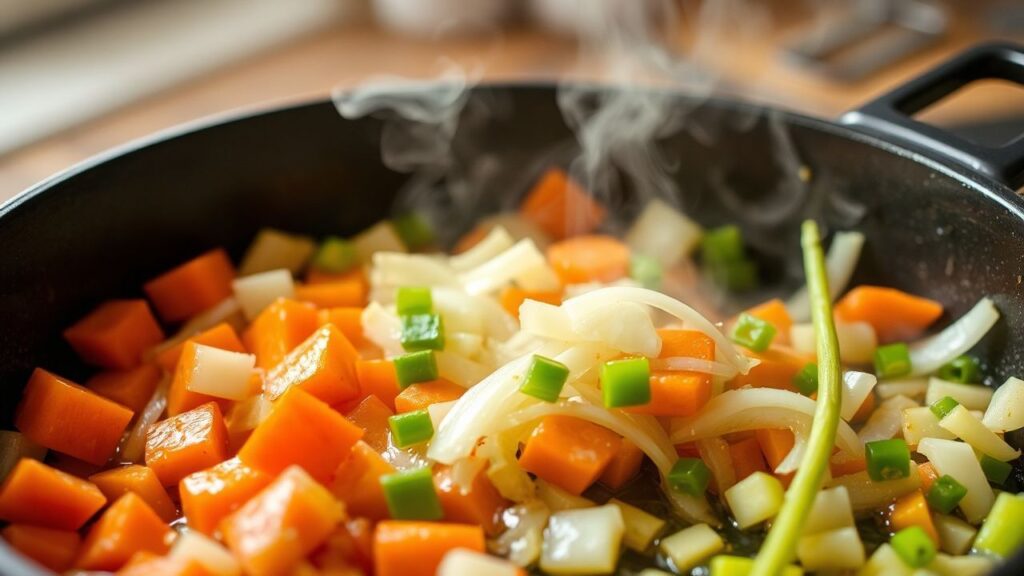
Begin by heating a generous amount of good quality olive oil or butter in a large, heavy-bottomed pot or Dutch oven over medium heat. Add your finely diced mirepoix (onions, carrots, celery). Sauté gently, stirring occasionally, for 8-10 minutes, or until the vegetables are softened and translucent but not browned. This process, known as sweating the vegetables, releases their natural sugars and creates a sweet, aromatic foundation. If using garlic or leeks, add them during the last 2-3 minutes of the sauté, being careful not to burn them.
Step 2: Introducing the Liquids and Heartier Vegetables
Once the aromatics are softened, add your chosen broth or water. If using dried herbs or spices, add them now. Bring the liquid to a simmer. Then, add your heartier vegetables such as potatoes, parsnips, sweet potatoes, and any dried beans or lentils that have been pre-soaked (if necessary). The goal here is to allow these denser ingredients to cook through and release their starches, which will naturally thicken the soup.
Step 3: Simmering for Depth and Harmony
Reduce the heat to low, cover the pot, and simmer gently for 20-30 minutes, or until the hearty vegetables are tender. Avoid a rolling boil, which can break down delicate vegetables and create a muddy texture. The gentle simmer allows the flavors to meld and deepen, creating a harmonious symphony of taste. This is the time for patience; rushing this stage will result in a soup that tastes like a collection of individual ingredients rather than a cohesive whole.
Step 4: Incorporating Tender Vegetables and Greens
During the last 10-15 minutes of simmering, add your more tender vegetables, such as broccoli florets, cauliflower, zucchini, bell peppers, and peas. These vegetables cook relatively quickly and should retain some of their vibrant color and slight bite. Stir in leafy greens like spinach, kale, or Swiss chard in the final 2-5 minutes, allowing them to wilt into the soup.
Step 5: Seasoning and Finishing Touches
Taste the soup and season generously with salt and freshly ground black pepper. This is a crucial step. Many home cooks under-season their soups, resulting in a bland final product. Remember that the flavors will have concentrated during simmering. If the soup tastes a bit flat, a squeeze of lemon juice can brighten it considerably. Stir in freshly chopped herbs like parsley, dill, or chives just before serving for a burst of freshness.
Nutritional Powerhouse: The Health Benefits of Vegetable Soup
Beyond its comforting appeal, traditional vegetable soup is a nutritional marvel. It’s a fantastic way to increase your daily intake of vitamins, minerals, and fiber.
- Rich in Vitamins and Minerals: Loaded with a spectrum of nutrients from its diverse vegetable components, including Vitamin A, Vitamin C, Vitamin K, folate, and potassium.
- High in Fiber: The abundance of vegetables and legumes contributes significant dietary fiber, promoting digestive health and satiety.
- Low in Calories: A well-made vegetable soup is inherently low in calories, making it an excellent choice for weight management.
- Hydrating: The broth base ensures adequate fluid intake.
- Antioxidant Powerhouse: Many vegetables used in soup, such as carrots, spinach, and tomatoes, are rich in antioxidants that help protect the body from cell damage.
Elevating Your Vegetable Soup: Pro Tips from the Kitchen
While a good quality store-bought broth can suffice in a pinch, the true depth of flavor in a traditional vegetable soup originates from a robust, homemade broth. The process of simmering vegetable scraps—onion skins, carrot peels, celery ends, leek greens—with aromatics like bay leaves, peppercorns, and parsley stems for several hours creates a liquid gold that store-bought versions simply cannot replicate. This foundational element is paramount.
The Art of the Sauté: Patience is Key
The initial sauté of the mirepoix is not merely about softening vegetables; it is about caramelization. Allow the onions, carrots, and celery to cook slowly and gently until they turn a beautiful golden-brown. This process unlocks their natural sugars, imparting a sweetness and depth of flavor that is essential for a truly exceptional vegetable soup. Rushing this step, by cooking the vegetables too quickly or at too high a heat, will result in a soup that tastes raw and underdeveloped.
Consider Umami Boosters
To further enhance the savory depth, consider incorporating ingredients rich in umami. A tablespoon of tomato paste added to the mirepoix and cooked for a minute or two before adding liquid can add a wonderful tang and richness. A piece of Parmesan rind simmered in the broth contributes an incredible depth of flavor and a subtle saltiness. Dried shiitake mushrooms, rehydrated and then chopped and added to the soup, also impart a profound umami character.
Textural Variety is Paramount
A truly memorable vegetable soup offers a delightful interplay of textures. Ensure you have a balance of tender, yielding vegetables and those that retain a slight al dente bite. Overcooking vegetables is a common pitfall that leads to a mushy, unappealing soup. Add vegetables in stages according to their cooking times, and always aim for a slight resistance when biting into them.
Seasoning: A Nuanced Approach
Seasoning is not an afterthought; it is an integral part of the cooking process. Taste and adjust seasoning at multiple stages. Begin with a modest amount of salt, and then, as the soup simmers and reduces, its flavors concentrate. It is often at the final stages that you will realize the full extent of what is needed. A squeeze of fresh lemon juice or a dash of high-quality vinegar (like sherry or apple cider vinegar) right before serving can awaken the flavors and provide a bright counterpoint to the richness.
[WARNING]Pro-Caution: Over-salting is a common error, especially when using pre-made broths which can be notoriously high in sodium. It is far easier to add more salt than to remove it. Always taste and adjust cautiously, and consider using low-sodium broths as a starting point.
The Importance of Fresh Herbs
While dried herbs are useful for infusing deeper flavors during simmering, fresh herbs added at the very end of cooking provide a vibrant lift and aromatic complexity. Think of finely chopped parsley, chives, dill, or even a hint of fresh thyme or rosemary. These bright, herbaceous notes cut through the richness and elevate the overall flavor profile.
Case Study: The Minestrone Variation – proof of Regionality
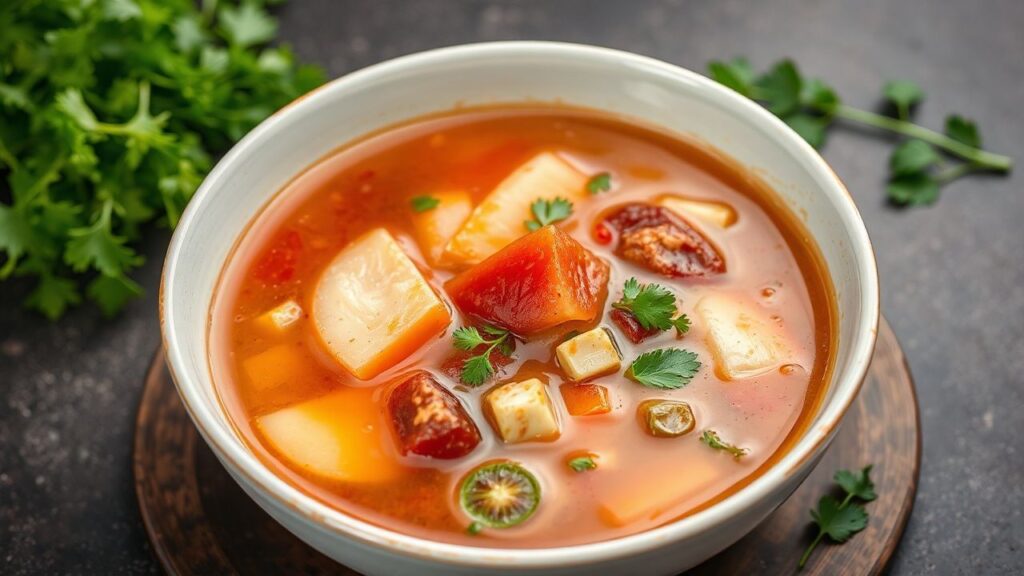
The Italian *minestrone* serves as a perfect illustration of how a traditional vegetable soup can evolve and adapt. While the core concept of a vegetable-based broth remains, regional variations abound. In Liguria, for instance, *minestrone alla genovese* is often enriched with pesto and features borlotti beans and potatoes. In contrast, a Tuscan minestrone might lean more heavily on cannellini beans and kale. The common thread is the use of whatever seasonal vegetables are readily available, combined with pasta or rice, and a flavorful broth. This adaptability highlights the fundamental principle of traditional vegetable soup: a celebration of local produce and time-honored techniques, allowing for endless creative expression within a comforting framework. The enduring appeal of minestrone, with its regional nuances, underscores the deep cultural significance and culinary flexibility inherent in this seemingly simple dish.
Conclusion: The Timeless Appeal of Vegetable Soup
The traditional vegetable soup, in its most elemental form, is a profound lesson in culinary wisdom. It teaches us the value of seasonality, the beauty of simplicity, and the transformative power of patient cooking. It is a dish that nourishes not only the body but also the soul, evoking memories and comforting us with its familiar embrace. Whether you are a seasoned chef or a novice cook, the journey of creating a truly exceptional vegetable soup is one of discovery and reward. By understanding the foundational elements, respecting the ingredients, and employing thoughtful techniques, you can unlock a world of flavor and create a dish that is both deeply satisfying and endlessly adaptable.
Frequently Asked Questions
What is the best type of broth for traditional vegetable soup?
The choice of broth significantly impacts the final flavor of your vegetable soup. For a classic, pure vegetable flavor, a homemade vegetable broth made from simmering vegetable scraps and aromatics is unparalleled. If you prefer a richer, more savory profile, a good quality chicken broth can be an excellent choice, though this moves slightly away from a purely vegetarian foundation. For those seeking a lighter option, water can be used, but it will require more diligent seasoning and the addition of umami-rich ingredients to compensate for the lack of inherent broth flavor. Ultimately, the “best” broth depends on your desired flavor profile and dietary preferences.
How can I make my vegetable soup thicker without using a roux or cornstarch?
To thicken your vegetable soup naturally, focus on the starch content of the vegetables themselves. Potatoes, when cooked and allowed to break down slightly, release their starch and contribute to a thicker consistency. Blending a portion of the cooked soup (including some of the starchy vegetables) and returning it to the pot is a highly effective method for achieving a creamy texture without the need for artificial thickeners. Additionally, incorporating legumes like cannellini beans or lentils can add body and a pleasing creaminess to the soup.
Can I freeze leftover vegetable soup?
Yes, traditional vegetable soup freezes exceptionally well. Ensure the soup has cooled completely before transferring it to airtight containers or freezer-safe bags. It’s advisable to leave out any delicate fresh herbs until just before serving after reheating. Frozen vegetable soup can typically be stored for 2-3 months. When reheating, allow it to thaw in the refrigerator overnight and then gently warm it on the stovetop, adding a splash of water or broth if it has become too thick.
See also: Vegetable soup