
Kofta holds a revered place in culinary traditions across the Middle East, North Africa, and parts of Asia. Its versatility and comfort have cemented its status as a global favorite. While many variations exist, the lamb kofta, particularly when paired with a vibrant mint yogurt sauce, represents a pinnacle of flavor and textural harmony. This combination is proof of how fundamental, high-quality ingredients, when treated with respect, can yield extraordinary results. It’s a dish that speaks of shared meals, warm hospitality, and the profound satisfaction that comes from creating something truly delicious from scratch.
- The Genesis of Kofta: A Culinary Heritage
- Mastering the Lamb Kofta: Ingredients and Preparation
- The Quintessential Ingredients: A Symphony of Flavors
- The Art of Mixing: Achieving the Perfect Kofta Blend
- Shaping the Kofta: Form and Function
- The Perfect Companions: Mint Yogurt Sauce and Serving Suggestions
- Expert Insights and Pro-Tips for Kofta Perfection
- Nutritional Profile: A Wholesome Indulgence
- The Cultural Significance of Kofta in Modern Cuisine
- Frequently Asked Questions About Lamb Kofta
“The magic of lamb kofta lies not just in its robust flavor, but in its ability to transform humble ground meat into an elegant, satisfying centerpiece, perfectly complemented by the cooling embrace of mint yogurt.”
This article explores the art and science of crafting exceptional lamb kofta with mint yogurt. We will examine the nuanced techniques, ingredient selections, and foundational principles that elevate this dish from good to unforgettable. Whether you are a seasoned home cook or embarking on your culinary journey, these insights are designed to equip you with the knowledge to achieve unparalleled results, ensuring your kofta is always succulent, flavorful, and perfectly balanced.
The Genesis of Kofta: A Culinary Heritage
The word “kofta” originates from the Persian “kufteh,” meaning “to grind” or “to pound.” This etymology hints at the dish’s ancient roots, where ground meat mixed with aromatics and spices was a practical and delicious way to prepare protein. Across diverse cultures, kofta evolved, adapting to local palates and available ingredients. In Turkey, it might be grilled as sis kofta; in India, it could be simmered in a rich gravy as malai kofta; and in the Levant, it’s often baked or pan-fried, frequently featuring herbs and spices that sing of the region’s vibrant culinary landscape. Lamb kofta benefits from the inherent richness and distinctive flavor of lamb, which pairs exceptionally well with bold spices and cooling elements like yogurt.
The historical significance of kofta is deeply intertwined with communal eating. In many societies, preparing and sharing kofta was, and still is, an act of hospitality and togetherness. Research into the history of Middle Eastern cuisine highlights how ground meat dishes like kofta emerged as efficient and flavorful ways to utilize various cuts of meat, making them accessible and popular across different socioeconomic strata.
Mastering the Lamb Kofta: Ingredients and Preparation
The foundation of any exceptional dish lies in the quality of its components and the precision of its preparation. For lamb kofta, this means selecting the right cut of lamb and understanding how to coax the most flavor and moisture from it.
The Quintessential Ingredients: A Symphony of Flavors
When crafting lamb kofta, careful consideration of each ingredient is crucial for the final texture and taste.
- Ground Lamb: For optimal flavor and texture, a blend of 80% lean and 20% fat is ideal. The fat is critical for moisture and succulence. If possible, grind the lamb yourself or ask your butcher to grind it from a flavorful cut like the shoulder to ensure freshness and control grind consistency.
- Aromatics: Finely minced onion and garlic are indispensable. The onion, when grated or very finely chopped, releases its moisture and sweetness, binding the mixture and adding depth. Garlic provides a pungent, savory counterpoint.
- Herbs: Fresh herbs are paramount. Parsley and mint are classic choices, offering freshness and subtle herbaceous complexity. Use them generously, ensuring they are finely chopped to integrate seamlessly. Cilantro can also be a welcome addition.
- Spices: A well-balanced spice blend is key. Cumin and coriander provide earthy warmth, while cinnamon adds a subtle sweetness that complements lamb beautifully. A pinch of allspice or nutmeg can contribute to the aromatic depth. Red pepper flakes or cayenne can introduce gentle heat, but should be used judiciously. Salt and freshly ground black pepper are essential for enhancing all other flavors.
- Binder (Optional but Recommended): A small amount of breadcrumbs (panko or fresh) or a beaten egg can help ensure the kofta holds its shape during cooking. However, overdoing the binder can lead to a denser, less tender kofta.
The Art of Mixing: Achieving the Perfect Kofta Blend
The method of mixing is critical. Overworking the meat can render the kofta tough, while under-mixing can lead to uneven flavor distribution and a kofta that falls apart.
Gently combine all ingredients in a large bowl. The key is *gentle* incorporation, using your hands or a light touch with a spatula, until just combined. The goal is to distribute the spices, herbs, and aromatics evenly throughout the meat without compacting it too much.
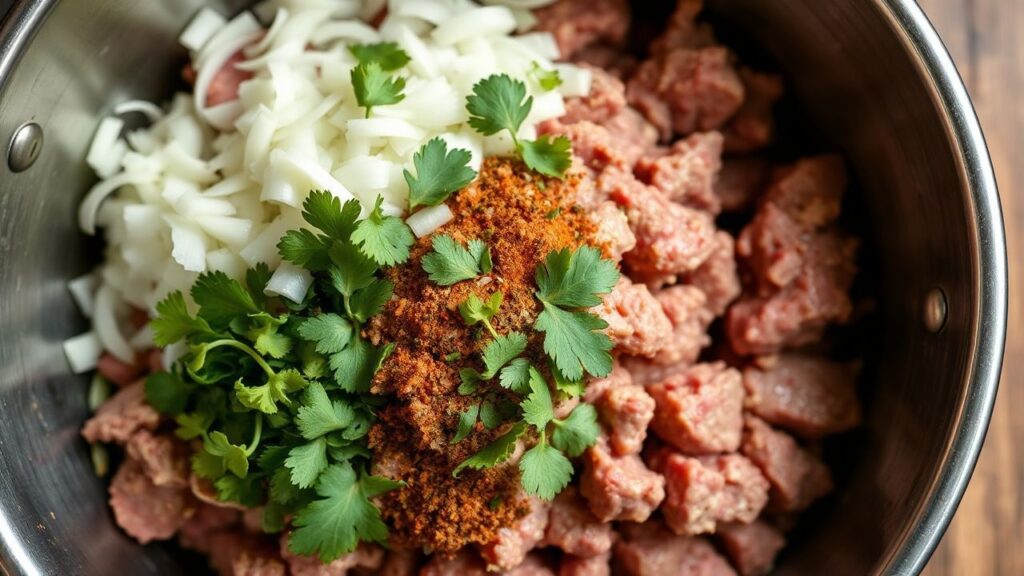
A crucial technique is the “test patty.” Before shaping all the kofta, take a small amount of the mixture, flatten it into a mini-patty, and cook it in a skillet or under a broiler. This allows you to taste and adjust the seasoning. It’s far easier to add more salt, pepper, or spices to the raw mixture based on this test than to try and salvage an entire batch.
Shaping the Kofta: Form and Function
For grilling or pan-frying, oblong shapes about 3-4 inches long and 1-1.5 inches thick are ideal. They offer a good surface area for searing and cook evenly.
To shape, moisten your hands slightly with water or a little olive oil. Take a portion of the mixture and gently roll it between your palms, then shape it into the desired form. Avoid pressing too firmly, as this can compact the meat and make the kofta dense. The aim is a shape that is cohesive but still retains an airy interior.
The Perfect Companions: Mint Yogurt Sauce and Serving Suggestions
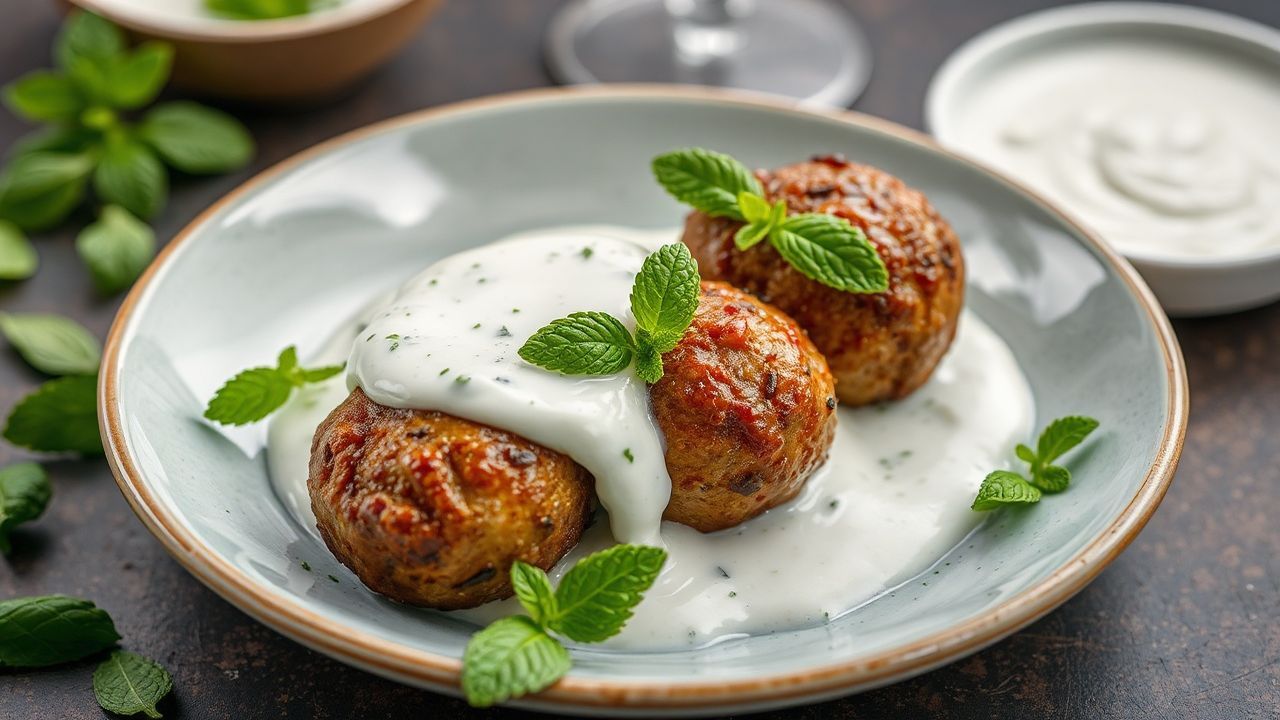
No lamb kofta is complete without its quintessential partner: a cooling, tangy mint yogurt sauce. This sauce provides a delightful contrast to the rich, spiced meat, creating a perfectly balanced bite.
Crafting the Sublime Mint Yogurt Sauce
The beauty of this sauce lies in its simplicity and the bright, fresh flavors it brings to the plate.
- Yogurt: Full-fat Greek yogurt is preferred for its thick, creamy texture and slight tang.
- Fresh Mint: Finely chopped fresh mint provides that signature refreshing aroma and taste.
- Garlic: A small clove of garlic, finely minced or grated, adds a subtle savory note.
- Lemon Juice: A squeeze of fresh lemon juice brightens the sauce and adds a pleasant acidity.
- Salt and Pepper: To taste, to enhance all the flavors.
Combine all ingredients in a bowl and whisk until smooth and well-emulsified. For more harmonious flavor, let the sauce rest in the refrigerator for at least 30 minutes before serving.
Serving the Kofta: A Culinary Canvas
Lamb kofta is incredibly versatile. Here are a few esteemed ways to present this magnificent dish:
- Grilled or Pan-Fried: Serve hot off the heat, with a generous dollop of the mint yogurt sauce.
- In Pita Bread: Stuff warm pita bread with kofta, mint yogurt sauce, and fresh salad greens, chopped tomatoes, and red onions.
- With Rice Pilaf: A fragrant rice pilaf makes an excellent accompaniment.
- As Part of a Mezze Platter: Kofta can be a star component of a larger mezze spread.
Expert Insights and Pro-Tips for Kofta Perfection
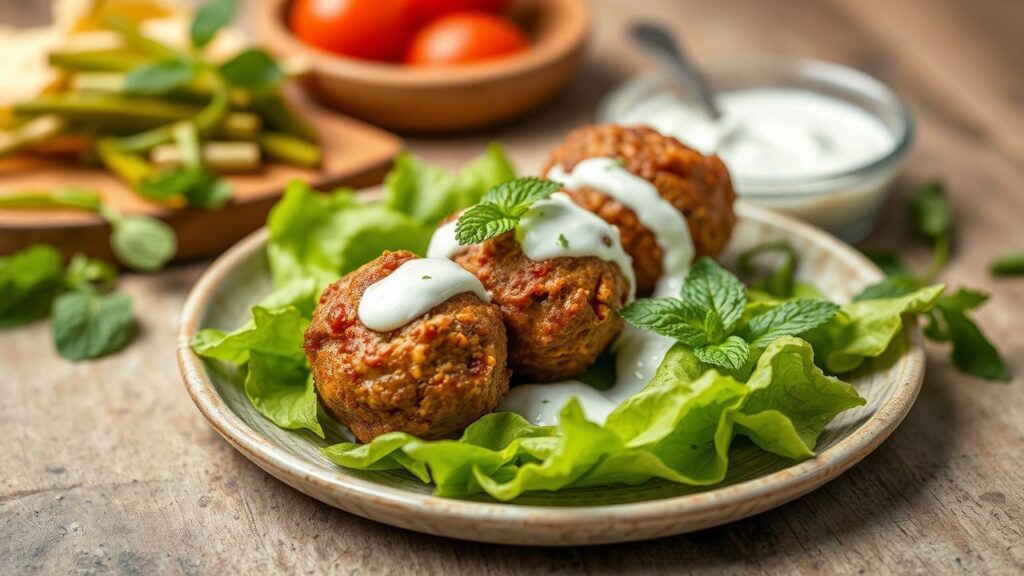
Achieving consistently excellent lamb kofta involves understanding a few nuanced techniques.
[TIP]Expert Insight: For an exceptionally tender kofta, consider adding a tablespoon of finely grated raw zucchini or a teaspoon of baking soda to your lamb mixture. The zucchini adds moisture without altering the flavor significantly, while baking soda helps tenderize the meat proteins. Ensure the zucchini is squeezed dry of excess water before grating.
- The Fat Content is Non-Negotiable: The fat in the lamb is crucial for moisture. If using very lean ground lamb, supplement with a small amount of olive oil or finely diced lamb fat.
- Don’t Be Afraid of Flavor: Lamb has a robust flavor that can stand up to bold spices. Experiment with different spice blends, but always taste and adjust.
- Resting the Mixture: After mixing, let the kofta mixture rest in the refrigerator for at least 30 minutes. This allows flavors to meld and the meat to firm up, making it easier to shape and helping it hold its form during cooking.
- Cooking Temperature is Key: Ensure your cooking surface is adequately hot. For grilling, medium-high heat is ideal. For pan-frying, medium-high heat with a good amount of oil or butter will ensure a beautiful sear. Avoid overcrowding the pan, as this will steam the kofta rather than sear it.
- Internal Temperature Matters: For perfectly cooked lamb kofta, aim for an internal temperature of 160°F (71°C). Using a meat thermometer is the most reliable way to ensure your kofta is cooked through but not overdone.
[WARNING]Pro-Caution: Overwhelming the lamb’s natural flavor with too many spices is a common mistake. Start with a balanced blend and use spices to enhance, not mask, the inherent taste of the lamb. Over-spicing can also lead to a gritty texture if spices are not finely ground. Always ensure your spices are fresh for maximum flavor impact.
Nutritional Profile: A Wholesome Indulgence
Lamb kofta, when prepared thoughtfully, can be a nutritious part of a balanced diet. It’s a good source of protein, iron, and zinc. The addition of fresh herbs and vegetables in the sauce further enhances its health benefits.
A typical serving of lamb kofta (approximately 4 oz or 113g total) with mint yogurt sauce (about 2 tablespoons) can be estimated as follows:
- Calories: 300-400 kcal
- Protein: 20-25g
- Fat: 20-30g (varying significantly based on lamb leanness and added oils)
- Carbohydrates: 5-10g (primarily from onion and any breadcrumbs used)
- Iron: A significant portion of the daily recommended intake.
- Zinc: Also an excellent source.
These are approximate values. Opting for leaner lamb and grilling or baking instead of frying can significantly reduce the fat and calorie content.
The Cultural Significance of Kofta in Modern Cuisine
The enduring appeal of kofta is proof of its adaptability and its inherent deliciousness. In contemporary culinary landscapes, kofta has moved beyond its traditional settings to become a staple in diverse gastronomic environments. Chefs worldwide are reinterpreting this classic dish, infusing it with global flavors and presenting it in innovative ways. This evolution reflects a broader trend in cuisine: the appreciation for authentic, comforting dishes that can be both familiar and exciting. The ability of kofta to bridge cultural divides, offering a universally satisfying taste experience, ensures its continued prominence on menus and in home kitchens alike.
Frequently Asked Questions About Lamb Kofta
What is the best type of lamb to use for kofta?
The ideal choice is ground lamb with a fat content of around 20%, typically from the shoulder. The fat is crucial for moisture and flavor. If you can’t find lamb with this fat ratio, ask your butcher to grind lamb shoulder for you, or add a small amount of lamb fat to leaner ground lamb.
How can I prevent my kofta from falling apart when cooking?
Ensure the mixture is well-combined but not over-worked. Resting the mixture in the refrigerator for at least 30 minutes helps it firm up. Using a small amount of binder like breadcrumbs or a beaten egg can also help, but avoid adding too much. Ensure your cooking surface is hot enough to create a good sear, which helps seal the kofta.
Can I make lamb kofta ahead of time?
Yes. You can prepare the kofta mixture and shape the kofta a day in advance. Store them loosely covered in the refrigerator on a tray. The mint yogurt sauce can also be made a day ahead and stored in the refrigerator.
What are some popular variations of kofta?
Kofta is incredibly diverse. Popular variations include beef kofta, chicken kofta, and vegetarian options. Internationally, you’ll find Turkish sis kofta (skewered and grilled), Indian malai kofta (often in a creamy sauce), and kofta served in various stews and curries across the Middle East and North Africa.
How do I know when my lamb kofta is cooked through?
The most reliable method is to use an instant-read meat thermometer. Lamb kofta is safely cooked when it reaches an internal temperature of 160°F (71°C). Visually, the kofta should be browned on all sides, and the juices should run clear. Avoid overcooking.
See also: Kofta