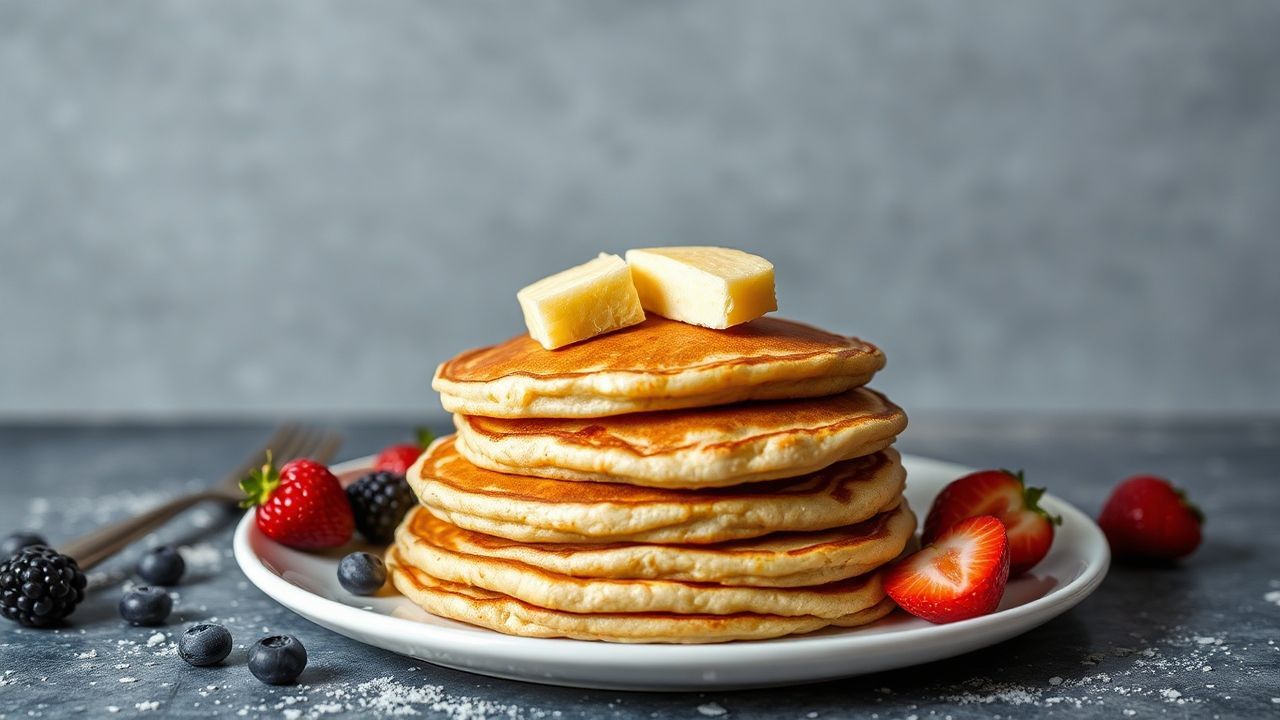

Pancakes have long been a breakfast staple, often associated with indulgence and comfort. However, the perception of these beloved griddle cakes is about to undergo a significant transformation, revealing a universe of culinary potential far beyond the traditional dairy-and-egg-laden batter. Forget the notion that vegan pancakes are inherently inferior, a pale imitation of their conventional counterparts. The truth is, with a few expertly applied techniques and a nuanced understanding of plant-based ingredients, you can craft vegan pancakes that are not just good, but truly sensational – boasting a texture, flavor, and lightness that rivals, and often surpasses, anything you’ve tasted before.
- The Underrated Power of Plant-Based Pancakes
- The Essential Vegan Pancake Blueprint: A Step-by-Step Guide
- Step 1: The Foundation – Dry Ingredients
- Step 2: The Heart – Wet Ingredients
- Step 3: The Unification – Gently Combine
- Step 4: The Rest – Batter Bloom
- Step 5: The Transformation – Griddling
- Step 6: The Flip – Patience is Key
- Step 7: The Enjoyment – Serve Immediately
- Expert Insights and Troubleshooting
- Variations and Flavor Enhancements
- The Nutritional Landscape of Vegan Pancakes
- Beyond Breakfast: Creative Uses for Vegan Pancake Batter
- What is the best plant-based milk for vegan pancakes?
- How do I make vegan pancakes extra fluffy?
- Can I make vegan pancakes ahead of time?
- What are some healthy topping ideas for vegan pancakes?
- Why are my vegan pancakes turning out gummy?
- Final Recommendations
The Underrated Power of Plant-Based Pancakes
The very mention of “vegan pancakes” can sometimes elicit a skeptical sigh, conjuring images of dense, gummy discs that stubbornly refuse to achieve that coveted fluffy interior. This apprehension, while understandable given the culinary landscape of the past, is increasingly unfounded. Modern vegan baking has evolved exponentially, demystifying techniques and highlighting the remarkable capabilities of ingredients like flaxseed, banana, apple sauce, and plant-based milks. These elements, when harnessed correctly, provide the binding, moisture, and leavening necessary to create pancakes that are both structurally sound and delightfully airy. The culinary science behind achieving this delicate balance is not complex, but it does require a departure from conventional wisdom and an embrace of innovative ingredient interactions.
The true artistry of vegan pancakes lies not in mimicking dairy and eggs, but in celebrating the unique contributions of plant-based ingredients to achieve an unparalleled lightness and depth of flavor.
The appeal of vegan pancakes extends far beyond those adhering to a strictly plant-based diet. For individuals with dairy or egg allergies, or those simply seeking to reduce their environmental footprint, these recipes offer an inclusive and delicious alternative. Furthermore, research consistently points to the benefits of reducing animal product consumption. For instance, a 2019 report by the University of Oxford’s Environmental Change Institute highlighted that a shift towards plant-based diets could significantly reduce an individual’s carbon footprint, with some estimates suggesting a reduction of up to 73%. Incorporating vegan pancakes into your routine is a small, enjoyable step towards a more sustainable lifestyle, proving that dietary choices can be both ethical and incredibly satisfying.
Deconstructing the Classic Pancake: What We’re Replacing
Traditionally, pancakes rely on eggs for binding and leavening, and milk for moisture and richness. The yolk provides emulsification, while the white contributes to lift. Dairy milk offers fat and protein, contributing to a tender crumb. To successfully translate this into a vegan format, we must identify suitable plant-based replacements that perform analogous functions. This is where the “simple” in “simple vegan pancakes” truly shines – it’s about understanding the *role* of each ingredient and finding the best plant-based *solution*.
Key components to address include:
- Binding: Eggs are primary binders. In vegan versions, flax eggs (1 tablespoon ground flaxseed mixed with 3 tablespoons water, left to sit for 5-10 minutes until gelatinous) or chia eggs serve as excellent emulsifiers. Mashed ripe banana or unsweetened apple sauce can also contribute to binding and add natural sweetness.
- Leavening: While eggs contribute to lift, the primary leavening in pancakes comes from chemical agents like baking powder and baking soda. Ensuring these are fresh is paramount. The acidity of certain plant-based milks (like buttermilk made from plant milk and vinegar) can also react with baking soda to enhance leavening.
- Moisture & Richness: Dairy milk is replaced by a variety of plant-based alternatives, each offering unique characteristics. Almond milk is neutral, soy milk provides a slightly richer texture due to its protein content, and oat milk offers a creamy, subtly sweet profile. The fat content in these milks matter significantly in the final texture, preventing dryness.
The Essential Vegan Pancake Blueprint: A Step-by-Step Guide
Crafting perfect vegan pancakes is an art, but one that can be mastered with a clear, methodical approach. This blueprint breaks down the process into actionable steps, ensuring success even for novice bakers. The magic lies in the precise combination of ingredients and the gentle handling of the batter.
Step 1: The Foundation – Dry Ingredients
Begin by combining your dry ingredients in a large mixing bowl. This typically includes:
- All-Purpose Flour: The standard base for most pancake recipes. For a lighter texture, consider using a blend of all-purpose and cake flour.
- Granulated Sugar (or alternative): Provides sweetness and aids in browning. Coconut sugar or maple syrup can be used for a more nuanced flavor.
- Baking Powder: The primary leavening agent, crucial for achieving fluffiness. Ensure it’s fresh; expired baking powder is a common culprit for flat pancakes.
- Baking Soda: Works in conjunction with acidic elements in the batter for an extra lift.
- Salt: Enhances all the other flavors and balances the sweetness.
Whisk these ingredients thoroughly to ensure even distribution of the leavening agents. This is a critical, often overlooked, step for consistent results.
Step 2: The Heart – Wet Ingredients
In a separate bowl, whisk together your wet ingredients. This is where the vegan magic truly begins:
- Plant-Based Milk: Choose your preferred variety (almond, soy, oat, cashew). Unsweetened is generally recommended, allowing you to control the sweetness.
- Vegan Binder: Prepare your flax egg or use a suitable alternative like mashed banana or apple sauce.
- Melted Vegan Butter or Oil: Adds richness and tenderness. Coconut oil, melted and slightly cooled, or a neutral vegetable oil like canola or sunflower oil are excellent choices.
- Vanilla Extract: For aromatic depth.
- Optional Acidic Element (for extra lift): A tablespoon of apple cider vinegar or lemon juice added to the plant milk can create a “vegan buttermilk” effect, activating the baking soda more effectively. Let it sit for a few minutes to curdle slightly before adding to the dry ingredients.
Step 3: The Unification – Gently Combine
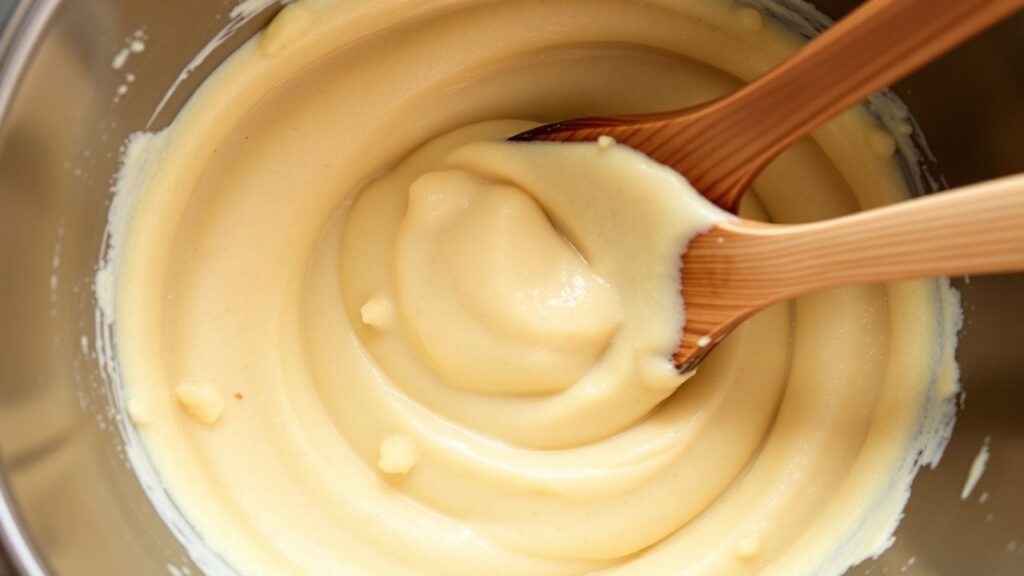
Now, pour the wet ingredients into the bowl with the dry ingredients. This is perhaps the most crucial step for achieving a tender crumb. Do not overmix. Use a whisk or spatula to gently combine the ingredients until *just* moistened. A few lumps in the batter are perfectly acceptable, even desirable. Overmixing develops the gluten in the flour too much, leading to tough, rubbery pancakes. The batter should be thick but pourable.
Step 4: The Rest – Batter Bloom
Allow the batter to rest for 5-10 minutes. This short period allows the gluten to relax and the leavening agents to begin their work, resulting in a lighter, fluffier pancake. It’s a small but significant step that elevates the final product.
Step 5: The Transformation – Griddling
Heat a lightly oiled or greased griddle or non-stick frying pan over medium heat. The ideal temperature is crucial: too hot, and the outside will burn before the inside cooks; too cool, and the pancakes will be pale and greasy. A good test is to flick a drop of water onto the surface; it should sizzle and evaporate quickly.
Pour about ¼ cup of batter per pancake onto the hot griddle. Cook for 2-3 minutes, or until bubbles start to form on the surface and the edges look set.
Step 6: The Flip – Patience is Key
This is where skill and a good spatula come into play. Carefully slide your spatula under the pancake and confidently flip it. Cook the other side for another 1-2 minutes, or until golden brown and cooked through. Avoid pressing down on the pancakes after flipping, as this can deflate them.
Step 7: The Enjoyment – Serve Immediately
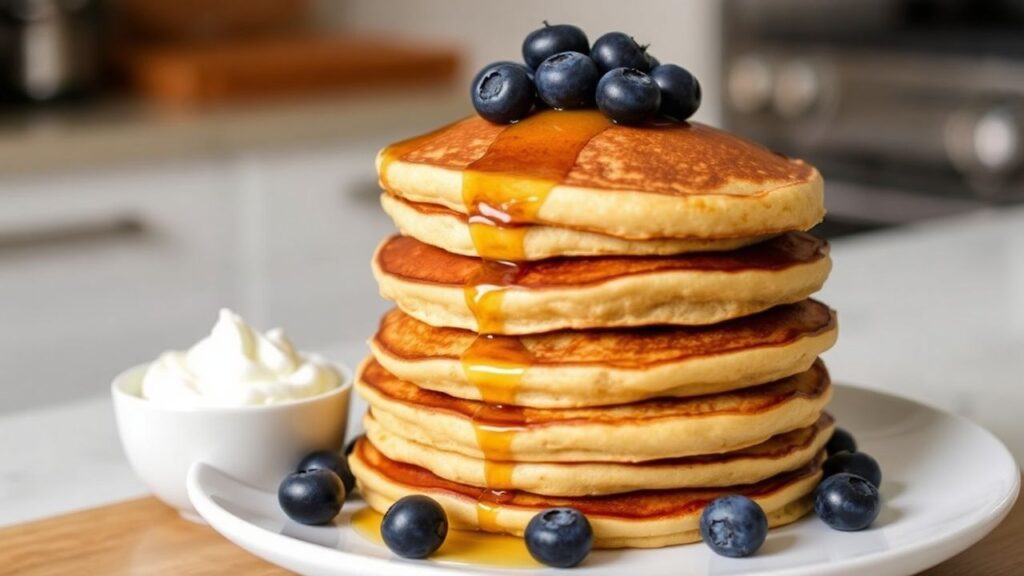
Vegan pancakes are best enjoyed fresh off the griddle. Serve with your favorite toppings – fresh berries, maple syrup, vegan whipped cream, or a sprinkle of powdered sugar.
Expert Insights and Troubleshooting
Achieving consistently perfect vegan pancakes often involves a bit of intuition and an understanding of common pitfalls. Here are some expert tips to ensure your flapjacks are always a triumph.
Troubleshooting Common Issues
- Flat, Dense Pancakes: This is almost always due to old baking powder, overmixing the batter, or insufficient leavening agents. Ensure your baking powder is fresh and remember to mix the batter *just* until combined.
- Gummy Texture: Often caused by underbaking or an imbalance of liquid to dry ingredients. Ensure the pancakes are cooked through on both sides.
- Sticking to the Pan: Your pan may not be adequately non-stick, or you haven’t used enough oil or vegan butter to grease it. Ensure a thin, even layer of cooking fat.
- Dry Pancakes: This can happen if the batter is too dry to begin with or if they are overcooked. Adjust the plant milk slightly if your batter seems excessively thick, and keep a close eye on cooking times.
Variations and Flavor Enhancements
The beauty of a simple vegan pancake recipe is its versatility. It serves as a blank canvas for a multitude of delicious variations that can transform your breakfast into a gourmet experience.
Sweet Additions
- Chocolate Chip Pancakes: Fold in a handful of vegan chocolate chips into the batter just before cooking.
- Blueberry Pancakes: Gently stir fresh or frozen blueberries into the batter. If using frozen, be mindful that they may release more liquid.
- Cinnamon Swirl Pancakes: Mix a teaspoon of cinnamon and a tablespoon of sugar with a little melted vegan butter or oil. Swirl this mixture into the batter after pouring it onto the griddle for a beautiful marbled effect.
Savory Explorations
While sweet pancakes are classic, don’t underestimate the power of a savory vegan pancake.
- Herb and “Cheese” Pancakes: Incorporate finely chopped fresh herbs like chives, parsley, or dill into the batter. You can also add nutritional yeast for a cheesy flavor and a sprinkle of vegan shredded cheese.
- Corn and Jalapeño Pancakes: Fold in fresh or frozen corn kernels and finely diced jalapeño for a Tex-Mex inspired twist. Serve with salsa or avocado.
The Nutritional Landscape of Vegan Pancakes
Beyond their delicious taste and ease of preparation, vegan pancakes offer a compelling nutritional profile that can be a beneficial part of a balanced diet. When made with whole-food ingredients, they can be a source of complex carbohydrates for sustained energy, fiber, and essential micronutrients.
The base of all-purpose flour provides carbohydrates. Opting for whole wheat flour or incorporating other whole grains like oat flour can significantly boost the fiber content, which is crucial for digestive health and satiety. A study published in the Journal of Nutrition in 2015 found that diets higher in dietary fiber are associated with a reduced risk of various chronic diseases, including cardiovascular disease and type 2 diabetes.
The plant-based milks used contribute varying amounts of vitamins and minerals. For instance, many are fortified with calcium and Vitamin D, important for bone health. If using soy milk, you’re also getting a good dose of plant-based protein, which is vital for muscle repair and overall bodily function.
The inclusion of flaxseed or chia seeds not only acts as a binder but also introduces omega-3 fatty acids, which are beneficial for heart and brain health. These seeds are potent sources of alpha-linolenic acid (ALA), a type of omega-3 that the body can convert into EPA and DHA, albeit in smaller amounts. Research from the Harvard T.H. Chan School of Public Health consistently emphasizes the cardiovascular benefits of incorporating omega-3 rich foods into one’s diet.
Beyond Breakfast: Creative Uses for Vegan Pancake Batter
The versatility of vegan pancake batter doesn’t end at the breakfast table. Its simple, adaptable nature lends itself to creative culinary applications throughout the day.
One innovative approach is to use the batter for vegan crepes. By thinning the batter slightly with more plant-based milk, you can achieve a much thinner, more delicate pancake suitable for rolling or folding with sweet or savory fillings. Imagine delicate crepes filled with sautéed mushrooms and spinach, or a sweet version with fresh berries and a dollop of vegan yogurt.
Another delightful application is as a base for savory fritters. Incorporate finely diced vegetables like zucchini, bell peppers, or corn, along with herbs and spices, into the batter. Pan-fry small portions until golden brown and crisp. These make excellent appetizers or a light lunch served with a side salad.
Furthermore, the batter can be used in a pinch as a quick vegan binder for veggie burgers or falafel. While not a traditional use, a small amount can help hold ingredients together before pan-frying, providing an unexpected culinary shortcut.
What is the best plant-based milk for vegan pancakes?
There isn’t a single “best” as it depends on personal preference and desired outcome. Soy milk often provides a richer, creamier texture due to its protein content, making it excellent for fluffiness. Oat milk is also very creamy and has a neutral, slightly sweet flavor. Almond milk is a lighter option and works well if you want to control sweetness and fat content independently. Unsweetened versions are generally recommended.
How do I make vegan pancakes extra fluffy?
Several factors contribute to fluffy vegan pancakes: ensuring your baking powder is fresh, not overmixing the batter (lumps are good!), allowing the batter to rest for 5-10 minutes, and cooking them on medium heat to allow even expansion. Using a tablespoon of apple cider vinegar or lemon juice with your plant milk to create a “vegan buttermilk” also significantly aids in leavening by activating the baking soda.
Can I make vegan pancakes ahead of time?
Yes, you can prepare the batter a few hours in advance and store it in the refrigerator. However, it’s best to cook them fresh for optimal texture. If you have leftover cooked pancakes, they can be stored in an airtight container in the refrigerator for 2-3 days and reheated gently in a toaster, oven, or on a griddle.
What are some healthy topping ideas for vegan pancakes?
Focus on whole foods. Fresh berries (strawberries, blueberries, raspberries) are fantastic and packed with antioxidants. Sliced banana adds natural sweetness and potassium. A dollop of unsweetened vegan yogurt (coconut, soy, or almond-based) provides creaminess. A sprinkle of chopped nuts (walnuts, almonds, pecans) or seeds (chia, flax, pumpkin) adds healthy fats and crunch. For sweetness, a drizzle of pure maple syrup or agave nectar is a classic choice.
Why are my vegan pancakes turning out gummy?
A gummy texture usually indicates that the pancakes are either undercooked or that the ratio of wet to dry ingredients is off, leading to too much moisture. Ensure you are cooking them thoroughly on both sides, allowing sufficient time for the interior to set. If the batter seems unusually thin, you might need to add a tablespoon or two more of flour. Conversely, if the batter is extremely thick, a little more plant milk might be needed.
Final Recommendations
The journey into the world of simple vegan pancakes is one of discovery and delight. It’s about embracing plant-based ingredients not as substitutes, but as powerful culinary tools capable of producing exceptional results. By understanding the fundamental roles of each component – from the binding power of flaxseed to the leavening magic of baking powder and the creamy embrace of plant-based milks – you can confidently create pancakes that are light, fluffy, and bursting with flavor. Don’t be afraid to experiment with variations, explore savory applications, and most importantly, savor the process. The perfect vegan pancake is within your reach, promising a breakfast experience that is both ethically conscious and undeniably delicious.
See also: Pancakes