
Burrito bowls have revolutionized casual dining, offering a customizable, vibrant, and often healthier alternative to the traditional, handheld burrito. Discover their incredible versatility and how to craft your own perfect bowl.
- The Burrito Bowl: A Modern Culinary Canvas
- The Burrito Bowl’s Health Halo: Fact vs. Fiction
- Crafting the Ultimate Burrito Bowl at Home: A Culinary Masterclass
- Exploring Global Twists on the Classic Burrito Bowl
- The Burrito Bowl Phenomenon: A Social and Economic Impact
- Frequently Asked Questions
- What is the primary difference between a burrito and a burrito bowl?
- Are burrito bowls always healthier than burritos?
- What are the most popular protein options for a burrito bowl?
- How can I make my burrito bowl more exciting or flavorful?
- Can burrito bowls be made low-carb or keto-friendly?
- Final Recommendations
The Burrito Bowl: A Modern Culinary Canvas
Burrito bowls represent a paradigm shift in how we approach fast-casual dining and home cooking. They offer unparalleled personalization, allowing individuals to tailor every component to their specific dietary needs, taste preferences, and nutritional goals. This adaptability is a significant factor in their meteoric rise in popularity. Unlike the constraints of a tortilla, the bowl format liberates the ingredients, allowing for a more nuanced presentation and a more direct appreciation of each flavor and texture. This makes the burrito bowl a dynamic culinary canvas, capable of accommodating a vast spectrum of ingredients, from classic Mexican staples to global fusion influences. The inherent flexibility of the burrito bowl is precisely what makes it so appealing in an era where individuality and dietary consciousness are paramount.
The burrito bowl isn’t just a meal; it’s a personal culinary statement, proof of the power of choice in our daily sustenance.
This adaptability extends beyond mere ingredient selection to the very essence of modern eating habits. Whether one is seeking a protein-packed meal for post-workout recovery, a fiber-rich vegetarian option, or a low-carb, keto-friendly dish, the burrito bowl can be meticulously constructed to meet these demands. This level of customization contrasts sharply with many pre-packaged meals or fixed-menu offerings, positioning the burrito bowl as a truly democratic dining experience. It empowers the consumer, transforming them from a passive recipient of food into an active participant in its creation. This participatory aspect fosters a deeper connection with the meal, often leading to greater satisfaction and a more mindful approach to eating.
The Anatomy of a Perfect Burrito Bowl
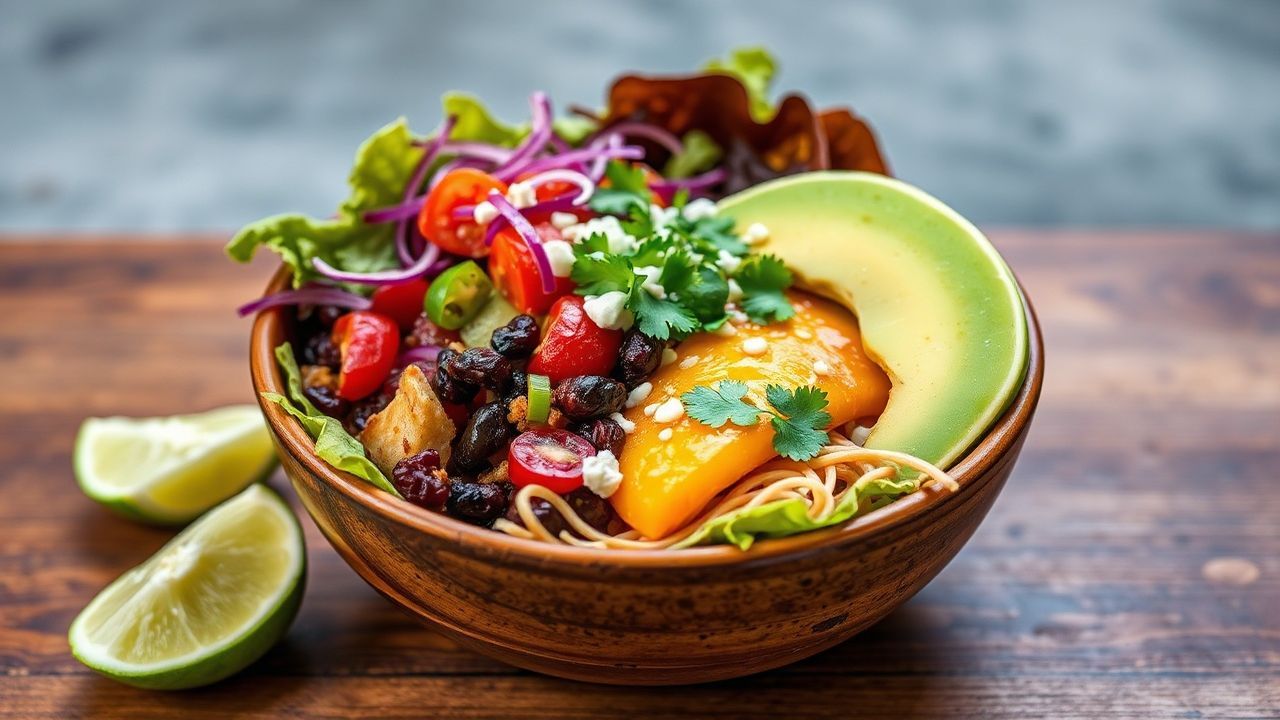
At its core, a successful burrito bowl is a symphony of contrasting textures, vibrant colors, and harmonizing flavors. It’s about building layers, starting with a foundational base, then introducing a protein, a medley of vegetables, flavorful toppings, and finally, a zesty dressing or salsa. The beauty lies in thoughtful arrangement, ensuring that each bite offers a balanced experience. A well-constructed bowl isn’t just about throwing ingredients together; it’s about understanding how each element contributes to the overall gastronomic narrative.
The typical components of a burrito bowl can be broken down into several key categories, each offering a spectrum of choices:
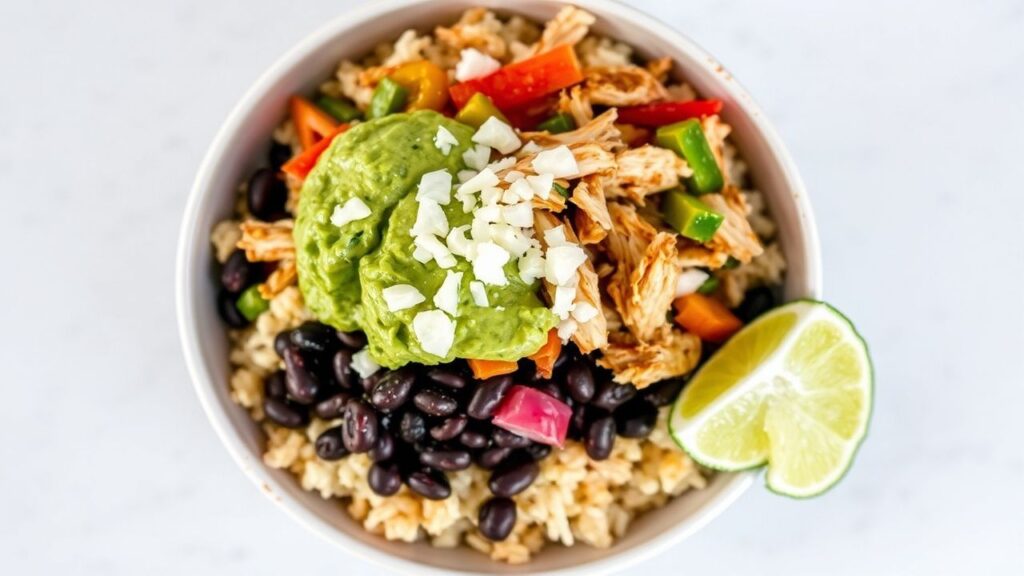
- Base: This is the foundation. Common options include white rice, brown rice, cilantro-lime rice (a hugely popular variation), quinoa, or a bed of mixed greens for a lighter, lower-carb option. The choice of base significantly impacts the overall nutritional profile and flavor. For instance, cilantro-lime rice adds a bright, herbaceous note, while quinoa provides a nutty flavor and a complete protein source.
- Protein: This is often the star, providing substance and satiety. Popular choices include seasoned ground beef (picadillo), shredded chicken (tinga or shredded), slow-cooked pork (carnitas or al pastor), grilled steak (carne asada), or plant-based options like seasoned black beans, pinto beans, sofritas (spiced tofu), or grilled vegetables. The preparation and seasoning of the protein are critical for infusing the bowl with deep, savory flavors.
- Vegetables & Add-ins: This category offers a chance to pack in nutrients and add crunch and freshness. Roasted corn, sautéed bell peppers and onions (fajita style), pico de gallo, black beans, pinto beans, fresh salsa, guacamole, shredded lettuce, diced tomatoes, jalapeños, and pickled onions are all common and effective additions. The interplay of raw, cooked, and pickled elements creates a complex textural landscape.
- Toppings & Sauces: These are the finishing touches that elevate the bowl. Sour cream or Greek yogurt, shredded cheese (cheddar, Monterey Jack, cotija), fresh cilantro, lime wedges, and various salsas (mild, medium, hot, salsa verde, corn salsa) all play crucial roles. A well-chosen salsa can tie all the elements together, providing a necessary acidic or spicy counterpoint.
The Burrito Bowl’s Health Halo: Fact vs. Fiction
The perception of burrito bowls as inherently healthy is a significant driver of their popularity, especially among health-conscious consumers. While the format *allows* for incredibly healthy meals, it’s crucial to understand that a “burrito bowl” is not a guaranteed health food. The nutritional profile is entirely dependent on the choices made regarding ingredients and portion sizes.
Research from the University of Michigan’s Foodology lab has indicated that customizable meal formats like burrito bowls can lead to increased consumption of vegetables and lean proteins when consumers are guided towards healthier options. However, without mindful selection, a burrito bowl can quickly become a calorie-dense, high-fat, and high-sodium meal. Loading up on white rice, fatty meats, copious amounts of cheese, sour cream, and creamy dressings, while omitting vegetables, can negate any potential health benefits.
According to data from the USDA, a typical fast-food burrito, when loaded with all the fixings, can easily exceed 1,000 calories and significant amounts of saturated fat and sodium. While a bowl format *can* mitigate this by controlling portions of rice and cheese, the potential for overindulgence remains. The key lies in informed choices: prioritizing whole grains or greens for the base, opting for lean proteins, maximizing vegetable content, and using lighter, flavorful toppings like salsa and fresh herbs instead of heavy creams and excessive cheese.
Decoding Nutritional Choices for a Balanced Burrito Bowl
Making informed decisions about your burrito bowl ingredients is paramount to harnessing its health potential. This involves understanding the nutritional impact of each component.
- Base Selection: Brown rice and quinoa are generally considered superior to white rice due to their higher fiber content, which aids digestion and promotes satiety. For those on a low-carbohydrate diet, a bed of mixed greens or cauliflower rice serves as an excellent alternative.
- Protein Power: Lean proteins like grilled chicken breast, lean steak, or plant-based options like black beans and tofu are excellent choices. Seasoning should ideally be done with herbs, spices, and minimal added fats. Avoid heavily fried or cream-based protein preparations.
- Vegetable Abundance: This is where you can truly boost nutrient density. Load up on colorful vegetables like bell peppers, onions, corn, tomatoes, and leafy greens. These provide essential vitamins, minerals, and antioxidants.
- Smart Toppings: Guacamole, while healthy in moderation due to its monounsaturated fats, is calorie-dense. A moderate portion is key. Opt for salsas made with fresh ingredients over pre-made, sodium-heavy varieties. Plain Greek yogurt can be a healthier substitute for sour cream. Fresh cilantro and lime juice add flavor without significant calories.
The concept of “portion distortion” is also relevant here. What might seem like a reasonable amount of rice or beans can quickly escalate in a large bowl. Be mindful of serving sizes, especially when assembling your bowl at home or when customizing at a fast-casual establishment. The goal is to create a meal that is both satisfying and nutritionally sound, rather than simply a large quantity of food.
Crafting the Ultimate Burrito Bowl at Home: A Culinary Masterclass
While many restaurants offer convenient burrito bowls, the true magic lies in crafting your own personalized masterpiece in the comfort of your kitchen. This not only allows for complete control over ingredients and quality but also presents an opportunity for culinary exploration and cost savings. The process is straightforward, yet the potential for creativity is boundless.
The foundation of a great homemade burrito bowl begins with the quality of your ingredients. Sourcing fresh produce, high-quality proteins, and aromatic spices will elevate your creation from good to exceptional. Prepping components in advance, such as cooking grains, roasting vegetables, or marinating proteins, can make assembly a breeze on busy weeknights.
Step-by-Step Guide to Your Perfect Homemade Burrito Bowl
1. Choose Your Base: Cook your preferred grain (brown rice, quinoa) or prepare a large salad base of mixed greens. For an authentic touch, consider making cilantro-lime rice by cooking white or brown rice and then tossing it with fresh lime juice, chopped cilantro, and a pinch of salt. 2. Select Your Protein: Season and cook your chosen protein. For seasoned ground beef, brown it with onions, garlic, chili powder, cumin, and a touch of tomato paste. For shredded chicken, simmer chicken breasts in broth with onions, garlic, and spices until tender, then shred. Black beans or pinto beans, seasoned simply with cumin and garlic powder, are excellent vegetarian options. 3. Prepare Your Veggies and Add-ins: Roast corn and bell peppers with olive oil and spices until tender and slightly caramelized. Chop fresh ingredients like tomatoes, onions, and cilantro for pico de gallo.
If using guacamole, mash ripe avocados with lime juice, salt, and a hint of onion powder. 4. Assemble with Artistry: In a large bowl, start with your base. Layer your protein over the base, followed by a generous portion of your prepared vegetables and add-ins. 5. Garnish and Serve: Top with your chosen sauces and garnishes. A dollop of Greek yogurt or sour cream, a sprinkle of cheese, a few sprigs of fresh cilantro, and a squeeze of fresh lime juice will complete the masterpiece. Offer a variety of salsas on the side for individual customization.
The beauty of the homemade approach is its inherent scalability and adaptability. You can easily prepare larger batches of components to serve multiple meals throughout the week, making it an incredibly efficient way to maintain a healthy diet. Furthermore, experimenting with different spice blends and ingredient combinations allows for endless culinary innovation.
Exploring Global Twists on the Classic Burrito Bowl
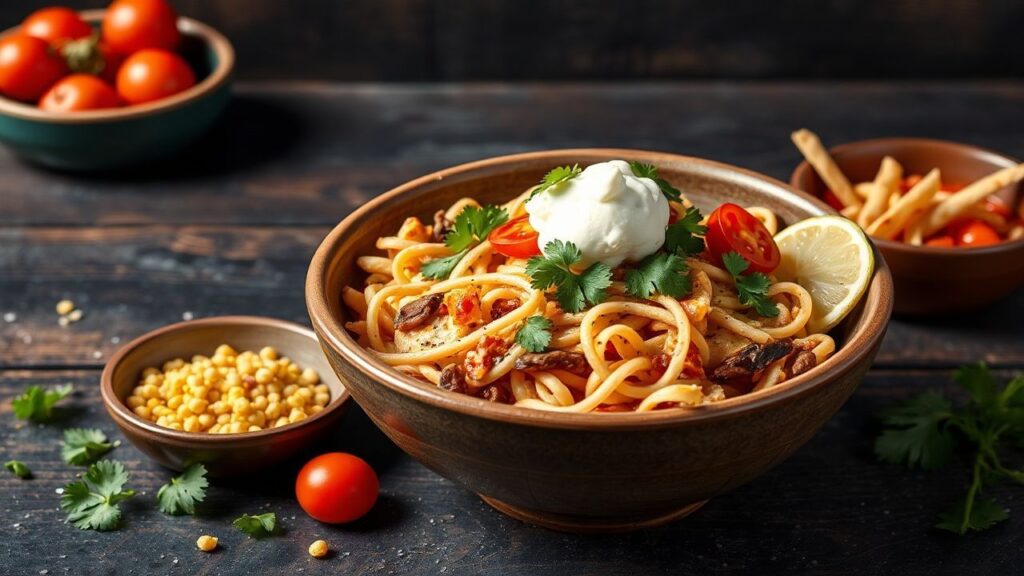
The versatility of the burrito bowl extends far beyond its Mexican roots. Its adaptable format makes it an ideal canvas for incorporating flavors and ingredients from cuisines around the world. This fusion approach allows for exciting new taste experiences and caters to a broader range of palates.
Consider a Korean-inspired bowl featuring gochujang-marinated chicken or beef, kimchi, pickled daikon, and a drizzle of sesame-soy dressing over brown rice or quinoa. Or perhaps a Mediterranean twist with lemon-herb grilled chicken or falafel, cucumber-tomato salad, hummus, Kalamata olives, and a tahini dressing served over a bed of mixed greens or couscous.
Even within the realm of Mexican cuisine, there are regional variations that can inspire unique bowl creations. A Oaxacan-inspired bowl might feature mole-braised chicken, black beans, roasted poblanos, and crumbled queso fresco. The possibilities are truly limited only by one’s imagination and access to ingredients.
Fusion Flavors: Beyond the Mexican Frontier
The concept of cross-cultural culinary blending is not new, but the burrito bowl provides a particularly accessible platform for it. The core structure – a base, a protein, vegetables, and a sauce – is universal enough to accommodate diverse flavor profiles.
- Asian Fusion: Imagine a bowl with teriyaki-glazed salmon, edamame, shredded carrots, pickled ginger, and a spicy sriracha mayo over sushi rice or brown rice.
- Indian Inspiration: Consider a bowl with tandoori chicken or paneer, basmati rice, spiced lentils (dal), cucumber raita, and a cilantro-mint chutney.
- Southeast Asian Flair: A bowl with lemongrass-marinated shrimp or tofu, jasmine rice, mango salsa, pickled red onions, and a peanut-lime dressing can offer a refreshing departure.
These fusion bowls demonstrate how the fundamental principles of a well-balanced meal – carbohydrates, protein, healthy fats, and micronutrients – can be achieved through a global lens. They encourage diners to think outside the traditional flavor box and explore new culinary horizons.
The Burrito Bowl Phenomenon: A Social and Economic Impact
The rise of the burrito bowl is not just a culinary trend; it reflects broader societal shifts. Its popularity is intertwined with the growing demand for convenience, customization, and healthier dining options. Fast-casual restaurants, which often feature burrito bowls prominently on their menus, have seen significant growth, capturing market share from both traditional fast-food chains and sit-down restaurants.
This economic impact is substantial. The customizable nature of burrito bowls allows for efficient inventory management and reduced food waste for restaurants, as ingredients can be used across multiple dishes. For consumers, the perceived value and the ability to tailor meals to specific budgets and dietary needs make it an attractive option.
Moreover, the visual appeal of a well-prepared burrito bowl makes it highly shareable on social media platforms. Vibrant colors, fresh ingredients, and artistic arrangements contribute to its photogenic qualities, fueling its viral spread and further cementing its status as a modern culinary icon. The hashtag #BurritoBowl garners millions of mentions across various platforms, showcasing its global reach and enduring appeal.
Expert Analysis: The Future of Customizable Dining
The burrito bowl’s success is a clear indicator of a larger trend towards personalized dining experiences. As consumers become more informed about nutrition and more discerning about their food choices, the demand for flexible, customizable meal options will likely continue to grow. This trend extends beyond just bowls, influencing everything from meal kit services to the design of restaurant menus.
The future may see further innovation in the burrito bowl space, with an increased focus on sustainable sourcing, plant-based proteins, and even more adventurous flavor fusions. The core concept, however – a delicious, customizable, and nutrient-rich meal served in a bowl – is likely to remain a staple for years to come, adapting and evolving with the changing landscape of food and dining.
Frequently Asked Questions
What is the primary difference between a burrito and a burrito bowl?
The fundamental difference lies in the vessel. A traditional burrito is wrapped in a flour tortilla, enclosing all the ingredients. A burrito bowl, conversely, serves all the same ingredients layered within a bowl, omitting the tortilla. This distinction allows for greater control over ingredient ratios and often leads to a less messy eating experience, especially for those who find traditional burritos challenging to handle.
Are burrito bowls always healthier than burritos?
Not necessarily. While a burrito bowl *can* be healthier by allowing for easier portion control and the omission of a high-calorie tortilla, the overall healthfulness depends entirely on the ingredients chosen. A bowl loaded with white rice, fatty meats, cheese, and sour cream can be just as, if not more, calorific and less healthy than a lean, vegetable-filled burrito. The key is mindful ingredient selection.
What are the most popular protein options for a burrito bowl?
The most popular protein options typically include seasoned ground beef, shredded chicken (often prepared as tinga or shredded chicken breast), slow-cooked pork (like carnitas), and grilled steak (carne asada). For vegetarian and vegan options, seasoned black beans, pinto beans, and tofu sofritas are highly favored.
How can I make my burrito bowl more exciting or flavorful?
You can elevate the flavor of your burrito bowl by incorporating a variety of salsas, using fresh herbs like cilantro and lime, adding a creamy element like guacamole or a light crema, and ensuring your vegetables are well-seasoned, perhaps by roasting them to bring out their natural sweetness. Experimenting with different spice blends for your proteins and bases is also crucial. Consider adding pickled elements like red onions or jalapeños for a tangy contrast.
Can burrito bowls be made low-carb or keto-friendly?
Absolutely. To make a burrito bowl low-carb or keto-friendly, substitute the traditional rice or quinoa base with a bed of mixed greens, cauliflower rice, or even shredded cabbage. Focus on protein sources and non-starchy vegetables. Limit or avoid corn and beans, and opt for high-fat toppings like avocado and cheese, while using sour cream or a creamy, low-carb dressing sparingly.
Final Recommendations
The burrito bowl stands as proof of culinary evolution, offering a flexible, flavorful, and potentially healthy meal solution. Whether you are a seasoned home cook or a busy professional seeking a quick and satisfying meal, the burrito bowl format provides an accessible pathway to delicious and personalized dining. Embrace the opportunity to experiment with ingredients, tailor them to your specific tastes and nutritional needs, and discover the boundless potential of this modern culinary canvas. Don’t be afraid to venture beyond traditional Mexican flavors; the world is your oyster, or in this case, your bowl.
See also: Burrito