
Is Soup Just a Meal, or an Experience?
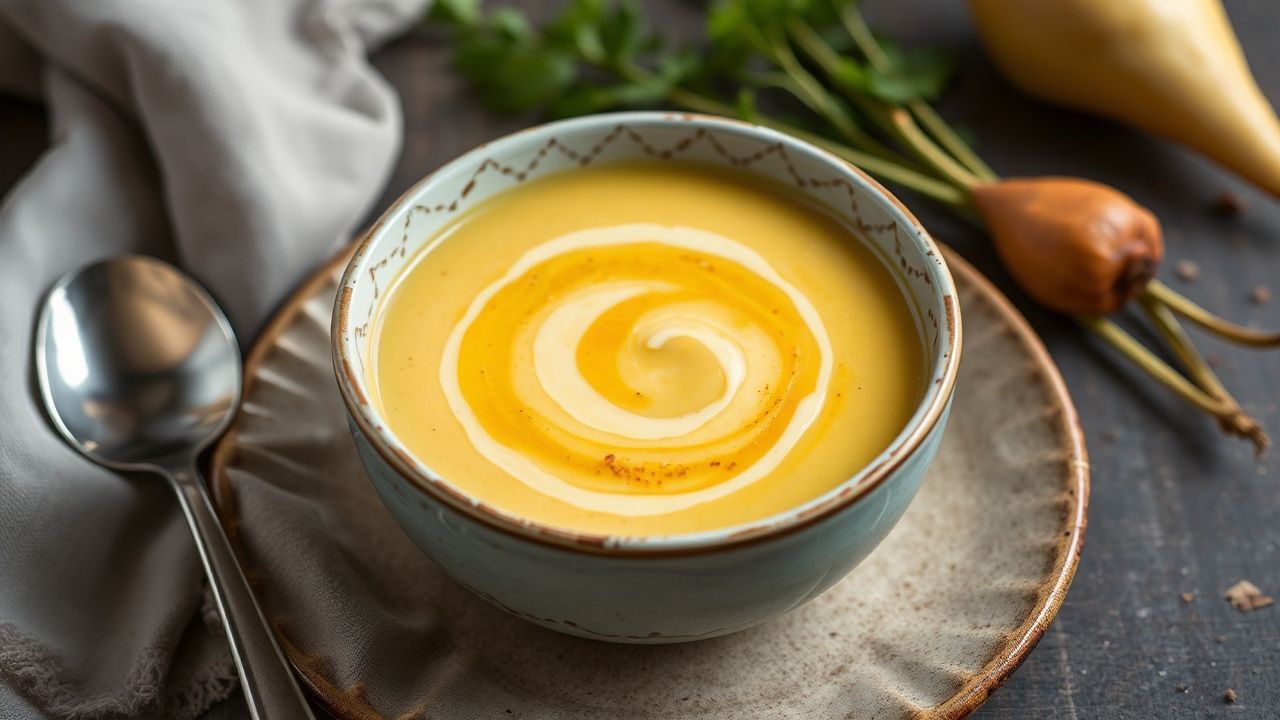
When we think of soup, the mind often conjures images of simple, nourishing bowls, perhaps a comforting broth on a chilly evening. But what if a soup could transcend mere sustenance, evolving into a sophisticated culinary exploration, a symphony of textures and nuanced flavors that linger long after the last spoonful? This is the promise of roasted parsnip and pear soup. It’s a dish that whispers of autumn harvests, yet possesses a refined elegance that can grace any table, any season. The humble parsnip, often overlooked, when coaxed by the transformative heat of the oven, unveils an astonishing sweetness and an earthy depth. Paired with the delicate, honeyed notes of ripe pear, and enveloped in a velvety, aromatic broth, this soup isn’t just food; it’s an edible masterpiece.
- Is Soup Just a Meal, or an Experience?
- Unlocking the Parsnip’s Potential: The Art of Roasting
- The Subtle Sweetness of Pear: A Perfect Counterpoint
- Building the Flavor Foundation: Aromatics and Broth
- The Culinary Synergy: How Parsnip and Pear Create a Masterpiece
- Expert Insights: Elevating Your Roasted Parsnip and Pear Soup
- Serving Suggestions and Garnishes: The Finishing Touches
- Nutritional Considerations and Adaptations
- Frequently Asked Questions
- What is the best type of parsnip for roasting?
- Can I make this soup ahead of time?
- How can I make this soup spicier?
- What are some alternative fruits that can be used instead of pears?
- Is it necessary to peel the parsnips before roasting?
- Final Recommendations: Embrace the Elegance of Simplicity
The true magic of a dish lies not just in its ingredients, but in the alchemy of transformation—how simple elements, through careful attention and heat, become something profoundly more.
This culinary journey begins with understanding the parsnip’s potential. Often relegated to stews or mashed side dishes, its true character emerges when roasted. Roasting caramelizes its natural sugars, intensifying its inherent sweetness and lending a slightly nutty, complex flavor that raw or boiled parsnips simply cannot achieve. The pear, chosen for its ripeness and subtle perfume, acts as a perfect foil, its bright, fruity notes cutting through the earthiness of the parsnip, creating a harmonious balance. Together, they form the heart of a soup that is both deeply satisfying and elegantly light.
Key Takeaways:
- Roasting parsnips is crucial for unlocking their inherent sweetness and complex, nutty flavors, transforming them from a humble root vegetable into a culinary star.
- The pairing of roasted parsnips with ripe pears creates a sophisticated flavor profile, balancing earthy sweetness with delicate fruitiness.
- This soup offers a versatile base, adaptable to various dietary needs and flavor enhancements.
- Properly executed, roasted parsnip and pear soup can be a visually appealing and deeply comforting dish, suitable for both casual meals and elegant dining.
Unlocking the Parsnip’s Potential: The Art of Roasting
To truly appreciate the depth of flavor in this soup, one must first master the art of roasting the parsnip. This isn’t merely a preparatory step; it’s an alchemical process. The high heat of the oven encourages the Maillard reaction, a complex chemical process that creates hundreds of new flavor compounds, rendering the parsnips tender, slightly caramelized, and wonderfully sweet. Without this crucial step, the soup would lack its signature depth and character, tasting merely of boiled root vegetables.
The process is deceptively simple, yet requires attention to detail. Begin by selecting firm, unblemished parsnips. Peel them to remove the slightly woody outer layer, then chop them into uniform pieces, typically 1-inch cubes. Uniformity is key to ensuring even roasting. Toss these parsnip pieces generously with a good quality olive oil, salt, and freshly ground black pepper. Some chefs also advocate for a whisper of fresh thyme or rosemary during roasting, which infuses the parsnips with complementary herbaceous notes. Spread the seasoned parsnips in a single layer on a baking sheet. Overcrowding the pan will steam the parsnips rather than roast them, hindering caramelization.
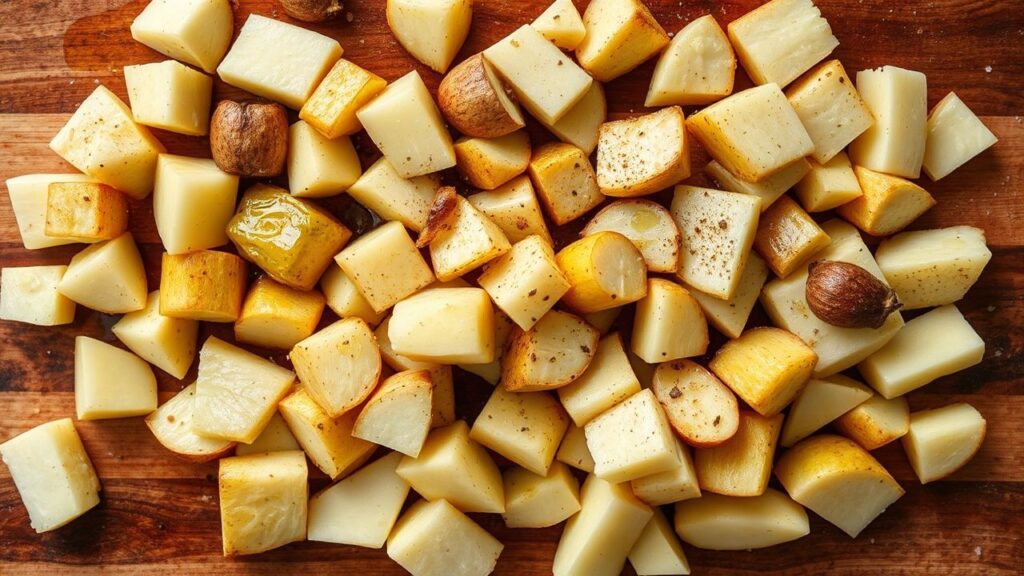
The oven temperature is paramount. Aim for a robust 400°F (200°C). This high heat is essential for achieving that desirable caramelization. Roast for approximately 25-35 minutes, or until the parsnips are tender when pierced with a fork and possess beautiful golden-brown edges. The aroma filling your kitchen at this stage is a preview of the deliciousness to come. This transformation is where the parsnip truly shines, shedding its image as a plain vegetable and revealing itself as a star ingredient.
The Subtle Sweetness of Pear: A Perfect Counterpoint
While the parsnip provides the earthy backbone, the pear introduces a delicate sweetness and an ethereal aroma that elevates the soup from comforting to truly sublime. The choice of pear is important; ripe but not overly soft varieties like Anjou, Bartlett, or Bosc work exceptionally well. Their natural sugars, when gently cooked, meld beautifully with the caramelized parsnips, creating a nuanced sweetness that is never cloying.
Pears, like parsnips, benefit from a touch of heat. They can be roasted alongside the parsnips, adding their own layer of complexity to the oven’s magic. Chop the pears into similar-sized pieces as the parsnips, removing the core. A squeeze of lemon juice over the pears before tossing them with oil and seasoning can help prevent browning and add a subtle tang that brightens the overall flavor profile. Some culinary traditions even suggest a hint of cinnamon or nutmeg when roasting pears, which can add a warm, autumnal spice that complements both the parsnip and the pear beautifully. The goal is to coax out their inherent sweetness and soften their texture, allowing them to integrate seamlessly into the soup’s creamy base.
Building the Flavor Foundation: Aromatics and Broth
With the star ingredients roasted to perfection, the next step is to build a robust flavor foundation. This typically involves sautéing aromatic vegetables to create a deeply savory base. Finely diced onion and garlic are classic choices. Sauté them gently in a pot with a little olive oil or butter until they are softened and translucent, releasing their pungent aromas. This gentle cooking process mellows their sharp edges, allowing their sweet undertones to emerge.
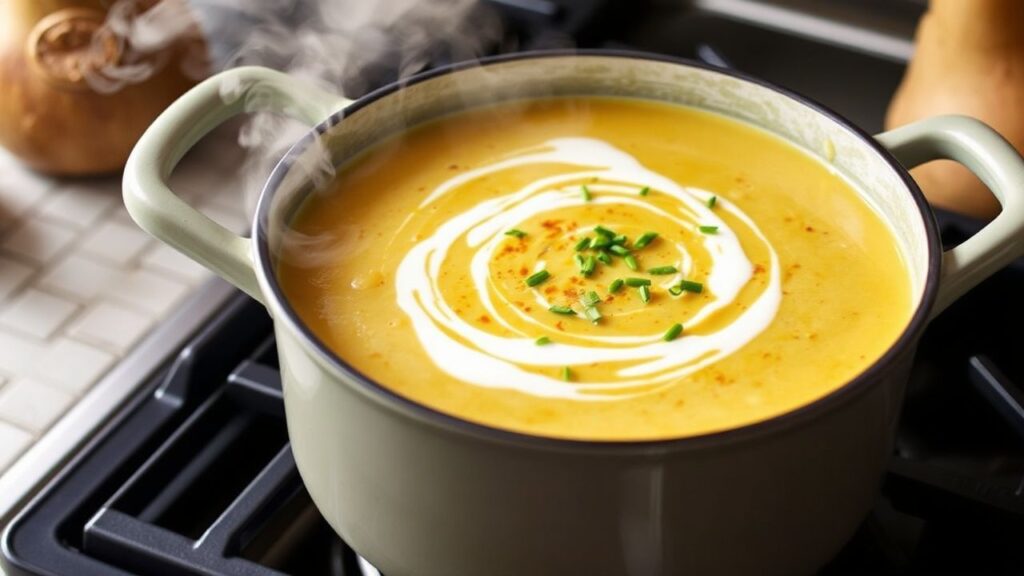
The choice of liquid is critical for the soup’s final texture and flavor. A high-quality vegetable or chicken broth is ideal. For a richer, more complex flavor, consider using a homemade broth, as its depth of flavor is often unparalleled. The broth not only adds moisture but also carries the flavors of the roasted vegetables and aromatics throughout the soup. Simmering the roasted parsnips and pears in this flavorful broth allows their sweetness and earthiness to fully infuse the liquid.
The Culinary Synergy: How Parsnip and Pear Create a Masterpiece
The true brilliance of this soup lies in the synergistic interplay between the roasted parsnip and pear. It’s a partnership that demonstrates how seemingly disparate ingredients can create a harmonious whole. Research published by the Scientific Reports journal highlights how specific flavor compounds can interact to create desirable sensory experiences, a principle clearly at play here. The intense, caramelized sweetness of the parsnip, with its underlying earthy notes, finds a perfect counterpoint in the bright, delicate fruitiness of the pear.
When blended, this combination creates a surprisingly complex yet comforting flavor profile. The parsnip’s inherent starchiness contributes to a naturally creamy texture, which is often further enhanced by the addition of a dairy or non-dairy cream. The pear’s softer texture melts into the soup, contributing to its velvety consistency. This isn’t just about sweetness; it’s about a layered, sophisticated flavor that evolves with each sip.
Expert Insights: Elevating Your Roasted Parsnip and Pear Soup
This soup is a magnificent canvas for culinary creativity. While the core recipe is robust, several expert touches can elevate it further.
One common enhancement is the addition of warming spices. A pinch of nutmeg, a whisper of cinnamon, or even a hint of cardamom can imbue the soup with an autumnal or exotic flair, depending on your preference. These spices don’t overpower; rather, they add subtle aromatic dimensions that enhance the overall sensory experience.
For those seeking a more robust, savory profile, a splash of dry sherry or white wine added to the sautéed aromatics before the broth can lend an additional layer of complexity. This deglazing step not only captures flavorful fond from the bottom of the pot but also introduces a subtle acidity that balances the soup’s sweetness.
Serving Suggestions and Garnishes: The Finishing Touches
The presentation of roasted parsnip and pear soup is as important as its flavor. A creamy, smooth soup invites elegant garnishes that add both visual appeal and textural contrast. A swirl of heavy cream, crème fraîche, or a dollop of coconut cream (for a vegan option) provides a rich visual and textural element.
Fresh herbs are indispensable. Finely chopped chives, parsley, or a sprinkle of fresh thyme leaves add a burst of color and a fresh, herbaceous aroma that cuts through the soup’s richness. Toasted nuts or seeds, such as toasted pumpkin seeds (pepitas) or slivered almonds, offer a delightful crunch and nutty undertone. A drizzle of high-quality olive oil or a balsamic glaze can also add a final touch of sophistication.
For a more substantial meal, consider serving this soup as a starter for a roast chicken or pork tenderloin, or pair it with crusty artisan bread or a warm, savory scone. Its versatility makes it a welcome addition to a holiday feast or a comforting supper on a quiet evening.
Nutritional Considerations and Adaptations
Parsnips are a good source of dietary fiber, potassium, and vitamin C. According to the USDA FoodData Central, one cup of raw parsnips (about 132 grams) provides approximately 5 grams of fiber and significant amounts of vitamin C and potassium. Pears contribute additional fiber and natural sugars. When preparing the soup, the nutritional profile can be further optimized.
For a vegan or dairy-free version, use vegetable broth and opt for coconut cream, cashew cream, or a rich, unsweetened oat milk for creaminess. Ensure your sautéing fat is a plant-based oil like olive oil or avocado oil. The inherent sweetness of the parsnip and pear means that added sugars are rarely necessary, making it a naturally healthy choice.
The roasting process, while enhancing flavor, slightly reduces the water content of the vegetables, concentrating their nutrients. Blending the soup also makes the nutrients more bioavailable, as the cell walls are broken down, allowing the body to absorb them more readily.
Frequently Asked Questions
What is the best type of parsnip for roasting?
Any fresh, firm parsnip will work well for roasting. Look for parsnips that are medium-sized, as very large ones can sometimes have a woody core. Ensure they are free from blemishes or soft spots.
Can I make this soup ahead of time?
Yes, roasted parsnip and pear soup can be made up to 2-3 days in advance. Store it in an airtight container in the refrigerator. Reheat gently on the stovetop, adding a little extra broth or water if it has thickened too much. You may need to adjust seasonings after reheating.
How can I make this soup spicier?
To add a touch of heat, you can sauté a finely diced jalapeño or a pinch of red pepper flakes along with the onions and garlic. A dash of your favorite hot sauce stirred in at the end of cooking can also provide a welcome kick.
What are some alternative fruits that can be used instead of pears?
While pears offer a unique sweetness, you could experiment with other mildly sweet fruits. Apples, particularly varieties like Honeycrisp or Fuji, can be a good substitute. However, adjust the sweetness and acidity as needed, as apples can be tarter than pears.
Is it necessary to peel the parsnips before roasting?
It is generally recommended to peel parsnips before roasting, especially if they are larger or have a tough skin. Peeling removes any potential bitterness and ensures a smoother texture in the finished soup. Younger, smaller parsnips might be scrubbed clean and roasted with their skins on for a more rustic flavor, but this is less common for a refined soup.
Final Recommendations: Embrace the Elegance of Simplicity
The journey of roasted parsnip and pear soup is proof of the power of simple ingredients transformed by thoughtful preparation. It’s a dish that speaks of seasonality, comfort, and understated elegance. By mastering the art of roasting, understanding the delicate balance of flavors, and embracing the potential for creative enhancement, you can craft a soup that is not merely a meal, but a memorable culinary experience. Whether served as a starter or a light main course, this soup offers a delightful exploration of earthy sweetness and subtle fruitiness, a true celebration of the humble parsnip and its perfect pear companion.
See also: Parsnip