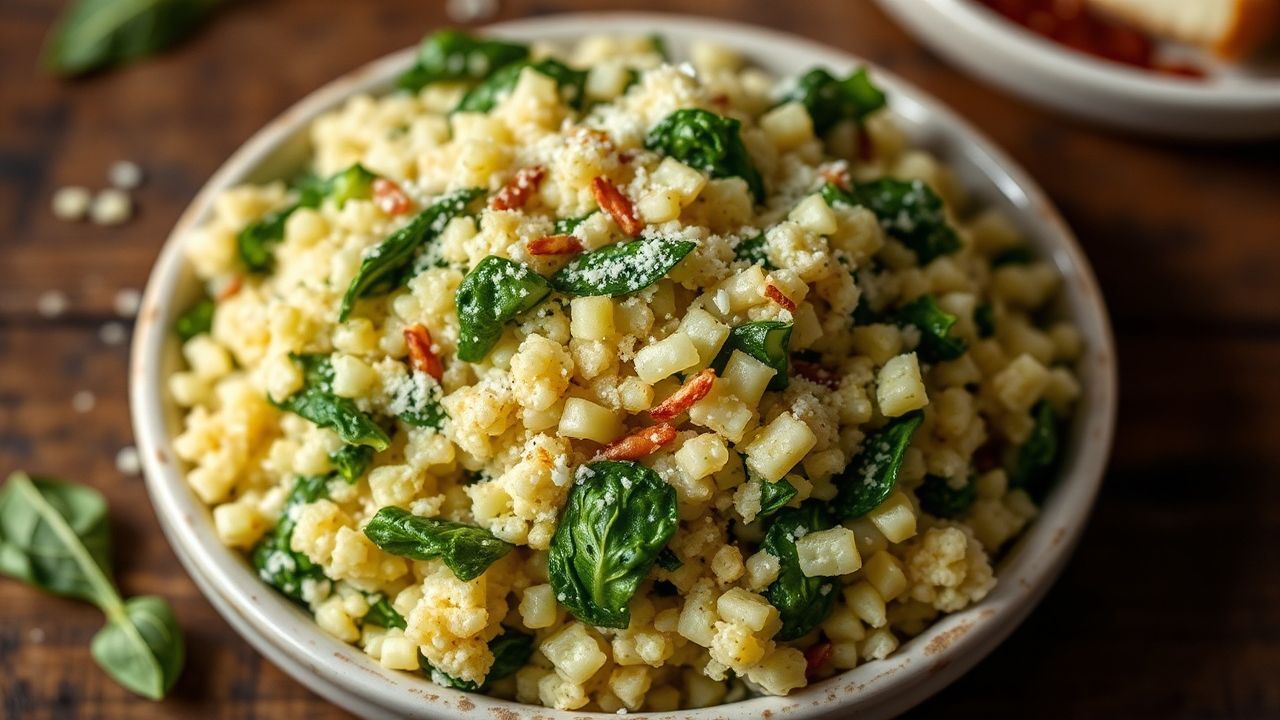

Parmesan, a cheese revered for its granular texture and sharp, nutty flavor, is far more than just a culinary embellishment; it’s a foundational element that can elevate simple ingredients into a symphony of taste and texture. Imagine a dish that begins with humble couscous, yet transforms into something utterly sophisticated, proof of the transformative power of a single, exceptional ingredient. This is precisely the magic that Parmesan Spinach Couscous unlocks, offering a weeknight meal solution that is both incredibly satisfying and deceptively easy to prepare.
- The Allure of Parmesan Spinach Couscous
- Unlocking the Flavor: The Science and Art of Parmesan
- The Health Spectrum: Spinach and Beyond
- Crafting the Perfect Parmesan Spinach Couscous: A Step-by-Step Guide
- Expert Insights and Variations
- Comparing and Contrasting: Couscous vs. Other Grains
- Troubleshooting Common Issues
- The Enduring Appeal of Parmesan Spinach Couscous
- Frequently Asked Questions
- What is the best type of Parmesan to use for this recipe?
- Can I use a different grain instead of couscous?
- How can I make this dish vegan?
- Can I prepare Parmesan Spinach Couscous ahead of time?
- What are some other vegetables that pair well with Parmesan Spinach Couscous?
- Final Recommendations
Key Takeaways:
- Parmesan imbues couscous with a rich, savory depth and a delightful umami note.
- The combination with spinach provides essential nutrients, making it a balanced meal.
- This dish offers a quick yet elegant solution for busy individuals and families.
- Mastering Parmesan Spinach Couscous unlocks a versatile base for numerous culinary variations.
The Allure of Parmesan Spinach Couscous
The concept of Parmesan Spinach Couscous is deceptively simple, yet its appeal is profound. It speaks to a desire for food that is both comforting and refined, quick to prepare but impressive enough for guests. At its heart, this dish is about the synergistic interplay of textures and flavors. The fluffy, pearlescent grains of couscous, when cooked to perfection, provide a delicate canvas. Into this canvas, wilted spinach introduces vibrant color, a whisper of earthy bitterness, and a wealth of nutrients. Then comes the star: finely grated Parmesan cheese. Its inherent saltiness, coupled with a complex, aged flavor profile, binds the elements together, adding a luxurious creaminess and an unmistakable savory punch.
This dish is proof of the principle that simplicity can indeed be sublime. It’s a culinary philosophy that recognizes the inherent quality of good ingredients and allows them to shine without undue complication. For the home cook, it represents an achievable elegance, a way to create a meal that feels special without demanding hours in the kitchen or an encyclopedic knowledge of gastronomy.
Unlocking the Flavor: The Science and Art of Parmesan
The distinctive character of Parmesan cheese, officially known as Parmigiano-Reggiano, is a result of a meticulous, time-honored production process. Authentic Parmigiano-Reggiano is produced in a designated area of Italy, adhering to strict regulations that have remained largely unchanged for centuries. The key ingredients are raw cow’s milk, rennet, and salt, with no artificial additives. The milk, typically from cows fed a diet of local, seasonal forage, contributes to the complex flavor profile.
The cheese is aged for a minimum of 12 months, but often much longer – up to 36 months or even more. During this extended aging process, a remarkable transformation occurs. Enzymes break down proteins and fats, creating the characteristic granular texture and the rich, nutty, slightly sweet, and intensely savory (umami) taste. Studies have shown that the aging process significantly increases the concentration of glutamate, the amino acid responsible for the umami sensation, contributing to the cheese’s profound depth of flavor. According to the Consorzio del Formaggio Parmigiano-Reggiano, the cheese’s aging process develops hundreds of aromatic compounds, contributing to its complex bouquet. This intricate flavor profile is precisely what makes Parmesan such a sought-after ingredient, capable of transforming even the most basic dishes.
The Health Spectrum: Spinach and Beyond
While the Parmesan provides the undeniable flavor anchor, the spinach in this dish brings a critical nutritional dimension. Spinach is a powerhouse of vitamins and minerals, including Vitamin K, Vitamin A, Vitamin C, folate, and iron. Vitamin K is essential for blood clotting and bone health, while Vitamin A matter significantly in vision and immune function. The iron content, while non-heme iron (less readily absorbed than heme iron from animal sources), is still a valuable contribution, especially when paired with Vitamin C from other sources to enhance absorption.
The combination of Parmesan and spinach, therefore, offers a surprisingly balanced nutritional profile for a quick meal. The cheese provides protein and calcium, while the spinach delivers a broad spectrum of micronutrients. This makes Parmesan Spinach Couscous a viable option for those seeking both flavor and a degree of nutritional completeness in their diet. Furthermore, the fiber content from both the couscous and spinach contributes to digestive health. Research published in the *Journal of the Academy of Nutrition and Dietetics* highlights the importance of dietary fiber in promoting satiety and improving gut microbiota.
Crafting the Perfect Parmesan Spinach Couscous: A Step-by-Step Guide
Creating this dish is remarkably straightforward, making it an ideal candidate for busy weeknights or when you crave something delicious with minimal fuss. The fundamental principle is to prepare the couscous and spinach separately, then bring them together with generous amounts of Parmesan.
The Couscous Foundation
Begin by preparing your couscous according to package directions. Typically, this involves simmering water or broth with a touch of olive oil and salt. Once boiling, stir in the couscous, cover, remove from heat, and let it steam for about 5-7 minutes until the liquid is absorbed and the grains are tender and fluffy. It’s crucial not to overcook the couscous, as it can become gummy. A light fluffing with a fork after steaming ensures distinct, separate grains. Using a good quality vegetable or chicken broth instead of water can impart an additional layer of flavor right from the start.
The Spinach Infusion
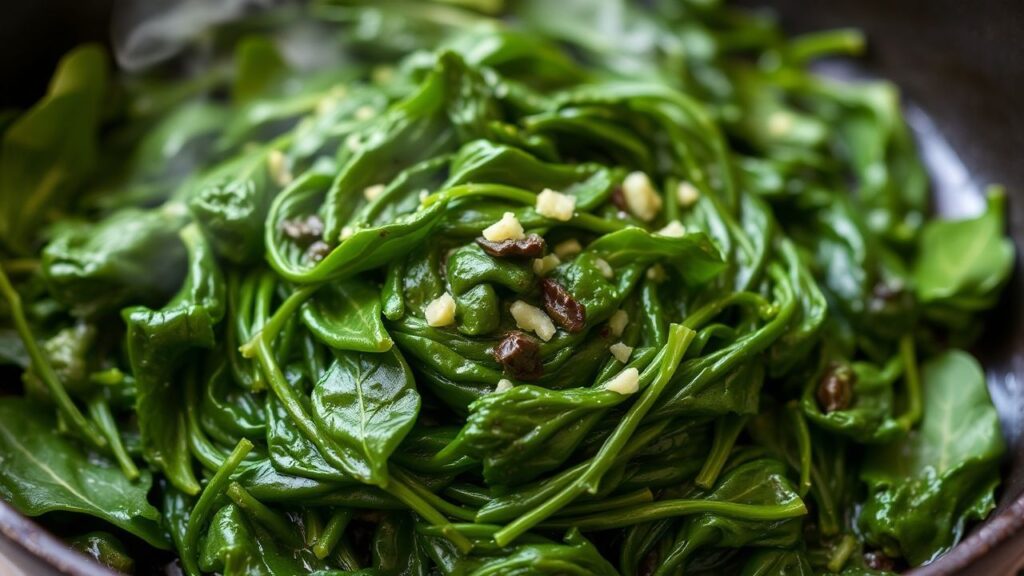
While the couscous steams, prepare the spinach. Fresh spinach wilts down considerably, so you’ll need a generous amount. Sautéing is a popular method. In a large skillet, heat a tablespoon of olive oil or butter over medium heat. Add a minced clove of garlic and sauté for about 30 seconds until fragrant, being careful not to burn it. Then, add your fresh spinach in batches, stirring until it wilts. Season lightly with salt and pepper. If using frozen spinach, ensure it is thoroughly thawed and squeezed dry to remove excess moisture, which can make the final dish watery.
The Harmonious Union
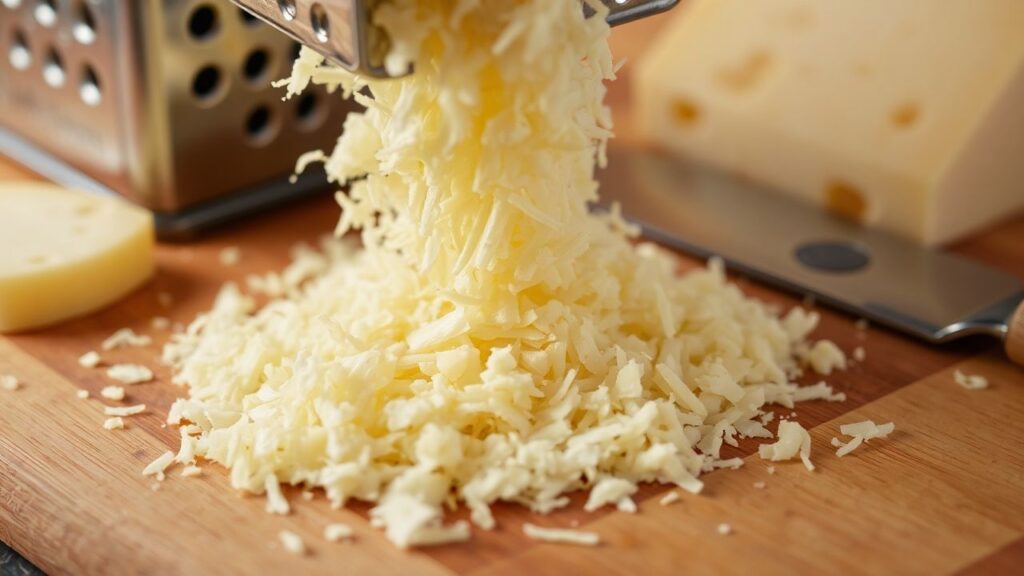
Once the spinach is wilted and the couscous is fluffed, it’s time to combine them. Add the wilted spinach directly to the pot of fluffy couscous. Now, for the pièce de résistance: the Parmesan. Grate it fresh – pre-grated Parmesan often contains anti-caking agents that can affect texture and flavor. Generously stir in the finely grated Parmesan cheese. As the warm couscous and spinach envelop the cheese, it will begin to melt, creating a creamy, cohesive sauce that coats every grain. Continue stirring until the cheese is fully incorporated and the mixture is rich and glossy. Taste and adjust seasoning if necessary. A final flourish of freshly ground black pepper is highly recommended.
Expert Insights and Variations
The beauty of Parmesan Spinach Couscous lies not only in its inherent deliciousness but also in its versatility. It serves as a fantastic base for numerous culinary explorations.
Elevating the Dish
- Protein Boost: Add cooked chicken, shrimp, or chickpeas for a complete meal. Sautéed mushrooms or sun-dried tomatoes also pair wonderfully.
- Aromatic Enhancements: Consider adding a pinch of nutmeg, a dash of lemon zest, or a sprinkle of red pepper flakes for a subtle kick. Toasted pine nuts or slivered almonds can provide a delightful crunch.
- Cheese Combinations: While Parmesan is the star, a small amount of Pecorino Romano can add an extra layer of salty sharpness. A touch of mozzarella can introduce a meltier, more stringy texture.
- Vegetable Medley: Feel free to incorporate other quick-cooking vegetables like peas, corn, or finely diced bell peppers.
The Case for Freshly Grated Parmesan
It’s worth reiterating the importance of using freshly grated Parmesan. Pre-shredded cheeses are often coated with cellulose or other anti-caking agents to prevent clumping. These agents can alter the texture of the melted cheese, leading to a less smooth and creamy result. Moreover, the flavor of pre-shredded Parmesan can be less vibrant than that of cheese grated directly from a wedge. The effort of grating your own is minimal and yields a significantly superior outcome, truly unlocking the full potential of Parmesan in this dish.
Comparing and Contrasting: Couscous vs. Other Grains
While couscous is the chosen grain for this particular recipe, understanding its place among other grains can highlight its unique advantages. Couscous, particularly Moroccan couscous, is made from durum wheat semolina that has been finely ground and sometimes pre-steamed. Its quick cooking time, often just 5-7 minutes, makes it an exceptionally convenient option compared to grains like rice or quinoa, which require longer simmering periods.
However, couscous is not a whole grain. While it provides carbohydrates for energy, it lacks the fiber and some micronutrients found in whole grains like brown rice, quinoa, or whole wheat pasta. For those prioritizing whole grains, substituting quinoa or using whole wheat couscous would offer a more robust nutritional profile. Yet, for speed and a delicate texture that readily absorbs flavors, traditional couscous remains unparalleled.
Troubleshooting Common Issues
Even with a simple recipe, occasional culinary hiccups can occur. Understanding common pitfalls can help ensure a perfect dish every time.
Addressing Potential Problems
- Watery Couscous: This usually stems from too much liquid during cooking or insufficient draining of frozen spinach. Ensure you follow the couscous liquid-to-grain ratio precisely and squeeze excess moisture from frozen spinach.
- Gummy Couscous: Overcooking is the primary culprit. Couscous absorbs liquid rapidly; adhere to the recommended cooking times. Fluffing with a fork immediately after steaming also helps maintain grain separation.
- Lack of Flavor: If the dish tastes bland, it’s likely an issue with the seasoning or the quality of the Parmesan. Ensure you’ve seasoned the spinach and couscous adequately, and use a high-quality, aged Parmesan cheese. A squeeze of lemon juice at the end can also brighten muted flavors.
The Enduring Appeal of Parmesan Spinach Couscous
Parmesan Spinach Couscous is more than just a recipe; it’s a culinary philosophy that celebrates the power of simple, quality ingredients. It’s a dish that proves that delicious, satisfying meals don’t require complex techniques or exotic components. The nutty, savory depth of Parmesan, combined with the earthy goodness of spinach and the fluffy elegance of couscous, creates a harmonious blend that is both comforting and sophisticated. It is proof of the fact that with a few well-chosen elements, you can craft a meal that is truly memorable, a go-to option that will undoubtedly become a staple in your culinary repertoire. Its adaptability ensures it can be enjoyed in countless variations, always returning to the core elements that make it so universally loved.
Frequently Asked Questions
What is the best type of Parmesan to use for this recipe?
For the most authentic and robust flavor, it is highly recommended to use genuine Parmigiano-Reggiano. Look for wedges with the official “Parmigiano-Reggiano” stamp. Freshly grating it from the wedge just before adding it to the dish will yield the best results in terms of texture and taste, as it avoids the anti-caking agents found in pre-shredded varieties.
Can I use a different grain instead of couscous?
Absolutely. While couscous offers a unique delicate texture and quick cooking time, you can substitute it with other grains. Quinoa or orzo pasta are excellent alternatives that will absorb flavors well. Adjust cooking times according to the specific grain’s package instructions. For a whole-grain option, whole wheat couscous or bulgur wheat can also be used, though they will have a slightly different texture and nutty flavor.
How can I make this dish vegan?
To make a vegan version, you’ll need to replace the Parmesan cheese with a high-quality vegan Parmesan alternative. There are many excellent plant-based options available made from nuts (like cashews) or seeds, often flavored with nutritional yeast for a cheesy, umami taste. Ensure your vegan Parmesan melts well. You might also consider adding a touch more olive oil or a vegan butter to achieve a similar richness.
Can I prepare Parmesan Spinach Couscous ahead of time?
Yes, you can prepare the components ahead of time. Cook the couscous and wilt the spinach separately. Store them in airtight containers in the refrigerator. When ready to serve, gently reheat both components and then stir in the freshly grated Parmesan cheese. It’s best to add the cheese just before serving to ensure it melts properly and doesn’t become clumpy upon sitting.
What are some other vegetables that pair well with Parmesan Spinach Couscous?
Beyond spinach, a variety of vegetables complement this dish beautifully. Roasted red peppers, sun-dried tomatoes, sautéed mushrooms, peas, corn, or even finely diced zucchini can add color, texture, and flavor. Ensure any added vegetables are cooked until tender but not mushy, so they maintain their integrity within the couscous mixture.
Final Recommendations
Embrace the simplicity and elegance of Parmesan Spinach Couscous. It is a dish that embodies the spirit of accessible gourmet cooking, proving that exceptional flavor can be achieved with minimal effort. Do not shy away from experimenting with the suggested variations; the core of this recipe is robust enough to handle diverse additions. Prioritize quality ingredients, especially your Parmesan, and you will be rewarded with a dish that is as pleasing to the palate as it is to the eye. It’s a reminder that sometimes, the most profound culinary experiences are born from the most straightforward combinations, elevated by the magic of a truly exceptional cheese.
See also: Parmesan