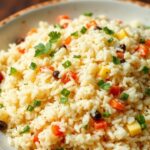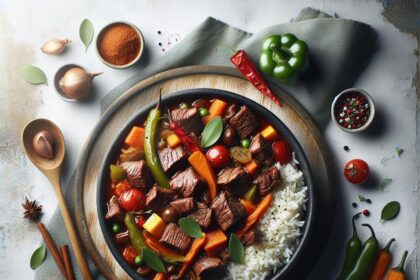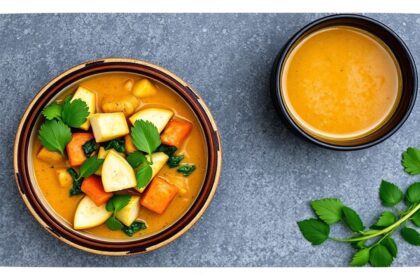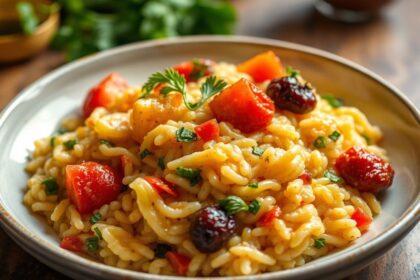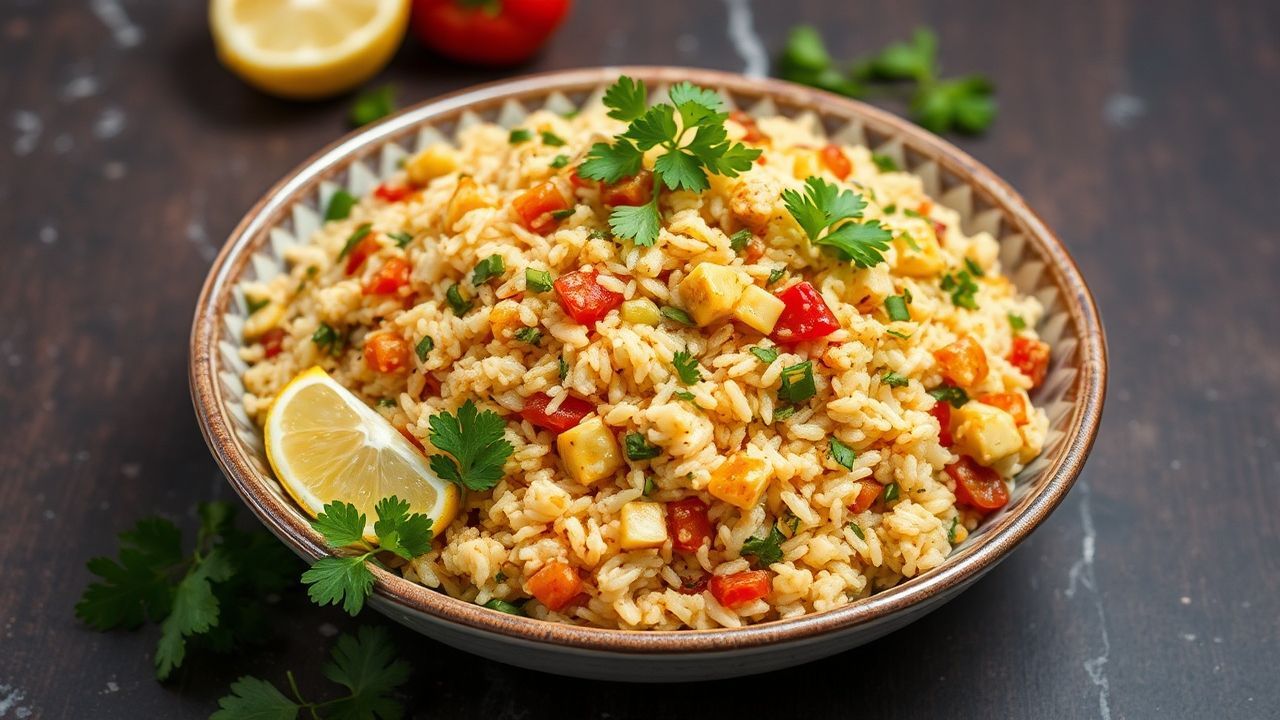

Moroccan rice is more than just a side dish; it’s a vibrant tapestry of flavors and aromas, a culinary narrative woven with spices, aromatic vegetables, and tender grains. Many home cooks shy away from replicating authentic Moroccan rice pilaf, believing it requires complex techniques or hard-to-find ingredients. This article dismantles that myth, revealing the elegant simplicity of a true one-pot Moroccan rice pilaf that is both accessible and profoundly satisfying.
- The Genesis of Moroccan Rice Pilaf: A Culinary Legacy
- Deconstructing the Perfect Moroccan Rice Pilaf: Essential Components
- The Grains: The Foundation of Flavor
- The Aromatics: Building the Flavor Base
- The Spices: The Soul of Morocco
- The Liquid: The Medium of Transformation
- The Enhancements: Sweetness, Texture, and Nutrients
- Essential Ingredients for a Flawless One-Pot Moroccan Rice Pilaf
- The Art of One-Pot Cooking: Step-by-Step Preparation
- Nutritional Insights: A Wholesome Culinary Experience
- Elevating Your Moroccan Rice Pilaf: Expert Pro-Tips
- 💡 Expert Insight Expert Insight: The Power of Broth Quality
- 💡 Expert Insight Expert Insight: Toasting Nuts for Peak Flavor
- The Cultural Significance of Sharing
- Common Pitfalls and How to Avoid Them
- ⚠️ Pro-Caution Pro-Caution: Over-Stirring and Lid Lifting
- ⚠️ Pro-Caution Pro-Caution: Under-Seasoning or Over-Seasoning
- Frequently Asked Questions
The true magic of Moroccan rice lies not in its intricacy, but in its ability to transform humble ingredients into an extraordinary symphony of taste and texture, achievable in a single vessel.
This dish, often served as a centerpiece or a substantial accompaniment to tagines and grilled meats, embodies the spirit of Moroccan hospitality. Its versatility allows for endless variations, from the subtle sweetness of dried fruits to the savory depth of toasted nuts and the warming embrace of its signature spice blend, *Ras el Hanout*. We explore not just a recipe, but the underlying principles that make this pilaf sing.
The Genesis of Moroccan Rice Pilaf: A Culinary Legacy
The origins of rice pilaf, in general, are as ancient and expansive as the Silk Road itself, with variations found from the Mediterranean to the Indian subcontinent. However, Moroccan rice pilaf distinguishes itself through a unique interplay of sweet, savory, and aromatic elements, a characteristic deeply rooted in the country’s rich culinary history. Influenced by Berber, Arab, Andalusian, and even French culinary traditions, Moroccan cuisine is celebrated for its complex spice profiles and artful use of contrasting flavors.
Research suggests that rice cultivation in North Africa dates back centuries, with Arab traders and settlers introducing various rice varieties and cooking methods. The development of pilaf, a method of cooking rice in seasoned broth, allowed grains to absorb flavor and remain distinct, a departure from more porridge-like preparations. The Moroccan adaptation embraced local ingredients like saffron, ginger, cinnamon, and dried fruits, creating a dish that is both nourishing and exquisitely flavorful. According to the Wikipedia entry on Moroccan Cuisine, the use of aromatic spices is a hallmark, and this pilaf is a prime example of that tradition. This historical context underscores why a well-executed Moroccan rice pilaf feels so deeply resonant and satisfying.
Deconstructing the Perfect Moroccan Rice Pilaf: Essential Components
Achieving a truly exceptional Moroccan rice pilaf hinges on understanding the interplay of its core components. It’s not merely about throwing ingredients into a pot; it’s about balance, quality, and technique.
The Grains: The Foundation of Flavor
The choice of rice is paramount. While long-grain varieties like Basmati or Jasmine are commonly used, some traditionalists prefer medium-grain rice for its slightly creamier texture when cooked. The key is a rice that can absorb liquid without becoming mushy. Rinsing the rice thoroughly under cold water is a non-negotiable step. This process removes excess starch, preventing clumping and ensuring each grain remains separate and fluffy. Some chefs even recommend soaking the rice for 20-30 minutes before cooking, which can contribute to a more even cook and a lighter texture.
The Aromatics: Building the Flavor Base
A finely diced medley of onions, garlic, and sometimes leeks forms the aromatic bedrock of any great pilaf. Sautéing these ingredients gently in olive oil or butter until translucent and fragrant releases their sweet, savory notes, infusing the entire dish. The quality of the fat used also plays a role; a good quality olive oil imparts a subtle fruitiness, while butter adds richness.
The Spices: The Soul of Morocco
This is where Moroccan rice truly shines. A carefully balanced blend of spices is crucial. While a pre-made *Ras el Hanout* can be convenient, understanding its components allows for personalization. Common elements include cumin, coriander, turmeric, ginger, cinnamon, paprika, and sometimes a pinch of saffron for its distinctive color and earthy aroma. The spices are typically bloomed in the hot oil with the aromatics, intensifying their flavor and aroma before the liquid is added.
The Liquid: The Medium of Transformation
High-quality chicken or vegetable broth is the preferred liquid for cooking Moroccan rice pilaf. The broth should be well-seasoned, as it will be absorbed by the rice, dictating the overall flavor profile. Saffron threads, steeped in a small amount of warm water, can be added to the broth for an authentic golden hue and a luxurious aroma.
The Enhancements: Sweetness, Texture, and Nutrients
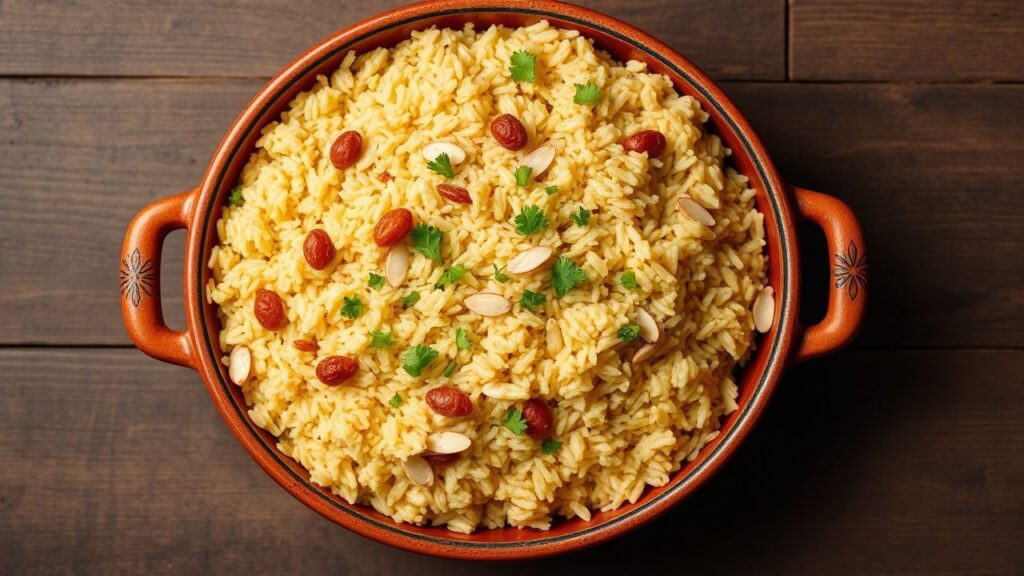
Dried fruits such as apricots, raisins, or dates add pockets of sweetness and chewiness that beautifully contrast with the savory rice. Toasted nuts, like slivered almonds or pine nuts, provide a delightful crunch and nutty depth. Fresh herbs, such as parsley or cilantro, are often stirred in at the end for a burst of freshness and vibrant color.
A perfectly executed Moroccan rice pilaf is proof of the principle that simplicity, when infused with quality ingredients and mindful technique, can yield extraordinary culinary results.
Essential Ingredients for a Flawless One-Pot Moroccan Rice Pilaf
This recipe is designed for ease and maximum flavor, utilizing a single pot to minimize cleanup and maximize ingredient integration.
- Rice: 1.5 cups (approx. 300g) Basmati or Jasmine rice, rinsed thoroughly
- Aromatics:
- 1 large yellow onion, finely diced
- 2 cloves garlic, minced
- 1 small leek (white and light green parts), thinly sliced (optional, but recommended for added depth)
- Fat: 2 tablespoons olive oil, plus more if needed
- Spices:
- 1 teaspoon ground cumin
- 1 teaspoon ground coriander
- ½ teaspoon ground turmeric
- ½ teaspoon ground ginger
- ¼ teaspoon ground cinnamon
- ¼ teaspoon sweet paprika
- Pinch of saffron threads (optional, steeped in 2 tablespoons warm water)
- Salt and freshly ground black pepper to taste
- Liquid: 3 cups (approx. 700ml) good quality chicken or vegetable broth
- Enhancements:
- ½ cup (approx. 80g) dried apricots, chopped
- ¼ cup (approx. 40g) golden raisins or sultanas
- ¼ cup (approx. 30g) slivered almonds or pine nuts, lightly toasted
- 2 tablespoons fresh parsley or cilantro, chopped (for garnish)
The Art of One-Pot Cooking: Step-by-Step Preparation
The beauty of a one-pot meal is its streamlined approach. Each step builds upon the last, creating a cohesive and deeply flavored dish.
1. Sauté the Aromatics: Heat the olive oil in a large, heavy-bottomed pot or Dutch oven over medium heat. Add the diced onion and cook, stirring occasionally, until softened and translucent, about 5-7 minutes. If using, add the sliced leek and cook for another 3-4 minutes until softened. Add the minced garlic and cook for another minute until fragrant, being careful not to burn it.
2. Bloom the Spices: Add the cumin, coriander, turmeric, ginger, cinnamon, and paprika to the pot. Stir continuously for about 30-60 seconds, allowing the heat to release their aromas. This toasting process is critical for unlocking the full flavor potential of the spices.
3. Incorporate the Rice and Liquid: Add the rinsed and drained rice to the pot. Stir well to coat the grains with the spiced oil and aromatics. Pour in the broth and the steeped saffron (if using). Season generously with salt and freshly ground black pepper.
4. Add Dried Fruits and Simmer: Stir in the chopped dried apricots and raisins. Bring the mixture to a rolling boil.
5. The Gentle Cook: Once boiling, reduce the heat to the lowest setting, cover the pot tightly with a lid (a piece of parchment paper can be placed under the lid for a tighter seal if desired), and simmer for 15-18 minutes, or until most of the liquid has been absorbed and the rice is tender. Resist the urge to lift the lid during this crucial simmering period.
6. Rest and Fluff: Remove the pot from the heat and let it stand, covered, for another 5-10 minutes. This resting period allows the steam to finish cooking the rice evenly and to hydrate any remaining dry grains.
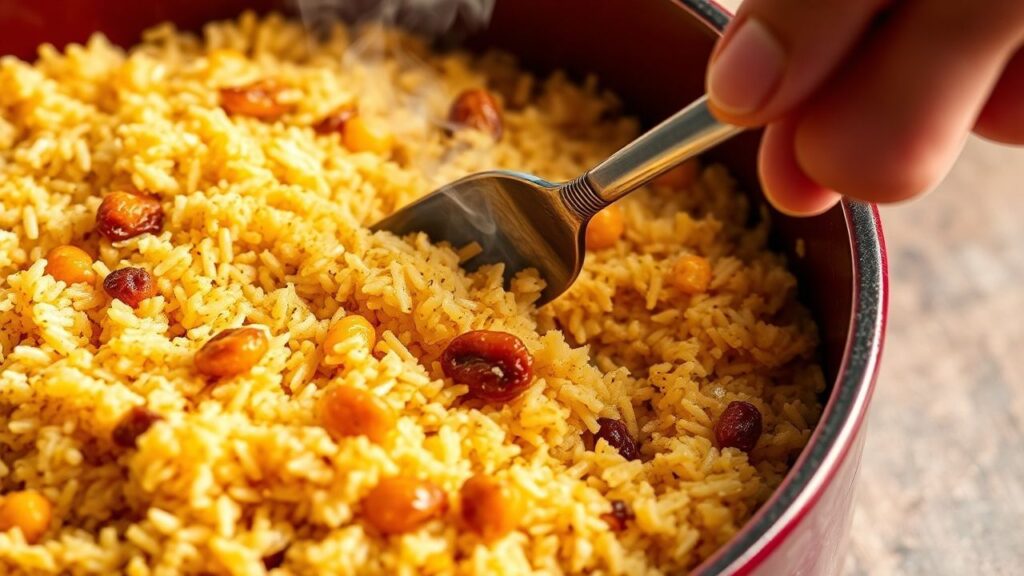
7. The Final Flourish: Uncover the pot and gently fluff the rice with a fork, incorporating the cooked dried fruits. Stir in the toasted slivered almonds or pine nuts.
8. Serve: Garnish generously with fresh chopped parsley or cilantro before serving hot.
Nutritional Insights: A Wholesome Culinary Experience
While primarily a carbohydrate source, a well-prepared Moroccan rice pilaf offers more than just sustenance. The inclusion of vegetables, fruits, and nuts contributes a range of nutrients, making it a balanced component of a meal.
Per serving (approximately 1/6th of the recipe):
- Calories: 350-400 (approximate, depending on specific ingredients and portion size)
- Carbohydrates: 60-70g
- Protein: 8-10g
- Fat: 10-15g (primarily healthy fats from olive oil and nuts)
- Fiber: 4-6g (from rice, fruits, and aromatics)
- Vitamins & Minerals: Contributes Vitamin A (from carrots if used in broth), Vitamin B vitamins (from rice and aromatics), Iron, Magnesium, and Potassium.
The fiber content, particularly from the whole grains and dried fruits, aids in digestion and promotes satiety. The nuts provide healthy monounsaturated and polyunsaturated fats, which are beneficial for cardiovascular health. While the calorie count is moderate, the dish is substantial and can contribute to a feeling of fullness, potentially reducing overconsumption of other less nutrient-dense foods. Studies have shown that incorporating whole grains into the diet is linked to a reduced risk of chronic diseases, including heart disease and type 2 diabetes. For instance, research published in the BMJ highlighted the association between higher whole grain intake and reduced mortality.
Elevating Your Moroccan Rice Pilaf: Expert Pro-Tips
To transform this already delightful dish into something truly spectacular, consider these expert insights:
💡 Expert Insight
Expert Insight:
The Power of Broth Quality
The liquid you use is arguably as important as the rice itself. Instead of plain water or a generic stock, opt for a homemade chicken or vegetable broth if time permits. If using store-bought, choose a low-sodium, high-quality option. Infusing your broth with aromatics like bay leaves, peppercorns, and a sprig of thyme while it simmers can add another layer of complexity that will permeate the rice. Don’t underestimate the subtle impact of a well-chosen broth; it’s the silent workhorse of flavor.
💡 Expert Insight
Expert Insight:
Toasting Nuts for Peak Flavor
Slivered almonds or pine nuts can be added raw, but toasting them unlocks their full nutty potential. Spread them in a single layer on a dry skillet over medium-low heat. Toss them frequently until they are lightly golden and fragrant. This process takes only a few minutes but makes a significant difference in aroma and taste. Be vigilant, as they can burn quickly.
The toasted nuts, when incorporated just before serving, offer a delightful textural contrast to the soft rice and chewy dried fruits. This interplay of textures is a hallmark of sophisticated cuisine, engaging the palate in a more dynamic way.
The Cultural Significance of Sharing
In Moroccan culture, food is an act of love and generosity. A pilaf like this is rarely made for a single person; it is intended to be shared, a centerpiece around which family and friends gather. The act of preparing and sharing such a dish fosters connection and strengthens bonds. When you serve this Moroccan rice pilaf, you are not just offering a meal; you are offering a piece of Moroccan heritage and a gesture of heartfelt hospitality. This communal aspect of dining is increasingly recognized for its positive impact on mental well-being, providing a sense of belonging and shared experience.
Common Pitfalls and How to Avoid Them
Even with a simple one-pot method, a few common missteps can detract from the final dish.
⚠️ Pro-Caution
Pro-Caution:
Over-Stirring and Lid Lifting
The most common error in cooking pilaf-style rice is excessive stirring or lifting the lid too frequently during the simmering phase. This releases steam, which is essential for even cooking, and can cause the grains to break down, leading to a gummy texture. Trust the cooking time and the heat. Once covered, let the rice do its work undisturbed. The goal is to create a perfectly cooked, fluffy grain that has absorbed all the delicious flavors.
⚠️ Pro-Caution
Pro-Caution:
Under-Seasoning or Over-Seasoning
Rice, especially a pilaf, needs ample seasoning. The broth should taste slightly more seasoned than you think necessary, as the rice will absorb a significant amount of salt. Conversely, over-salting can ruin the dish. Taste your broth before adding it to the pot. If it’s bland, add more salt. If it’s already well-seasoned, proceed cautiously. Using a good quality broth and fresh spices will go a long way in ensuring proper flavor development without relying solely on salt.
Frequently Asked Questions
H3: What kind of rice is best for Moroccan rice pilaf?
For an authentic and fluffy texture, long-grain rice varieties such as Basmati or Jasmine are ideal. These grains have a lower starch content, which helps them remain separate and distinct after cooking. Medium-grain rice can also be used for a slightly softer, creamier result, but it’s crucial to rinse it thoroughly to minimize gumminess.
H3: Can I make this Moroccan rice pilaf vegetarian or vegan?
Absolutely! To make this recipe vegetarian or vegan, simply substitute vegetable broth for chicken broth. Ensure your broth is rich in flavor, perhaps by simmering it with extra vegetables and herbs, to compensate for the absence of chicken broth’s depth. For a vegan version, ensure any added butter (if used in a variation) is replaced with plant-based alternatives.
H3: What are some variations I can try with this Moroccan rice pilaf?
This recipe is a fantastic base for customization. You can add a handful of chopped, pitted olives for a briny counterpoint, or incorporate diced carrots and peas along with the onions for extra vegetables. Some variations include a touch of sweetness from chopped dates or a hint of tartness from dried cranberries. For a spicier kick, a pinch of cayenne pepper or a finely minced chili can be added with the garlic.
H3: How can I ensure my Moroccan rice pilaf isn’t mushy?
The key to avoiding mushy rice lies in several steps: thorough rinsing of the rice to remove excess starch, using the correct liquid-to-rice ratio (typically 2:1, but can vary slightly based on rice type and pot), and crucially, avoiding the temptation to lift the lid or stir the rice during the simmering and resting periods. This allows the steam to cook the rice evenly without agitation.
H3: What is “Ras el Hanout” and can I substitute it?
*Ras el Hanout* is a complex Moroccan spice blend that translates to “head of the shop,” implying the best spices the merchant has to offer. Its composition can vary widely, but it typically includes spices like cardamom, cloves, cinnamon, coriander, cumin, ginger, mace, nutmeg, and turmeric. While a pre-made blend is convenient, you can create your own by combining individual spices in proportions that suit your taste. If you don’t have *Ras el Hanout*, a good substitute would be a blend of equal parts cumin, coriander, turmeric, and ginger, with a pinch of cinnamon.
See also: Moroccan rice