
Mastering Holiday Feasts: Tips for Cooking for a Crowd
The holiday season arrives with the promise of warmth, laughter, and the comforting scent of delicious food. Yet, the prospect of preparing a memorable feast for many can feel overwhelming. Whether it’s a cozy family reunion or a grand festive gathering, orchestrating a meal that delights everyone presents a unique challenge. Mastering these holiday events is achievable through a blend of smart preparation and effective kitchen techniques. This guide reveals the secrets to transforming your next holiday spread into a relaxed, flavorful celebration that leaves guests impressed and satisfied.
- The Art of Holiday Feast Planning
- Strategic Shopping and Ingredient Management
- Timing Your Culinary Creations
- Effortless Preparation Techniques
- Presentation: The Visual Feast
- Managing Stress and Enjoying the Process
- Frequently Asked Questions
- Q1: What’s the most crucial step in planning a holiday feast for a large group?
- Q2: How can I ensure food stays warm for a buffet-style meal?
- Q3: What are good budget-friendly options for feeding a crowd?
- Q4: How can I accommodate various dietary restrictions without a separate menu?
- Q5: What is the best way to prevent foodborne illness when cooking for many?
- Conclusion: Savoring the Success of Your Feast
At a Glance: Key Takeaways for Holiday Feasts
- Strategic Planning is Paramount: Map out your menu, shopping, and prep schedule well in advance.
- Embrace Make-Ahead Dishes: Select recipes that can be prepared partially or fully before the event.
- Delegate and Conquer: Don’t hesitate to ask for help from family and friends.
- Presentation Matters: Thoughtful plating enhances the dining experience.
The Art of Holiday Feast Planning
Successfully cooking for a crowd during the holidays hinges on meticulous planning. Transforming a potentially chaotic cooking marathon into a joyous, stress-free culinary experience means focusing on balanced flavors and creating memorable moments around the table. Whether you’re serving a large family or a lively group of friends, your secret weapon is thoughtful preparation.
Begin by creating a guest list and understanding dietary needs. Knowing the number of attendees and any allergies or preferences simplifies menu creation and reduces last-minute adjustments. A well-defined plan prevents oversights and ensures all guests feel catered to, contributing to a harmonious dining atmosphere.
Menu Selection for Large Groups
Choosing the right dishes is crucial when cooking for a crowd. Opt for recipes that are scalable and can be prepared in advance. Dishes like casseroles, roasts, and hearty stews are ideal as they often improve in flavor when made ahead and reheat beautifully. Consider a mix of comforting classics and perhaps one or two unique items to add a special touch.
Balance is key. Include a variety of textures and flavors—something rich, something fresh, something savory, and something sweet. This ensures that there’s something for every preference. For instance, a robust beef stew pairs wonderfully with a light, crisp salad, offering a delightful contrast that keeps palates engaged throughout the meal.
Strategic Shopping and Ingredient Management
Effective shopping is the bedrock of any large-scale cooking endeavor. Creating a detailed grocery list based on your chosen menu prevents impulse buys and ensures you don’t forget essential ingredients. Organize your list by store section (produce, dairy, pantry, etc.) to make your shopping trip more efficient.
Consider bulk purchasing for non-perishables like grains, canned goods, and spices. Many stores offer discounts for larger quantities. For fresh ingredients, shop closer to the event date to ensure maximum freshness. Planning your shopping trip around sales and seasonal availability can also significantly reduce costs.
Maximizing Freshness and Minimizing Waste
Proper storage is vital to maintain the quality of your ingredients. Use airtight containers for prepped vegetables and sauces. For produce, understand which items benefit from refrigeration and which are best stored at room temperature. This attention to detail ensures that your ingredients are at their peak when it’s time to cook.
Minimizing waste not only saves money but also aligns with sustainable practices. Utilize vegetable scraps for making stock, or creatively repurpose leftovers into new dishes. For example, leftover roasted vegetables can be blended into a soup or added to a frittata for a delightful brunch option the next day.
Timing Your Culinary Creations
A well-timed cooking process is essential for a seamless holiday meal. Create a day-by-day and hour-by-hour schedule leading up to and on the day of the feast. This timeline should detail when each dish should be started, cooked, and served.
Work backward from your desired serving time. Identify dishes that require the longest cooking periods and start those first. Factor in resting times for meats, cooling times for baked goods, and reheating durations for make-ahead items. This detailed schedule acts as your roadmap, keeping you on track and preventing last-minute rushes.
Effortless Preparation Techniques
Simplify your cooking process by leveraging time-saving techniques. Prep ingredients in advance whenever possible. Chop vegetables, measure spices, and prepare sauces the day before. This allows you to focus on the actual cooking and assembly on the day of the event.
Utilize modern kitchen appliances to your advantage. Slow cookers, pressure cookers, and multi-cookers can handle long, slow cooking processes, freeing up your oven and stovetop for other dishes. Consider using disposable aluminum pans for easier cleanup, especially for dishes that might be prone to sticking.
The Power of Make-Ahead Components
Many holiday dishes are perfect candidates for make-ahead preparation. Doughs for pies and tarts can be made and chilled or frozen. Sauces, gravies, and even some casseroles can be fully prepared and refrigerated, then simply reheated before serving. This strategy significantly reduces the workload on the day of the feast.
Even desserts can often be made ahead. Cakes can be baked and frosted, cookies can be prepared and stored, and cheesecakes can be assembled and chilled. This allows you to enjoy your guests’ company without being constantly tied to the kitchen. It also ensures that all components of your meal are ready simultaneously.
Example Make-Ahead Strategy:
- Two Days Before: Prepare pie crusts, bake cakes, make sauces.
- One Day Before: Assemble casseroles, marinate meats, prepare salads (dressing on the side).
- Day Of: Bake pies, roast meats, assemble and reheat casseroles, toss salads.
Presentation: The Visual Feast
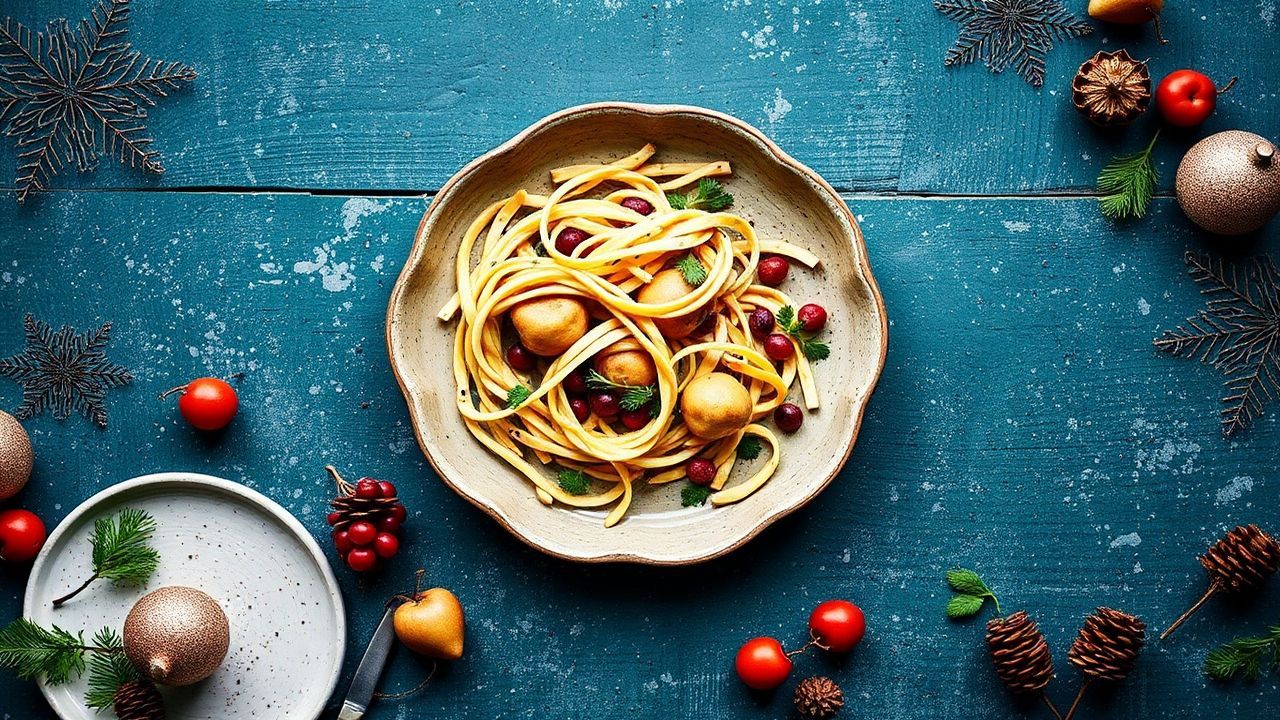
How you present your food significantly enhances the dining experience. Even simple dishes can look spectacular with thoughtful plating. Use attractive serving dishes, platters, and bowls that complement your holiday décor. Garnish dishes generously with fresh herbs, edible flowers, or a sprinkle of toasted nuts.
Consider the flow of your buffet or seating arrangement. Place plates, cutlery, and napkins conveniently. Arrange dishes logically, starting with appetizers, then main courses, and finally sides and desserts. This makes it easy for guests to serve themselves and creates an inviting presentation.
Adding Personal Touches
Personal touches elevate a meal from ordinary to extraordinary. Consider including a cherished family recipe with a brief story shared at the table. Hand-written place cards add a sophisticated and personal touch for formal settings. Even a small, festive decoration on each plate can make guests feel special.
Incorporate the season into your presentation. Use natural elements like pinecones, cranberries, or evergreen sprigs as decorative accents. The goal is to create an atmosphere of warmth and welcome, making your guests feel cherished and celebrated.
Managing Stress and Enjoying the Process
The holiday season is about joy and connection, not just perfect execution. Acknowledge that minor mishaps can happen and are part of the experience. Focus on the overall goal: bringing loved ones together to share good food and company. This mindset shift can dramatically reduce stress.
Create a relaxing environment in your kitchen. Play festive music, light a scented candle, or have a favorite beverage on hand. If possible, do a practice run of a complex recipe a week or two before the event. This builds confidence and helps identify potential challenges early on.
Delegation: Your Secret Weapon
You don’t have to do it all yourself. Identify tasks that others can help with, such as setting the table, making a salad, or bringing a dessert. Many guests are happy to contribute, so don’t hesitate to ask for help. Clearly communicate what you need and by when.
Assigning tasks can also be a fun way to involve family and friends in the preparation process. This shared effort not only lightens your load but also fosters a sense of community and shared accomplishment. It allows everyone to feel invested in the success of the feast.
Frequently Asked Questions
Q1: What’s the most crucial step in planning a holiday feast for a large group?
The most crucial step is creating a detailed timeline and menu that prioritizes make-ahead dishes. This ensures that you can manage your workload effectively and reduce last-minute stress. Knowing exactly what needs to be done and when is paramount.
Q2: How can I ensure food stays warm for a buffet-style meal?
Utilize warming trays, slow cookers on a ‘warm’ setting, or insulated serving dishes. For dishes like casseroles or roasts, tent them loosely with foil after they’ve rested to retain heat and moisture. Planning the serving order so that the longest-cooking items are served last also helps.
Q3: What are good budget-friendly options for feeding a crowd?
Focus on seasonal vegetables, grains like rice or pasta, and legumes such as beans and lentils. Hearty soups, stews, and chili are also economical and crowd-pleasing. Buying in bulk for non-perishables and looking for store brands can further reduce costs. Don’t underestimate the flavor power of herbs and spices!
Q4: How can I accommodate various dietary restrictions without a separate menu?
Offer a diverse range of dishes that naturally cater to common restrictions. For example, include a substantial vegetarian or vegan main course, gluten-free side dishes, and ensure there are dairy-free options. Labeling dishes clearly with their ingredients or common allergens is essential for guests’ safety and peace of mind.
Q5: What is the best way to prevent foodborne illness when cooking for many?
Strict adherence to food safety guidelines is non-negotiable. Ensure all ingredients are fresh and properly stored. Cook food to the correct internal temperatures, and keep hot foods hot (above 140°F or 60°C) and cold foods cold (below 40°F or 4°C). Wash hands frequently and sanitize all surfaces and utensils. Serve food promptly after cooking, or refrigerate it within two hours.
Conclusion: Savoring the Success of Your Feast
As the final crumbs are cleared and the echoes of laughter fade, the true reward of a holiday feast is in the shared memories. Mastering the art of cooking for a crowd transforms what might seem like a daunting task into a genuinely joyful occasion centered on togetherness. With diligent planning, strategic preparation, and a touch of culinary flair, you can orchestrate any holiday gathering into a delicious, seamless experience.
So, embrace the process, prepare with confidence, and let your kitchen be the heart of the festivities. After all, the most memorable feasts are those seasoned with love, filled with laughter, and prepared with a well-loved oven. Here’s to creating holiday meals that are truly feasts to remember, year after year.
See also: cooking for a crowd