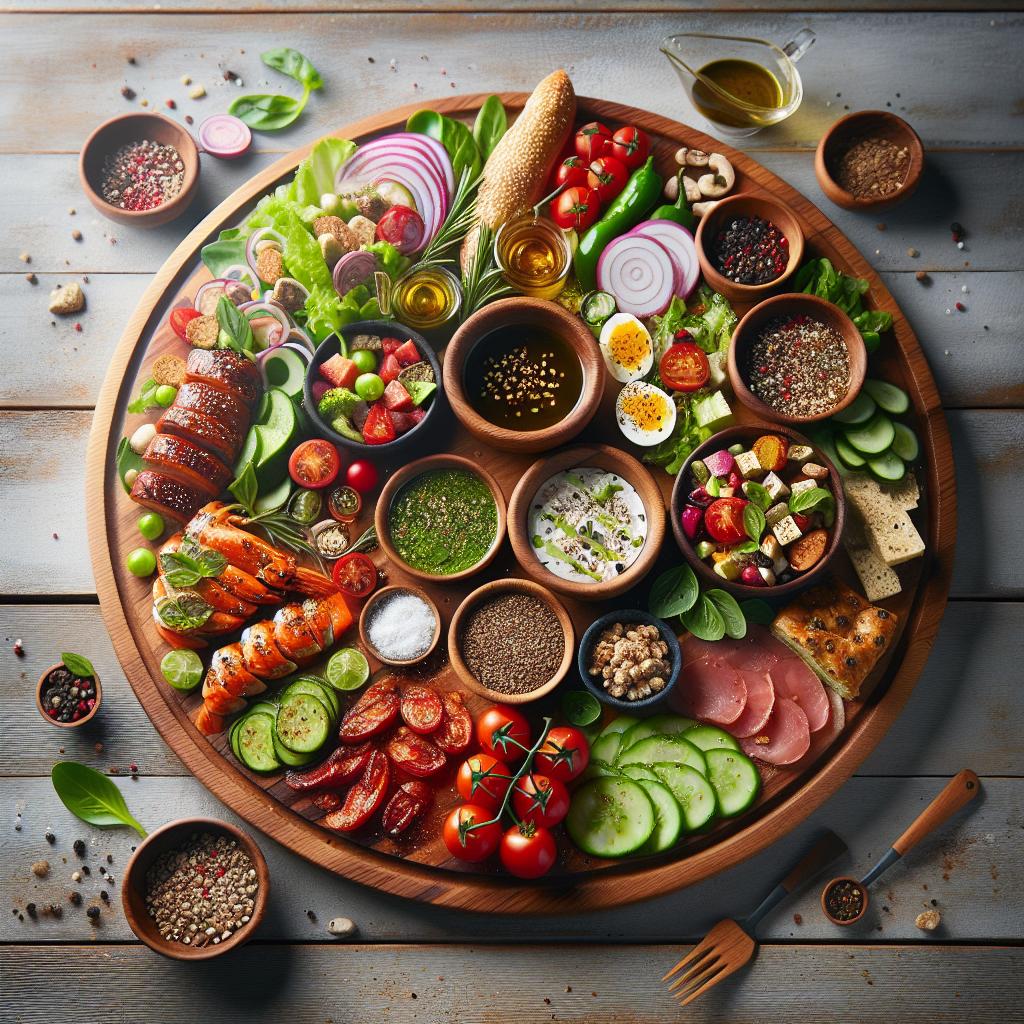

In a world where convenience often comes pre-packaged and bursting with preservatives, a quiet revolution is simmering in home kitchens everywhere. Imagine transforming everyday ingredients into vibrant sauces and tantalizing mixes that not only elevate your meals but also put you in control of every flavor-packed drop. DIY Convenience is not just a trend-it’s a flavorful journey back to the roots of cooking, where creativity meets practicality. Whether you’re a seasoned culinary artist or a curious novice, crafting your own sauces and mixes at home promises a delicious blend of health, savings, and endless customization. Ready to stir, blend, and whisk your way to pantry perfection? Let’s dive into the art of homemade convenience that’s as satisfying as the dishes it adorns.
DIY Convenience: Craft Your Own Sauces & Mixes at Home
DIY Convenience breathes new life into your kitchen, unlocking the true magic of homemade sauces that transform everyday meals into unforgettable culinary experiences. Whether you’re recreating bold barbecue blends or silky velouté bases, learning the art of flavor balance will elevate your signature mixes. Here, you’ll embark on a flavorful journey embracing essential pantry staples, foolproof techniques, and savvy storage hacks to empower your saucier skills.
Prep and Cook Time
- Preparation: 15 minutes
- Cook Time: 20 minutes
- Total Time: 35 minutes
Yield
Approximately 2 cups of versatile sauce base (serves 4-6 depending on use)
Difficulty Level
Easy to Medium
Ingredients
- 2 tablespoons olive oil (extra virgin for flavor depth)
- 1 medium onion, finely diced
- 3 cloves garlic, minced
- 1 cup canned crushed tomatoes (or fresh ripe tomatoes, blended)
- 1 tablespoon tomato paste
- 1 teaspoon smoked paprika
- 1 teaspoon dried oregano
- 1/2 teaspoon ground cumin
- 1 tablespoon apple cider vinegar (for acidity and brightness)
- 1 teaspoon honey or maple syrup (balances acidity with gentle sweetness)
- Salt and freshly ground black pepper, to taste
- 1/2 cup vegetable or chicken broth (low sodium preferred)
Instructions
- Heat olive oil in a medium saucepan over medium heat. Add the finely diced onions and sauté until they become translucent and fragrant, about 5-7 minutes, stirring occasionally to prevent browning.
- Add the minced garlic and cook for an additional 1 minute, ensuring it doesn’t burn but releases its aroma.
- Incorporate the tomato paste, stirring for 2 minutes until it darkens slightly-this intensifies the umami richness of your base.
- Pour in the crushed tomatoes and broth, then sprinkle in smoked paprika, oregano, and cumin. Stir gently to combine all the ingredients evenly.
- Bring the mixture to a gentle simmer, then reduce heat to low. Let it cook uncovered for 15 minutes, stirring occasionally. The sauce will thicken and the flavors will meld beautifully.
- Remove the pan from heat and stir in apple cider vinegar and honey to brighten and balance the tang.
- Season generously with salt and freshly ground black pepper-taste and adjust seasoning as needed, because this is your signature mix foundation.
- Allow the sauce to cool slightly, then blend with an immersion blender if a smoother consistency is desired. Otherwise, leave it slightly chunky for rustic texture.
Chef’s Notes: Tips for Success
- Ingredient swaps: Use balsamic vinegar instead of apple cider vinegar for a sweeter, deeper undertone.
- Make it spicier: Add a pinch of cayenne pepper or freshly chopped chili for heat.
- Storage advice: Let sauces cool completely before transferring to airtight containers. Keep refrigerated for up to one week or freeze in portions for up to 3 months.
- Batch cooking: Double or triple your sauce base and freeze in small jars to speed up weeknight dinners.
- Troubleshooting: If your sauce tastes too acidic, balance it with a little more honey or a pat of butter stirred in at the end.
Serving Suggestions
This versatile sauce base is a canvas for countless dishes. Use it as a foundation for pizza toppings, stir it into pasta, drizzle over roasted vegetables, or serve as a dipping sauce for grilled chicken or crispy tofu. Garnish with fresh basil, chopped parsley, or a sprinkle of grated Parmesan and toasted pine nuts to add texture and vibrant color. Experiment by swirling in a splash of cream or a spoonful of pesto for creative twists.
| Nutritional Information (per ½ cup) | Calories | Protein | Carbs | Fat |
|---|---|---|---|---|
| Classic Tomato Sauce Base | 80 kcal | 2 g | 10 g | 4 g |

Essential Pantry Staples for Crafting Signature Mixes
Building DIY Convenience starts with a thoughtfully curated pantry. Stock your kitchen with high-quality olive oil, a variety of dried herbs like oregano and thyme, spice powders such as smoked paprika and cumin, plus versatile acidifiers like vinegars and citrus juices. Keeping canned tomatoes, tomato paste, and broth on hand transforms your sauce game effortlessly, allowing for quick modifications that fit every culinary mood.
Step-by-Step Guide to Preparing Versatile Sauce Bases
Start by gently sweating aromatics-onions and garlic-in oil to lay a flavor foundation. Add concentrated elements like tomato paste early to deepen umami. Combine herbs and spices to build aroma profiles, balancing smoky, herbal, and earthy notes. Simmering merges these components, concentrating flavors while the liquid reduces to a perfect consistency. Finishing with acid and sweetness harmonizes the taste, crafting that signature balance which is the hallmark of homemade sauce mastery.
Storage Tips and Creative Uses for Your DIY Creations
After mastering your sauce bases, embrace the versatility that DIY Convenience brings. Pour sauces into freezer-safe containers for long-term storage. Label and date batches for easy rotation. Use leftover bases as cooking starters-simmer stews, glaze meats, or enrich grain bowls. For an elevated touch, customize your jars with herb-infused oils or add-ins like roasted garlic and chili flakes. This not only extends your culinary repertoire but ensures no flavor is wasted.
For deeper insights into homemade sauce preservation techniques, visit FoodSafety.gov.
Expand your flavors further by exploring our detailed guide on Homemade Condiments and Dressings.
Q&A
Q&A: DIY Convenience – Craft Your Own Sauces & Mixes at Home
Q1: Why should I make my own sauces and mixes at home when I can buy them ready-made?
A: Homemade sauces and mixes put you in complete control of ingredients, flavors, and freshness. Plus, crafting your own means no preservatives, lower costs, and the joy of customizing recipes to perfectly suit your taste buds. It’s convenience with a personal touch!
Q2: What are some easy sauces or mixes that beginners can start with?
A: Start simple! Try making classic vinaigrettes, a tangy barbecue sauce, or a basic spice blend like taco seasoning. These require minimal ingredients and little time, but once mastered, they open the door to more adventurous concoctions.
Q3: How do I store homemade sauces and mixes to keep them fresh longer?
A: Use airtight containers and keep refrigerated when applicable. Many sauces like pesto or tomato-based ones last about a week in the fridge, while dry mixes (like ranch seasoning or curry powder) can stay fresh for months in a cool, dark pantry. Freezing sauces in portions is also a great trick!
Q4: Can homemade sauces and mixes be made in large batches for future use?
A: Absolutely! Large-batch prepping saves time during busy weeks. Just ensure proper storage – sterilized jars for sauces and sealed bags for dry mixes. Label them with dates to track freshness and always trust your nose and taste before use.
Q5: How does making my own mixes improve my cooking skills?
A: Crafting your own mixes deepens your understanding of flavor profiles, spice balances, and ingredient synergy. It encourages creativity, experimentation, and ultimately makes you a more confident and resourceful cook.
Q6: Are there health benefits to choosing DIY sauces over store-bought?
A: Definitely. You control the quality, can reduce sugar and salt to your preference, avoid additives, and boost nutrition by incorporating fresh herbs and natural ingredients. It’s a win-win for tastebuds and wellness.
Q7: Any tips for scaling recipes up or down without losing flavor?
A: Start by scaling ingredients proportionally. Be mindful that some spices or potent flavors might intensify differently in larger quantities-adjust seasonings slowly and taste as you go. Keeping a cooking journal helps refine adjustments over time.
Q8: What kitchen tools are must-haves for DIY sauce and mix making?
A: A good blender or food processor speeds up prep, while measuring spoons ensure accuracy. Airtight jars, sturdy mixing bowls, and a spice grinder or mortar and pestle also come in handy for grinding fresh spices on demand.
Q9: Can homemade sauces and mixes cater to dietary restrictions?
A: Yes! Making them yourself lets you easily avoid allergens, gluten, or animal products. Customize your sauces with alternative ingredients that fit vegan, keto, paleo, or other specific dietary needs without sacrificing flavor.
Q10: Where can I find inspiration for new DIY sauce and mix recipes?
A: Explore cookbooks, food blogs, and global cuisines. Experimenting with international spice blends, herbs, and condiments not only broadens your palate but adds exciting diversity to your homemade creations. The kitchen is your flavor playground!
To Wrap It Up
Embracing the art of crafting your own sauces and mixes at home transforms everyday cooking into a personal adventure of flavors and creativity. Not only do you gain the satisfaction of knowing exactly what goes into your meals, but you also unlock endless opportunities to customize and experiment-turning classic recipes into your own signature masterpieces. So, roll up your sleeves, gather your ingredients, and dive into the world of DIY convenience. Your taste buds-and your kitchen-will thank you for it!