
The Sizzle and Soul of Banh Xeo: A Culinary Overture
The distinctive sizzle of banh xeo hitting a hot pan is not merely a culinary sound but an intrinsic part of its sensory appeal, a signal of the Maillard reaction working its magic to create that coveted crispness. This iconic Vietnamese savory crepe, often described as a crispy pancake, is far more than a simple dish; it’s a vibrant tapestry woven from generations of culinary tradition, regional variations, and the sheer joy of communal dining. The name itself, “banh xeo,” literally translates to “sizzling cake,” a direct homage to the sound produced when the rice batter meets the scorching hot oil in the pan. This auditory cue is as crucial to the banh xeo experience as its golden hue and complex flavor profile. While its origins are somewhat debated, with influences potentially stemming from French crêpes or Indian dosas, the banh xeo has unequivocally carved out its own distinct identity within the vast and diverse landscape of Southeast Asian street food.
- The Sizzle and Soul of Banh Xeo: A Culinary Overture
- A Glimpse into History: The Evolution of the Sizzling Crepe
- The Heart of the Matter: Crafting the Perfect Banh Xeo Batter
- Essential Ingredients for Banh Xeo Batter (Yields approx. 6-8 crepes)
- Preparation Method for Banh Xeo Batter
- The Symphony of Fillings: A Culinary Canvas
- The Art of the Sizzle: Cooking the Banh Xeo
- The Essential Accompaniments: Nuoc Cham and Fresh Herbs
- Nutritional Snapshot: A Savory Indulgence
- Elevating Your Banh Xeo: Expert Tips for Restaurant-Quality Results
- Conclusion: A Sizzling Masterpiece to Recreate
- Frequently Asked Questions about Banh Xeo
At a Glance: Banh Xeo Mastery
- The Sizzle is Key: Achieving a truly authentic banh xeo hinges on the sound of it cooking – proof of perfect batter and pan temperature.
- Regional Diversity: Recognize that banh xeo is not monolithic; significant regional differences in fillings and accompaniments exist, each offering a unique gastronomic journey.
- Balance is Paramount: The interplay of textures – crispy crepe, tender fillings, fresh herbs, and tangy dipping sauce – is what elevates banh xeo from good to extraordinary.
- Technique Over Ingredients: While quality ingredients are vital, mastering the art of spreading the batter thinly and managing heat are the true secrets to a superior banh xeo.
This culinary marvel, deeply rooted in Vietnamese culture, represents a harmonious blend of humble ingredients transformed into something spectacular. From the bustling street stalls of Ho Chi Minh City to the tranquil countryside kitchens of the Mekong Delta, banh xeo is a beloved staple, enjoyed by people from all walks of life. Its preparation is often a communal affair, with families gathering to share the cooking and the eating, transforming a simple meal into a cherished social event. The act of wrapping the broken pieces of banh xeo in fresh lettuce leaves, along with an abundance of fragrant herbs, and then dipping it into the accompanying nuoc cham (fish sauce-based dipping sauce) is a ritual that fosters connection and shared enjoyment. Understanding the nuances of its creation is not just about following a recipe; it’s about appreciating the philosophy behind Vietnamese cuisine – the emphasis on balance, freshness, and sensory delight. This article aims to demystify the process, offering a comprehensive guide to creating restaurant-quality banh xeo in your own kitchen, exploring its history, providing a detailed recipe, and sharing expert insights to ensure your culinary endeavor is a resounding success.
A Glimpse into History: The Evolution of the Sizzling Crepe
The precise historical genesis of banh xeo remains a subject of intriguing culinary speculation. Some scholars point to the influence of French colonization, suggesting a Vietnamese adaptation of the humble crêpe, reinterpreted with local ingredients and flavor profiles. The use of rice flour, a staple in Vietnamese cuisine, instead of wheat flour, immediately sets it apart. Others posit connections to Indian influences, particularly the dosa, a fermented rice and lentil crepe popular in South India, which shares a similar cooking method and crispy texture. Regardless of its exact origins, the banh xeo as we know it today is a uniquely Vietnamese creation, proof of the nation’s remarkable ability to assimilate and transform external culinary ideas into something quintessentially its own.
What is undeniable is the dish’s deep integration into Vietnamese daily life. Historical accounts and cultural observations suggest that banh xeo evolved from simple, rustic preparations into the more elaborate versions we see today. Early iterations might have been more basic, perhaps featuring only a few simple ingredients. Over time, as regional ingredients and culinary techniques developed, so too did the complexity and variety of banh xeo. The expansion of trade routes and the increased availability of diverse produce likely played a role in enriching its filling options. The rise of street food culture in Vietnam further cemented its popularity, making it an accessible and beloved dish for the masses. This evolution mirrors the broader trajectory of Vietnamese cuisine, which has consistently demonstrated an ability to adapt, innovate, and refine its culinary traditions.
The Heart of the Matter: Crafting the Perfect Banh Xeo Batter
The soul of any great banh xeo lies in its batter. Achieving that signature crispiness requires a precise balance of ingredients and technique. The foundation is typically rice flour, which provides the essential starch for structure and crispness. To this, a smaller proportion of cornstarch or tapioca starch is often added; these starches contribute to a lighter, more brittle texture, preventing the crepe from becoming chewy or rubbery. The liquid component is crucial, and while water is the most common base, coconut milk is a revered addition, lending a subtle richness and a delicate sweetness that complements the savory elements beautifully. A pinch of turmeric powder is indispensable, not only for its vibrant golden hue that signifies a perfectly cooked banh xeo but also for its subtle earthy notes.
The magic happens when this batter is mixed with a source of heat. Traditionally, the batter is made just before cooking, with the hot liquid poured into the dry ingredients, or the hot pan itself is used to “cook” a portion of the batter, creating an initial layer of crispness. This technique, while seemingly simple, requires practice. The goal is to create a thin, even layer that fries quickly and evenly. The characteristic sizzle, the namesake of banh xeo, is the direct result of this rapid cooking process. The batter, when spread thinly on a very hot, well-oiled pan, dehydrates rapidly, forming those delicate, lacy edges and a shatteringly crisp interior. The ratio of liquid to flour is paramount; too much liquid results in a soggy crepe, while too little makes it difficult to spread thinly and can lead to a tough texture. This is where the expertise of the cook truly shines.
Essential Ingredients for Banh Xeo Batter (Yields approx. 6-8 crepes)
- Rice Flour: 1 cup (120g) – provides the primary structure and crispness.
- Cornstarch or Tapioca Starch: 2 tablespoons (15g) – enhances crispness and creates a lighter texture.
- Turmeric Powder: 1 teaspoon – for vibrant color and subtle flavor.
- Salt: ½ teaspoon – to enhance overall flavor.
- Granulated Sugar: 1 teaspoon – balances the flavors.
- Coconut Milk (canned, full-fat): 1 cup (240ml) – adds richness and a delicate sweetness.
- Water: 1 cup (240ml) – to achieve the correct batter consistency.
- Optional: Finely chopped scallions: 2 tablespoons – for added freshness and visual appeal.
Preparation Method for Banh Xeo Batter
- In a medium bowl, whisk together the rice flour, cornstarch (or tapioca starch), turmeric powder, salt, and sugar. Ensure there are no lumps.
- In a separate small saucepan, gently heat the coconut milk and water until warm, but not boiling. If using chopped scallions, stir them into the warm liquid.
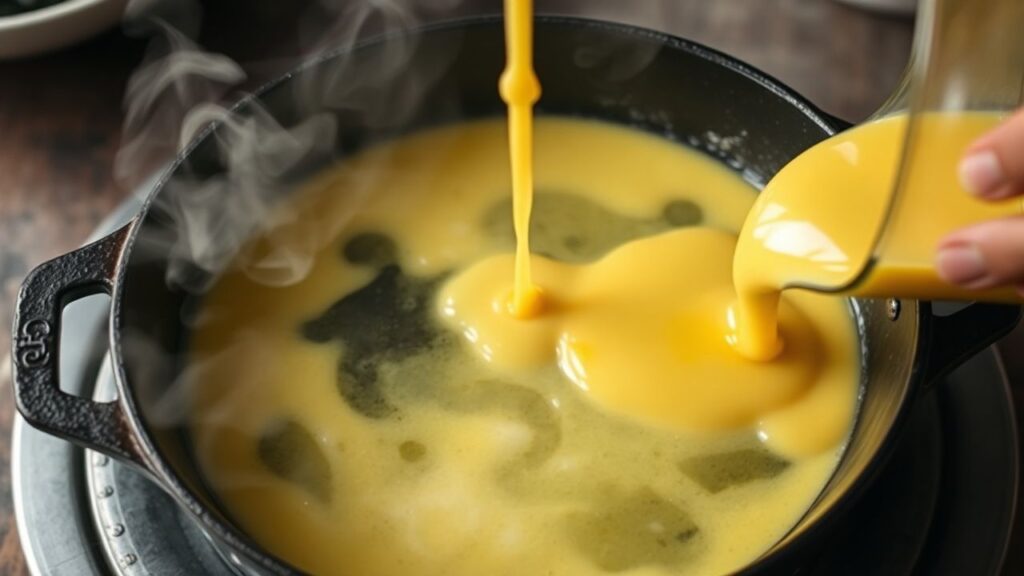
- Gradually pour the warm liquid mixture into the dry ingredients, whisking continuously to create a smooth, thin batter. The consistency should be similar to heavy cream or crepe batter.
- Let the batter rest for at least 15-30 minutes at room temperature. This allows the rice flour to fully hydrate, resulting in a better texture. For optimal crispness, some chefs advocate for a longer resting period, even overnight in the refrigerator.
The Symphony of Fillings: A Culinary Canvas
While the batter forms the structural and textural backbone of banh xeo, the fillings are where its personality truly shines, offering a delightful interplay of savory, sweet, and umami notes. The classic fillings reflect the bounty of Vietnam’s diverse agricultural landscape, with variations often dictated by regional availability and culinary traditions. In the south, where produce is abundant, fillings tend to be more elaborate. These often include thinly sliced pork belly, plump, succulent shrimp, and sometimes even slivers of chicken or duck. The pork is typically marinated in a mixture of fish sauce, garlic, and pepper, imbuing it with a deep, savory flavor that permeates the entire crepe.
The shrimp, peeled and deveined, cook quickly to a tender, sweet perfection, their pink hue adding a visual appeal. A generous amount of thinly sliced yellow onion is almost always included; as it cooks down, it caramelizes slightly, contributing a subtle sweetness and depth. Bean sprouts are a common addition, providing a pleasant, crisp texture that contrasts with the softer elements. For a vegetarian or vegan rendition, the possibilities are equally exciting. Mushrooms, such as shiitake or oyster mushrooms, offer a meaty texture and rich umami. Tofu, pan-fried until golden, can serve as a protein base, and a medley of colorful vegetables like carrots, jicama, or even julienned green papaya can be incorporated, adding both color and crunch. The key to successful fillings lies in their preparation: ingredients should be thinly sliced or julienned to ensure they cook through quickly within the rapidly frying crepe, and their flavors should be well-seasoned to stand up to the dipping sauce.
Classic Southern Vietnamese Banh Xeo Fillings (for 6-8 crepes)
- Pork Belly: 150g (approx. 5 oz), thinly sliced
- Shrimp: 150g (approx. 5 oz), medium-sized, peeled and deveined
- Yellow Onion: 1 medium, thinly sliced
- Bean Sprouts: 1 cup (approx. 50g), rinsed and drained
- Mung Beans (optional): ¼ cup (30g), pre-cooked until tender (for a slightly sweeter, more traditional southern touch)
- Seasoning for Pork/Shrimp: 1 tbsp fish sauce, ½ tsp black pepper, 1 clove garlic (minced)
Preparation Method for Fillings
- In a bowl, toss the thinly sliced pork belly with fish sauce, black pepper, and minced garlic. Let it marinate for at least 10 minutes.
- Prepare the shrimp by tossing them with a pinch of salt and pepper.
- Heat 1-2 tablespoons of neutral oil (like vegetable or canola) in a wok or large skillet over medium-high heat.
- Add the marinated pork belly and stir-fry until it’s about 80% cooked and slightly browned.
- Add the sliced yellow onions and stir-fry until they begin to soften and turn translucent.
- Add the shrimp and stir-fry until they turn pink and are just cooked through. Do not overcook.
- If using, add the pre-cooked mung beans and stir to combine.
- Remove the filling mixture from the pan and set aside. Keep the pan ready for cooking the banh xeo crepes.
The Art of the Sizzle: Cooking the Banh Xeo
This is where the true artistry of banh xeo unfolds. The cooking process demands a specific technique and a keen understanding of heat management. A well-seasoned cast-iron skillet or a non-stick pan with a slightly curved edge is ideal. The pan must be heated to a high temperature; this is crucial for achieving the signature crispiness. A good test is to flick a few drops of water into the pan – they should sizzle and evaporate almost instantly. Generous amounts of oil are then added, about 2-3 tablespoons per crepe, and allowed to heat until shimmering.
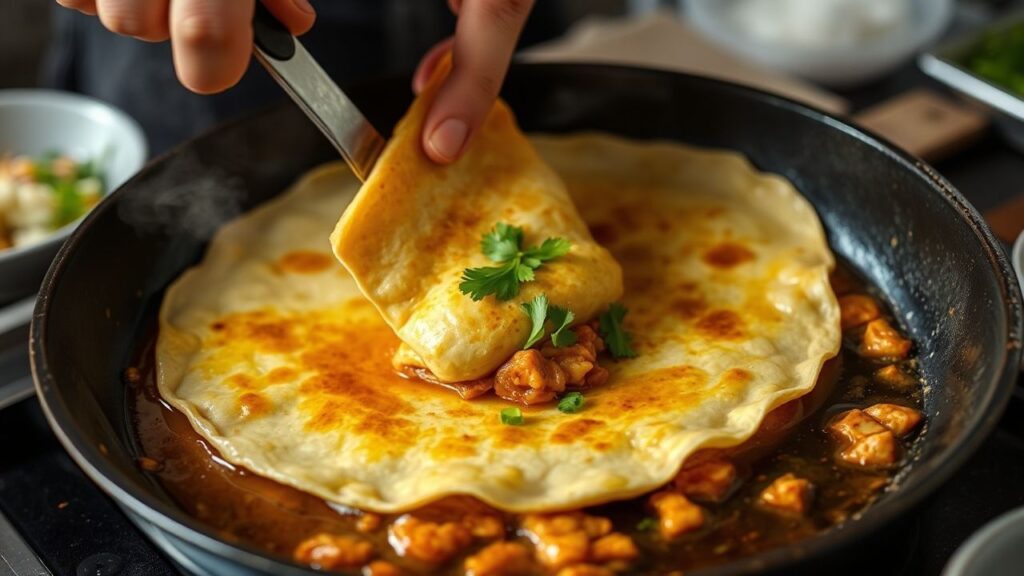
The batter, having rested, is then ladled into the hot, oiled pan. The key is to work quickly: pour about ½ cup of batter into the center and immediately tilt and swirl the pan to spread the batter thinly and evenly, creating a large, round crepe. This motion is critical; it ensures a thin, delicate crust that fries to perfection. As the batter spreads and begins to set, you’ll hear that distinctive sizzle. Once the edges begin to lift and turn golden brown, it’s time to add the fillings. Spoon a portion of the pre-cooked filling mixture onto one half of the crepe. The heat of the pan will continue to cook the fillings and crisp up the batter. Once the bottom is golden and crispy, carefully fold the crepe in half using a spatula, enclosing the fillings. Cook for another minute or two until the exterior is uniformly golden brown and wonderfully crisp. The banh xeo is then slid onto a serving platter.
Step-by-Step Banh Xeo Cooking Guide
- Heat the Pan: Place a large (10-12 inch) cast-iron skillet or non-stick pan over medium-high heat. Let it get very hot.
- Add Oil: Pour 2-3 tablespoons of neutral oil into the hot pan. Swirl to coat. The oil should shimmer.
- Pour Batter: Ladle about ½ cup of the rested banh xeo batter into the center of the hot, oiled pan.
- Swirl and Spread: Immediately tilt and swirl the pan to spread the batter thinly and evenly into a large circle, all the way to the edges. You should hear a vigorous sizzle.
- Cook the Base: Allow the crepe to cook undisturbed for 2-3 minutes, or until the edges start to crisp and lift, and the batter is mostly set. You can gently lift an edge to check for golden-brown color.
- Add Fillings: Spoon a portion of the prepared filling mixture onto one half of the crepe.
- Fold and Finish: Once the bottom is golden and crispy, and the fillings are heated through, carefully use a spatula to fold the other half of the crepe over the filling, creating a semicircle.
- Crisp Up: Cook for another 1-2 minutes, pressing gently with the spatula, until the outside is uniformly golden brown and crispy.
- Serve: Carefully slide the banh xeo onto a serving platter. Repeat the process with the remaining batter and filling.
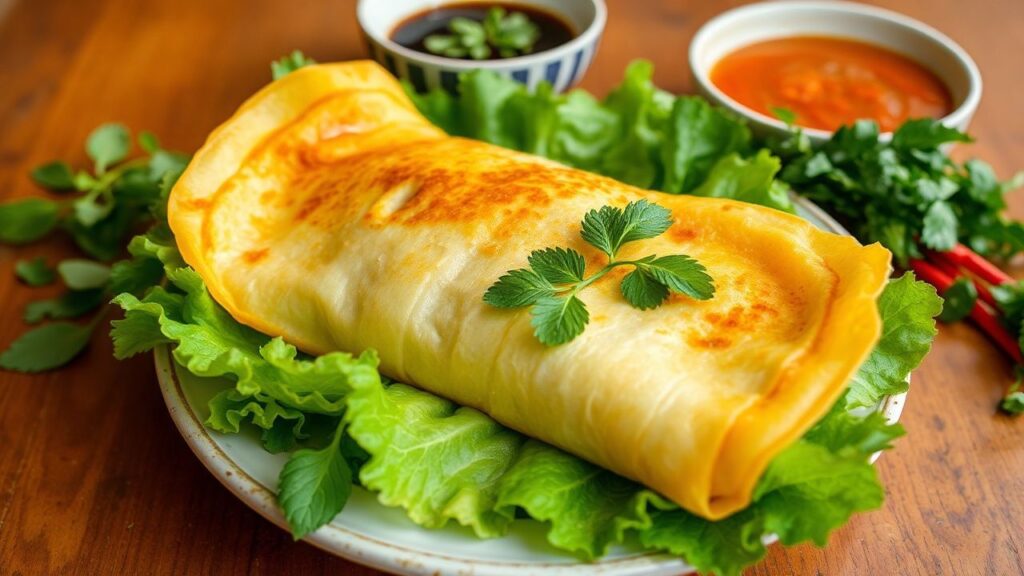
The Essential Accompaniments: Nuoc Cham and Fresh Herbs
No banh xeo experience is complete without its vital supporting cast: the vibrant, fresh herbs and the indispensable nuoc cham dipping sauce. These elements are not mere afterthoughts; they are integral to the dish’s flavor profile, providing balance, freshness, and a counterpoint to the crispy, savory crepe. The selection of fresh herbs is a sensory delight. Typically, a generous platter will feature a mix of fragrant greens such as mint, Thai basil, cilantro, perilla leaves (tia to), and Vietnamese balm (kinh gioi). These herbs offer a spectrum of aromas and tastes – from the cooling essence of mint to the slightly peppery notes of basil and the pungent kick of cilantro. They are crucial for cleansing the palate and adding a layer of aromatic complexity.
The nuoc cham, a cornerstone of Vietnamese dipping sauces, is a symphony of sweet, sour, salty, and spicy. Its base is fish sauce (nuoc mam), a fermented condiment that is fundamental to Vietnamese cuisine, providing a profound umami depth. This is balanced with lime juice for acidity, sugar for sweetness, and often finely minced garlic and chili for pungency and heat. The exact ratios can vary, with each household and restaurant boasting its own perfected rendition. Some may add a touch of water to thin it out, while others prefer a thicker, more concentrated version. The act of tearing off a piece of the banh xeo, wrapping it with a selection of herbs, and then dunking it into this flavorful sauce is a multi-sensory ritual that defines the enjoyment of this dish. The textural contrast between the crispy crepe, the tender fillings, the fresh crunch of herbs, and the vibrant, zesty sauce is what makes banh xeo so utterly captivating and addictive.
Nuoc Cham Dipping Sauce Recipe
- Fish Sauce: ¼ cup (60ml) – the soul of the sauce.
- Lime Juice: 2 tablespoons (30ml), freshly squeezed – for brightness and acidity.
- Granulated Sugar: 2 tablespoons (25g) – to balance the flavors.
- Water: 2 tablespoons (30ml) – to achieve the desired consistency.
- Garlic: 1 clove, finely minced – for pungency.
- Thai Chili: ½ – 1 small, finely minced (optional, adjust to your spice preference) – for heat.
Nuoc Cham Preparation
- In a small bowl, combine the fish sauce, lime juice, sugar, and water.
- Stir vigorously until the sugar is completely dissolved.
- Add the minced garlic and finely minced chili (if using).
- Taste and adjust seasonings as needed. You’re aiming for a harmonious balance of sweet, sour, salty, and spicy.
- Let the sauce sit for at least 15 minutes to allow the flavors to meld before serving.
Nutritional Snapshot: A Savory Indulgence
While banh xeo is a delightful culinary experience, a mindful approach to its consumption is always advisable, given its preparation method. A typical serving of banh xeo, depending on the size and the richness of the fillings, can be moderately high in calories and fat due to the oil used in frying. For instance, a single large banh xeo with pork and shrimp, prepared with a generous amount of oil, could range from 300-500 calories. The fat content primarily comes from the cooking oil and, if used, the pork belly. Carbohydrates are derived mainly from the rice flour batter. Protein is provided by the shrimp and pork, and vitamins and minerals are contributed by the vegetables and herbs.
However, the nutritional profile can be significantly influenced by preparation choices. Opting for lighter cooking methods, such as using less oil or employing a well-seasoned non-stick pan, can reduce the fat content. Increasing the proportion of vegetables and lean protein while moderating the amount of pork belly can also create a healthier iteration. Furthermore, the accompanying fresh herbs and the nuoc cham, when made with fresh lime juice and a balanced amount of sugar, offer beneficial vitamins and antioxidants. Therefore, while banh xeo can be a decadent treat, it also presents an opportunity to be creative with ingredient choices to align with dietary preferences and health goals.
Approximate Nutritional Information Per Serving (1 large banh xeo with typical fillings, prepared with moderate oil):
- Calories: 350-450
- Total Fat: 18-25g
- Saturated Fat: 5-8g
- Cholesterol: 50-70mg
- Sodium: 500-700mg
- Total Carbohydrates: 30-40g
- Dietary Fiber: 2-3g
- Sugars: 5-8g
- Protein: 15-20g
Note: These values are estimates and can vary significantly based on specific ingredients and preparation methods.
Elevating Your Banh Xeo: Expert Tips for Restaurant-Quality Results
Achieving that truly exceptional banh xeo, the kind that transports you to a bustling Vietnamese market, requires a nuanced understanding of technique and a dedication to detail. One of the most critical factors, often overlooked by home cooks, is the pan temperature. A banh xeo needs to be cooked on screaming hot oil. If the pan isn’t hot enough, the batter will absorb oil and become greasy, rather than crisping up. You should hear an immediate, robust sizzle the moment the batter hits the pan. A seasoned cast-iron skillet is invaluable here, as it retains and distributes heat exceptionally well. If you don’t have cast iron, a heavy-bottomed non-stick pan will suffice, but ensure it’s thoroughly preheated.
Another pro-tip revolves around the batter consistency and resting time. While a resting period of 15-30 minutes is standard, allowing the batter to rest for several hours, or even overnight in the refrigerator, can significantly improve its texture and crispness. This extended rest allows the starches in the rice flour to fully hydrate, leading to a more tender yet equally crispy final product. Furthermore, when spreading the batter, think thin. A thick layer of batter will result in a chewy, pancake-like texture. Use just enough batter to coat the bottom of the pan thinly, swirling the pan rapidly to achieve an even, lace-like layer. The addition of a small amount of sugar to the batter also aids in caramelization, contributing to that beautiful golden hue and a subtle crispness on the edges.
The filling preparation also matter significantly. Ensure all ingredients are finely sliced or julienned. This is not merely for aesthetics; it’s crucial for even cooking. Large chunks of meat or vegetables will not cook through in the short time the banh xeo is in the pan, leading to undercooked components within a perfectly crisp shell. Marinating the pork belly beforehand is essential to infuse it with flavor. Don’t be shy with the aromatics like garlic and pepper. When assembling the banh xeo, place the filling strategically on one half of the crepe. This allows for a clean fold and prevents the filling from spilling out. Finally, the nuoc cham should be vibrant and balanced. Freshly squeezed lime juice is non-negotiable. Taste and adjust the sweet, sour, and salty elements to your preference before serving. A well-made nuoc cham elevates the entire dish.
For those seeking an even more traditional experience, consider the regional variations. In Central Vietnam, banh xeo tends to be smaller, often served in multiples, and can feature different spice profiles. Some versions incorporate a touch of black pepper or even a hint of chili powder directly into the batter. The accompaniments can also vary, with some regions favoring different types of herbs or dipping sauces. Experimenting with these variations can offer a deeper appreciation for the dish’s adaptability and regional diversity. For instance, a particularly interesting regional variant is the banh xeo “gion” from the central region, which emphasizes extreme crispness, often achieved through a combination of batter composition and a more vigorous frying technique. This dedication to texture is a hallmark of Vietnamese culinary prowess.
Conclusion: A Sizzling Masterpiece to Recreate
Banh xeo is more than just a dish; it’s an experience. It’s the symphony of sizzling sounds, the visual spectacle of golden-brown crispness, the aromatic embrace of fresh herbs, and the complex dance of flavors in every bite. From its humble origins to its status as a beloved national treasure, banh xeo embodies the spirit of Vietnamese cuisine – a harmonious blend of simplicity, freshness, and profound flavor. Mastering its creation in your own kitchen is a rewarding endeavor, a journey that connects you to a rich culinary heritage. By understanding the interplay of ingredients, the nuances of technique, and the importance of fresh accompaniments, you can recreate this iconic Vietnamese savory crepe with confidence and flair. So, gather your ingredients, heat your pan, and prepare to be enchanted by the irresistible allure of banh xeo.
Frequently Asked Questions about Banh Xeo
What are the key differences between banh xeo from the North and South of Vietnam?
The most significant distinctions lie in size, texture, and the richness of fillings. Southern Vietnamese banh xeo are typically larger, thinner, and incredibly crispy, often incorporating coconut milk for added richness and sweetness. Their fillings are more abundant, usually including pork belly, shrimp, and bean sprouts. Northern Vietnamese banh xeo, on the other hand, tend to be smaller, thicker, and more like a soft pancake. Fillings are often simpler, and the flavor profile leans towards savory, with less emphasis on the sweet and rich notes characteristic of the South. The nuoc cham dipping sauce also sees variations; Southern versions are often sweeter and tangier, while Northern ones can be more intensely savory and sometimes spicier.
Can I make banh xeo ahead of time?
While the batter can be made a day in advance and stored in the refrigerator, the banh xeo itself is best enjoyed immediately after cooking. The crispiness is paramount to the dish’s appeal, and it diminishes rapidly once the crepe cools. The fillings can also be prepared in advance and stored separately, but the final assembly and frying should be done just before serving to ensure optimal texture and flavor. If you must make them slightly ahead, you can attempt to re-crisp them briefly in a very hot oven or a dry skillet, but they will never quite match the freshness of a just-cooked banh xeo.
What kind of oil is best for making banh xeo?
A neutral-flavored oil with a high smoke point is ideal for banh xeo. This ensures that the oil can withstand the high heat required for frying without burning and imparting an undesirable flavor. Common choices include vegetable oil, canola oil, or peanut oil. Some chefs also prefer using a blend of oil and a small amount of lard for added richness and crispness, although this is less common in modern preparations. The key is to use enough oil to create a shallow frying environment, allowing the batter to crisp up beautifully rather than steam.
How do I prevent my banh xeo from sticking to the pan?
Preventing sticking is crucial for achieving a perfect banh xeo. First and foremost, ensure your pan is adequately seasoned (if using cast iron) or is a good quality non-stick pan. Secondly, the pan must be very hot before adding the oil, and the oil itself should be shimmering. Don’t skimp on the oil; a generous amount (2-3 tablespoons per crepe) helps create a barrier and promotes even cooking and crisping. If your pan is not hot enough, or if you add the batter to cool oil, it will inevitably stick. Some cooks also advocate for a very thin initial layer of oil, then adding more as needed for subsequent crepes, ensuring each one fries in a fresh, hot bath.
See also: Banh xeo