
The Art of the Korma: More Than Just a Curry
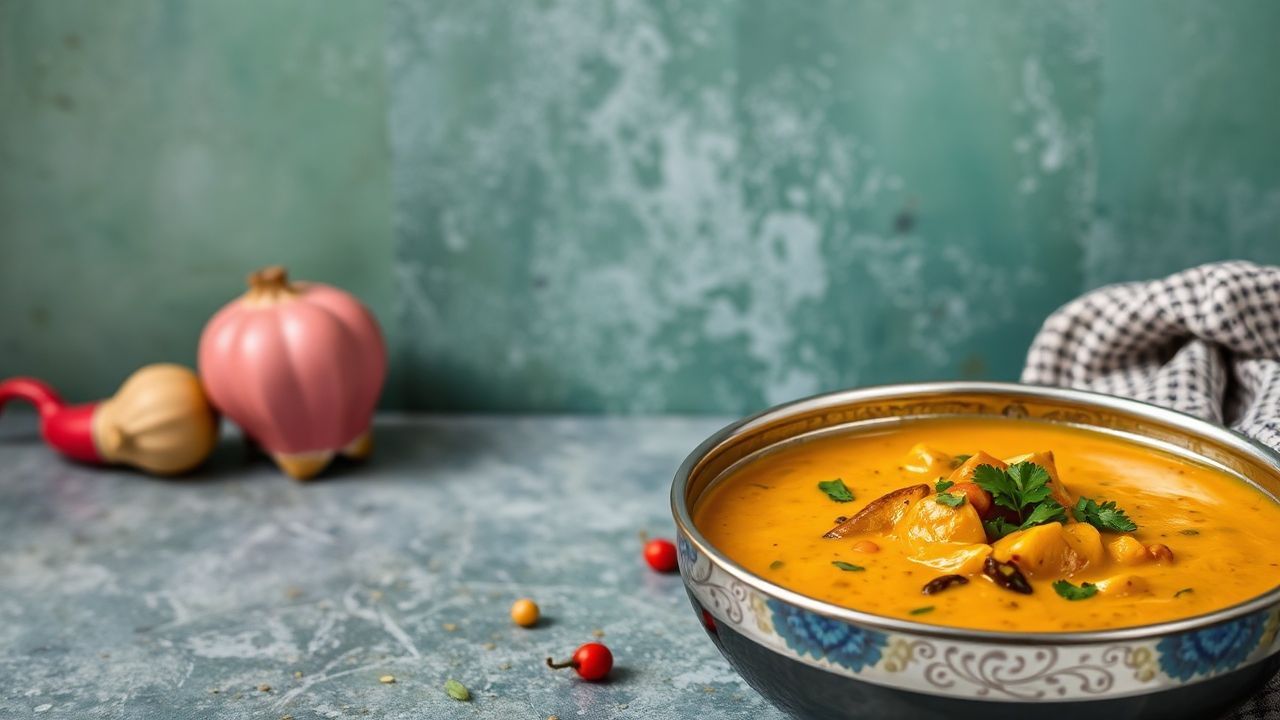
My first encounter with a truly exceptional Vegetable Korma was memorable. It wasn’t just the creamy texture or the vibrant tapestry of vegetables; it was the profound sense of comfort and gentle spice that enveloped me. It was a dish that spoke of slow cooking, of layers of flavour painstakingly built, and of a culinary heritage that prioritizes harmony over heat. Many home cooks shy away from Korma, perhaps intimidated by its perceived complexity or the array of spices involved. They often resort to shortcuts, resulting in a dish that is either too sweet, too bland, or lacks the nuanced depth that defines authentic Korma. This article aims to demystify the process, guiding you through the creation of a Vegetable Korma that is not merely a dish, but an experience – proof of the sophisticated palate of Indian cuisine, where even the most unassuming vegetables can be elevated to regal status. The very essence of a well-executed Korma lies in its ability to balance richness with subtlety, creating a harmonious symphony of tastes and aromas that linger long after the last bite.
- The Art of the Korma: More Than Just a Curry
- The Genesis of Korma: A Royal Legacy
- Deconstructing the Korma: Essential Ingredients for Depth
- The Aromatic Foundation: Building Blocks of Flavour
- The Spice Symphony: A Harmonious Blend
- The Creamy Embrace: Texture and Richness
- The Vegetable Ensemble: A Colorful Medley
- The Masterful Method: Crafting Your Vegetable Korma
- Vegetable Korma: A Detailed Recipe
- Ingredients:
- Preparation Method:
- Prepare the Nut Paste:
- Caramelize the Onions:
- Sauté the Whole Spices:
- Add Aromatics and Ground Spices:
- Incorporate the Onion and Nut Pastes:
- Introduce the Yogurt:
- Add Vegetables and Liquid:
- Finishing Touches:
- Serve:
- Nutritional Insights: A Wholesome Indulgence
- Expert Pro-Tips: Elevating Your Korma to Restaurant Quality
- A Culinary Tapestry: Variations and Adaptations
- Conclusion: The Enduring Allure of Vegetable Korma
- Frequently Asked Questions about Korma
At a Glance: Elevating Your Vegetable Korma
- Master the Base: A perfectly sautéed onion-mashed paste is the cornerstone of Korma’s signature creaminess and depth.
- Spice Harmony: Understand the role of whole spices for aroma and ground spices for flavour, ensuring a balanced spice profile.
- Texture is Key: Combine a variety of vegetables, each cooked to its ideal tenderness, to prevent a mushy outcome.
- The Rich Finish: Judicious use of nuts, yogurt, and cream provides luxurious mouthfeel without overwhelming the delicate flavours.
The Genesis of Korma: A Royal Legacy
The Korma, a name derived from the Urdu word *qorma*, meaning “to stew,” boasts a lineage deeply rooted in the royal kitchens of the Indian subcontinent, particularly during the Mughal era. This culinary tradition, introduced by the Mughals, was characterized by its opulence, intricate flavour profiles, and a preference for milder, richer gravies. Unlike the fiery curries that often dominate perceptions of Indian food, Korma was designed to be a celebration of ingredients, coaxed into releasing their inherent sweetness and aroma through slow cooking and a sophisticated blend of spices. The early Kormas were often made with lamb or chicken, but as the cuisine evolved and diversified across regions, the concept was beautifully adapted to vegetarian fare. This adaptation is proof of the ingenuity of Indian cooks, who found ways to replicate the luxurious texture and complex flavour without meat, often relying on dairy, nuts, and a careful selection of vegetables. The enduring popularity of Vegetable Korma speaks volumes about its universal appeal and its capacity to be both comforting and celebratory.
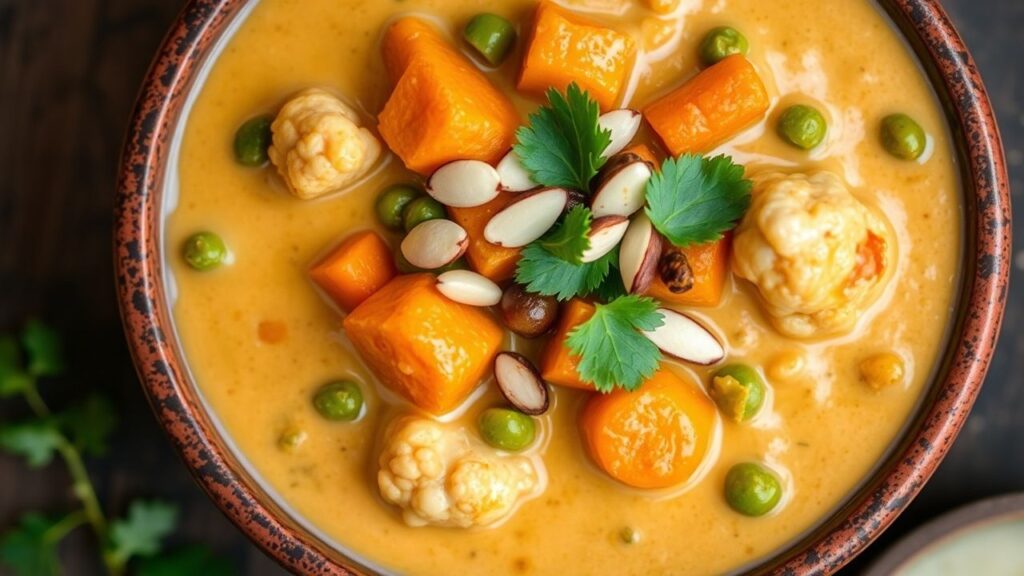
Deconstructing the Korma: Essential Ingredients for Depth
Crafting an authentic Vegetable Korma requires a thoughtful selection of ingredients, each playing a crucial role in building its signature flavour profile. It’s not simply about tossing vegetables into a pot; it’s about understanding the synergy of aromatics, spices, and creamy elements.
The Aromatic Foundation: Building Blocks of Flavour
The heart of any great Korma begins with its aromatics. Onions, finely chopped and caramelized to a deep golden hue, form the sweet, foundational layer. Their slow cooking releases natural sugars, contributing a subtle sweetness that balances the other spices. Ginger and garlic, pounded into a paste, provide a pungent warmth that is essential for depth. The freshness of ginger cuts through the richness, while garlic offers its characteristic savoury undertones.
The Spice Symphony: A Harmonious Blend
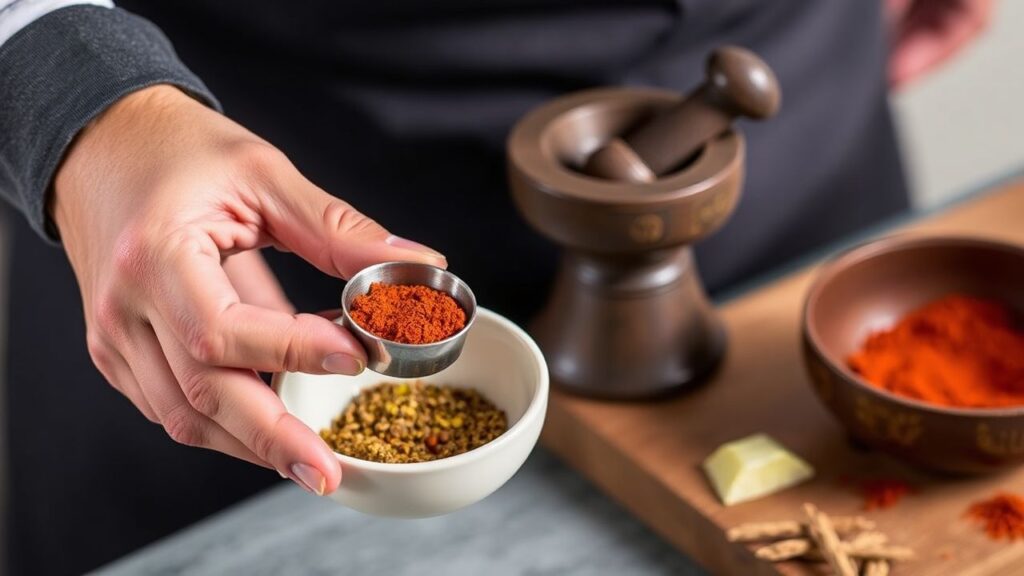
This is where the magic truly happens. A Korma is not about overwhelming heat, but about a nuanced interplay of warming spices.
- Whole Spices: These are often bloomed in hot oil or ghee at the beginning of the cooking process, releasing their volatile oils and infusing the base with their characteristic aromas. Common additions include:
- Green Cardamom Pods: Pungent and slightly sweet, adding an exotic floral note.
- Cloves: Warm and slightly peppery, providing a robust depth.
- Cinnamon Stick: Sweet and woody, lending a comforting warmth.
- Bay Leaves: Earthy and subtly floral, adding complexity.
- Black Peppercorns: For a gentle, underlying heat.
- Ground Spices: These are added after the aromatics are softened and contribute to the colour and primary flavour of the gravy.
- Coriander Powder: Earthy and citrusy, forming a significant part of the base.
- Cumin Powder: Warm and slightly smoky, adding a grounding earthiness.
- Turmeric Powder: For its vibrant golden hue and subtle earthy flavour.
- Kashmiri Red Chilli Powder: Primarily for colour, with minimal heat, ensuring a beautiful crimson tint without an aggressive burn.
- Garam Masala: A finishing spice blend, typically added towards the end, to enhance the overall warmth and aroma.
The Creamy Embrace: Texture and Richness
The signature creaminess of Korma is achieved through a combination of elements, each contributing to its luxurious mouthfeel.
- Nuts: Cashews and almonds are the stars here. Soaked and ground into a smooth paste, they provide a natural richness and a velvety texture that thickens the gravy beautifully.
- Yogurt: Full-fat yogurt, whisked smooth to prevent curdling, adds a subtle tang and further enhances the creamy consistency.
- Cream (Optional but Recommended): A touch of heavy cream or coconut milk (for a dairy-free option) at the final stages imparts an extra layer of indulgence.
The Vegetable Ensemble: A Colorful Medley
A well-chosen selection of vegetables adds not only visual appeal but also textural contrast and diverse flavours. Aim for a mix of:
- Root Vegetables: Carrots, potatoes (optional, can make it too starchy).
- Cruciferous Vegetables: Cauliflower florets, broccoli florets.
- Legumes: Green peas, French beans.
- Other: Bell peppers (capsicum), paneer (Indian cottage cheese) for added protein and texture.
The Masterful Method: Crafting Your Vegetable Korma
This recipe is designed to guide you through the nuanced steps of creating a truly exceptional Vegetable Korma. Precision and patience are your greatest allies.
Vegetable Korma: A Detailed Recipe
Yields: 4-6 servings
Prep time: 30 minutes (plus soaking time for nuts)
Cook time: 45-55 minutes
Ingredients:
For the Nut Paste:
- 1/2 cup (60g) raw cashews
- 1/4 cup (30g) blanched almonds
- 1/4 cup (60ml) warm water
For the Onion Base:
- 2 large (approx. 300g) onions, thinly sliced
- 3 tablespoons (45ml) ghee or neutral oil (like sunflower or canola)
- 1/2 teaspoon cumin seeds
For the Gravy:
- 1 tablespoon (15ml) ghee or neutral oil
- 2-3 green cardamom pods
- 1-inch piece of cinnamon stick
- 3-4 cloves
- 1 bay leaf
- 1/2 teaspoon black peppercorns
- 1 tablespoon (15ml) ginger-garlic paste (freshly made is best)
- 1 teaspoon coriander powder
- 1/2 teaspoon cumin powder
- 1/4 teaspoon turmeric powder
- 1/2 teaspoon Kashmiri red chilli powder (or to taste)
- 1/4 teaspoon garam masala
- 1 cup (240ml) whisked plain full-fat yogurt (at room temperature)
- 1.5 cups (360ml) hot water or vegetable broth
- Salt to taste
- 1/4 cup (60ml) heavy cream or coconut milk (optional)
- Fresh cilantro leaves, chopped, for garnish
- 1 tablespoon slivered almonds, toasted, for garnish
For the Vegetables:
- 2 cups (approx. 300g) mixed vegetables, cut into bite-sized pieces (e.g., cauliflower florets, carrot chunks, green beans, peas, diced bell peppers)
- 150g paneer, cubed (optional)
Preparation Method:
-
Prepare the Nut Paste:
Soak the cashews and almonds in warm water for at least 30 minutes (or longer if time permits). Drain the nuts and grind them in a high-speed blender with 1/4 cup of fresh warm water until you achieve a very smooth, creamy paste. Set aside.
-
Caramelize the Onions:
Heat 3 tablespoons of ghee or oil in a heavy-bottomed pan or pot over medium-low heat. Add the thinly sliced onions and cumin seeds. Cook slowly, stirring frequently, for 20-25 minutes, or until the onions are deeply golden brown and caramelized. This slow caramelization is crucial for the depth of flavour and sweetness. Be patient; rushing this step will result in a pale, less flavourful base.
Once caramelized, remove the onions from the pan using a slotted spoon and transfer them to a blender. Add a tablespoon or two of water if needed to help with blending, and grind into a smooth paste. Set aside.
-
Sauté the Whole Spices:
In the same pan (or a clean one), heat 1 tablespoon of ghee or oil over medium heat. Add the green cardamom pods, cinnamon stick, cloves, bay leaf, and black peppercorns. Sauté for about 30 seconds until fragrant, being careful not to burn them.
-
Add Aromatics and Ground Spices:
Add the ginger-garlic paste to the pan and sauté for 1-2 minutes until the raw smell disappears. Then, add the coriander powder, cumin powder, turmeric powder, and Kashmiri red chilli powder. Stir well and cook for another minute, allowing the spices to bloom in the hot oil. This step is vital for releasing their full flavour and aroma.
-
Incorporate the Onion and Nut Pastes:
Add the caramelized onion paste to the pan. Stir and cook for 2-3 minutes, scraping the bottom of the pan. Then, add the ground nut paste and continue to cook for another 3-4 minutes, stirring constantly. The mixture will start to thicken and become fragrant.
-
Introduce the Yogurt:
Reduce the heat to low. Gradually whisk in the room-temperature yogurt, a tablespoon at a time, stirring continuously to prevent curdling. Continue to cook gently for 5-7 minutes, stirring frequently, until the oil begins to separate from the sides of the gravy. This tempering of the yogurt is key to achieving a smooth, non-curdled gravy.
-
Add Vegetables and Liquid:
Add the prepared mixed vegetables (and paneer, if using) to the pot. Stir to coat them well with the gravy. Pour in the hot water or vegetable broth and add salt to taste. Bring the mixture to a gentle simmer. Cover the pot and cook for 15-20 minutes, or until the vegetables are tender but not mushy.
The cooking time will vary depending on the types of vegetables used. Harder vegetables like carrots and potatoes will take longer than peas and bell peppers. It’s crucial to test for tenderness rather than relying solely on time.
-
Finishing Touches:
Once the vegetables are cooked, stir in the garam masala. If using, gently stir in the heavy cream or coconut milk for extra richness. Simmer for another 2 minutes, uncovered, allowing the flavours to meld. Avoid overcooking after adding the cream.
-
Serve:
Garnish with fresh cilantro leaves and toasted slivered almonds. Serve hot with basmati rice, naan, or roti.
Nutritional Insights: A Wholesome Indulgence
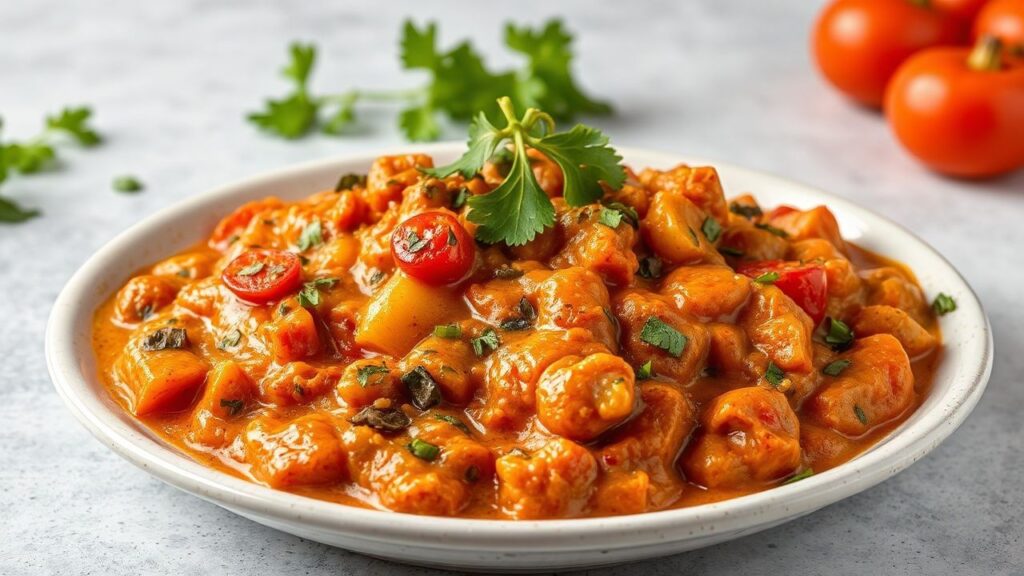
While Korma is undeniably rich, it can also be a surprisingly wholesome meal when prepared with a focus on fresh ingredients and balanced proportions.
Approximate Nutritional Information Per Serving (based on 6 servings, excluding rice/bread):
- Calories: 350-450 kcal (depending on the amount of ghee/oil and cream used)
- Protein: 10-15g
- Fat: 25-35g
- Saturated Fat: 8-12g
- Carbohydrates: 20-30g
- Fiber: 5-8g
- Sugars: 8-12g (primarily from caramelized onions and natural vegetable sugars)
- Vitamins and Minerals: Rich in Vitamin A (from carrots), Vitamin C (from bell peppers), Folate (from peas and greens), and various B vitamins.
Understanding the Nutritional Profile:
The calorie count can fluctuate significantly based on the fat content of the dairy used and the quantity of ghee or oil employed. Opting for lighter versions of cream or using coconut milk can mitigate some of the fat. The nut paste, while contributing healthy fats, also adds to the caloric density. However, the substantial amount of fiber from the vegetables aids digestion and promotes satiety. The natural sugars released from slow-cooked onions contribute to the flavour without the need for added sweeteners, a hallmark of traditional Indian cooking.
Expert Pro-Tips: Elevating Your Korma to Restaurant Quality
Achieving that sublime restaurant-quality Korma at home is within reach with a few strategic adjustments and an understanding of culinary nuances.
- The Umami Boost: For an extra layer of depth, consider adding a pinch of nutritional yeast to the gravy during the final stages of cooking. It provides a subtle umami flavour that enhances the overall savouriness without altering the traditional Korma profile.
- Freshness is Paramount: While ground spices are convenient, using freshly ground spices, especially coriander and cumin, can elevate the aroma and flavour profile significantly. Toasting whole spices before grinding them further amplifies their essential oils.
- Texture Management: Ensure your vegetables are cut into uniform, bite-sized pieces. This not only makes for easier eating but also ensures they cook evenly. If using heartier vegetables like potatoes, consider par-boiling them slightly before adding them to the gravy to prevent them from becoming overcooked and mushy.
- The Finishing Touch of Kasuri Methi: A pinch of dried fenugreek leaves (Kasuri Methi), crushed between your palms and stirred into the gravy in the last few minutes of cooking, imparts an inimitable aromatic complexity that is characteristic of many North Indian gravies, including Korma.
A Culinary Tapestry: Variations and Adaptations
The beauty of Vegetable Korma lies in its adaptability. While the core recipe remains consistent, regional variations and personal preferences lead to fascinating adaptations. For instance, in South Indian traditions, a touch of tamarind paste might be added for a subtle tang, or coconut milk might be used as the primary creamy element, offering a distinct tropical note. Some recipes might incorporate a small amount of poppy seed paste or melon seed paste, adding another layer of nutty richness and thickening power. The choice of vegetables can also be highly personal, ranging from a simple mix of potatoes and peas to a more elaborate assortment including okra, eggplant, or even fruit like pineapple for a sweet and sour counterpoint. Exploring these variations not only broadens your culinary horizons but also deepens your appreciation for the incredible diversity within Indian cuisine. The fundamental principle, however, remains constant: the harmonious marriage of aromatics, spices, and creamy elements to create a dish that is both comforting and sophisticated.
Conclusion: The Enduring Allure of Vegetable Korma
The Vegetable Korma is more than just a dish; it is a culinary narrative, proof of the art of slow cooking and the profound ability of humble ingredients to transform into something truly extraordinary. It embodies a philosophy of flavour where richness is achieved through subtle nuances, and warmth replaces aggressive heat. By understanding the fundamental techniques and the role of each ingredient, you can recreate this classic dish with confidence, bringing a taste of royal Indian kitchens into your own home. The journey of making Korma is as rewarding as enjoying its creamy, fragrant embrace.
Frequently Asked Questions about Korma
What is the difference between Korma and other Indian curries?
The primary distinction lies in the cooking technique and flavour profile. Unlike many other Indian curries that might rely on tomato bases or yogurt-based marinades with spices cooked at higher heat, Korma is characterized by its slow-cooked, rich, and creamy gravy. It typically uses a base of caramelized onions, ground nuts (like cashews or almonds), and yogurt, simmered gently with whole and ground spices. The emphasis is on a delicate balance of sweet, savoury, and aromatic notes, with minimal to moderate heat. This results in a luxurious, velvety texture and a mild, sophisticated flavour that is distinct from the often spicier and tangier profiles of other curry varieties.
Can I make Vegetable Korma vegan?
Absolutely. A delicious vegan Vegetable Korma is entirely achievable by making a few key substitutions. Instead of ghee, use a good quality neutral oil like sunflower or canola. For the creamy elements, replace the yogurt with unsweetened, full-fat coconut yogurt or a cashew-based yogurt. Heavy cream can be substituted with full-fat coconut milk or a commercially available vegan cream. Ensure the nuts used (cashews and almonds) are unsalted. The resulting vegan Korma will retain much of the authentic flavour and luxurious texture, making it a satisfying option for plant-based diets.
How can I make my Korma gravy smoother?
Achieving a silky-smooth gravy is paramount for an exceptional Korma. Several steps contribute to this:
- Fine Grinding: Ensure your onion and nut pastes are ground to an extremely fine, almost ethereal consistency. A high-powered blender or food processor is essential for this.
- Slow Cooking: Gentle, slow simmering after adding the yogurt and nut paste allows the ingredients to emulsify properly, creating a smooth sauce. Avoid vigorous boiling.
- Straining (Optional but effective): For an ultra-smooth finish, after the gravy has simmered and thickened, you can pass it through a fine-mesh sieve. This removes any fibrous bits from the onions or spices, resulting in a perfect, restaurant-quality texture. This step is particularly useful if your blender isn’t exceptionally powerful.
- Fat Emulsification: The fat from the ghee/oil, nuts, and dairy binds the sauce. Ensuring it is well-integrated through consistent stirring during cooking is key.
What vegetables work best in Korma?
The beauty of Korma is its versatility with vegetables. The best choices are those that hold their shape and absorb flavours well without becoming overly mushy. Excellent options include:
- Florets: Cauliflower and broccoli.
- Root Vegetables: Carrots, parsnips.
- Legumes: Green peas, broad beans, French beans.
- Other: Diced bell peppers (capsicum) of various colours for sweetness and visual appeal, and cubed paneer (Indian cottage cheese) for added protein and a chewy texture.
Avoid very watery vegetables like zucchini or mushrooms, as they can make the gravy too thin. Potatoes can be used, but they can also make the dish very starchy, so use them sparingly or par-boil them.
See also: Korma