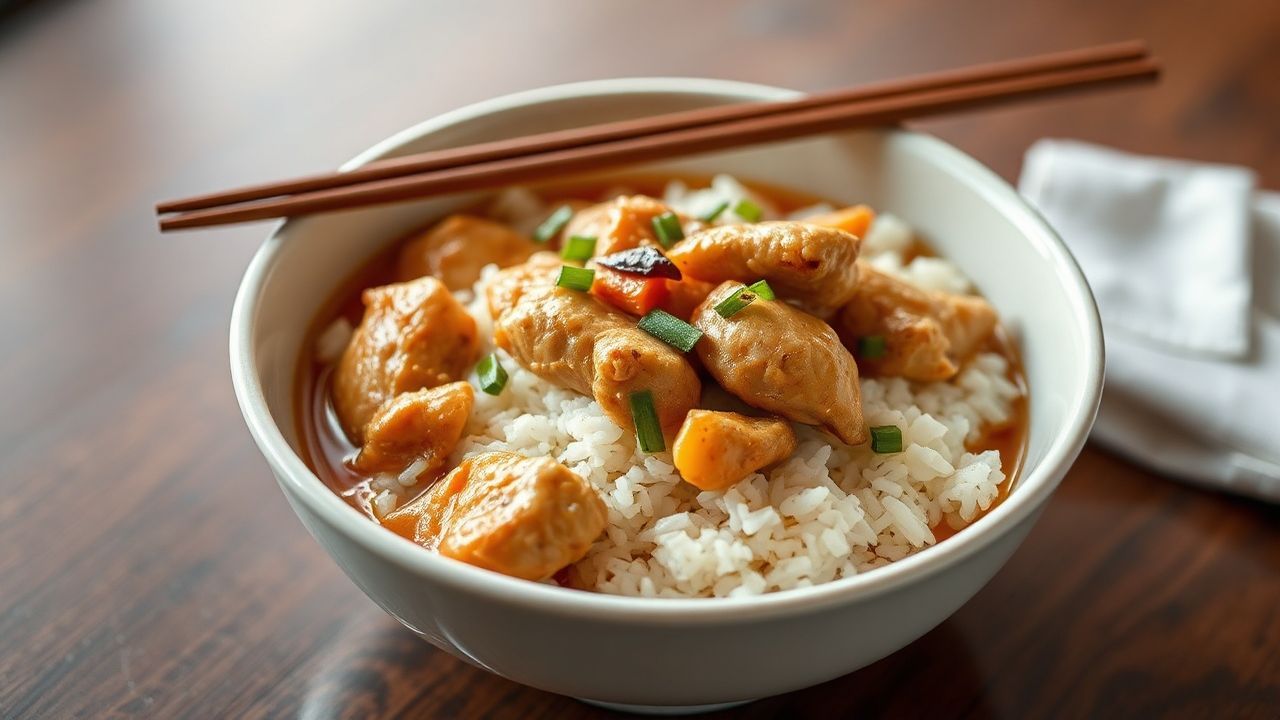

The aroma of ginger, garlic, and pandan leaves, subtly perfuming impossibly tender chicken and fragrant rice, is an olfactory symphony that transports me instantly. It’s a scent that, for many, encapsulates the very essence of Singapore. I remember my first encounter with truly exceptional Hainanese Chicken Rice as a young, impressionable food writer in Singapore, a world away from the often-sanitized versions I’d encountered elsewhere. It wasn’t just a meal; it was an experience, proof of the power of simplicity elevated by profound technique. This dish, often lauded for its perceived simplicity, is, in reality, a masterclass in balance and precision. Achieving that elusive perfection at home, capturing the soulful depth of flavor and the silken texture of the chicken, is a culinary quest many embark upon, often with less than stellar results. This article aims to demystify that journey, providing not just a recipe, but a comprehensive understanding of what makes Singaporean Hainanese Chicken Rice a global culinary icon.
- The Anatomy of Perfect Chicken Rice: Ingredients and Preparation
- The Art of Execution: Step-by-Step Mastery
- Step 1: Preparing the Chicken
- Step 2: Poaching the Chicken
- Step 3: Cooking the Fragrant Rice
- Step 4: Preparing the Sauces and Broth
- Step 5: Assembling and Serving
- Nutritional Profile: A Deeper Look
- Elevating Your Chicken Rice Game: Expert Tips and Variations
- Mastering the Poach:
- Rice Perfection:
- The Art of the Sauces:
- Broth Brilliance:
- Variations and Enhancements:
- Frequently Asked Questions (FAQ) about Chicken Rice
At a Glance: Key Takeaways for Perfect Chicken Rice
- The Chicken is Paramount: Sourcing a good quality, ideally free-range, chicken is the non-negotiable first step.
- Rice is More Than a Side: The fragrant rice, cooked in chicken fat and broth, is as crucial as the poultry itself.
- The Trio of Sauces: Mastering the chili, ginger, and dark soy sauces is essential for authentic flavor profiles.
- Broth is the Unsung Hero: A clear, flavorful broth, often served alongside, ties the entire dish together.
The history of Hainanese Chicken Rice is intrinsically linked to the migration of the Hainanese people from the southern Chinese island of Hainan to Southeast Asia, particularly Singapore and Malaysia, in the late 19th and early 20th centuries. These immigrants brought with them their culinary traditions, and Hainanese Chicken Rice emerged as a beloved adaptation, drawing inspiration from their homeland’s distinct methods of preparing poultry. Initially a humble dish served by street vendors, it gradually gained prominence, becoming a staple in hawker centers and eventually a national dish, celebrated for its comforting flavors and accessibility. Its evolution mirrors Singapore’s own journey, from a developing nation to a global culinary hub.
The dish’s widespread appeal lies in its harmonious interplay of textures and tastes. The yielding, succulent chicken, poached to perfection, provides a delicate, almost buttery mouthfeel. This is counterbalanced by the distinct, savory aroma of the rice, each grain separate yet infused with the essence of chicken essence and aromatics. The accompanying sauces – a fiery chili, a piquant ginger paste, and a sweet, savory dark soy sauce – offer layers of complexity, allowing diners to customize their experience. This intricate balance, often taken for granted, is the result of meticulous preparation and a deep understanding of ingredient synergy.
The Anatomy of Perfect Chicken Rice: Ingredients and Preparation
To achieve authentic Singaporean Hainanese Chicken Rice, one must understand that every component matter significantly. It’s not merely about cooking chicken and rice; it’s about coaxing out the maximum flavor from each element through precise techniques. The quality of your ingredients will directly dictate the final outcome. For instance, the type of chicken used can significantly impact the texture and richness of the broth and the resulting meat.
The Star: The Chicken
The cornerstone of any great Hainanese Chicken Rice is, of course, the chicken. Ideally, a whole, free-range chicken, weighing approximately 1.5-1.8 kg (3.3-4 lbs), is preferred. Free-range chickens tend to have a more developed flavor and firmer texture due to their increased activity. The skin should be intact and free from blemishes. Some chefs advocate for older hens, as they are said to yield a richer broth, though this can sometimes result in slightly tougher meat if not cooked carefully.
Ingredients for the Chicken:
- 1 whole chicken (approx. 1.5-1.8 kg / 3.3-4 lbs)
- 2-inch piece of ginger, thinly sliced
- 4-5 cloves of garlic, smashed
- 2-3 pandan leaves, tied into a knot
- 1 tablespoon sea salt
- 1 tablespoon white vinegar (for rinsing)
- Ice bath (large bowl filled with ice and water)
The Soulmate: The Fragrant Rice
The rice is not an afterthought; it is the soulmate to the chicken, absorbing the rendered fats and juices, transforming simple grains into a fragrant, flavorful masterpiece. The quality of the rice grain is crucial – long-grain jasmine rice is the traditional choice, known for its slightly chewy texture and ability to absorb flavors without becoming mushy.
Ingredients for the Rice:
- 2 cups (400g) long-grain jasmine rice, rinsed thoroughly until water runs clear
- 3 cups (720ml) chicken broth (from poaching the chicken)
- 2 tablespoons chicken fat (rendered from the chicken)
- 1-inch piece of ginger, finely minced
- 2 cloves garlic, finely minced
- 1-2 pandan leaves, tied into a knot
- 1/2 teaspoon salt
The Supporting Cast: Sauces and Broth
The triumvirate of sauces – chili, ginger, and dark soy – elevates the dish from merely good to sublime. Each sauce offers a distinct flavor profile that complements the mildness of the chicken and the richness of the rice. The broth, often overlooked, is proof of the chef’s skill in extracting maximum flavor from the chicken bones and aromatics.
Ingredients for the Chili Sauce:
- 8-10 red chilies (e.g., bird’s eye or Fresno), deseeded for less heat, or kept whole for more
- 2 cloves garlic
- 1-inch piece of ginger
- 1 tablespoon rice vinegar
- 1 tablespoon chicken broth
- 1/2 teaspoon salt
- Pinch of sugar (optional)
Ingredients for the Ginger Sauce:
- 2-inch piece of ginger, finely grated or minced
- 1 clove garlic, finely minced
- 1 tablespoon chicken oil (from poaching or rendered chicken fat)
- 1/2 teaspoon salt
- Pinch of sugar (optional)
Ingredients for the Dark Soy Sauce:
- 3-4 tablespoons thick, sweet soy sauce (kecap manis) or dark soy sauce
- 1 teaspoon chicken broth (optional, to thin slightly)
Ingredients for the Broth:
- Reserved poaching liquid (strained)
- Reserved chicken carcass, chopped into pieces
- 1 onion, quartered
- 2-3 star anise (optional, for added depth)
- Salt to taste
The Art of Execution: Step-by-Step Mastery
Achieving restaurant-quality Hainanese Chicken Rice requires patience and attention to detail. The poaching method, in particular, is where many home cooks falter, leading to dry or undercooked chicken. The ice bath is a critical step that locks in moisture and ensures a tender, succulent texture.
Step 1: Preparing the Chicken
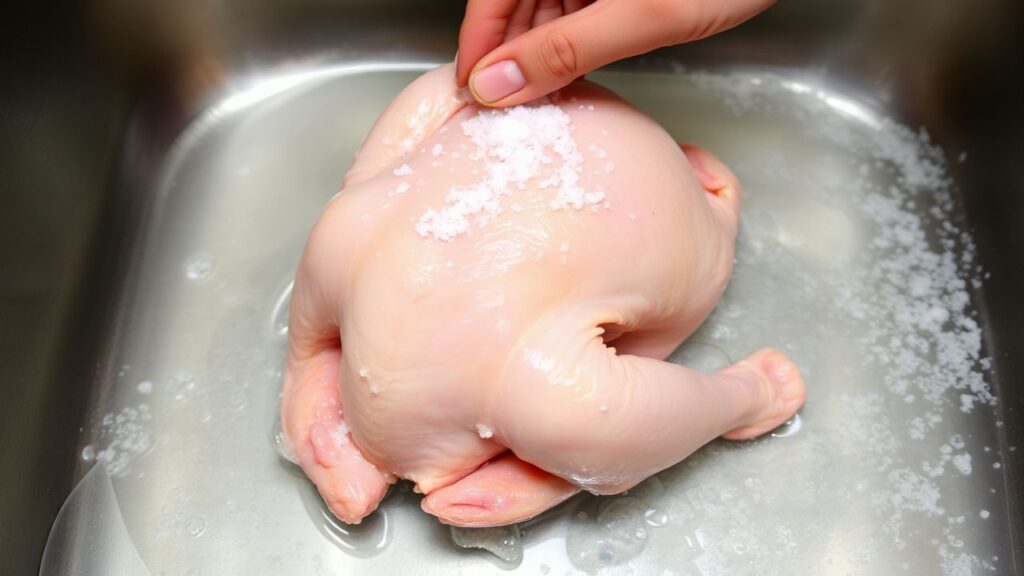
Begin by rinsing the chicken thoroughly inside and out. Rub the entire chicken with sea salt, ensuring an even coating. In a separate bowl, combine the white vinegar with a little water and rinse the chicken again; this helps to clean the skin and remove any residual odors. Pat the chicken completely dry with paper towels. Stuff the cavity with sliced ginger, smashed garlic, and knotted pandan leaves.
Step 2: Poaching the Chicken
In a large pot, combine enough water to fully submerge the chicken. Add a tablespoon of salt. Bring the water to a rolling boil, then reduce the heat to a gentle simmer. Carefully lower the prepared chicken into the pot, ensuring it is fully submerged. If the chicken is not fully covered, add more hot water. Poach the chicken for approximately 25-30 minutes for a 1.5 kg chicken, turning it once halfway through. The key is a gentle simmer, not a vigorous boil, to prevent the meat from toughening.
To check for doneness, insert a skewer or chopstick into the thickest part of the thigh. If the juices run clear, the chicken is cooked. Once cooked, immediately plunge the chicken into a large ice bath. This rapid cooling shocks the chicken, halting the cooking process and sealing in the juices, resulting in incredibly tender and moist meat. Leave the chicken in the ice bath for at least 10-15 minutes.
Step 3: Cooking the Fragrant Rice
While the chicken is cooling, prepare the rice. In a heavy-bottomed pot or a rice cooker, combine the rinsed jasmine rice, rendered chicken fat, minced ginger, minced garlic, knotted pandan leaves, and salt. Pour in the strained chicken broth. If using a rice cooker, use the standard setting. If cooking on the stovetop, bring the mixture to a boil, then reduce the heat to low, cover tightly, and simmer for 15-20 minutes, or until the liquid is absorbed and the rice is tender. Let it steam, covered, for another 10 minutes after cooking.
The chicken fat is crucial here, providing a distinct aroma and richness that sets Hainanese Chicken Rice apart. For best results, render some chicken fat from the skin before poaching, or use the fat skimmed from the top of the poaching liquid. The pandan leaves infuse the rice with their signature subtle, sweet fragrance.
Step 4: Preparing the Sauces and Broth
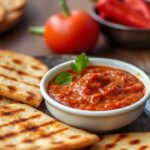
Chili Sauce: Combine the chilies, garlic, and ginger in a blender or food processor. Add rice vinegar, chicken broth, salt, and sugar (if using). Blend until a smooth paste is formed. Adjust seasoning to taste. For a smoother sauce, you can briefly boil the blended mixture and then cool it.
Ginger Sauce: In a small bowl, combine the finely grated ginger, minced garlic, chicken oil, salt, and sugar (if using). Stir to combine. The chicken oil is essential for binding the ingredients and imparting a rich flavor.
Dark Soy Sauce: This is usually served as is, or thinned slightly with a teaspoon of chicken broth for easier drizzling.
Broth: While the chicken was poaching, you can simultaneously simmer the chicken carcass, chopped onion, and optional star anise in water for at least 1 hour to create a flavorful broth. Strain this broth and season with salt to taste. The poaching liquid itself, when properly strained, also makes an excellent, lighter broth.
For a richer broth, use the reserved chicken carcass and bones, simmered for an extended period (2-3 hours) with aromatics like ginger, garlic, and scallions. Some chefs even add a piece of daikon radish for a subtle sweetness.
Step 5: Assembling and Serving
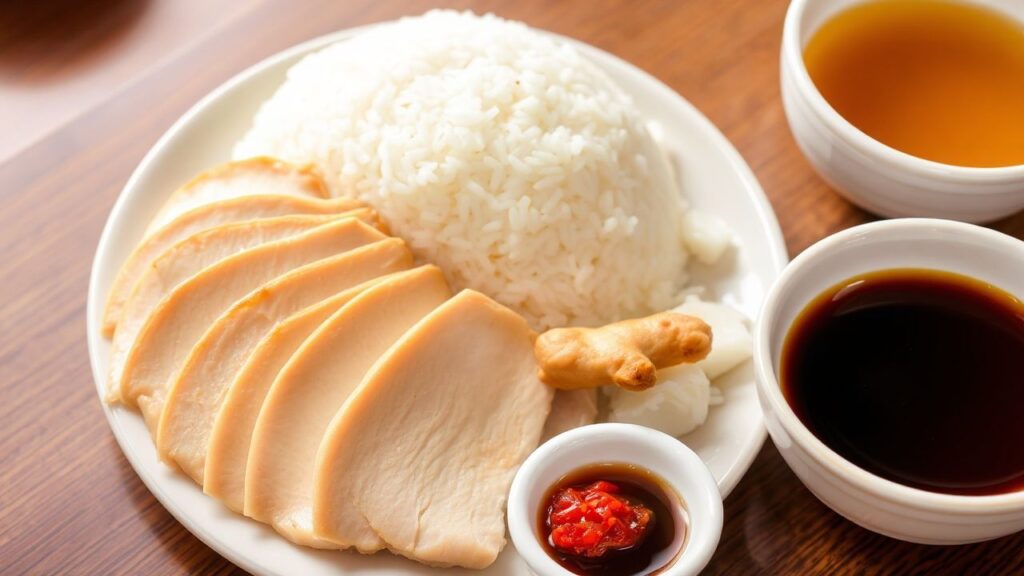
Once the chicken has cooled, carve it into bite-sized pieces. Serve the chicken alongside the fragrant rice. Garnish with fresh cucumber slices and sprigs of cilantro. Drizzle the dark soy sauce over the chicken and rice. Serve the chili and ginger sauces on the side, allowing diners to customize their own flavor experience. Accompany the dish with a small bowl of the clear, hot chicken broth, seasoned to perfection.
The presentation is as important as the taste. A well-plated dish invites the diner to savor every element. The vibrant colors of the chili sauce, the pale elegance of the chicken, and the glistening grains of rice create a visually appealing ensemble that hints at the culinary delights to come. This thoughtful assembly is a hallmark of esteemed hawker stalls and restaurants.
Nutritional Profile: A Deeper Look
While often perceived as a simple, comforting meal, understanding the nutritional aspects of Hainanese Chicken Rice reveals a balanced, albeit calorie-dense, dish. The exact nutritional values will vary significantly based on portion size, the amount of chicken fat used in the rice, and the quantity of sauces consumed.
Estimated Nutritional Information (Per Serving, approximately 1/4 of the recipe):
This is a general estimate and can vary significantly:
| Nutrient | Approximate Amount |
|---|---|
| Calories | 600-800 kcal |
| Protein | 40-50 g |
| Fat | 25-40 g |
| Saturated Fat | 8-15 g |
| Carbohydrates | 50-70 g |
| Fiber | 2-3 g |
| Sodium | 800-1500 mg (highly dependent on sauces and broth seasoning) |
The chicken provides a good source of lean protein, while the rice contributes complex carbohydrates. The chicken fat used in cooking the rice adds considerable fat content, contributing to its richness and flavor. The sauces can significantly increase sodium and sugar content, so moderation is key for those mindful of their intake.
For a healthier rendition, one could opt for a leaner cut of chicken (though traditionalists might scoff), reduce the amount of chicken fat used in the rice, or serve the rice with less sauce. However, it’s crucial to remember that the inherent richness of the fat is what defines the dish. The inclusion of ginger, garlic, and chili also offers potential health benefits, with these ingredients known for their anti-inflammatory and antioxidant properties. For instance, ginger has been traditionally used to aid digestion, a welcome benefit after a rich meal.
Elevating Your Chicken Rice Game: Expert Tips and Variations
While the core recipe is foundational, a few expert touches can elevate your Hainanese Chicken Rice from good to extraordinary. These nuances are often what distinguish a truly memorable dish from an ordinary one.
Mastering the Poach:
The temperature of the poaching liquid is paramount. It should be a gentle simmer, around 85-90°C (185-195°F), never a rolling boil. This ensures the chicken cooks evenly and retains its moisture. Some chefs advocate for a three-stage poaching process: a brief immersion in boiling water to set the skin, followed by simmering, and then a final rest in the hot liquid off the heat. This allows for a more thorough and even cook.
Rice Perfection:
Rinsing the rice until the water is crystal clear is non-negotiable. This removes excess starch, preventing the rice from becoming gummy. Using a high-quality chicken broth is essential; the richer the broth, the more flavorful the rice. For an even more intense chicken flavor, some chefs add a few pieces of chicken skin to the broth used for cooking the rice.
The Art of the Sauces:
Freshness is key for the chili and ginger sauces. Make them just before serving for the brightest flavors. Experiment with different types of chilies for varied heat levels and flavor profiles. For the ginger sauce, grating the ginger very finely, almost to a paste, yields a smoother, more potent flavor. Some chefs add a touch of sesame oil to the ginger sauce for added aroma.
Broth Brilliance:
A truly exceptional chicken rice broth is clear, flavorful, and comforting. Simmering the chicken carcass for an extended period (2-3 hours) with aromatics like ginger, garlic, and scallions will yield a richer, more complex broth. Skimming off any impurities during the simmering process is crucial for clarity. A subtle hint of star anise or a slice of daikon radish can add an interesting layer of flavor, though purists often stick to the basic aromatics.
Variations and Enhancements:
While the classic poached chicken is revered, some establishments offer variations like roasted chicken chicken rice, which offers a different textural experience with crispy skin. However, the true essence of Hainanese Chicken Rice lies in the succulence of the poached bird. For a more intense flavor, consider using chicken thighs instead of a whole chicken, as they are naturally more flavorful and forgiving in terms of cooking time.
The dish is also a canvas for regional interpretations. In some parts of Malaysia, the chicken might be steamed rather than poached, leading to a slightly different texture. However, Singaporean Hainanese Chicken Rice is almost universally recognized for its perfectly poached chicken and fragrant, oil-infused rice. The specific balance of the sauces can also vary, with some preferring a spicier chili or a more pungent ginger paste.
Frequently Asked Questions (FAQ) about Chicken Rice
H2: Frequently Asked Questions about Chicken Rice
H3: What is the difference between Hainanese Chicken Rice and other types of chicken and rice dishes?
Hainanese Chicken Rice is distinguished by its specific preparation method. The chicken is meticulously poached in a broth infused with aromatics like ginger, garlic, and pandan leaves, and then immediately plunged into an ice bath to ensure maximum tenderness and moisture. The accompanying rice is cooked in the chicken poaching liquid, enriched with rendered chicken fat, ginger, garlic, and pandan, giving it a distinct fragrant aroma and savory flavor. The essential accompaniments of three distinct sauces (chili, ginger, and dark soy) and a clear, flavorful broth further define this dish. Many other chicken and rice dishes, while delicious, lack this precise combination of poaching technique, fragrant rice preparation, and signature sauce ensemble.
H3: Can I use chicken breast instead of a whole chicken for Hainanese Chicken Rice?
While you can technically cook chicken breast for a chicken and rice dish, it is strongly discouraged for authentic Hainanese Chicken Rice. Chicken breast is much leaner and more prone to drying out during the poaching process, even with careful technique. The magic of Hainanese Chicken Rice lies in the succulence and tenderness achieved from poaching a whole chicken, which includes the dark meat and skin, contributing to both flavor and texture. The fat from the whole chicken is also essential for flavoring the rice and making the accompanying chicken oil. For the best results, stick to a whole chicken or at least thighs.
H3: How do I store leftover Hainanese Chicken Rice?
Leftover Hainanese Chicken Rice should be stored properly to maintain its quality and safety. Ideally, separate the chicken from the rice. Store the chicken and the rice in separate airtight containers in the refrigerator. They should be consumed within 2-3 days. Reheat the rice gently, perhaps by steaming it or stir-frying it with a little extra chicken broth or oil to restore its texture and moisture. The chicken can be reheated by gently steaming it or briefly pan-frying it. Avoid microwaving the chicken excessively, as it can lead to a rubbery texture.
When reheating, be mindful of food safety. Ensure the food is heated thoroughly to an internal temperature of at least 74°C (165°F). The sauces should also be stored in airtight containers in the refrigerator and consumed within a similar timeframe. If the sauces develop any off-odors or mold, they should be discarded immediately.
See also: Chicken Rice