
Beyond the Skewer: Unlocking the Soul of Japanese Yakitori
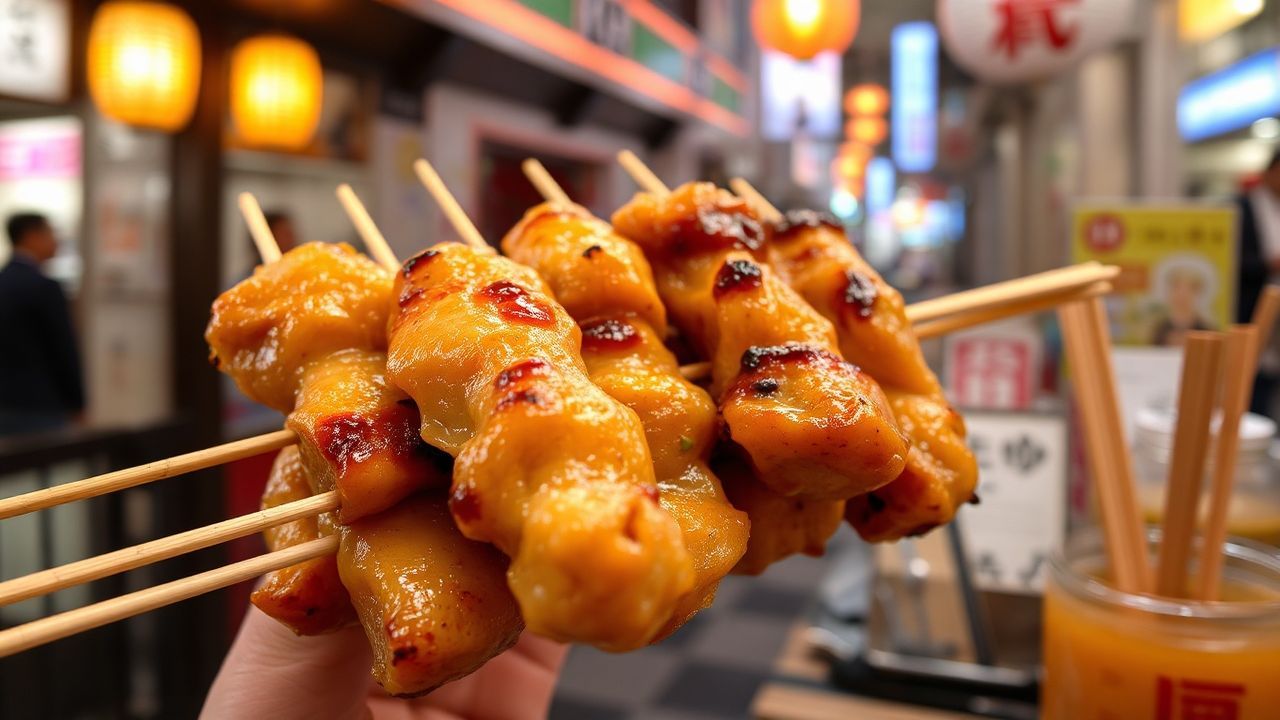
In the bustling alleyways of Tokyo’s Shinjuku district, amidst the glowing lanterns and the intoxicating aroma of charcoal smoke, lies a culinary institution as revered as any Michelin-starred restaurant: the humble yakitori-ya. These specialized eateries, dedicated solely to the art of grilling skewered chicken over binchotan charcoal, represent a profound aspect of Japanese gastronomic culture. It’s a tradition steeped in history, precision, and an almost spiritual reverence for ingredients. In fact, a 2022 survey by the Japanese Ministry of Agriculture, Forestry and Fisheries revealed that yakitori remains one of the most popular casual dining options nationwide, with over 70% of respondents citing it as a favorite comfort food. This isn’t mere street food; it’s a meticulously crafted culinary experience, where the alchemy of fire, flavor, and texture transforms simple chicken into an exquisite delight. Understanding yakitori is to understand a significant facet of Japanese hospitality and its dedication to perfection in even the most unpretentious of dishes.
- The Genesis of a Grilled Masterpiece: A Brief History of Yakitori
- The Anatomy of Perfection: Understanding Yakitori Cuts
- The Alchemist’s Touch: Crafting the Perfect Tare Sauce
- The Sacred Fire: The Indispensable Role of Binchotan Charcoal
- Mastering the Grill: A Professional Yakitori Recipe
- Ingredients:
- Preparation Method:
- Detailed Nutritional Information (per serving, approximate, based on 2 Negima skewers and 2 Tsukune skewers):
- Elevating Your Yakitori Game: Pro-Tips for Restaurant-Quality Results
- The Enduring Appeal of Yakitori
- Frequently Asked Questions about Yakitori
At a Glance: Key Yakitori Insights
- The Art of the Cut: Yakitori’s excellence hinges on precise butchery, utilizing every part of the chicken for diverse textures and flavors.
- Charcoal is King: Binchotan, a high-quality Japanese charcoal, is indispensable for its clean burn and ability to impart a unique smoky essence without acridity.
- Sauce as Soulmate: The tare sauce, a complex sweet and savory glaze, is as crucial as the chicken itself, often aged and passed down through generations.
- Beyond Chicken Thigh: While popular, exploring less common cuts like liver, heart, or cartilage offers a richer, more authentic yakitori journey.
The Genesis of a Grilled Masterpiece: A Brief History of Yakitori
The origins of yakitori, literally translating to “grilled chicken,” are rooted in the Edo period (1603-1868) of Japan. Initially, grilling birds was a practice reserved for special occasions, a luxury born from the availability of poultry, which was not as commonplace as it is today. However, it was during the Meiji Restoration (1868-1912), a period of rapid Westernization and modernization, that yakitori truly began to blossom into the accessible culinary staple it is today. As Japan opened its doors to the world, so too did its palate, and the introduction of more readily available chicken, coupled with the popularization of street food culture, paved the way for restaurants specializing in these grilled skewers. The concept of utilizing every part of the chicken, a practice deeply ingrained in Japanese cuisine, also contributed significantly to yakitori’s evolution. From the succulent thigh meat to the more adventurous organ meats, each cut offered a unique textural and flavor profile, contributing to the dish’s enduring appeal and vast diversity. The establishment of dedicated yakitori-ya, often small, intimate establishments, further cemented its place in the nation’s culinary landscape, fostering a communal dining experience centered around the sizzling sounds and tantalizing aromas emanating from the grill.
The true magic of yakitori, however, lies not just in its historical context but in its profound connection to Japanese culinary philosophy. The emphasis on seasonality, the respect for ingredients, and the pursuit of perfection in technique are all hallmarks of this tradition. A skilled yakitori chef, or *itamae*, spends years, if not decades, honing their craft, mastering the nuances of charcoal control, sauce composition, and the delicate art of skewering. This dedication transforms a seemingly simple dish into a symphony of flavors and textures, each skewer proof of the chef’s expertise and the inherent quality of the ingredients. The intimate setting of a yakitori-ya often fosters a unique connection between the chef and the diners, with the rhythmic grilling and the interactive nature of ordering creating a truly immersive experience. It’s a culinary ballet performed over glowing embers, where every flick of the wrist and every brush of sauce is a deliberate, practiced motion.
The Anatomy of Perfection: Understanding Yakitori Cuts
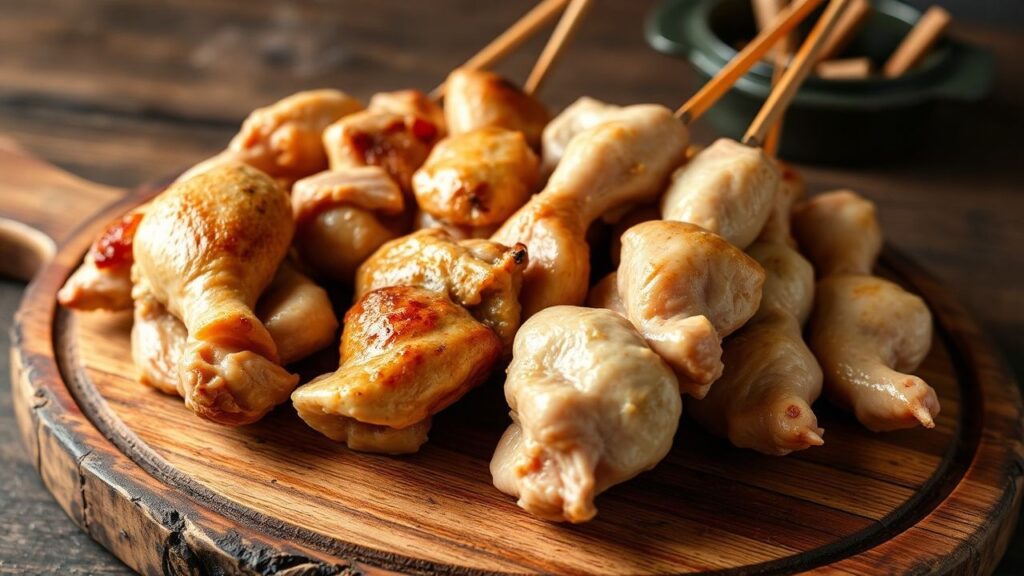
The beauty of yakitori lies in its comprehensive embrace of the chicken. Unlike Western grilling traditions that often focus on larger cuts like breasts or whole birds, yakitori celebrates the entire animal, offering a diverse spectrum of textures and flavors. This meticulous utilization is a direct reflection of Japan’s deep-seated ethos of *mottainai*, a concept that cherishes and avoids waste. Each part of the chicken is not merely an afterthought but a distinct component with its own unique culinary potential, requiring specific preparation and grilling techniques to reach its peak deliciousness.
The Classics: Beloved Yakitori Varieties
Among the pantheon of yakitori, certain cuts have ascended to iconic status, forming the bedrock of any authentic menu. These are the crowd-pleasers, the familiar favorites that consistently deliver a satisfying experience, embodying the quintessential yakitori flavor profile. Their popularity is proof of their inherent deliciousness and the straightforward perfection of their preparation.
1. Negima (ねぎま)
Perhaps the most universally recognized yakitori, Negima is a delightful marriage of succulent chicken thigh and sweet, slightly charred Japanese leek (negi). The thigh meat, with its inherent moisture and richness, provides a tender counterpoint to the leek’s subtle sweetness and crisp-tender texture. The fat rendered from the thigh bastes the leek as it grills, infusing it with a savory depth. When dipped in tare or seasoned with salt, the interplay of smoky char, tender chicken, and sweet onion notes is simply sublime. The ideal negima features perfectly cooked chicken – not too dry, not too greasy – and leeks that are softened but still retain a pleasant bite, their edges kissed by the flame.
2. Tsukune (つくね)
Tsukune, a type of chicken meatball, offers a softer, more yielding texture that contrasts beautifully with other yakitori. Made from finely minced chicken, often incorporating chicken skin for extra moisture and binder, it’s typically seasoned with ginger, garlic, and sometimes a touch of soy sauce or miso. The meatballs are then formed and grilled, often glazed with tare sauce, which caramelizes to a beautiful sheen. Some variations include finely chopped cartilage for a delightful textural surprise, proof of the *mottainai* principle. The resulting skewer is a comforting, savory bite, proof of the versatility of minced chicken.
3. Tebasaki (手羽先)
These are chicken wings, often grilled whole or cut in half. Tebasaki are prized for their crispy skin and the rich, gelatinous meat that adheres to the bone. They are typically seasoned simply with salt and pepper, allowing the natural flavor of the chicken and the char from the grill to shine through. The joy of eating tebasaki lies in the tactile experience, the satisfying crunch of the skin giving way to tender, flavorful meat. The bone itself often carries residual meat, making each bite an exploration.
Exploring the Depths: Adventurous Yakitori Choices
For the culinary adventurer, yakitori offers a journey into a world of textures and flavors far beyond the familiar. These less common cuts, while perhaps intimidating to some, are deeply cherished by enthusiasts for their unique characteristics and the skill required to prepare them perfectly. They represent the true spirit of yakitori, where no part of the bird is overlooked.
4. Reba (レバー)
Chicken liver, or reba, is a delicacy in yakitori. When grilled expertly, it possesses a creamy, almost custardy interior with a slightly firmer, caramelized exterior. The key is to avoid overcooking, which can render it chalky and unpalatable. A well-executed reba skewer is rich, deeply savory, and melts in the mouth, often brushed generously with tare sauce that complements its inherent iron-rich flavor. Many find the intensity of its flavor incredibly satisfying, a profound umami experience.
5. Hatsu (ハツ)
Chicken hearts, or hatsu, offer a firm, slightly chewy texture and a surprisingly mild, clean flavor. They require careful grilling to maintain their tenderness, often being marinated or brushed with tare. The texture is a delightful contrast to softer cuts, providing a satisfying resistance with each bite. For those who appreciate a more robust chew, hatsu is an excellent choice, showcasing the versatility of poultry organs.
6. Nankotsu (なんこつ)
Chicken cartilage, or nankotsu, is a textural marvel. These small, often crescent-shaped pieces of cartilage, usually from the breastbone or knee joint, offer an incredibly satisfying crunch. When grilled, they become slightly softened but retain their distinct crispness, providing a unique mouthfeel that is both addictive and unusual. Nankotsu is typically seasoned with salt, allowing its inherent flavor and unparalleled texture to be the stars of the show. It’s proof of the Japanese appreciation for nuanced textures in food.
The Alchemist’s Touch: Crafting the Perfect Tare Sauce
While the quality of the chicken is paramount, the soul of exceptional yakitori often resides in its accompanying sauce: the tare. This complex, sweet and savory glaze is far more than a simple marinade; it’s a living entity in many traditional establishments, a carefully guarded secret passed down through generations, its flavor profile deepening and evolving with each use. The creation of a truly remarkable tare is an art form in itself, requiring patience, intuition, and a profound understanding of flavor balance.
A classic tare sauce is typically a reduction of soy sauce, mirin (sweet rice wine), sake, and sugar. The mirin and sake provide sweetness and depth, while the soy sauce offers the foundational umami and saline notes. Sugar, often in the form of brown sugar or *kurozato* (Okinawan black sugar), contributes to caramelization and a richer sweetness. The magic happens during the simmering process, where these ingredients meld and concentrate, their aromas mingling to create an intoxicating fragrance. As the sauce is used to glaze the grilling skewers, it caramelizes over the heat, forming a sticky, glossy coating that imparts a profound depth of flavor to the chicken. Each brushstroke builds layers of taste, transforming the simple grilled meat into something truly extraordinary.
The ratio of ingredients in a tare sauce can vary wildly, influenced by regional preferences and individual chef’s philosophies. Some favor a sweeter, more syrupy glaze, while others prefer a saltier, more robust profile. The addition of ingredients like garlic, ginger, or even a touch of honey can further customize the flavor. The key is balance: the sweetness should not overpower the savory notes, and the saltiness should enhance, not mask, the chicken’s natural flavor. The grilling process itself matter significantly in how the tare interacts with the chicken. The intense heat of the binchotan charcoal causes the sugars in the tare to caramelize rapidly, creating a delightful char and a complex interplay of sweet, savory, and smoky notes.
The Sacred Fire: The Indispensable Role of Binchotan Charcoal
The grilling of yakitori is not merely about applying heat; it is a ritual performed over the glowing embers of *binchotan* charcoal. This high-quality Japanese charcoal, made from dense hardwoods like oak or ubamegashi, is the undisputed champion of the yakitori world for several compelling reasons. Its unique properties contribute significantly to the signature flavor and texture of perfectly grilled skewers, setting it apart from more common charcoals found elsewhere.
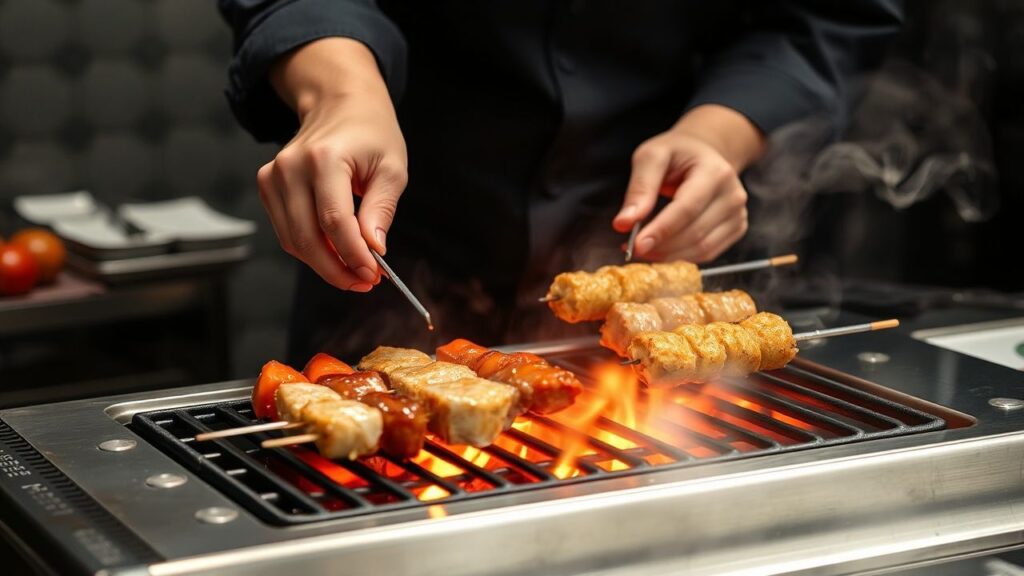
Binchotan burns at an exceptionally high temperature with minimal smoke and odor. This clean burn is critical for yakitori, as it allows the natural flavors of the chicken and the tare sauce to take center stage without being overshadowed by acrid smoke. The intense heat sears the exterior of the skewers rapidly, creating a beautiful char and locking in the juices, while the interior cooks to tender perfection. This controlled searing is essential for achieving the ideal texture – a slightly crisp exterior giving way to a moist, succulent interior. Unlike briquettes or lump charcoal that can produce unpleasant chemical smells, binchotan imparts a subtle, clean smokiness that enhances, rather than detracts from, the dish. A skilled yakitori chef can manipulate the charcoal, arranging it to create hotter and cooler zones on the grill, allowing for precise temperature control and the ability to cook different cuts to their optimal doneness simultaneously. This mastery of the flame is a cornerstone of the yakitori art.
The visual and aromatic experience of grilling over binchotan is also integral to the yakitori dining experience. The soft, ethereal glow of the charcoal, the gentle hiss as fat drips onto the embers, and the subtle, enticing aroma that fills the air all contribute to the ambiance of a traditional yakitori-ya. This sensory engagement enhances the anticipation and appreciation of the food, transforming a simple meal into a multi-sensory event. The longevity of binchotan also means it can be reignited and used multiple times, further underscoring its value and efficiency, a nod to the *mottainai* philosophy.
Mastering the Grill: A Professional Yakitori Recipe
This recipe focuses on the classic *Negima* (chicken thigh and leek) and *Tsukune* (chicken meatballs) to provide a solid foundation for your yakitori journey.
Ingredients:
For the Tare Sauce (makes approx. 2 cups / 500ml):
- 1 cup (240ml) Soy Sauce
- 1/2 cup (120ml) Mirin (sweet rice wine)
- 1/4 cup (60ml) Sake
- 1/4 cup (50g) Brown Sugar (or Kurozato for deeper flavor)
- 1 clove Garlic, smashed
- 1-inch (2.5cm) piece Ginger, sliced
For the Negima Skewers (makes 8-10 skewers):
- 1 lb (450g) Boneless, Skinless Chicken Thighs, cut into 1-inch cubes
- 1 large Japanese Leek (or 2-3 green onions), white and light green parts only, cut into 1-inch pieces
- Wooden skewers (soaked in water for at least 30 minutes)
- Salt (for seasoning)
For the Tsukune Skewers (makes 8-10 skewers):
- 1 lb (450g) Ground Chicken (preferably dark meat for moisture)
- 1 oz (30g) Chicken Skin, finely minced (optional, for added moisture)
- 1 tbsp Finely Minced Ginger
- 1 tsp Finely Minced Garlic
- 1 tsp Soy Sauce
- 1 tsp Mirin
- 1/2 tsp Sesame Oil
- 1/4 tsp White Pepper
- 1 tbsp Finely Chopped Scallions (green part only)
- Wooden skewers (soaked in water for at least 30 minutes)
Preparation Method:
Step 1: Prepare the Tare Sauce
In a medium saucepan, combine soy sauce, mirin, sake, brown sugar, smashed garlic, and sliced ginger. Bring to a gentle simmer over medium heat, stirring until the sugar dissolves. Reduce heat to low and let it simmer uncovered for 15-20 minutes, or until it thickens slightly and becomes syrupy. Strain the sauce through a fine-mesh sieve to remove solids. Discard solids. Let the tare cool completely before use. (This can be made a day or two in advance for better flavor development).
Step 2: Prepare the Tsukune Mixture
In a medium bowl, combine the ground chicken, minced chicken skin (if using), minced ginger, minced garlic, soy sauce, mirin, sesame oil, white pepper, and chopped scallions. Mix thoroughly with your hands until well combined, but avoid overmixing, which can make the meatballs tough. The mixture should be slightly sticky.
Step 3: Skewer the Tsukune
Take about 2 tablespoons of the tsukune mixture and firmly shape it into a cylindrical or oval meatball around a soaked wooden skewer. Repeat with the remaining mixture, ensuring the meatballs are compact and uniformly shaped. You can also form smaller, more traditional meatballs and thread 2-3 onto each skewer.
Step 4: Skewer the Negima
Thread the chicken thigh cubes and leek pieces onto separate soaked wooden skewers, alternating them. Aim for a snug fit without overcrowding the skewer, as this allows for even cooking. For example, start with chicken, then leek, then chicken, and so on. Season the skewers lightly with salt just before grilling.
Step 5: Prepare the Grill
Prepare your grill for direct, high-heat cooking. If using binchotan charcoal, arrange it in a single layer over the grill grates. Allow the charcoal to heat until it is glowing red and covered with a fine layer of ash. If using other charcoal, follow the manufacturer’s instructions for achieving a consistent high heat. Ensure you have good airflow.
Step 6: Grill the Yakitori
For Tsukune: Place the tsukune skewers on the hot grill. Grill for about 8-10 minutes, turning frequently, until browned and cooked through. During the last 2-3 minutes of cooking, generously brush the tsukune with the prepared tare sauce, allowing it to caramelize. Be careful not to burn the sauce.
For Negima: Place the negima skewers on the hot grill. Grill for about 6-8 minutes, turning every minute or so, until the chicken is cooked through and the leeks are tender-crisp and slightly charred. During the last 2-3 minutes of cooking, brush the skewers liberally with tare sauce on all sides, allowing it to caramelize beautifully. If the leeks are browning too quickly, you can move the skewers to a slightly cooler part of the grill.
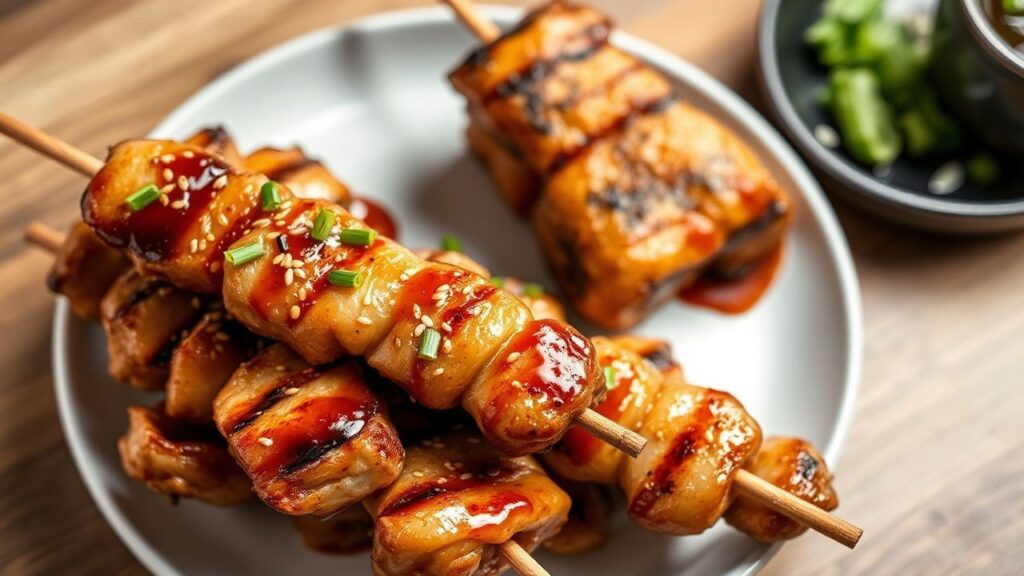
Detailed Nutritional Information (per serving, approximate, based on 2 Negima skewers and 2 Tsukune skewers):
Nutritional values are estimates and can vary based on exact ingredient quantities and preparation methods. This analysis assumes lean chicken thigh and standard tare sauce ingredients.
| Nutrient | Amount | % Daily Value |
|---|---|---|
| Calories | 350-400 kcal | |
| Protein | 25-30 g | |
| Fat | 18-22 g | |
| Saturated Fat | 5-7 g | |
| Carbohydrates | 15-20 g | |
| Sugars | 10-15 g | |
| Sodium | 500-700 mg | |
| Cholesterol | 90-110 mg |
Elevating Your Yakitori Game: Pro-Tips for Restaurant-Quality Results
Achieving the sublime flavor and texture of professional yakitori at home requires attention to detail and a commitment to specific techniques. While the ingredients are simple, the execution is where true artistry lies. Mastering these nuances will elevate your home-cooked skewers from good to exceptional, capturing the authentic spirit of this beloved Japanese dish.
One of the most critical factors is the quality of your chicken. Opt for fresh, high-quality chicken, preferably free-range or organic, if your budget allows. The flavor profile of better-quality poultry is more pronounced and will shine through the grilling process. For thigh meat, look for pieces with good marbling, as this fat will render during grilling, keeping the meat moist and adding flavor. When preparing the chicken, ensure your cuts are uniform in size to guarantee even cooking. For Negima, the leek should be cut into pieces roughly the same size as the chicken cubes. This ensures they cook in tandem, both achieving that perfect tender-crisp texture.
The technique of repeatedly basting with tare sauce is paramount for developing that characteristic glossy, caramelized coating. Apply the sauce in thin layers towards the end of the grilling process, allowing each layer to caramelize slightly before adding the next. This builds complexity and prevents the sauce from burning too quickly. Don’t be afraid to be generous with the basting; it’s the key to that irresistible sticky glaze. For Tsukune, the shaping of the meatballs is also important. Press them firmly onto the skewers to prevent them from falling apart during grilling. A slightly elongated shape can provide more surface area for searing and basting.
Finally, the temperature control of your grill is non-negotiable. Yakitori demands high heat for quick searing. If your grill is too low, the chicken will steam rather than grill, resulting in a pale, unappetizing skewer. Conversely, if the heat is too high, the exterior can burn before the interior is cooked. This is where the binchotan’s consistent, intense heat truly excels. If you’re using a standard charcoal grill, learn to manage the coals, pushing them closer together for intense heat and creating cooler zones to move skewers to if they are cooking too quickly. Patience and observation are your best allies. Watch for the tell-tale signs of perfect charring and a glistening glaze, and adjust your grilling time and placement accordingly.
The Enduring Appeal of Yakitori
Yakitori, in its essence, is more than just grilled chicken on a stick. It is proof of meticulous preparation, a celebration of diverse textures and flavors, and a profound expression of Japanese culinary philosophy. From the careful selection and cutting of each chicken part to the masterful control of the binchotan flame and the complex alchemy of the tare sauce, every element matter significantly in crafting this beloved dish. Whether enjoyed in the vibrant atmosphere of a Tokyo alleyway or recreated in your own kitchen, the experience of yakitori offers a captivating glimpse into the heart of Japanese gastronomy. It’s a culinary tradition that continues to evolve, yet remains steadfast in its commitment to simple ingredients transformed into extraordinary experiences. The next time you savor a perfectly grilled skewer, remember the history, the dedication, and the art that lies within each bite.
Frequently Asked Questions about Yakitori
What is the best cut of chicken for yakitori?
The most popular and arguably the “best” cut for yakitori is chicken thigh (momo). This is due to its rich flavor, inherent moisture, and ability to remain tender even when grilled over high heat. The fat content of the thigh renders during cooking, basting the meat and contributing to a succulent texture. However, the beauty of yakitori lies in its variety, and exploring other cuts like breast (mune), wings (tebasaki), and even organ meats like liver (reba) and heart (hatsu) offers different textural and flavor experiences.
How can I make my yakitori skewers taste authentic?
To achieve authentic yakitori flavor, several key elements are crucial. Firstly, the quality of your chicken is paramount. Secondly, the grilling method is essential; ideally, use authentic Japanese binchotan charcoal for its clean, high heat and subtle smoky flavor. If binchotan is unavailable, use high-quality lump hardwood charcoal. Thirdly, the tare sauce is vital. A well-made, perhaps even aged, tare sauce provides the signature sweet and savory glaze. Finally, precise grilling technique is important – searing the chicken quickly over high heat and basting with tare towards the end of cooking to achieve caramelization without burning.
Can I use a regular grill for yakitori?
Absolutely. While binchotan charcoal is the traditional choice and offers superior results, you can achieve delicious yakitori on a standard charcoal grill or even a gas grill. The key is to achieve and maintain high heat. For charcoal grills, ensure the coals are fully ignited and glowing red before you start grilling. For gas grills, preheat them thoroughly on high. The technique of alternating searing and basting with tare sauce is crucial regardless of the grill type to develop flavor and texture. If using a gas grill, consider adding a few wood chips (like hickory or mesquite) in a smoker box to impart some smoky flavor, though be mindful not to overpower the chicken.
See also: Yakitori