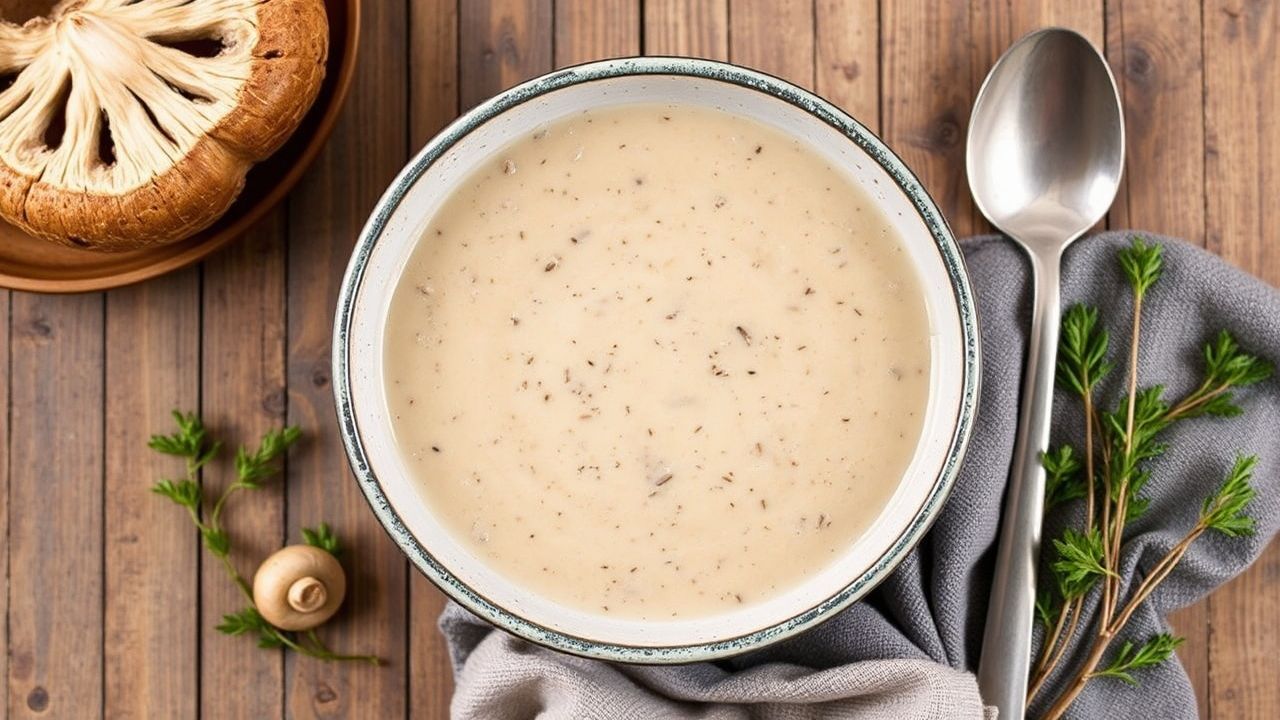

The humble cream of mushroom soup, often relegated to the status of a mere casserole binder or a quick weeknight meal, possesses a surprisingly rich history and untapped potential for profound culinary artistry. Many approach it with a certain condescension, remembering the metallic tang and homogenous texture of its tinned counterpart. However, a truly exceptional Mushroom Soup, crafted from scratch, is not just superior to its commercial cousin; it represents a foundational element of comfort food, capable of evoking nostalgia and delight in equal measure. It’s a canvas upon which we can paint with the earthy, umami-laden hues of the forest floor, transforming simple ingredients into a symphony of flavor and texture. The notion that this soup is inherently pedestrian is a fallacy we must dismantle, one perfectly simmered pot at a time.
- The Genesis of Creamy Comfort: A Culinary Lineage
- The Anatomy of Excellence: Ingredients for a Superior Mushroom Soup
- The Craft of Texture: Achieving Velvety Perfection
- The Recipe: Crafting Your Masterpiece Cream of Mushroom Soup
- Ingredients:
- Preparation Method:
- Detailed Nutritional Information (Per Serving, approximate, based on 6 servings):
- Expert Pro-Tips for Elevated Mushroom Soup
- Beyond the Bowl: The Versatility of Homemade Mushroom Soup
- Frequently Asked Questions About Mushroom Soup
At a Glance: Elevating Mushroom Soup
- A Symphony of Umami: Harnessing the natural glutamate in mushrooms is key to a deeply satisfying flavor profile, far beyond what canned versions can achieve.
- Texture is Paramount: Achieving a velvety, luxurious mouthfeel requires careful attention to the roux and the emulsification of fats and liquids.
- The Power of Aromatics: A thoughtful base of shallots, garlic, and herbs elevates the mushroom’s inherent earthiness.
- Beyond the Basic: This is not merely a soup; it’s a versatile foundation for culinary exploration.
The Genesis of Creamy Comfort: A Culinary Lineage
The lineage of cream of mushroom soup, as we recognize it today, is inextricably linked to the rise of convenience foods in the mid-20th century. Campbell Soup Company, in particular, played a pivotal role with its condensed version, introduced in 1934. This innovation democratized the dish, making it accessible to households across America and cementing its place in the culinary landscape, often as a shortcut for dishes like green bean casserole. However, the roots of creamy, mushroom-infused broths stretch back much further. Medieval European cuisines featured rudimentary mushroom pottages, and French culinary traditions have long celebrated the use of mushrooms in creamy sauces and bisques. The modern iteration, therefore, is a fascinating hybrid: a distillation of ancient appreciation for fungi, refined and re-packaged for a modern, time-pressed consumer. Understanding this history imbues the act of making homemade Mushroom Soup with a sense of culinary continuity and intentionality.
The ubiquity of the condensed can, while convenient, inadvertently obscured the remarkable depth of flavor that fresh ingredients can impart. The concentrated, often artificial, flavorings and the reliance on processed starches in canned soups are a pale imitation of the real thing. My own culinary journey has been punctuated by moments of profound disappointment with commercially available versions, prompting a close look into the art of crafting a truly memorable mushroom soup from scratch. This pursuit revealed that the nuanced interplay of mushroom varietals, the judicious use of aromatics, and the precise technique of building a creamy base are not merely optional extras but the very essence of a sublime Mushroom Soup.
The Anatomy of Excellence: Ingredients for a Superior Mushroom Soup
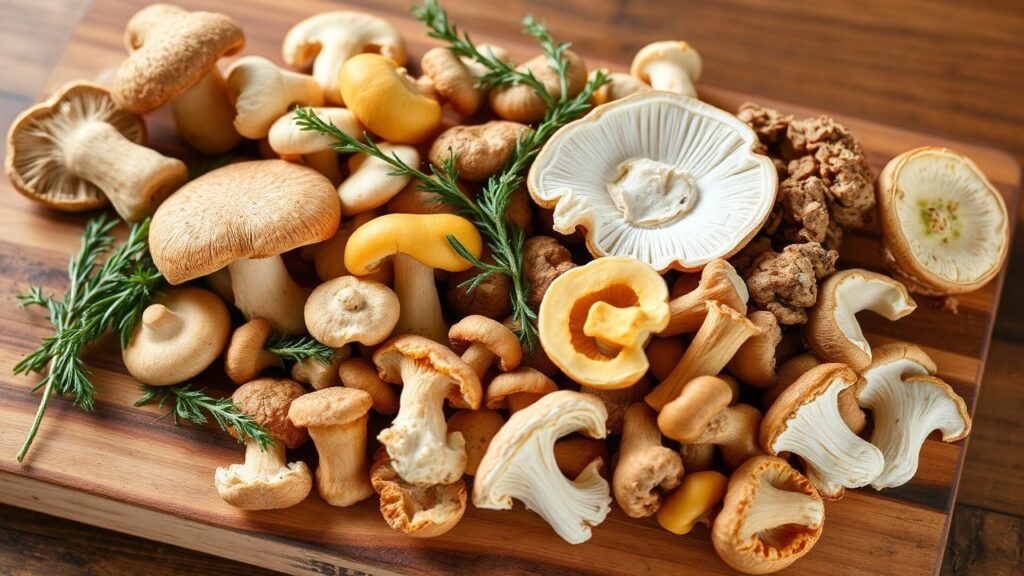
The soul of any great dish resides in its ingredients, and for a truly exceptional Mushroom Soup, this axiom holds particularly true. The selection of mushrooms is paramount, dictating the foundational flavor profile. While standard cremini (baby bella) mushrooms are a perfectly acceptable starting point, a more complex and profound taste emerges when we embrace a medley of varietals. Shiitake mushrooms contribute a deeply savory, almost smoky character, while oyster mushrooms offer a delicate, subtle sweetness. For a truly luxurious experience, incorporating a small quantity of porcini mushrooms, either dried and rehydrated (using their flavorful soaking liquid) or fresh if available, can impart an unparalleled depth of umami. The liquid used is equally critical. A high-quality chicken or vegetable stock, preferably homemade, provides a robust foundation that amplifies the mushroom’s natural savoriness. Avoid using water alone, as it will dilute the flavor considerably. Finally, the cream component, when used judiciously, lends a silken texture and richness, but its quality—full-fat heavy cream versus a lighter alternative—will significantly impact the final mouthfeel and overall opulence of the soup.
The Fungal Foundation: Mushroom Selection
When constructing a truly transcendent Mushroom Soup, the choice of fungi is not a matter of mere preference but a strategic decision. A single type of mushroom, while capable of producing a pleasant soup, will rarely achieve the complex tapestry of flavors that a carefully curated blend offers. Consider this: cremini mushrooms provide a reliable, earthy backbone, akin to a well-tuned cello. Shiitake mushrooms, with their distinct umami and slightly chewy texture, add a counterpoint, like a resonant bassoon. Oyster mushrooms bring a subtle, almost floral note, a delicate flute melody. For those seeking an exceptional depth, a small inclusion of dried porcini mushrooms, rehydrated in warm water, is a secret weapon. The rehydration liquid, strained meticulously to remove any grit, is liquid gold, packed with concentrated porcini essence that can elevate even the most mundane mushroom soup to the sublime.
A practical application of this principle can be observed in restaurant kitchens where chefs often employ a mix. For instance, a fine dining establishment might use 70% cremini, 20% shiitake, and 10% dried porcini. This ratio isn’t arbitrary; it’s the result of countless trials aimed at achieving a balanced flavor profile. The cremini provide the bulk and familiar earthiness, the shiitake contribute a more intense, savory punch, and the porcini offer that elusive, almost meaty depth that distinguishes a good soup from a great one. This careful selection process, akin to a winemaker choosing grape varietals, separates a rudimentary preparation from a truly sophisticated Mushroom Soup.
Aromatics and Enhancers: Building Complexity
Beyond the stars of the show—the mushrooms—a supporting cast of aromatics and enhancers is crucial for a truly impactful Mushroom Soup. The foundation begins with a mirepoix, albeit a slightly modified one. Instead of the traditional carrot and celery, we focus on the pungent sweetness of shallots, which offer a more refined allium flavor than onions. Garlic, of course, is indispensable, its pungent notes mellowing into a sweet warmth during cooking. Fresh herbs, such as thyme and a whisper of rosemary, complement the earthiness of the mushrooms beautifully. A splash of dry sherry or white wine, deglazed after sautéing the aromatics, introduces a subtle acidity and a layer of complexity that brightens the entire dish. For those who appreciate an even deeper savory note, a dash of soy sauce or Worcestershire sauce can provide a concentrated umami boost, though it should be used with a judicious hand to avoid overpowering the delicate mushroom flavors.
The choice of fat for sautéing also plays a role. While butter offers a rich flavor, a combination of butter and olive oil provides a higher smoke point and a more nuanced taste. The fat not only carries flavor but also facilitates the Maillard reaction, browning the mushrooms and aromatics to develop deeper, more complex flavors. This browning is a critical step; undercooked mushrooms will result in a bland, watery soup, whereas properly caramelized fungi are the bedrock of a truly exceptional Mushroom Soup.
The Craft of Texture: Achieving Velvety Perfection
The textural experience of a Mushroom Soup is as important as its flavor. A truly luxurious soup should possess a velvety, almost silken mouthfeel, a stark contrast to the often grainy or watery consistency of lesser versions. This is achieved through a careful balance of thickening agents and emulsification techniques. The traditional roux, a mixture of equal parts fat and flour cooked to varying degrees, is the cornerstone of many creamy soups. For mushroom soup, a pale or blonde roux is generally preferred, as it thickens effectively without imparting a strong, toasted flavor that could compete with the delicate mushroom notes. The ratio of flour to fat, and the subsequent addition of liquid, are critical parameters that determine the final viscosity. Over-thickening can lead to a pasty texture, while insufficient thickening will result in a soup that lacks body and substance.
Furthermore, the method of incorporating the liquid into the roux is vital for achieving a smooth consistency. Adding cold liquid to a hot roux, or vice versa, can lead to lumps. A gradual whisking in of warm stock, followed by patient simmering, allows the starch molecules to swell and hydrate evenly, creating a smooth, homogenous sauce. The final addition of cream, tempered gently to prevent curdling, enriches the soup and contributes to its signature unctuousness. Some chefs advocate for blending a portion of the soup, either partially or fully, to create an even smoother texture, while others prefer to leave some small mushroom pieces for textural contrast. Each approach yields a different, yet equally valid, interpretation of the classic Mushroom Soup.
The Roux: A Foundation of Flavor and Body
The roux, a humble mixture of fat and flour, is the unsung hero of countless creamy soups and sauces, and for Mushroom Soup, it is absolutely foundational. The precise ratio of fat (typically butter) to flour, usually 1:1 by weight or volume, is crucial for achieving the desired thickening power. For this soup, we aim for a ‘roux blanc’ or ‘roux blond’ – a lightly cooked roux. This means cooking the flour and butter mixture for only a few minutes, just until the raw flour smell dissipates and the mixture takes on a pale, straw-like color. Overcooking the roux, to a darker brown, would impart a nutty, toasty flavor that, while desirable in other contexts, can overwhelm the delicate earthiness of the mushrooms. The goal here is to cook out the raw flour taste while retaining a neutral base that will absorb the liquid without clumping.
The process of incorporating the liquid into the roux is where many home cooks falter, leading to a lumpy, unappealing soup. The key is to add the warm stock gradually to the roux, whisking vigorously at each addition. This emulsifies the fat and flour, creating a smooth, cohesive base. Starting with a small amount of stock, whisking until a thick paste forms, then continuing to add more liquid in stages, ensures that the starches in the flour hydrate properly and swell, creating the luxurious, velvety texture that defines an exceptional Mushroom Soup.
Emulsification and Finishing Touches
Once the base of the Mushroom Soup has been thickened with the roux and stock, the final stage involves enriching and refining its texture. The addition of cream, often heavy cream for maximum richness, is a critical step. However, simply dumping cold cream into a hot soup can lead to curdling. To prevent this, the cream should be tempered. This involves gradually warming the cream in a separate saucepan, or by whisking a small amount of the hot soup base into the cream before adding the entire mixture back into the pot. This gradual temperature adjustment ensures a smooth, homogenous emulsion.
For an ultra-smooth finish, many chefs employ an immersion blender or a traditional blender (with caution, as hot liquids can expand). Blending a portion or all of the soup breaks down the solid ingredients, creating a silken texture. However, some prefer to retain a degree of texture, leaving small mushroom pieces or finely diced aromatics visible. The final seasoning is also paramount. A good pinch of salt and freshly cracked black pepper is essential, but tasting and adjusting is key. A tiny pinch of nutmeg can also enhance the creamy notes, and a squeeze of lemon juice at the very end can brighten the flavors, cutting through the richness and adding a final flourish to your homemade Mushroom Soup.
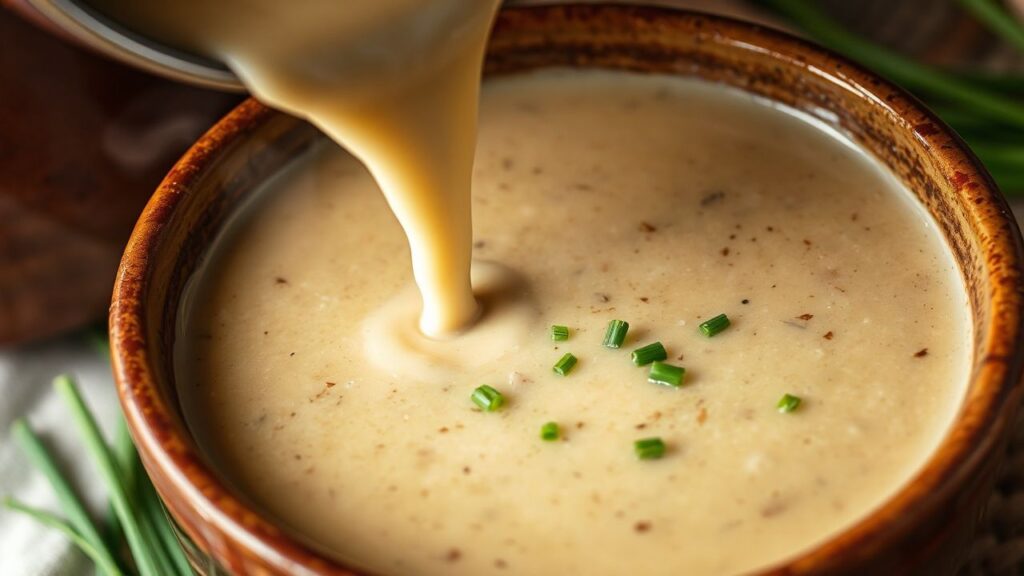
The Recipe: Crafting Your Masterpiece Cream of Mushroom Soup
This recipe is designed to guide you through the process of creating a truly exceptional Mushroom Soup, one that honors the ingredient’s potential and delivers unparalleled depth of flavor and luxurious texture. It moves beyond the convenience of the can to embrace the art of slow cooking and mindful ingredient selection.
Ingredients:
- Mushrooms: 600g (approx. 1.3 lbs) mixed mushrooms (e.g., 300g cremini, 200g shiitake, 100g oyster). If using dried porcini, include 15g dried porcini, rehydrated.
- Fat: 60g (4 tablespoons) unsalted butter, plus 30ml (2 tablespoons) olive oil
- Aromatics: 2 large shallots, finely minced; 3 cloves garlic, minced
- Herbs: 2 sprigs fresh thyme, plus 1 teaspoon fresh thyme leaves (optional garnish)
- Deglazing Liquid: 120ml (1/2 cup) dry sherry or dry white wine
- Stock: 750ml (3 cups) high-quality chicken or vegetable stock
- Flour: 45g (1/3 cup) all-purpose flour
- Cream: 240ml (1 cup) heavy cream (35% fat)
- Seasoning: Sea salt and freshly cracked black pepper to taste; pinch of freshly grated nutmeg (optional); pinch of lemon zest or juice (optional)
Preparation Method:
- Prepare the Mushrooms: Clean the mushrooms gently with a damp cloth or a mushroom brush. Trim any tough stems. Slice or roughly chop the mushrooms into bite-sized pieces. If using dried porcini, soak them in 200ml (approx. 3/4 cup) of warm water for about 20-30 minutes. Once rehydrated, lift them out of the liquid, reserving the soaking liquid. Strain the soaking liquid through a fine-mesh sieve lined with cheesecloth or a coffee filter to remove any grit; set aside.
- Sauté the Mushrooms: In a large, heavy-bottomed pot or Dutch oven, melt 30g (2 tablespoons) of the butter with the olive oil over medium-high heat. Add the sliced mushrooms in batches, ensuring not to overcrowd the pan. Cook, stirring occasionally, until deeply browned and their moisture has evaporated, about 8-10 minutes per batch. This caramelization is crucial for flavor. Remove the browned mushrooms from the pot and set aside.
- Build the Aromatic Base: Reduce the heat to medium. Add the remaining 30g (2 tablespoons) of butter to the pot. Add the minced shallots and cook, stirring, until softened and translucent, about 4-5 minutes. Add the minced garlic and the sprigs of fresh thyme (if using whole sprigs) and cook for another minute until fragrant, being careful not to burn the garlic.
- Deglaze the Pot: Pour in the sherry or white wine. Increase the heat to medium-high and scrape the bottom of the pot with a wooden spoon to loosen any browned bits (fond). Let the wine simmer and reduce by half, about 2-3 minutes.
- Create the Roux: Sprinkle the flour evenly over the shallot and garlic mixture. Stir continuously for 1-2 minutes to cook out the raw flour taste, creating a pale roux.
- Incorporate the Liquids: Gradually whisk in the reserved porcini soaking liquid (if using), followed by the stock, a ladleful at a time, whisking vigorously after each addition to ensure a smooth consistency. Bring the mixture to a gentle simmer.
- Simmer and Infuse: Return the sautéed mushrooms to the pot. Reduce the heat to low, cover, and let the soup simmer gently for at least 20-30 minutes, allowing the flavors to meld. Stir occasionally to prevent sticking.
- Finish the Soup: Remove the thyme sprigs. If you prefer a smoother soup, use an immersion blender to purée the soup to your desired consistency. Alternatively, transfer the soup in batches to a traditional blender (be cautious with hot liquids). If you prefer a chunkier soup, you can skip the blending or only blend a portion.
- Add Cream and Season: Stir in the heavy cream. Gently heat the soup through, but do not boil. Season generously with sea salt and freshly cracked black pepper to taste. Add a pinch of nutmeg and/or a tiny squeeze of lemon juice if desired for brightness.
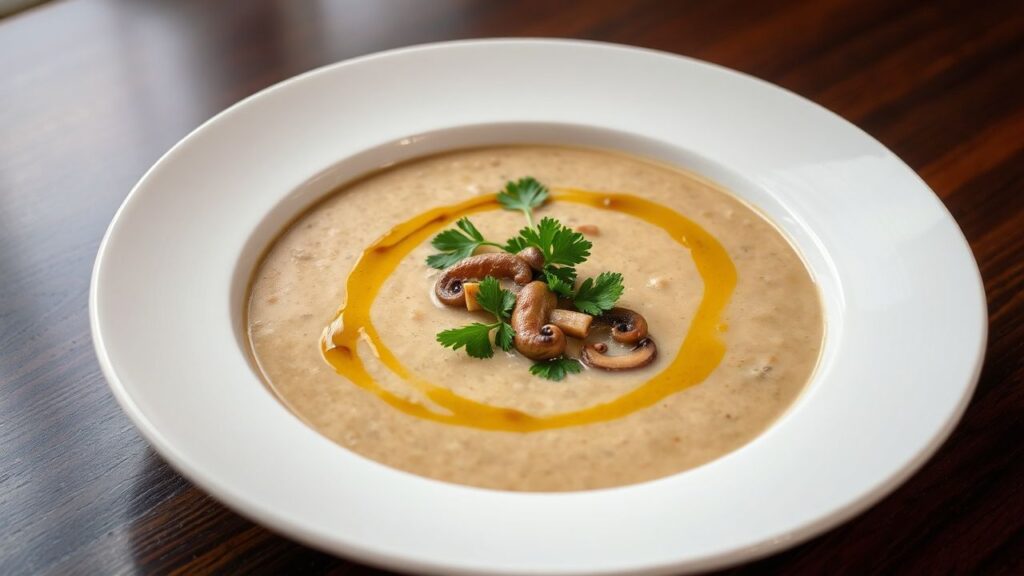
- Serve: Ladle the hot Mushroom Soup into bowls. Garnish with fresh thyme leaves, a swirl of cream, or a sprinkle of toasted croutons if desired.
Detailed Nutritional Information (Per Serving, approximate, based on 6 servings):
- Calories: 350-400 kcal
- Protein: 6-8g
- Fat: 25-30g (saturated fat will vary based on cream used)
- Carbohydrates: 15-20g
- Fiber: 3-5g
- Sodium: 600-800mg (highly dependent on stock and added salt)
Note: Nutritional values are estimates and can vary significantly based on specific ingredients and portion sizes. For precise calculations, use a nutritional analysis tool with your exact ingredients.
Expert Pro-Tips for Elevated Mushroom Soup
To truly elevate your homemade Mushroom Soup from merely delicious to utterly unforgettable, consider these advanced techniques and thoughtful additions that will impress even the most discerning palates. These are the nuances that separate the enthusiast from the seasoned chef, the ordinary from the extraordinary.
💡 Expert Insight
Expert Insight: The Umami Bomb Boost
For an unparalleled depth of umami, consider incorporating a small amount of dried shiitake mushrooms alongside your fresh varieties. Rehydrate them in warm water, then finely mince the rehydrated mushrooms and add them back into the soup with the sautéed aromatics. Crucially, strain the soaking liquid through a fine-mesh sieve lined with cheesecloth or a coffee filter to remove any grit, and add this intensely flavorful liquid to your stock. This “double mushroom” approach amplifies the earthy, savory notes exponentially, creating a soup with a profound, lingering flavor that is simply impossible to replicate with canned versions.
Another powerful umami enhancer is a tablespoon of nutritional yeast. While often associated with vegan cooking, its cheesy, savory flavor profile can add a subtle but significant boost to traditional mushroom soup, complementing the natural glutamate in the fungi without altering the soup’s fundamental character. It’s a secret weapon for achieving that elusive ‘fifth taste’ sensation.
When adding heavy cream to your hot Mushroom Soup, a common pitfall is curdling, which results in an unappealing, grainy texture. To avoid this, always temper the cream. This involves gently warming the cream in a separate saucepan over low heat until it is just warm to the touch. Alternatively, ladle a small amount of the hot soup base into the cream, whisking constantly, before pouring the warmed cream mixture back into the main pot. This gradual equalization of temperature prevents the proteins in the cream from seizing up and breaking apart, ensuring a smooth, silken finish to your soup.
The type of fat used also matters. While butter provides flavor, its lower smoke point can lead to scorching if not handled carefully. For sautéing mushrooms, a combination of butter and olive oil offers a higher smoke point, allowing for better caramelization without burning. This dual fat approach ensures a richer flavor profile and prevents the delicate butter solids from browning too quickly.
Beyond the Bowl: The Versatility of Homemade Mushroom Soup
While a perfectly executed bowl of homemade Mushroom Soup is a delight in itself, its potential extends far beyond a standalone starter. Its rich, savory base makes it an exceptional ingredient in a variety of culinary applications. Consider it not just as a soup, but as a flavor enhancer, a binder, and a luxurious sauce. For instance, it can be used as a creamy, flavor-packed base for a classic green bean casserole, imparting a depth that no canned condensed soup can ever match. Imagine transforming this humble casserole into a gourmet experience simply by substituting your homemade creation.
Furthermore, it can serve as a decadent sauce for pasta dishes, pan-seared chicken breasts, or even roasted vegetables. A simple addition of a splash of white wine and a bit more cream can transform it into a velvety sauce perfect for coating a portion of penne or drizzling over a perfectly cooked pork tenderloin. The inherent umami of the mushrooms, combined with the creamy texture, provides a sophisticated flavor profile that elevates any dish it graces. This versatility underscores why mastering a homemade Mushroom Soup is a worthwhile culinary endeavor, offering a return on investment in terms of both pure enjoyment and its practical application in the kitchen.
Frequently Asked Questions About Mushroom Soup
What are the best mushrooms to use for homemade cream of mushroom soup?
For the most nuanced and complex flavor, a blend of mushrooms is highly recommended. A good starting point includes cremini mushrooms for their earthy, familiar taste, shiitake mushrooms for their intense umami and slightly smoky notes, and oyster mushrooms for their delicate sweetness. For an exceptional depth of flavor, consider adding a small amount of dried porcini mushrooms, rehydrated in warm water. The key is to achieve a balance of textures and flavors that complement each other. Avoid using only button mushrooms, as they tend to be watery and less flavorful.
How can I make my homemade mushroom soup richer and more decadent?
To enhance the richness and decadence of your Mushroom Soup, focus on the quality of your dairy and the intensity of your mushroom flavor. Using heavy cream (35% fat content) is essential for that luxurious, velvety mouthfeel. For an even more decadent experience, consider incorporating a small amount of crème fraîche or a tablespoon of unsalted butter folded in at the very end of cooking. Amplifying the mushroom flavor can be achieved by using a greater variety of mushrooms, including dried porcini, and ensuring they are thoroughly browned during the sautéing process. A splash of good quality dry sherry or Madeira wine, deglazed after the aromatics, also adds a sophisticated layer of richness.
Can I make a dairy-free or vegan version of cream of mushroom soup?
Absolutely. A delicious dairy-free and vegan Mushroom Soup is entirely achievable. Instead of butter, use a high-quality olive oil or a vegan butter substitute for sautéing. For the creaminess, substitute the heavy cream with full-fat coconut milk (from a can, shaken well) or a blend of cashew cream (soaked cashews blended with water until smooth). For thickening, a roux made with vegan butter/oil and flour will still work, or you can rely on puréeing a portion of the soup for body. Nutritional yeast is an excellent addition to vegan versions, providing a cheesy, umami depth that mimics some of the richness lost from dairy. Ensure you use a robust vegetable stock as your liquid base.
See also: Mushroom Soup