
The humblest of ingredients often hold the greatest potential for culinary magic. Home cooks and seasoned chefs alike grapple with conjuring delicious, nourishing meals with minimal fuss, especially during the demanding rhythm of the week. This desire for something wholesome, deeply satisfying, and achievable without Herculean effort led to a revelation that has become a staple: the one-pan roasted carrot and chickpea bowl. It’s more than just a recipe; it’s a philosophy of mindful, efficient cooking, proving that extraordinary meals can spring from accessible components, elevated by thoughtful preparation.
- The Allure of the One-Pan Method: Efficiency Meets Flavor
- Unveiling the Ingredients: A Symphony of Simplicity
- The Method: A Masterclass in One-Pan Alchemy
- Nutritional Profile: A Wholesome Powerhouse
- Expert Insights: Elevating Your One-Pan Creation
- Variations and Adaptations: A Canvas for Creativity
- Conclusion: The Enduring Appeal of Simplicity and Flavor
- Frequently Asked Questions (FAQ)
At a Glance: Key Takeaways
- Effortless Preparation: Minimizes active cooking time and cleanup by utilizing a single cooking vessel.
- Nutrient Density: A powerhouse of fiber, plant-based protein, vitamins (especially Vitamin A from carrots), and minerals.
- Flavor Versatility: Highly adaptable to various spice profiles, herbs, and accompanying components, making it a frequent flyer in meal rotation.
- Dietary Inclusivity: Naturally gluten-free, dairy-free, and vegan, catering to a broad range of dietary needs and preferences.
The Allure of the One-Pan Method: Efficiency Meets Flavor
The “one-pan meal” has ascended from trend to cornerstone of modern home cooking. Its appeal lies in its inherent simplicity: fewer dishes mean less time scrubbing and more time savoring. Beyond practicalities, the one-pan approach offers distinct advantages in flavor development. When ingredients roast together, their essences meld, creating a cohesive and deeply integrated taste profile. This is particularly true for vegetables like carrots, whose natural sugars caramelize beautifully under dry heat, and legumes like chickpeas, which develop a delightful textural contrast – a slight crispness on the exterior giving way to a tender interior. The focused heat of the oven ensures these components cook evenly and develop those coveted Maillard reaction notes, transforming disparate ingredients into a harmonious whole.
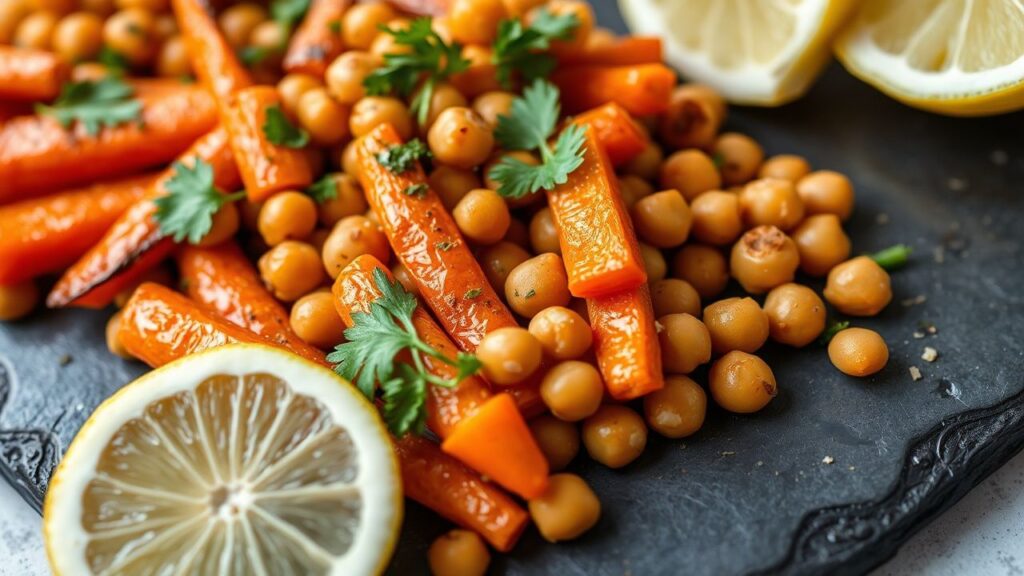
Consider the humble carrot. Often relegated to a supporting role, it possesses a remarkable capacity for transformation when roasted. The heat coaxes out its inherent sweetness, intensifying its flavor and softening its texture. Paired with chickpeas, which offer a satisfying protein and fiber boost and a pleasingly nutty character, the foundation of this dish is built on robust flavor and nutritional substance. This isn’t about reinventing the wheel; it’s about understanding ingredient properties and allowing roasting to unlock their full potential. The synergy between the sweet, caramelized carrots and the robust, slightly smoky chickpeas is the quiet triumph of this one-pan meal.
Unveiling the Ingredients: A Symphony of Simplicity
The beauty of this roasted carrot and chickpea bowl lies in its accessibility. The core ingredients are pantry staples, readily available and affordable, yet they offer a canvas for incredible flavor. The key is to select quality components and understand their role in the final composition.
Core Components:
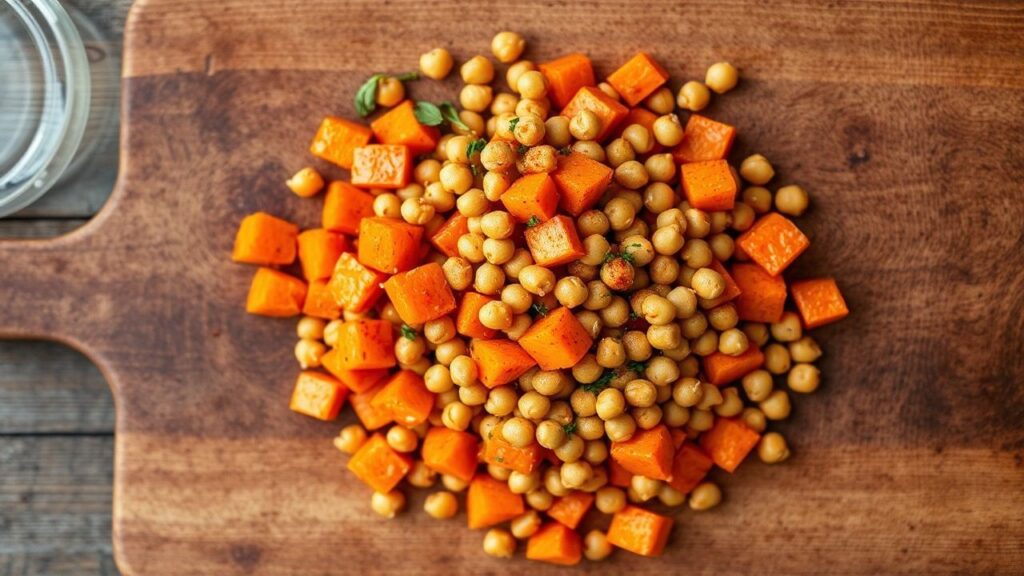
- Carrots: Approximately 500g (about 1 lb), peeled and cut into 1-inch (2.5 cm) chunks. Opt for fresh, firm carrots; their moisture content and sugar levels are optimal for roasting.
- Chickpeas: Two cans (400g / 15 oz each), rinsed and thoroughly drained. Using dried chickpeas, pre-soaked and cooked, will yield an even superior texture, but canned is perfectly acceptable for weeknight ease.
- Olive Oil: 3-4 tablespoons (45-60 ml) of good quality extra virgin olive oil. This acts as the conductor, ensuring even browning and carrying the flavors of the spices.
The Aromatic Ensemble:
- Smoked Paprika: 1-2 teaspoons. This is non-negotiable for that characteristic smoky depth. Spanish pimentón de la Vera is ideal if available.
- Cumin: 1 teaspoon, ground. Its earthy warmth complements the sweetness of the carrots and the nuttiness of the chickpeas.
- Garlic Powder: 1 teaspoon. A convenient way to infuse garlic flavor without the risk of burning fresh garlic.
- Salt: To taste, approximately 1 teaspoon, plus more for finishing.
- Black Pepper: Freshly ground, to taste.
Optional Enhancements (for Elevated Flavor Profiles):
- Fresh Herbs: A generous handful of chopped fresh parsley, cilantro, or mint for brightness.
- Lemon: Zest and juice of half a lemon for a zesty counterpoint.
- Spicy Kick: A pinch of cayenne pepper or red pepper flakes for those who enjoy a little heat.
- Sweetness Boost: A drizzle of maple syrup or honey towards the end of roasting.
The Method: A Masterclass in One-Pan Alchemy
The preparation of this roasted carrot and chickpea bowl is designed for ultimate simplicity, yet each step is crucial for maximizing flavor and achieving the desired texture. It’s proof of how a few deliberate actions can yield profound results.
Step-by-Step Culinary Execution:
- Preheat the Oven and Prepare the Pan: Preheat your oven to 200°C (400°F). Line a large baking sheet with parchment paper for effortless cleanup.
- Toss the Vegetables: In a large bowl, combine the prepared carrots and thoroughly drained chickpeas. Drizzle generously with olive oil, ensuring each piece is lightly coated.
- Infuse with Spices: Sprinkle the smoked paprika, cumin, garlic powder, salt, and black pepper over the carrot and chickpea mixture. If using any optional dry spices like cayenne, add them now. Toss everything together thoroughly, using your hands or a large spoon, ensuring the spices adhere to every surface.
- Arrange for Optimal Roasting: Spread the seasoned carrots and chickpeas in a single layer on the prepared baking sheet. Avoid overcrowding the pan; this leads to steaming rather than roasting. If your pan is too full, use two pans.
- The Roasting Process: Place the baking sheet in the preheated oven. Roast for 25-35 minutes, or until the carrots are tender and slightly caramelized at the edges, and the chickpeas are lightly golden and beginning to crisp. Midway through the roasting time (around 15-20 minutes), give the contents of the pan a good shake or stir to ensure even cooking and browning on all sides.
- Finishing Touches: Once roasted to perfection, remove the pan from the oven. If you opted for fresh herbs or lemon juice and zest, sprinkle them over the hot mixture immediately. Toss gently to distribute the freshness. A final pinch of flaky sea salt can elevate the flavors further.
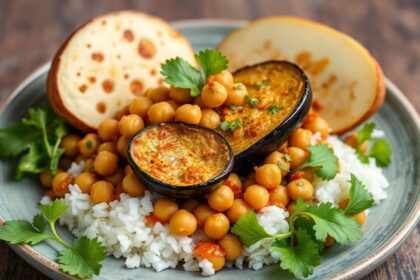
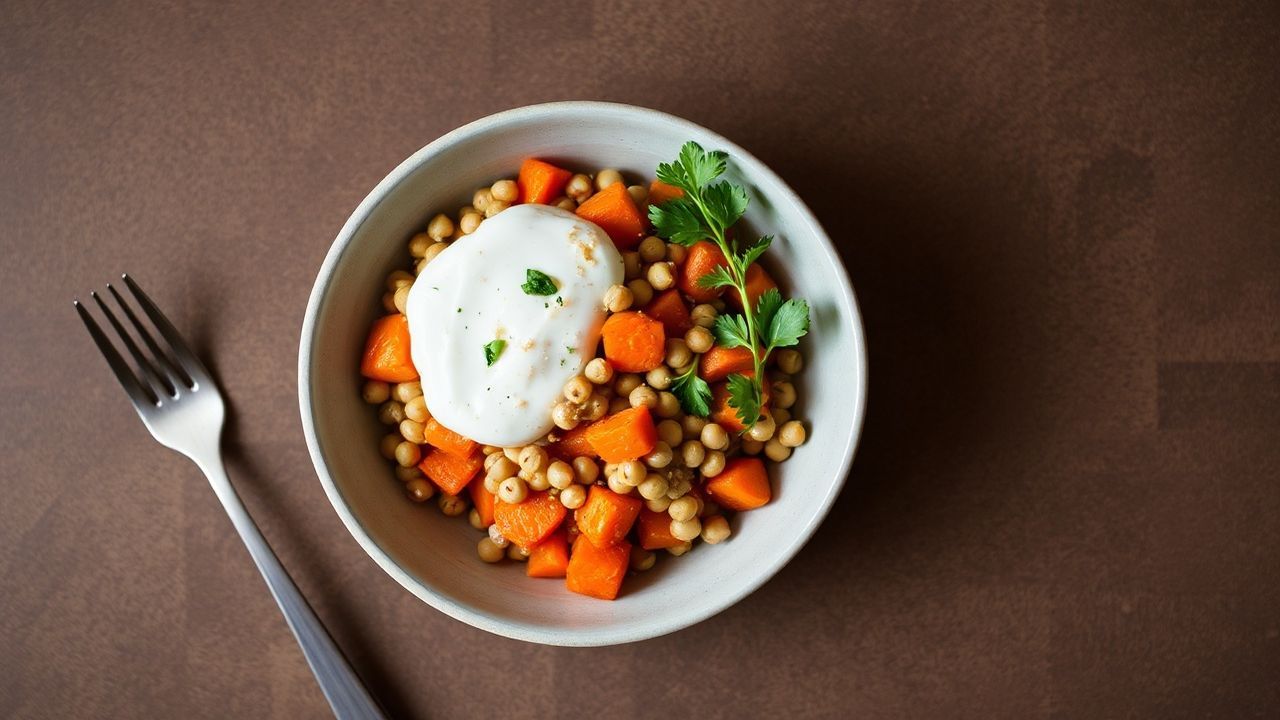
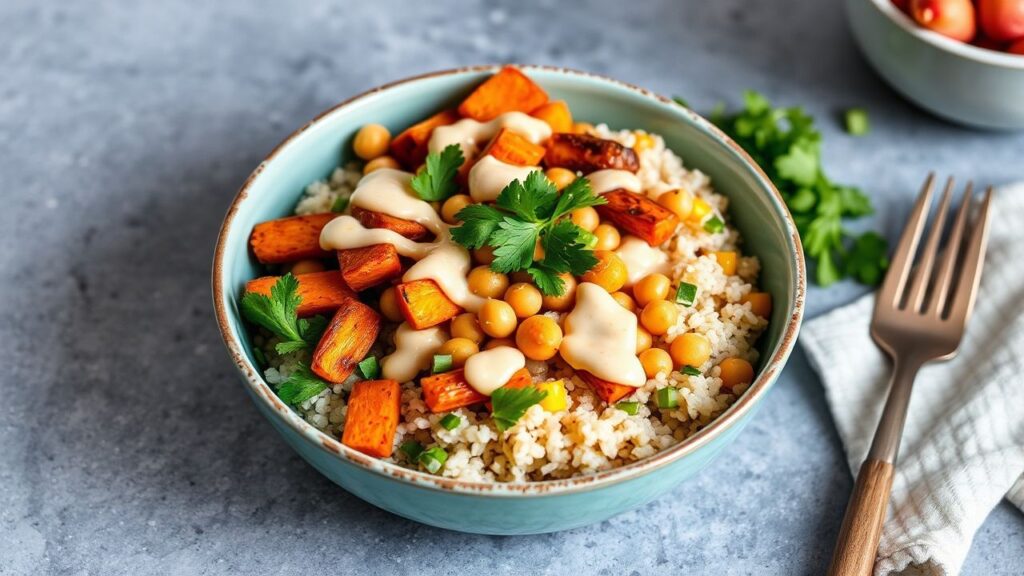
- Serve: The roasted carrot and chickpea mixture can be served immediately as is, or as a base for a more elaborate bowl. Consider serving over quinoa, brown rice, or a bed of mixed greens. A dollop of tahini dressing or a spoonful of plain yogurt can add a creamy element.
Nutritional Profile: A Wholesome Powerhouse
The roasted carrot and chickpea bowl is not merely a delightful culinary creation; it’s also a nutritional champion. Its composition offers a balanced array of macronutrients and micronutrients, making it an exemplary choice for those seeking to fuel their bodies with wholesome, plant-based goodness.
Per Serving (approximate, assuming 4 servings):
| Nutrient | Amount |
|---|---|
| Calories | ~300-350 kcal |
| Protein | ~10-12g |
| Fat | ~15-18g (primarily from olive oil) |
| Carbohydrates | ~30-35g |
| Fiber | ~8-10g |
| Vitamin A | Excellent Source (over 200% DV) |
| Potassium | Good Source |
| Iron | Good Source |
The high fiber content, derived from both carrots and chickpeas, is instrumental in promoting digestive health, aiding in satiety, and contributing to stable blood sugar levels. The protein from the chickpeas provides essential amino acids, crucial for muscle repair and overall bodily function, making this dish a satisfying option for vegetarians and vegans, and a valuable addition to any diet. The abundance of Vitamin A, in the form of beta-carotene from the carrots, is vital for vision, immune function, and skin health. This nutrient profile underscores the dish’s ability to be both indulgent in flavor and beneficial for well-being.
Expert Insights: Elevating Your One-Pan Creation
While the basic recipe is remarkably effective, a few expert touches can elevate this simple dish from delicious to truly sublime, transforming it into a restaurant-quality experience right in your own kitchen. These are the nuances that seasoned chefs employ to coax out the utmost flavor and texture.
Consider the caramelization process. While the oven does the heavy lifting, understanding heat distribution is key. If your oven tends to run hot on one side, rotating the pan halfway through, in addition to stirring the vegetables, can ensure even browning. For those who crave an even deeper, more complex flavor, a touch of sweetness can be introduced. A light drizzle of maple syrup or honey, tossed with the vegetables during the last 10 minutes of roasting, will encourage a more pronounced caramelization and add a subtle layer of sweetness that beautifully contrasts the savory and earthy notes. This technique is particularly effective with root vegetables like carrots.
Furthermore, the textural contrast is paramount. While roasting alone provides some crispness, layering in other elements can amplify this. For instance, adding a handful of toasted nuts or seeds (such as pumpkin seeds or slivered almonds) during the final 5 minutes of roasting introduces a delightful crunch and a nutty richness. This adds another dimension to the bowl, making each bite more engaging. The choice of oil also matters; while extra virgin olive oil is excellent, a higher smoke point oil like avocado oil can be used if you prefer to roast at higher temperatures, though this may alter the nuanced flavor profile slightly.
Variations and Adaptations: A Canvas for Creativity
The beauty of the roasted carrot and chickpea bowl is its inherent adaptability. It serves as a magnificent base, readily accepting a multitude of flavor profiles and accompaniments, making it a versatile cornerstone for countless meals.
Global Flavor Explorations:
- Mediterranean Twist: Incorporate Kalamata olives, sun-dried tomatoes, and a sprinkle of dried oregano. Serve with a dollop of hummus or a lemon-herb vinaigrette.
- Indian Inspired: Add garam masala, turmeric, and a pinch of ginger powder to the spice blend. Serve with basmati rice and a side of raita.
- Smoky Southwest: Introduce chili powder, a dash of cumin, and a pinch of cayenne. Top with fresh salsa, avocado, and a squeeze of lime.
Beyond spice profiles, consider textural additions. A scattering of toasted sesame seeds can add a delicate crunch and nutty flavor, particularly appealing in Asian-inspired variations. For a richer, more decadent bowl, a drizzle of a creamy tahini-lemon dressing or a spicy harissa yogurt sauce can transform the humble roast into something truly special. The incorporation of other roasted vegetables, such as sweet potatoes, red onions, or bell peppers, can further enhance the complexity and nutritional value of the dish. Each addition should be considered not just for its individual flavor, but for how it harmonizes with the existing components, creating a balanced and exciting culinary experience. Experiment, allowing personal preference and available ingredients to guide the culinary journey.
The roasted carrot and chickpea combination also lends itself beautifully to integration into larger dishes. It can serve as a hearty filling for wraps or tacos, a substantial addition to a green salad, or a flavorful topping for a baked sweet potato. The possibilities are truly endless, limited only by the imagination. For instance, a deconstructed version of this bowl can be served as an appetizer, with the roasted components artfully arranged alongside a vibrant pea puree and a scattering of microgreens, demonstrating its potential for fine-dining presentation.
The longevity of this dish is also noteworthy. When stored properly in an airtight container in the refrigerator, the roasted carrot and chickpea mixture will remain delicious for up to 3-4 days. This makes it an ideal candidate for meal prepping, allowing you to prepare a large batch at the beginning of the week and have a healthy, satisfying meal ready to go for lunches or quick dinners. Reheating can be done gently in a skillet with a touch of oil or in a moderate oven to help retain some of the roasted texture, though it is also perfectly enjoyable served at room temperature.
Conclusion: The Enduring Appeal of Simplicity and Flavor
In a culinary landscape often dominated by complex techniques and exotic ingredients, the one-pan roasted carrot and chickpea bowl stands as a beacon of accessible excellence. It is a dish that proves profound satisfaction can be found in the simplest of preparations, transforming everyday ingredients into a symphony of textures and tastes. Its inherent versatility, nutritional density, and remarkable ease of preparation make it an indispensable tool in the modern cook’s arsenal. Whether you are a seasoned home chef seeking a quick yet impressive weeknight meal or a novice embarking on your culinary journey, this recipe offers a rewarding experience, delivering a wholesome and deeply flavorful outcome with minimal effort. It is proof of the power of well-chosen ingredients and the transformative magic of heat, a simple yet sophisticated solution to the perennial question of what to cook for dinner.
Frequently Asked Questions (FAQ)
1. Can I use different types of root vegetables in this recipe?
Absolutely. This one-pan method is incredibly forgiving and adaptable. Beyond carrots, you can successfully roast other root vegetables such as sweet potatoes, parsnips, butternut squash, or even firm pears. When substituting, consider the density and moisture content of the vegetable. Denser vegetables like sweet potatoes might require a slightly longer roasting time, while softer vegetables might benefit from being added partway through the cooking process to prevent them from becoming too mushy. Ensure all vegetables are cut into roughly uniform sizes to promote even cooking. Experiment with combinations like sweet potato and red onion, or parsnip and apple for delightful flavor pairings.
2. How can I make the chickpeas crispier?
Achieving truly crispy chickpeas requires attention to a few key details. Firstly, as mentioned in the expert tip, ensuring the chickpeas are thoroughly dried after rinsing is paramount. Moisture is the enemy of crispiness. Secondly, avoid overcrowding the baking sheet. Spread the chickpeas in a single layer with ample space between them, allowing hot air to circulate and evaporate moisture effectively. If you’re aiming for an exceptionally crisp texture, consider roasting them for a few extra minutes, or even increasing the oven temperature slightly during the final stages of cooking, keeping a close eye to prevent burning. A light coating of oil and starch from the chickpea itself will also contribute to crisping. Some cooks also find success by tossing the dried chickpeas with a teaspoon of cornstarch before seasoning, which can enhance their crispiness.
3. Is this dish suitable for meal prep?
Indeed, the one-pan roasted carrot and chickpea bowl is an exemplary candidate for meal prep. Its components hold up exceptionally well when stored correctly. After roasting and allowing the mixture to cool completely, transfer it to an airtight container and refrigerate. It should remain delicious and safe to consume for 3-4 days. For optimal texture upon reheating, it’s best to warm it gently. You can achieve this by briefly sautéing it in a skillet with a touch of olive oil over medium heat, or by placing it in a moderate oven (around 180°C / 350°F) for 10-15 minutes. While the chickpeas may lose a fraction of their crispness upon reheating, the overall flavor and nutritional value remain intact, making it a convenient and healthy option for lunches or quick weeknight dinners throughout the week.
See also: Carrot Chickpea