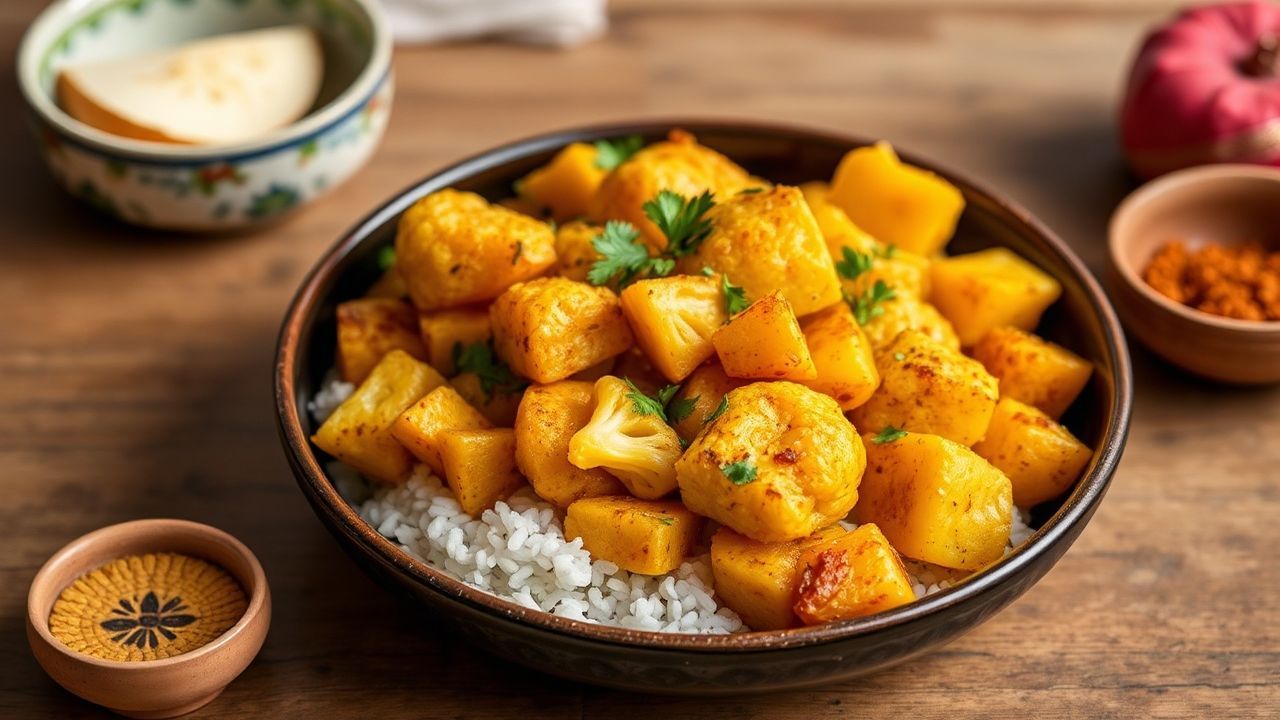

Most home cooks—and even some professional kitchens—fundamentally misunderstand the structural requirements of a world-class Aloo Gobi. By treating it as a “stew” or a “boiled curry,” they produce a sulfurous, mushy mess that does a disservice to the ingredients. The most sublime versions of this dish are never wet; they are a sabzi—a dry, sautéed preparation where the vegetables are seared to achieve a nutty caramelization before being cloaked in a concentrated spice paste. If you are adding a cup of water to your pan, you aren’t making a traditional Punjabi masterpiece; you are making a vegetable soup that has lost its soul.
At a Glance: Key Takeaways for Mastery
- Texture is Paramount: The cauliflower must retain a tender-crisp bite, achieved through high-heat searing rather than steaming.
- Fat as a Solvent: Turmeric and other fat-soluble spices require a sufficient lipid medium (mustard oil or ghee) to release their full aromatic potential.
- The Ginger-Garlic Ratio: A higher concentration of ginger than garlic is essential to counteract the gas-producing nature of cruciferous vegetables.
- Aromatic Volatilization: Adding dried fenugreek (Kasuri Methi) at the very end preserves the delicate volatile oils that would otherwise dissipate during cooking.
Aloo Gobi is a global icon, yet its roots are proof of the Silk Road’s influence on the Indian subcontinent. The potato, a New World import brought by the Portuguese, met the ancient cauliflower in the fertile plains of Punjab, creating a synergy that has lasted centuries. To master this dish, one must think like a chemist and act like an artist, balancing the earthy starch of the potato with the sulfurous sweetness of the cauliflower.
The Architectural Integrity of a Perfect Aloo Gobi
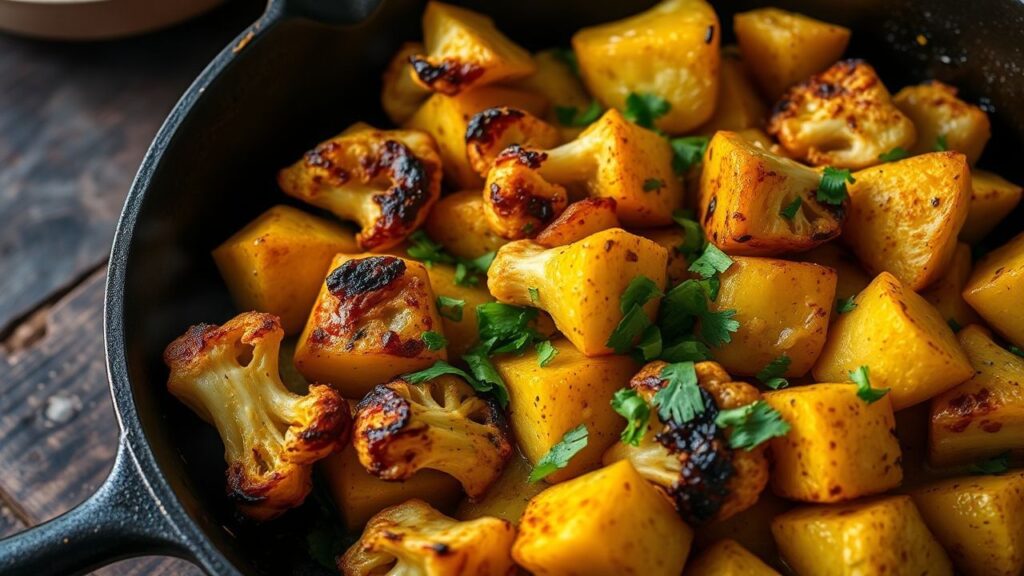
To achieve the elite status of a restaurant-quality dish, we must examine the physics of the vegetables. When you boil cauliflower, the cell walls collapse, releasing water and sulfur compounds. This leads to the dreaded “cafeteria smell.” However, when you subject the florets to the Maillard reaction—the chemical reaction between amino acids and reducing sugars—you create a complex bouquet of flavors that are savory and toasted. This is why the preliminary sear is the most skipped, yet most vital, step in crafting an authentic Aloo Gobi.
Consider the case study of the famous dhabas (roadside eateries) on the outskirts of Amritsar. Their secret isn’t a hidden spice; it is the use of a heavy, seasoned iron kadai. The massive thermal mass of the iron allows the vegetables to brown instantly without dropping the oil temperature. In high-end London establishments, chefs often deep-fry the florets for 30 seconds before tossing them with the spices. This creates a hydrophobic barrier, preventing the vegetable from absorbing excess moisture during the final tempering phase. While deep-frying at home may seem excessive, a shallow pan-fry is the non-negotiable price of entry for excellence.
Why Water is the Enemy of Aloo Gobi
The presence of excess moisture is the primary reason why homemade versions fail to replicate the intensity of professional renditions. In a professional kitchen, the goal is to use the natural moisture within the vegetables to finish the cooking process under a tight-fitting lid (a technique known as dum). By trapping the steam of the vegetable itself, you preserve the concentrated flavors of the spices. Diluting this with tap water only serves to wash away the intricate spice coating from the surface of the potato and cauliflower, resulting in a bland interior and a watery sauce.
For those seeking the absolute pinnacle of flavor, the choice of potato is equally critical. A waxy potato will hold its shape but fail to absorb the spices, while an overly starchy potato will disintegrate. The “Goldilocks” choice is a medium-starch variety like the Yukon Gold or a Maris Piper. These varieties provide enough surface starch to create a thick, clinging masala while maintaining enough internal structure to survive the tossing process in the pan. This structural balance defines a superior Aloo Gobi.
The Alchemy of Turmeric in Aloo Gobi
Turmeric is often treated as a coloring agent, but its role in this dish is far more sophisticated. In a traditional Aloo Gobi, turmeric acts as a bridge between the pungent heat of the chilies and the earthy depth of the cumin. However, the curcumin in turmeric is notoriously difficult for the body to absorb and equally difficult to “activate” for flavor. It requires heat and fat. Adding turmeric to a cold liquid is a waste; it must be bloomed in hot oil alongside the aromatics to transform its raw, metallic edge into a warm, woody resonance.
Furthermore, the quality of your turmeric matters. Commodity turmeric is often diluted with flour or, in unethical supply chains, lead chromate. An expert cook seeks out high-curcumin turmeric, often recognizable by its deep orange hue rather than a pale yellow. When this high-quality spice hits the mustard oil, it creates a vibrant, sunset-colored emulsion that characterizes a truly great Aloo Gobi. This is the visual hallmark of a dish prepared with intentionality.
The Anatomy of Ingredients for Aloo Gobi
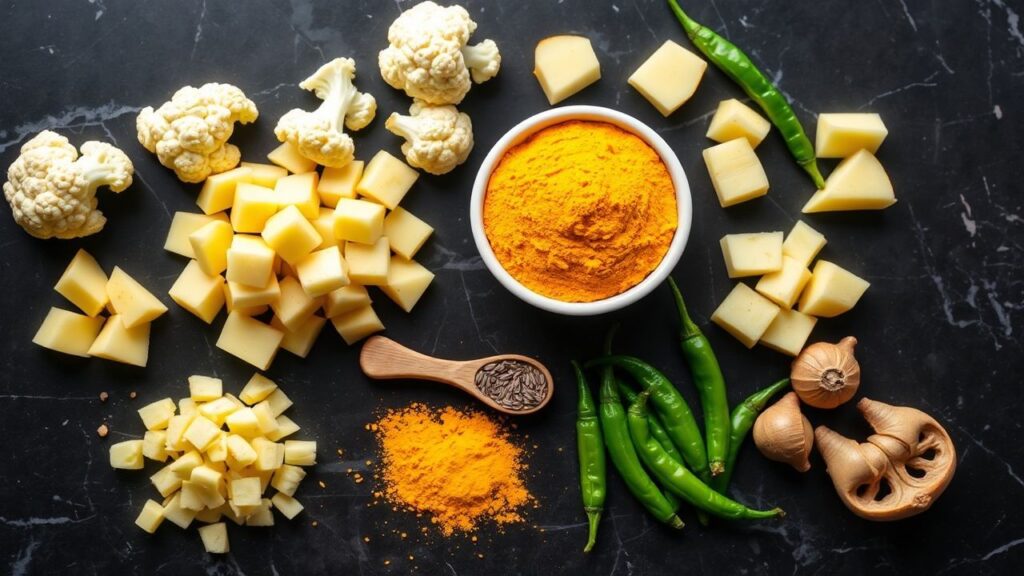
Precision in measurement is the hallmark of the professional. While a “pinch of this” works for the experienced, the following ratios are calibrated to ensure a perfect balance of aromatics and base vegetables. This recipe serves four as a substantial side or three as a main course.
- Cauliflower: 1 large head (approx. 600g/1.3 lbs), cut into medium-sized florets. Keep the stems; they provide a wonderful crunch.
- Potatoes: 2 medium Yukon Gold (approx. 300g/0.6 lbs), peeled and cut into wedges or 1-inch cubes.
- Oil: 4 tablespoons of Mustard Oil (traditional) or Ghee. The high smoke point is essential.
- Whole Spices: 1 teaspoon Cumin seeds, 1 dried Red Chili, and a pinch of Asafetida (Hing).
- The Aromatics: 2 inches of Ginger (finely julienned), 4 cloves of Garlic (minced), and 2 Green Chilies (slit lengthwise).
- Ground Spices: 1 teaspoon Turmeric powder, 1.5 teaspoons Kashmiri Red Chili powder (for color without excessive heat), 2 teaspoons Coriander powder.
- The Finishers: 1 teaspoon Garam Masala, 1 tablespoon Kasuri Methi (dried fenugreek leaves), and a handful of fresh Cilantro.
- Acid: 1 teaspoon Amchur (dried mango powder) or a squeeze of fresh Lemon juice.
The cultural significance of Aloo Gobi in the global culinary landscape cannot be overstated; it is a dish that has crossed borders and adapted to local palates while maintaining its core identity. In the UK, it is a staple of “curry house” culture, while in North America, it is often the gateway dish for those new to Indian cuisine. Regardless of the geography, the ingredient list remains largely consistent, emphasizing the universal appeal of these humble vegetables.
The Definitive Preparation of Aloo Gobi
The process of making Aloo Gobi is a sequence of layering flavors. We begin with the “Hard Sear.” Heat 2 tablespoons of oil in a large, heavy-bottomed pan until it reaches the shimmering point. Add the potatoes first, as they take longer to cook. Sauté them until they develop a golden-brown crust on at least two sides. Remove and set aside. In the same oil, add the cauliflower. Do not crowd the pan. Sear the florets until the edges are charred. This charring provides the smoky depth that defines the dish. Remove and set aside with the potatoes.
Next, move to the Masala base. Add the remaining oil to the pan. Drop in the cumin seeds and the dried red chili. When the seeds crackle, add the asafetida. Immediately follow with the ginger, garlic, and green chilies. Sauté until the raw smell of garlic vanishes, but do not let it brown to bitterness. This aromatic base is the foundation upon which the entire flavor profile rests. If the aromatics burn, the dish is irredeemable.
The Spice Tempering (Tarka)
Reduce the heat to low. A common mistake is adding ground spices to a screaming hot pan, which burns them instantly. Mix the turmeric, coriander powder, and chili powder with a teaspoon of water to form a paste, then add it to the aromatics. This prevents scorching and allows the spices to bloom gently. Sauté this paste for 2 minutes until the oil begins to separate from the edges—a sign that the spices are cooked and the flavors are integrated.
Reintroduce the seared potatoes and cauliflower to the pan. Toss them gently to ensure every millimeter of the vegetables is coated in the vibrant orange spice paste. Season with salt. Now, cover the pan with a tight lid and turn the heat to the lowest possible setting. Let the vegetables steam in their own juices for 8–10 minutes. Resist the urge to peek; every time you lift the lid, you lose the precious steam required to tenderize the centers of the vegetables without turning the exteriors to mush.
The Final Flourish
Once the potatoes are fork-tender, remove the lid. If there is any residual moisture, turn the heat up for 60 seconds to evaporate it. Sprinkle the Garam Masala and the Amchur over the top. Take the Kasuri Methi in your palms and rub them together as you sprinkle it over the pan; this friction releases the essential oils. Toss one final time. The Aloo Gobi should look “dry” but remain incredibly moist on the inside. Garnish generously with fresh cilantro and additional ginger julienne for a fresh, sharp contrast to the earthy spices.
Nutritional Profile of Aloo Gobi
Beyond its culinary merits, Aloo Gobi is a nutritional powerhouse. Cauliflower is rich in sulforaphane, a compound studied for its anti-cancer properties, while turmeric provides a potent anti-inflammatory boost. The potatoes provide complex carbohydrates and potassium, making this a balanced vegetarian meal when served with a protein-rich side like dal or yogurt.
| Nutrient | Amount Per Serving (approx. 250g) | % Daily Value* |
|---|---|---|
| Calories | 210 kcal | 11% |
| Total Fat | 12g | 15% |
| Carbohydrates | 24g | 9% |
| Dietary Fiber | 6g | 21% |
| Protein | 4g | 8% |
| Vitamin C | 45mg | 50% |
*Percent Daily Values are based on a 2,000 calorie diet.
Elevating Aloo Gobi to Michelin Standards
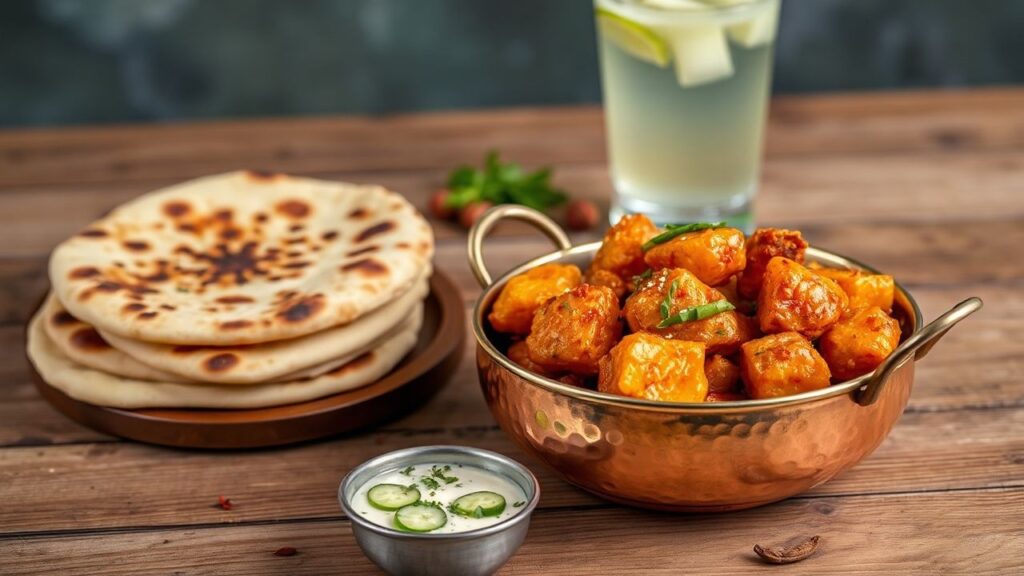
To take this dish into the realm of fine dining, use the “Two-Tone” technique. Reserve one-third of your ginger julienne and fry it separately in a little ghee until it becomes crispy and golden. Use this as a topping alongside the fresh ginger. The contrast between the mellow, cooked ginger within the Aloo Gobi and the sharp, crispy ginger on top creates a sophisticated sensory experience.
Another elite tip is the “Dhungar method” or Smoked Ghee. In high-end Indian restaurants, a small piece of charcoal is heated until red hot, placed in a small metal bowl inside the finished curry pot, and topped with a teaspoon of ghee and a pinch of cumin. The lid is slammed shut for 3 minutes, infusing the Aloo Gobi with a subtle, campfire smokiness that mimics the flavor of a traditional clay tandoor. This level of detail transforms a simple vegetable dish into a conversation piece.
The beauty of a masterfully executed Aloo Gobi lies in its honesty. It does not hide behind heavy creams or excessive sugars. It is a celebration of the garden, elevated by the science of spice and the precision of heat. By respecting the texture of the cauliflower and the chemistry of the turmeric, you move beyond the recipe and into the realm of culinary artistry.
Frequently Asked Questions regarding Aloo Gobi
Why does my cauliflower always turn mushy even when I don’t add water?
Mushiness usually occurs because of over-crowding the pan or using a lid too early. If the pan is crowded, the cauliflower steams in its own escaping moisture rather than searing. Furthermore, if your heat is too low during the initial phase, the cell walls break down slowly and release water. Ensure your pan is large enough for the florets to sit in a single layer and that the oil is shimmering before they hit the pan. Only cover the pan once the exterior is already browned and “sealed.”
Can I make Aloo Gobi in an Instant Pot or pressure cooker?
While you can, a pressure cooker is fundamentally the wrong tool for an elite Aloo Gobi. Pressure cooking is a wet-heat method that almost invariably results in a “mash” rather than distinct florets. If you must use an Instant Pot, use the “Sauté” function for the entire process and avoid the pressure setting altogether. The lack of evaporation in a sealed pressure cooker prevents the spices from concentrating and the vegetables from achieving that essential roasted texture.
Is mustard oil absolutely necessary for the authentic flavor?
Mustard oil provides a specific pungent, horseradish-like kick characteristic of North Indian cooking. It adds a layer of complexity that neutral oils simply cannot replicate. However, if you use mustard oil, you must heat it to its smoking point first to remove its raw bitterness. If you cannot find high-quality mustard oil, ghee is the best substitute for a rich, nutty finish.
How do I prevent the turmeric from staining my cookware?
Turmeric contains a powerful natural dye. To minimize staining on enameled cast iron or light-colored surfaces, ensure the turmeric is always added to oil first, as the oil encapsulates the pigment. If staining occurs, a paste of baking soda and water, or a soak in dilute bleach for non-porous surfaces, usually removes the yellow tint. For wooden spoons, many chefs simply accept the “golden badge of honor” that comes with frequent curry making.
See also: Aloo Gobi