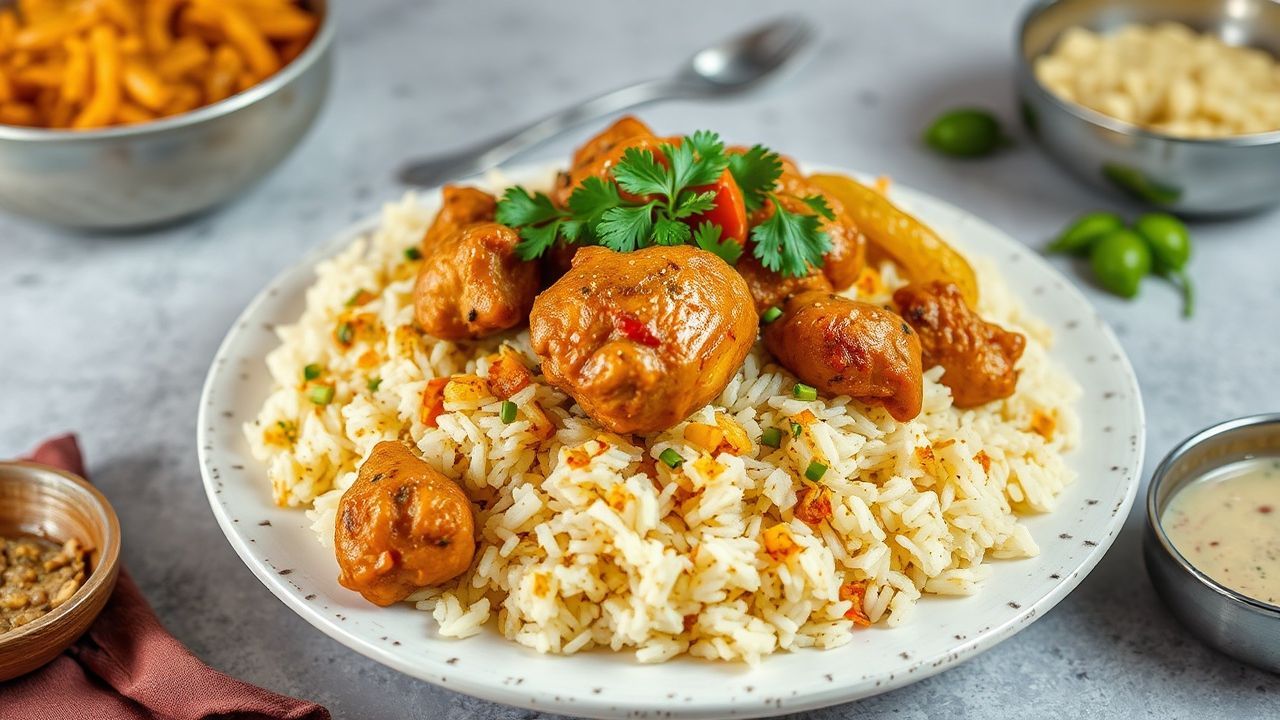

Biryani, a symphony of aromatic rice, succulent meat, and a tapestry of spices, has captivated palates for centuries. This iconic dish, however, finds its most celebrated iteration in the regal kitchens of Hyderabad, India.
- The Genesis of a Gastronomic Icon: The Hyderabadi ‘Kacchi’ Method
- Mastering the Art: Essential Ingredients for Hyderabadi Chicken Biryani
- The Rice: The Foundation of a Flawless Biryani
- The Chicken: Succulent and Flavorful
- The Spice Blend: The Heartbeat of Hyderabadi Flavors
- Other Crucial Elements:
- The Culinary Blueprint: Step-by-Step Hyderabadi Chicken Biryani Recipe
- Yields: 6-8 Servings
- Prep time: 45 minutes (plus 4-6 hours marination)
- Cook time: 1 hour 30 minutes
- Preparation Method:
- Nutritional Profile: A Decadent Delight
- Elevating Your Biryani Game: Pro Tips for Restaurant-Quality Results
- Frequently Asked Questions about Hyderabadi Chicken Biryani
At a Glance: Key Takeaways for Authentic Hyderabadi Biryani
- The ‘Kacchi’ method, marinating raw meat before layering with partially cooked rice, is the cornerstone of genuine Hyderabadi Chicken Biryani, yielding unparalleled tenderness and flavor infusion.
- Achieving the perfect ‘dum’ cooking requires precise temperature control and sealing, allowing steam to gently cook the ingredients and meld the distinct aromas.
- The quality and freshness of spices are paramount; a meticulously prepared spice blend, often ground fresh, is non-negotiable for the authentic taste profile.
- Understanding the rice-to-meat ratio and the type of rice used (ideally aged Basmati) significantly impacts the final texture and flavor absorption.
The history of Hyderabadi Biryani is as rich and layered as the dish itself. Legend attributes its genesis to the royal kitchens of the Nizam of Hyderabad, a culinary haven that blended Mughal traditions with local influences. While variations of biryani exist across the Indian subcontinent, the Hyderabadi rendition, particularly its ‘Kacchi’ (raw) style, stands as proof of a refined culinary art form that prioritizes depth of flavor and textural perfection. It’s not merely a meal; it’s an experience, a culinary narrative passed down through generations, and a dish that evokes profound nostalgia and celebration. The sheer volume of its consumption speaks volumes; it’s estimated that millions of kilograms of biryani are consumed daily across India, with Hyderabad being a significant hub, underscoring its cultural and economic importance.
The Genesis of a Gastronomic Icon: The Hyderabadi ‘Kacchi’ Method
The soul of Hyderabadi Chicken Biryani lies in its distinctive ‘Kacchi’ (raw) cooking method. Unlike ‘Pukki’ biryani, where both meat and rice are pre-cooked, the ‘Kacchi’ method involves marinating raw chicken and then layering it with partially cooked rice, sealing the pot, and cooking it entirely on low heat, a process known as ‘dum’. This slow, gentle cooking allows the raw chicken to cook in its own juices, infused with the vibrant marinade, while simultaneously absorbing the fragrant steam from the rice and spices. The result is impossibly tender chicken and perfectly separate, flavourful grains of rice, a delicate balance that is the hallmark of a masterfully prepared biryani.
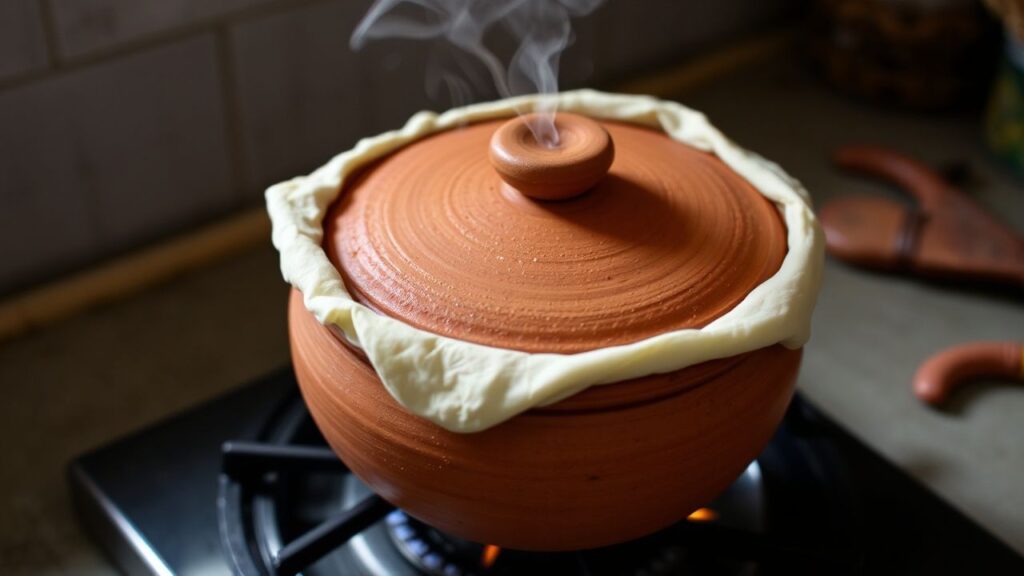
This technique is not about speed; it’s about patience and precision. The marination period is crucial, allowing the spices to penetrate the chicken, tenderizing it and building a complex flavour base. The careful layering of the marinated chicken, partially cooked rice, and aromatics like fried onions, mint, and coriander is an art in itself, designed to ensure even cooking and maximum flavour diffusion during the ‘dum’ process. The use of a heavy-bottomed pot, often sealed with dough to trap the steam, is critical. This creates a sealed environment where the ingredients steam-cook, a method that dates back to ancient culinary practices and has been perfected in the context of biryani.
Mastering the Art: Essential Ingredients for Hyderabadi Chicken Biryani
The symphony of flavors in Hyderabadi Chicken Biryani is orchestrated by a precise combination of high-quality ingredients. The success of this dish hinges on the freshness and potency of each component, from the foundational rice to the subtlest spice.
The Rice: The Foundation of a Flawless Biryani
The choice of rice is paramount. Aged Basmati rice is indispensable. Its long, slender grains possess a distinct aroma and a fluffy texture when cooked, ensuring that each grain remains separate and absorbs the myriad flavors without becoming mushy. Look for rice that has been aged for at least a year; this process reduces moisture content, leading to fluffier, more distinct grains. The ideal grain length should be around 7-8 mm before cooking.
The Chicken: Succulent and Flavorful
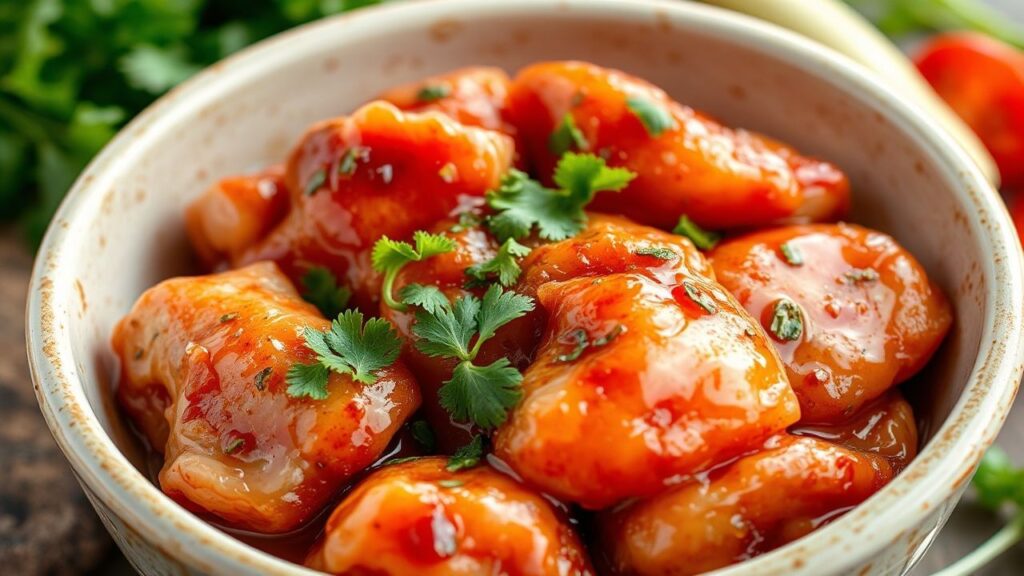
Bone-in chicken pieces, preferably from a free-range bird, are ideal. The bones contribute significantly to the overall flavor and richness of the biryani as they release marrow and gelatin during the slow cooking process. A mix of thigh and leg pieces, cut into generous 2-inch portions, ensures a balance of tender meat and juicy texture.
The Spice Blend: The Heartbeat of Hyderabadi Flavors
This is where the magic truly happens. A meticulously prepared spice blend, often ground fresh for maximum impact, forms the soul of the biryani. Key components include:
- Whole Spices: Green cardamom, black cardamom, cloves, cinnamon sticks, bay leaves, and black peppercorns. These release their essential oils slowly during the cooking process, imparting a complex, aromatic foundation.
- Ground Spices: Red chili powder (Kashmiri for color, regular for heat), turmeric powder, coriander powder, and cumin powder.
- Aromatics: Fresh ginger and garlic, a liberal amount of fresh mint and coriander leaves, and green chilies for a touch of heat.
- Acids and Binders: Yogurt, which tenderizes the chicken and adds a creamy richness, and sometimes lemon juice.
- Fat: Ghee (clarified butter) is essential for its rich, nutty flavor and for frying the onions.
Other Crucial Elements:
- Fried Onions (Birista): Thinly sliced onions, fried until deeply golden brown and crisp, add a crucial layer of sweetness and a distinct aroma. This is often a time-consuming but indispensable step.
- Saffron: A pinch of good quality saffron, steeped in warm milk, imparts a beautiful golden hue and a subtle, luxurious aroma.
- Rose Water or Kewra Water (Optional): A few drops can elevate the floral notes, adding an authentic touch.
The Culinary Blueprint: Step-by-Step Hyderabadi Chicken Biryani Recipe
This recipe adheres to the traditional ‘Kacchi’ method, proof of patience and precision, yielding a biryani that is both deeply flavorful and texturally sublime.
Yields: 6-8 Servings
Prep time: 45 minutes (plus 4-6 hours marination)
Cook time: 1 hour 30 minutes
Ingredients:
For the Chicken Marinade:
- 1 kg (2.2 lbs) bone-in chicken, cut into 2-inch pieces
- 1.5 cups (360g) thick yogurt
- 2 large onions (approx. 300g), thinly sliced and deep-fried until golden brown (birista)
- 3 tbsp (45ml) ginger-garlic paste
- 2 tsp (6g) red chili powder (adjust to taste)
- 1 tsp (3g) turmeric powder
- 2 tsp (6g) coriander powder
- 1 tsp (3g) cumin powder
- 1/2 tsp (1.5g) garam masala
- 1/4 cup (15g) fresh mint leaves, chopped
- 1/4 cup (15g) fresh coriander leaves, chopped
- 4-6 green chilies, slit (adjust to taste)
- 2 tbsp (30ml) lemon juice
- 2 tbsp (30ml) ghee
- Salt to taste
For the Rice:
- 2 cups (400g) aged Basmati rice
- Water for soaking and cooking
- 2-3 green cardamom pods
- 3-4 cloves
- 1-inch cinnamon stick
- 1 tsp (5ml) salt
- 1 tsp (5ml) oil or ghee
For Assembling and Dum Cooking:
- 1/4 cup (60ml) milk
- A generous pinch of saffron strands
- 2-3 tbsp (30-45ml) ghee
- Fried onions (birista) for garnish
- Fresh mint and coriander leaves for garnish
- Dough for sealing (atta mixed with water)
Preparation Method:
Step 1: Marinate the Chicken (Crucial for Flavor Infusion)
In a large bowl, combine the chicken pieces with yogurt, half of the fried onions (birista), ginger-garlic paste, red chili powder, turmeric powder, coriander powder, cumin powder, garam masala, chopped mint and coriander leaves, slit green chilies, lemon juice, ghee, and salt. Mix thoroughly, ensuring each chicken piece is well coated. Cover the bowl and refrigerate for at least 4-6 hours, or preferably overnight, to allow the flavors to meld and the chicken to tenderize.
The marination process is a slow dance of flavors. The acidity from the yogurt and lemon juice begins to break down the protein in the chicken, making it incredibly tender. The spices, having ample time, permeate deep into the meat, creating layers of taste that a shorter marination simply cannot achieve. This is where the foundation of the biryani’s soul is laid, far from the heat of the stove.
Step 2: Prepare the Rice (Partial Cooking is Key)
Wash the Basmati rice thoroughly until the water runs clear. Soak the rice in ample water for 30 minutes. Meanwhile, in a large pot, bring 6-8 cups of water to a rolling boil. Add the green cardamom, cloves, cinnamon stick, salt, and 1 tsp of oil or ghee. Drain the soaked rice and add it to the boiling water. Cook the rice for approximately 5-7 minutes, or until it is about 70% cooked. The grains should be slightly firm to the bite. Drain the rice immediately in a colander, discarding the water. Remove the whole spices if desired, though leaving them in adds to the aromatic complexity.
The partial cooking of the rice is a critical technique. Overcooking at this stage will result in a mushy biryani. The goal is for the rice to absorb the steam and flavors during the ‘dum’ cooking without disintegrating. The salt in the water seasons the rice from within, a subtle but important step often overlooked.
Step 3: Assemble the Biryani (Layering with Precision)
In a heavy-bottomed pot or a traditional ‘handi’ (clay pot), spread the marinated chicken evenly at the bottom. Top the chicken layer with about half of the partially cooked rice. Sprinkle some of the remaining fried onions, chopped mint, and coriander leaves over the rice. Drizzle about half of the remaining ghee over this layer. Now, add the rest of the rice, creating a second layer. Sprinkle the remaining fried onions, mint, and coriander leaves over the top. Drizzle the remaining ghee over the top layer.
The layering is not just for aesthetics; it ensures even cooking. The fat from the ghee and the juices from the chicken will slowly trickle down, flavoring the rice below. The aromatics are strategically placed to release their fragrance as the steam rises. This careful arrangement is a silent promise of the flavor explosion to come.
Step 4: The ‘Dum’ Cooking (Sealing the Magic)
To prepare the saffron milk, gently warm 1/4 cup of milk and steep a generous pinch of saffron strands in it for about 10-15 minutes. Drizzle this saffron-infused milk evenly over the top layer of rice. This will give the biryani its characteristic golden hue and a subtle, luxurious aroma. To seal the pot, prepare a dough by mixing whole wheat flour (atta) with water until it forms a pliable dough. Roll this dough into a long rope and press it around the rim of the pot and the lid, ensuring a tight seal. This traps the steam inside, allowing the biryani to cook in its own fragrant vapors.
Place the pot on a very low heat on the stove. Cook for about 1 hour to 1 hour 30 minutes. The initial 15-20 minutes should be on medium-low heat to generate steam, then reduce the heat to the absolute lowest setting. Alternatively, the pot can be placed on a tawa (griddle) over low heat to ensure even distribution of heat and prevent scorching.
The ‘dum’ process is where the transformation occurs. The trapped steam gently cooks the chicken through, making it melt-in-your-mouth tender, while simultaneously infusing the rice grains with the rich, complex flavors of the marinade and aromatics. The rice absorbs the moisture and aromas, becoming fluffy and intensely flavorful. This slow, controlled cooking is the secret to achieving the perfect texture and depth of flavor that defines Hyderabadi Biryani.
Step 5: Resting and Serving
Once the ‘dum’ cooking is complete, remove the pot from the heat and let it rest, undisturbed, for at least 15-20 minutes. This resting period is crucial for the flavors to settle and the rice grains to firm up. Gently break the dough seal and lift the lid. Do not stir vigorously. Using a flat spoon or spatula, gently mix the biryani from the sides, bringing the chicken up to the top, ensuring a beautiful mix of rice and meat. Serve hot, garnished with extra fried onions, fresh mint, and coriander leaves.
The aroma that wafts out as the pot is opened is an experience in itself – a fragrant promise of the culinary delight that awaits. The gentle mixing ensures that every serving gets a balanced proportion of succulent chicken and perfectly cooked rice, without breaking the delicate grains.
Nutritional Profile: A Decadent Delight
While Hyderabadi Chicken Biryani is undeniably rich and indulgent, understanding its nutritional breakdown per serving (approx. 1/6th of the recipe) provides valuable context:
Approximate Nutritional Information Per Serving:
| Nutrient | Approximate Value |
|---|---|
| Calories | 650-800 kcal |
| Protein | 35-45g |
| Fat | 30-45g (varies with ghee and chicken fat) |
| Carbohydrates | 60-75g |
| Fiber | 4-6g |
| Sodium | 800-1200mg (highly variable based on salt added) |
Note: These values are estimates and can vary significantly based on the exact quantities of ingredients used, particularly the amount of ghee and fat in the chicken.
The calorie count reflects the dish’s status as a celebratory meal, rich in protein from the chicken and carbohydrates from the rice. The fat content is significant due to the generous use of ghee and the natural fats in chicken, contributing to its luxurious mouthfeel and flavor. While not a “health food” in the conventional sense, it offers a substantial amount of protein and can be enjoyed in moderation as part of a balanced diet.
Elevating Your Biryani Game: Pro Tips for Restaurant-Quality Results
Achieving the perfect Hyderabadi Chicken Biryani at home is a rewarding endeavor that requires attention to detail and a few key techniques. Here are some expert tips to elevate your biryani from good to extraordinary:
- Spice Purity: Always use freshly ground spices. The difference in aroma and flavor is astounding. Purchase whole spices and grind them in small batches just before use.
- Onion Perfection: Deep-fry onions until they are uniformly deep golden brown and crispy. Avoid burning them, as this imparts a bitter taste. For best results, fry them in batches and drain on paper towels.
- Yogurt Consistency: Use thick, hung yogurt (strained for at least an hour to remove excess water). Watery yogurt will make the marinade too thin and dilute the flavors.
- Rice Grain Integrity: Handle the partially cooked rice with extreme care. Avoid stirring vigorously after draining, as this can break the grains.
- The ‘Dum’ Seal: Ensure the dough seal is robust. A loose seal will allow precious steam to escape, hindering the cooking process and impacting the final texture and flavor.
- The Resting Period: Do not skip the resting time after ‘dum’ cooking. This allows the rice to absorb residual moisture and flavors, resulting in perfectly separate, fluffy grains.
- Ghee: Don’t be shy with good quality ghee. It is crucial for the authentic flavor and aroma of Hyderabadi Biryani.
- Freshness is Key: Use the freshest possible herbs – mint and coriander. Their vibrant, fresh notes cut through the richness of the dish.
The art of Hyderabadi Biryani lies in its harmonious balance of textures and flavors. The tender, spice-infused chicken, the fluffy, aromatic rice, and the subtle interplay of whole and ground spices come together to create a dish that is more than just food; it’s a sensory journey. Mastering the ‘Kacchi’ method and understanding the importance of each ingredient allows home cooks to recreate this culinary masterpiece, bringing a taste of regal Hyderabad to their own tables.
For those seeking to explore into the history and cultural significance of rice dishes, the Rice dish Wikipedia page offers a comprehensive overview of various preparations worldwide, providing context for the global appeal of rice-based delicacies like biryani.
The subtle variations in spice profiles and cooking techniques across different regions of India highlight the dynamic nature of its cuisine. While the Hyderabadi version emphasizes the ‘Kacchi’ method and a specific blend of aromatics, other regions might employ different rice varieties, marinades, or cooking styles. Yet, the overarching principle of creating a flavorful, aromatic rice and meat (or vegetable) dish remains constant, making biryani a universally beloved culinary icon.

Frequently Asked Questions about Hyderabadi Chicken Biryani
What is the difference between ‘Kacchi’ and ‘Pukki’ Biryani?
The fundamental difference lies in the state of the meat and rice before they are combined. In the ‘Kacchi’ method, raw, marinated meat is layered with partially cooked rice and then slow-cooked on ‘dum’. This allows the meat to cook in its own juices and aromatics, resulting in exceptionally tender meat and deeply infused flavors. In contrast, the ‘Pukki’ method involves pre-cooking both the meat and the rice separately before layering and steaming them briefly. ‘Kacchi’ biryani is generally considered more authentic and flavorful, offering a superior texture, particularly for the meat.
Why is my biryani dry or mushy?
A dry biryani often results from insufficient liquid during the ‘dum’ cooking or a poorly sealed pot, allowing steam to escape. Ensure your marinade has enough yogurt and that the pot is tightly sealed. Conversely, a mushy biryani typically occurs when the rice is overcooked initially, or too much liquid is added during the ‘dum’ process. The key is to cook the rice only about 70% before layering and to rely on the steam generated from the marinated chicken and aromatics.
Can I make Hyderabadi Chicken Biryani with boneless chicken?
While traditional Hyderabadi Biryani uses bone-in chicken for enhanced flavor and texture, you can certainly make it with boneless chicken. If using boneless pieces (thighs are recommended for moisture), reduce the marination and ‘dum’ cooking time slightly, as boneless meat cooks faster. Be cautious not to overcook, as boneless chicken can become dry more easily than bone-in cuts. Ensure the pieces are cut into generous, uniform sizes to maintain juiciness.
See also: Biryani