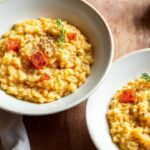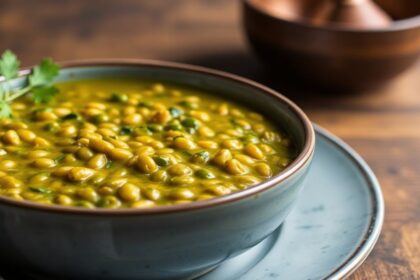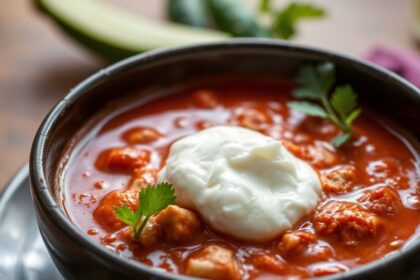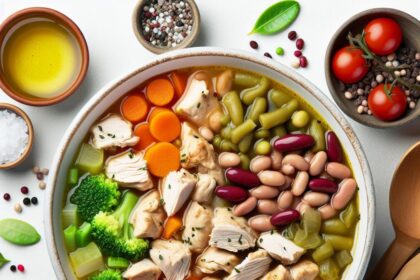

It was during a bustling market in Marrakech, amidst the dizzying array of spices and the fragrant steam rising from countless food stalls, that I first truly understood the transformative power of a simple vegetable. A vendor, his hands stained saffron-yellow, was ladling out a rich, crimson-hued stew. The aroma was intoxicating – a complex symphony of cumin, coriander, turmeric, and something sweet and earthy. He beckoned me closer, offering a small, earthenware bowl. Inside, humble cauliflower florets, softened to perfection, swam in a luscious, spiced sauce. This, he declared with a proud smile, was his *curry de chou-fleur*. It was a revelation: a dish that elevated a familiar, almost pedestrian vegetable into something utterly captivating. This experience solidified my belief that the magic of cuisine often lies not in exotic ingredients, but in the skillful interplay of familiar ones, coaxed into new forms and flavors. The cauliflower curry, in its many regional iterations, stands as proof of this culinary alchemy.
- Crafting the Perfect Cauliflower Curry: A Culinary Blueprint
- The Foundation: Aromatic Brilliance
- The Spice Symphony: Balancing Heat and Fragrance
- The Cauliflower: Texture is Paramount
- The Ultimate Cauliflower Curry Recipe
- Nutritional Insights: A Wholesome Indulgence
- Elevating Your Cauliflower Curry: Expert Pro-Tips
- The Cauliflower’s Culinary Canvas
- Frequently Asked Questions (FAQ)
- Can I make this cauliflower curry ahead of time?
- What are the best accompaniments for cauliflower curry?
- How can I make this cauliflower curry spicier or milder?
At a Glance: Key Takeaways
- Cauliflower curry is a versatile dish that can be adapted to a wide range of spice levels and flavor profiles.
- Properly cooking cauliflower is crucial to avoid mushiness, ensuring a pleasing texture.
- The depth of flavor in a cauliflower curry is achieved through the careful layering of aromatics and spices.
- This recipe emphasizes fresh ingredients and techniques for a restaurant-quality result at home.
The Global Journey of Cauliflower and Curry
The humble cauliflower, a botanical descendant of wild cabbage, boasts a surprisingly rich history, tracing its origins back to the Mediterranean region. Its journey through culinary landscapes is a fascinating study in adaptation and evolution. While its cousins, broccoli and cabbage, were cultivated for centuries, cauliflower remained a more niche vegetable, prized for its delicate flavor and unique texture. Its rise to prominence in various global cuisines, particularly in its curry form, speaks volumes about its inherent versatility.
Curry itself is not a singular dish but rather a vast culinary tradition, encompassing a multitude of spice blends, cooking techniques, and regional variations across South Asia, Southeast Asia, and beyond. The introduction of cauliflower into these established curry traditions, likely through trade routes and cultural exchange, proved to be a stroke of genius. The vegetable’s mildness allows it to absorb the complex flavors of the spices without overpowering them, while its slightly firm texture provides a satisfying contrast to the rich, often creamy, sauces. It’s a partnership that has yielded countless beloved dishes, each with its own distinct character. The popularization of cauliflower curry in the West, particularly among vegetarian and vegan communities, is a more recent phenomenon, driven by a growing appreciation for plant-based cuisine and a desire for flavorful, meat-free alternatives.
Crafting the Perfect Cauliflower Curry: A Culinary Blueprint
The art of a truly exceptional cauliflower curry lies in a meticulous approach to both ingredient selection and preparation. It’s a process that requires patience, an understanding of flavor dynamics, and a keen eye for detail. Unlike some dishes that forgive haste, a superior cauliflower curry is built layer by delicious layer.
The Foundation: Aromatic Brilliance
Every great curry begins with a potent aromatic base. This is where the soul of the dish is awakened. Sautéing onions, ginger, and garlic until deeply golden and fragrant is non-negotiable. This slow caramelization unlocks a sweetness and depth that raw aromatics simply cannot provide. It’s a technique that transforms the ordinary into the extraordinary, setting the stage for the spices to truly sing.
Consider the difference in flavor profile when onions are merely softened versus when they are allowed to develop a rich, brown hue. The former yields a sharp, sometimes acrid note, while the latter imparts a mellow, almost nutty sweetness that forms the backbone of the curry. This principle extends to the ginger and garlic; their pungent raw notes mellow and integrate beautifully when given adequate time to cook in the fat.
The Spice Symphony: Balancing Heat and Fragrance
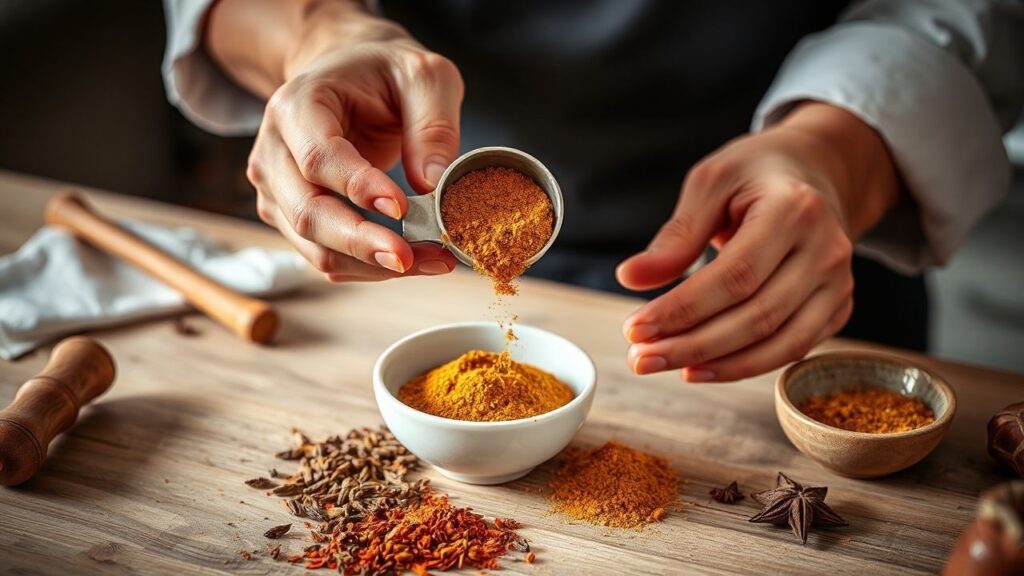
The spice blend is, of course, the heart of any cauliflower curry. This isn’t merely about adding heat; it’s about creating a complex olfactory and gustatory experience. The interplay of earthy turmeric, pungent cumin, warm coriander, and the subtle heat of chili powder forms a classic foundation. However, the true artistry emerges in the nuanced additions – a whisper of fenugreek for a slightly bitter, maple-like note, a touch of garam masala for its complex, warming finish, or even a pinch of asafoetida for a distinct savory undertone.
A common pitfall for home cooks is the tendency to either under-spice or over-spice, leading to a dish that is either bland or overwhelmingly fiery. Achieving balance is key. Toasting whole spices briefly before grinding them can significantly enhance their volatile oils, intensifying their aroma and flavor. For instance, toasting cumin seeds for 30 seconds in a dry pan until fragrant before grinding them releases a more robust, complex flavor than using pre-ground cumin alone.
The Cauliflower: Texture is Paramount
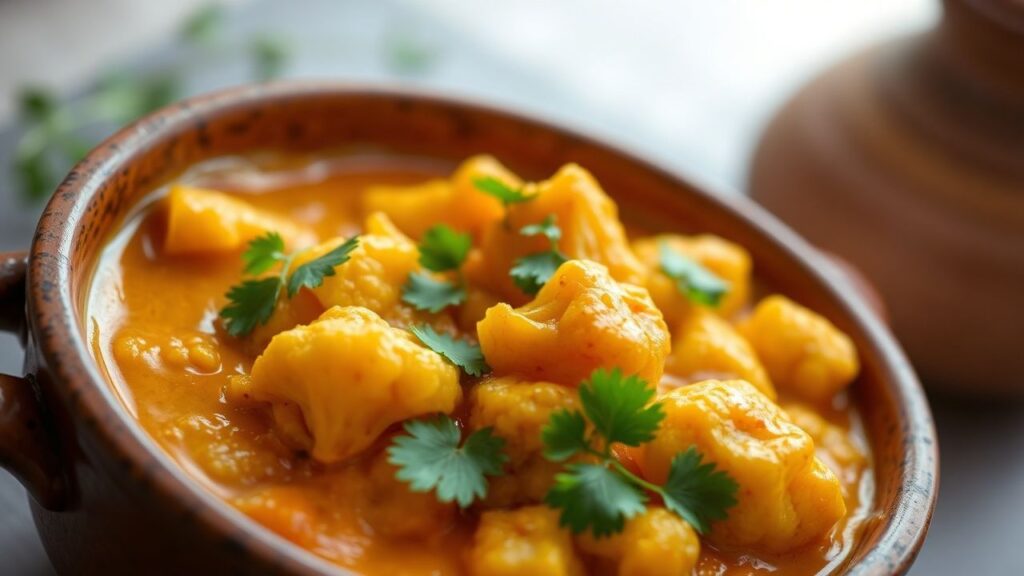
Cauliflower, while accommodating, can easily descend into a mushy, unappealing state if not handled with care. The goal is tender florets that still retain a slight bite, offering a pleasant textural contrast to the sauce. Overcooking is the primary culprit. Adding cauliflower too early in the cooking process, especially to a vigorously boiling liquid, will inevitably lead to its disintegration.
A strategic approach involves adding the cauliflower in stages or par-cooking it slightly before incorporating it into the main curry base. Another effective method is to steam or blanch the florets separately until they are just tender-crisp, then add them to the simmering sauce for the final few minutes of cooking to absorb the flavors without becoming overcooked. This ensures that each floret maintains its structural integrity and offers a satisfying chew.
The Ultimate Cauliflower Curry Recipe
This recipe aims to deliver a deeply flavorful and texturally satisfying cauliflower curry, suitable as a main course or a robust side dish. It’s designed to be adaptable, allowing for adjustments to spice levels and personal preferences.
Ingredients:
- For the Cauliflower:
- 1 medium head of cauliflower (approx. 700-800g), cut into bite-sized florets
- 1 tablespoon olive oil or neutral cooking oil
- ½ teaspoon salt
- For the Aromatic Base:
- 2 tablespoons ghee or neutral cooking oil
- 1 large onion, finely chopped
- 2-3 cloves garlic, minced
- 1-inch piece of fresh ginger, grated or finely minced
- 1-2 green chilies (e.g., serrano or jalapeño), deseeded and finely chopped (adjust to taste)
- For the Spice Blend:
- 1 teaspoon ground turmeric
- 1 ½ teaspoons ground cumin
- 1 teaspoon ground coriander
- ½ teaspoon red chili powder (adjust to taste)
- ¼ teaspoon cayenne pepper (optional, for extra heat)
- ½ teaspoon garam masala
- Pinch of asafoetida (hing) (optional, but recommended for authentic flavor)
- For the Sauce:
- 1 (400g) can crushed tomatoes or 3-4 ripe medium tomatoes, pureed
- 100ml (approx. ½ cup) plain unsweetened yogurt or coconut milk (for a vegan option)
- 150ml (approx. ¾ cup) water or vegetable broth
- 1 teaspoon sugar (optional, to balance acidity)
- Salt to taste
- For Garnish:
- Fresh cilantro, chopped
- A swirl of yogurt or coconut milk (optional)
Preparation Method:
1. Prepare the Cauliflower: In a large bowl, toss the cauliflower florets with 1 tablespoon of olive oil and ½ teaspoon of salt. Spread them in a single layer on a baking sheet. Roast in a preheated oven at 200°C (400°F) for 15-20 minutes, or until the edges are lightly golden and the cauliflower is tender-crisp. Alternatively, steam the florets for 5-7 minutes until tender-crisp. Set aside. This par-cooking step is crucial for achieving the perfect texture.
2. Build the Aromatic Base: Heat the ghee or oil in a large, heavy-bottomed pan or Dutch oven over medium heat. Add the finely chopped onion and sauté, stirring occasionally, for 8-10 minutes, or until deeply golden brown and caramelized. This slow caramelization is key to developing a rich flavor.
3. Infuse with Aromatics and Spices: Add the minced garlic, grated ginger, and chopped green chilies to the pan. Sauté for another 1-2 minutes until fragrant, taking care not to burn the garlic.
Now, add the ground turmeric, cumin, coriander, red chili powder, cayenne pepper (if using), and asafoetida (if using). Stir well and cook for 1 minute, allowing the spices to bloom and release their aromas. This toasting of the spices in the oil is vital for unlocking their full flavor potential.
4. Introduce the Tomatoes: Pour in the crushed tomatoes or tomato puree. Stir well, scraping any browned bits from the bottom of the pan. Cook for 5-7 minutes, stirring frequently, until the tomatoes have thickened and the oil begins to separate from the sauce. This indicates that the raw tomato flavor has mellowed.
5. Create the Creamy Sauce: Reduce the heat to low. Whisk in the yogurt or coconut milk (if using). Stir continuously until well combined and the sauce is smooth. If using yogurt, ensure the heat is low to prevent curdling. Cook for 2-3 minutes, stirring gently.
6. Simmer and Meld Flavors: Add the water or vegetable broth and bring the curry to a gentle simmer. Season with salt to taste. If the sauce seems too thin, allow it to simmer uncovered for a few extra minutes to reduce. If it’s too thick, add a splash more water or broth.
7. Incorporate the Cauliflower: Gently add the par-cooked cauliflower florets to the simmering sauce. Stir carefully to coat each floret. Cover the pan and simmer for 5-7 minutes, or until the cauliflower is heated through and has absorbed the flavors of the sauce. Avoid vigorous stirring, which can break down the florets.
8. Finish and Serve: Stir in the garam masala. Taste and adjust seasoning if necessary. Garnish generously with fresh chopped cilantro. Serve hot, perhaps with a swirl of yogurt or coconut milk. This cauliflower curry pairs beautifully with basmati rice, naan, or roti.
Nutritional Insights: A Wholesome Indulgence
While deeply satisfying, this cauliflower curry is also a surprisingly nutritious offering. Cauliflower itself is a cruciferous vegetable, rich in vitamins C and K, and a good source of fiber. The use of ghee or oil contributes healthy fats, and the spices offer a range of antioxidant properties.
Approximate Nutritional Information per Serving (assuming 4 servings, without rice or naan):
- Calories: 250-300 kcal
- Protein: 5-7g
- Fat: 15-20g (varies with oil/ghee and yogurt/coconut milk choice)
- Carbohydrates: 20-25g
- Fiber: 6-8g
- Vitamins: Good source of Vitamin C, Vitamin K.
- Minerals: Contains potassium, magnesium, and calcium.
Keep in mind that these are estimates. The exact nutritional profile will vary based on the specific ingredients used, portion sizes, and any accompaniments. For instance, opting for coconut milk over yogurt will increase the saturated fat content but also introduce medium-chain triglycerides. Using less oil or ghee will reduce the overall fat and calorie count.
Elevating Your Cauliflower Curry: Expert Pro-Tips
Transforming a good cauliflower curry into an exceptional one is an achievable aspiration with a few seasoned techniques. These insights are born from years of culinary exploration and a deep appreciation for the nuances that distinguish ordinary from extraordinary.
Another often-overlooked element is the quality of your spices. Freshly ground spices are vastly superior to pre-ground ones, which can lose their potency and aromatic oils over time. Investing in a small spice grinder or a mortar and pestle will dramatically elevate the fragrance and flavor of your cauliflower curry. Consider toasting whole cumin and coriander seeds in a dry pan until fragrant, then grinding them for an unparalleled depth of flavor. This simple step can be the difference between a pleasant curry and a truly memorable one.
The Role of Acidity and Sweetness
The balance of acidity and sweetness is a cornerstone of well-executed curries. The tomatoes provide a natural acidity, but sometimes a touch more is needed to cut through the richness of the spices and the fats. A squeeze of fresh lemon or lime juice stirred in just before serving can brighten the entire dish. Similarly, a hint of sweetness, whether from caramelized onions, a touch of sugar, or even a tablespoon of tomato paste, can round out the flavors and prevent the curry from tasting too sharp.
This caution is paramount for achieving a smooth, unctuous sauce. The rapid temperature change from hot curry to cool yogurt can shock the proteins, leading to separation. Patience and a gentle hand are rewarded with a velvety consistency.
Regional Variations and Adaptations
The beauty of cauliflower curry lies in its adaptability. While this recipe provides a robust framework, don’t hesitate to explore regional variations. A South Indian style might incorporate mustard seeds, curry leaves, and a touch of tamarind for tanginess. A North Indian rendition could lean more heavily on garam masala and cream. For a vegan version, coconut milk is an excellent substitute for yogurt, offering a creamy richness and a subtle tropical sweetness.
Consider the inclusion of other vegetables. Peas, potatoes, or even spinach can be added to the curry to enhance its nutritional value and textural complexity. If adding potatoes, ensure they are cut into small cubes and added early enough to cook through. Spinach wilts quickly and should be added in the final minutes of cooking.
The Cauliflower’s Culinary Canvas
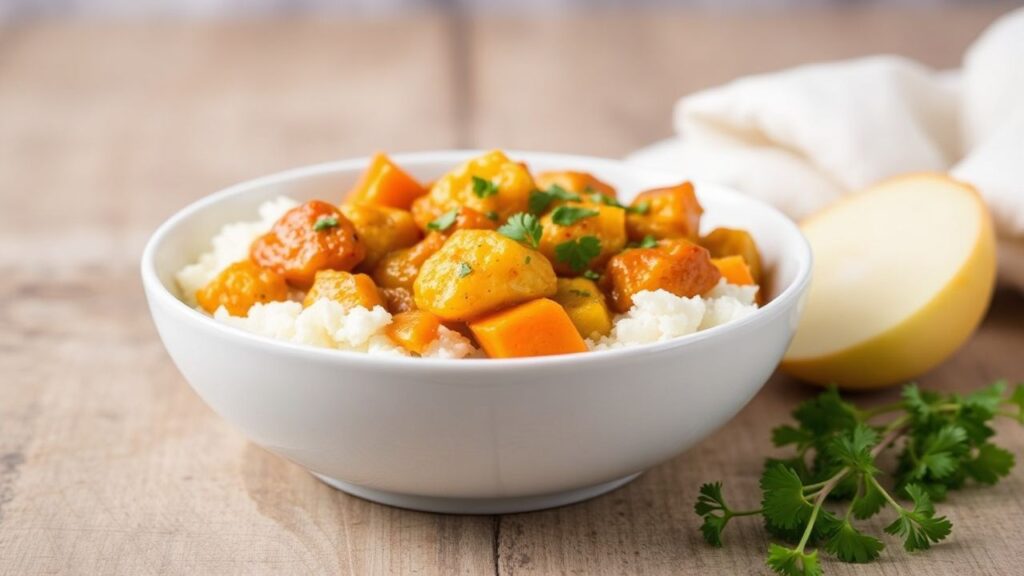
The journey of cauliflower from a humble Brassica to the star of a deeply aromatic curry is proof of its remarkable versatility and the ingenuity of global cuisines. This recipe, rooted in the principles of balanced flavors and thoughtful preparation, aims to unlock the full potential of this often-underestimated vegetable. The interplay of fragrant spices, the gentle sweetness of caramelized onions, and the satisfying texture of perfectly cooked cauliflower creates a dish that is both comforting and exciting. It’s a dish that speaks of tradition, adaptability, and the sheer joy of creating something delicious from simple, wholesome ingredients. The next time you encounter cauliflower, consider its potential beyond a simple steamed side. Embrace the transformative power of spices and embark on the culinary adventure that is cauliflower curry.
Frequently Asked Questions (FAQ)
Can I make this cauliflower curry ahead of time?
Yes, absolutely. Cauliflower curry often benefits from being made ahead of time, as the flavors have a chance to meld and deepen overnight. In fact, many find the curry even more delicious on the second day. When reheating, gently warm it on the stovetop over low heat, adding a splash of water or broth if it has become too thick. Avoid boiling vigorously, as this can affect the texture of the cauliflower.
What are the best accompaniments for cauliflower curry?
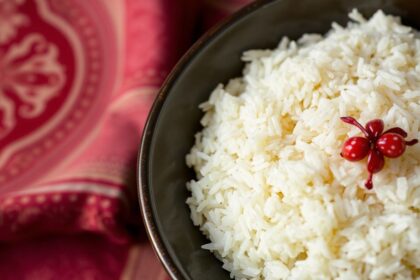
Cauliflower curry is wonderfully versatile and pairs well with a variety of accompaniments. Basmati rice is a classic choice, its fluffy texture and subtle aroma providing a perfect counterpoint to the rich curry. Naan bread or roti are also excellent for scooping up the delicious sauce. For a lighter option, quinoa can also be a good substitute for rice. A side of plain yogurt or a cooling raita can help to temper the heat if you’ve made the curry particularly spicy.
How can I make this cauliflower curry spicier or milder?
Adjusting the spice level of this cauliflower curry is quite straightforward. To make it spicier, you can increase the amount of red chili powder or cayenne pepper. Adding fresh green chilies, or even a small amount of finely chopped fresh red chili, will also boost the heat. For a milder curry, reduce or omit the chili powders and cayenne pepper. You can also deseed the green chilies before chopping them, as most of the heat is concentrated in the seeds and membranes. Remember, it’s always easier to add more spice than to take it away, so start with a conservative amount and add more gradually to your preference.
See also: Cauliflower curry