
The aroma of toasted spices, the gentle simmer of legumes, the creamy embrace of coconut milk – these are the sensory hallmarks of a truly sublime coconut curry lentil soup. For many, this dish evokes a sense of profound comfort, a culinary embrace that warms not just the body but the spirit. It’s proof of the power of simple ingredients, elevated through thoughtful preparation and a nuanced understanding of flavor. This isn’t merely a soup; it’s a journey through global culinary traditions, a harmonious blend of earthy lentils, vibrant aromatics, and the luxurious richness of coconut. Its versatility makes it a staple for weeknight dinners, a sophisticated starter for gatherings, and a robust vegan or vegetarian centerpiece.
- The Alchemy of Aromatics and Spices
- The Heart of the Matter: Lentils and Their Perfect Companions
- The Master Recipe: Crafting Your Coconut Curry Lentil Soup
- Nutritional Snapshot: A Wholesome Indulgence
- Elevating Your Coconut Curry Lentil Soup: Pro-Tips for Perfection
- Mastering Spice Nuances and Variations
- The Art of Texture and Consistency
- Beyond the Basics: Creative Additions
- Conclusion: A Bowl of Comfort and Culinary Exploration
- Frequently Asked Questions
Key Takeaways:
- The foundation of an exceptional coconut curry lentil soup lies in the quality and preparation of aromatics and spices.
- Balancing the richness of coconut milk with the acidity of tomatoes and the depth of spices is crucial for a harmonious flavor profile.
- Lentils, particularly red or yellow varieties, offer a creamy texture and cook relatively quickly, making them ideal for soup.
- Customization is key; this soup serves as a canvas for a wide array of vegetables and flavor enhancers.
The genesis of lentil soups is as ancient as civilization itself, with legumes forming a cornerstone of diets across the globe for millennia. However, the specific iteration we celebrate today – the coconut curry lentil soup – is a more recent yet profoundly impactful fusion. It draws heavily from the rich culinary tapestry of South and Southeast Asia, where coconut milk and a complex array of spices are integral to countless dishes. The introduction of these flavors to lentil preparations likely occurred through trade routes and cultural exchange, evolving into the beloved dish recognized worldwide. Consider the sheer adaptability: in parts of India, a similar dal might be tempered with mustard seeds and curry leaves, while in Thailand, the addition of lemongrass and galangal would lend a distinct citrusy, peppery note. This global dialogue of flavors is what gives our coconut curry lentil soup its inherent depth and broad appeal.
The Alchemy of Aromatics and Spices
The soul of any great curry, and by extension, our coconut curry lentil soup, resides in the intelligent layering of aromatics and spices. This isn’t about simply throwing everything into the pot; it’s a deliberate dance of heat, fragrance, and earthiness that transforms humble ingredients into something extraordinary.
Building the Flavor Base: The Foundation of Excellence
The initial sauté of aromatics – typically onions, garlic, and ginger – is where the magic begins. These ingredients, when gently softened in oil, release their inherent sweetness and pungent notes, creating a fragrant cloud that perfumes the entire kitchen. This process, while not a direct *mirepoix* or *sofrito*, serves a similar foundational purpose in building flavor complexity. For our coconut curry lentil soup, the quality of these base ingredients is paramount. Fresh, pungent garlic and vibrant, zesty ginger are non-negotiable.
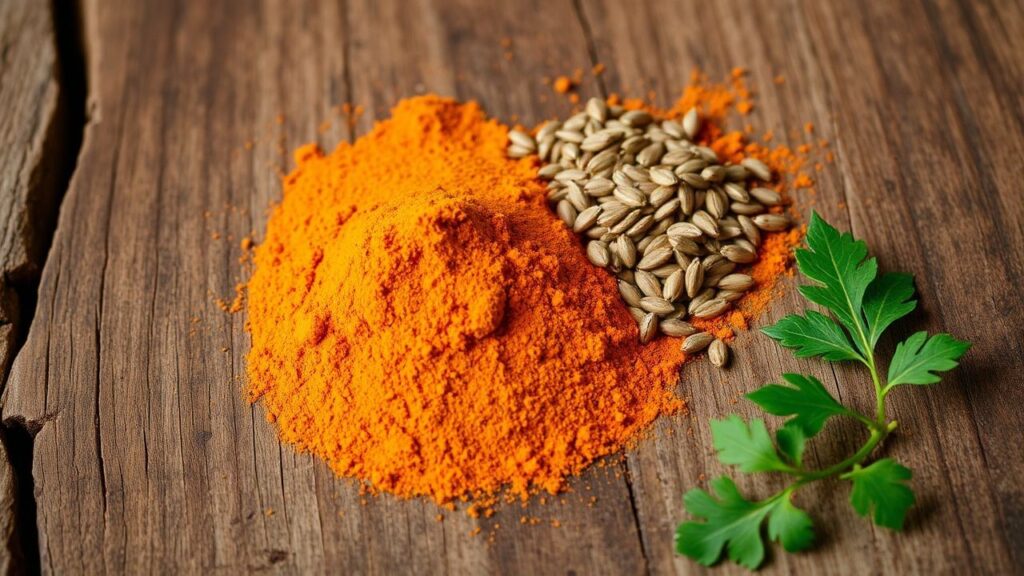
The spices are the true conductors of this culinary symphony. A classic blend for a coconut curry lentil soup often includes turmeric for its earthy hue and mild bitterness, cumin for its warm, smoky notes, coriander for its citrusy, floral undertones, and a touch of cayenne or chili powder for a gentle, lingering heat. Toasting these spices, either dry in a pan or bloomed in hot oil with the aromatics, is critical. This process unlocks their volatile oils, intensifying their flavors and aromas, preventing any raw, powdery taste.
The Heart of the Matter: Lentils and Their Perfect Companions
Lentils are the unsung heroes of the plant-based world, offering a nutritional powerhouse and remarkable versatility in texture and flavor absorption. For this soup, the choice of lentil is as important as the spice blend.
Choosing Your Lentils Wisely
Red and yellow lentils (also known as *masoor dal* and *toor dal*, respectively) are often the preferred choice for this type of soup. Their primary advantage lies in their ability to break down during cooking, lending a natural creaminess and thickening the soup without the need for added starches or a lengthy simmering time. This makes them ideal for achieving that characteristic velvety texture. Brown or green lentils, while excellent for other dishes, tend to hold their shape more, resulting in a chunkier soup that might not achieve the same luxurious mouthfeel. The starch released from red and yellow lentils acts as a natural emulsifier, helping to bind the liquids and create a cohesive, satisfying texture.
The Supporting Cast: Vegetables and Liquids
While lentils are the stars, the supporting cast of vegetables and liquids matter significantly in building complexity and depth. Diced carrots and celery add a subtle sweetness and earthy notes that complement the lentils beautifully. Finely chopped tomatoes, whether fresh or canned, introduce a welcome acidity that cuts through the richness of the coconut milk and balances the spices. The liquid base is equally important. A good quality vegetable broth provides a savory foundation, while the creamy richness of full-fat coconut milk is what truly defines this dish, lending its signature luxurious texture and subtle tropical sweetness.
The Master Recipe: Crafting Your Coconut Curry Lentil Soup
This recipe is designed to be a starting point, a robust framework upon which you can build your own culinary masterpiece. Precision in measurement and technique will yield the most satisfying results.
Ingredients:
- For the Aromatics and Spices:
- 2 tablespoons coconut oil (or other neutral oil like avocado or grapeseed)
- 1 large yellow onion, finely chopped (about 1.5 cups)
- 3-4 cloves garlic, minced
- 1-inch piece fresh ginger, grated or finely minced
- 1 teaspoon ground turmeric
- 1 teaspoon ground cumin
- 1 teaspoon ground coriander
- ½ teaspoon cayenne pepper (or more, to taste)
- ¼ teaspoon ground cinnamon (optional, for warmth)
- Salt, to taste
- For the Soup Base:
- 1 cup red lentils, rinsed thoroughly
- 1 (14.5 ounce / 400g) can diced tomatoes, undrained
- 4 cups (32 fl oz / 950ml) vegetable broth
- 1 (13.5 ounce / 400ml) can full-fat coconut milk
- 1-2 medium carrots, peeled and diced
- 1-2 stalks celery, diced
- For Finishing and Garnish:
- 1 tablespoon fresh lime juice
- Fresh cilantro, chopped, for garnish
- Additional coconut milk or yogurt (dairy or non-dairy), for drizzling (optional)
- Toasted slivered almonds or cashews (optional)
Preparation Method: A Step-by-Step Guide
1. Bloom the Aromatics and Spices: Heat the coconut oil in a large, heavy-bottomed pot or Dutch oven over medium heat. Add the chopped onion and sauté until softened and translucent, about 5-7 minutes. Stir in the minced garlic and grated ginger and cook for another 1-2 minutes until fragrant, taking care not to burn the garlic. Add the turmeric, cumin, coriander, cayenne pepper, and cinnamon (if using). Stir continuously for about 30-60 seconds, allowing the spices to bloom in the hot oil. This crucial step intensifies their flavor and aroma.
2. Incorporate Tomatoes and Broth: Add the can of diced tomatoes (with their juice) to the pot. Stir well, scraping up any browned bits from the bottom of the pot. Pour in the vegetable broth and bring the mixture to a simmer.
3. Add Lentils and Vegetables: Stir in the rinsed red lentils, diced carrots, and diced celery. Bring the soup back to a gentle simmer, then reduce the heat to low, cover, and cook for 20-25 minutes, or until the lentils are tender and have begun to break down, and the vegetables are cooked through. Stir occasionally to prevent sticking.
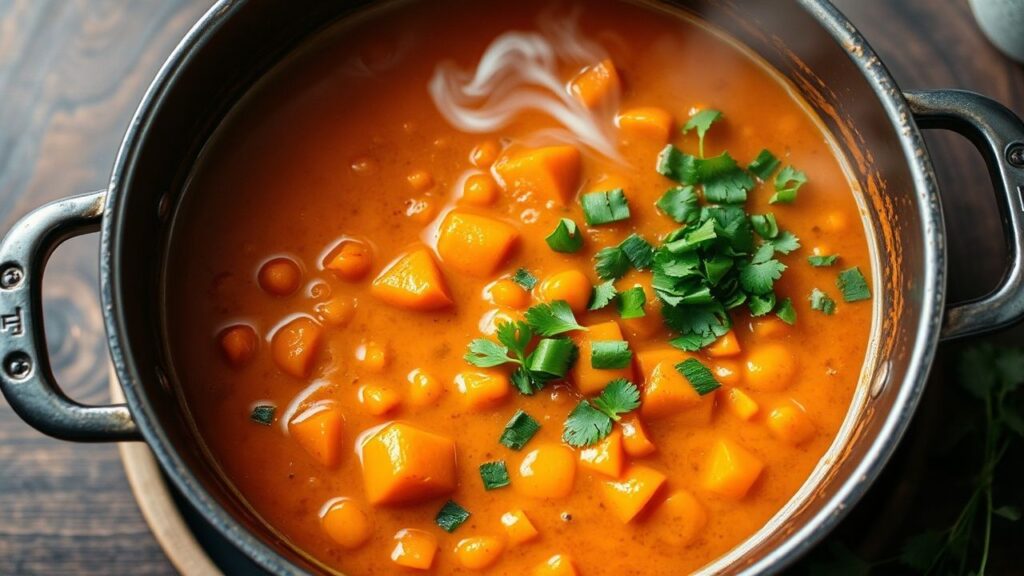
4. Enrich with Coconut Milk: Pour in the full-fat coconut milk and stir to combine. Continue to simmer gently, uncovered, for another 5-10 minutes, allowing the flavors to meld and the soup to thicken slightly. Do not boil vigorously after adding the coconut milk, as it can sometimes separate.
5. Season and Finish: Remove the pot from the heat. Stir in the fresh lime juice. Taste and adjust seasoning with salt and additional cayenne pepper if desired. The lime juice brightens all the flavors and adds a crucial element of balance.
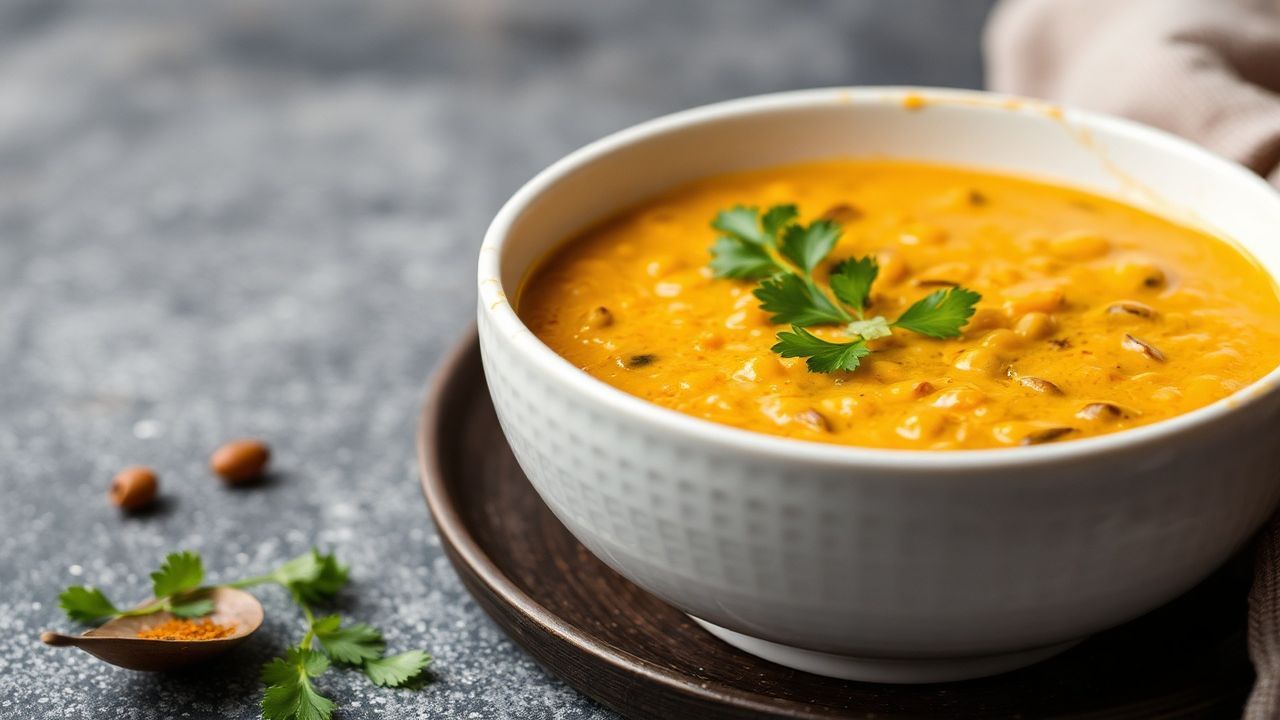
6. Serve: Ladle the hot soup into bowls. Garnish generously with fresh chopped cilantro. For an extra touch of richness and visual appeal, drizzle with a swirl of coconut milk or a dollop of yogurt, and sprinkle with toasted nuts if using.
Nutritional Snapshot: A Wholesome Indulgence
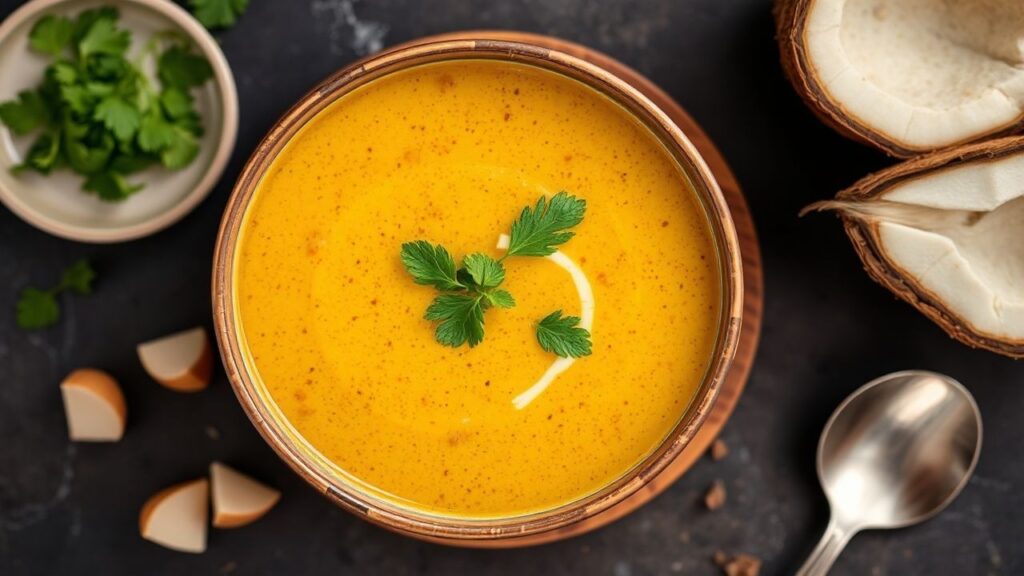
This coconut curry lentil soup is a nutritional powerhouse, packed with plant-based protein, fiber, and essential vitamins and minerals.
- Serving Size: Approximately 2 cups (470ml)
- Calories: 350-450 (Varies based on exact ingredient amounts and additions)
- Protein: 15-20g
- Fiber: 10-15g
- Fat: 15-25g (Primarily from coconut milk and oil)
- Carbohydrates: 40-50g
- Vitamins & Minerals: Excellent source of iron, folate, potassium, and vitamins A and C.
The fiber content aids in digestion and promotes satiety, while the protein from the lentils makes this a satisfying meal. The healthy fats from the coconut milk contribute to nutrient absorption and provide a rich mouthfeel.
Elevating Your Coconut Curry Lentil Soup: Pro-Tips for Perfection
Transforming this comforting soup into a restaurant-quality dish involves a few nuanced touches that demonstrate a deeper understanding of flavor development.
Mastering Spice Nuances and Variations
The spice blend is where true artistry can shine. While the recipe provides a solid foundation, don’t hesitate to experiment. For a more complex, layered flavor, consider adding a pinch of garam masala towards the end of cooking; this Indian spice blend, typically containing cardamom, cinnamon, cloves, and black pepper, adds a warm, aromatic finish. A touch of smoked paprika can introduce a subtle smokiness that complements the earthiness of the lentils. For a brighter, more citrusy note, consider adding a stalk of bruised lemongrass or a few slices of fresh galangal along with the ginger. These additions are common in Thai curries and can lend a delightful twist to your lentil soup.
The Art of Texture and Consistency
Achieving the perfect soup consistency is a matter of personal preference, but there are techniques to fine-tune it. If your soup is too thick, simply thin it out with a little more vegetable broth or water. If it’s too thin, you can simmer it uncovered for a longer period to allow some of the liquid to evaporate, or, as mentioned, use an immersion blender to break down some of the lentils and vegetables, which will naturally thicken the soup. Ensure you rinse your lentils thoroughly before cooking; this removes any residual starch or “dust” that can make the soup cloudy or have an off-flavor.
Beyond the Basics: Creative Additions
This soup is a magnificent canvas for a variety of vegetables. Spinach or kale can be stirred in during the last 5 minutes of cooking until wilted, adding a boost of greens and nutrients. Sweet potatoes or butternut squash, diced into small cubes, can be added along with the carrots and celery, providing a delightful sweetness and creamy texture when cooked. For a touch of umami, a tablespoon of nutritional yeast can be stirred in at the end, adding a cheesy, savory depth, particularly beneficial for vegan versions. A swirl of tahini can also add a nutty richness and creamy counterpoint to the spices.
Conclusion: A Bowl of Comfort and Culinary Exploration
The coconut curry lentil soup stands as proof of the power of simple ingredients transformed by global flavors and thoughtful preparation. It is a dish that nourishes, comforts, and inspires, offering a warm embrace with every spoonful. Whether you are a seasoned cook or embarking on your culinary journey, this soup provides an accessible yet deeply rewarding experience. Its inherent adaptability ensures it can be tailored to individual tastes and dietary needs, making it a true all-rounder in the modern kitchen. Embrace the warmth, savor the spices, and enjoy the profound satisfaction that comes from a perfectly crafted bowl of coconut curry lentil soup.
Frequently Asked Questions
What are the best types of lentils for coconut curry lentil soup?
For a creamy, thick soup, red and yellow lentils are ideal. They break down significantly during cooking, creating a naturally velvety texture without the need for additional thickeners. Brown and green lentils, while nutritious, tend to hold their shape more, resulting in a chunkier soup. If you prefer a heartier, more textured soup, you can use a mix of red and green lentils, adjusting the cooking time accordingly.
Can I make coconut curry lentil soup ahead of time?
Absolutely. Coconut curry lentil soup is an excellent candidate for meal prep. In fact, the flavors often meld and deepen overnight, making it even more delicious the next day. Store cooled soup in an airtight container in the refrigerator for up to 3-4 days. Reheat gently on the stovetop over low heat, adding a splash of vegetable broth or water if it has become too thick. Avoid boiling vigorously after reheating.
How can I adjust the spice level of this soup?
The spice level can be easily adjusted by modifying the amount of cayenne pepper (or other chili powder) used. For a milder soup, start with ¼ teaspoon or even omit the cayenne pepper entirely. If you prefer a spicier kick, you can increase the cayenne to ½ teaspoon or even a full teaspoon, depending on your preference. You can also add a pinch of red pepper flakes along with the other spices for an additional layer of heat. Remember that the heat from chili peppers can intensify as the soup sits, so it’s often best to err on the side of caution and add more heat gradually.
Is coconut curry lentil soup vegan?
Yes, the recipe as provided is inherently vegan, assuming you use vegetable broth and a dairy-free yogurt or omit the yogurt garnish. Coconut milk is a plant-based ingredient, and lentils are legumes. Ensure that any optional garnishes like yogurt are also vegan alternatives if you are adhering to a strict vegan diet.
See also: Coconut curry