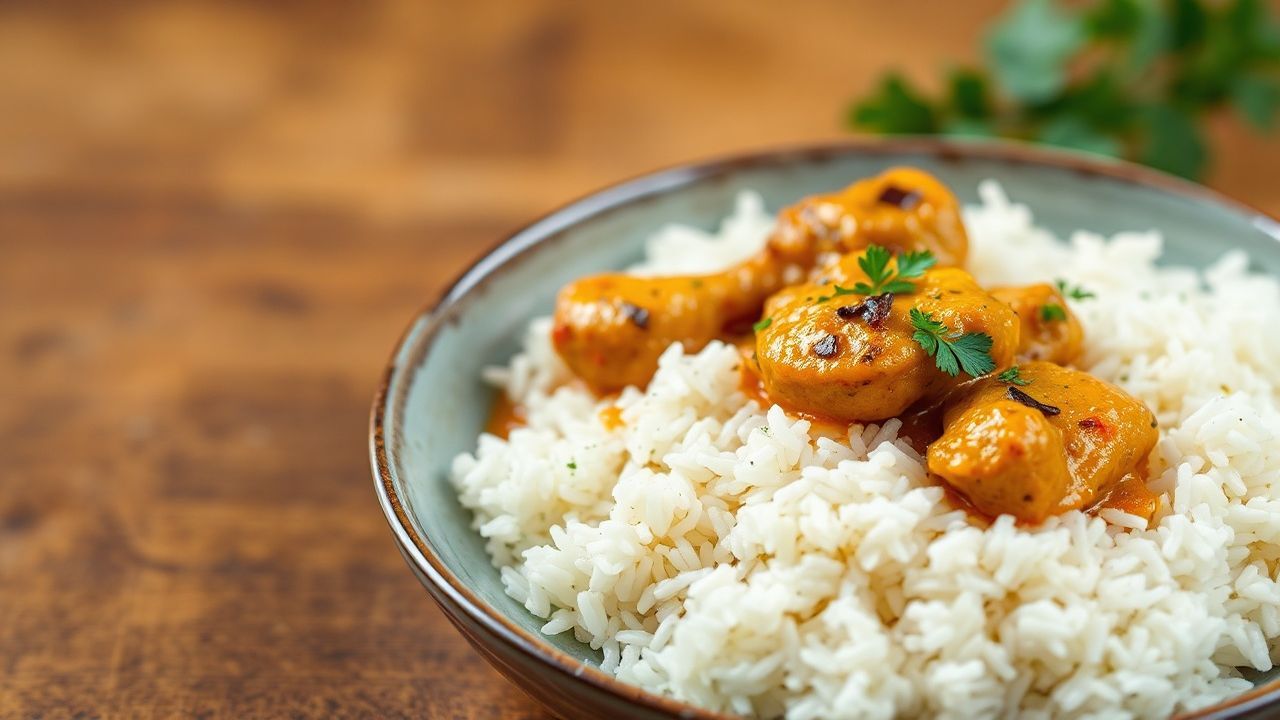

A Symphony of Spices: Unlocking the Comfort of Mild Curry Chicken
The aroma is the first harbinger of comfort: a gentle waft of toasted cumin, coriander, and a whisper of ginger, mingling with the sweetness of onion and the subtle warmth of turmeric. It’s a scent that evokes home, a moment of quiet indulgence, and the promise of a deeply satisfying meal. For many, a mild curry chicken, served alongside perfectly steamed basmati rice, represents the pinnacle of approachable, yet profoundly flavorful, home cooking. It’s a dish that transcends culinary boundaries, proof of the power of nuanced spice blending and the elegant simplicity of well-executed rice. This isn’t about a fiery assault on the palate, but rather a harmonious dance of flavors, where each ingredient plays its part without overpowering the others. The challenge, and indeed the artistry, lies in coaxing out these delicate notes, transforming humble chicken and pantry staples into a dish that is both nourishing and exquisitely delicious.
- A Symphony of Spices: Unlocking the Comfort of Mild Curry Chicken
- The Foundation: Selecting and Preparing Your Ingredients
- Chicken: The Versatile Canvas
- Aromatic Base: The Soul of the Curry
- Spices: The Art of the Blend
- The Liquid Embrace: Creating the Sauce
- Fat and Flavor Enhancers
- Basmati Rice: The Perfect Partner
- The Ritual of Preparation: Crafting Your Mild Curry Chicken
- Step 1: Preparing the Rice – The Aromatic Bed
- Step 2: Building the Aromatic Base – The Flavor Genesis
- Step 3: Blooming the Spices – Releasing Their Essence
- Step 4: Developing the Sauce – The Melding of Flavors
- Step 5: Cooking the Chicken – Achieving Tenderness
- Step 6: Finishing Touches and Serving
- Nutritional Insights: A Balanced and Nourishing Meal
- Elevating Your Curry Chicken: Expert Pro-Tips
- Frequently Asked Questions
- What makes this curry chicken recipe “mild”?
- How can I adjust the spice level of this mild curry chicken recipe?
- Can I make this curry chicken recipe ahead of time?
- What are some good variations or additions to this mild curry chicken?
- Mastering the Spice Balance: The key to a truly exceptional mild curry chicken lies in understanding how to layer subtle spices, avoiding any single note from dominating.
- The Perfect Rice Foundation: Fluffy, aromatic basmati rice is not a mere accompaniment but an integral component, its delicate perfume and texture complementing the curry.
- Technique Over Intensity: Achieving depth of flavor in a mild curry relies on patient sautéing and slow simmering, allowing ingredients to meld beautifully.
- Adaptability is Key: This foundational recipe for mild curry chicken can be easily customized to suit individual preferences and dietary needs.
The enduring appeal of curry chicken, particularly in its milder iterations, speaks volumes about our innate desire for food that comforts and nourishes. Consider the global reach of such dishes. In the United Kingdom, for instance, chicken tikka masala, a dish often characterized by its creamy, tomato-based sauce and mild spice profile, has become a national dish, proof of how adaptations of traditional curry recipes can resonate deeply with a diverse populace. This particular recipe for mild curry chicken aims to capture that same spirit of accessible, comforting flavor, building upon foundational techniques that have been refined over generations. It’s a dish that invites participation, encouraging cooks of all levels to explore the joys of aromatic spices and the satisfaction of a perfectly executed meal.
The Foundation: Selecting and Preparing Your Ingredients
The success of any dish, especially one as nuanced as mild curry chicken, hinges on the quality and thoughtful selection of its components. This isn’t merely about ticking boxes on a shopping list; it’s about understanding how each element contributes to the final symphony of flavors and textures.
Chicken: The Versatile Canvas
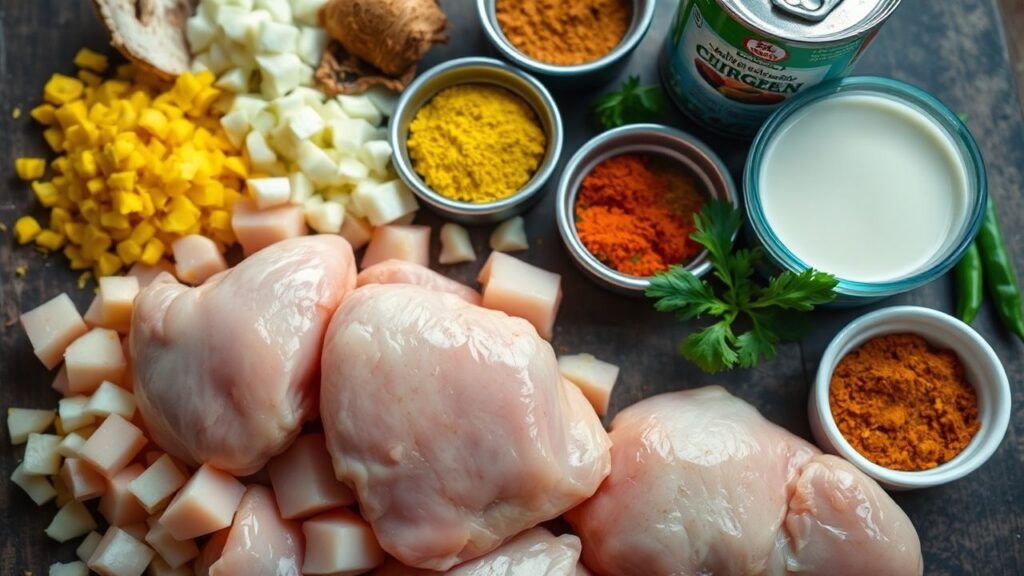
For a mild curry chicken, the choice of chicken is paramount. Boneless, skinless chicken thighs are my preferred cut. Their higher fat content ensures they remain succulent and moist throughout the cooking process, absorbing the aromatic curry sauce beautifully without drying out. While chicken breast can be used, it requires more careful monitoring to prevent it from becoming tough and stringy. If opting for breast, cut it into slightly larger pieces to provide a greater margin for error.
- Quantity: 700g (approximately 1.5 lbs)
- Cut: Boneless, skinless chicken thighs, cut into 2.5-3 cm (1-inch) cubes.
Aromatic Base: The Soul of the Curry
The foundation of any great curry is its aromatic base, often referred to as the *’soffritto’* or *’mirepoix’* in Western cooking, but with a distinctly Eastern inflection. This is where the initial layers of flavor are built, and patience is rewarded tenfold.
- Onions: 2 medium-sized yellow onions, finely chopped. Their sweetness, when caramelized, forms a crucial base.
- Garlic: 4-5 cloves, minced. The pungent aroma of fresh garlic is indispensable.
- Ginger: A 5 cm (2-inch) piece of fresh ginger, grated or finely minced. Its zesty warmth cuts through richness and adds brightness.
- **Green Chilies (Optional for Mildness): 1-2 small green chilies, deseeded and finely chopped (adjust to your preference for heat; for truly mild, omit or use just half of one).
Spices: The Art of the Blend
This is where the magic truly happens. For a mild curry chicken, the aim is to create a fragrant, complex profile without overwhelming heat. The quality of your spices matters; freshly ground spices offer a depth of flavor that pre-ground varieties simply cannot match.
- Ground Coriander: 2 tablespoons. This forms the backbone of many curry blends, offering a citrusy, earthy note.
- Ground Cumin: 1 tablespoon. Adds warmth and a slightly smoky depth.
- Turmeric Powder: 1 teaspoon. Primarily for its vibrant color and subtle earthy undertones.
- Garam Masala: 1 teaspoon. A warming blend of ground spices, often added towards the end of cooking to preserve its aromatic qualities.
- **Cayenne Pepper (Optional, for a whisper of heat): ¼ teaspoon. Use sparingly, if at all, for a very mild curry.
The Liquid Embrace: Creating the Sauce
The sauce is what brings everything together, transforming individual ingredients into a cohesive, luxurious dish.
- Crushed Tomatoes: 400g (14 oz) can of good quality crushed tomatoes. They provide acidity and body.
- Coconut Milk: 400ml (13.5 oz) can of full-fat coconut milk. This is crucial for achieving a creamy, mild, and luscious sauce.
- Chicken Broth or Water: 100ml (about ½ cup). To adjust consistency.
Fat and Flavor Enhancers
- Ghee or Vegetable Oil: 2 tablespoons. Ghee offers a richer, nuttier flavor, while vegetable oil is a neutral choice.
- Salt: To taste. Essential for bringing out all the other flavors.
- Fresh Cilantro: A generous handful, chopped, for garnish. Its fresh, herbaceous notes provide a delightful contrast.
Basmati Rice: The Perfect Partner
The accompanying rice is as important as the curry itself. High-quality basmati rice, with its long, slender grains and intoxicating fragrance, is the ideal choice.
- Basmati Rice: 300g (about 1.5 cups).
- Water: 450ml (about 1.75 cups, or follow package instructions).
- Salt: ½ teaspoon.
- Optional Aromatics for Rice: A few green cardamom pods, a small piece of cinnamon stick, or a bay leaf can be added to the cooking water for an extra layer of fragrance.
The Ritual of Preparation: Crafting Your Mild Curry Chicken
The process of making curry chicken is as much about patience and technique as it is about the ingredients themselves. Each step builds upon the last, coaxing out depth and complexity.
Step 1: Preparing the Rice – The Aromatic Bed
While the curry simmers, the basmati rice can be prepared. This ensures it’s ready to soak up the glorious sauce the moment it’s needed.
1. Rinse the Rice: Place the basmati rice in a fine-mesh sieve and rinse under cold running water until the water runs clear. This removes excess starch and prevents the rice from becoming gummy.
2. Combine and Cook: In a medium saucepan, combine the rinsed rice, 450ml (about 1.75 cups) of cold water, ½ teaspoon of salt, and any optional aromatics you wish to use (cardamom pods, cinnamon stick, bay leaf).
3. Bring to a Boil: Bring the mixture to a rolling boil over medium-high heat.
4. Simmer and Steam: Once boiling, immediately reduce the heat to the lowest setting, cover the saucepan tightly with a lid, and let it simmer for 12-15 minutes. Do not lift the lid during this time.
5. Rest: After 12-15 minutes, remove the saucepan from the heat and let it stand, still covered, for another 5-10 minutes. This steaming period is crucial for perfectly fluffy rice.
6. Fluff: Gently fluff the rice with a fork, removing any whole spices if desired. Keep covered until serving.
Step 2: Building the Aromatic Base – The Flavor Genesis
This is where the foundation of your mild curry chicken is laid. It requires a gentle hand and a keen nose.
1. Heat the Fat: In a large, heavy-bottomed pot or Dutch oven, heat 2 tablespoons of ghee or vegetable oil over medium heat.
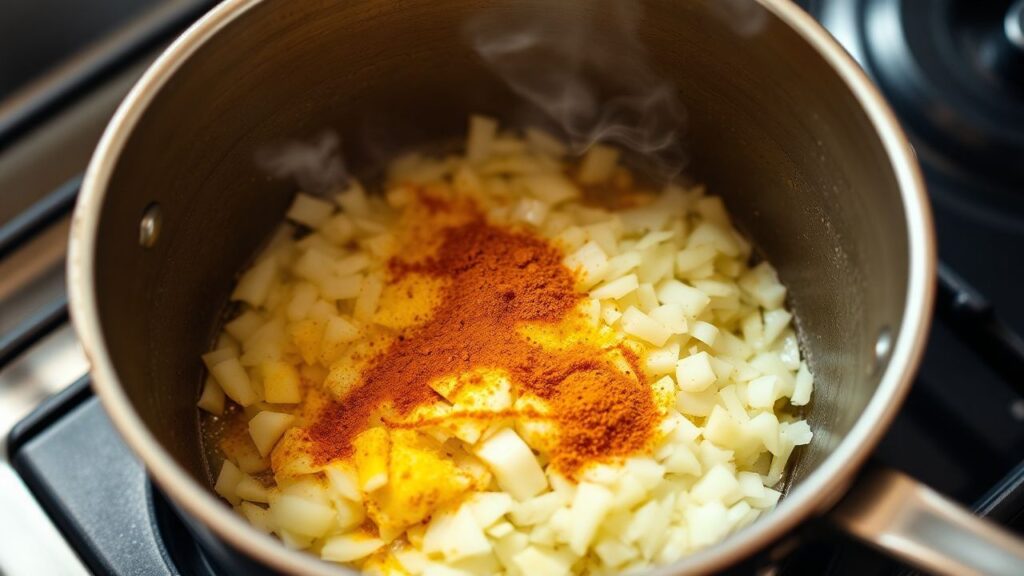
2. Sauté Onions: Add the finely chopped onions and cook, stirring occasionally, for 8-10 minutes, or until they are softened and translucent. Avoid browning them excessively; we are looking for sweetness, not caramelization that can introduce bitterness.
3. Add Garlic and Ginger: Stir in the minced garlic and grated ginger, along with the finely chopped green chilies (if using). Cook for another 1-2 minutes until fragrant, being careful not to burn the garlic.
Step 3: Blooming the Spices – Releasing Their Essence
This step is critical for unlocking the full aromatic potential of your spices. Toasting them briefly in the hot oil with the aromatics intensifies their flavor.
1. Introduce the Powders: Add the ground coriander, ground cumin, and turmeric powder to the pot.
2. Stir and Sauté: Stir continuously for 30-60 seconds, allowing the spices to toast gently. You’ll notice their fragrance intensifying. This process, known as ‘blooming,’ is essential for a vibrant curry.
3. Add Cayenne (if using): If you’re adding a whisper of heat, stir in the cayenne pepper now and cook for another 15 seconds.
Step 4: Developing the Sauce – The Melding of Flavors
Now, the liquid elements are introduced, and the curry begins to take on its characteristic form.
1. Add Tomatoes: Pour in the crushed tomatoes. Stir well, scraping up any browned bits from the bottom of the pot. Cook for 3-5 minutes, allowing the tomatoes to break down slightly and meld with the spice base.
2. Introduce Coconut Milk and Broth: Pour in the full-fat coconut milk and the chicken broth (or water). Stir everything together until well combined.
3. Season: Season generously with salt. Remember, you can always add more later, but you can’t take it away.
Step 5: Cooking the Chicken – Achieving Tenderness
This is where the curry truly comes to life, as the chicken simmers and absorbs the aromatic sauce.
1. Add Chicken: Carefully add the cubed chicken thighs to the simmering sauce. Ensure each piece is submerged.
2. Simmer Gently: Bring the curry back to a gentle simmer. Reduce the heat to low, cover the pot, and cook for 20-25 minutes, or until the chicken is cooked through and tender. Stir occasionally to prevent sticking.
3. Thicken (if necessary): If the sauce seems too thin after 20 minutes, remove the lid and let it simmer gently for another 5-10 minutes to reduce and thicken. Conversely, if it becomes too thick, you can add a splash more broth or water.
4. Add Garam Masala: Stir in the garam masala during the last 5 minutes of cooking. This preserves its fragrant aromas.
Step 6: Finishing Touches and Serving
The final moments of preparation are about enhancing and presenting the dish.
1. Taste and Adjust: Taste the curry and adjust the seasoning with salt as needed. This is your last chance to perfect the flavor profile.
2. Garnish: Stir in most of the chopped fresh cilantro, reserving a little for garnish.
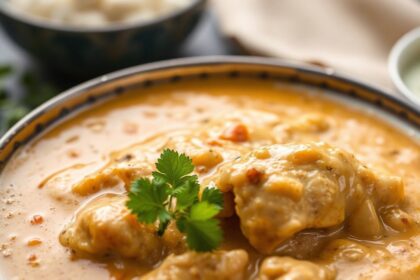
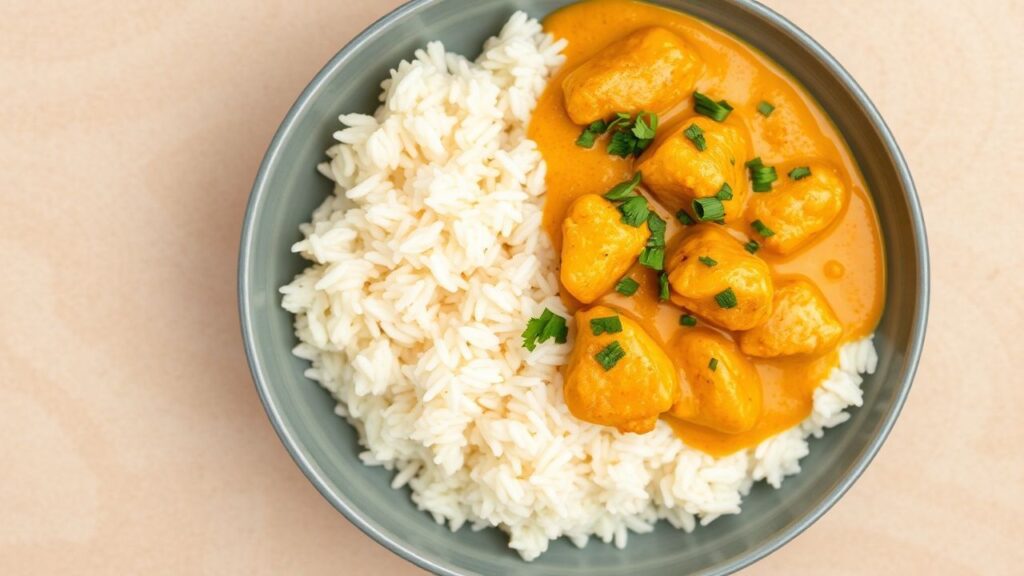
3. Serve: Ladle the fragrant mild curry chicken generously over the fluffy basmati rice. Garnish with the remaining fresh cilantro.
Nutritional Insights: A Balanced and Nourishing Meal
A well-prepared mild curry chicken with basmati rice offers a balanced nutritional profile, providing a good source of protein, complex carbohydrates, and essential nutrients. While exact figures will vary based on specific ingredients and portion sizes, here is an approximate breakdown per serving (assuming 4 servings).
| Nutrient | Approximate Amount |
|---|---|
| Calories | 550-650 kcal |
| Protein | 35-45 g |
| Fat | 20-30 g (depending on coconut milk and ghee/oil) |
| Saturated Fat | 10-15 g |
| Carbohydrates | 40-50 g |
| Fiber | 4-6 g |
| Sodium | 400-600 mg (depending on added salt and broth) |
This dish is a good source of lean protein from the chicken, crucial for muscle repair and satiety. The basmati rice provides complex carbohydrates for sustained energy, and its fiber content aids digestion. The spices themselves, while used in small quantities, offer a range of antioxidant and anti-inflammatory properties. Turmeric, in particular, contains curcumin, which has been extensively studied for its health benefits. The coconut milk, while contributing to the fat content, also provides medium-chain triglycerides (MCTs), which are metabolized differently by the body.
Elevating Your Curry Chicken: Expert Pro-Tips
Transforming a good mild curry chicken into an exceptional one is about refining techniques and understanding the subtle nuances that elevate a home-cooked meal to restaurant-quality.
- Marinate the Chicken: For an even more tender and flavorful chicken, consider marinating the chicken pieces for at least 30 minutes (or up to 4 hours in the refrigerator) in a mixture of plain yogurt, a little grated ginger and garlic, and a pinch of salt and turmeric. This tenderizes the meat and infuses it with flavor from within.
- Sear the Chicken: After marinating, you can lightly sear the chicken pieces in a separate pan until golden brown on all sides before adding them to the simmering curry. This adds another layer of complexity and a delightful textural contrast.
- Fresh vs. Ground Spices: While this recipe calls for ground spices for ease, consider toasting whole spices like cumin seeds, coriander seeds, and a few cloves in a dry pan until fragrant, then grinding them yourself. This will impart an unparalleled depth of aroma.
- The Creaminess Factor: For an extra decadent sauce, you can stir in a tablespoon or two of heavy cream or cashew paste in the final minutes of cooking.
- Balance the Acidity: If the curry tastes a little too rich or flat, a small squeeze of fresh lemon or lime juice just before serving can brighten all the flavors.
- The Rice Aroma: Infusing the rice cooking water with aromatics like a bay leaf, a few green cardamom pods, or a small piece of cinnamon stick adds a subtle yet delightful fragrance that perfectly complements the curry.
The art of the mild curry chicken is not about the absence of spice, but the intelligent and balanced application of it. It’s about creating a sensory experience that is both comforting and exciting. The journey from raw ingredients to the final plated dish is proof of the transformative power of cooking, a process that nourishes not just the body, but the soul.
Frequently Asked Questions
What makes this curry chicken recipe “mild”?
The mildness of this curry chicken recipe is achieved through a deliberate selection and proportion of spices. We use a base of fragrant but not intensely hot spices like coriander, cumin, and turmeric. Crucially, the recipe either omits chilies entirely or uses a very small quantity, with the option to deseed them to minimize heat. The richness and creaminess of the coconut milk also help to temper any potential spiciness, creating a smooth, gentle flavor profile that is accessible to a wide range of palates.
How can I adjust the spice level of this mild curry chicken recipe?
Adjusting the spice level is straightforward. To increase the heat, you can add more green chilies, leaving the seeds in for more potent heat, or incorporate a pinch more cayenne pepper. For an even more intense, but still manageable, warmth, consider adding a small amount of red chili flakes towards the end of cooking. Conversely, to ensure absolute mildness, simply omit the green chilies and cayenne pepper altogether. The base of coriander, cumin, and turmeric will still provide excellent flavor without any heat.
Can I make this curry chicken recipe ahead of time?
Yes, this mild curry chicken recipe is an excellent candidate for making ahead. In fact, the flavors often meld and deepen beautifully when allowed to rest overnight. Store the cooked curry and rice separately in airtight containers in the refrigerator for up to 3-4 days. Reheat gently on the stovetop over low heat, stirring occasionally, or in the microwave. You may need to add a splash of water or broth to loosen the sauce when reheating. For best results, add fresh cilantro just before serving.
What are some good variations or additions to this mild curry chicken?
This recipe serves as a fantastic base for numerous variations. You can add a variety of vegetables, such as cubed potatoes, cauliflower florets, peas, or spinach, during the last 10-15 minutes of simmering. For a richer texture, stir in some pan-fried paneer or tofu along with the chicken. A swirl of plain yogurt or a dollop of sour cream upon serving can also add a delightful tang. For those who enjoy a hint of sweetness, a tablespoon of mango chutney stirred in at the end can be a wonderful addition. Exploring different types of coconut milk, such as light coconut milk for a less rich version, is also an option, though full-fat yields the most luxurious texture.
See also: Curry chicken