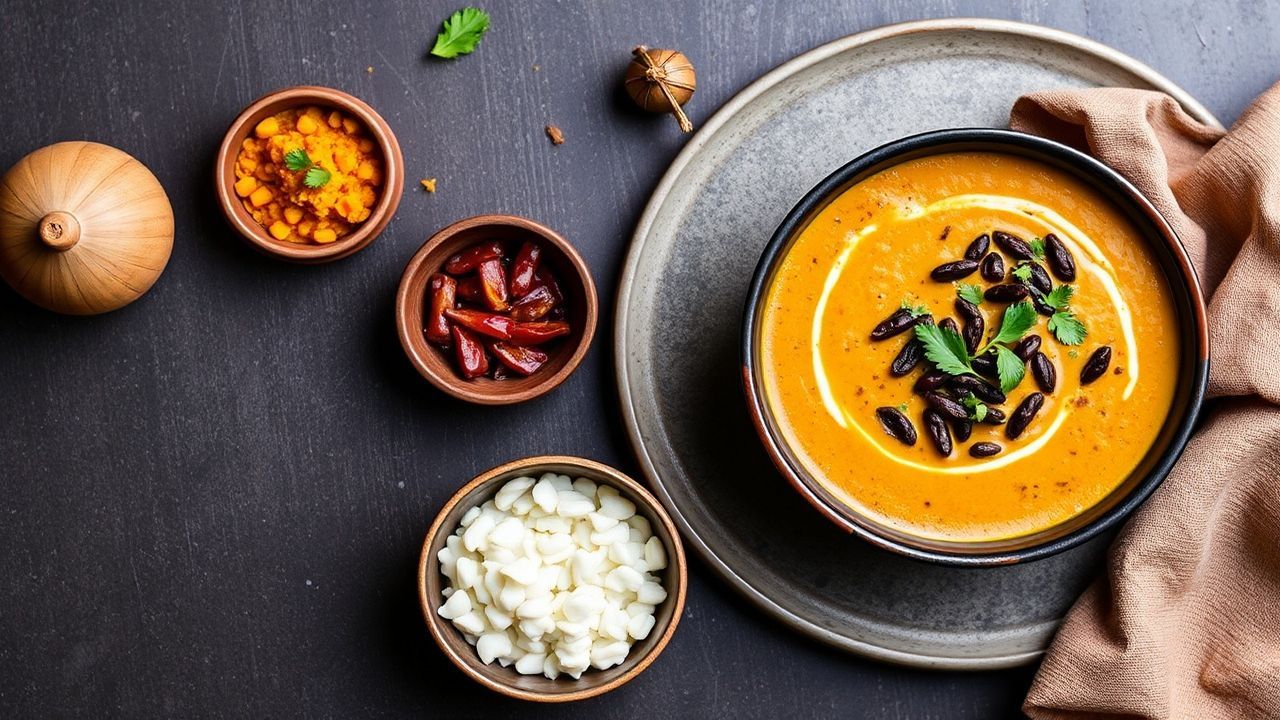

Dal Makhani: The Soulful Symphony of Indian Comfort Food
- The Art of Achieving Perfect Dal Makhani
- Nutritional Profile: A Wholesome Indulgence
- Elevating Dal Makhani to Restaurant-Caliber Perfection
- The Patience of the Simmer: A Non-Negotiable
- The Mystique of the Smoke: Dhungar Technique
- The Quality of Dairy: The Unsung Hero
- The Balancing Act of Spices
- The Final Flourish: Kasoori Methi and Fresh Garnishes
- A Culinary Legacy: Dal Makhani’s Enduring Appeal
- Frequently Asked Questions
“The act of cooking, for me, is an act of love. It’s about nourishing not just the body, but the soul.” – Madhur Jaffrey
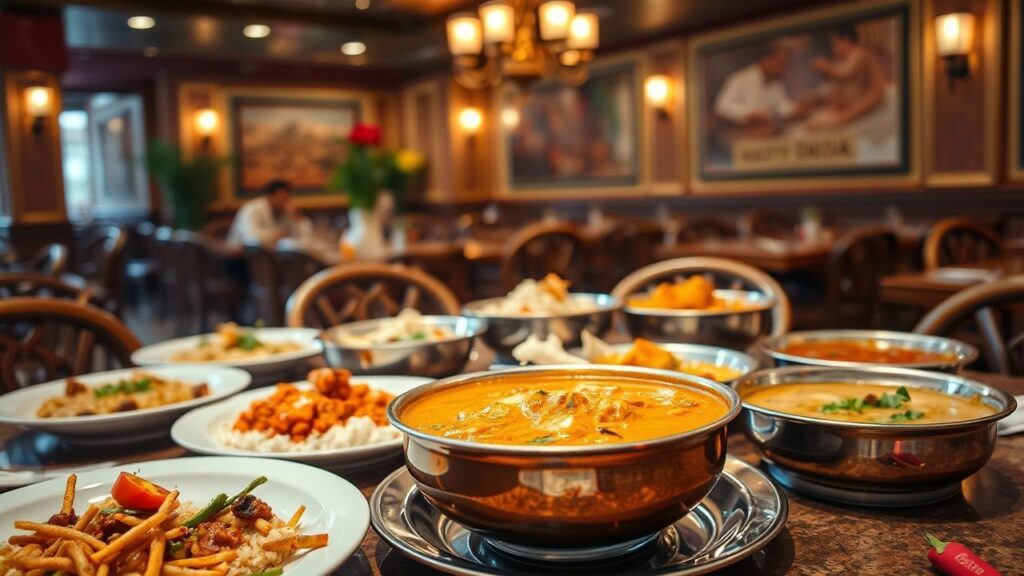
The aroma that wafts from a pot of simmering Dal Makhani is more than just a scent; it’s an olfactory embrace, a preamble to a deeply satisfying culinary experience. This celebrated dish, a cornerstone of North Indian cuisine, transcends mere sustenance to become an emblem of hospitality, celebration, and profound comfort. Its velvety texture, rich, smoky undertones, and nuanced spice profile have captivated palates for generations, making it a perennial favorite in homes and restaurants alike. But what is it about these humble black lentils, transformed through patient cooking and a symphony of aromatics, that earns Dal Makhani such reverence? It’s a story woven with tradition, regional evolution, and a masterful understanding of flavour.
At a Glance: Key Takeaways for Mastering Dal Makhani
- The Slow Cook is Paramount: Authentic Dal Makhani demands time; it’s not a dish to be rushed. The extended simmering is crucial for achieving the signature creamy texture and deep flavour.
- Quality Ingredients Define Excellence: From the urad dal and rajma to the butter and cream, using the finest components is non-negotiable for a truly exceptional Dal Makhani.
- Balancing Flavours is Key: The interplay between the earthiness of the lentils, the richness of dairy, and the subtle warmth of spices is a delicate dance that defines this dish.
- Smoky Nuances Elevate: The optional, but highly recommended, *dhungar* (smoking) technique adds a layer of complexity that distinguishes a good Dal Makhani from a great one.
The origins of Dal Makhani are often traced back to the kitchens of Delhi, particularly in the post-partition era. While lentil dishes are ubiquitous across India, the specific combination of whole black lentils (*urad dal*) and kidney beans (*rajma*), slow-cooked to a luscious consistency and enriched with cream and butter, gained prominence through legendary eateries like Moti Mahal. These establishments, some of the earliest pioneers of Mughlai and North Indian cuisine in the capital, honed the recipe, transforming a simple home-style lentil preparation into a restaurant showstopper. The dish embodies the spirit of Punjabi generosity, where abundance and rich flavours are celebrated. It’s proof of how simple ingredients, treated with respect and patience, can yield extraordinary results. The evolution of Dal Makhani has seen variations emerge, but the core essence – a deeply flavourful, creamy, and comforting lentil stew – remains its enduring appeal.
The Art of Achieving Perfect Dal Makhani
Crafting an exceptional Dal Makhani is an exercise in patience and precision. It’s a dish where the alchemy of time and temperature unlocks layers of flavour and transforms humble pulses into a luxurious, almost pudding-like consistency. The foundation of this masterpiece lies in the careful selection and preparation of the lentils. Whole black urad dal, with its dense, oily nature, provides the creamy base, while a smaller proportion of kidney beans (*rajma*) adds a subtle textural contrast and a deeper, earthier undertone. The slow cooking process is not merely a method; it’s a philosophy. It allows the lentils to break down, releasing their starches and creating a naturally thick, unctuous sauce without the need for excessive thickeners.
The marriage of aromatics and spices is where Dal Makhani truly sings. The initial tempering of cumin seeds and asafoetida in hot ghee or oil awakens the palate. Then comes the slow sauté of onions, ginger, garlic, and tomatoes, cooked down to a rich paste that forms the flavourful backbone of the curry. The spice blend is typically restrained, allowing the natural flavours of the lentils and the richness of the dairy to shine. Common additions include coriander powder, turmeric, red chili powder, and garam masala, each contributing its unique warmth and aroma without overpowering the delicate balance. The liberal use of butter and cream, a hallmark of this dish, is not about gratuitous richness, but about achieving that signature velvety mouthfeel and mellowing the spices.
Ingredients: The Pillars of Dal Makhani
Achieving the authentic taste of Dal Makhani hinges on the quality and precise measurement of its components. This recipe aims for a traditional rendition, balancing richness with a complex flavour profile.
For the Lentils:
- 1 cup (200g) whole black urad dal (sabut urad dal)
- 1/4 cup (50g) kidney beans (rajma)
- 6 cups (1.5 litres) water, for soaking and cooking
- 1 teaspoon salt
For the Masala Base:
- 2 tablespoons ghee (clarified butter) or unsalted butter
- 1 teaspoon cumin seeds (jeera)
- 1/4 teaspoon asafoetida (hing)
- 1 large onion (approx. 150g), finely chopped
- 1 tablespoon ginger-garlic paste (equal parts fresh ginger and garlic, ground)
- 2 medium tomatoes (approx. 200g), puréed
- 1 teaspoon ground coriander
- 1/2 teaspoon turmeric powder
- 1/2 teaspoon Kashmiri red chili powder (for colour and mild heat)
- 1/4 teaspoon cayenne pepper (optional, for extra heat)
- 1/2 teaspoon garam masala
- Salt to taste
For Finishing:
- 2-3 tablespoons unsalted butter
- 1/4 cup (60ml) heavy cream
- 1 tablespoon kasoori methi (dried fenugreek leaves), crushed
- Fresh cilantro (coriander leaves), chopped, for garnish
- Fresh ginger slivers, for garnish
Optional: For Dhungar (Smoking) Technique
- 1 tablespoon ghee
- 1-2 dry red chilies
- 2-3 cloves garlic, thinly sliced
- Small piece of charcoal
- 1 teaspoon ghee for smoking
Detailed Preparation Method: A Symphony of Patience
This step-by-step guide emphasizes the techniques that elevate Dal Makhani from good to sublime.
- Soaking the Lentils: Rinse the urad dal and rajma thoroughly under running water. In a large bowl, combine them and cover with plenty of fresh water. Let them soak for at least 8 hours or, ideally, overnight. This crucial step begins the softening process, ensuring even cooking and aiding digestion. After soaking, drain and rinse the lentils again.
- Initial Cooking: In a heavy-bottomed pot or a pressure cooker, combine the drained lentils with 6 cups of fresh water and 1 teaspoon of salt. If using a pot, bring to a boil, then reduce heat to a gentle simmer, cover, and cook for 1.5 to 2 hours, or until the lentils are very tender and beginning to break down. Skim off any foam that rises to the surface during the initial cooking. If using a pressure cooker, cook for about 15-20 whistles on medium heat, then let the pressure release naturally. The lentils should be mushy.
- Preparing the Masala: While the lentils are cooking, prepare the flavour base. Heat 2 tablespoons of ghee or butter in a separate pan over medium heat. Add the cumin seeds and let them splutter. Immediately add the asafoetida. Sauté for a few seconds until fragrant. Add the finely chopped onions and sauté until they turn golden brown, about 8-10 minutes. This caramelization adds significant depth to the flavour.
- Aromatic Infusion: Add the ginger-garlic paste to the pan and sauté for 1-2 minutes until the raw aroma disappears. Stir in the puréed tomatoes. Cook this mixture, stirring frequently, until the oil begins to separate from the masala – this indicates the tomatoes have cooked down and their raw flavour has mellowed. This process can take about 10-15 minutes.
- Spice Integration: Add the ground coriander, turmeric powder, Kashmiri red chili powder, and cayenne pepper (if using) to the tomato-onion mixture. Sauté for another minute, stirring constantly, until the spices are fragrant and well incorporated. Be careful not to burn the spices.
- Combining Lentils and Masala: Once the lentils are tender and mushy, and the masala is well-cooked, carefully add the masala mixture to the pot of cooked lentils. Stir to combine thoroughly. If the dal seems too thick, add a little hot water (about 1/2 cup at a time) to reach your desired consistency. Remember that the dal will thicken further as it cooks.
- The Slow Simmer: Bring the dal to a gentle simmer. Cover the pot partially and let it cook on low heat for at least another 30-45 minutes, stirring occasionally to prevent sticking. This extended simmering is critical for developing the rich, creamy texture and allowing the flavours to meld beautifully. The surface should be dotted with tiny bubbles, indicating a slow, steady cook.
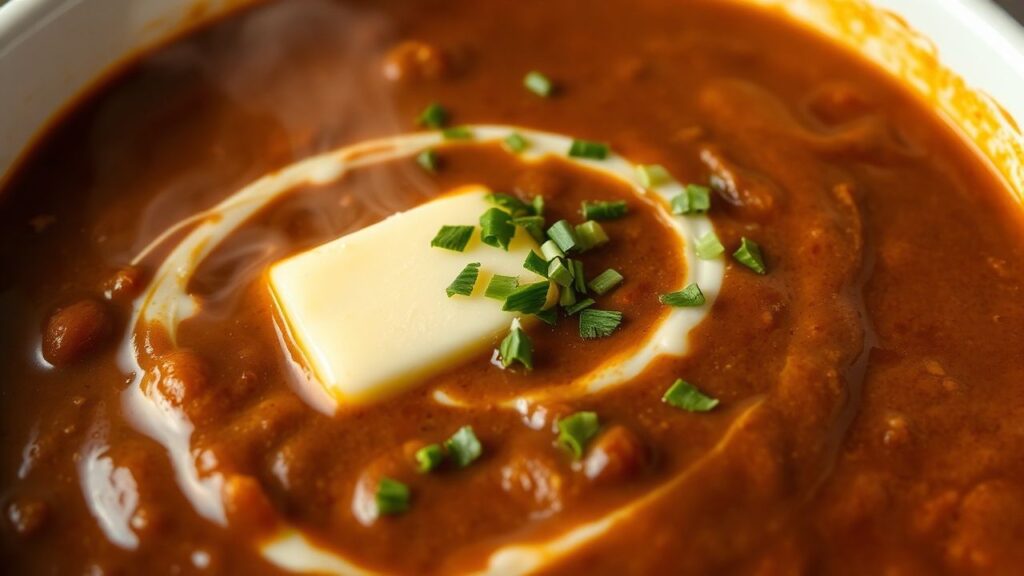
- Finishing Touches: Stir in the 2-3 tablespoons of unsalted butter and the heavy cream. Add the crushed kasoori methi and garam masala. Season with salt to taste. Continue to simmer for another 5-10 minutes, allowing the cream and butter to integrate and enrich the dal. The final consistency should be thick and velvety.
- The Dhungar (Smoking) Technique (Optional but Recommended): To achieve that quintessential smoky flavour, heat 1 tablespoon of ghee in a small pan. Add the dry red chilies and sliced garlic. Fry until the garlic is golden brown. Remove from heat. In a separate small bowl, place a piece of red-hot charcoal. Pour the hot ghee and garlic mixture over the charcoal. Immediately place this bowl inside the pot of Dal Makhani, cover the pot tightly with a lid, and let it infuse for 5-7 minutes. Remove the charcoal bowl before serving.
- Resting and Serving: Allow the Dal Makhani to rest for about 10-15 minutes before serving. This allows the flavours to deepen. Garnish generously with chopped cilantro and slivers of fresh ginger. Serve hot with naan, roti, paratha, or steamed basmati rice.
Nutritional Profile: A Wholesome Indulgence
While Dal Makhani is celebrated for its rich flavour and creamy texture, understanding its nutritional contribution provides a more complete picture of this beloved dish. Keep in mind that the nutritional values can vary significantly based on the exact quantities of butter, cream, and oil used. The figures below represent a typical serving of approximately 1.5 cups (350-400g) from the recipe above, prepared with the specified ingredients.
| Nutrient | Approximate Amount per Serving |
|---|---|
| Calories | 550-650 kcal |
| Protein | 20-25g |
| Fat | 30-40g |
| Saturated Fat | 15-20g |
| Carbohydrates | 50-60g |
| Fiber | 10-15g |
| Sodium | 600-800mg (can be adjusted by salt addition) |
| Iron | Significant source |
| Folate | Significant source |
The primary ingredients, urad dal and rajma, are excellent sources of plant-based protein and dietary fiber, contributing to satiety and digestive health. The high fiber content aids in regulating blood sugar levels. However, the generous use of ghee, butter, and cream means Dal Makhani is also rich in fats, particularly saturated fats. While these contribute to its luxurious texture and flavour, moderation is advisable for those monitoring their fat intake. The dish also provides essential minerals like iron and folate, crucial for various bodily functions.
Elevating Dal Makhani to Restaurant-Caliber Perfection
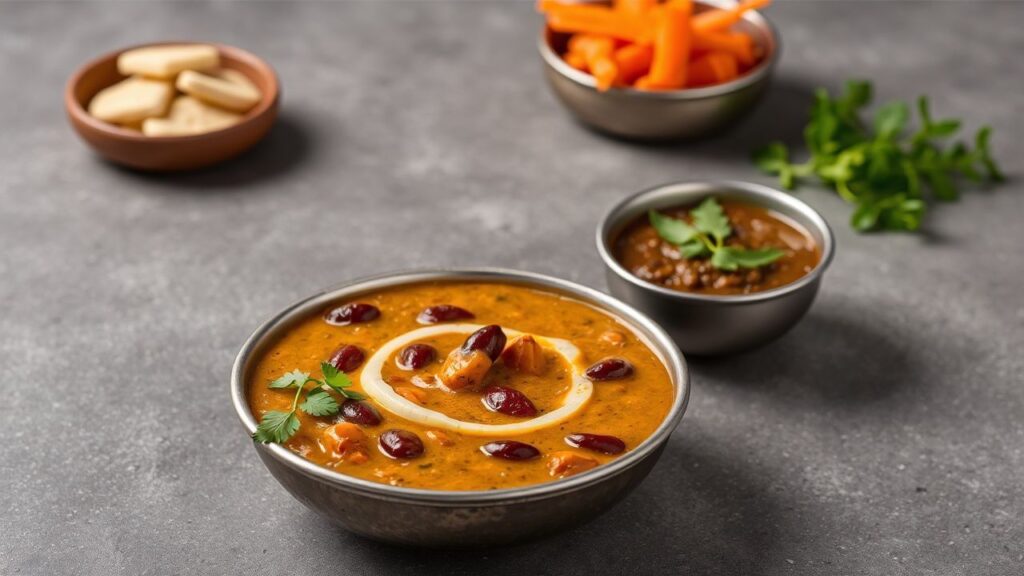
While the basic recipe yields a delicious outcome, a few expert touches can transform your homemade Dal Makhani into a dish that rivals its finest restaurant counterparts. These are the subtle nuances that chefs employ to achieve that inimitable depth and velvety finish.
The Patience of the Simmer: A Non-Negotiable
The most critical factor in achieving an authentic Dal Makhani texture is the extended simmering time. Many home cooks rush this process, resulting in lentils that are not fully broken down and a dal that lacks the characteristic creaminess. The goal is for the lentils to become so tender that they almost dissolve into the sauce. Aim for at least 1.5 to 2 hours of initial cooking for the lentils, followed by another 45 minutes to an hour of slow simmering with the masala. This allows the starches to release and the proteins to break down, creating a naturally thick and unctuous consistency.
The Mystique of the Smoke: Dhungar Technique
The *dhungar* technique, a traditional Indian method of infusing food with a smoky flavour, is what often sets exceptional Dal Makhani apart. This involves placing a red-hot piece of charcoal in a small bowl, drizzling it with ghee, and then placing this bowl inside the pot of dal, sealing it with a lid. The smoke generated from the ghee and charcoal subtly permeates the dish, imparting a complex, alluring aroma that is distinct from any spice. This technique, when executed correctly, adds a layer of sophistication that is deeply satisfying.
The Quality of Dairy: The Unsung Hero
The richness and silken texture of Dal Makhani are heavily influenced by the quality of the dairy used. Using good quality, unsalted butter and fresh, full-fat heavy cream is paramount. Avoid margarine or low-fat alternatives, as they will not contribute the same depth of flavour or creamy consistency. The butter not only adds richness but also a subtle nutty flavour, while the cream emulsifies with the lentil base to create that signature velvety mouthfeel.
The Balancing Act of Spices
While Dal Makhani is known for its rich flavour, it’s crucial to maintain a delicate balance of spices. The spices should complement, not overpower, the inherent flavours of the lentils and dairy. Kashmiri red chili powder is often preferred for its vibrant colour and mild heat, allowing you to achieve a visually appealing dish without excessive spiciness. Garam masala should be added towards the end of cooking to preserve its aromatic qualities.
Consider the success of restaurants like the iconic Moti Mahal in Delhi, which is credited with popularizing Dal Makhani. Their decades-long dedication to slow cooking and meticulous attention to ingredient quality, particularly the liberal but judicious use of butter and cream, set a benchmark. This culinary institution understood that true flavour development in Dal Makhani is a marathon, not a sprint, requiring patience and a deep respect for the ingredients.
The Final Flourish: Kasoori Methi and Fresh Garnishes
A pinch of crushed *kasoori methi* (dried fenugreek leaves) added in the final stages of cooking provides a subtle, earthy aroma that beautifully complements the richness of the dal. Its slightly bitter notes cut through the creaminess, adding complexity. Finally, a generous garnish of fresh cilantro and slivers of ginger provides a burst of freshness and visual appeal, balancing the deep, earthy tones of the dish.
A Culinary Legacy: Dal Makhani’s Enduring Appeal
Dal Makhani is more than just a dish; it is a cultural touchstone, a representation of Indian hospitality and culinary artistry. Its journey from a humble lentil preparation to a globally recognized delicacy speaks volumes about its inherent appeal. The meticulous process, the symphony of flavours, and the sheer comfort it provides ensure its place as a beloved staple for generations to come. Whether prepared for a festive occasion or a comforting weeknight meal, Dal Makhani consistently delivers an experience that is both deeply satisfying and profoundly memorable. It is proof of the power of simple ingredients, transformed through tradition, technique, and a touch of love, into something truly extraordinary. The enduring popularity of Dal Makhani across [link=https://en.wikipedia.org/wiki/Indian_cuisine]Indian cuisine[/link] and beyond is a clear indicator of its universal appeal, a comforting embrace in a bowl.
Frequently Asked Questions
H3: How can I make Dal Makhani creamier without using too much dairy?
To achieve a creamier texture with less dairy, focus on the cooking process. Ensure the urad dal and rajma are cooked until they are extremely tender and begin to break down naturally. This releases starches that thicken the dal. You can also mash a portion of the cooked lentils against the side of the pot to release more starch. For added creaminess without dairy, consider adding a tablespoon or two of pureed cooked sweet potato or a small amount of soaked and blended cashews towards the end of the cooking process. These ingredients can add body and a smooth texture.
H3: What is the best way to store and reheat Dal Makhani?
Dal Makhani stores exceptionally well in the refrigerator for up to 3-4 days. Allow it to cool completely before transferring it to an airtight container. When reheating, it’s best to do so gently on the stovetop over low heat. You may need to add a splash of hot water or milk to loosen it up, as it can thicken considerably upon cooling. Stir frequently to ensure even heating and prevent sticking. Avoid reheating in the microwave if possible, as it can sometimes alter the texture negatively.
H3: Can I make Dal Makhani ahead of time?
Yes, Dal Makhani is an excellent dish to make ahead of time. In fact, many believe it tastes even better the next day, as the flavours have more time to meld and deepen. You can prepare the entire dish a day in advance and then gently reheat it before serving. If you are short on time, you can even cook the lentils the day before and then proceed with preparing the masala and combining everything on the day of serving, though the full slow-simmering process is still recommended for optimal flavour and texture.
See also: Dal Makhani