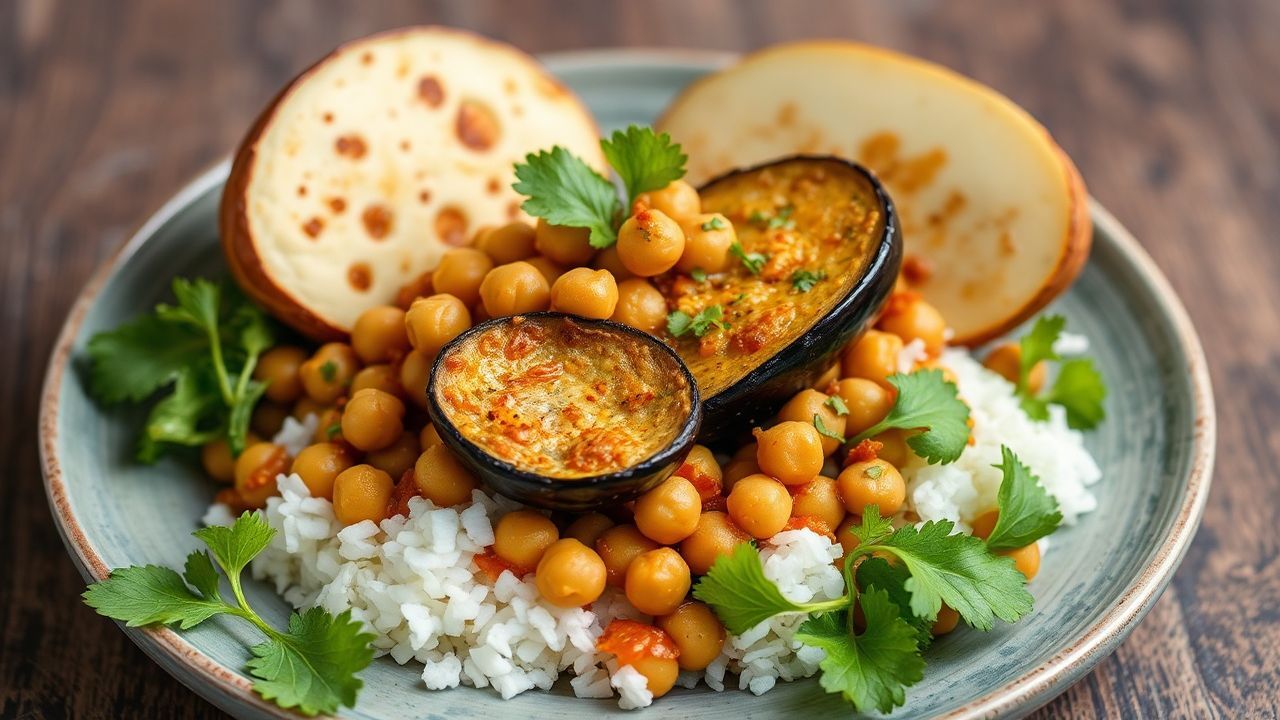

The global market for plant-based proteins is projected to reach $74.2 billion by 2030, proof of the growing consumer demand for versatile, nutritious, and delicious vegetarian options. Among these, the humble eggplant, often overlooked, takes center stage in a dish that has captivated palates worldwide: Eggplant and chickpea curry. This isn’t just a simple recipe; it’s a symphony of textures and flavors, a comforting embrace in a bowl, and proof of the power of simple ingredients transformed into something extraordinary. Mastering this curry unlocks a world of vibrant, satisfying meals that are both wholesome and incredibly appealing.
- The Allure of Eggplant & Chickpea Curry
- Unlocking the Perfect Eggplant & Chickpea Curry: A 10-Step Culinary Blueprint
- Step 1: Selecting Your Star Ingredients
- Step 2: Preparing the Eggplant for Perfection
- Step 3: Building the Aromatic Base
- Step 4: Mastering the Spice Blend
- Step 5: Introducing the Tomatoes and Initial Simmer
- Step 6: Browning the Eggplant for Texture
- Step 7: Combining and Adding Chickpeas
- Step 8: Achieving the Perfect Consistency
- Step 9: The Finishing Touches
- Step 10: Resting and Serving
- Nutritional Profile of Eggplant & Chickpea Curry (Per Serving, Approximate)
- Elevating Your Eggplant & Chickpea Curry: Pro Tips
- Frequently Asked Questions About Eggplant & Chickpea Curry
- Can I make eggplant and chickpea curry ahead of time?
- What kind of eggplant is best for this curry?
- My curry tastes bland. What can I do?
- Can I freeze eggplant and chickpea curry?
- How can I make this curry spicier?
- Conclusion
At a Glance: Key Takeaways
- Flavorful Foundation: Building a deep flavor base with aromatics is crucial for an exceptional eggplant and chickpea curry.
- Eggplant Mastery: Proper eggplant preparation, including salting and browning, ensures a tender, non-mushy texture.
- Spice Harmony: Balancing a thoughtful blend of spices creates complexity and warmth, not just heat.
- Simmering Secret: Allowing the curry to simmer gently melds the flavors and tenderizes all components beautifully.
The Allure of Eggplant & Chickpea Curry
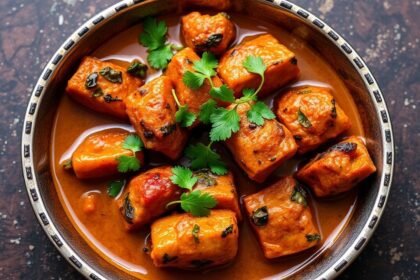
Eggplant and chickpea curry transcends mere sustenance; it’s a culinary journey that draws inspiration from the diverse mix of South Asian cuisines, yet possesses a universal appeal. Its magic lies in the way seemingly disparate ingredients converge to create a harmonious and deeply satisfying dish. The creamy texture of tender eggplant chunks, the hearty bite of chickpeas, all bathed in a luscious, spiced tomato-based sauce, offers a sensory experience that is both comforting and invigorating.
Beyond its deliciousness, this curry is a nutritional powerhouse. Eggplant provides dietary fiber and antioxidants, while chickpeas are a fantastic source of plant-based protein and complex carbohydrates. Together, they form a meal that’s not only pleasing to the palate but also contributes to a balanced diet. This makes it an ideal choice for vegetarians, vegans, or anyone looking to incorporate more plant-forward meals into their diet without sacrificing flavor or satisfaction.
Unlocking the Perfect Eggplant & Chickpea Curry: A 10-Step Culinary Blueprint
Achieving a truly brilliant eggplant and chickpea curry involves attention to detail at every stage. From selecting the right ingredients to the final simmer, each step contributes to the dish’s overall success. Follow this comprehensive guide to transform your kitchen into a haven of aromatic delight.
Step 1: Selecting Your Star Ingredients
The quality of your ingredients directly impacts the final outcome. For this curry, choose firm, glossy eggplants with smooth skin. Globe eggplants or Italian varieties work exceptionally well due to their flesh density. Opt for canned chickpeas that hold their shape, or cook dried chickpeas until tender but not mushy. Fresh tomatoes will offer a brighter flavor, but high-quality canned crushed tomatoes are a reliable alternative.
Step 2: Preparing the Eggplant for Perfection
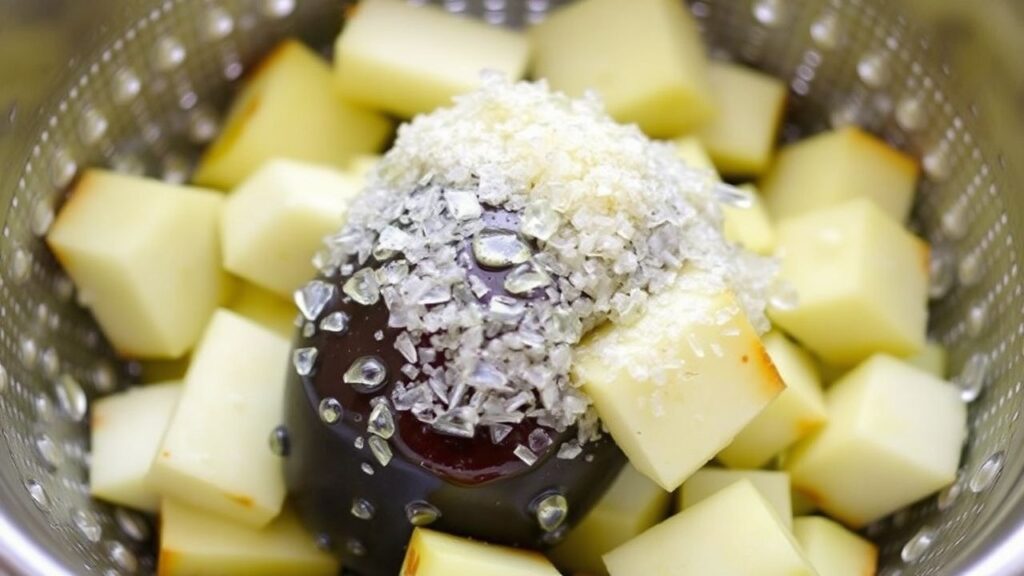
This is a critical step often overlooked, but it makes a world of difference. Cut the eggplant into uniform cubes, about 1-inch (2.5 cm) in size. Place them in a colander, sprinkle generously with salt, and let them sit for at least 30 minutes. This process draws out excess moisture and any bitterness, ensuring your eggplant becomes tender and creamy without becoming watery or mushy in the final curry. Rinse the salted eggplant thoroughly under cold water and pat it completely dry with paper towels.
Step 3: Building the Aromatic Base
Start by heating a generous amount of oil or ghee in a large, heavy-bottomed pot or Dutch oven over medium heat. Add whole spices like cumin seeds, mustard seeds, and a pinch of asafoetida (hing) if available. Let them splutter and become fragrant. Then, add finely chopped onions and sauté until they turn a deep golden brown. This caramelization is key to building a rich, complex flavor profile. Follow with minced garlic and grated ginger, cooking for another minute until fragrant, being careful not to burn them.
Step 4: Mastering the Spice Blend
This is where the magic truly happens. Add ground spices to the pot: turmeric powder, ground coriander, ground cumin, and Kashmiri red chili powder (for color and mild heat). If you prefer more heat, add regular chili powder or cayenne pepper. Stir these spices constantly for about 30-60 seconds, allowing them to bloom in the hot oil. This toasts the spices, releasing their full aroma and flavor, preventing a raw spice taste in your curry.
Step 5: Introducing the Tomatoes and Initial Simmer
Add crushed tomatoes to the pot. Stir well, scraping up any browned bits from the bottom of the pan. Bring the mixture to a gentle simmer, then reduce the heat to low. Cover and cook for about 10-15 minutes, allowing the tomato base to break down and thicken. This initial simmer helps to meld the flavors of the aromatics and spices, creating a robust sauce foundation.
Step 6: Browning the Eggplant for Texture
While the tomato base simmers, heat a separate pan with a little oil over medium-high heat. Add the prepared and dried eggplant cubes in a single layer (you may need to do this in batches). Sear the eggplant until it is golden brown on most sides. This step is crucial for developing a delightful texture – slightly crispy edges and a tender, creamy interior that holds its shape within the curry. Don’t overcrowd the pan, as this will steam the eggplant rather than brown it.
Step 7: Combining and Adding Chickpeas
Once the eggplant is nicely browned, carefully add it to the simmering tomato and spice base. Add the rinsed and drained chickpeas to the pot. Stir everything gently to ensure the eggplant and chickpeas are well coated with the sauce.
Step 8: Achieving the Perfect Consistency
Pour in vegetable broth or water to reach your desired curry consistency. Some prefer a thicker, stew-like curry, while others enjoy it with more sauce. Bring the curry back to a gentle simmer. Now, cover the pot and let it cook on low heat for at least 20-30 minutes. This slow simmering allows the eggplant to become incredibly tender and absorb all the wonderful flavors of the sauce. Stir occasionally to prevent sticking.
Step 9: The Finishing Touches
In the last 5-10 minutes of simmering, stir in a tablespoon of garam masala for an added layer of aromatic complexity. Fresh cilantro, chopped, is a must for freshness. You can also add a squeeze of lemon or lime juice to brighten the flavors. For a creamy finish, stir in a few tablespoons of coconut milk or a swirl of plain yogurt (ensure no direct contact with heat if using yogurt to prevent curdling).
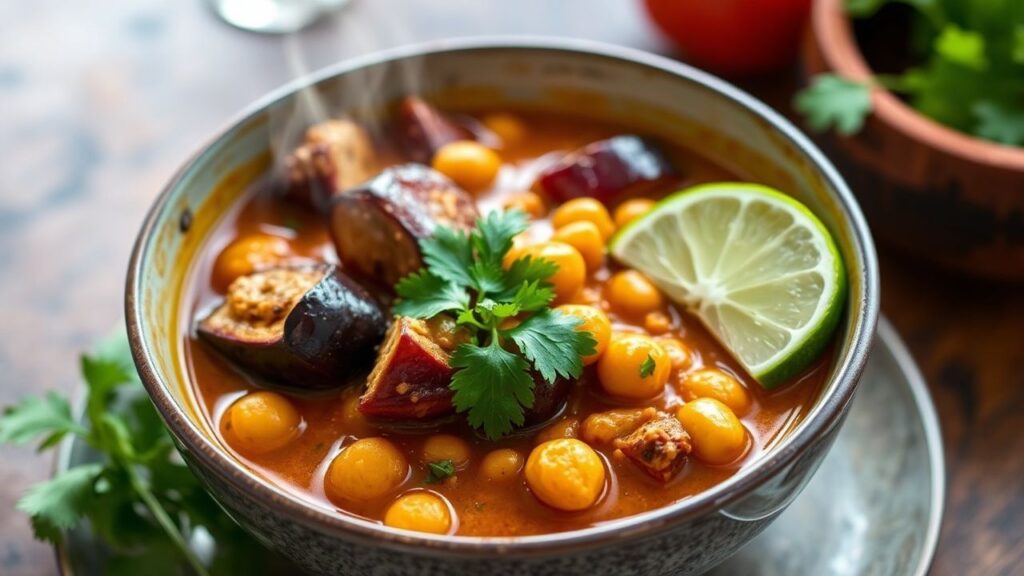
Step 10: Resting and Serving
Allow the curry to rest for 5-10 minutes off the heat before serving. This brief resting period allows the flavors to settle and meld even further, resulting in a more cohesive and delicious dish. Serve hot with basmati rice, naan bread, or roti.
Nutritional Profile of Eggplant & Chickpea Curry (Per Serving, Approximate)
A typical serving of this hearty curry offers a balanced nutritional profile, making it a satisfying and healthy meal option.
- Calories: 300-400 kcal
- Protein: 10-15g
- Fiber: 8-12g
- Healthy Fats: 10-15g (depending on oil used)
- Vitamins & Minerals: Rich in Vitamin C, Vitamin K, Folate, Potassium, and Manganese.
The exact nutritional values can vary based on portion size, specific ingredients used (e.g., type of oil, amount of coconut milk), and any added accompaniments.
Elevating Your Eggplant & Chickpea Curry: Pro Tips
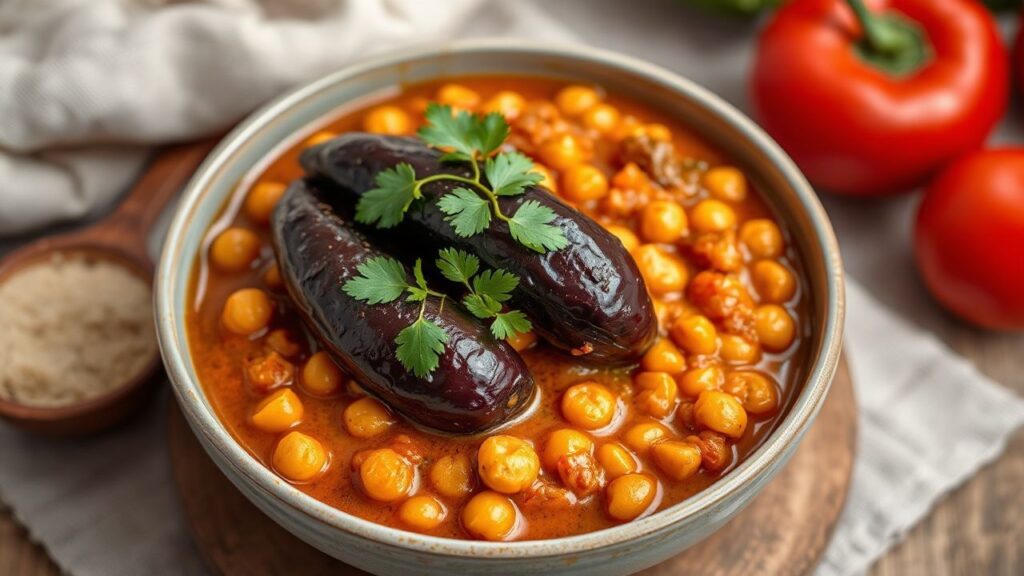
Transforming a good curry into an exceptional one is about understanding subtle techniques and flavor boosters.
- Roast the Eggplant: For an intensely smoky flavor, consider roasting the eggplant cubes instead of pan-frying. Toss with a little oil and roast at 400°F (200°C) until tender and slightly charred.
- Fresh vs. Canned Tomatoes: While convenient, canned tomatoes can sometimes lack the brightness of fresh. If using canned, opt for San Marzano for a sweeter profile.
- Spice Level Customization: Adjust the chili powder and fresh chilies to your personal preference. For a milder curry, omit the chili powder and use only Kashmiri chili for color.
- Creaminess Boost: A dollop of cashew cream or full-fat coconut milk stirred in during the final minutes adds a luxurious richness.
- Tangy Finish: A final swirl of tamarind paste or a squeeze of lime juice before serving adds a beautiful counterpoint to the richness of the curry.
- The Power of Patience: Allowing the curry to simmer longer on low heat will deepen the flavors significantly. Leftovers often taste even better the next day.
- Garnish is Key: Don’t underestimate the impact of fresh herbs like cilantro and mint, a sprinkle of toasted cumin seeds, or a drizzle of chili oil for visual appeal and an extra burst of flavor.
The versatility of this dish means it pairs beautifully with a variety of grains and breads. Basmati rice is a classic choice, but quinoa or even couscous can offer interesting textural contrasts. For a heartier meal, serve it alongside lentil-based flatbreads.
Frequently Asked Questions About Eggplant & Chickpea Curry
Can I make eggplant and chickpea curry ahead of time?
Absolutely. In fact, this curry often tastes better when made a day in advance, as the flavors have more time to meld and deepen. Store it in an airtight container in the refrigerator for up to 3-4 days. Reheat gently on the stovetop or in the microwave.
What kind of eggplant is best for this curry?
Globe eggplants and Italian eggplants are excellent choices for this curry. They have a firm flesh that holds its shape well during cooking. Avoid young, small eggplants as they can be too watery.
My curry tastes bland. What can I do?
A bland curry can be revived by adjusting the seasoning. Taste and add more salt, a pinch of sugar to balance acidity, a squeeze of lemon or lime juice for brightness, or a touch more garam masala for aromatic depth. Ensure your spices were fresh and bloomed properly during cooking.
Can I freeze eggplant and chickpea curry?
Yes, eggplant and chickpea curry freezes well. Allow it to cool completely before transferring it to freezer-safe containers. It can be stored in the freezer for up to 2-3 months. Thaw overnight in the refrigerator and reheat gently. Some textures might change slightly upon freezing and thawing, but the flavor will remain robust.
How can I make this curry spicier?
To increase the heat, add more chili powder or cayenne pepper during the spice-blending stage. You can also add finely chopped fresh green chilies (like serrano or jalapeño) along with the ginger and garlic, or garnish with thinly sliced fresh chilies before serving.
Conclusion
The eggplant and chickpea curry is more than just a recipe; it’s an invitation to explore vibrant flavors, embrace wholesome ingredients, and create truly memorable meals. By following these ten meticulous steps, you unlock the potential for a dish that is rich, satisfying, and utterly brilliant. This culinary creation stands as proof of the fact that plant-based cooking can be both accessible and incredibly rewarding, offering a delightful experience that will have you returning to it time and time again.
See also: Eggplant