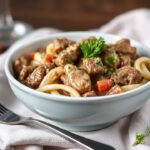

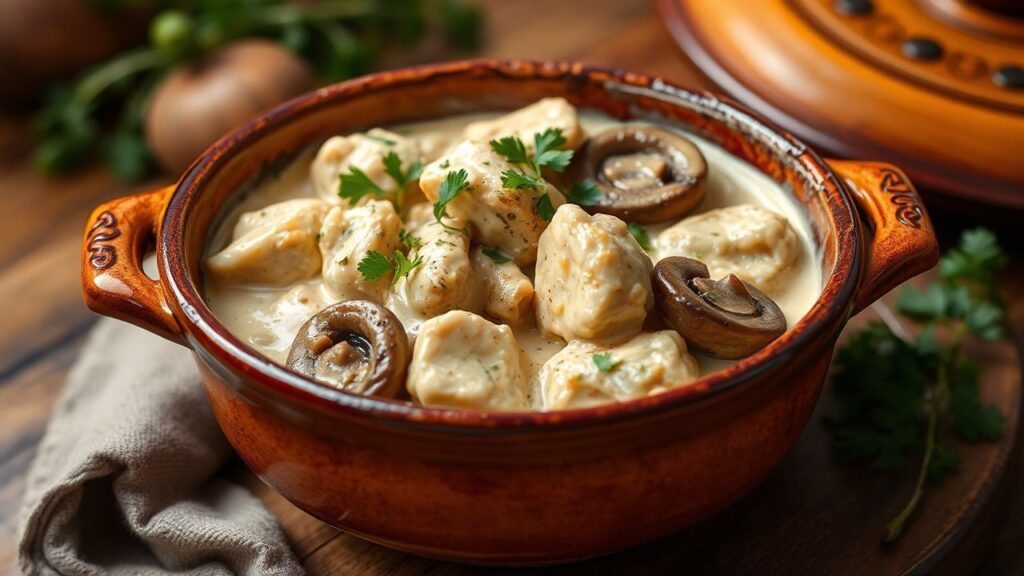
Can a humble chicken dish, rooted in centuries of European tradition, still capture the imagination and excite the palate in our hyper-modern culinary landscape? The answer, unequivocally, is yes, especially when that dish is a perfectly executed chicken fricassée with mushrooms. Far from a relic of a bygone era, this classic preparation offers a comforting embrace of rich flavors, elegant textures, and a profound sense of culinary heritage. It’s proof of the enduring power of simple, high-quality ingredients treated with respect and classic technique. This article explore the heart of chicken fricassée, exploring its origins, mastering its preparation, and understanding why it remains a cornerstone of sophisticated home cooking.
At a Glance: Chicken Fricassée Mastery
* Technique is paramount: The slow, gentle cooking of the chicken in its own liquid, followed by a luxurious finishing sauce, is key to achieving unparalleled tenderness and depth of flavor.
* Mushroom synergy: The earthy notes of mushrooms are not merely an addition but an integral component, deepening the umami profile of the fricassée.
* Sauce elevation: Mastering the velouté base and its transformation into a creamy, emulsified sauce elevates this dish from good to sublime.
* Versatility: A well-made fricassée serves as a canvas for personal expression, adaptable to seasonal ingredients and diverse palates.
The term “fricassée” itself whispers tales of the French kitchen, but its roots stretch back even further, likely to medieval cooking where ingredients were often browned and then simmered in a liquid. The essence of a fricassée lies in its specific preparation method: chicken pieces are first lightly browned, then gently simmered in a flavorful broth or white wine until tender, before being finished in a rich, creamy sauce, often thickened with egg yolks and cream. This technique ensures the chicken remains succulent, absorbing the aromatic liquid as it cooks.
The earliest documented recipes for fricassée date back to the 17th century, appearing in cookbooks like François Pierre de la Varenne’s *Le Cuisinier François* (1651). This era marked a significant shift in French cuisine, moving towards more refined preparations and a greater emphasis on sauces. While early versions might have been simpler, the core principle of gently poaching and then saucing remained. Over centuries, the dish evolved, with regional variations and additions like mushrooms becoming increasingly popular. The addition of mushrooms, in particular, amplifies the dish’s earthy, savory character, creating a harmonious balance with the chicken and the creamy sauce.
In the mid-20th century, the chicken fricassée with mushrooms found its place in countless homes and bistros, becoming a symbol of comforting, yet elegant, family dining. It’s a dish that speaks of care and intention, a stark contrast to the hurried meals of modern life. The meticulous process, from browning the chicken to creating a silken sauce, imbues it with a sense of occasion, even when served on a weeknight.
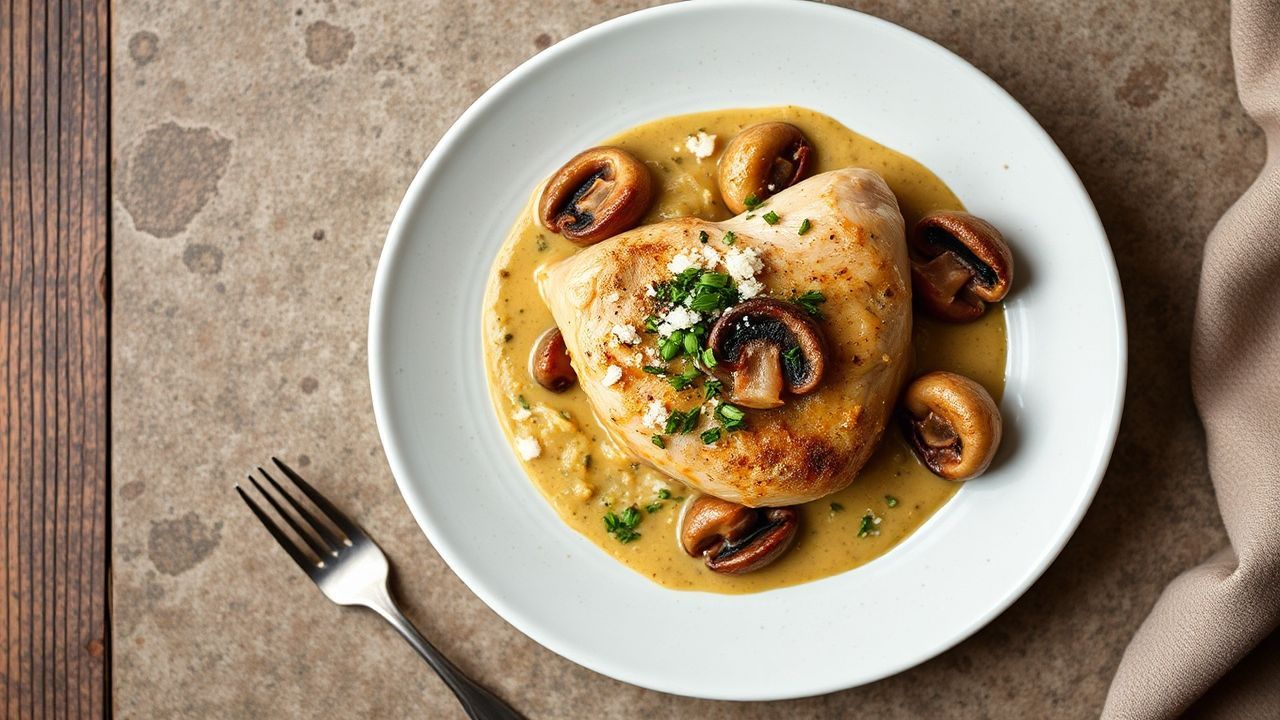
At its heart, a chicken fricassée with mushrooms is a study in controlled alchemy. It’s about coaxing the best out of relatively simple ingredients through a series of deliberate steps. The chicken, typically bone-in pieces, provides a superior flavor and moisture content compared to boneless breasts, which can easily become dry. The mushrooms, whether common cremini, earthy shiitake, or delicate oyster varieties, are not mere embellishments; they are integral to the dish’s flavor profile, contributing a profound umami depth that complements the richness of the sauce.
The sauce itself is where much of the magic happens. It often begins with a velouté, a classic mother sauce made from a roux (butter and flour) and white stock. This provides a stable, flavorful base. The enrichment comes from adding cream, and crucially, tempering egg yolks. This tempering process is vital; it involves slowly whisking a small amount of the hot liquid into the beaten egg yolks before returning the mixture to the pan. This gentle introduction of heat prevents the yolks from curdling, resulting in a lusciously smooth and emulsified sauce that clings beautifully to the chicken and mushrooms.
Consider the historical context: in kitchens where refrigeration was rudimentary and ingredients were precious, maximizing flavor and minimizing waste was paramount. A fricassée, by simmering the chicken in its own juices and then building a rich sauce, achieved both. It transformed humble ingredients into something truly special. This inherent resourcefulness is part of its enduring appeal.
To truly appreciate the nuances of chicken fricassée with mushrooms, one must engage with its preparation hands-on. This recipe focuses on achieving a restaurant-quality result in your own kitchen, emphasizing technique and ingredient quality.
Yields: 4-6 servings
Prep time: 30 minutes
Cook time: 1 hour 15 minutes
- For the Chicken:
- 1.5 kg (approx. 3.3 lbs) bone-in, skin-on chicken pieces (thighs and drumsticks are ideal for flavor and moisture)
- 2 tablespoons unsalted butter
- 1 tablespoon olive oil
- 1 large yellow onion, finely chopped
- 2 carrots, peeled and finely diced
- 2 celery stalks, finely diced
- 2 cloves garlic, minced
- 150 ml (approx. 5 fl oz) dry white wine (such as Sauvignon Blanc or Pinot Grigio)
- 500 ml (approx. 17 fl oz) chicken stock (preferably homemade or low-sodium)
- 2 bay leaves
- 4 sprigs fresh thyme
- Salt and freshly ground black pepper, to taste
- For the Mushrooms:
- 300g (approx. 10.5 oz) mixed mushrooms (e.g., cremini, shiitake, oyster), cleaned and quartered or sliced
- 1 tablespoon unsalted butter
- 1 tablespoon olive oil
- 1 sprig fresh thyme
- Salt and freshly ground black pepper, to taste
- For the Sauce:
- 2 tablespoons unsalted butter
- 2 tablespoons all-purpose flour
- 120 ml (approx. 4 fl oz) heavy cream
- 2 large egg yolks
- 1 tablespoon fresh lemon juice (optional, for brightness)
- 2 tablespoons fresh parsley, chopped, for garnish
1. Prepare the Chicken: Pat the chicken pieces thoroughly dry with paper towels. This is a critical step for achieving a good sear. Season generously on all sides with salt and freshly ground black pepper.
The surface moisture on chicken acts as a barrier, preventing the Maillard reaction – the browning that imparts so much flavor and color. Removing it with paper towels ensures you get a beautiful golden crust.
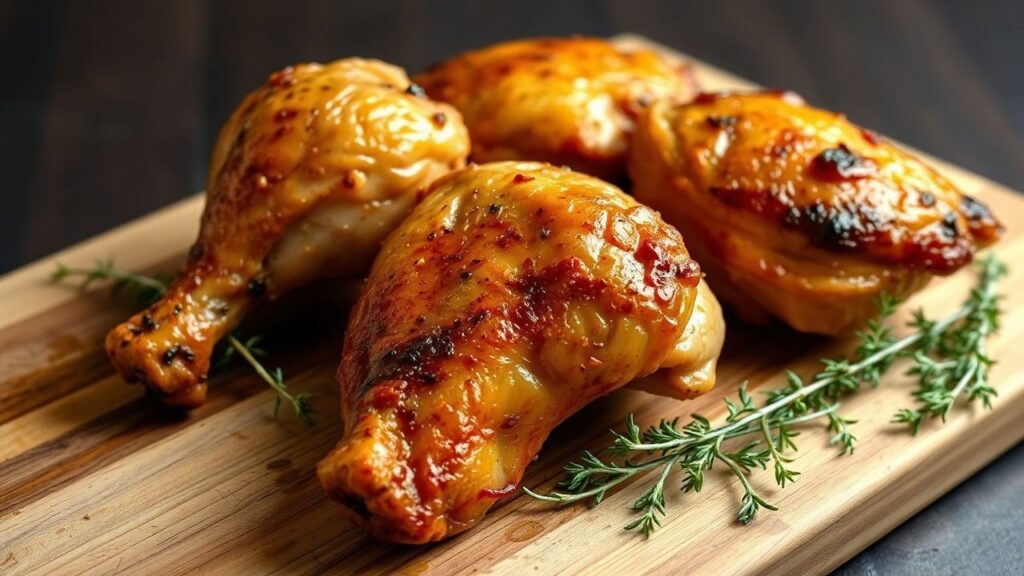
2. Sear the Chicken: In a large, heavy-bottomed pot or Dutch oven, heat 2 tablespoons of butter and 1 tablespoon of olive oil over medium-high heat. Add the chicken pieces, skin-side down first, in batches if necessary to avoid overcrowding the pan. Sear until deeply golden brown on all sides, about 4-5 minutes per side. Remove the chicken from the pot and set aside on a plate.
3. Sauté the Mirepoix: Reduce the heat to medium. Add the chopped onion, carrots, and celery to the same pot. Cook, stirring occasionally, until softened and lightly golden, about 8-10 minutes. Add the minced garlic and cook for another minute until fragrant, being careful not to burn it.
This aromatic base, known as a mirepoix, is the foundation of many classic French dishes. The slow sautéing allows the vegetables to release their natural sugars, contributing a subtle sweetness and depth to the final sauce.
4. Deglaze with Wine: Pour in the white wine. Scrape the bottom of the pot with a wooden spoon to loosen any browned bits (fond) – this is where a significant amount of flavor resides. Let the wine bubble and reduce by about half, which should take 2-3 minutes.
5. Simmer the Chicken: Return the seared chicken pieces to the pot, nestling them among the vegetables. Pour in the chicken stock. Add the bay leaves and thyme sprigs. The liquid should come about halfway up the sides of the chicken. Bring to a gentle simmer, then reduce the heat to low, cover the pot tightly, and cook for 40-50 minutes, or until the chicken is tender and cooked through.
6. Prepare the Mushrooms: While the chicken simmers, prepare the mushrooms. In a separate skillet, melt 1 tablespoon of butter with 1 tablespoon of olive oil over medium-high heat. Add the prepared mushrooms and a sprig of thyme. Cook, stirring occasionally, until the mushrooms are golden brown and have released their liquid, about 8-10 minutes. Season with salt and pepper. Remove the thyme sprig and set the mushrooms aside.
7. Make the Velouté Base: Once the chicken is tender, carefully remove the chicken pieces from the pot and set them aside. Strain the cooking liquid through a fine-mesh sieve into a clean bowl, discarding the solids (or reserve them for another use if you wish). You should have approximately 500-600 ml (17-20 fl oz) of flavorful broth. Wipe out the pot you used for the chicken. Melt 2 tablespoons of butter over medium heat. Whisk in the flour and cook for 1-2 minutes, stirring constantly, to form a pale roux. Gradually whisk in the strained chicken broth until smooth. Bring to a simmer and cook, stirring, for 5 minutes to thicken slightly and cook out the raw flour taste.
8. Finish the Sauce: In a small bowl, whisk together the heavy cream and egg yolks until well combined. Temper the egg yolk mixture by slowly whisking in about ½ cup of the hot velouté sauce. This gradually raises the temperature of the yolks, preventing them from scrambling. Pour the tempered egg yolk mixture back into the pot with the remaining velouté sauce. Cook over low heat, stirring constantly, until the sauce thickens to a coating consistency, being careful not to let it boil. This should take about 3-5 minutes. Stir in the lemon juice, if using, and season with salt and pepper to taste.
The tempering of egg yolks is a cornerstone of classic sauce-making. It transforms a simple velouté into a luxurious, emulsified sauce that is both rich and delicately textured. It requires patience and a watchful eye.
9. Combine and Serve: Gently return the cooked chicken pieces and the sautéed mushrooms to the pot with the finished sauce. Stir to coat everything evenly. Warm through gently over low heat for a few minutes, ensuring not to boil.
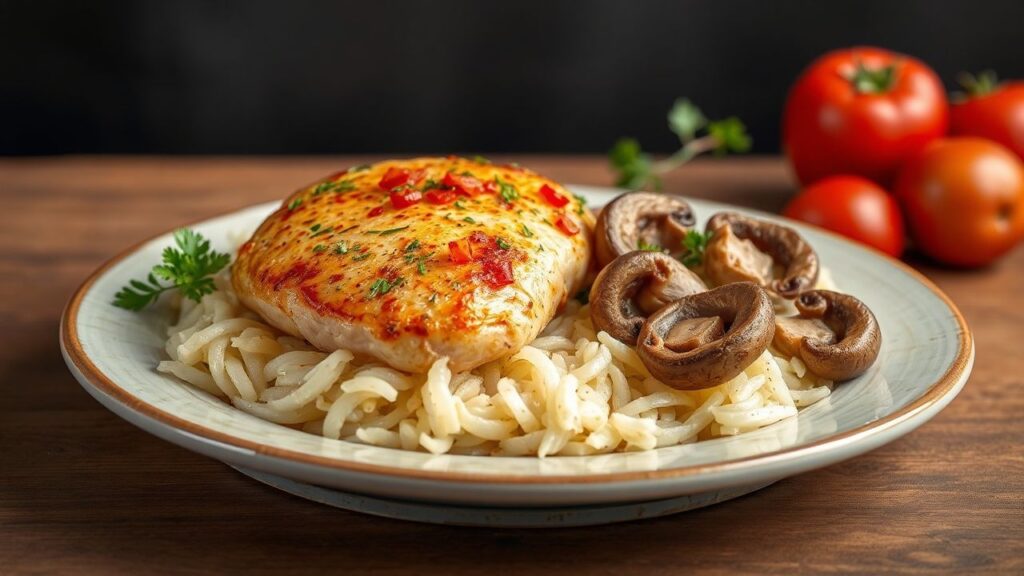
10. Garnish: Serve the chicken fricassée immediately, garnished with freshly chopped parsley. This dish is traditionally served with rice, egg noodles, mashed potatoes, or crusty bread to soak up the exquisite sauce.
Understanding the nutritional profile of a dish like chicken fricassée with mushrooms can help in appreciating its place in a balanced diet. While it’s a rich and indulgent preparation, the use of lean chicken and the inherent goodness of mushrooms contribute positively.
| Nutrient | Per Serving (Approximate) |
|---|
| :————— | :———————— |
| Calories | 550-650 |
|---|
| Protein | 35-45g |
| Fat | 30-40g |
|---|
| – Saturated Fat | 15-20g |
| Carbohydrates | 15-20g |
|---|
| – Fiber | 3-5g |
| – Sugars | 5-7g |
|---|
| Cholesterol | 200-250mg |
| Sodium | 300-500mg (can vary greatly based on stock and seasoning) |
|---|
*Note: Nutritional values are estimates and can vary based on specific ingredients, portion sizes, and cooking methods.*
The protein content comes primarily from the chicken, which is essential for muscle repair and satiety. The fat content, while significant, contributes to the dish’s luxurious mouthfeel and flavor. Opting for lower-sodium stock and controlling added salt can help manage sodium intake. Incorporating more vegetables alongside the fricassée, such as a crisp green salad or steamed green beans, can further enhance its nutritional balance.
To transform this already delightful dish into something truly extraordinary, consider these advanced techniques and thoughtful additions. These are the subtle refinements that distinguish a good home-cooked meal from an exceptional culinary experience.
The choice of mushrooms can dramatically alter the character of your fricassée. While cremini are a reliable workhorse, exploring other varieties can add layers of complexity.
- Shiitake Mushrooms: Their deep, smoky, and earthy flavor profile adds a profound umami depth that pairs wonderfully with chicken. They also have a pleasingly firm texture.
- Oyster Mushrooms: These delicate mushrooms offer a subtle, almost seafood-like sweetness and a tender, slightly chewy texture. Their frilly appearance also adds visual appeal.
- A Mix of Wild Mushrooms: For a truly decadent experience, incorporate a blend of wild mushrooms like morels (in season), chanterelles, or porcini. These offer intense, distinct flavors and aromas that elevate the fricassée to gourmet status.
When sautéing mushrooms, ensure you don’t overcrowd the pan. This allows them to brown properly, developing their characteristic flavor, rather than steaming them. A good sear on the mushrooms is as crucial as the sear on the chicken.
The foundation of the sauce is crucial.
- Homemade Stock: If time permits, making your own chicken stock from roasted chicken carcasses and aromatics will yield a far superior base for your velouté. It offers a richer, more nuanced flavor that is difficult to replicate with store-bought options.
- Roux Perfection: The ratio of butter to flour in the roux is key. A 1:1 ratio (by weight) is standard for a medium roux, but you can adjust slightly. Cooking the roux for 2-3 minutes at medium heat, stirring constantly, ensures the flour’s raw taste is eliminated without imparting too much color.
- Beyond Egg Yolks: For an even richer, more stable sauce, consider a technique known as “liaison.” This involves whisking egg yolks with a bit of cream and a tablespoon of flour before tempering. This adds body and gloss. Alternatively, for a lighter finish without tempering, you can simply finish the sauce with a generous swirl of heavy cream and a knob of cold butter, whisked in off the heat (a technique called “monter au beurre”), which emulsifies and adds a beautiful sheen.
The finishing touches can elevate the dish significantly.
- Herbs: Beyond thyme and parsley, consider a hint of tarragon for its subtle anise notes, or chives for a mild oniony freshness. A small amount of finely chopped fresh sage can also add an interesting savory dimension, especially with earthier mushrooms.
- Acidity: The optional lemon juice is vital for cutting through the richness of the sauce. A splash of white wine vinegar or even a touch of Dijon mustard can also provide a welcome tang.
- Truffle Oil: For an unapologetic indulgence, a very light drizzle of high-quality white truffle oil just before serving can transform the fricassée into a truly luxurious dish. Use sparingly, as truffle oil can be overpowering.
- Crispy Shallots or Leeks: A garnish of finely sliced shallots or leeks, fried until golden and crispy, adds a delightful textural contrast and a concentrated savory flavor.
It’s fascinating to consider how the humble fricassée has endured. In the 18th century, its popularity was such that it was a staple in many French households, appearing in variations across different regions. For example, a fricassée de lapin (rabbit fricassée) was a common country dish, using the same gentle simmering and creamy sauce technique. This adaptability speaks to the robustness of the fundamental method. Even in modern haute cuisine, chefs often return to classic techniques like the fricassée to create dishes that are both comforting and sophisticated. The French culinary writer Curnonsky, often called the “prince of gastronomes,” famously championed regional French cuisine, and dishes like fricassée were central to his philosophy of celebrating authentic flavors. This enduring appreciation for well-executed classics is why the chicken fricassée with mushrooms continues to resonate.
For a truly authentic and flavorful chicken fricassée, bone-in, skin-on pieces are highly recommended, particularly thighs and drumsticks. The bones release collagen and marrow during the simmering process, enriching the cooking liquid and contributing to a more succulent final dish. The skin, when seared properly, adds a depth of flavor and a beautiful golden hue to the chicken, which then melds into the sauce. While boneless, skinless chicken breasts can be used, they cook much faster and are prone to drying out, making them less ideal for the traditional slow-simmering method of a fricassée. If you must use breasts, consider cutting them into larger chunks and adding them towards the end of the simmering time to prevent overcooking.
Yes, chicken fricassée can be made ahead of time, and in some cases, it even benefits from it. The flavors have more time to meld and deepen when the dish is allowed to sit. However, there’s a crucial step to consider for the sauce. It’s best to prepare the chicken and mushrooms and the basic velouté sauce ahead of time. Store them separately in airtight containers in the refrigerator.
When you’re ready to serve, gently reheat the chicken and sauce together over low heat. The final enrichment with egg yolks and cream should ideally be done just before serving, as this delicate emulsion is best when freshly made. If you reheat a fricassée that has already been finished with egg yolks, it risks curdling. So, prepare the sauce up to the point of adding the egg yolks and cream, then add those components during the final reheating process for the best texture and flavor.
The beauty of a fricassée lies in its adaptability, leading to numerous delicious variations.
- Regional Variations: In Provence, you might find a Fricassée Provençale that incorporates tomatoes, olives, and herbs like Herbes de Provence. A Fricassée à l’Ancienne might lean on root vegetables like parsnips and leeks, offering a more rustic and earthy profile.
- Protein Swaps: While chicken is classic, the fricassée method can be applied to other proteins. Rabbit fricassée is a traditional and highly regarded variation, offering a slightly gamier flavor that pairs wonderfully with the creamy sauce. Veal fricassée is another elegant option, often using veal shoulder for its tenderness.
- Mushroom Focus: Some variations place an even greater emphasis on mushrooms, using a wider array of exotic or wild mushrooms for a more intense fungal flavor.
- Sauce Enhancements: Beyond cream and egg yolks, some chefs might incorporate a touch of brandy or Madeira for added depth, or finish the sauce with a swirl of crème fraîche for a slightly tangier note. The inclusion of capers or a squeeze of lemon juice can also significantly alter the sauce’s character.
See also: Fricassée