The Seductive Symphony of Thai Green Curry Chicken
Over 40% of global cuisine appreciation stems from the complex interplay of aromatic herbs and spices, with Southeast Asian dishes frequently topping these charts. Thai cuisine stands as a beacon of culinary artistry, and at its heart lies the captivating embrace of green curry. More than just a dish, Thai green curry chicken with jasmine rice is an experience—a vibrant tapestry woven from the fiery kiss of chilies, the citrusy zest of lime leaves, the subtle sweetness of coconut milk, and the verdant perfume of fresh herbs. This isn’t a meal to be rushed; it’s a journey into a culture that celebrates balance and sensory delight. The sheer depth of flavor achieved in a well-executed green curry speaks volumes about the meticulous preparation and understanding of ingredient synergy that defines authentic Thai cooking. It’s a dish that, when done right, transports you instantly to the bustling street stalls of Bangkok or the serene kitchens of Chiang Mai.
- The Seductive Symphony of Thai Green Curry Chicken
- The Soul of the Curry: Crafting the Green Curry Paste
- Ingredients for Authentic Green Curry Paste (Yields approx. 1/2 cup)
- Preparation Method for Green Curry Paste
- The Supporting Cast: Chicken and Coconut Milk
- The Art of Assembly: Bringing the Green Curry to Life
- Nutritional Profile (Approximate per serving, without rice)
- Elevating Your Green Curry: Expert Pro-Tips
- Frequently Asked Questions
At a Glance: Mastering the Green Curry
- The Paste is Paramount: Freshness of ingredients in your green curry paste is non-negotiable for authentic flavor.
- Coconut Milk Nuance: The quality and type of coconut milk significantly impact the curry’s richness and texture.
- Balancing Act: Achieving the perfect harmony of sweet, sour, salty, and spicy is the hallmark of exceptional green curry.
- Jasmine Rice Perfection: Fluffy, fragrant jasmine rice is the essential canvas for this complex curry.
For many home cooks, recreating such a nuanced dish can seem daunting. The vibrant green hue, the layered spice, the creamy richness—it all suggests a level of expertise that feels out of reach. Yet, the secret to a truly transcendent Thai green curry chicken lies not in arcane techniques, but in a deep respect for the foundational ingredients and a patient, methodical approach. This guide will demystify the process, breaking down each element to empower you to create a green curry that rivals the finest establishments. We will explore not just the ‘how,’ but the ‘why’ behind each step, ensuring you understand the delicate science and art that goes into this beloved Thai classic. The journey begins with the heart of the curry: the paste. Its vibrancy and aroma are the soul of the dish, and its creation is where true mastery unfolds.
The Soul of the Curry: Crafting the Green Curry Paste
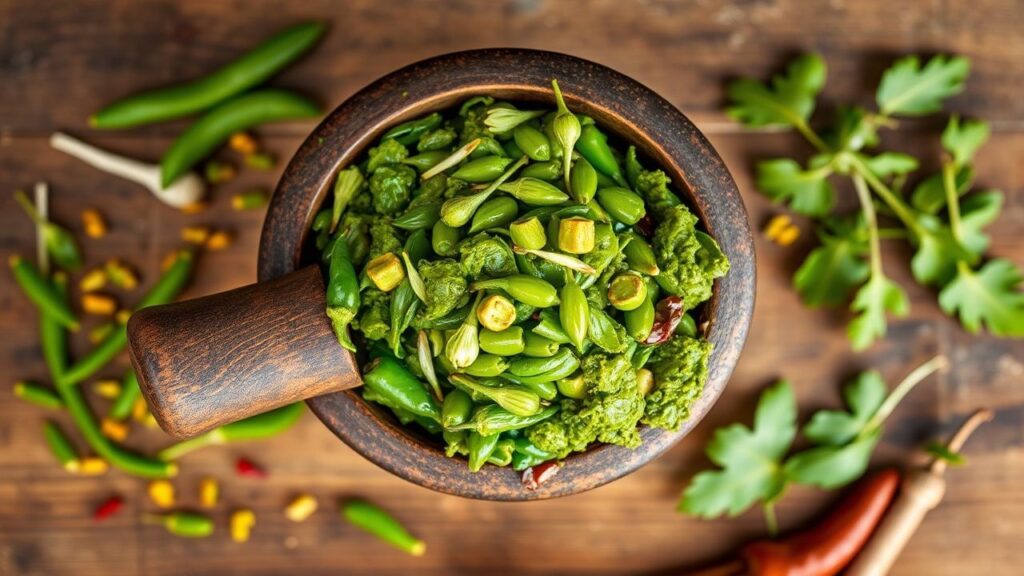
The foundation of any great Thai green curry lies in its paste. While store-bought versions offer convenience, they rarely capture the explosive freshness and complex aromatics of a homemade paste. The distinct green color, far from being merely aesthetic, is derived from a specific blend of fresh green chilies, which lend a bright, grassy heat that is distinct from the deeper, smokier heat of dried red chilies often found in other curry pastes. Pounding these ingredients in a mortar and pestle, rather than relying on a food processor, is crucial. It breaks down the fibers cell by cell, releasing volatile oils and essential compounds that a blender might obliterate. This textural transformation is key to unlocking the paste’s full aromatic potential.
Traditional components of a green curry paste include a generous amount of fresh green chilies (often a mix of bird’s eye for heat and larger varieties for bulk and color), lemongrass, galangal, garlic, shallots, cilantro roots, kaffir lime zest, white peppercorns, cumin seeds, coriander seeds, and shrimp paste (kapi). Each ingredient matter significantly. Lemongrass provides a sharp, citrusy note; galangal, a more pungent, peppery, and pine-like aroma distinct from ginger; cilantro roots, an earthy depth; kaffir lime zest, an intense floral citrus; and shrimp paste, a savory, umami backbone. Toasting the cumin and coriander seeds before grinding intensifies their fragrance, adding another layer of complexity. This meticulous assembly of aromatics elevates green curry from a simple spiced dish to a sophisticated culinary composition. The subtle bitterness of the kaffir lime zest, for instance, is a crucial counterpoint to the richness of the coconut milk and the sweetness of the other ingredients, a detail often overlooked in simplified recipes.
Ingredients for Authentic Green Curry Paste (Yields approx. 1/2 cup)
- 10-15 fresh green chilies (Thai bird’s eye for heat, larger green chilies for volume and color)
- 2 stalks lemongrass, tough outer layers removed, thinly sliced
- 1 inch galangal, peeled and thinly sliced
- 5 cloves garlic, peeled
- 2 large shallots, peeled and roughly chopped
- 1 tablespoon cilantro roots, thoroughly washed and chopped (or use stems if roots are unavailable)
- 1 teaspoon kaffir lime zest (from about 1/2 kaffir lime)
- 1/2 teaspoon white peppercorns
- 1/2 teaspoon cumin seeds
- 1/2 teaspoon coriander seeds
- 1 teaspoon shrimp paste (kapi)
Preparation Method for Green Curry Paste
- Toast Spices: In a dry skillet over medium heat, gently toast the cumin seeds, coriander seeds, and white peppercorns until fragrant (about 1-2 minutes). Be careful not to burn them. Let cool.
- Initial Pounding: In a sturdy mortar and pestle, pound the toasted spices until finely ground.
- Build the Paste: Add the lemongrass, galangal, and cilantro roots to the mortar. Pound vigorously until they are well broken down into a coarse paste. This requires patience and consistent effort.
- Incorporate Aromatics: Add the green chilies, garlic, shallots, and kaffir lime zest. Continue pounding, working the ingredients together until a relatively smooth, cohesive paste forms. The texture should be slightly coarse, not completely pulverized.
- Add Shrimp Paste: Finally, add the shrimp paste. Pound it in thoroughly until fully incorporated.
- Storage: The paste can be used immediately or stored in an airtight container in the refrigerator for up to a week, or frozen for longer storage.
The Supporting Cast: Chicken and Coconut Milk
Once your vibrant green curry paste is ready, the focus shifts to the other essential components that will form the body and soul of the dish. For chicken green curry, boneless, skinless chicken thighs are often preferred by chefs for their succulence and ability to withstand longer cooking times without becoming dry. Their higher fat content ensures a richer, more tender result. While chicken breast can be used, it requires more careful attention to cooking time to avoid toughness. Slicing the chicken against the grain into bite-sized pieces ensures tenderness and allows it to absorb the flavors of the curry beautifully. The size of the pieces should be consistent for even cooking.
The coconut milk is the silken canvas upon which the green curry flavors are painted. Not all coconut milk is created equal. Full-fat, unsweetened coconut milk is paramount. Brands that contain stabilizers and emulsifiers can sometimes result in a less pleasing texture or a slightly artificial taste. Ideally, look for canned coconut milk where the cream has naturally separated from the water. This separation allows you to control the richness by spooning off the thicker cream to sauté the curry paste initially. This technique, known as “breaking the coconut milk,” is a classic Thai method that caramelizes the spices and extracts maximum flavor from the paste, creating a more intense and complex base for the curry. The creamy, full-bodied nature of good coconut milk provides a comforting contrast to the vibrant heat of the chilies, creating that signature sweet, spicy, and creamy profile that defines Thai green curry.
Ingredients for Thai Green Curry Chicken
- 1 tablespoon neutral oil (e.g., vegetable, canola)
- 4-6 tablespoons fresh Green Curry Paste (from recipe above, or high-quality store-bought)
- 1 can (13.5 oz / 400ml) full-fat unsweetened coconut milk, well shaken or cream spooned off
- 1 lb (450g) boneless, skinless chicken thighs, cut into bite-sized pieces
- 1 cup chicken broth (low sodium)
- 1 tablespoon fish sauce (nam pla), or to taste
- 1-2 teaspoons palm sugar (or brown sugar), or to taste
- 1 cup mixed vegetables (e.g., Thai eggplant, bamboo shoots, bell peppers, snap peas), cut into bite-sized pieces
- 4-6 kaffir lime leaves, torn
- 1/4 cup fresh Thai basil leaves
- Optional: 1-2 red spur chilies, thinly sliced (for garnish)
Ingredients for Steamed Jasmine Rice
- 2 cups (400g) Thai jasmine rice
- 2.5 cups (600ml) water
- Pinch of salt
The Art of Assembly: Bringing the Green Curry to Life
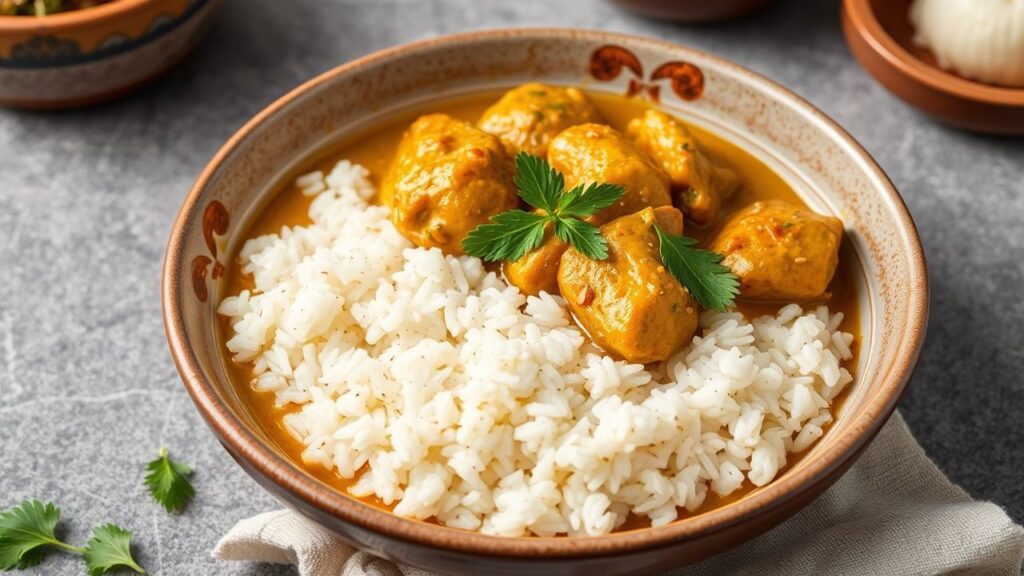
The process of assembling the green curry is where the magic truly happens, transforming raw ingredients into a harmonious and aromatic masterpiece. It begins with the sautéing of the curry paste. This step is non-negotiable for unlocking the full flavor potential of the aromatics. Heat the neutral oil in a wok or a heavy-bottomed pot over medium-high heat. Add the green curry paste and stir-fry vigorously for 2-3 minutes. You’ll notice the aroma intensifying, and the paste will begin to darken slightly. This process caramelizes the sugars and toasts the spices further, deepening their flavor profile. Adding liquid too soon at this stage can steam the paste rather than fry it, resulting in a less developed taste.
Following the fragrant sauté of the paste, the coconut milk is introduced. If you’ve used full-fat coconut milk and the cream has separated, spoon about half of the thick cream into the wok with the paste. Cook, stirring constantly, until the oil begins to separate from the cream – this is the sign the coconut milk has “broken.” This technique is crucial for developing a rich, complex flavor base. Once the coconut milk has broken, add the remaining coconut milk and the chicken broth. Bring the mixture to a gentle simmer. Add the chicken pieces, ensuring they are submerged in the liquid. Cook for about 5-7 minutes, or until the chicken is almost cooked through. Avoid boiling vigorously, which can cause the coconut milk to curdle and the chicken to toughen.
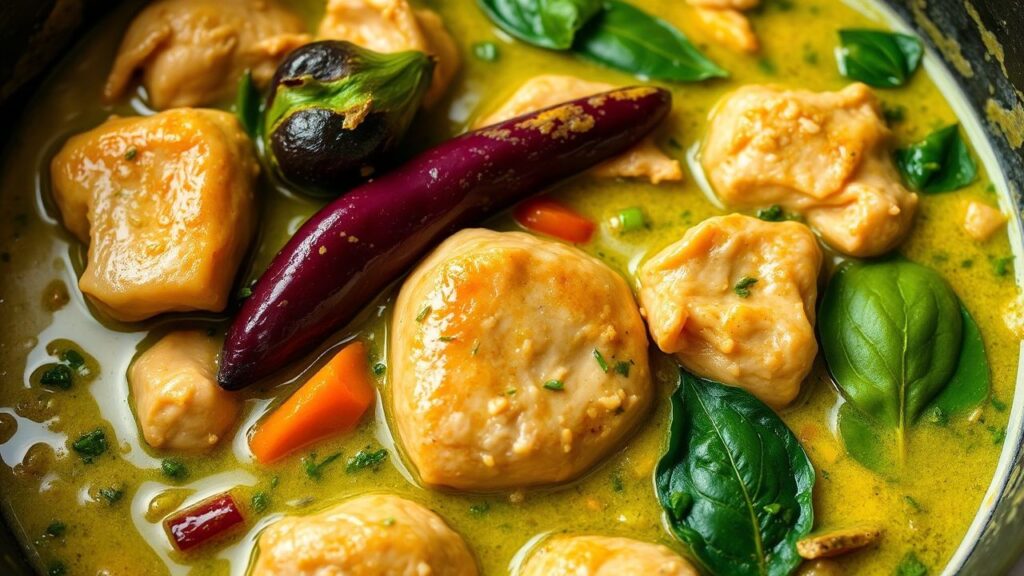
The addition of vegetables and seasoning marks the final stages of the curry’s development. Introduce your chosen vegetables (Thai eggplant, bamboo shoots, bell peppers, snap peas, etc.) and the torn kaffir lime leaves. Simmer for another 5-7 minutes, or until the vegetables are tender-crisp and the chicken is fully cooked. The kaffir lime leaves impart their distinctive citrusy perfume during this simmering phase. Season the curry with fish sauce for saltiness and umami, and palm sugar for sweetness. The balance of these three elements—salty, sweet, and spicy—is the cornerstone of Thai cuisine. Taste and adjust as needed; a truly great green curry will have a perfect equilibrium. A splash of lime juice can be added at the very end for brightness, though traditionally this is often omitted in favor of the kaffir lime and chili notes.
While the curry simmers, prepare the jasmine rice. The key to perfect jasmine rice lies in its ratio of water to rice and the steaming process. Rinse the jasmine rice under cold running water until the water runs clear. This removes excess starch, preventing gummy rice. Combine the rinsed rice, water, and a pinch of salt in a medium saucepan. Bring to a boil, then immediately reduce the heat to the lowest setting, cover tightly, and simmer for 15-20 minutes, or until all the water is absorbed. Resist the urge to lift the lid during this time. Once cooked, let the rice steam, covered, off the heat for another 5-10 minutes. Fluff gently with a fork before serving. The resulting rice should be fragrant, tender, and each grain distinct.
Nutritional Profile (Approximate per serving, without rice)
This nutritional information is an estimate and can vary based on specific ingredients and portion sizes. This calculation assumes 4 servings from the recipe.
| Nutrient | Amount |
|---|---|
| Calories | 450-550 kcal |
| Protein | 25-30g |
| Fat | 30-40g (primarily from coconut milk) |
| Saturated Fat | 20-25g |
| Carbohydrates | 10-15g |
| Fiber | 2-4g |
| Sodium | 600-800mg (can vary significantly with fish sauce) |
The high calorie and fat content, particularly saturated fat, is inherent to the traditional preparation of green curry, stemming from the generous use of coconut milk. However, these fats contribute significantly to the dish’s rich texture and mouthfeel. The protein content is substantial, derived from the chicken. The carbohydrate count is relatively low, primarily from vegetables and any added sugar. The heat from the chilies can also boost metabolism slightly. For those mindful of sodium intake, using low-sodium chicken broth and being judicious with the fish sauce is advisable.
Elevating Your Green Curry: Expert Pro-Tips
Achieving restaurant-quality Thai green curry chicken at home is entirely possible with a few key adjustments and a focus on specific techniques. One of the most significant differentiators is the freshness and quality of your curry paste. As highlighted earlier, homemade is unparalleled. If using store-bought, seek out brands that emphasize fresh ingredients and avoid excessive preservatives or artificial colors. Look for pastes from Thai or Southeast Asian specialty stores, which often carry more authentic formulations.
Another critical element is managing the heat. Thai bird’s eye chilies are potent. If you are sensitive to spice, start with fewer chilies in your paste and always have a mechanism for cooling the palate, such as plain yogurt or milk-based desserts, readily available. Conversely, for those who crave intense heat, you can increase the number of bird’s eye chilies or even add a few Thai green spur chilies to the curry during the simmering phase. The key is to find your personal balance, ensuring the spice enhances rather than overwhelms the other flavors.
The selection and preparation of vegetables also play a role in texture and flavor. While classic Thai eggplant offers a unique spongy texture that absorbs curry beautifully, it can be hard to find. Bell peppers add sweetness and color, snap peas contribute a satisfying crunch, and bamboo shoots provide a subtle earthiness. Consider adding vegetables in stages based on their cooking times. Heartier vegetables like eggplant or bamboo shoots can go in earlier, while delicate greens like spinach or Thai basil should be stirred in just before serving to retain their freshness and vibrant color. A truly exceptional green curry should showcase a delightful contrast in textures.
Finally, don’t underestimate the power of garnish. A few fresh sprigs of Thai basil, a scattering of thinly sliced red spur chilies for visual appeal and an extra kick, and perhaps a drizzle of fresh coconut cream can transform a well-made curry into an exquisite one. The fresh basil, added at the very end, provides a burst of anise-like aroma that lifts the entire dish. This final touch demonstrates attention to detail and elevates the dining experience. The careful consideration of each component, from the initial pounding of spices to the final garnish, is what separates a good green curry from an unforgettable one.
The journey to mastering any complex dish involves practice and an intuitive understanding of flavor. Don’t be discouraged if your first attempt isn’t perfect. Each batch is an opportunity to refine your technique and adjust to your personal palate. The essence of Thai green curry chicken with jasmine rice lies in its vibrant, complex, and deeply satisfying flavor profile, proof of the culinary wisdom of Thailand. The meticulous layering of aromatics, the creamy richness of coconut milk, and the tender chicken, all served atop fragrant jasmine rice, create a dish that is both comforting and exhilarating. It’s a culinary experience that continues to captivate palates worldwide, a true embodiment of the art of balancing flavors.
For those interested in exploring the broader context of curry pastes and their cultural significance, a look at the history and variations of curry pastes can provide valuable insights into the global evolution of these aromatic foundations.
Frequently Asked Questions
What is the best way to store leftover green curry paste?
Leftover green curry paste can be stored in an airtight container in the refrigerator for up to a week. For longer storage, freeze the paste in small portions (e.g., in an ice cube tray) and then transfer the frozen cubes to a freezer-safe bag. Frozen paste can last for several months and is incredibly convenient for quick curry preparation.
Can I make green curry chicken without a mortar and pestle?
While a mortar and pestle yields the best texture and flavor for green curry paste, you can achieve a decent result using a food processor or blender. If using a food processor, pulse the ingredients in stages, starting with the harder ingredients like lemongrass and galangal, then adding the chilies, garlic, and shallots. Scrape down the sides frequently. Be mindful that the texture may be smoother and the oils might not be as thoroughly released compared to hand-pounding.
How can I make my green curry less spicy?
To reduce the spiciness of your green curry, start by using fewer fresh green chilies when making the paste, or remove the seeds and membranes from the chilies, as this is where most of the heat resides. When cooking the curry, you can also use more coconut milk or chicken broth to dilute the spice level. Adding a touch more palm sugar can also help to balance the heat. Serving the curry with a generous portion of jasmine rice, which is neutral in flavor, will also help to temper the spiciness.
What are some common vegetables that work well in Thai green curry?
Classic vegetables for Thai green curry include Thai eggplant (small, round, and often quartered), bamboo shoots (canned or fresh, sliced), bell peppers (red and green for color), snap peas or snow peas for crunch, green beans, and zucchini. Thai basil leaves are almost always added at the end for their aromatic contribution. Some recipes also incorporate mushrooms or baby corn.
See also: Green curry