
The Crucible of Flavor: Unveiling the Majesty of West African Jollof Rice with Chicken
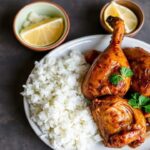
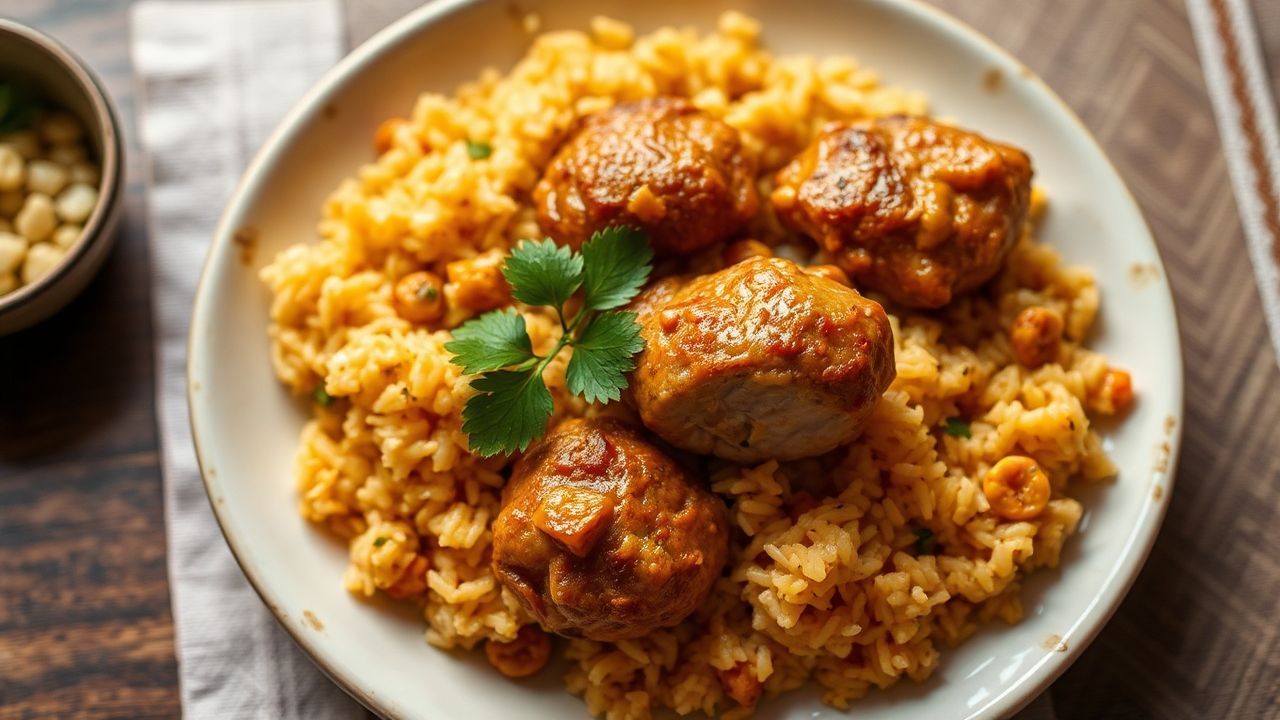
The air in a bustling Lagos market, the smoky aroma of grilled plantains, the rhythmic pounding of fufu – these are sensory anchors to a culinary heritage deeply woven into the fabric of West African life. At the heart of countless celebrations, everyday meals, and spirited debates lies a dish of unparalleled reverence: Jollof Rice. More than just a meal, Jollof Rice is a cultural touchstone, a symbol of hospitality, and a fiercely debated culinary masterpiece. Its vibrant crimson hue, its intoxicating fragrance, and its deeply satisfying, complex flavor profile have captivated palates across the diaspora. This article will demystify the creation of this iconic dish, focusing on the beloved West African Jollof Rice with chicken, offering a meticulously researched guide that transcends mere recipe-following, exploring the soul of its preparation.
- The Crucible of Flavor: Unveiling the Majesty of West African Jollof Rice with Chicken
- The Foundation: Crafting the Perfect Pepper Base
- The Star of the Show: Preparing the Chicken
- The Unification: Cooking the Jollof Rice
- Nutritional Snapshot: A Balanced Perspective
- Elevating Your Jollof Rice: Pro-Tips for Restaurant-Quality Results
- A Culinary Legacy: The Enduring Appeal of Jollof Rice
- Frequently Asked Questions
At a Glance: Key Insights for Jollof Rice Excellence
- The Tomato Base is Paramount: The quality and preparation of the tomato and pepper base dictate the dish’s foundational flavor and color.
- Patience is a Virtue: Low and slow cooking is crucial for developing deep flavors and achieving perfectly tender grains.
- The ‘Smoky’ Element: Achieving that coveted subtle smokiness, often associated with rice cooked over open fires, is a nuanced art.
- Balancing Act of Spices: A harmonious blend of aromatic spices is essential to elevate the Jollof Rice beyond simple tomato rice.
The genesis of Jollof Rice, while debated, is widely accepted to have originated with the Wolof people of the Senegambia region. From there, it migrated and evolved, taking on regional nuances and becoming a point of national pride for countries like Ghana, Nigeria, Senegal, and Sierra Leone, each fiercely defending their unique rendition. The “Jollof Wars,” a playful yet passionate online rivalry, often pits Nigeria against Ghana, highlighting the deep emotional connection people have to their ancestral versions. This rivalry isn’t about mere preference; it’s about tradition, memory, and identity. Understanding this context is key to appreciating the dedication that goes into crafting a truly exceptional Jollof Rice with chicken.
The Foundation: Crafting the Perfect Pepper Base
The soul of any great Jollof Rice lies in its meticulously prepared pepper base, often referred to as the “stew” or “sauce.” This is not merely a collection of blended ingredients; it’s a carefully orchestrated symphony of aromatics and heat that forms the bedrock of the dish’s flavor and color. The quality of your tomatoes, peppers, and onions will directly influence the final outcome. Using ripe, flavourful plum tomatoes (Roma or San Marzano are excellent choices) provides sweetness and body. A blend of red bell peppers adds sweetness and that signature crimson hue, while scotch bonnet or habanero peppers, used judiciously, impart a nuanced heat that dances on the palate without overwhelming the other flavors.
Essential Ingredients for the Pepper Base:
- Tomatoes: 1 kg (approx. 2.2 lbs) ripe plum tomatoes, roughly chopped
- Red Bell Peppers: 3 large, deseeded and roughly chopped
- Onions: 2 large, roughly chopped
- Scotch Bonnet Peppers: 1-3, depending on desired heat level, stems removed
- Garlic: 4-6 cloves, peeled
- Ginger: A 2-inch piece, peeled and roughly chopped
- Vegetable Oil: 150 ml (approx. 2/3 cup)
- Tomato Paste: 4 tablespoons (double concentrated preferred)
- Bay Leaves: 2-3
- Thyme: 1 teaspoon dried
- Curry Powder: 1 teaspoon
- Salt: To taste
- Black Pepper: To taste
The initial step involves creating a vibrant purée. Combine the chopped tomatoes, red bell peppers, onions, scotch bonnet peppers, garlic, and ginger in a blender or food processor. Blend until you achieve a smooth, homogenous consistency. This purée will be the primary flavor driver of your Jollof Rice.
The Art of Reducing the Purée:
This stage is non-negotiable and often where lesser Jollof Rice dishes falter. The blended pepper mixture contains a significant amount of water. To concentrate the flavors and develop that rich, deep color, this liquid must be reduced. Heat the vegetable oil in a large, heavy-bottomed pot or Dutch oven over medium heat. Add the blended pepper mixture. This is where the magic truly begins. The mixture will sputter vigorously as the water evaporates. Stir frequently to prevent sticking and burning. This process can take anywhere from 20 to 30 minutes, sometimes longer, depending on the moisture content of your vegetables and the heat of your stove. You are looking for a significant reduction in volume, a thickening of the purée, and a richer, deeper red color. It should resemble a thick sauce rather than a watery soup.
Once the purée has reduced, add the tomato paste. Stir it in thoroughly and continue to cook for another 5-7 minutes. This step is crucial for “cooking out” the raw, acidic taste of the tomato paste, allowing its sweetness and depth to emerge. The aroma at this stage should be intoxicating – a fragrant prelude to the Jollof Rice to come. Finally, add the bay leaves, dried thyme, and curry powder. Stir well and season with salt and black pepper to your preference. Allow this base to simmer gently for a few more minutes, allowing the spices to bloom and meld with the tomato mixture.
The Star of the Show: Preparing the Chicken
While Jollof Rice can be made with various proteins, chicken is a perennial favorite, offering a delightful counterpoint to the rice’s richness. The key is to infuse the chicken with flavor before it even meets the rice, ensuring each bite is a harmonious blend of savory chicken and aromatic rice.
Ingredients for the Chicken:
- Chicken Pieces: 1 kg (approx. 2.2 lbs) bone-in, skin-on chicken pieces (thighs and drumsticks are ideal for flavor and moisture)
- Onion: 1 medium, roughly chopped
- Garlic: 2 cloves, minced
- Ginger: 1 teaspoon grated
- Curry Powder: 1 teaspoon
- Thyme: ½ teaspoon dried
- Salt: To taste
- Black Pepper: To taste
- Vegetable Oil: 2 tablespoons
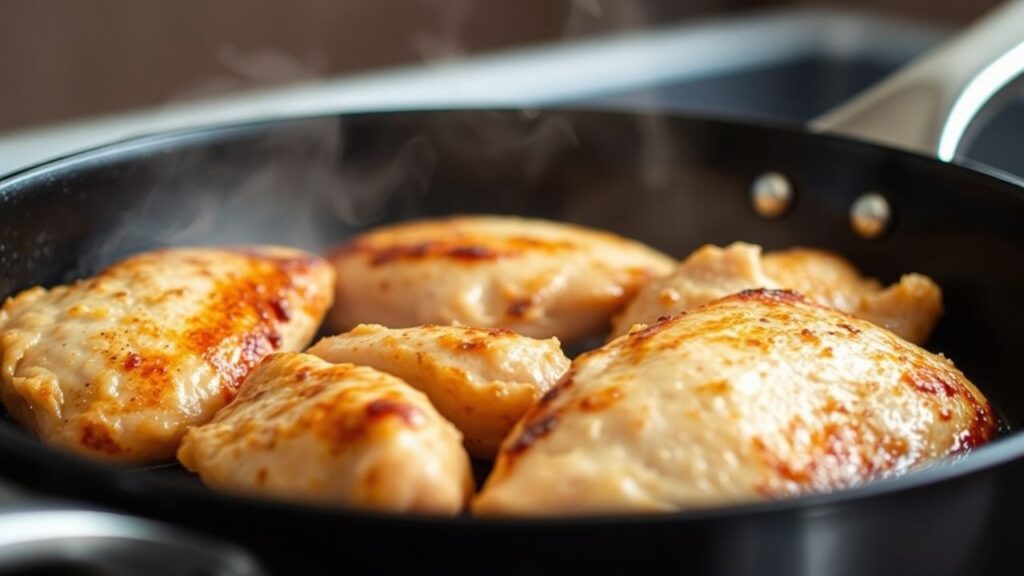
To prepare the chicken, begin by seasoning it generously with salt, black pepper, curry powder, thyme, minced garlic, and grated ginger. Ensure each piece is well-coated. You can also add a pinch of onion powder or a dash of soy sauce for an extra layer of umami. Heat 2 tablespoons of vegetable oil in a separate pan over medium-high heat. Sear the chicken pieces on all sides until they achieve a beautiful golden-brown color. This searing process locks in the juices and builds a foundation of flavor. Do not cook the chicken through at this stage; the goal is color and initial browning. Remove the seared chicken from the pan and set aside.
The Unification: Cooking the Jollof Rice
With the pepper base perfected and the chicken seared, it’s time for the grand unification – the cooking of the Jollof Rice itself. This is where technique and patience are paramount. The goal is to achieve fluffy, distinct grains of rice that are infused with the rich flavors of the pepper base and the succulent chicken.
Ingredients for the Jollof Rice:
- Long-Grain Parboiled Rice: 500g (approx. 2.5 cups)
- Chicken Stock: 750 ml (approx. 3 cups) – homemade is best for superior flavor
- Bay Leaves: 2
- Butter or Margarine: 2 tablespoons
- Optional: Sliced onions, bell peppers for garnish
The choice of rice is critical. Long-grain parboiled rice is the preferred variety for Jollof Rice because it holds its shape well and is less prone to becoming mushy. It also absorbs flavors beautifully. Rinse the rice thoroughly under cold running water until the water runs clear. This removes excess starch, which can lead to clumpy rice.
In the same pot where you prepared the pepper base (or a clean, large, heavy-bottomed pot), add the thoroughly reduced pepper mixture. If you seared your chicken in a separate pan, you can deglaze that pan with a splash of chicken stock and add the flavorful bits to the main pot. Now, introduce the rinsed rice to the pot. Stir the rice into the pepper base, ensuring every grain is coated. This initial coating is vital for even flavor distribution.
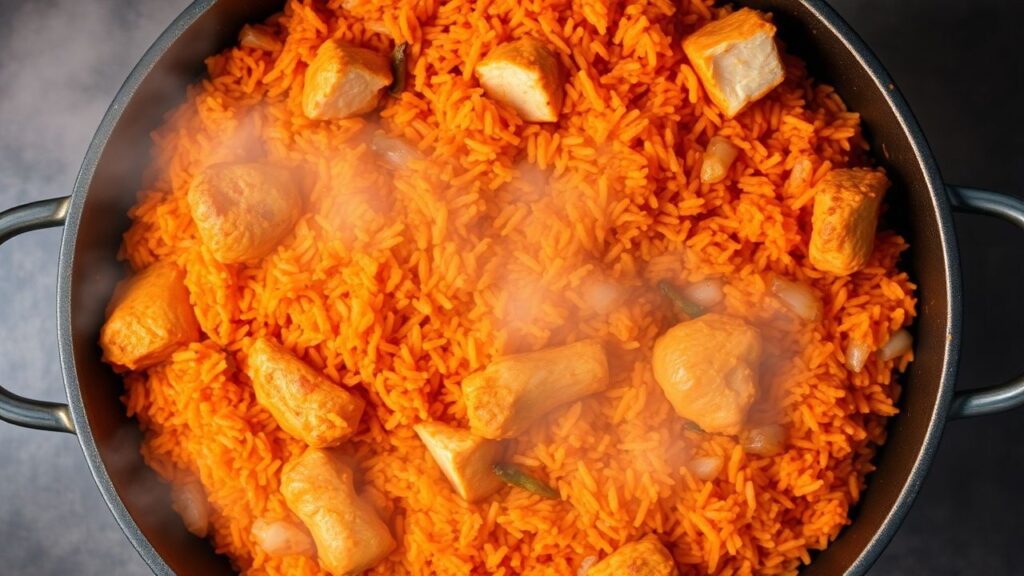
Add the seared chicken pieces to the pot, nestling them into the rice. Pour in the chicken stock. The liquid should be just enough to cover the rice and chicken. A common ratio to aim for is approximately 1.5 to 2 parts liquid to 1 part rice, but this can vary depending on the rice and the reduction of your pepper base. Add the bay leaves and the butter or margarine. Stir everything gently to combine.
The Simmering Process: Patience is Key
Bring the mixture to a boil over medium-high heat. Once boiling, immediately reduce the heat to the lowest possible setting. Cover the pot tightly with a lid. If your lid isn’t perfectly sealed, you can place a layer of aluminum foil or parchment paper between the pot and the lid to create a tighter seal. This traps the steam, which is essential for cooking the rice evenly and ensuring it becomes tender.
Cook on low heat for at least 30-40 minutes. Resist the urge to lift the lid and stir frequently. Each time you open the lid, you release precious steam. After 30-40 minutes, carefully lift the lid to check the rice. If the liquid has been absorbed and the rice is almost tender but still has a slight bite (al dente), it’s time for the next crucial step. If there’s still a lot of liquid, continue cooking on low heat, checking every 10 minutes.
If the rice is nearly done but dry, you can add a splash more chicken stock or water, cover, and continue cooking. Once the rice is tender, turn off the heat and let the Jollof Rice steam, covered, for an additional 10-15 minutes. This resting period allows the grains to finish cooking in their own steam, becoming perfectly fluffy and distinct. Before serving, gently fluff the rice with a fork, carefully integrating the chicken pieces and ensuring an even distribution of flavor. Garnish with fresh, thinly sliced onions and bell peppers if desired.
Nutritional Snapshot: A Balanced Perspective
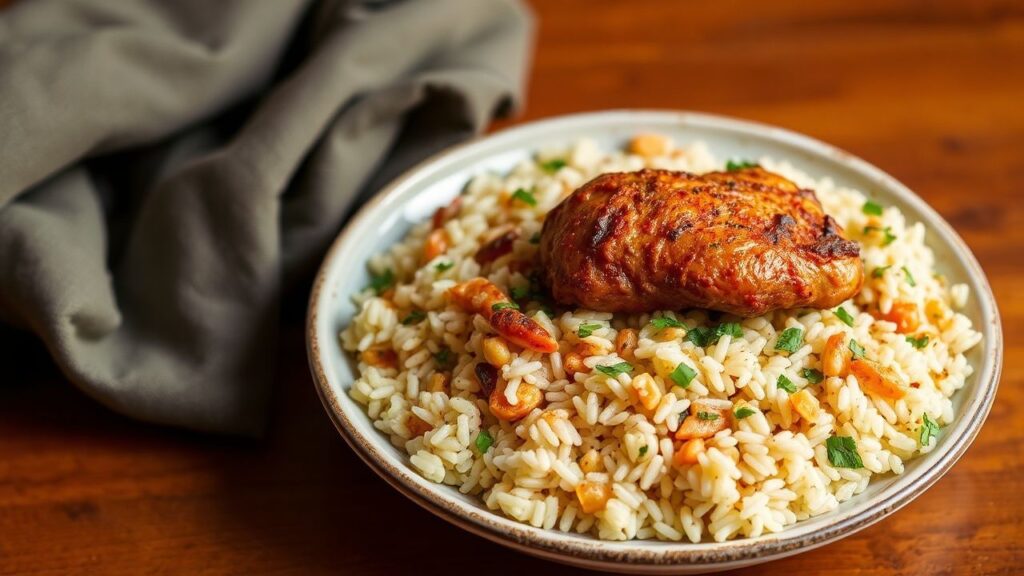
While Jollof Rice with chicken is a celebratory dish, understanding its nutritional profile allows for informed enjoyment. A typical serving (approximately 300-400g, depending on portion size and ingredients) can provide:
- Calories: 450-650 kcal
- Protein: 25-40g (primarily from the chicken)
- Carbohydrates: 50-70g (from the rice)
- Fat: 15-30g (depending on the amount of oil used in the pepper base and searing)
- Fiber: 3-5g (from the vegetables in the pepper base)
- Vitamins and Minerals: Good source of Vitamin A (from tomatoes and peppers), Vitamin C, and various B vitamins, as well as iron and potassium.
These are estimates and can vary significantly based on the exact quantities of ingredients used, particularly the oil and the fattiness of the chicken. For a healthier rendition, reduce the amount of oil used in the pepper base, opt for leaner chicken cuts like boneless, skinless thighs, and be mindful of portion sizes.
Elevating Your Jollof Rice: Pro-Tips for Restaurant-Quality Results
The difference between good Jollof Rice and exceptional Jollof Rice often lies in the subtle nuances and techniques employed by seasoned chefs.
The Magic of Umami:
Beyond the basic spices, consider adding a touch of umami. A teaspoon of shrimp powder (often available in West African markets) or a small amount of dissolved bouillon cube (use sparingly to avoid excessive sodium) can deepen the savory notes of the dish. Some chefs also swear by adding a teaspoon of dark soy sauce to the pepper base during the reduction stage for an extra layer of complexity.
The Crucial Sear:
Properly searing the chicken is vital. Don’t overcrowd the pan; cook in batches if necessary to achieve a beautiful, even crust. This browning process creates the Maillard reaction, which is responsible for rich, complex flavors.
The “Party Jollof” Secret:
Many West Africans fondly recall “party Jollof,” often distinguished by its intense flavor and slightly smoky aroma. This is frequently achieved by cooking the rice over a lower heat for a longer duration, allowing the flavors to meld more deeply. Some also believe the subtle addition of a very small amount of smoked paprika to the pepper base can replicate this effect. In some traditional settings, the rice might be cooked in a pot placed directly over low embers, imparting a unique smokiness that is difficult to replicate on a modern stovetop. Another common technique for achieving a slightly caramelized bottom layer, often referred to as the “bottom pot” or “party starter,” involves allowing a thin layer of rice to toast at the bottom of the pot towards the end of cooking. This requires careful monitoring to prevent burning but yields a delightful texture and intense flavor.
The Importance of Stock:
While water can be used, homemade chicken stock will elevate your Jollof Rice to an entirely new level. Simmering chicken bones, aromatic vegetables (carrots, celery, onions), and herbs for several hours creates a rich, flavorful liquid that forms the backbone of the dish. This investment in your stock pays dividends in the final taste.
A Culinary Legacy: The Enduring Appeal of Jollof Rice
West African Jollof Rice with chicken is more than just a recipe; it’s an experience. It’s the aroma that fills the home, the vibrant colors that grace the table, and the shared joy of a meal prepared with love and tradition. From the meticulous reduction of the pepper base to the patient simmering of the rice, every step contributes to a dish that is both deeply comforting and exhilaratingly flavorful. Whether you are a seasoned cook or a novice venturing into the world of West African cuisine, mastering this iconic dish is a rewarding journey. It connects you to a rich culinary heritage, a vibrant culture, and a universally beloved flavor profile that continues to win hearts and minds across the globe. The next time you crave a dish that embodies warmth, flavor, and a touch of celebratory magic, turn your attention to the timeless allure of Jollof Rice with chicken.
Frequently Asked Questions
What is the difference between Nigerian and Ghanaian Jollof Rice?
The “Jollof Wars” are legendary, with Nigeria and Ghana often cited as the main contenders. While both versions are delicious and share a common foundation, key differences lie in their preparation and flavor profiles. Nigerian Jollof Rice is often characterized by its use of long-grain parboiled rice, a very smooth, intensely tomato-based sauce, and a tendency to be cooked until the rice is quite soft and well-integrated. It’s also known for its smoky undertones, often achieved through specific cooking methods. Ghanaian Jollof Rice, on the other hand, frequently uses basmati rice, resulting in a slightly firmer, more distinct grain. The flavor profile can be more herbaceous, with a greater emphasis on spices like ginger and garlic, and the sauce might be less smooth, allowing for more texture from blended peppers and onions. The debate over which is “superior” is subjective and deeply personal, often tied to regional upbringing and culinary traditions.
How can I make my Jollof Rice less spicy?
The heat in Jollof Rice primarily comes from chili peppers like scotch bonnets or habaneros. To reduce spiciness, begin by using fewer chili peppers. You can also remove the seeds and membranes from the chili peppers before blending, as this is where a significant amount of the capsaicin (the compound responsible for heat) resides. Another effective method is to increase the quantity of sweet red bell peppers in your pepper base, as they add color and sweetness without heat. Adding a touch of sugar or honey during the cooking process can also help to balance out the heat. Finally, ensure your tomato paste is well-cooked to reduce its natural acidity, which can sometimes be perceived as contributing to a “sharpness” that might be confused with heat.
My Jollof Rice turned out mushy. What went wrong?
Mushy Jollof Rice is a common pitfall, often stemming from a few key issues. Firstly, the type of rice used is crucial. As mentioned, long-grain parboiled rice is ideal because it’s less likely to break down. Using a short-grain rice or not rinsing the rice thoroughly can lead to excess starch, resulting in a sticky, mushy texture. Secondly, the liquid-to-rice ratio is critical. Too much liquid, or not reducing the pepper base sufficiently, can lead to overcooked, waterlogged grains. Thirdly, excessive stirring during the cooking process can break the rice grains. It’s important to let the rice cook undisturbed for the most part. Finally, opening the lid too frequently releases steam, which is essential for even cooking. If the rice is still not tender after the initial cooking time, add a small amount of liquid and continue to cook, rather than adding a large amount at once.
Can I make Jollof Rice ahead of time?
Yes, Jollof Rice can absolutely be made ahead of time, and in some instances, it even tastes better the next day as the flavors have more time to meld. When reheating, it’s important to do so gently to avoid drying out the rice. You can reheat it on the stovetop over low heat, adding a splash of chicken stock or water to restore moisture and prevent sticking. Alternatively, you can reheat it in the oven, covered, at around 150°C (300°F). Ensure the rice is heated through completely before serving. If you plan to make it ahead, it’s often best to aim for the rice to be slightly al dente when you first cook it, as it will continue to cook a little when reheated.
See also: Jollof Rice