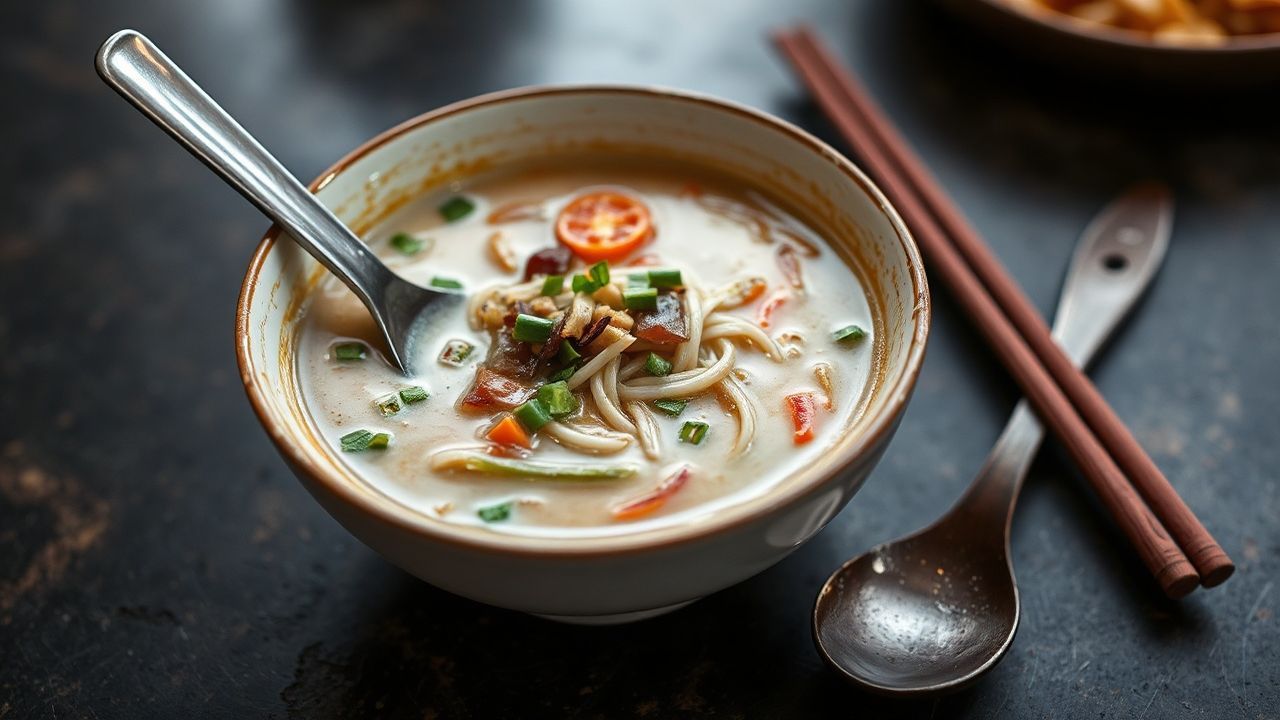

The aroma hit me before I even saw the bowl. It was a symphony of toasted coconut, pungent ginger, and a whisper of chili, a scent that promised warmth and adventure. I was in a small, unassuming eatery in Yangon, the humid air thick with anticipation. The owner, a woman with eyes that had seen generations of families gathered around her stoves, placed a steaming bowl before me. This was my first encounter with Khao Suey, a dish that has since become a benchmark for comfort and culinary artistry in my mind. It’s more than just a noodle soup; it’s an intricate tapestry of flavors and textures, proof of the rich culinary heritage of Myanmar. The sheer variety of accompaniments, each playing a crucial role in the final composition, is what elevates Khao Suey from mere sustenance to a truly profound gastronomic experience.
- The Genesis of a Gastronomic Icon: Understanding Burmese Khao Suey
- Deconstructing the Masterpiece: Key Components of Khao Suey
- The Velvety Embrace: The Curry Broth
- The Noodle Nexus: Wheat Noodles and Their Role
- The Symphony of Toppings: A Culinary Canvas
- Crafting Your Own Khao Suey: A Comprehensive Recipe
- Nutritional Insights: A Balanced Indulgence
- Elevating Your Khao Suey: Pro-Tips from the Expert Kitchen
- The Enduring Allure of Khao Suey
- Frequently Asked Questions about Burmese Khao Suey
At a Glance: make the most of Khao Suey
- The Soul of Khao Suey: The velvety, fragrant curry broth, built upon a foundation of toasted coconut milk and aromatic spices, is the undisputed heart of this dish.
- A Symphony of Textures: The genius lies in the contrasting textures – the tender noodles, the crunchy toppings, and the yielding protein – creating a multi-sensory delight.
- The Art of Customization: Khao Suey is a canvas; the array of optional garnishes allows each diner to paint their own perfect bowl, a delightful exploration of personal preference.
- Beyond the Bowl: Understanding the cultural context and regional variations of Khao Suey enriches the appreciation of its depth and adaptability.
The Genesis of a Gastronomic Icon: Understanding Burmese Khao Suey
Burmese Khao Suey, often referred to simply as *Khao Soi* in some regions, is a beloved national dish with roots that trace back to the ancient trade routes and cultural exchanges that have shaped Southeast Asia. While variations exist across Thailand and other neighboring countries, the Burmese iteration possesses a distinct character, often characterized by a richer, more complex curry base and a specific set of traditional accompaniments. Its origins are believed to be influenced by Chinese Muslim traders, who introduced noodle-making techniques and the concept of a savory noodle soup. Over time, local ingredients and culinary philosophies were integrated, resulting in the iconic dish we know today. The name itself, derived from the Shan word for “noodle,” hints at its fundamental essence.
The beauty of Khao Suey lies in its inherent adaptability. While a standard recipe exists, the true magic unfolds in the nuances of preparation and the personalized assembly of toppings. Different regions within Myanmar might favor specific spices or protein sources, reflecting the local agricultural bounty and culinary traditions. For instance, coastal areas might lean towards a more pronounced seafood element, while inland regions might emphasize richer, meatier broths. This inherent flexibility has allowed Khao Suey to permeate diverse communities, becoming a comforting staple that feels both familiar and endlessly exciting. Its presence at family gatherings, street food stalls, and fine dining establishments underscores its enduring appeal.
Deconstructing the Masterpiece: Key Components of Khao Suey
At its core, Burmese Khao Suey is a harmonious interplay of several crucial elements. Each component, from the foundational curry broth to the final textural accents, contributes to the dish’s remarkable depth and complexity. Understanding these elements is the first step towards mastering this exquisite culinary creation.
The Velvety Embrace: The Curry Broth
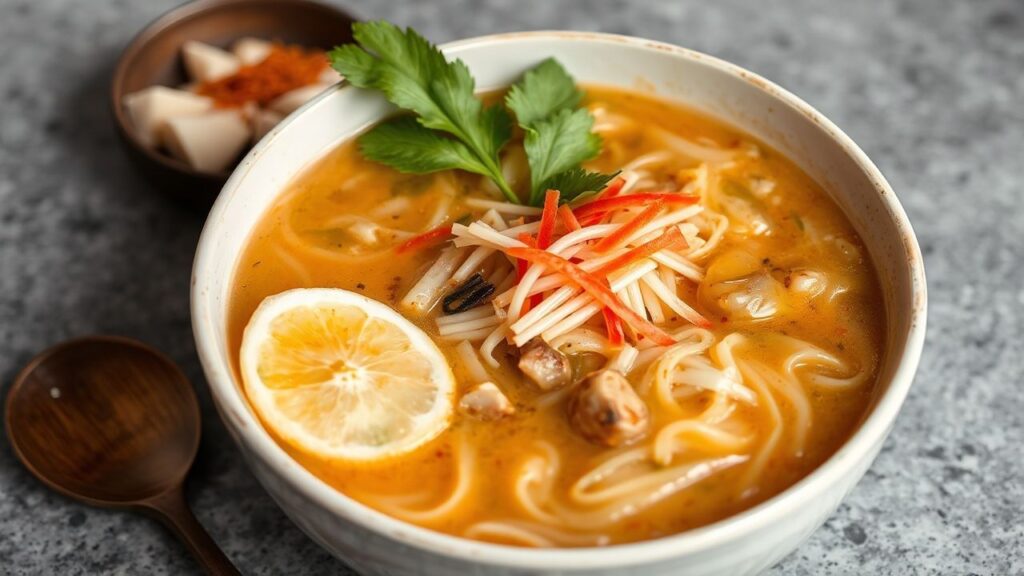
The soul of Khao Suey resides in its fragrant and unctuous curry broth. This is not a mere soup; it’s a meticulously crafted emulsion, typically built upon a base of toasted coconut milk. The toasting process, a critical step often overlooked, imparts a nutty depth and a subtle sweetness that forms the bedrock of the flavor profile. The aromatics are paramount: fresh ginger, garlic, and chilies form the pungent trifecta, often pounded into a paste with a medley of spices. Common additions include turmeric for its earthy warmth and vibrant color, coriander for its citrusy notes, and sometimes cumin or fenugreek for added complexity. The careful sautéing of this spice paste before the coconut milk is added is crucial for unlocking their full aromatic potential.
The consistency of the broth is another defining characteristic. It should be rich and coating, clinging to the noodles rather than pooling thinly at the bottom of the bowl. This is achieved through a judicious balance of coconut milk, chicken or vegetable stock, and sometimes a touch of flour or cornstarch to thicken. The slow simmering process allows the flavors to meld and deepen, transforming simple ingredients into a luxurious elixir. The quality of the coconut milk is paramount; a full-fat, high-quality variety will yield a far superior result, contributing to both the richness and the silken texture of the broth.
The Noodle Nexus: Wheat Noodles and Their Role
The noodles are the structural backbone of Khao Suey, providing a satisfying chew that contrasts beautifully with the creamy broth. Typically, wheat-based egg noodles are used, often of the slightly thicker variety, which can withstand the heat and richness of the curry without becoming mushy. These noodles are usually parboiled to achieve an al dente texture, ensuring they retain their integrity even after being submerged in the hot broth. Some recipes call for a quick fry of a portion of the noodles to create a delightful textural contrast, adding a satisfying crunch that complements the soft noodles and the creamy soup.
The preparation of the noodles is a seemingly simple step, yet it requires attention to detail. Overcooking them will result in a gummy texture that detracts from the overall experience. Conversely, undercooking can leave them unpleasantly firm. The goal is a tender, yielding noodle that absorbs the flavors of the broth without disintegrating. The choice of noodle can also vary, with some opting for flatter, wider varieties, though the more common rounded, slightly chewy egg noodle is generally preferred for its ability to hold the broth.
The Symphony of Toppings: A Culinary Canvas
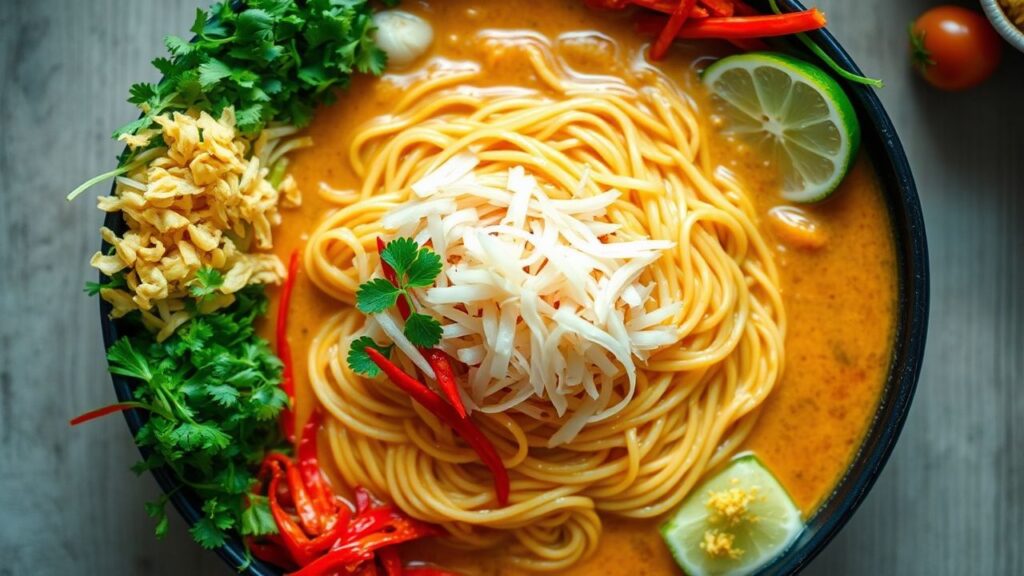
Perhaps the most captivating aspect of Burmese Khao Suey is the elaborate array of accompaniments, each offering a unique flavor, texture, or acidity to cut through the richness of the broth. These are not mere garnishes; they are integral to the Khao Suey experience, transforming a delicious soup into a personalized culinary adventure.
- Crispy Fried Shallots and Garlic: These provide an essential crunch and a concentrated burst of savory sweetness. Their aroma alone is intoxicating.
- Lime Wedges: The bright, zesty acidity of fresh lime is indispensable, cutting through the richness of the coconut milk and awakening the palate.
- Fresh Cilantro and Mint: These fresh herbs add a cooling, aromatic lift, balancing the warmth of the spices.
- Pickled Mustard Greens (Achar): This traditional accompaniment offers a delightful tangy, slightly sour, and often spicy counterpoint to the rich broth. The fermentation process imbues them with a unique depth of flavor.
- Chili Oil or Paste: For those who crave an extra kick, a dollop of homemade chili oil or a spicy paste provides a welcome fiery embrace.
- Roasted Peanuts or Fried Noodles: Additional crunchy elements that further enhance the textural complexity of the dish.
- Shredded Cabbage or Bean Sprouts: Offering a refreshing crispness and a lighter textural element.
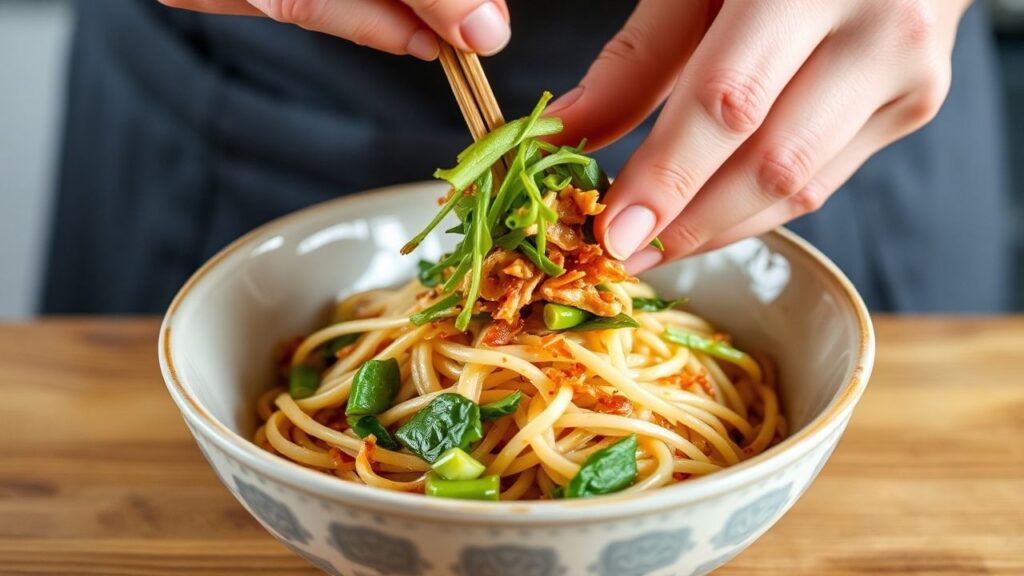
The act of assembling one’s own bowl of Khao Suey is a ritual in itself, a moment of anticipation before the first satisfying spoonful. The interplay of textures and flavors, dictated by the diner’s choices, makes each bowl a unique masterpiece.
Crafting Your Own Khao Suey: A Comprehensive Recipe
Mastering Burmese Khao Suey at home is an achievable and deeply rewarding endeavor. This recipe provides a detailed blueprint for creating an authentic and deeply satisfying bowl.
Ingredients:
For the Curry Broth:
- 400 ml (1 can, approx. 13.5 fl oz) full-fat coconut milk
- 200 ml (approx. 7 fl oz) chicken or vegetable stock
- 2 tablespoons vegetable oil
- 2 large onions, thinly sliced
- 4-6 cloves garlic, minced
- 2-inch piece of ginger, peeled and grated
- 2-4 fresh red chilies, deseeded and finely chopped (adjust to your spice preference)
- 1 tablespoon ground turmeric
- 1 tablespoon ground coriander
- 1 teaspoon ground cumin
- ½ teaspoon fenugreek seeds (optional, for depth)
- 1 tablespoon gram flour (besan) or all-purpose flour
- Salt to taste
- Pinch of sugar (optional, to balance flavors)
For the Noodles and Protein:
- 400g (approx. 14 oz) fresh or dried wheat egg noodles
- 250g (approx. 9 oz) boneless, skinless chicken thighs or breasts, thinly sliced (or firm tofu, cubed, for a vegetarian option)
- 1 tablespoon soy sauce
- 1 teaspoon cornstarch
For the Accompaniments (Suggestions):
- 2 large shallots, thinly sliced and fried until golden brown and crispy
- 4 cloves garlic, thinly sliced and fried until golden brown and crispy
- 1 bunch fresh cilantro, chopped
- 1 bunch fresh mint, chopped
- 2-3 limes, cut into wedges
- 100g (approx. 3.5 oz) pickled mustard greens (achar), roughly chopped
- 1-2 tablespoons chili oil or sambal oelek
- 50g (approx. 2 oz) roasted peanuts, roughly chopped
- 100g (approx. 3.5 oz) bean sprouts
- ½ small head of green cabbage, thinly shredded
Preparation Method:
1. Toast the Coconut Milk (Optional but Recommended): In a wide, heavy-bottomed pan or wok, heat 2 tablespoons of the coconut milk over medium heat. Stir continuously until the milk solids begin to separate and turn a light golden brown. This process, known as *gong*, deepens the flavor significantly. Carefully remove the toasted solids and set aside. Add the remaining coconut milk to the pan.
2. Sauté the Aromatics: In the same pan, add the vegetable oil and heat over medium heat. Add the sliced onions and sauté until softened and lightly golden, about 8-10 minutes. Add the minced garlic, grated ginger, and chopped chilies. Cook for another 2-3 minutes until fragrant.
3. Bloom the Spices: Stir in the turmeric, coriander, cumin, and fenugreek seeds (if using). Cook for 1 minute, stirring constantly, until the spices are fragrant. This blooming process enhances their flavor.
4. Create the Curry Paste: Add the gram flour (or all-purpose flour) to the pan and stir for 1 minute. Gradually whisk in the coconut milk and chicken/vegetable stock until smooth. Bring to a gentle simmer.
5. Simmer the Broth: Reduce the heat to low, cover, and simmer for at least 30 minutes, stirring occasionally, allowing the flavors to meld. If the broth becomes too thick, add a little more stock or water. Season with salt to taste. If desired, add a pinch of sugar to balance the flavors.
6. Prepare the Protein: In a small bowl, toss the sliced chicken or tofu with soy sauce and cornstarch. This will help tenderize the protein and create a slight glaze.
7. Cook the Protein: Add the marinated chicken or tofu to the simmering curry broth. Cook for 5-7 minutes for chicken, or until tofu is heated through and slightly golden.
8. Cook the Noodles: While the broth simmers, cook the noodles according to package instructions until al dente. Drain well. If you wish to add fried noodles for texture, lightly fry a portion of the cooked noodles in a separate pan with a little oil until golden and crispy.
9. Assemble the Khao Suey: Ladle the hot curry broth with chicken or tofu into individual serving bowls. Add a generous portion of cooked noodles.
10. Garnish Generously: Arrange the various accompaniments around the edge of the bowl, allowing each diner to customize their own Khao Suey. Serve immediately.
Nutritional Insights: A Balanced Indulgence
While Khao Suey is undeniably a rich and comforting dish, its nutritional profile can be surprisingly well-rounded, especially when prepared with mindful choices. A typical serving, depending on the quantities of coconut milk and protein, can offer a good source of:
- Calories: Approximately 600-900 kcal per serving, primarily from the coconut milk and noodles.
- Protein: Around 20-30g, depending on the type and amount of chicken or tofu used.
- Healthy Fats: Rich in monounsaturated and saturated fats from the coconut milk, which can contribute to satiety.
- Carbohydrates: Primarily from the noodles, providing energy.
- Vitamins and Minerals: The inclusion of fresh vegetables, herbs, and spices contributes a range of vitamins (like Vitamin C from lime and cilantro) and minerals.
Keep in mind that the nutritional content can vary significantly based on the brand of coconut milk used, the amount of oil in the broth, and the portion sizes of the noodles and protein. For a lighter version, one could opt for a lower-fat coconut milk, reduce the amount of oil used for sautéing, and increase the proportion of vegetables and lean protein.
Elevating Your Khao Suey: Pro-Tips from the Expert Kitchen
Achieving restaurant-quality Khao Suey at home is about attention to detail and understanding the subtle nuances that make this dish truly sing. These insights will help you refine your technique and impress even the most discerning palates.
The foundation of a truly memorable Khao Suey is the depth of flavor in its broth. This is not a dish that tolerates shortcuts. The initial toasting of the onions, garlic, and ginger is a critical step, caramelizing their natural sugars and building a robust aromatic base. When sautéing your spice paste, ensure your heat is moderate; too high, and you risk burning the delicate spices, which will impart a bitter note.
The accompaniments are where personal expression truly shines. While the classic list is extensive, don’t be afraid to experiment. A finely diced red onion can add a pungent bite, while a small amount of roasted shrimp paste can introduce an umami depth that is particularly compelling. The quality of your fried shallots and garlic is also paramount; ensure they are thinly sliced and fried to a perfect golden crispness, not burnt and bitter.
The Enduring Allure of Khao Suey
Burmese Khao Suey is more than just a meal; it’s an experience. It’s a dish that invites participation, encouraging diners to engage with their food on a deeper level, creating a personalized culinary narrative with every addition of a topping. Its rich history, its complex yet comforting flavors, and its inherent adaptability ensure its place as a cherished classic in the global culinary landscape. Whether you’re seeking a taste of Myanmar’s vibrant food culture or simply a deeply satisfying and flavorful noodle soup, Khao Suey promises a journey that is both delicious and profoundly memorable.
Frequently Asked Questions about Burmese Khao Suey
What is the difference between Burmese Khao Suey and other Southeast Asian noodle soups?
While many Southeast Asian noodle soups share a common heritage, Burmese Khao Suey distinguishes itself through its unique flavor profile and traditional accompaniments. Unlike Thai Khao Soi, which often features a more vibrant, chili-forward broth and a distinct curry powder blend, Burmese Khao Suey leans towards a richer, creamier, and more aromatic coconut-based broth, often with a focus on toasted spices. The array of toppings is also a key differentiator; Burmese Khao Suey typically includes pickled mustard greens (achar), crispy fried shallots and garlic, and fresh herbs as essential components, offering a more complex textural and flavor contrast than some other regional variations.
Can I make Khao Suey vegetarian or vegan?
Absolutely. Khao Suey is remarkably adaptable. For a vegetarian version, simply substitute the chicken broth with a high-quality vegetable stock and use firm or extra-firm tofu, cubed and pan-fried or baked until golden, as your protein. For a vegan Khao Suey, ensure your stock is vegetable-based and that all other ingredients, including any potential fish sauce or shrimp paste (which are not typically core to Burmese Khao Suey but can appear in some regional adaptations), are omitted or substituted with vegan alternatives. The richness of the coconut milk base ensures a satisfying and decadent vegan experience.
How can I store leftover Khao Suey broth and noodles?
Leftover Khao Suey broth can be stored in an airtight container in the refrigerator for up to 3-4 days. It often tastes even better the next day as the flavors continue to meld. When reheating, gently warm it on the stovetop, adding a splash of water or stock if it has thickened too much. Cooked noodles are best stored separately from the broth, also in an airtight container in the refrigerator for 1-2 days. Reheat the noodles briefly in boiling water or by stir-frying them in a little oil before serving to refresh their texture. It’s generally not recommended to store assembled bowls of Khao Suey, as the noodles can become soggy and the toppings lose their crispness.
See also: Khao Suey