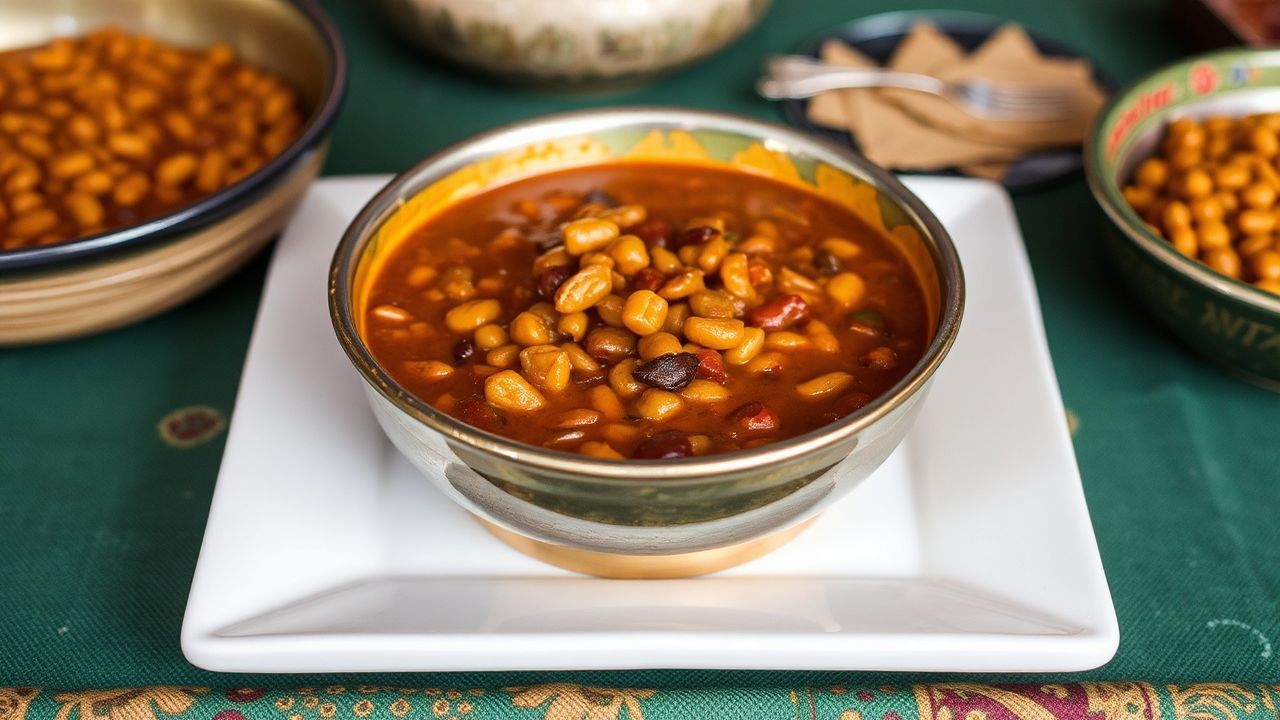

The scent wafted from the bustling marketplace, a complex symphony of warming spices, earthy legumes, and a hint of something profoundly comforting. It was the aroma of Misir Wot, the iconic Ethiopian red lentil stew, a dish that transcends mere sustenance to become a cultural touchstone, a symbol of hospitality, and proof of the power of simple ingredients transformed by masterful technique. For anyone who has experienced Ethiopian cuisine, the memory of a vibrant, crimson mound of Misir Wot, served alongside pillowy injera, is likely to be indelible. This dish is not just food; it’s an invitation to gather, to share, and to savor the diverse mix of Ethiopian culinary heritage.
- The Art of Berbere: Ethiopia’s Quintessential Spice Blend
- Mastering the Lentils: Texture and Taste
- The Symphony of Ingredients: Building the Perfect Misir Wot
- The Method: A Step-by-Step Culinary Journey
- Nutritional Profile: A Wholesome Powerhouse
- Elevating Misir Wot: Expert Tips for Restaurant-Quality Flavor
- The Enduring Appeal of Misir Wot
- FAQ
At a Glance: Key Insights into Misir Wot
- Foundation of Flavor: The bedrock of Misir Wot lies in the meticulous layering of aromatics, particularly the slow sautéing of onions and garlic, which caramelize to create a profound sweetness.
- The Berbere Equation: Berbere spice blend is the soul of Misir Wot, a complex fusion of chilies, garlic, ginger, basil, and other regional spices that imbues the stew with its characteristic heat and depth.
- Textural Harmony: Achieving the perfect consistency – a rich, thick stew that clings beautifully to injera – is a hallmark of expertly prepared Misir Wot, a balance of tender lentils and savory sauce.
- Cultural Significance: Misir Wot is more than a meal; it’s a staple of Ethiopian vegetarian cuisine, often featured during fasting periods and celebratory gatherings, representing community and shared tradition.
The journey into crafting authentic Misir Wot begins long before the lentils hit the pot. It’s a process that honors patience and respects the transformative power of heat. The foundation is laid with niter kibbeh, Ethiopia’s spiced clarified butter, or its vegan counterpart, vegetable oil infused with fragrant spices. This fat is crucial for blooming the spices and developing the deep, complex flavor profile that defines this beloved stew. The slow, deliberate caramelization of finely minced onions is paramount; this isn’t a quick sauté, but a patient, almost meditative process that draws out their inherent sweetness, forming a glossy, rich base. It’s in this stage that the magic truly begins to unfold, building layers of flavor that will permeate every spoonful.
The Art of Berbere: Ethiopia’s Quintessential Spice Blend
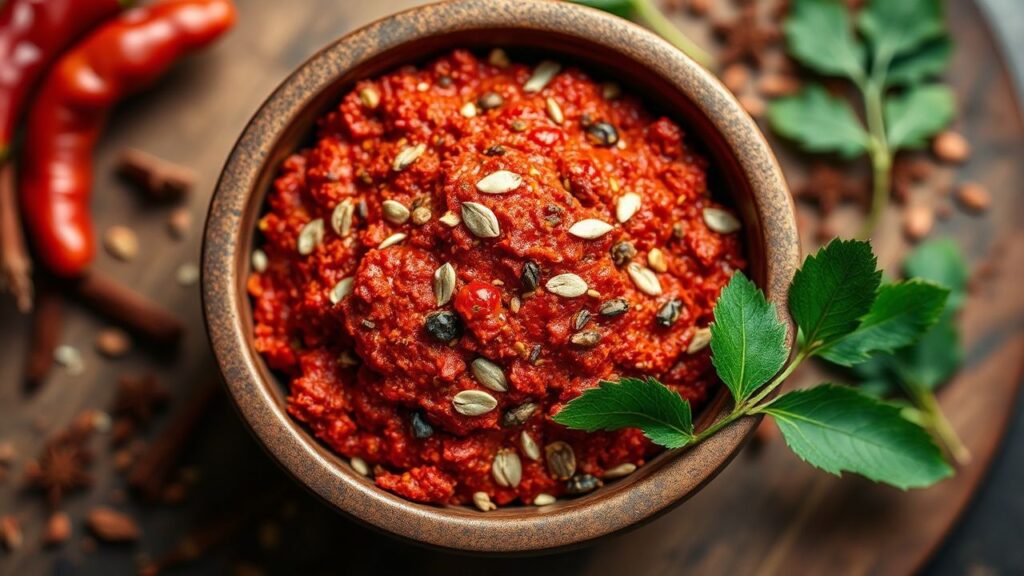
At the heart of Misir Wot, and indeed much of Ethiopian cuisine, lies the berbere spice blend. This isn’t a single spice, but a meticulously crafted symphony of flavors, its exact composition often a closely guarded family secret. At its core, berbere features sun-dried chilies, providing a robust, smoky heat that is both invigorating and warming, not just searing. This heat is then expertly balanced by a host of other aromatics: garlic, ginger, coriander, fenugreek, cardamom, nigella seeds, and often a touch of allspice or cloves. The quality and freshness of the berbere are non-negotiable for an authentic Misir Wot. Inferior or stale blends will result in a flat, one-dimensional flavor, lacking the vibrant complexity that makes this dish so captivating.
The preparation of berbere itself is an art form. Traditionally, the ingredients are toasted to release their volatile oils, then meticulously ground into a fine powder. This process unlocks a fragrance that is intoxicating, a prelude to the culinary journey ahead. When added to the sautéed onions and garlic, the berbere blooms, its aromas intensifying and infusing the oil with its characteristic deep red hue and complex flavor. The amount used dictates the heat level, allowing for personalization, but a well-balanced berbere should offer a pleasant warmth that enhances, rather than overwhelms, the other flavors. Understanding berbere is akin to understanding the soul of Ethiopian cooking; it’s a gateway to appreciating the nuanced interplay of spices that characterize this vibrant cuisine.
Mastering the Lentils: Texture and Taste
The choice of lentils for Misir Wot is typically red lentils (also known as masoor dal). Their quick cooking time and tendency to break down during simmering are precisely what contribute to the stew’s signature thick, creamy texture. Unlike other lentil varieties that might retain their shape, red lentils dissolve into the sauce, creating a rich, almost porridge-like consistency that is ideal for clinging to injera. The key to achieving this perfect texture lies in the cooking process. Lentils are rinsed thoroughly to remove any dust or debris, and then simmered in water or vegetable broth until they are tender and begin to disintegrate.
The ratio of liquid to lentils is crucial. Too much liquid will result in a watery stew, while too little will yield a dense, unappetizing paste. The goal is a luscious, spoonable consistency that is neither too thin nor too thick. As the lentils cook, they absorb the fragrant spices and aromatics, becoming infused with the deep flavors of the berbere and the caramelized onions. It’s a transformation that is both culinary and almost alchemical, turning humble legumes into a dish of profound depth and satisfaction. The subtle sweetness of the lentils acts as a perfect counterpoint to the assertive spices, creating a harmonious balance that is utterly addictive.
The Symphony of Ingredients: Building the Perfect Misir Wot
To embark on the creation of authentic Misir Wot, one must gather a precise ensemble of ingredients, each playing a vital role in the final composition. The quality of each component directly impacts the outcome, underscoring the importance of sourcing the best possible ingredients.
Essential Components:
- Red Lentils: 250g (approx. 1.25 cups)
- Onions: 2 large, finely minced
- Garlic: 6-8 cloves, finely minced
- Ginger: 1-inch piece, finely minced
- Niter Kibbeh (Spiced Clarified Butter) or Vegetable Oil: 4-5 tablespoons
- Berbere Spice Blend: 2-3 tablespoons (adjust to taste for heat)
- Tomatoes: 1 (400g) can crushed tomatoes or 2 large ripe tomatoes, finely chopped
- Water or Vegetable Broth: 750ml – 1 litre (approx. 3-4 cups), adjust for desired consistency
- Salt: To taste
- Optional Enhancements: A pinch of turmeric for color, a bay leaf for subtle aroma.
The meticulous preparation of the aromatics is where the true flavor development begins. The finely minced onions are not simply softened; they are coaxed into a state of deep caramelization. This process, often taking 15-20 minutes over medium-low heat, is critical for building the savory foundation of the stew. Their natural sugars are released and transformed, creating a sweetness that balances the pungency of the spices. Following the onions, the minced garlic and ginger are added, their volatile oils releasing their fragrant essence as they gently cook, avoiding any hint of bitterness that can arise from burning.
When the berbere is introduced, it’s a moment of profound aromatic transformation. The dry spices hit the warm, glistening base, and their complex perfume intensifies, filling the kitchen with the unmistakable scent of Ethiopia. This step, often referred to as “blooming” the spices, is crucial for unlocking their full flavor potential. The crushed tomatoes are then stirred in, their acidity providing a bright counterpoint to the richness of the spices and aromatics, and their liquid content helping to deglaze the pan, lifting any flavorful browned bits from the bottom.
The Method: A Step-by-Step Culinary Journey
Crafting an exquisite Misir Wot is a process that rewards patience and attention to detail. Each step builds upon the last, creating a depth of flavor that is truly remarkable.
Preparation Steps:
- Rinse the Lentils: Place the red lentils in a fine-mesh sieve and rinse them thoroughly under cold running water until the water runs clear. This removes any dust or debris and helps prevent them from becoming overly mushy.
- Sauté the Aromatics: Heat the niter kibbeh or vegetable oil in a heavy-bottomed pot or Dutch oven over medium-low heat. Add the finely minced onions and sauté slowly, stirring frequently, for 15-20 minutes, or until they are deeply caramelized and golden brown. Avoid rushing this step, as it is crucial for developing the stew’s foundational sweetness.
- Add Garlic and Ginger: Stir in the minced garlic and ginger and cook for another 2-3 minutes until fragrant, being careful not to burn them.
- Bloom the Berbere: Add the berbere spice blend to the pot. Stir continuously and cook for 1-2 minutes until the spices are fragrant and have darkened slightly. This process, known as blooming, awakens the spices and releases their full flavor potential.
- Incorporate Tomatoes: Add the crushed tomatoes (or finely chopped fresh tomatoes) to the pot. Stir well, scraping up any browned bits from the bottom of the pan. Cook for 5-7 minutes, allowing the tomatoes to break down slightly and meld with the spices.
- Add Lentils and Liquid: Stir in the rinsed red lentils. Pour in the water or vegetable broth, ensuring the lentils are fully submerged. Add salt to taste.
- Simmer to Perfection: Bring the mixture to a gentle boil, then reduce the heat to low, cover the pot, and simmer for 25-35 minutes, or until the lentils are very tender and have begun to break down, creating a thick, stew-like consistency. Stir occasionally to prevent sticking. If the stew becomes too thick, add a little more water or broth, a quarter cup at a time, until the desired consistency is reached.
- Adjust Seasoning: Once the lentils are cooked and the stew has thickened, taste and adjust the salt as needed. Some cooks add a pinch of turmeric at this stage for a more vibrant color, or a bay leaf during simmering for a subtle aromatic note. Remove the bay leaf before serving.
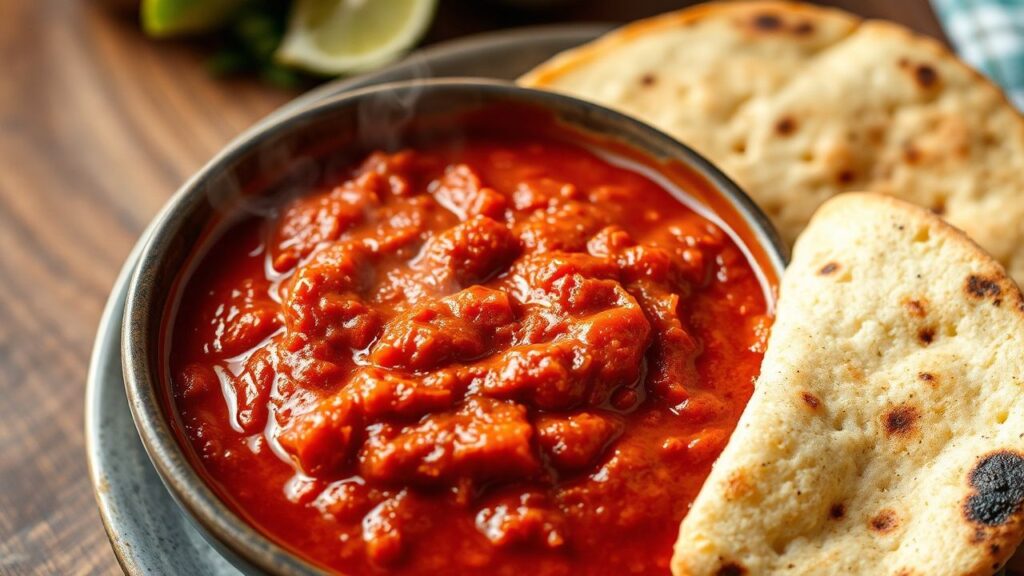
- Serve Hot: Ladle the Misir Wot generously onto warm injera, the traditional Ethiopian sourdough flatbread.
Nutritional Profile: A Wholesome Powerhouse
Misir Wot is not only a culinary delight but also a remarkably nutritious dish, offering a wealth of health benefits. Its plant-based protein and fiber content make it a satisfying and wholesome meal, particularly popular within Ethiopian Orthodox Christian traditions during fasting periods, which often exclude animal products.
Approximate Nutritional Information (per serving, assuming 4 servings):
- Calories: 300-350 kcal
- Protein: 15-20g
- Fiber: 10-15g
- Fat: 10-15g (depending on oil/niter kibbeh)
- Carbohydrates: 30-40g
- Vitamins and Minerals: Rich in iron, folate, magnesium, potassium, and various B vitamins.
The high fiber content aids in digestion and promotes satiety, while the iron is particularly beneficial for preventing anemia. The lentils themselves are a complete protein source when combined with grains like those found in injera. The spices, particularly ginger and garlic, are known for their anti-inflammatory and antioxidant properties. The use of niter kibbeh, while adding significant flavor, does contribute to the fat content. Opting for vegetable oil can make the dish lower in saturated fat, catering to a wider range of dietary preferences and needs. The inclusion of tomatoes adds a good source of Vitamin C and lycopene.
Elevating Misir Wot: Expert Tips for Restaurant-Quality Flavor
While the basic recipe for Misir Wot is straightforward, a few expert touches can elevate it from a home-cooked staple to a dish worthy of the finest Ethiopian restaurants. These nuanced adjustments focus on enhancing depth, complexity, and aromatic nuance.
One of the most impactful techniques is the double blooming of the berbere. While the recipe calls for blooming the berbere with the onions and garlic, a more advanced method involves blooming a portion of the berbere in a separate small pan with a little oil or niter kibbeh *before* adding it to the main pot. This extra step intensifies the spice’s aroma and flavor. Furthermore, the quality of the berbere blend itself is paramount. Sourcing freshly made berbere from a reputable Ethiopian spice merchant or even making your own from scratch, using high-quality dried chilies and whole spices, will make an astonishing difference. A well-made berbere should be fragrant, complex, and possess a layered heat that warms rather than burns.
Another refinement involves adding a bay leaf during the simmering process. While not always traditional in every household, a single bay leaf can impart a subtle, herbaceous complexity that complements the other spices beautifully. Remember to remove it before serving, as its texture can be unpleasant. For an even richer mouthfeel, some chefs advocate for puréeing a small portion of the cooked lentils and stirring them back into the stew. This technique further thickens the consistency and enhances its creamy, luxurious texture, making it cling even more elegantly to the injera.
The accompanying injera also matter significantly in the overall dining experience. The slightly sour, spongy texture of fresh injera provides a perfect textural and acidic contrast to the rich, savory Misir Wot. The act of tearing off pieces of injera and scooping up the stew is an integral part of the ritual of enjoying Ethiopian cuisine, fostering a sense of communal dining and sensory engagement. The slight tang of the injera cuts through the richness of the lentils and spices, cleansing the palate between bites and encouraging you to delve back in for more.
The Enduring Appeal of Misir Wot
Misir Wot stands as proof of the power of humble ingredients transformed by time-honored techniques and a deep understanding of flavor. It is a dish that speaks of warmth, generosity, and the enduring spirit of Ethiopian culture. Whether enjoyed in a bustling Addis Ababa restaurant or prepared in a home kitchen thousands of miles away, its vibrant color, rich aroma, and deeply satisfying taste evoke a sense of connection and comfort. It is a dish that invites sharing, conversation, and the simple, profound pleasure of a meal well-made. Its enduring popularity, both within Ethiopia and on the global culinary stage, underscores its status not just as a recipe, but as an experience – a true taste of Ethiopia’s soul.
FAQ
What makes Misir Wot so flavorful?
The exceptional flavor of Misir Wot is a result of a meticulous layering of aromatics and spices. The slow caramelization of onions is paramount, building a sweet and savory foundation. This is complemented by the pungent notes of garlic and ginger, and most importantly, the complex and aromatic berbere spice blend. The berbere, with its blend of chilies, herbs, and other spices, provides heat, depth, and a signature earthy, slightly smoky character. The slow simmering process allows these flavors to meld and deepen, infusing the red lentils and creating a rich, cohesive stew.
Can I make Misir Wot vegan?
Absolutely. Misir Wot is inherently a vegetarian dish, and making it vegan is very straightforward. Simply substitute the niter kibbeh (spiced clarified butter) with a good quality vegetable oil, such as sunflower or canola oil. Some cooks also infuse their vegetable oil with similar warming spices (like cardamom, cinnamon, or cloves) to mimic the flavor profile of niter kibbeh. The rest of the ingredients, including the lentils, onions, garlic, ginger, and berbere, are naturally vegan. This adaptation ensures that everyone can enjoy this classic Ethiopian stew, regardless of dietary restrictions.
How do I adjust the spiciness of Misir Wot?
The spiciness of Misir Wot is primarily determined by the amount and type of berbere spice blend used. Berbere blends can vary significantly in their heat level, with some being quite mild and others intensely fiery. To adjust the spiciness, start by using a conservative amount of berbere (e.g., 1-2 tablespoons for a standard recipe). Taste the stew after it has simmered for a while and the flavors have melded. If you desire more heat, gradually add more berbere, stirring well and allowing it to cook for a few minutes before tasting again. For a milder version, use less berbere, or seek out a milder berbere blend. You can also add a pinch of paprika or a small amount of a milder chili powder to increase color without excessive heat.
What is the best way to serve Misir Wot?
Misir Wot is traditionally served hot, as the centerpiece of an Ethiopian meal, accompanied by injera. Injera is a unique, spongy, sourdough flatbread made from teff flour, which serves as both the plate and the utensil. Pieces of injera are torn off and used to scoop up the Misir Wot, along with other Ethiopian dishes like vegetable stews (e.g., Gomen Wot – collard greens) and meat dishes (e.g., Doro Wot – chicken stew). The sourness of the injera beautifully complements the rich, spicy flavors of the Misir Wot, creating a harmonious and satisfying culinary experience. It can also be enjoyed as a hearty side dish or even a standalone meal with a side of rice if injera is not available.
See also: Misir Wot