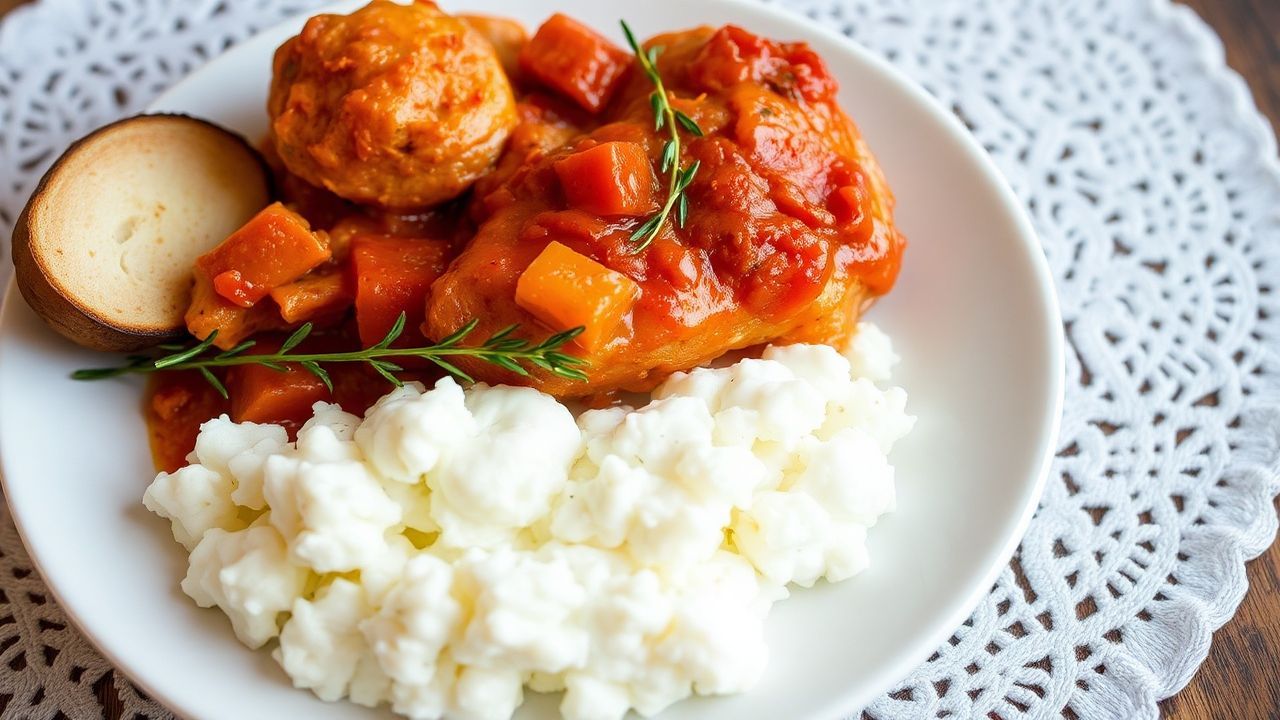

The aroma, a fragrant symphony of sweet paprika, tender chicken, and a whisper of sour cream, often wafts from kitchens on a crisp autumn evening, instantly conjuring images of hearty, comforting meals. It’s a scent that transcends mere sustenance, carrying with it stories of generations, of family gatherings, and of a nation’s culinary identity. At the heart of this evocative experience lies one of Hungary’s most iconic dishes: Chicken Paprikash. Far more than just chicken in a paprika sauce, this dish is proof of the transformative power of simple ingredients, elevated through technique and tradition. To truly understand paprikash is to start into the soul of Hungarian cuisine, a journey that begins with understanding the very essence of its star ingredient – paprika.
- The Alchemy of Paprika: More Than Just a Spice
- Crafting the Perfect Hungarian Chicken Paprikash: A Culinary Blueprint
- The Nuances of the Nokedli: The Perfect Paprikash Partner
- Nutritional Profile: A Hearty Dish, Mindfully Prepared
- Expert Insights for an Unforgettable Paprikash
- Frequently Asked Questions about Chicken Paprikash
At a Glance: Elevating Your Paprikash Game
- Paprika is paramount: The quality and type of paprika dictate the soul of your paprikash. Hungarian sweet paprika is non-negotiable for authenticity.
- The slow simmer is key: Patience in the braising process renders the chicken incredibly tender and allows flavors to meld.
- Sour cream is the finisher: Tempering the sour cream correctly prevents curdling and ensures a silken, luxurious sauce.
- Nokedli are the perfect partner: These traditional Hungarian dumplings are the quintessential accompaniment, designed to sop up every last drop of sauce.
The Alchemy of Paprika: More Than Just a Spice
The story of Chicken Paprikash is inextricably linked to the story of paprika itself. This vibrant spice, derived from ground dried peppers, arrived in Hungary from the Americas in the 16th century but found its true home and developed its unique character on Hungarian soil. The fertile plains of Hungary, particularly the Szeged region, became synonymous with producing some of the finest paprikas in the world. There are distinct varieties: the intensely colored and sweet *édesnemes* (noble sweet) is the foundational element, providing the dish’s signature hue and mild, fruity flavor. *Csípős* (hot) paprika can be added for a gentle warmth, but the star is always the sweet variety. The depth of flavor in a truly exceptional paprikash isn’t just about color; it’s about the nuanced sweetness, the subtle earthiness, and a certain peppery complexity that only high-quality Hungarian paprika can deliver.
Beyond the sweet paprika, the foundation of a superb paprikash relies on a careful sauté of onions. This initial step, often overlooked by home cooks, is crucial. The onions must be cooked down slowly, until they are translucent and sweet, not browned or caramelized. This gentle coaxing of their natural sugars creates a subtle sweetness that acts as a perfect counterpoint to the paprika and the richness of the chicken. The ratio of onion to chicken is also a delicate balance; too little, and the sauce will lack body; too much, and it can become cloying. A well-made paprikash boasts a sauce that is both robust and refined, proof of this foundational technique.
Crafting the Perfect Hungarian Chicken Paprikash: A Culinary Blueprint
To achieve the sublime experience of authentic Hungarian Chicken Paprikash, one must adhere to a precise, yet forgiving, methodology. This isn’t a dish that tolerates rushed execution; its magic unfolds in the patient layering of flavors and the slow transformation of humble ingredients into something extraordinary. This approach emphasizes both fidelity to tradition and an understanding of the subtle nuances that elevate it from good to unforgettable.
Ingredients for an Authentic Paprikash (Serves 4-6)
The selection of ingredients is paramount. For a truly authentic experience, seek out the best quality you can find, especially for the paprika. Sourcing is key; a reputable importer or specialty European food store will be your best ally here.
- 1.5 kg (approx. 3.3 lbs) bone-in, skin-on chicken pieces (thighs and drumsticks are ideal for flavor and moisture)
- 2-3 large yellow onions (about 500g total), finely diced
- 3-4 tablespoons lard or high-quality vegetable oil
- 4-5 tablespoons high-quality Hungarian sweet paprika (Édesnemes variety is essential)
- 1 teaspoon hot Hungarian paprika (optional, for a touch of heat)
- 1 teaspoon caraway seeds, lightly crushed (optional, but traditional)
- 250 ml (1 cup) chicken broth or water
- 150g (approx. 5.3 oz) sour cream (full-fat, 20-30% fat content recommended)
- 1 tablespoon all-purpose flour (for tempering the sour cream)
- Salt, to taste
- Freshly ground black pepper, to taste
- Fresh parsley, chopped, for garnish
The Method: A Symphony of Simmering and Stirring
The true art of paprikash lies in its seemingly simple, yet critical, steps. Each action contributes to the final harmonious balance of flavors and textures.
- Prepare the Chicken: Pat the chicken pieces thoroughly dry with paper towels. Season generously with salt and freshly ground black pepper. This initial seasoning is the first layer of flavor development.
- Sauté the Onions: In a large, heavy-bottomed pot or Dutch oven, heat the lard or oil over medium-low heat. Add the finely diced onions and cook slowly, stirring frequently, for 15-20 minutes, or until they are soft, translucent, and just beginning to turn golden at the edges. Do not rush this process; the sweetness of the onions is a crucial foundation for the sauce.
- Bloom the Paprika: Remove the pot from the heat. This is a critical step to prevent the paprika from burning, which would turn it bitter. Add the sweet paprika (and hot paprika, if using) to the pot and stir vigorously into the softened onions and rendered fat. The residual heat will bloom the paprika, releasing its vibrant color and aromatic oils. Stir in the crushed caraway seeds, if using.
- Sear the Chicken: Return the pot to medium heat. Add the seasoned chicken pieces to the pot, ensuring they are well-coated with the paprika-onion mixture. Sear the chicken for 2-3 minutes per side until lightly golden. This searing adds another layer of flavor and helps to develop a richer sauce.
- The Gentle Braise: Pour in the chicken broth or water, scraping up any browned bits from the bottom of the pot. Bring the liquid to a gentle simmer. Cover the pot tightly and reduce the heat to low. Allow the chicken to braise for 30-40 minutes, or until the chicken is tender and cooked through. The bone-in pieces will impart more flavor to the sauce.
- Prepare the Sour Cream Finish: While the chicken is braising, prepare the sour cream mixture. In a small bowl, whisk together the sour cream and the tablespoon of flour until smooth and thoroughly combined. This tempering process is vital to prevent the sour cream from curdling when added to the hot sauce.
- Enrich the Sauce: Once the chicken is tender, carefully remove the pieces from the pot and set them aside on a plate. Increase the heat under the pot to medium-high and bring the sauce to a gentle boil. Ladle about 1 cup of the hot liquid from the pot into the sour cream and flour mixture, whisking continuously. This gradually warms the sour cream, further preventing curdling.
- Unite and Thicken: Slowly pour the tempered sour cream mixture back into the pot with the sauce, whisking constantly. Continue to simmer gently for another 5-10 minutes, stirring occasionally, until the sauce has thickened to your desired consistency. It should be velvety and coat the back of a spoon. Taste and adjust seasoning with salt and pepper as needed.
- The Final Assembly: Return the chicken pieces to the thickened sauce. Gently stir to coat them. Allow the chicken to heat through in the sauce for a few minutes.
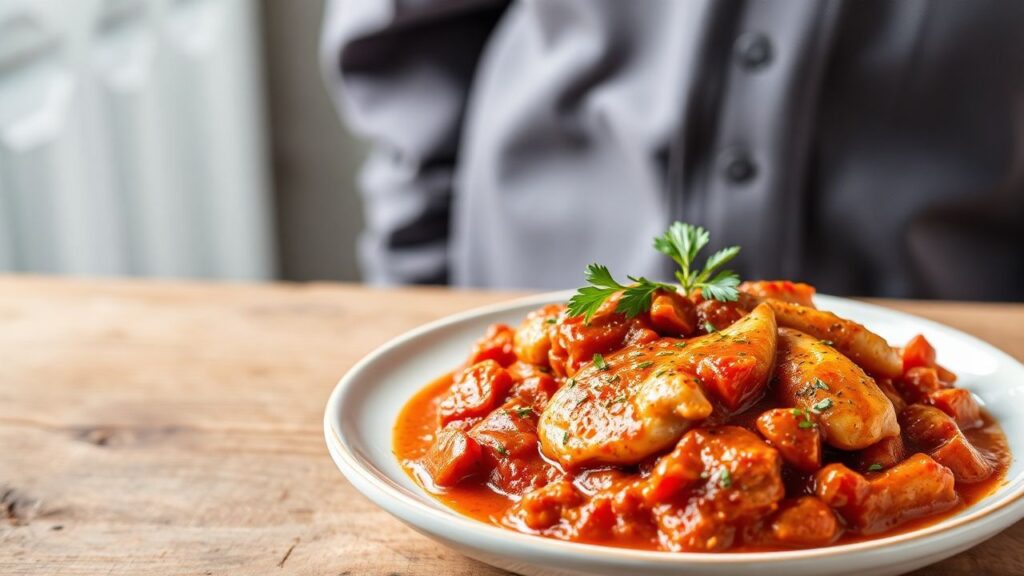
- Serve with Flair: Ladle the Chicken Paprikash into shallow bowls. Garnish generously with freshly chopped parsley. The traditional accompaniment is *nokedli* (Hungarian dumplings), but egg noodles, spaetzle, or even crusty bread are excellent choices for sopping up the exquisite sauce.
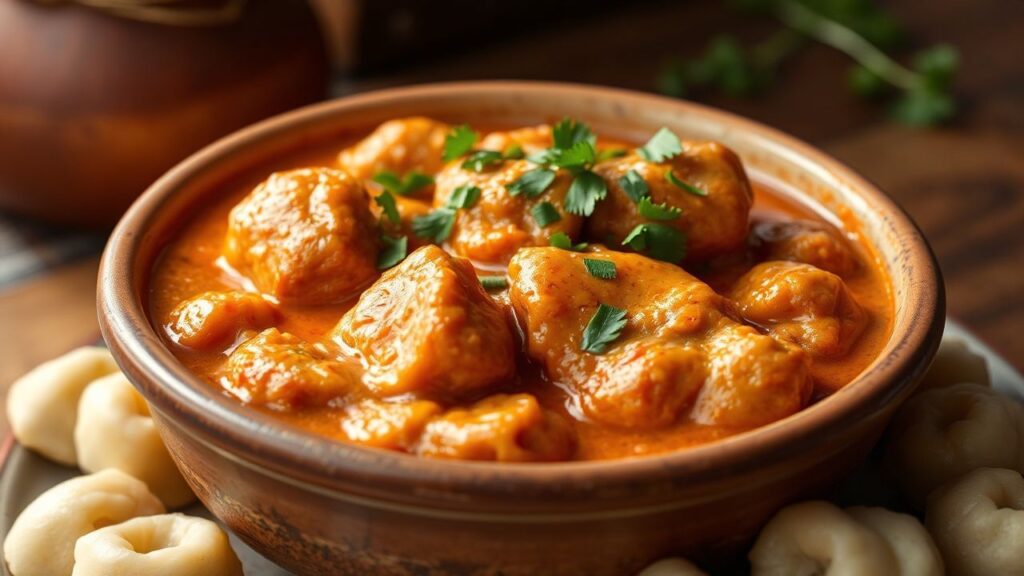
The Nuances of the Nokedli: The Perfect Paprikash Partner
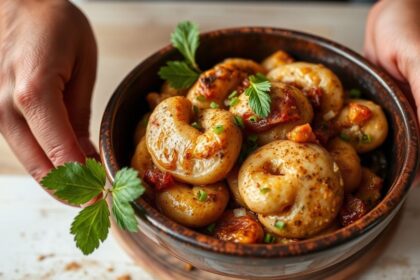
No discussion of Chicken Paprikash is complete without acknowledging its quintessential accompaniment: *nokedli*. These small, irregular dumplings, often described as Hungarian spaetzle, are the ideal vehicle for the rich, paprika-infused sauce. Their slightly chewy texture and porous nature are designed to absorb every last drop of the velvety sauce, making each bite a harmonious blend of chicken, sauce, and dumpling. The preparation of nokedli is simple, typically involving flour, eggs, and a pinch of salt, mixed into a dough that is then scraped or pressed through a colander into boiling water. The key is not to overwork the dough and to cook them just until they float to the surface. Their rustic, imperfect shape is part of their charm, a visual echo of the homestyle cooking from which paprikash originates.
In Hungary, one might encounter variations where the chicken is served atop a generous mound of nokedli, or the nokedli are mixed directly into the sauce in the final stages of cooking. The latter approach allows the dumplings to absorb even more of the paprika and sour cream essence. While nokedli are the traditional choice, other starches like boiled potatoes, rice, or even a simple side of buttered noodles can serve as perfectly acceptable substitutes. However, for the purist seeking the most authentic experience, the quest for perfect nokedli is a worthwhile endeavor, adding a crucial textural and cultural dimension to the meal.
Nutritional Profile: A Hearty Dish, Mindfully Prepared
While Chicken Paprikash is undeniably a comforting and indulgent dish, understanding its nutritional breakdown can inform mindful preparation and consumption. A typical serving, based on the recipe above and assuming bone-in chicken, can offer a substantial amount of protein and essential nutrients, but also carries a notable caloric and fat content due to the lard, sour cream, and chicken skin. A single serving (approximately 1/6th of the recipe) can contain:
- Calories: 450-600 kcal (depending on chicken skin and fat content)
- Protein: 30-40g
- Fat: 30-45g (with a significant portion from saturated fats)
- Carbohydrates: 10-15g (primarily from onions and flour for thickening)
- Sodium: Varies based on added salt.
For those mindful of fat intake, several adjustments can be made without sacrificing the core flavor profile. Opting for boneless, skinless chicken thighs will reduce the fat content significantly. Using a high-quality vegetable oil instead of lard, and carefully draining any excess fat from the pot before adding the sour cream, can also help. While the sour cream is integral to the dish’s characteristic richness, using a lower-fat sour cream is an option, though it may alter the texture slightly. The key is to strike a balance that respects the dish’s heritage while aligning with individual dietary needs.
Expert Insights for an Unforgettable Paprikash
Achieving a truly exceptional Chicken Paprikash goes beyond simply following a recipe. It involves an intuitive understanding of flavor development and a willingness to engage with the ingredients on a deeper level. These are the insights that separate a competent rendition from a truly transcendent one.
The depth of flavor in paprikash is built layer by layer. The slow sauté of onions, the careful blooming of the paprika off the heat, and the gentle braising of the chicken are all crucial steps in this process. Each action, when executed with intention, contributes to a complex and harmonious final dish. It’s about respecting the time-honored techniques that have been passed down through generations.
When tempering the sour cream, it’s essential to use a good quality, full-fat sour cream. The fat content helps to emulsify the sauce and prevents the proteins from seizing and curdling. While lower-fat options exist, they often lack the richness and stability required for a silken finish. The addition of flour as a stabilizer is a traditional and effective method, ensuring a smooth, luxurious sauce that clings beautifully to the chicken and nokedli.
The cooking time for the chicken is also a variable that requires attention. While the recipe suggests 30-40 minutes for braising, the exact time will depend on the size and cut of the chicken pieces. The goal is for the chicken to be fork-tender, easily pulled from the bone, but not so overcooked that it becomes mushy. The final simmering in the thickened sauce will further meld the flavors and ensure the chicken is perfectly heated through.
Consider the final consistency of the sauce. It should be creamy and rich, capable of coating the back of a spoon without being overly thick or gloopy. If the sauce is too thin, you can simmer it uncovered for a few extra minutes to reduce it. If it becomes too thick, a splash of broth or water can be added to reach the desired consistency. The sauce is the soul of the paprikash, and its texture is as important as its flavor.
For those interested in the historical context and regional variations of Hungarian cuisine, exploring the origins of paprikash can be fascinating. While this recipe focuses on the classic chicken preparation, variations exist using other meats, such as beef or pork. Understanding these differences highlights the adaptability of the paprikash concept and its deep roots within Hungarian culinary traditions. For instance, the use of specific regional paprikas can subtly alter the flavor profile, underscoring the importance of sourcing authentic Hungarian ingredients. The history of paprika’s journey to Hungary and its integration into the national diet is a compelling narrative in itself, illustrating how a foreign import can become inextricably woven into the fabric of a nation’s identity. You can learn more about the broader history of this remarkable spice on Wikipedia’s Paprika page.
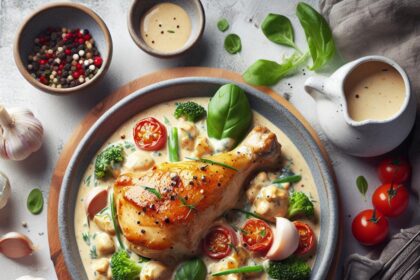
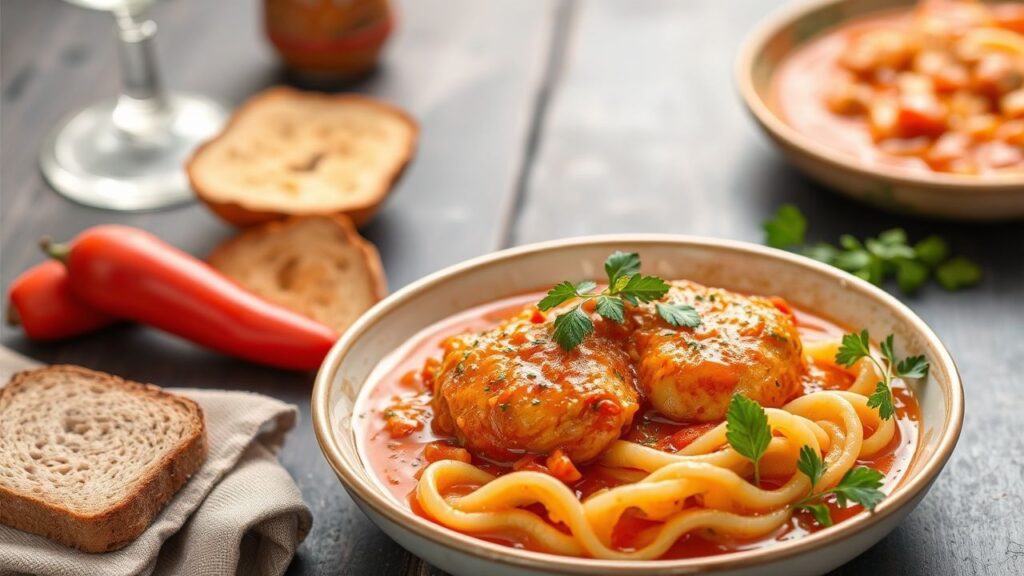
Finally, the presentation of Chicken Paprikash matters. While it is a humble, peasant dish at its heart, serving it with a generous sprinkle of fresh parsley adds a burst of color and a hint of freshness that cuts through the richness. The contrast between the vibrant orange-red sauce, the pale nokedli, and the bright green parsley is visually appealing and enhances the overall dining experience. It’s a dish that speaks of warmth, comfort, and the enduring hospitality of Hungarian culture.
Frequently Asked Questions about Chicken Paprikash
What is the most important ingredient in Chicken Paprikash?
The undisputed star ingredient in Chicken Paprikash is paprika, specifically high-quality Hungarian sweet paprika (often labeled as *Édesnemes*). The quality, freshness, and type of paprika will profoundly impact the dish’s color, aroma, and nuanced flavor. While other spices and ingredients play their roles, it is the paprika that defines the essence of paprikash, giving it its signature hue and sweet, slightly peppery taste. Inferior paprika will result in a pale, bland sauce that lacks the soul of an authentic dish.
Can I make Chicken Paprikash with boneless, skinless chicken?
Yes, you absolutely can make Chicken Paprikash with boneless, skinless chicken pieces, such as chicken breast or thighs. However, be aware that using bone-in, skin-on chicken will yield a richer, more flavorful sauce due to the collagen and fat released during cooking. If you opt for boneless, skinless chicken, you may need to adjust the cooking time slightly, as it will cook faster. You might also consider adding a touch more lard or oil initially to compensate for the lack of rendered fat from the skin. The sauce will still be delicious, but it may lack some of the depth achieved with traditional cuts.
Why does my sour cream sauce sometimes curdle when making Paprikash?
Sour cream curdling in sauces is a common issue, often due to a sudden temperature shock or the acidity of the sour cream reacting with the heat. To prevent this in your paprikash, it’s crucial to temper the sour cream. This involves gradually warming the sour cream mixture before adding it to the hot sauce. A traditional and effective method is to whisk the sour cream with a tablespoon of flour (which acts as a stabilizer) and then, while whisking continuously, ladle a cup or two of the hot liquid from the pot into the sour cream mixture. This slowly raises the temperature of the sour cream. Once warmed, this tempered mixture can be slowly poured back into the main pot of sauce while stirring constantly. Ensure the sauce is not at a rolling boil when you add the tempered sour cream; a gentle simmer is ideal.
See also: Paprikash