
What Makes the Perfect Dairy-Free Potato Leek Soup? A Culinary Masterclass
- The Foundation: Selecting Your Star Ingredients
- Building Flavor: Aromatics and Simmering Techniques
- Achieving Dairy-Free Creaminess: The Art of Emulsification
- Seasoning and Finishing Touches: Elevating the Palate
- A close look into Proportions and Process: A Case Study
- Nutritional Insights: A Wholesome Choice
- Expert Tips for Restaurant-Quality Results
- The Secret to Deeper Flavor: Roasting the Aromatics
- Embrace the Power of Umami
- Texture Play: The Purée Consistency
- The Art of Infusion: Herb Oils
- Conclusion
- Frequently Asked Questions
Potato Leek soup, a dish so elegantly simple yet profoundly comforting, has long held a place of honor in the pantheon of classic soups. Its creamy texture and subtle, earthy flavors, born from the humble union of potatoes and leeks, speak to a culinary tradition that values purity and depth. Yet, for those handling the challenges of dietary restrictions, particularly dairy intolerance, achieving that quintessential velvety richness can feel like an elusive quest. This article embarks on a journey to demystify the creation of an exceptional dairy-free Potato Leek soup, transforming readily available ingredients into a silken, deeply satisfying experience that rivals its traditional counterpart. We will explore the nuances of ingredient selection, the artistry of flavor layering, and the subtle techniques that elevate this comforting soup from mere sustenance to a true gastronomic delight.
At a Glance: Crafting Superior Dairy-Free Potato Leek Soup
- Strategic Vegetable Selection: Choosing the right potato varietals and ensuring leeks are impeccably cleaned are paramount for optimal flavor and texture.
- Mastering the Simmer: Patient simmering allows the vegetables to meld, releasing their inherent sweetness and creating a naturally creamy base.
- Dairy-Free Creaminess: Utilizing plant-based milks, coconut milk, or even blended cooked white beans offers a sophisticated route to luxurious texture without dairy.
- Flavor Amplification: Beyond the core ingredients, judicious use of aromatics, herbs, and a touch of acidity can unlock profound depth.
The genesis of Potato Leek soup can be traced back to the agrarian roots of French and British cuisine, where these staple ingredients were abundant and formed the backbone of many hearty dishes. Historically, the soup would have been enriched with butter and cream, lending it a luxurious mouthfeel. However, the modern culinary landscape, with its increasing awareness of allergies and dietary preferences, has spurred innovation. The challenge, then, is to replicate that characteristic creaminess and depth of flavor without relying on dairy. This requires a thoughtful approach, understanding how different ingredients can contribute to both texture and taste, and mastering the foundational techniques that allow these elements to harmonize.
The Foundation: Selecting Your Star Ingredients
The success of any great soup begins with the quality of its components. For a dairy-free Potato Leek soup, this means paying meticulous attention to the potatoes and leeks, the very soul of the dish.
Choosing the Right Potatoes
The potato is the primary texturizer and flavor carrier in this soup. Not all potatoes are created equal when it comes to achieving a smooth, creamy consistency. Starchy varieties, such as Russets (Idaho potatoes) or Yukon Golds, are ideal. Russets break down beautifully when cooked, releasing their starch into the liquid, which naturally thickens the soup. Yukon Golds offer a slightly waxy texture that still yields a creamy result, often with a richer, buttery flavor profile. Waxy potatoes like red or fingerling potatoes, while delicious in other contexts, tend to hold their shape more stubbornly, which can result in a less homogenous, more brothy soup.
The ratio of potato to liquid is also a critical consideration. Too little potato and the soup will be thin; too much, and it risks becoming overly starchy or gummy. A good starting point is a 1:1.5 ratio of potatoes to liquid by weight, which can be adjusted based on the desired final consistency.
The Art of the Leek
Leeks, with their mild, sweet, onion-like flavor, are the perfect partner to potatoes. However, they are notorious for harboring grit between their layers. Proper cleaning is not merely a step; it is an essential ritual. Slicing the leeks lengthwise, then fanning out the halves under cold running water, is the most effective method for dislodging any hidden sand or soil. Discarding the tough, dark green tops is also crucial, as they can impart a bitter flavor and an unpleasantly fibrous texture. The white and light green parts are where the magic lies, offering a delicate sweetness that infuses the broth.

Building Flavor: Aromatics and Simmering Techniques
Beyond the primary ingredients, a symphony of supporting flavors and precise cooking methods are required to coax the best from your dairy-free Potato Leek soup.
The Aromatic Foundation
While leeks provide a subtle allium note, a more robust base is often built with shallots or onions. Shallots offer a more refined sweetness compared to yellow onions, their flavor being less pungent and more nuanced. Sautéing these aromatics gently in olive oil or a neutral vegetable oil until translucent, not browned, is key. This process, known as sweating, releases their natural sugars and creates a sweet, aromatic foundation without any harshness. A clove or two of garlic, added towards the end of the sautéing process to prevent burning, provides another layer of depth.
The Simmering Process
Once the aromatics are softened and the potatoes and leeks have been added to the pot, it’s time for the simmer. The liquid used can be vegetable broth for a fully vegetarian dish, or a chicken broth for a richer, more savory profile. The broth should be of good quality, as its flavor will significantly impact the final soup. Bringing the mixture to a gentle simmer, then reducing the heat to low and covering the pot, allows the vegetables to cook through evenly. This slow cooking process is where the magic of melding flavors truly happens. The starches from the potatoes begin to break down, and the subtle sweetness of the leeks infuses the broth, creating a naturally thickened base.
The duration of the simmer is important. You want the potatoes to be fork-tender, easily pierced with minimal resistance. Overcooking can lead to a mushy texture, while undercooking will result in uneven consistency and a less developed flavor. Typically, this takes between 20 to 30 minutes, depending on the size of your diced potatoes.
Achieving Dairy-Free Creaminess: The Art of Emulsification
This is arguably the most critical stage for a successful dairy-free Potato Leek soup. The goal is to create a velvety, smooth texture that mimics the richness of dairy without any of its components.
Plant-Based Milks and Alternatives
The most straightforward method is to incorporate unsweetened, plain plant-based milk. Oat milk is an excellent choice, as its natural creaminess and neutral flavor profile blend seamlessly. Cashew milk also offers a lovely richness. Coconut milk (full-fat, from a can) can provide incredible creaminess and a subtle tropical sweetness, which can be a delightful counterpoint to the earthy potatoes and leeks, though it’s essential to use it judiciously to avoid an overpowering coconut flavor. If using coconut milk, opt for brands that are particularly creamy and less watery.
When adding plant-based milk, it’s generally introduced towards the end of the cooking process, after the vegetables have been puréed. This preserves its delicate texture and prevents it from curdling or separating.
The Power of Blending
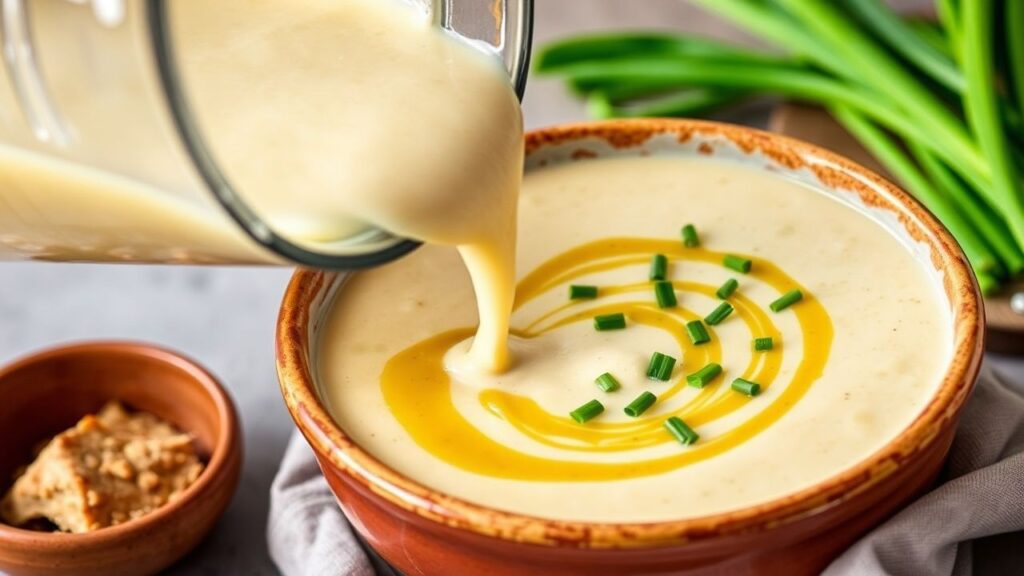
A high-quality blender is your best friend in achieving a silken texture. An immersion blender (stick blender) is convenient for puréeing directly in the pot, but for the smoothest possible result, a high-speed countertop blender is often preferred. When using a countertop blender, it’s crucial to work in batches, filling the blender no more than halfway, and securing the lid with a towel to prevent steam from building up and causing an explosion. Purée until the soup is completely smooth, with no discernible lumps. A second pass through a fine-mesh sieve can further refine the texture, though with well-cooked ingredients and a good blender, this may be an unnecessary step.
Beyond Milk: Other Creaminess Enhancers
For those seeking alternative routes to creaminess, consider blending in cooked white beans (like cannellini or great northern beans) along with the vegetables. Their mild flavor and starchy interior contribute to a remarkably smooth and creamy texture. Another technique involves reserving some of the cooked potatoes, mashing them separately, and then reincorporating them into the puréed soup. This intensifies the potato flavor and starch content, naturally thickening the soup.
Seasoning and Finishing Touches: Elevating the Palate
The final stages of preparation are where you refine the soup’s flavor profile, transforming it from good to extraordinary.
The Balance of Salt and Pepper
Salt is essential for bringing out the inherent flavors of the vegetables. It’s best to season gradually, tasting and adjusting as you go. Start with a conservative amount and add more towards the end of cooking. Freshly ground black pepper adds a subtle warmth and complexity.
Herbal Nuances and Acidity
Fresh herbs can add a bright, herbaceous counterpoint to the rich soup. Chives are a classic garnish, their mild oniony flavor a perfect match for leeks. Fresh parsley or thyme can also be incorporated during the simmering process for a more integrated herbal note. A small amount of fresh lemon juice or a splash of white wine vinegar added at the very end can brighten the soup, cutting through the richness and balancing the flavors. This acidity is often overlooked but is crucial for achieving a well-rounded taste.
Garnishes: The Visual and Textural Flourish
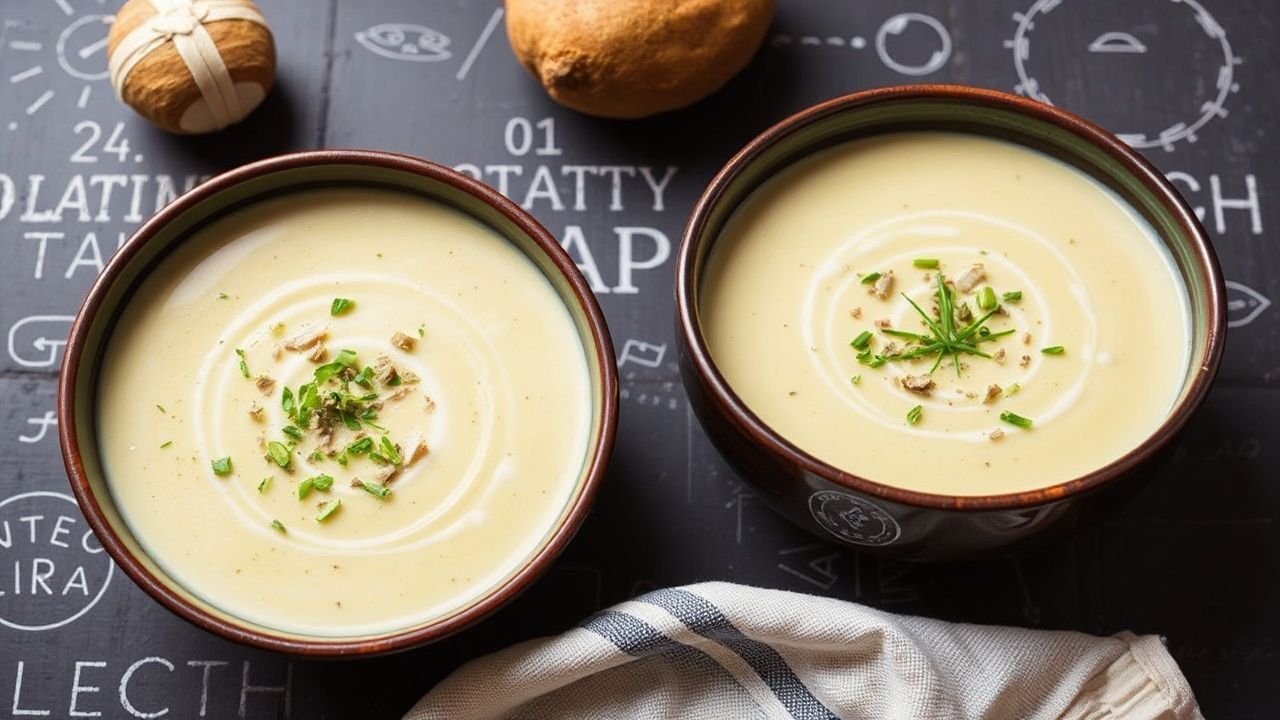
While the soup itself is the star, thoughtful garnishes can elevate the dining experience. Beyond fresh herbs, consider a swirl of dairy-free sour cream or yogurt, a sprinkle of toasted croutons, or a drizzle of high-quality olive oil or truffle oil. Crispy fried leek threads offer an elegant and textural contrast.
A close look into Proportions and Process: A Case Study
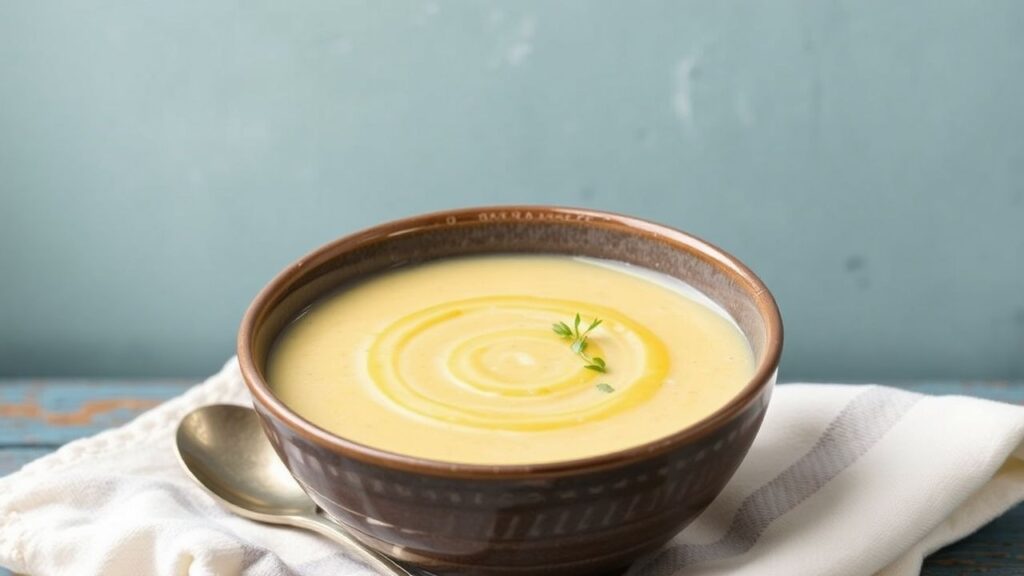
Consider the development of a renowned restaurant’s signature dairy-free Potato Leek soup. Their approach, as observed during a kitchen consultancy, involved a meticulous weighting of ingredients. For a batch yielding approximately 10 liters, they used 2 kilograms of Yukon Gold potatoes, 750 grams of cleaned leeks, 200 grams of shallots, 1.5 liters of high-quality vegetable broth, and 750 milliliters of unsweetened oat milk. The process began with gently sweating the shallots in 50ml of grapeseed oil for 10 minutes. The chopped leeks were added and cooked for another 5 minutes until softened. Cubed potatoes followed, along with the vegetable broth, and simmered for 25 minutes. The mixture was then puréed in a high-speed blender until exceptionally smooth. The oat milk was stirred in, and the soup was gently heated without boiling. Finally, it was seasoned with sea salt, freshly cracked white pepper, and a tablespoon of fresh lemon juice before being garnished with finely chopped chives and a drizzle of artisanal olive oil. This precise ratio and sequential layering of ingredients ensured a consistently superior result, highlighting how attention to detail in every step contributes to the final masterpiece.
Nutritional Insights: A Wholesome Choice
A well-prepared dairy-free Potato Leek soup is not only delicious but also a nutritious option. Potatoes provide complex carbohydrates and potassium, while leeks contribute fiber and vitamins A and K. When prepared without excessive oil or cream, the soup can be relatively low in calories and fat.
Here’s an approximate nutritional breakdown per serving (based on 6 servings from the case study proportions, excluding garnishes):
| Nutrient | Amount (approx.) |
|---|
|—————|——————|
| Calories | 250-300 kcal |
|---|
| Protein | 5-7 g |
| Fat | 8-12 g |
|---|
| Saturated Fat | 1-2 g |
| Carbohydrates | 40-50 g |
|---|
| Fiber | 6-8 g |
| Sodium | 300-500 mg |
|---|
*Note: These values are estimates and can vary significantly based on the specific ingredients and quantities used, particularly the type and amount of plant-based milk and oil.*
Expert Tips for Restaurant-Quality Results
To elevate your dairy-free Potato Leek soup from a home-cooked meal to something truly exceptional, consider these professional insights.
The Secret to Deeper Flavor: Roasting the Aromatics
While sautéing is traditional, briefly roasting your leeks and shallots before adding them to the pot can impart a deeper, sweeter, almost caramelized flavor. Toss them with a little olive oil and roast at 400°F (200°C) for about 15-20 minutes until tender and slightly browned. This adds a layer of complexity that is hard to achieve through simmering alone.
Embrace the Power of Umami
To enhance the savory depth of a vegetarian broth, consider adding a small piece of dried shiitake mushroom to the simmering liquid. It will impart a subtle umami richness without altering the soup’s core flavor profile. Remember to remove it before blending.
Texture Play: The Purée Consistency
Don’t be afraid to experiment with the purée consistency. Some prefer a very smooth, almost liquid silk, while others enjoy a slightly thicker, more rustic texture. Adjust the amount of liquid accordingly. If the soup is too thick after puréeing, thin it with a little more broth or plant-based milk. If it’s too thin, simmer it gently, uncovered, for a few minutes to allow some of the liquid to evaporate, or try blending in a tablespoon of cooked rice or a small amount of potato starch slurry.
The Art of Infusion: Herb Oils
For a truly sophisticated presentation, consider making a vibrant herb oil to drizzle over the finished soup. Blend fresh parsley, chives, or basil with a neutral oil like grapeseed oil until smooth. Strain through a fine-mesh sieve or cheesecloth for a clear, intensely flavored oil that adds both color and aroma.
Conclusion
Crafting an outstanding dairy-free Potato Leek soup is an exercise in understanding fundamental culinary principles and embracing the potential of plant-based ingredients. It requires patience, attention to detail, and a willingness to experiment. By selecting the finest potatoes and leeks, mastering the art of sautéing and simmering, and employing intelligent strategies for achieving creaminess, you can create a soup that is not only dairy-free but also profoundly satisfying, elegant, and a true testament to the power of simple, well-executed cooking. This humble soup, when made with care, offers a comforting embrace, proving that dietary restrictions need not be a barrier to culinary excellence.
Frequently Asked Questions
Can I use pre-cooked potatoes or potato flakes for this soup?
While pre-cooked potatoes or flakes might seem like a shortcut, they are generally not recommended for achieving the best texture and flavor in this specific soup. Pre-cooked potatoes can sometimes have a slightly altered texture that doesn’t purée as smoothly, and potato flakes, while designed for thickening, can sometimes impart a starchy or artificial taste if not used with extreme care. The beauty of this soup lies in the natural starch release from fresh, properly cooked potatoes. For the silken texture and pure flavor profile, it’s best to use fresh potatoes and cook them thoroughly within the soup itself. This allows their starches to integrate naturally into the broth as they break down during the simmering process.
How can I make this soup richer and more luxurious without dairy?
To achieve a richer, more luxurious dairy-free Potato Leek soup, focus on the quality and type of plant-based ingredients you use. Opt for full-fat canned coconut milk for its exceptional creaminess, but be mindful of its flavor profile and use it in moderation if you prefer a less pronounced coconut taste. Blending in a handful of cooked cannellini beans or a small amount of soaked and blended cashews can add significant body and a velvety mouthfeel. Furthermore, using a high-quality vegetable broth as the liquid base, rather than just water, will contribute a deeper savory note. Finally, a drizzle of good quality olive oil or a flavored oil (like truffle oil) as a garnish adds a sheen and richness that enhances the overall perception of luxury.
What is the ideal consistency for a dairy-free Potato Leek soup?
The ideal consistency for a dairy-free Potato Leek soup is subjective and can depend on personal preference, but generally, it should be smooth, creamy, and pourable, without being overly thick or watery. It should coat the back of a spoon nicely. If it’s too thick, it can feel heavy and cloying. If it’s too thin, it might lack the comforting, substantial feel that is characteristic of a good potato leek soup. Think of the consistency of heavy cream or a well-emulsified vinaigrette – it should have a pleasant body and flow. The aim is to achieve a silken texture that is both rich and delicate, allowing the subtle flavors of the leeks and potatoes to shine through without being masked by an overly dense or thin liquid.
Can I freeze dairy-free Potato Leek soup?
Yes, dairy-free Potato Leek soup freezes exceptionally well. The absence of dairy products means you don’t have to worry about the soup separating or developing an unpleasant texture upon thawing, which can sometimes happen with traditional cream-based soups. Allow the soup to cool completely before transferring it to airtight freezer-safe containers or heavy-duty freezer bags. It’s often helpful to freeze it in individual serving sizes for easier thawing and reheating. When ready to enjoy, thaw the soup overnight in the refrigerator or gently reheat it on the stovetop over low heat, stirring occasionally. You may need to add a splash of water or unsweetened plant-based milk to adjust the consistency if it has become too thick during freezing.
See also: Potato Leek