
The Seductive Char of Provoleta: More Than Just Grilled Cheese
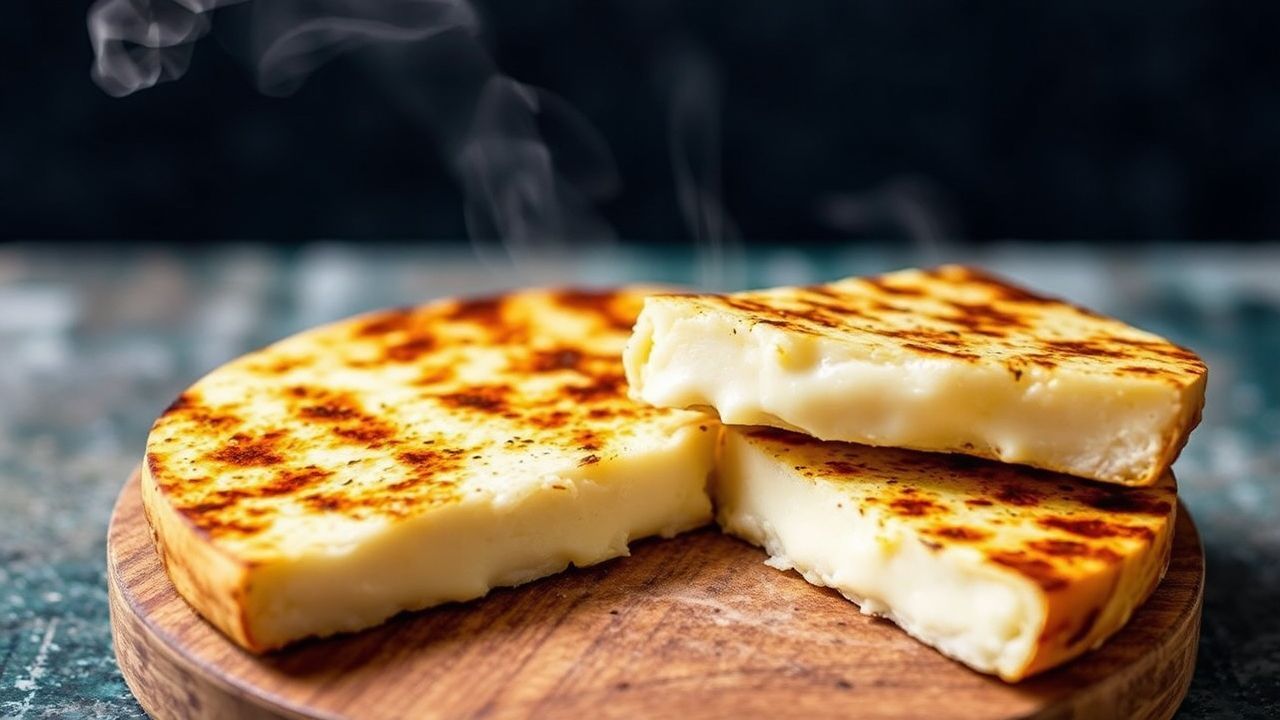
The seemingly simple act of grilling cheese, elevated to an art form in Argentina, has roots that stretch back to a fascinating transatlantic culinary journey. Provoleta, that molten marvel of grilled provolone, isn’t merely a dish; it’s a cultural touchstone, a communal centerpiece that transforms a simple barbecue into a celebratory feast. Its popularity surged in Argentina in the mid-20th century, particularly within the *parrilla* (grill house) culture, proof of its irresistible texture and flavor. This dish, often served as an appetizer or *picada* (snack), embodies the spirit of shared enjoyment and the robust flavors that define Argentine cuisine. The unique preparation, involving a thick slice of provolone cheese, is designed to achieve a perfect char on the outside while yielding a luxuriously gooey interior, a textural dichotomy that captivates the palate.
- The Seductive Char of Provoleta: More Than Just Grilled Cheese
- The Genesis of a Gastronomic Icon: From Italy to the Argentine *Parrilla*
- The Anatomy of Perfect Provoleta: Ingredients and Essential Techniques
- The Provolone Predicament: Selecting the Right Cheese
- Beyond the Basics: Enhancing the Provoleta Experience
- The Art of the Sear: Step-by-Step Provoleta Perfection
- Ingredients for Classic Provoleta (Serves 2-4 as an appetizer)
- Equipment:** Grill (charcoal or gas) or a heavy-bottomed cast-iron skillet Spatula or serving spoon Preparation Method:** 1. Preheat the Grill or Skillet: If using a grill, preheat it to medium-high heat. If using a cast-iron skillet, place it over medium-high heat on the stovetop or directly on the grill grates. The goal is intense, direct heat. 2. Prepare the Cheese: Pat the slice of Provolone dry with paper towels. This is a crucial step; excess moisture can hinder the browning process and lead to steaming rather than searing. 3. Coat and Season: In a small bowl, whisk together the olive oil, dried oregano, and red pepper flakes. Brush this mixture generously over both sides of the Provolone slice, ensuring it is well coated. If using, add a tiny pinch of salt to the top surface. 4. The Searing Process: Grill Method: Carefully place the seasoned Provolone slice directly onto the preheated grill grates. Grill for approximately 3-5 minutes per side. You are looking for a rich, golden-brown char on the exterior. The cheese should start to soften and bubble around the edges. Skillet Method: Place the seasoned Provolone slice into the preheated cast-iron skillet. Cook for approximately 4-6 minutes per side, or until a deep golden-brown crust forms and the cheese begins to melt and ooze. The cast-iron skillet will retain heat exceptionally well, promoting a fantastic sear. 5. Monitor and Adjust: Keep a close eye on the cheese. The cooking time will vary depending on the heat of your grill or skillet and the thickness of the cheese. If the cheese begins to melt too quickly and spread excessively, reduce the heat slightly or move the cheese to a cooler part of the grill. The aim is a beautifully seared exterior and a molten, gooey interior. 6. Serve Immediately: Once both sides are beautifully charred and the cheese is molten, carefully remove the provoleta from the grill or skillet. Transfer it to a heatproof serving platter. 7. Garnish and Enjoy: Immediately sprinkle with freshly chopped parsley. Serve piping hot, allowing diners to scoop out portions with a spoon or knife. 💡 Expert Insight Expert Insight: For an even more impressive presentation and a slightly more controlled cook, consider using a thick, oven-safe cast-iron skillet. Sear one side on the grill or stovetop for that initial char, then transfer the skillet to a preheated oven (around 200°C / 400°F) for a few minutes to allow the cheese to melt through evenly without the risk of burning the exterior. Nutritional Profile: A Decadent Indulgence Provoleta is undeniably a rich and decadent dish, best enjoyed in moderation as part of a larger meal or as a shared appetizer. Its nutritional profile is dominated by its primary ingredient: cheese. Nutritional Information (Approximate per serving, assuming 4 servings from the recipe):
- Provolone’s Place in the Diet: Context and Consideration
- Elevating Provoleta: Chef-Worthy Secrets and Creative Twists
- Provoleta Variations: A Global Palette
- Frequently Asked Questions About Provoleta
At a Glance: Mastering Provoleta
- Cultural Significance: Provoleta is a cornerstone of Argentine *asado* (barbecue), symbolizing communal gathering and culinary tradition.
- Texture Transformation: The magic lies in the contrast between the crisp, smoky exterior and the creamy, molten interior.
- Ingredient Purity: High-quality, firm provolone is paramount for achieving the desired texture and preventing premature melting.
- Versatility Beyond the Grill: While traditionally grilled, variations exist, showcasing its adaptable nature.
The allure of provoleta lies in its deceptive simplicity. At its core, it’s grilled cheese, but the specific type of cheese, the preparation method, and the context in which it’s served elevate it far beyond a mere snack. It’s a dish that speaks of open fires, convivial company, and the sheer joy of uncomplicated, delicious food. The journey of this cheese-laden delight from its Italian origins to its Argentine apotheosis is a compelling narrative, reflecting the dynamic nature of culinary evolution.
The Genesis of a Gastronomic Icon: From Italy to the Argentine *Parrilla*
The story of provoleta begins with its namesake, *Provolone*, a stretched-curd cheese originating in the southern regions of Italy. Brought to Argentina by Italian immigrants, Provolone quickly found a receptive audience in its new homeland. The Argentine palate, already accustomed to robust flavors and the communal ritual of the *asado*, embraced this versatile cheese. It was the inventive spirit of Argentine chefs and home cooks, however, that truly transformed Provolone into the distinct entity we now know as provoleta. The innovation was to take a thick, firm slice of Provolone—often *Provolone Piccante* for its sharper, more pronounced flavor—and subject it to the intense, direct heat of the grill. This specific application, focusing on achieving a delectable crust while preserving an unctuous, flowing center, set it apart from any other grilled cheese preparation.
The culinary landscape of Argentina, particularly its emphasis on grilled meats, provided the perfect incubator for provoleta’s rise. The *parrilla*, a quintessential Argentine institution, is more than just a grill; it’s a social hub. In this environment, where a variety of meats are slowly cooked over embers, a robust, flavorful appetizer that can stand up to the smoky ambiance was a natural fit. Provoleta, with its dramatic visual appeal and its ability to absorb the smoky essence of the grill, became an indispensable part of this culinary tapestry. Its widespread adoption is proof of its inherent deliciousness and its perfect alignment with Argentine cultural practices.
The Anatomy of Perfect Provoleta: Ingredients and Essential Techniques
Achieving the quintessential provoleta experience hinges on a select few, high-quality ingredients and a precise, yet straightforward, methodology. The foundation of any great provoleta is, unequivocally, the cheese itself. While the name suggests Provolone, not all Provolone is created equal for this purpose. For optimal results, one requires a firm, aged Provolone, ideally *Provolone Piccante*, which offers a more complex flavor profile and holds its shape better under heat. A younger, softer Provolone is more prone to melting into a greasy puddle before a desirable crust can form. The ideal thickness for the slice is around 2 to 2.5 centimeters (approximately 1 inch). This ensures that the exterior has ample time to char and develop flavor without the interior becoming overcooked or losing its molten state.
Beyond the cheese, the supporting cast is minimal but crucial. A good quality olive oil is essential for coating the cheese and the cooking surface, preventing sticking and contributing to the golden crust. Seasonings are where personal preference truly shines. Traditionally, a generous sprinkle of dried oregano is a classic choice, its herbaceous notes complementing the smoky cheese beautifully. Red pepper flakes (crushed red pepper) add a subtle, warming heat that cuts through the richness of the cheese, creating a delightful counterpoint. Freshly chopped parsley, added just before serving, provides a burst of freshness and a vibrant visual contrast. Some aficionados also advocate for a light dusting of smoked paprika for an extra layer of smoky depth.
The Provolone Predicament: Selecting the Right Cheese
The selection of Provolone is the single most critical factor in the success of your provoleta. Look for a block of Provolone that feels dense and firm to the touch. If you can find *Provolone Piccante* (spicy provolone), it is highly recommended. Its slightly sharper flavor and firmer texture are ideal for grilling. Avoid pre-sliced Provolone, as it is often too thin and may contain anti-caking agents that can affect the melt. If you are in a region where authentic Argentine-style provoleta cheese is available, that is, of course, the gold standard. The cheese should be aged for at least 6-12 months to develop the necessary firmness and depth of flavor. A good indicator is the color; a slightly darker, more golden hue often signifies a more mature cheese.
Beyond the Basics: Enhancing the Provoleta Experience
While the classic provoleta is a masterpiece of simplicity, there are numerous avenues to explore for those seeking to elevate their rendition. A drizzle of *dulce de leche* (a sweet, caramel-like spread) for a sweet and savory contrast, or a dollop of *chimichurri* sauce for an herbaceous, garlicky kick, can transform the dish into something truly extraordinary. Some chefs even experiment with infusing the olive oil with garlic or herbs before brushing it onto the cheese, imparting a more nuanced flavor. A light crust of breadcrumbs mixed with Parmesan cheese, applied to the edges of the cheese before grilling, can offer an additional textural element and a delightful nutty flavor.
The Art of the Sear: Step-by-Step Provoleta Perfection
The process of preparing provoleta is remarkably straightforward, yet each step demands attention to detail to coax out the best possible texture and flavor. It’s a dance between heat management and timing, ensuring that the cheese achieves that coveted golden char without becoming a burnt offering or an unappealing greasy mess.
Ingredients for Classic Provoleta (Serves 2-4 as an appetizer)
- Cheese: 1 thick slice (approx. 2-2.5 cm / 1 inch thick) of firm Provolone cheese (preferably *Provolone Piccante*), about 200-250g (7-9 oz)
- Oil: 2 tablespoons extra virgin olive oil
- Seasoning:
- 1 teaspoon dried oregano
- ½ teaspoon red pepper flakes (adjust to taste)
- Pinch of salt (optional, as Provolone can be salty)
- Freshly chopped parsley, for garnish
Nutritional Profile: A Decadent Indulgence
- Calories: 250-300 kcal
- Protein: 15-20g
- Fat: 18-22g
- Saturated Fat: 10-12g
- Carbohydrates: 1-2g
- Sugars: <1g
- Cholesterol: 50-70mg
- Sodium: 500-700mg (varies significantly based on the saltiness of the Provolone)
These figures are estimates. The exact nutritional content will vary based on the specific type and brand of Provolone used, as well as the amount of olive oil and seasonings. Due to its high fat and sodium content, provoleta is best considered an indulgence rather than a staple.
Provolone’s Place in the Diet: Context and Consideration
While high in fat and sodium, Provolone cheese itself offers some nutritional benefits. It is a good source of protein, calcium, and phosphorus, vital for bone health and muscle function. The key to incorporating dishes like provoleta into a balanced diet lies in portion control and mindful consumption. As a shared appetizer, it allows everyone to partake in its deliciousness without overindulging. Pairing it with a crisp salad or serving it as part of a larger *asado* with lean grilled meats and vegetables can help to balance the meal.
Elevating Provoleta: Chef-Worthy Secrets and Creative Twists
Transforming a good provoleta into an exceptional one is a journey of refinement and imagination. While the classic preparation is undeniably satisfying, a few expert touches can elevate it to restaurant-caliber status, impressing even the most discerning palates. These are not about reinventing the wheel, but about adding layers of flavor and texture that enhance the inherent deliciousness of the grilled cheese.
One of the most impactful techniques is the thoughtful selection and application of accompaniments. A well-made *chimichurri* sauce, with its bright, herbaceous notes of parsley, garlic, and a hint of chili, acts as a vibrant counterpoint to the rich, fatty cheese. The acidity in the vinegar base cuts through the richness, cleansing the palate between bites. Similarly, a spoonful of *salsa criolla*, a relish of finely diced onion, tomato, bell pepper, and a simple vinaigrette, offers a fresh, textural contrast. The key is balance; the accompaniments should complement, not overpower, the star of the show.
Another avenue for elevation lies in the subtle infusion of aromatics. Before grilling, consider brushing the cheese not just with olive oil, but with olive oil that has been gently warmed with a crushed clove of garlic or a sprig of rosemary. The oil will absorb these fragrant essences, imparting a delicate, sophisticated flavor to the cheese as it grills. This is a nuanced approach, where the goal is not a strong, overtly garlicky cheese, but a whisper of aromatic complexity.
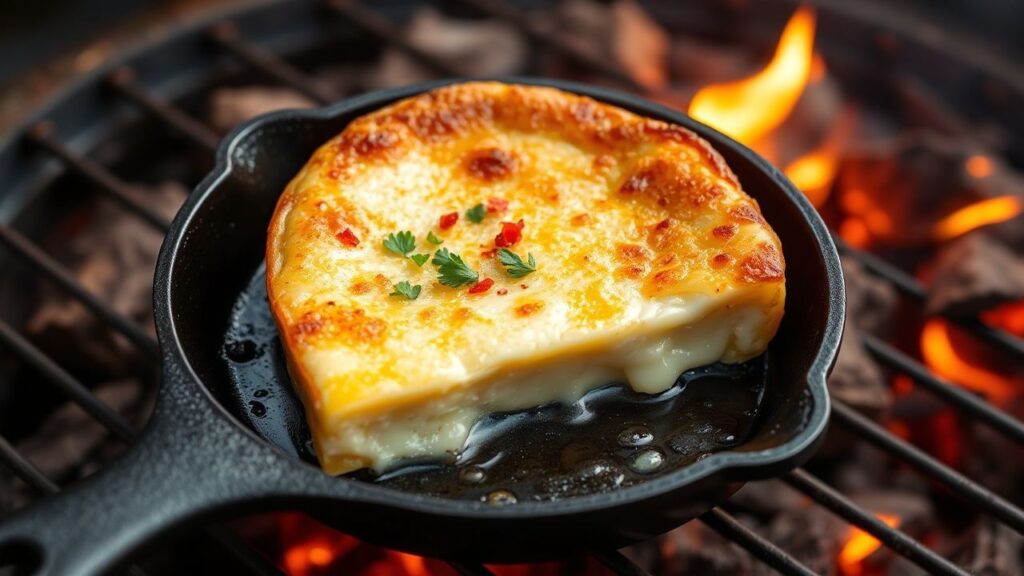
Consider the serving vessel. While a rustic wooden board or a simple platter works, serving the provoleta directly from a small, preheated cast-iron skillet can maintain its temperature and visual appeal throughout the meal. The continued gentle sizzle adds to the sensory experience. For a more refined presentation, imagine a carefully crafted drizzle of balsamic glaze or a scattering of toasted pine nuts for added crunch and nutty depth. These small flourishes demonstrate a deep understanding of how to build flavor and texture.
The Chimichurri Connection: A Classic Pairing
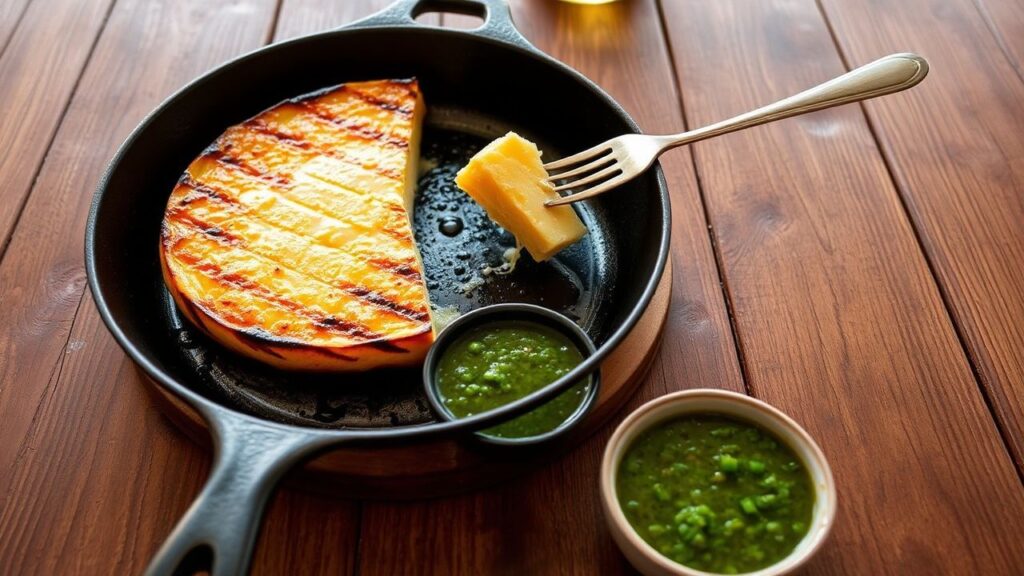
The symbiotic relationship between provoleta and chimichurri is one of the culinary world’s most delightful partnerships. Chimichurri, a vibrant, uncooked sauce originating from Argentina and Uruguay, is typically made with finely chopped parsley, minced garlic, olive oil, oregano, and red wine vinegar. Its fresh, zesty, and slightly spicy profile is the perfect foil for the rich, molten cheese. A well-balanced chimichurri cuts through the fattiness of the provoleta, preventing palate fatigue and making each bite as exciting as the first. The bright green of the parsley and the flecks of red chili against the golden-brown cheese create a visually stunning presentation, mirroring the harmonious flavor combination.
Provoleta Variations: A Global Palette
While the Argentine *parrilla* is its spiritual home, the concept of grilled cheese has inspired countless variations across the globe, and provoleta itself is not immune to creative interpretation. These adaptations showcase the versatility of the fundamental idea: a firm cheese, expertly seared, offering a textural and gustatory delight.
In Italy, while *Provolone* is a staple, the specific preparation of a thick, grilled slice for an appetizer isn’t as ubiquitous as it is in Argentina. However, variations on grilled cheese abound, often incorporating different herbs or served with regional accompaniments. In some parts of the Mediterranean, Halloumi cheese, known for its high melting point and distinctively squeaky texture when grilled, offers a similar experiential appeal, though its flavor profile is saltier and less nuanced than Provolone.
The United States, with its fervent love for grilled cheese sandwiches, has seen a resurgence in artisanal cheese preparations. While not always referred to as provoleta, thick slices of aged cheddar, Gruyère, or even a robust Monterey Jack, grilled to a golden crisp and served with a gourmet jam or a spicy aioli, echo the spirit of the Argentine classic. The key difference often lies in the cheese’s inherent meltability and flavor intensity.
A more adventurous twist might involve stuffing a thick slice of Provolone with finely chopped sun-dried tomatoes, olives, and a pinch of red pepper, then grilling it. The heat would coax out the flavors of the stuffing, infusing the molten cheese with additional complexity. Another creative approach could involve a light dusting of Panko breadcrumbs mixed with grated Parmesan and herbs before grilling, creating an extra layer of crispy texture reminiscent of a *cotoletta*. The possibilities are as vast as the culinary imagination.
Frequently Asked Questions About Provoleta
What is the best type of Provolone to use for provoleta?
The ideal Provolone for provoleta is a firm, aged *Provolone Piccante*. This type of Provolone has a lower moisture content and a more robust flavor, which allows it to develop a beautiful char on the outside without melting into an unmanageable puddle before it’s ready. Avoid young, soft Provolone, as it will likely melt too quickly. Look for a cheese that feels dense and solid.
Can I make provoleta without a grill?
Absolutely. While grilling imparts a distinct smoky flavor, provoleta can be successfully made using a heavy-bottomed cast-iron skillet on the stovetop or even in a very hot oven. The key is to achieve intense, direct heat to create that desirable crispy exterior. A cast-iron skillet is particularly effective as it retains and distributes heat exceptionally well. Sear one side on high heat, then flip and sear the other, or sear one side and finish in a hot oven.
How should provoleta be served?
Provoleta is best served immediately after it comes off the heat, while it is still hot and gloriously molten. It is traditionally served as an appetizer or part of a larger *picada* (a platter of assorted snacks and appetizers). Diners typically use a knife and fork or even a spoon to scoop out portions of the gooey, cheesy interior. It’s often accompanied by crusty bread for scooping, a side of *chimichurri* sauce, or a simple salad to provide a fresh counterpoint to the richness of the cheese.
See also: Provoleta