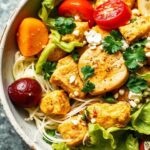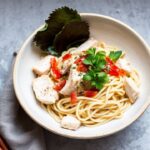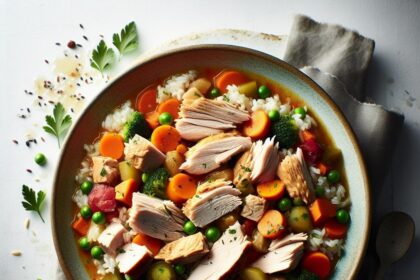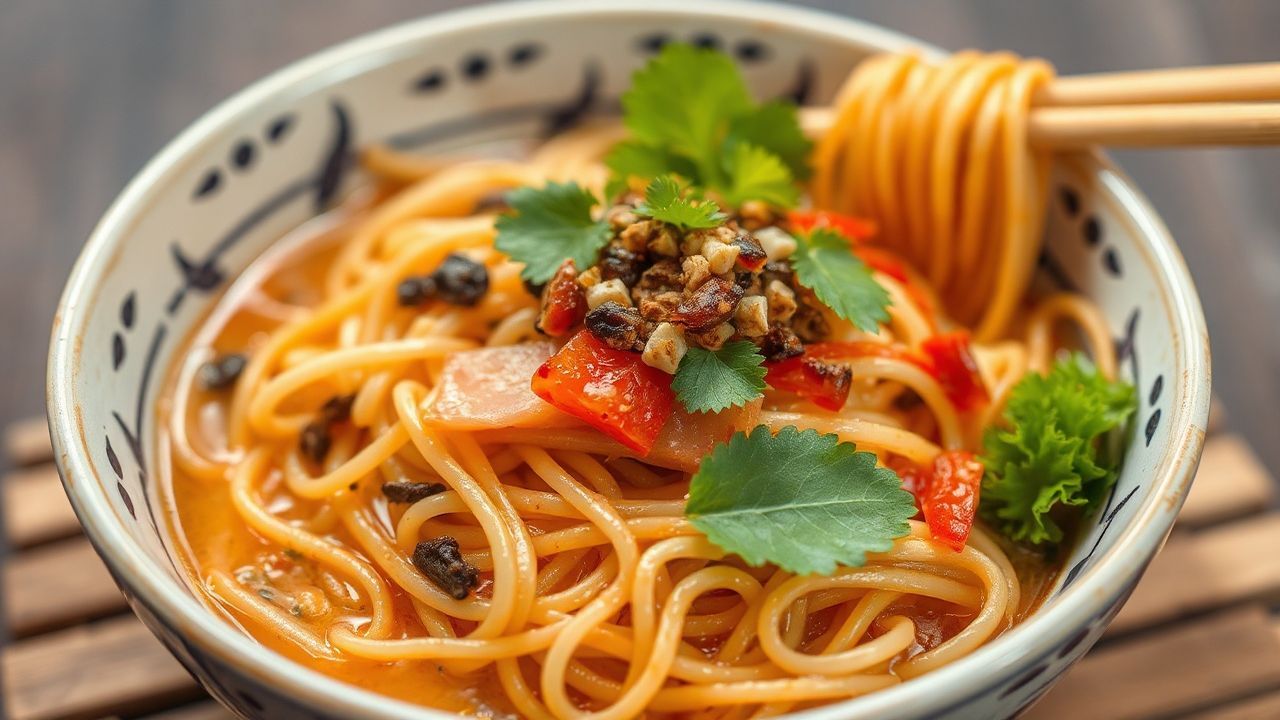

Ramen salad: A refreshing twist on a beloved comfort food, offering a symphony of textures and flavors perfect for any occasion.
- The Anatomy of an Exceptional Ramen Salad
- Noodles: The Heartbeat of the Salad
- The Dressing: A Confluence of Umami and Zest
- The Crunch Factor: Texture is King
- Protein and Garnishes: The Finishing Touches
- A Master Recipe for Asian Ramen Noodle Salad
- Ingredients
- Preparation Method
- Nutritional Information (Per Serving, approximate, without optional protein)
- Expert Pro-Tips for Elevating Your Ramen Salad
- A Case Study in Culinary Adaptation: The “Potluck Phenomenon”
- Variations to Explore
- FAQ
- What are the best types of ramen noodles to use for ramen salad?
- How can I prevent my ramen salad from becoming soggy?
- Can I make ramen salad ahead of time?
- What are some good protein options for ramen salad?
Ramen salad is far more than a mere culinary novelty; it represents a sophisticated evolution of a dish steeped in tradition, demonstrating a remarkable capacity for adaptation and reinvention. Familiar ingredients can be transmuted into something entirely new, yet deeply resonant. The Asian ramen noodle salad transcends the expected, offering a delightful interplay of crisp textures, umami-rich dressings, and vibrant aromatics that challenge and satisfy the palate in equal measure. It’s proof of the inherent versatility of ramen noodles, proving they are not solely destined for a steaming, savory broth.
Key Takeaways:
- Ramen salad offers a lighter, texturally diverse alternative to traditional noodle soups.
- The key to an exceptional ramen salad lies in the thoughtful balance of crunchy elements, a zesty dressing, and high-quality protein.
- Customization is paramount, allowing for a wide range of dietary preferences and flavor profiles.
- Preparation can be streamlined for weeknight meals without compromising on sophisticated flavor.
The genesis of this dish can be traced to the resourceful kitchens of North America, where home cooks, influenced by the burgeoning popularity of Asian cuisines, began to experiment with instant ramen packets beyond their intended use. The crunch of the uncooked noodles, a textural anomaly in the context of a warm soup, became the unexpected star. This innovation, initially perhaps a simple act of expediency, quickly blossomed into a recognized and celebrated dish, proof of culinary ingenuity and the global appeal of the humble ramen noodle. The inherent adaptability of ramen, coupled with the Western palate’s increasing appreciation for bold, complex flavors and textural contrasts, created fertile ground for this salad’s emergence.
The Anatomy of an Exceptional Ramen Salad
Crafting a truly memorable ramen salad requires a nuanced understanding of its constituent parts. The magic lies in the deliberate composition, where each component matter significantly in the overall symphony of taste and texture. From the foundational noodles to the final flourish of garnishes, every element contributes to the dish’s success.
Noodles: The Heartbeat of the Salad
The choice of noodles is paramount. While instant ramen packets are often the starting point, their flavor packets are typically discarded to avoid an overly salty or artificial taste. The noodles themselves, once cooked and cooled, provide a satisfying chew and a subtle base. For a truly elevated experience, consider using fresh or dried ramen noodles that are specifically designed for cold applications, or even soba noodles for a nuttier profile. The key is to achieve an al dente texture that holds up well without becoming mushy when dressed.
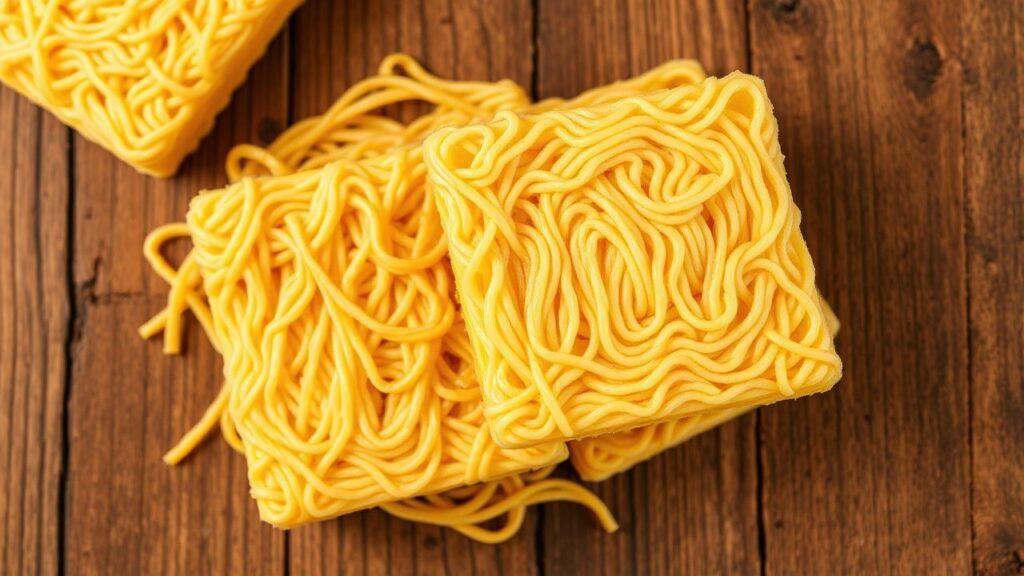
The preparation of the noodles is a critical step. Overcooking them will result in a cloying, unappealing texture, whereas undercooking can leave them unpleasantly firm. A brief immersion in boiling water, followed by a thorough rinsing under cold water to halt the cooking process and remove excess starch, is essential. This rinsing not only cools the noodles but also prevents them from clumping together, ensuring each strand remains distinct and ready to absorb the vibrant dressing.
The Dressing: A Confluence of Umami and Zest
The dressing is arguably the soul of any salad, and for ramen salad, it’s the conductor of its flavor orchestra. A well-balanced dressing should offer a harmonious blend of savory, sweet, sour, and spicy notes, with a prominent umami character that elevates the entire dish. Traditional Asian flavor profiles often lend themselves beautifully to this role, incorporating ingredients like soy sauce, rice vinegar, sesame oil, ginger, and garlic.
A classic base might involve a combination of soy sauce (or tamari for a gluten-free option), rice vinegar for acidity, toasted sesame oil for its nutty depth, a touch of honey or maple syrup for sweetness, and finely minced garlic and ginger for aromatic pungency. For those who enjoy a bit of heat, a dash of Sriracha, chili garlic sauce, or a pinch of red pepper flakes can add a welcome kick. The beauty of the dressing is its inherent flexibility; it can be adjusted to suit individual preferences, becoming the primary vehicle for expressing the chef’s unique vision.
The Crunch Factor: Texture is King
The textural contrast is what truly sets ramen salad apart. The crisp elements are not mere adornments; they are integral to the dish’s appeal, providing a delightful counterpoint to the yielding noodles and tender proteins. A generous hand with the crunchy components is encouraged, transforming a simple noodle dish into a multi-sensory experience.
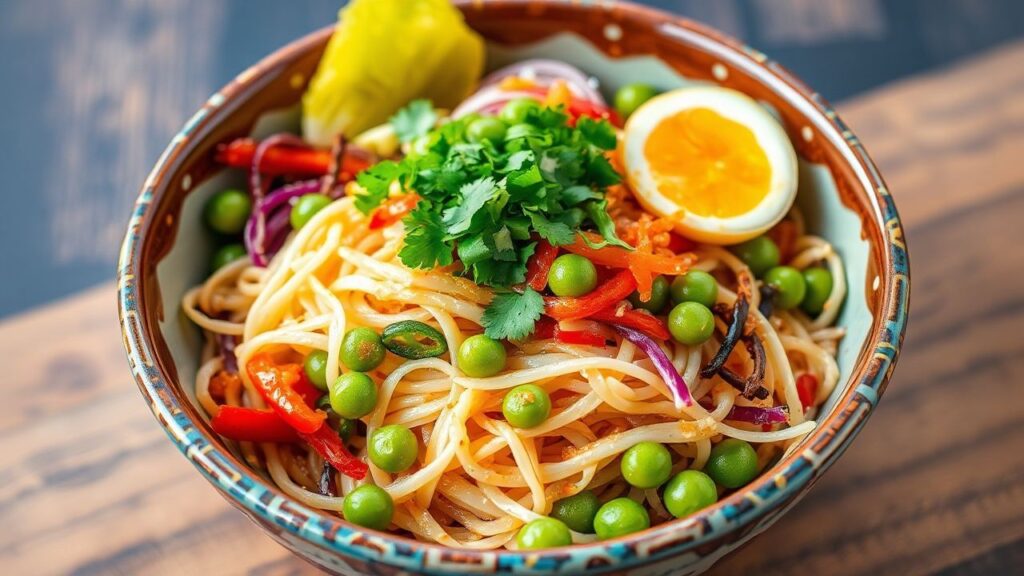
Consider a medley of finely shredded cabbage (red and green for color), julienned carrots, crisp bell peppers, and thinly sliced snap peas. Edamame adds a pop of green and a satisfying bite. For an even more pronounced crunch, toasted almonds, cashews, or even crispy fried wonton strips can be incorporated. The careful selection and preparation of these vegetables – ensuring they are fresh and uniformly cut – are key to achieving the desired textural interplay.
Protein and Garnishes: The Finishing Touches
The protein component can elevate ramen salad from a light lunch to a hearty meal. Grilled or shredded chicken, pan-seared tofu, succulent shrimp, or even thinly sliced grilled steak are excellent choices. For a vegetarian or vegan option, consider marinated and baked tempeh or a generous portion of edamame. The protein should be seasoned thoughtfully, complementing the overall flavor profile of the salad rather than overpowering it.
Garnishes are the final flourish, adding visual appeal and an extra layer of flavor. Fresh herbs like cilantro and green onions are almost mandatory, providing brightness and aroma. Toasted sesame seeds add a nutty crunch, and a sprinkle of chili flakes can offer a visual hint of the spice within.
A Master Recipe for Asian Ramen Noodle Salad
This recipe provides a solid foundation, but remember, the true joy of ramen salad lies in its adaptability. Feel free to experiment with different vegetables, proteins, and dressing variations.
Yields: 4-6 servings
Prep time: 25 minutes
Cook time: 5 minutes
Ingredients
For the Salad:
- 2 packages (approx. 160-200g total) instant ramen noodles, flavor packets discarded
- 1/2 head (approx. 250g) Napa cabbage, thinly shredded
- 1 cup (approx. 100g) shredded red cabbage
- 1 large carrot (approx. 150g), julienned
- 1 red bell pepper, thinly sliced
- 1 yellow bell pepper, thinly sliced
- 1/2 cup (approx. 75g) shelled edamame, cooked and cooled
- 1/4 cup (approx. 30g) chopped fresh cilantro
- 1/4 cup (approx. 30g) sliced green onions (scallions)
- Optional protein: 200g grilled chicken breast, shredded; 200g pan-fried firm tofu, cubed; or 200g cooked shrimp.
- Optional crunch: 1/4 cup (approx. 30g) toasted slivered almonds or cashews.
For the Dressing:
- 1/3 cup (80ml) low-sodium soy sauce (or tamari for gluten-free)
- 3 tablespoons (45ml) rice vinegar
- 2 tablespoons (30ml) toasted sesame oil
- 1 tablespoon (15ml) honey or maple syrup
- 1-2 cloves garlic, minced
- 1 teaspoon grated fresh ginger
- 1-2 teaspoons Sriracha or chili garlic sauce (adjust to taste)
- Optional: 1 teaspoon lime juice for extra brightness.
Preparation Method
1. Cook the Ramen Noodles: Bring a large pot of water to a rolling boil. Add the ramen noodles and cook according to package directions, typically 3-4 minutes, until al dente. Be careful not to overcook.
2. Rinse and Drain: Immediately drain the noodles in a colander and rinse thoroughly under cold running water. This stops the cooking process and removes excess starch, preventing them from becoming gummy. Drain very well and set aside in a large mixing bowl.
3. Prepare the Dressing: In a small bowl or jar, whisk together all the dressing ingredients: soy sauce, rice vinegar, toasted sesame oil, honey/maple syrup, minced garlic, grated ginger, and Sriracha. Taste and adjust seasonings as needed. If using lime juice, add it now.
4. Combine Salad Ingredients: To the bowl with the cooled ramen noodles, add the shredded Napa cabbage, shredded red cabbage, julienned carrots, sliced red and yellow bell peppers, and cooked edamame. If adding protein, include it now.
5. Dress the Salad: Pour about two-thirds of the prepared dressing over the salad ingredients. Toss gently to coat everything evenly. Add more dressing if desired, but be mindful not to oversaturate the noodles.
6. Garnish and Serve: Add the chopped cilantro and sliced green onions. If using, sprinkle with toasted nuts. Toss once more. For best results, allow the salad to marinate for at least 10-15 minutes at room temperature or in the refrigerator before serving to allow the flavors to meld.
Nutritional Information (Per Serving, approximate, without optional protein)
- Calories: 250-300 kcal
- Protein: 6-8g
- Fat: 10-15g (primarily from sesame oil and nuts)
- Carbohydrates: 30-40g
- Fiber: 4-6g
- Sodium: Varies based on soy sauce used; aim for low-sodium options.
*Note: Nutritional values are estimates and will vary based on specific ingredients and portion sizes used, especially when adding optional protein.*
Expert Pro-Tips for Elevating Your Ramen Salad
Achieving a restaurant-quality ramen salad is within reach with a few strategic enhancements. The difference between a good salad and a truly exceptional one often lies in the subtle details and the quality of ingredients.
The careful selection of vegetables is not just about color; it’s about optimizing their crispness. For instance, blanching snap peas or broccoli florets for a mere 30 seconds before plunging them into ice water can preserve their vibrant green hue and enhance their satisfying crunch. This technique, often employed by professional chefs, ensures that even cooked vegetables maintain a lively texture that complements the raw elements.
A Case Study in Culinary Adaptation: The “Potluck Phenomenon”
The widespread adoption of ramen salad in North America, particularly at informal gatherings and potlucks, serves as a compelling case study in how a simple dish can become a cultural touchstone. In the early 2000s, particularly on platforms like Pinterest and food blogs, recipes for “Oriental Chicken Salad” featuring crushed ramen noodles began to proliferate. These recipes often called for a creamy, mayonnaise-based dressing, a departure from the more savory, vinaigrette-style dressings common in traditional Asian cuisine.
However, as palates evolved and culinary exploration deepened, the ramen salad underwent a transformation. The focus shifted towards brighter, more authentic Asian flavors, moving away from the mayonnaise base towards the umami-rich, sesame-soy dressings we see today. This evolution is a direct reflection of increased exposure to and appreciation for diverse Asian culinary traditions. For example, a popular food blogger, known for her meticulous testing of recipes, shared a version of ramen salad that gained over a million shares. Her adaptation featured a tangy ginger-sesame dressing and incorporated a wider array of vegetables like julienned daikon radish and purple cabbage, demonstrating a clear move towards more nuanced and authentic flavor profiles. This trend underscores the dynamic nature of food, where dishes are constantly reinterpreted and refined.
The practice of rinsing the noodles is not merely a stylistic choice but a practical necessity for achieving the correct texture. The residual starch left on the noodles after cooking can lead to a gummy, unappealing consistency in a cold salad. Thoroughly rinsing them under cold water, and then ensuring they are adequately drained, is a small step that yields significant improvements in the final dish’s mouthfeel.
Variations to Explore
The beauty of ramen salad lies in its inherent adaptability. Consider these delicious variations:
- Spicy Peanut Ramen Salad: Add peanut butter to the dressing, along with a touch of chili oil and lime juice. Garnish with crushed peanuts and cilantro.
- Sesame-Ginger Shrimp Ramen Salad: Incorporate cooked shrimp and a dressing heavy on ginger and sesame. Add thinly sliced cucumber for extra freshness.
- Tofu and Edamame Power Bowl: Focus on plant-based protein with marinated, pan-fried tofu and extra edamame. Use a tahini-based dressing for a creamy, nutty twist.
- Teriyaki Chicken Ramen Salad: Use pre-cooked teriyaki chicken and a dressing with a slightly sweeter, teriyaki-inspired profile, perhaps incorporating mirin and a touch more sugar.
The foundational ramen noodle salad, with its vibrant colors and satisfying crunch, is a canvas for endless culinary creativity. It’s a dish that speaks to the modern diner’s desire for fresh, flavorful, and texturally interesting food, proving that even the most humble ingredients can be transformed into something extraordinary. The versatility of this dish ensures its place as a staple, adaptable to any season, occasion, or personal culinary whim.
FAQ
What are the best types of ramen noodles to use for ramen salad?
While instant ramen noodles are a popular and accessible choice, for an elevated experience, consider using fresh ramen noodles or high-quality dried ramen noodles specifically designed for cold dishes. These often have a firmer texture and a more complex flavor profile. Soba noodles can also be an excellent alternative, offering a slightly nutty taste and a satisfying chew that holds up beautifully in salads. The key is to achieve an al dente texture that remains distinct and doesn’t become mushy when dressed.
How can I prevent my ramen salad from becoming soggy?
Several key steps ensure your ramen salad retains its delightful crunch. Firstly, thoroughly rinse and drain the cooked ramen noodles under cold water to remove excess starch and halt the cooking process. Secondly, ensure all vegetables are dry before adding them to the salad. Pat them down with paper towels if necessary. Finally, dress the salad just before serving, or serve the dressing on the side, allowing individuals to dress their portions as desired. This prevents the noodles and vegetables from becoming saturated prematurely.
Can I make ramen salad ahead of time?
Yes, you can prepare most components of ramen salad ahead of time, but it’s best to assemble and dress it close to serving time for optimal texture. You can cook and cool the noodles, chop and prep all the vegetables, and prepare the dressing up to two days in advance, storing them separately in airtight containers in the refrigerator. Proteins like grilled chicken or tofu can also be cooked and stored. Combine everything and toss with the dressing no more than 30 minutes to an hour before you plan to serve it. This ensures the noodles and vegetables remain crisp.
What are some good protein options for ramen salad?
The protein component of ramen salad is highly versatile. Excellent choices include grilled or shredded chicken breast, pan-seared or baked tofu (firm or extra-firm), cooked and chilled shrimp, thinly sliced grilled steak, or even flaked salmon. For vegetarian and vegan diets, marinated and baked tempeh or a generous addition of edamame provides satisfying protein. Ensure the protein is seasoned to complement the salad’s overall flavor profile.
See also: Ramen salad