
The Sun-Drenched Heart of Provence: A Culinary Overture to Ratatouille
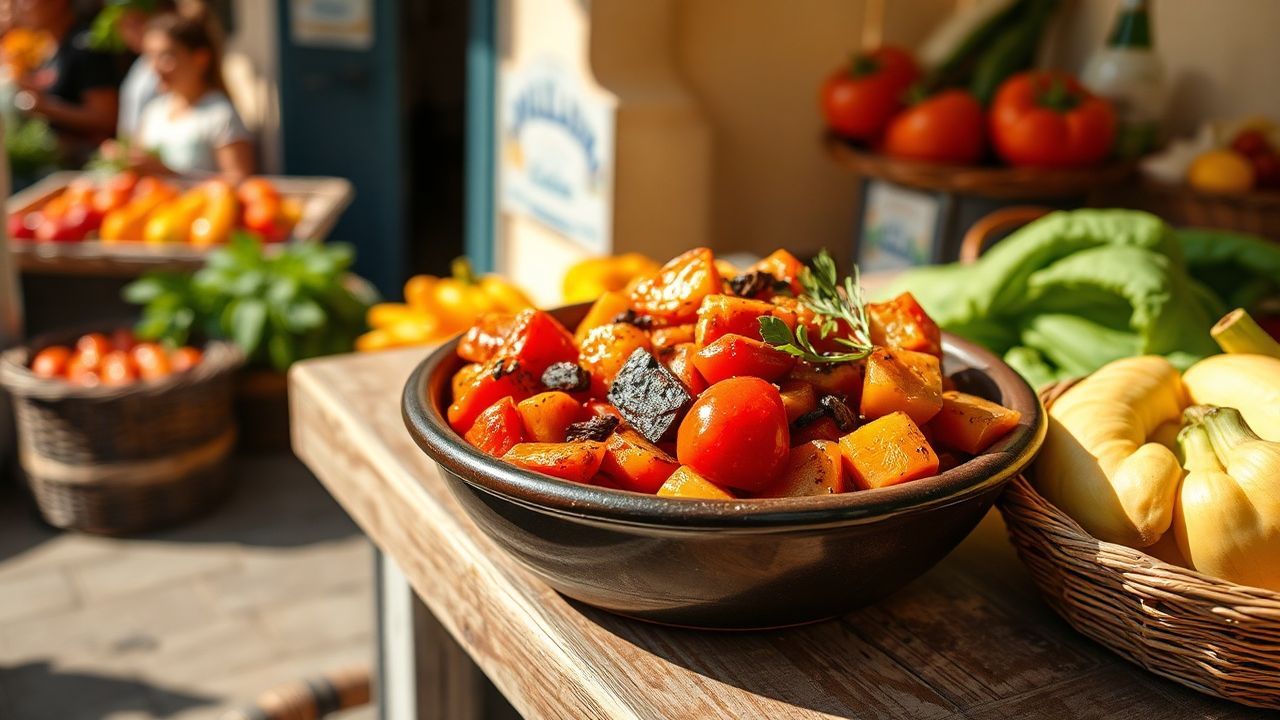
Imagine a late afternoon in the heart of Provence. The air, thick with the scent of wild thyme and lavender, carries the distant murmur of cicadas. Sunlight, golden and languid, washes over terracotta rooftops and spills into bustling market stalls overflowing with the season’s bounty. This is the sensory symphony that forms the soul of ratatouille, a dish that transcends mere sustenance to become an edible ode to the Mediterranean sun and the fertile soil of southern France. It’s not just a vegetable stew; it’s proof of the power of simplicity, the alchemy of humble ingredients, and a profound respect for nature’s generosity. For many, the very word “ratatouille” conjures images of vibrant colors and rustic charm, a dish that embodies the slow, sun-drenched rhythm of Provençal life. My own culinary journey has been profoundly shaped by encounters with this iconic preparation, each iteration revealing new nuances and reinforcing its enduring appeal. This is more than a recipe; it’s an invitation to experience a piece of culinary history.
- The Sun-Drenched Heart of Provence: A Culinary Overture to Ratatouille
- Deconstructing the Icon: What Truly Defines Provençal Ratatouille?
- The Alchemy of Preparation: A Step-by-Step Guide to Authentic Ratatouille
- Phase 1: The Individual Sauté – Building the Flavor Foundation
- Phase 2: The Harmonious Simmer – Uniting the Flavors
- Serving Suggestions: The Versatile Nature of Ratatouille
- Nutritional Snapshot: A Wholesome Provençal Delight
- Elevating Your Ratatouille: Pro-Tips for Restaurant-Worthy Results
- A Taste of Provençal Heritage
- Frequently Asked Questions About Ratatouille
At a Glance: Mastering Authentic Ratatouille
- The Provençal Philosophy: Ratatouille thrives on distinct vegetable preparation before combining, a technique that preserves individual textures and flavors.
- Ingredient Purity: Fresh, peak-season produce is non-negotiable; the quality of your eggplant, zucchini, tomatoes, peppers, and onions will directly dictate the final dish.
- The Art of Sauté: Slow, gentle sautéing, rather than aggressive frying, coaxes out sweetness and prevents a mushy texture, a hallmark of a superior ratatouille.
- Patience as an Ingredient: Allowing the flavors to meld and deepen over time is crucial for achieving the authentic, harmonious taste of a true Provençal ratatouille.
Deconstructing the Icon: What Truly Defines Provençal Ratatouille?
The essence of a truly exceptional ratatouille lies not in a single, rigid formula, but in a shared philosophy that guides its creation. Unlike many stews where ingredients are unceremoniously tossed together, the Provençal approach is one of meticulous, individual attention. Each vegetable is treated with respect, its unique character coaxed out through specific cooking methods before it’s allowed to mingle with its brethren. This deliberate separation and subsequent reunion is what distinguishes a sublime ratatouille from a mere medley of cooked vegetables. It’s a technique that requires more time and attention, a conscious decision to elevate the dish beyond the ordinary. The iconic ratatouille of Nice, often considered the archetype, typically features distinct layers of flavor and texture, proof of this careful preparation.
The Pillars of Provençal Produce: Selecting Your Stars
The success of any ratatouille hinges on the quality and seasonality of its core components. These are not mere supporting actors; they are the stars of the show, and their provenance matters immensely.
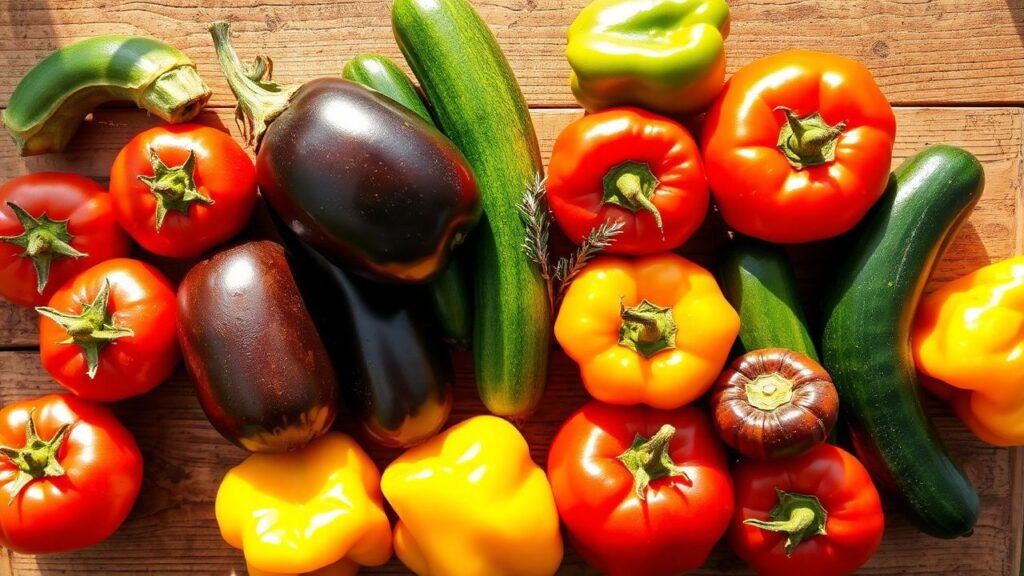
- Eggplant (Aubergine): Seek out firm, glossy eggplants, preferably the smaller, more delicate varieties like Japanese or Italian. Their flesh is less likely to be bitter or watery. A mature eggplant should feel heavy for its size.
- Zucchini (Courgette): Opt for young, firm zucchini, ideally no thicker than your thumb. Overly large zucchini can be watery and have a less desirable, seedy texture. Their bright green skin should be unblemished.
- Tomatoes: Ripe, flavorful tomatoes are paramount. Heirloom varieties, beefsteak, or Roma tomatoes will lend their sweet acidity. Canned San Marzano tomatoes can be an acceptable, though not ideal, substitute when fresh are out of season, but fresh is always preferred for the vibrant essence of ratatouille.
- Bell Peppers: A mix of colors – red, yellow, and orange – adds not only visual appeal but also a spectrum of sweetness. Green peppers, while traditional in some versions, can lend a slightly bitter note, so use them judiciously or choose sweeter varieties.
- Onions: Sweet onions, such as Vidalia or Walla Walla, are ideal, but a good yellow onion will also suffice. They provide the foundational sweetness.
- Garlic: Fresh garlic cloves, minced or finely chopped, are indispensable for their pungent aroma and flavor.
- Herbs: Fresh thyme, rosemary, and a bay leaf are classic. A touch of basil, added towards the end, offers a bright, herbaceous finish.
- Olive Oil: A generous amount of good quality extra virgin olive oil is crucial. It’s not just a cooking medium; it’s an integral flavor component that binds the dish together.
The Alchemy of Preparation: A Step-by-Step Guide to Authentic Ratatouille
This is where the magic truly happens. The traditional method emphasizes cooking each vegetable separately to achieve optimal texture and flavor before they are united in a slow, harmonious simmer.
Phase 1: The Individual Sauté – Building the Flavor Foundation
This stage requires patience and a keen eye, but it is the bedrock of a superior ratatouille.
Step 1: Prepare the Vegetables
Wash and trim all vegetables. Cut the eggplant and zucchini into roughly 2 cm (¾ inch) cubes. Slice the bell peppers into similar-sized pieces, removing seeds and membranes. Dice the onions. Mince the garlic. If using fresh tomatoes, score an ‘X’ on the bottom of each, blanch them in boiling water for 30 seconds, then plunge into ice water. Peel, core, and roughly chop them.
Step 2: Sauté the Eggplant
Heat a generous amount of olive oil (about 3-4 tablespoons) in a large, heavy-bottomed pan or Dutch oven over medium-high heat. Add the eggplant cubes in batches, ensuring not to overcrowd the pan. Sauté, stirring occasionally, until golden brown and tender. This can take 8-10 minutes per batch. Remove the eggplant with a slotted spoon and set aside on a plate lined with paper towels to drain excess oil. You may need to add more olive oil between batches.
Step 3: Sauté the Zucchini
Add another tablespoon or two of olive oil to the same pan. Add the zucchini and sauté until lightly golden and tender-crisp, about 5-7 minutes. Avoid overcooking; the zucchini should retain a slight bite. Remove and set aside with the eggplant.
Step 4: Sauté the Peppers and Onions
Add a final tablespoon of olive oil. Add the diced onions and sauté over medium heat until softened and translucent, about 5-7 minutes. Add the bell peppers and continue to sauté until they begin to soften, about another 5-7 minutes. Add the minced garlic and cook for 1 minute more until fragrant, being careful not to burn it.
Phase 2: The Harmonious Simmer – Uniting the Flavors
Now, the individual characters come together to create a cohesive ensemble.
Step 5: Combine and Simmer
Return the sautéed eggplant and zucchini to the pan with the onions, peppers, and garlic. Add the chopped fresh tomatoes (or drained canned tomatoes), a bay leaf, a sprig of fresh thyme, and a sprig of fresh rosemary. Season generously with salt and freshly ground black pepper. Stir gently to combine.
Step 6: The Slow Dance of Flavors
Reduce the heat to low, cover the pan, and let the ratatouille simmer gently for at least 30-45 minutes, or until all the vegetables are very tender and the flavors have melded beautifully. Stir occasionally to prevent sticking. The goal is for the vegetables to be soft but not completely dissolved into a mush.
Step 7: Finishing Touches
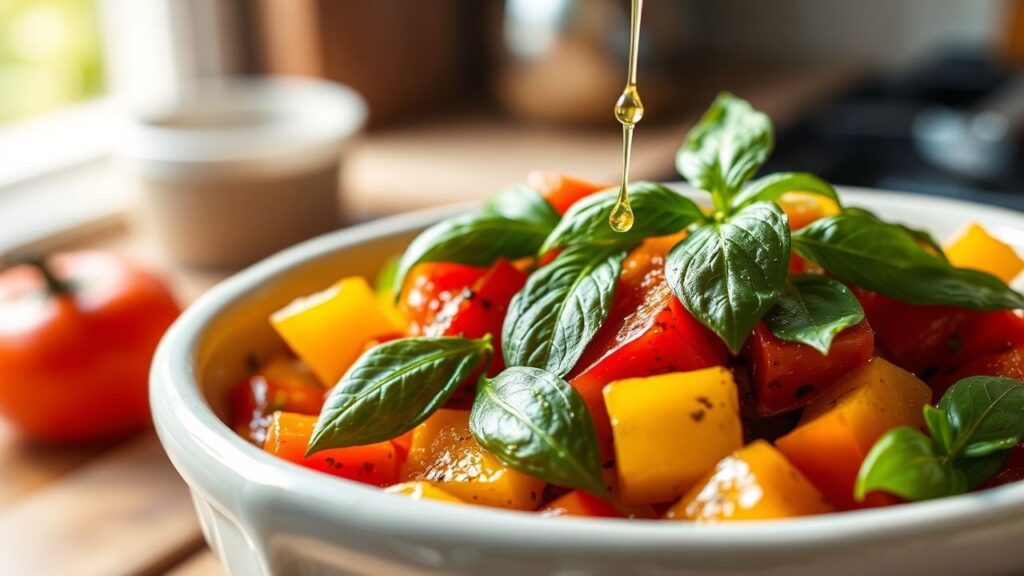
Remove the bay leaf and herb sprigs. Taste and adjust seasoning if necessary. For an extra layer of freshness, stir in a handful of freshly chopped basil leaves just before serving.
Serving Suggestions: The Versatile Nature of Ratatouille
Ratatouille is remarkably versatile. It can be served hot, warm, or at room temperature.
- As a Side Dish: It is a classic accompaniment to grilled or roasted meats, poultry, fish, or even a simple omelet.
- As a Main Course: Serve it over polenta, couscous, or with crusty bread for a satisfying vegetarian or vegan meal.
- With Pasta: Toss with cooked pasta for a vibrant, flavorful dish.
- Topped with an Egg: A fried or poached egg perched atop a warm serving of ratatouille is a delightful brunch or light dinner.
- The Next Day: Many argue that ratatouille is even better the day after it’s made, allowing the flavors to deepen further.
Nutritional Snapshot: A Wholesome Provençal Delight
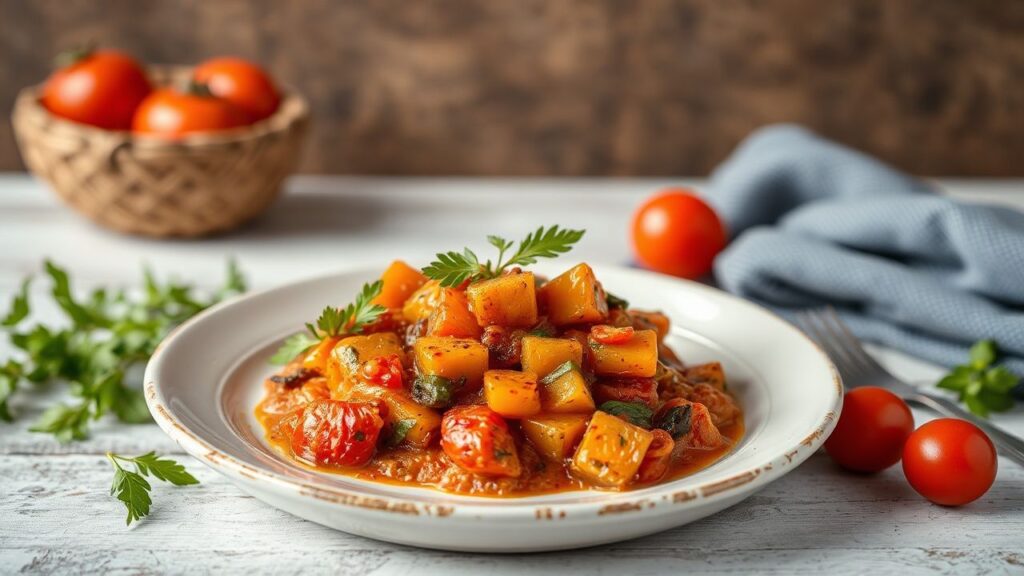
A typical serving of ratatouille, when prepared with a moderate amount of olive oil, is a nutritional powerhouse. It’s naturally low in calories and fat (depending on the oil used) and rich in fiber, vitamins, and antioxidants.
| Nutrient | Per Serving (approx. 1 cup / 240g) |
|---|
| :——————- | :——————————– |
| Calories | 150-200 |
|---|
| Total Fat | 8-12g |
| Saturated Fat | 1-2g |
|---|
| Cholesterol | 0mg |
| Sodium | 50-150mg |
|---|
| Total Carbohydrate| 15-20g |
| Dietary Fiber | 5-7g |
|---|
| Sugars | 8-10g |
| Protein | 3-5g |
|---|
| Vitamin A | High |
| Vitamin C | High |
|---|
| Potassium | High |
*Note: Nutritional values are approximate and can vary based on ingredient proportions and specific preparation methods.*
Elevating Your Ratatouille: Pro-Tips for Restaurant-Worthy Results
While the basic recipe is straightforward, a few expert touches can transform a good ratatouille into an unforgettable culinary experience.
The Art of Layering: Beyond the Basic Simmer
Some chefs prefer to arrange the sautéed vegetables in the pot in distinct layers rather than mixing them immediately. They might add the tomatoes and aromatics at the bottom, then layer the eggplant, zucchini, and peppers on top, allowing them to steam and cook through with less direct stirring. This method can further enhance the distinctiveness of each vegetable’s texture.
The Tomato Confit Approach
For an intensely flavored ratatouille, consider making a simple tomato confit beforehand. Gently simmer chopped ripe tomatoes in a generous amount of olive oil with a clove of garlic and a sprig of thyme until they break down and become jammy. Use this confit as the tomato base for your ratatouille. This adds a depth of sweetness and a luxurious mouthfeel.
The “Tian” Presentation
A visually stunning presentation, often seen in restaurants and popularized by the Disney film of the same name, involves thinly slicing the cooked vegetables (eggplant, zucchini, bell peppers, and tomatoes) and arranging them in a circular pattern, overlapping like scales, over a bed of sautéed onions and garlic in a gratin dish. Drizzle with olive oil and herbs, then bake until tender and slightly caramelized. This is technically a “tian” or “tian de légumes,” a close cousin to ratatouille, showcasing the ingredients in a different, yet equally delicious, manner.
A Taste of Provençal Heritage
Ratatouille is more than just a dish; it’s a culinary ambassador of Provence, a vibrant tapestry woven from the sun, the soil, and the soul of its people. Its enduring appeal lies in its deceptive simplicity, its ability to transform humble garden vegetables into something truly sublime. Whether served as a rustic side or a sophisticated main, this classic ratatouille offers a taste of a life lived in harmony with nature, proof of the profound beauty that can be found in the most straightforward of culinary expressions. Its journey from the fields of Provence to kitchens around the globe is proof of its universal charm and the timeless pleasure it brings. To truly master ratatouille is to embrace the rhythm of the season and the art of patient, respectful cooking.
Frequently Asked Questions About Ratatouille
For a truly authentic Provençal ratatouille, the consensus among culinary experts and traditionalists is a resounding yes. The philosophy behind this method is to allow each vegetable to develop its individual flavor and texture without becoming waterlogged or overcooked. Sautéing the eggplant, zucchini, peppers, and onions separately ensures they are perfectly tender-crisp, with a slight caramelization that adds depth. When combined and simmered, these distinct elements retain their integrity, creating a complex and harmonious dish rather than a homogenous vegetable mash. While some modern interpretations might opt for a one-pot method for expediency, it fundamentally alters the textural and flavor profile of what is traditionally considered ratatouille. The separation is key to achieving that signature Provençal character.
Absolutely, ratatouille is a dish that often benefits from being made ahead. The flavors have more time to meld and deepen overnight, making it even more delicious the next day. To store it, allow the ratatouille to cool completely at room temperature before transferring it to an airtight container. It can be refrigerated for up to 3-4 days. When reheating, gently warm it on the stovetop over low heat, stirring occasionally, until heated through. You can also reheat it in the oven at around 160°C (325°F). Avoid microwaving on high heat, as this can sometimes make the vegetables too soft. If the ratatouille seems a little dry after refrigeration, you can add a splash of water or olive oil during the reheating process.
To elevate ratatouille for a more sophisticated meal, consider its presentation and accompaniments. A popular and elegant method is the “tian” presentation, where thinly sliced, cooked vegetables are arranged decoratively in overlapping circles over a bed of sautéed aromatics, then baked until tender and slightly golden. This visual appeal is undeniable. Alternatively, serve it as a vibrant sauce over pan-seared scallops, a perfectly cooked piece of fish like sea bass, or atop creamy polenta or risotto. A drizzle of high-quality olive oil, a scattering of fresh herbs like chives or basil, or even a dollop of herbed crème fraîche can add a refined touch. For a vegan option, serve it alongside grilled portobello mushrooms or a lentil loaf. The key is to treat it as a component that complements rather than overwhelms the other elements on the plate.
See also: Ratatouille