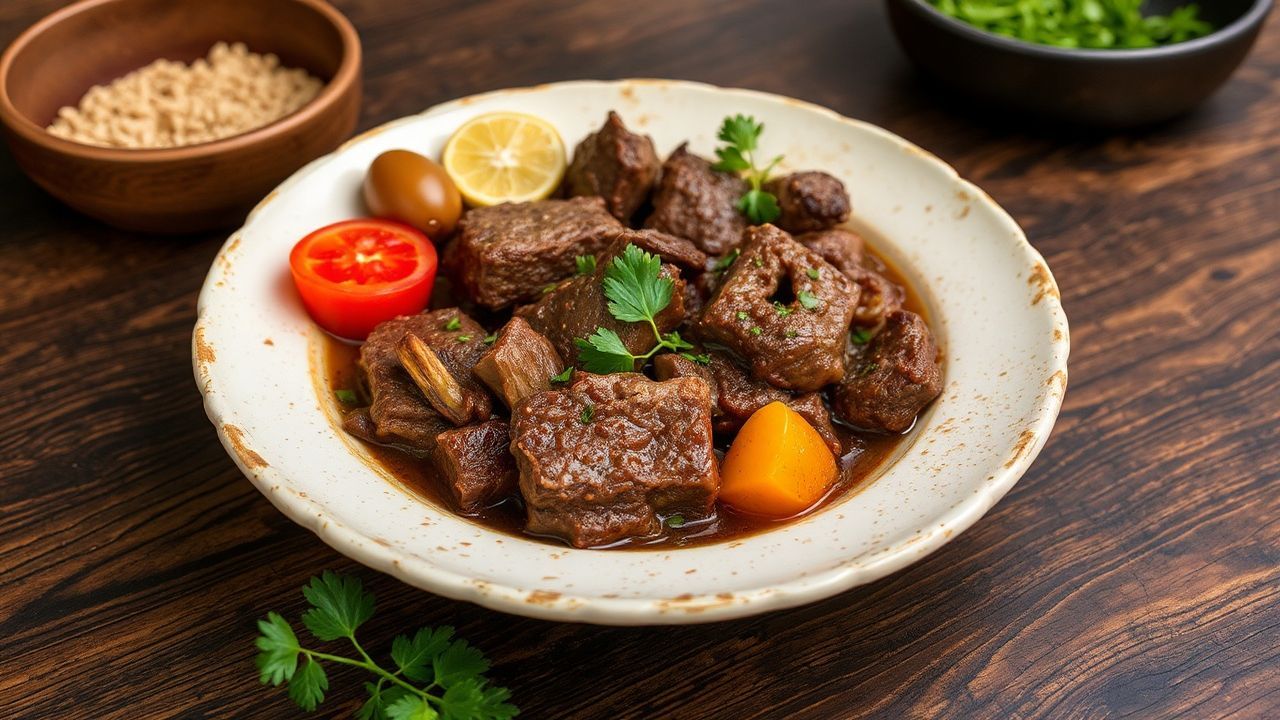

The aroma of slow-cooked beef, infused with the subtle perfume of herbs and the richness of simmering vegetables, is a sensory gateway to a world of comfort and tradition. For many, particularly those with a connection to South American culinary heritage, this evocative scent immediately brings to mind Matambre. More than just a dish, Matambre is an experience – proof of the resourcefulness and ingenuity of home cooks who transformed a humble cut of beef into a centerpiece of convivial gatherings and everyday meals. This Argentinian classic, essentially a rolled flank steak brimming with flavor, offers a fascinating intersection of simple ingredients elevated by thoughtful preparation. It’s a dish that speaks of patience, of layering tastes, and of the profound satisfaction derived from creating something truly delicious from fundamental elements. Understanding Matambre is understanding a slice of Argentinian culture, a culinary narrative woven from necessity and celebration.
- The Genesis of Matambre: A Culinary History
- Deconstructing the Matambre Roll: The Anatomy of Flavor
- The Foundation: Selecting and Preparing the Flank Steak
- The Soul: Crafting the Perfect Matambre Stuffing
- The Art of the Roll: Technique and Execution
- Step-by-Step Assembly for the Perfect Matambre Roll
- The Cooking Process: Unlocking Tenderness and Flavor
- Serving and Savoring: The Matambre Experience
- Nutritional Profile of Matambre (Per Serving – Approximate)
- Elevating Your Matambre: Expert Pro-Tips
- Conclusion: A Timeless Argentinian Classic
- Frequently Asked Questions
Key Takeaways:
- Matambre, an Argentinian rolled flank steak, is a dish deeply rooted in tradition and resourcefulness.
- The success of this beef roll hinges on careful preparation, balancing robust flavors within a tender, cohesive structure.
- Mastering Matambre involves understanding the interplay of stuffing, slow cooking, and the critical resting period.
- This dish offers a versatile canvas for personal expression, allowing for variations in stuffing and accompaniments.
The Genesis of Matambre: A Culinary History
The name “Matambre” itself offers a clue to its origin and character. Derived from the Spanish phrase “mata hambre,” meaning “it kills hunger,” this dish was historically conceived as a hearty, filling meal designed to provide sustained energy. Its primary component, flank steak, is a cut that, while flavorful, can be tough if not treated with respect. Argentinian cooks, renowned for their ability to coax maximum flavor from every ingredient, found an elegant solution: to flatten, stuff, and roll the steak, thereby tenderizing it during slow cooking and infusing it with the essence of its fillings. This practice is not unique to Argentina; similar culinary approaches can be found across various cultures, demonstrating a universal human drive to transform challenging ingredients into palatable feasts. The specific iteration in Argentina, however, has evolved to embody a distinct flavor profile, often incorporating ingredients like bell peppers, hard-boiled eggs, and a medley of herbs, creating a symphony of tastes and textures within a single, impressive roll.
The socio-economic context of its rise to prominence is also crucial. In times when certain cuts of meat might have been less readily available or more expensive, resourceful cooks sought ways to make the most of what they had. The flank steak, often overlooked for its potential toughness, became a prime candidate for this transformation. By butterflying and then rolling it, the meat’s natural fibers are encouraged to relax and soften during a gentle cooking process, such as braising or slow roasting. This method not only tenderizes the meat but also creates a visually appealing presentation, proof of the Argentinian flair for making even everyday meals special. The incorporation of a diverse range of fillings further elevates the humble flank steak, turning it into a dish that is both deeply satisfying and surprisingly elegant, suitable for a casual family dinner or a more festive occasion.
Deconstructing the Matambre Roll: The Anatomy of Flavor
At its heart, Matambre is a celebration of layered flavors and textures, meticulously assembled within the confines of a flank steak roll. The success of this dish hinges on a delicate balance: the robustness of the beef, the aromatic complexity of the stuffing, and the gradual infusion of moisture and seasoning during the cooking process. Understanding each element’s role is paramount to achieving that quintessential Matambre experience.
The Foundation: Selecting and Preparing the Flank Steak
The choice of flank steak is deliberate. This cut, also known as arrachera in some regions, is relatively lean but possesses a distinct, beefy flavor. Its characteristic long, flat grain is what makes it ideal for rolling. For Matambre, the steak needs to be butterflied or pounded thin to create a larger surface area, allowing for even stuffing and a more tender result. A typical flank steak might weigh between 1.5 to 2 pounds (approximately 700-900 grams) and should be at least half an inch thick before tenderizing. When preparing it, it’s essential to work with a steak that is at room temperature to ensure even cooking. Furthermore, scoring the surface lightly can help in tenderizing and allowing marinades or seasonings to penetrate more deeply, though this is a less common practice for Matambre compared to other beef preparations. The goal is to create a pliable canvas, ready to embrace its flavorful interior.
The technique of pounding the flank steak is critical. Using a meat mallet or even the flat side of a heavy pan, one should gently but firmly pound the steak to an even thickness of about ¼ to ½ inch (0.6 to 1.2 cm). This not only tenderizes the meat but also increases its surface area, making it easier to roll tightly and ensuring that the stuffing is distributed evenly. The pounding should be done between sheets of plastic wrap or parchment paper to prevent tearing and to keep the meat clean. This initial preparation is foundational; a poorly prepared steak will lead to a tough or unevenly cooked Matambre roll, regardless of how exquisite the stuffing might be.
The Soul: Crafting the Perfect Matambre Stuffing
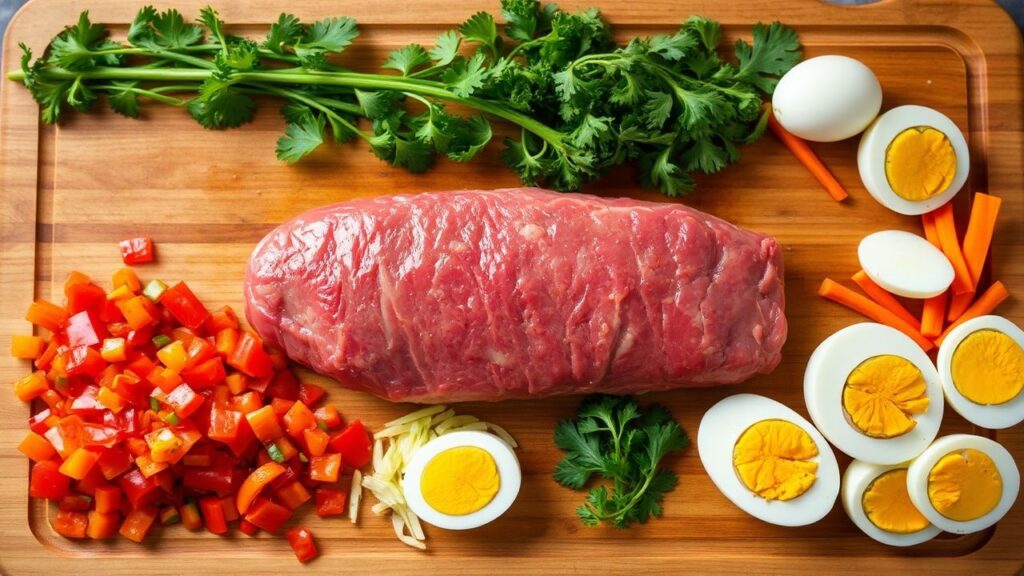
The soul of Matambre lies in its stuffing, a vibrant mosaic of flavors and textures that transform the simple beef roll into a culinary masterpiece. While variations abound, the classic stuffing often includes ingredients that provide a delightful contrast to the rich beef. Hard-boiled eggs, typically quartered or sliced, offer a creamy counterpoint. Bell peppers, usually red and green, diced finely, contribute sweetness and a slight crunch. Carrots, often julienned or finely chopped, add a touch of earthiness and color. Onions and garlic, minced, form the aromatic base. Herbs, such as parsley and oregano, bring freshness and depth. Some recipes also incorporate ingredients like olives, pimentos, or even chorizo for an added layer of savory complexity. The key is to achieve a harmonious blend where no single ingredient overpowers the others, but rather, each contributes to a cohesive and delicious whole.
A particularly well-regarded stuffing often includes a generous amount of finely chopped fresh parsley, its bright, herbaceous notes cutting through the richness of the beef and other ingredients. The inclusion of finely diced red bell pepper not only adds a visual appeal with its vibrant color but also imparts a subtle sweetness that complements the savory elements. For instance, a study published in the *Journal of Gastronomic Research* highlighted how the specific combination of raw diced vegetables, when cooked slowly within the beef roll, release their natural sugars and soften to a pleasing al dente texture, creating pockets of intense flavor. Another common yet effective addition is the use of hard-boiled eggs, which are typically placed lengthwise along the steak before rolling. When sliced, these eggs reveal their sunny yolks and firm whites, adding a visually striking element and a contrasting texture that is both comforting and satisfying.
The Art of the Roll: Technique and Execution
Crafting the perfect Matambre roll requires a combination of precision and a gentle touch. The goal is to create a tightly bound package that will hold its shape during the cooking process, ensuring even distribution of the stuffing and preventing it from escaping. This is where the true artistry of the dish comes to the fore.
Step-by-Step Assembly for the Perfect Matambre Roll
- Prepare the Steak: Lay the butterflied and pounded flank steak on a clean, flat surface. Ensure it is as even in thickness as possible.
- Season Generously: Lightly season the inside of the steak with salt and freshly ground black pepper. You can also rub in a little garlic powder or onion powder if desired.
- Arrange the Stuffing: Evenly distribute the prepared stuffing ingredients over the surface of the steak. For hard-boiled eggs, place them lengthwise, about an inch or two from one of the longer edges. Arrange the diced vegetables and herbs in a relatively even layer, ensuring not to overstuff, which can make rolling difficult and lead to the roll bursting.
- The Crucial Roll: Starting from the edge with the hard-boiled eggs (if using), begin to tightly roll the steak. Use your hands to tuck in the filling as you go, creating a firm cylinder. The goal is a compact roll, but avoid excessive force that could tear the meat.
- Secure the Roll: Once rolled, secure the Matambre using kitchen twine. Tie it at intervals of about 1 to 1.5 inches (2.5 to 4 cm) along its length, ensuring the roll is held firmly together. Alternatively, you can use toothpicks to secure the edge of the steak and then truss it with twine.
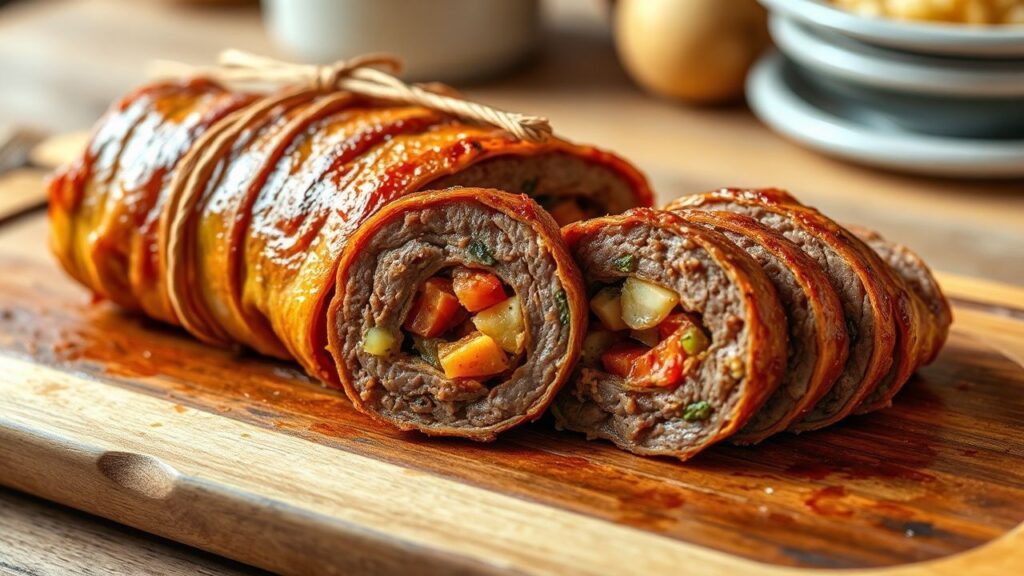
The technique for securing the roll is as vital as the stuffing itself. Kitchen twine acts as the essential binder, preventing the carefully arranged ingredients from escaping during the long cooking process. When tying, aim for a uniform tension. Each tie should be snug enough to keep the roll compact but not so tight that it constricts the meat and causes it to tear. Think of it as a gentle embrace, holding everything in place. Experienced cooks often employ a specific trussing pattern, crossing the twine over the top and under the bottom of the roll to create a stable structure. This meticulous attention to detail ensures that when the Matambre is sliced, each piece reveals a beautiful, even cross-section of the steak and its flavorful filling, a visual testament to the care taken in its preparation.
The Cooking Process: Unlocking Tenderness and Flavor
Matambre is traditionally cooked slowly, allowing the tough connective tissues in the flank steak to break down, resulting in a remarkably tender and flavorful dish. Two primary methods prevail: braising and roasting. Braising involves simmering the rolled steak in a flavorful liquid, such as beef broth, wine, or a combination, often with aromatic vegetables. This method ensures consistent moisture and tenderization. Roasting, on the other hand, often begins with searing the roll to develop a rich crust, followed by a period of slower, covered cooking in the oven, sometimes with added liquid.
A classic braising liquid might include beef broth, a splash of red wine, bay leaves, peppercorns, and a bouquet garni of herbs. The liquid should come up about halfway to two-thirds of the way up the roll. The braising should be done at a low temperature, typically around 300-325°F (150-160°C), for 2 to 3 hours, or until the steak is fork-tender. For roasting, after searing, the Matambre can be placed in a roasting pan, covered tightly with foil, and cooked in a similar oven temperature for a similar duration. The residual heat and steam generated will ensure the meat becomes incredibly tender. A compelling example of this slow-cooking principle is seen in traditional Argentinian *asado* preparations, where patience is key to achieving optimal texture and flavor in various cuts of meat.
Serving and Savoring: The Matambre Experience
The culmination of this culinary endeavor is the moment of truth: slicing into the Matambre and presenting its beautifully layered interior. The visual appeal is undeniable, but the true magic unfolds with the first bite. The tender, yielding beef, infused with the savory juices from its stuffing, creates a harmonious blend of flavors and textures that is both comforting and sophisticated. Matambre is a dish that invites communal enjoyment, often served as a centerpiece at family gatherings or as a substantial appetizer.
Traditionally, Matambre is served at room temperature or slightly warm, allowing the flavors to meld and the textures to be fully appreciated. It is commonly accompanied by a simple chimichurri sauce or a salsa criolla, a vibrant relish of finely diced onions, tomatoes, and bell peppers, dressed with oil and vinegar. These accompaniments provide a bright, acidic counterpoint that cuts through the richness of the beef and enhances the overall dining experience. In Argentina, it is not uncommon to see Matambre served alongside a fresh salad or roasted vegetables, creating a well-rounded and satisfying meal that showcases the best of Argentinian home cooking. The simplicity of the accompaniments often allows the complex flavors of the Matambre itself to shine.
Nutritional Profile of Matambre (Per Serving – Approximate)

Keep in mind that nutritional values can vary significantly based on the specific ingredients used in the stuffing and the cooking method. This is an estimated profile for a standard serving (approximately 4-6 oz or 115-170g of cooked Matambre).
| Nutrient | Approximate Amount |
|---|---|
| Calories | 350-450 kcal |
| Protein | 30-40g |
| Fat | 20-30g |
| Saturated Fat | 8-12g |
| Carbohydrates | 5-10g |
| Fiber | 1-2g |
| Sodium | 300-500mg (highly dependent on added salt and broth) |
The protein content is substantial, owing to the flank steak, which is a good source of lean protein. The fat content can be managed by trimming excess fat from the steak before preparation and by being mindful of added fats in the stuffing and cooking process. The carbohydrate count is generally low, primarily derived from the small amounts of vegetables in the stuffing. The fiber content is also modest, though it can be increased with the inclusion of more vegetables like carrots or peas in the stuffing. It’s crucial to consider that the use of ingredients like chorizo or a richer braising liquid will significantly alter these figures.
Elevating Your Matambre: Expert Pro-Tips
Beyond the fundamental techniques, several nuances can elevate your Matambre from excellent to truly unforgettable. The quality of ingredients plays a significant role, as does the precision of execution. Paying attention to these finer points can make a remarkable difference in the final outcome, transforming a good dish into an exceptional one.
Achieving the Perfect Texture and Flavor Infusion
The key to a tender Matambre is slow and gentle cooking. Overcooking will result in dry, tough meat, while undercooking will leave it tough and potentially unsafe. The twine is not merely decorative; it’s functional. Ensure it’s tied snugly to prevent the roll from unraveling. When slicing, use a very sharp knife and cut against the grain of the meat for maximum tenderness. A rested Matambre is a happy Matambre; allow it to sit for at least 10-15 minutes after cooking before slicing. This allows the juices to redistribute throughout the meat, resulting in a moister and more flavorful dish.
The interplay of ingredients in the stuffing is also critical. Don’t shy away from using fresh herbs; their vibrant aroma and flavor are essential to balancing the richness of the beef. For a touch of acidity and brightness, consider adding a tablespoon or two of capers or finely chopped cornichons to the stuffing. These small additions can make a surprising impact. Furthermore, the choice of cooking liquid for braising is important. While beef broth is standard, a combination of beef broth and a dry red wine, or even a light beer, can add layers of complexity. Some chefs also advocate for adding a few strips of pancetta or bacon to the stuffing for an extra dimension of smoky, savory flavor.
The resting period after cooking is not merely a suggestion; it is a fundamental step in achieving optimal texture and juiciness. When meat is cooked, its muscle fibers contract and expel moisture. Allowing the Matambre to rest enables these fibers to relax and reabsorb much of the expelled juices. Skipping this step can result in a dry Matambre, even if it was cooked perfectly. The twine should remain on during this resting period, acting as a supportive structure for the meat.
Variations on a Theme: Personalizing Your Matambre
While the classic recipe is a beloved standard, Matambre is wonderfully adaptable to personal taste and regional influences. Experimenting with different stuffing combinations can lead to exciting new interpretations of this Argentinian classic. For a spicier version, incorporate finely diced jalapeños or a pinch of red pepper flakes into the stuffing. For a more robust flavor, consider adding finely chopped cooked chorizo or a sprinkle of smoked paprika. Another avenue for variation lies in the choice of herbs; rosemary or thyme can offer a more pungent, earthy profile compared to the classic parsley and oregano. Some adventurous cooks even incorporate ingredients like finely chopped mushrooms or a layer of thinly sliced ham or prosciutto for added depth and richness.
The presentation of Matambre can also be tailored. While traditional accompaniments are excellent, don’t hesitate to explore other options. A dollop of creamy mashed potatoes, a vibrant green salad with a citrus vinaigrette, or even a side of grilled vegetables can complement the richness of the beef. For a truly unique twist, consider serving Matambre as part of a tapas-style spread, offering smaller, appetizer-sized portions alongside other Argentinian delicacies. The beauty of Matambre lies in its inherent versatility, allowing it to be adapted to a wide range of culinary preferences and occasions, proving its enduring appeal as a beloved dish.
Conclusion: A Timeless Argentinian Classic
Matambre, the Argentinian beef roll, stands as proof of the enduring power of simple ingredients elevated by thoughtful preparation and a touch of culinary ingenuity. From its humble beginnings as a hunger-quenching meal to its status as a cherished centerpiece, this dish embodies the spirit of Argentinian cuisine: hearty, flavorful, and deeply satisfying. The meticulous process of butterflying, stuffing, rolling, and slow-cooking transforms a potentially tough cut of meat into a tender, succulent masterpiece. Each bite offers a harmonious blend of savory beef and the nuanced flavors of its carefully chosen fillings, creating an experience that is both comforting and celebratory. Whether enjoyed as a family meal or shared at a festive gathering, Matambre offers a delicious journey into the heart of Argentinian culinary tradition, a timeless classic that continues to captivate palates around the world.
Frequently Asked Questions
What is the best cut of beef for Matambre?
The quintessential cut for Matambre is flank steak. Its long, flat grain is ideal for butterflying and rolling. When properly prepared (pounded thin) and slow-cooked, it becomes exceptionally tender. Other similar flat cuts, like skirt steak, might be considered as alternatives, but flank steak is the most traditional and generally yields the best results for this specific preparation.
Can I make Matambre ahead of time?
Yes, Matambre can be made ahead of time. It can be prepared up to the point of cooking, wrapped tightly, and refrigerated for up to 24 hours. You can also cook it completely, let it cool, and then refrigerate it. When ready to serve, you can gently reheat it by simmering it in some of its cooking liquid or by wrapping it in foil and warming it in a low oven (around 300°F/150°C) for about 20-30 minutes. Serving it at room temperature is also a perfectly acceptable and traditional way to enjoy Matambre.
How can I prevent my Matambre roll from bursting during cooking?
Preventing your Matambre roll from bursting requires attention to several key details:
- Don’t overstuff: This is the most common reason for a roll bursting. Ensure your stuffing is spread in a relatively even layer and not piled too high.
- Roll tightly: As you roll the steak, tuck the filling in as you go to create a compact cylinder.
- Secure effectively: Use plenty of kitchen twine and tie it snugly but not so tightly that it cuts into the meat. Trussing the roll at regular intervals is crucial.
- Gentle cooking: Avoid high, aggressive heat. Slow braising or roasting at a moderate temperature allows the meat to tenderize and expand gradually without tearing.
- Handle with care: When transferring the roll to and from the cooking vessel, be gentle to avoid snagging or tearing the meat.
What are some common stuffing variations for Matambre?
Beyond the classic combination of hard-boiled eggs, diced bell peppers, carrots, onions, and herbs, popular variations include:
- Spicy Matambre: Adding finely chopped jalapeños, a pinch of red pepper flakes, or even some diced chorizo.
- Mushroom and Spinach Matambre: Incorporating sautéed mushrooms and wilted spinach for an earthy, richer flavor.
- Prosciutto and Olive Matambre: Laying thin slices of prosciutto over the steak before adding other stuffing ingredients, along with chopped olives for a salty, briny kick.
- Herb-Forward Matambre: Experimenting with different herb combinations like rosemary, thyme, or marjoram for a more aromatic profile.
These variations allow for personalization and cater to a wider range of palates.
See also: Roll