
The Enduring Allure of the Schnitzel: More Than Just Fried Meat
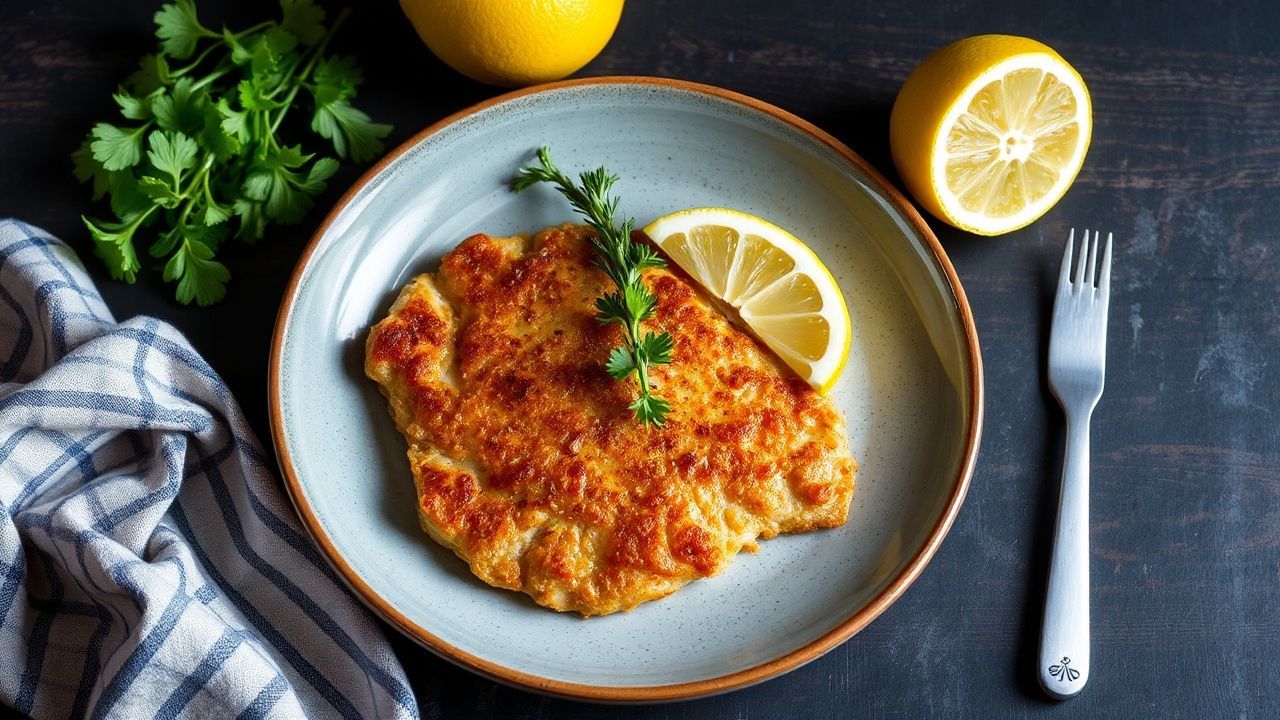
The Schnitzel holds a significant place in German culinary tradition. While the average German consumes over 5 kilograms (approximately 11 pounds) of pork annually, proof of the country’s affection for pork dishes, the Schnitzel transcends specific meats to become a national icon. This preparation – a thin cutlet of meat, pounded to tenderness, breaded, and pan-fried to a crisp, golden perfection – embodies comfort and sophisticated simplicity. The traditional Wiener Schnitzel, made with veal, is revered in Austria and parts of Germany, but its versatile cousins, chicken and pork Schnitzel, are equally beloved. The subtle yet crucial addition of lemon, a bright, zesty counterpoint, elevates this dish from mere sustenance to a truly memorable experience. This article will explore the nuances of Schnitzel preparation, protein choices, and the art of achieving that sublime crispy exterior and tender interior, all while highlighting the indispensable role of that final squeeze of lemon.
- The Enduring Allure of the Schnitzel: More Than Just Fried Meat
- Deconstructing the Ideal Schnitzel: Veal vs. Chicken
- The Pillars of Preparation: Technique and Ingredients
- The Foundation: Selecting and Preparing the Meat
- The Breading: A Golden Armor
- The Frying Medium: The Secret to Crispness
- The Indispensable Lemon: A Zesty Finale
- Nutritional Considerations
- Elevating Your Schnitzel Game: Expert Pro-Tips
- Serving Suggestions: Beyond the Lemon Wedge
- Conclusion: The Timeless Appeal of a Golden Classic
- Frequently Asked Questions
At a Glance: Key Takeaways for Schnitzel Mastery
- Precision in Pounding: The uniform thinness of the cutlet is paramount for even cooking and a delicate texture.
- The Breading Trifecta: A three-step flour, egg, and breadcrumb coating is essential for achieving that coveted crispiness.
- Fat is Flavor (and Crispness): The choice and temperature of the frying fat significantly impact the final texture and taste.
- Lemon’s Luminous Role: Fresh lemon juice is not merely a garnish; it’s a vital component that cuts through richness and brightens the palate.
The Genesis and Global Reach of the Schnitzel
The history of breaded and fried cutlets is ancient, with variations found across cultures. However, the Schnitzel as it is recognized today, particularly the Wiener Schnitzel, is widely believed to have emerged in the 19th century, with Austrian chef Anton Gschafner often credited with its popularization. Regardless of its precise origin, the concept of transforming a humble piece of meat through a simple, precise preparation method has resonated globally. Its journey from Viennese and Munich taverns to home kitchens and fine dining establishments worldwide attests to its inherent deliciousness and adaptability. The Schnitzel embodies a universal culinary truth: sometimes, the most profound flavors are born from the simplest techniques executed with unwavering attention to detail. Its presence on menus globally underscores its enduring appeal as a beloved classic.
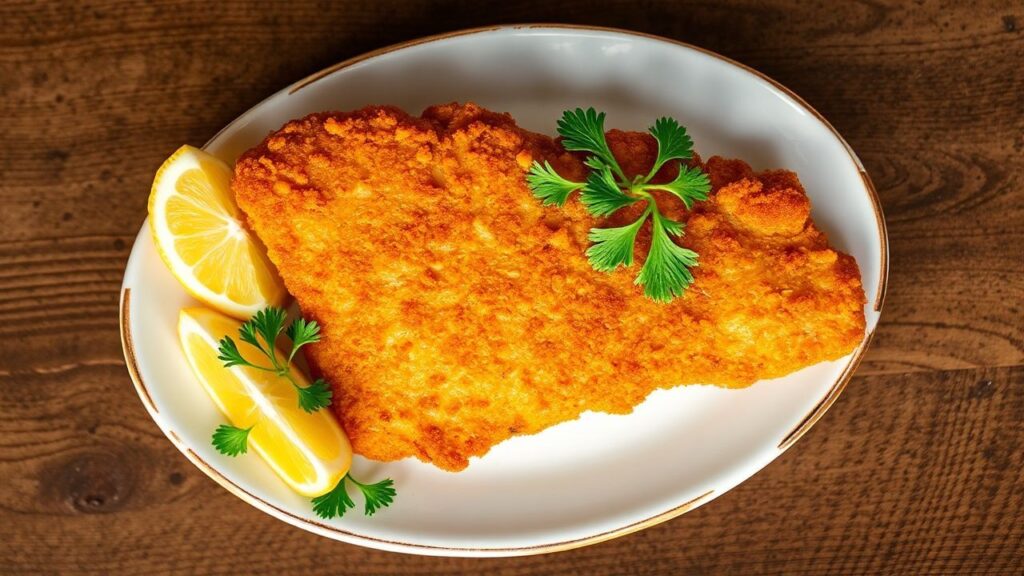
Deconstructing the Ideal Schnitzel: Veal vs. Chicken
The choice between veal and chicken for your Schnitzel is often a matter of personal preference, tradition, and occasion. Each protein offers a distinct culinary experience.
Veal: The Aristocrat of Schnitzel
Traditionally, the “true” Schnitzel, especially in Austria, refers to a dish made from veal. Specifically, the top round or knuckle of veal is preferred. This cut, when pounded thin, yields an incredibly tender and subtly sweet meat that absorbs the flavors of the breading beautifully. The delicate nature of veal allows it to cook quickly, ensuring that it remains moist and succulent within its crispy casing. The slight chewiness, when cooked correctly, offers a satisfying contrast to the crunch. A well-executed veal Schnitzel is a study in elegant simplicity, its flavor profile refined and nuanced.
Chicken: The Accessible All-Star
Chicken Schnitzel, most commonly made with boneless, skinless chicken breast, offers a more accessible and often more budget-friendly alternative. The breast meat, when pounded thin and cooked properly, can achieve a remarkable tenderness. Its milder flavor profile makes it a versatile canvas, readily accepting the savory notes from the seasoning and the richness of the frying fat. While it may lack the inherent tenderness and subtle sweetness of veal, a perfectly prepared chicken Schnitzel can be every bit as satisfying, providing a delightful crunch and a juicy interior that appeals to a broad palate.
The Pillars of Preparation: Technique and Ingredients
Achieving a truly exceptional Schnitzel hinges on a meticulous approach to both technique and ingredient selection. It’s a process that, while straightforward in concept, demands precision at every stage.
The Foundation: Selecting and Preparing the Meat
The initial step in creating a superior Schnitzel lies in the selection and preparation of the protein. For veal, opt for cuts like the top round (Oberschale) or knuckle (Nuss), which are known for their tenderness. If using chicken, boneless, skinless chicken breasts are the standard. The thickness of the meat cutlets is crucial; aim for approximately 1/4 to 1/2 inch (0.6 to 1.2 cm) before pounding.
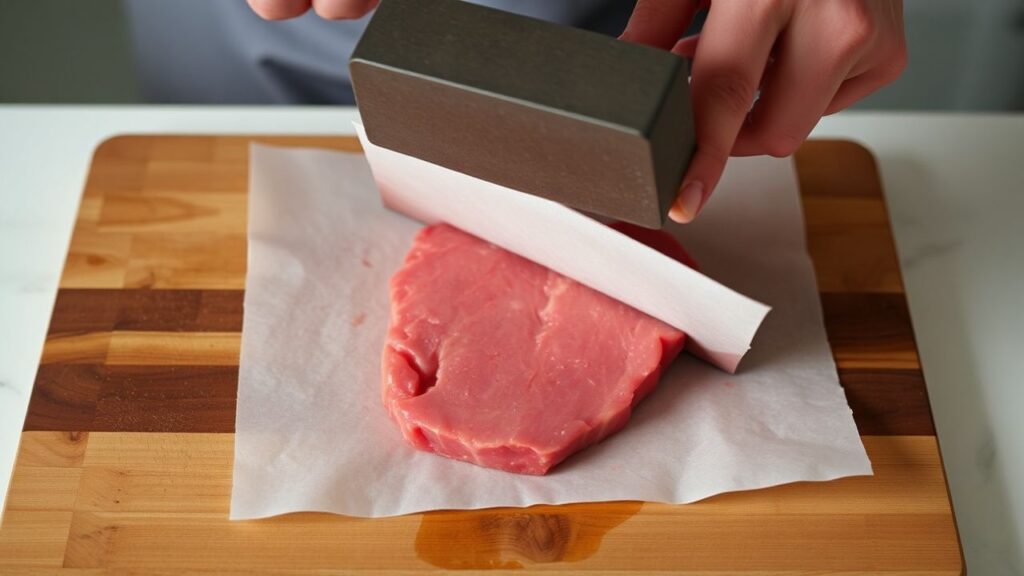
The pounding is an art form in itself. Place the meat between two pieces of plastic wrap or parchment paper to prevent tearing and to contain any splatters. Using a meat mallet (the flat side is best for this), gently but firmly pound the meat outwards from the center. The goal is to achieve a uniform thinness across the entire cutlet. This not only tenderizes the meat but also ensures that it cooks evenly and quickly, preventing the breading from burning before the interior is cooked through. A well-pounded Schnitzel will have a delicate, almost yielding texture.
The Breading: A Golden Armor
The classic Schnitzel breading, often referred to as “Wiener Panade,” is a three-part system that creates a crispy, golden crust. This meticulous layering is non-negotiable for achieving the signature texture.
- Flour: The first station is a plate of all-purpose flour. It’s seasoned lightly with salt and freshly ground black pepper. The flour adheres to the meat, providing a dry surface for the egg to cling to.
- Egg Wash: The second station holds 2-3 large eggs, lightly beaten with a tablespoon of milk or water. This liquid binder is crucial for holding the breadcrumbs in place. Some chefs add a pinch of salt and pepper to the egg wash as well.
- Breadcrumbs: The final and most critical layer is the breadcrumbs. For an authentic taste and superior crispness, fine, unseasoned breadcrumbs (Semmelbrösel) are preferred. Panko breadcrumbs, while offering a beautiful crispness, can sometimes be too coarse for a traditional Schnitzel. Ensure the breadcrumbs are spread evenly on a plate or shallow dish.
The breading process itself requires a gentle but firm hand. Dredge each pounded cutlet first in the floured plate, tapping off any excess. Then, dip it into the egg wash, ensuring it’s fully coated. Finally, press the cutlet into the breadcrumbs, coating both sides thoroughly. Gently press the breadcrumbs onto the meat to ensure they adhere well. For an even more impressive crust, some chefs will repeat the egg and breadcrumb steps for a double coating, though this is less common for the classic preparation.
The Frying Medium: The Secret to Crispness
The choice of frying fat and its temperature are paramount to achieving that coveted crisp, golden exterior without overcooking the interior. Traditionalists often advocate for clarified butter (Ghee) or a mixture of clarified butter and vegetable oil for their high smoke points and subtle, pleasant flavor. However, neutral-flavored oils like canola, sunflower, or grapeseed oil are also excellent choices, especially when aiming for a lighter flavor profile.
The frying process should be done in a wide, heavy-bottomed pan – a cast-iron skillet or a French skillet works wonderfully. The key is to use enough fat to generously coat the bottom of the pan, ideally about 1/2 inch (1.2 cm) deep. The fat needs to be heated to the correct temperature, typically between 325°F and 350°F (160°C to 175°C). Too low, and the Schnitzel will absorb too much grease, becoming heavy and soggy. Too high, and the breading will burn before the meat is cooked.
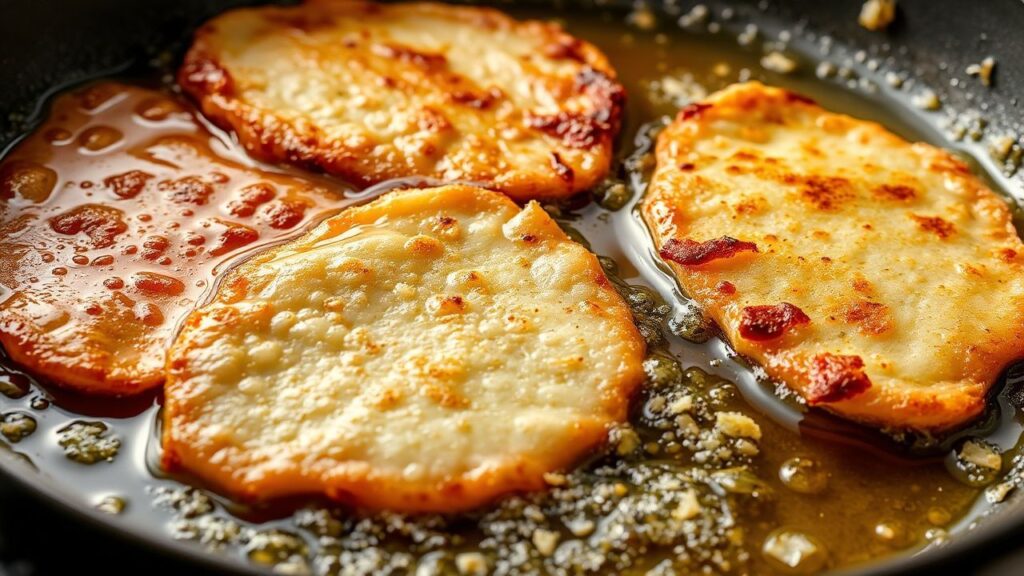
The Schnitzel should “swim” in the fat, allowing the heat to circulate evenly around it. Fry each piece for 2-4 minutes per side, depending on its thickness. During frying, gently swirl the pan occasionally to ensure the fat is constantly moving, which helps the breading puff up and create those delightful ripples and textures often seen in perfectly fried Schnitzel. Once golden brown and cooked through, remove the Schnitzel from the pan and place it on a wire rack set over a baking sheet to drain. Avoid placing it directly on paper towels, as this can create steam and soften the crisp exterior.
The Indispensable Lemon: A Zesty Finale
The relationship between Schnitzel and lemon is not merely a pairing; it’s a symbiotic necessity. The bright, acidic zest and juice of a fresh lemon cut through the richness of the fried meat and breading, cleansing the palate and adding a vibrant dimension that transforms the dish. Without it, the Schnitzel, however perfectly cooked, can feel heavy and one-dimensional.
Why Lemon is Non-Negotiable
The inherent richness of pan-fried food, especially when using butter or animal fats, can sometimes lead to a feeling of being overwhelmed. The acidity of lemon juice acts as a palate cleanser, its sharp notes awakening the taste buds and preparing them for the next bite. This is akin to the role of a good vinaigrette on a salad or a squeeze of lime on fried seafood. The citrus oils in the lemon peel also contribute a fragrant aroma that enhances the overall sensory experience.
The Art of Serving
Serve the Schnitzel immediately after frying. The classic accompaniment is a fresh lemon wedge, its skin bright yellow and its flesh plump with juice. Guests are encouraged to squeeze the lemon generously over their Schnitzel just before eating. Beyond the standard wedge, some variations might include a drizzle of freshly squeezed lemon juice or a sprinkle of lemon zest directly onto the breading for a more integrated citrus flavor.
Nutritional Considerations
While undeniably delicious, Schnitzel is a dish that requires mindful enjoyment. Its preparation involves frying, which inherently increases its fat and calorie content.
Approximate Nutritional Information (per serving, for a 6 oz / 170g chicken Schnitzel):
- Calories: 450-600 (depending on fat absorption and breading)
- Protein: 35-45g
- Fat: 25-40g (varying significantly with frying method and oil absorption)
- Saturated Fat: 5-10g
- Carbohydrates: 15-25g
- Sodium: 400-700mg (depending on seasoning)
These values are estimates and can fluctuate based on the size of the cutlet, the type of protein used, the amount and type of fat used for frying, and the quantity of breadcrumbs. For a lighter preparation, consider baking the breaded cutlets on a rack in a hot oven after a brief pan-sear, or use an air fryer, though this will alter the characteristic texture.
Elevating Your Schnitzel Game: Expert Pro-Tips
To move beyond a good Schnitzel to an exceptional one, consider these expert insights and techniques that distinguish the truly masterful from the merely competent.
The Importance of Resting the Breaded Cutlet
After breading, allowing the Schnitzel to rest for 5-10 minutes at room temperature before frying can significantly improve the texture of the crust. This brief rest allows the breadcrumbs to absorb some moisture from the egg wash, creating a more cohesive coating that is less likely to fall off during frying and will result in a crispier, more robust crust.
The “Schwenken” Technique: The Secret to Airy Crispness
In Germany and Austria, a technique known as “Schwenken” is often employed. This involves gently swirling the pan during frying, allowing the hot fat to splash up and over the top of the Schnitzel. This not only helps to cook the top surface evenly but also encourages the breading to puff up, creating those characteristic airy pockets and a lighter, more delicate crispness. If you’re not comfortable swirling the pan, you can also use a large spoon to baste the top of the Schnitzel with the hot fat periodically.
Serving Suggestions: Beyond the Lemon Wedge
While the lemon wedge is the quintessential accompaniment, a well-crafted Schnitzel can be enhanced by thoughtful side dishes. Traditional pairings include potato salad (often a vinegar-based version in Germany, or creamy in Austria), crisp green salads with a light vinaigrette, or creamy parsley potatoes. Lingonberry jam is also a popular, albeit less traditional, counterpoint in some regions, offering a sweet-tart contrast.
Conclusion: The Timeless Appeal of a Golden Classic
The German Schnitzel, whether prepared with the delicate nuance of veal or the accessible heartiness of chicken, remains a cornerstone of comfort food, a dish that speaks of tradition, simple pleasures, and culinary excellence. The journey from a raw cutlet to a golden, crisp masterpiece is proof of the power of technique, the quality of ingredients, and the transformative magic of a perfect fry. And at its heart, the bright, zesty kiss of lemon ensures that each bite is as invigorating as the first. Mastering the Schnitzel is not just about following a recipe; it’s about understanding the interplay of heat, fat, and texture, and appreciating how a single, vibrant ingredient like lemon can elevate a humble dish to an enduring classic.
Frequently Asked Questions
What is the difference between Wiener Schnitzel and other Schnitzel?
The most significant distinction lies in the protein used. Wiener Schnitzel, by strict definition, must be made from veal. Its preparation is heavily regulated in Austria, and using any other meat disqualifies it from bearing the “Wiener” name. Other Schnitzel variations, such as those made from pork (Schnitzel Wiener Art) or chicken (Hähnchenschnitzel), while delicious and popular, are not considered true Wiener Schnitzel. The term “Schnitzel” on its own often refers to these non-veal preparations, though context is key.
Can I make Schnitzel ahead of time?
While it is highly recommended to serve Schnitzel immediately after frying for optimal crispness and texture, you can prepare some elements in advance. The meat can be pounded and breaded a few hours before frying. Store the breaded cutlets uncovered in the refrigerator on a wire rack set over a baking sheet to prevent the breading from becoming soggy. Ensure they are completely dry before frying. Frying the Schnitzel too far in advance will result in a loss of crispness. Reheating is generally not advised as it rarely restores the original texture.
What is the best way to ensure my Schnitzel is crispy and not greasy?
Achieving a crispy, non-greasy Schnitzel is a result of several factors working in harmony. Firstly, properly pounding the meat thin ensures it cooks through quickly. Secondly, a thorough and even breading is crucial; ensure the breadcrumbs adhere well. Thirdly, and perhaps most importantly, maintaining the correct frying temperature is paramount. The fat should be between 325°F and 350°F (160°C to 175°C). If the fat is too cool, the Schnitzel will absorb too much oil. Using enough fat so the Schnitzel can “swim” allows for even cooking, and draining the cooked Schnitzel on a wire rack instead of paper towels prevents steam from softening the crust. Finally, avoid overcrowding the pan, as this lowers the oil temperature and leads to less crisp results.
See also: Schnitzel