
The humble chicken shawarma platter, often relegated to a quick street food option, is a culinary masterpiece begging for deeper appreciation. It’s a symphony of marinated, spit-roasted chicken, vibrant accompaniments, and that indispensable, nutty tahini sauce, representing a profound culinary heritage. Many approach it as a mere assembly job, a casual weeknight dinner. However, to truly capture the essence of this iconic dish, one must understand the alchemy of its components, from the meticulous marination of the chicken to the precise emulsification of the tahini. This isn’t just about feeding yourself; it’s about experiencing a rich cultural narrative served on a plate.
- The Genesis and Global Evolution of Shawarma
- The Art of the Chicken Marinade: Building Flavor from the Core
- The Tahini Sauce: A Creamy, Tangy Revelation
- The Shawarma Platter: A Symphony of Textures and Tastes
- The Culinary Journey: From Marinade to Platter Perfection
- Nutritional Insights: A Savoury, Satisfying Experience
- Elevating Your Shawarma Game: Expert Pro-Tips
- Conclusion: A Culinary Canvas of Comfort and Culture
- Frequently Asked Questions About Shawarma
At a Glance: Key Takeaways for Shawarma Mastery
- Marination is Paramount: The depth of flavour in your chicken shawarma hinges on a well-balanced, time-honored marinade.
- Tahini’s Tangy Embrace: Achieving the perfect tahini sauce requires understanding the interplay of tahini paste, lemon juice, and garlic.
- Platter Harmony: A successful shawarma platter is a curated experience, balancing textures and tastes with thoughtful side dishes.
- Technique Elevates: Mastering the cooking method, whether traditional spit-roasting or home-friendly alternatives, is crucial for succulent results.
The Genesis and Global Evolution of Shawarma
The origins of shawarma are deeply rooted in the Levant, a region rich with culinary traditions that have influenced global gastronomy. While the exact birthplace is debated, its lineage is undeniably tied to the Ottoman Empire’s practice of roasting meat on a vertical spit, a technique known as döner. This method, which allows fat and juices to baste the meat as it cooks, creates an unparalleled tenderness and depth of flavour. Over centuries, this concept migrated and adapted, with different regions and cultures imbuing it with their unique spice profiles and accompaniments. The chicken shawarma, as we commonly know it today, represents a more accessible and widely embraced iteration of this ancient cooking method, proof of its adaptability and enduring appeal.
The journey of shawarma from the bustling souks of the Middle East to the diverse culinary landscapes of the West is a fascinating case study in food migration and cultural fusion. As Middle Eastern communities established themselves in new lands, they brought with them their cherished recipes, including shawarma. In places like London, New York, and Toronto, shawarma stands and restaurants flourished, catering to both expatriate communities and adventurous local palates. This global dissemination wasn’t simply about replicating the original; it involved a subtle yet significant evolution. Local ingredients, different dietary preferences, and evolving culinary trends led to variations in marinades, spice blends, and serving styles. For instance, while lamb was traditionally the primary meat, chicken became increasingly popular due to its versatility and wider acceptance. This adaptability is a hallmark of truly great cuisine, allowing it to transcend borders and resonate with diverse audiences.
The Art of the Chicken Marinade: Building Flavor from the Core
At the heart of an exceptional chicken shawarma platter lies the marinade. This is where the magic truly begins, transforming humble chicken thighs into succulent, flavour-packed morsels. A truly masterful marinade isn’t just about adding spices; it’s a carefully orchestrated blend of acids, aromatics, and fats designed to tenderize the meat and infuse it with complex flavours. Yogurt or lemon juice provides the essential acidity to break down muscle fibres, ensuring tenderness, while a generous hand with spices like cumin, coriander, paprika, and turmeric lends warmth and depth. Garlic and onion are non-negotiable aromatics, providing a pungent base that complements the other spices. Olive oil acts as a carrier for these flavours, ensuring they penetrate the meat effectively.
The interplay of spices is crucial. Cumin offers an earthy, slightly smoky note, while coriander brings a citrusy, floral aroma. Paprika, depending on whether it’s sweet, smoked, or hot, adds colour and a spectrum of flavour. Turmeric contributes a warm, slightly bitter undertone and a vibrant golden hue. For a touch of heat, a pinch of cayenne pepper or a dash of aleppo pepper can be incorporated. The marinade should allow the chicken to rest for a minimum of four hours, but ideally overnight, to allow the flavours to fully permeate. This patient marination process is the secret to shawarma that doesn’t just taste spiced, but tastes deeply *seasoned*.
Essential Marinade Ingredients:
- Acids: 1/2 cup (120ml) Plain yogurt (full-fat is best for richness) OR 1/4 cup (60ml) fresh lemon juice.
- Aromatics: 4-6 cloves garlic, minced; 1 medium onion, grated or finely minced.
- Spices: 2 tsp ground cumin; 2 tsp ground coriander; 1 tsp sweet paprika; 1 tsp turmeric; 1/2 tsp black pepper; 1/4 tsp cayenne pepper (optional).
- Fat: 1/4 cup (60ml) extra virgin olive oil.
- Herbs: 1 tbsp chopped fresh parsley (optional, for freshness).
- Salt: 1.5 tsp sea salt or kosher salt.
The Tahini Sauce: A Creamy, Tangy Revelation
No chicken shawarma platter is complete without its crowning glory: the tahini sauce. This emulsified elixir, derived from ground sesame seeds, is the perfect counterpoint to the richness of the chicken. However, achieving the ideal consistency and flavour profile can be surprisingly nuanced. The quality of the tahini paste itself is paramount; a good tahini should be smooth, rich, and have a pleasant, slightly bitter nuttiness. When combined with fresh lemon juice, the sesame solids react, creating a creamy, almost mayonnaise-like texture. The acidity of the lemon juice is key to this transformation, balancing the inherent richness of the tahini.
Garlic, finely minced or grated to a paste, is another indispensable element, lending its pungent bite. Water is used judiciously to achieve the desired consistency – starting with just a few tablespoons and adding more as needed. Some chefs advocate for a pinch of salt to enhance the flavours, while others might add a whisper of cumin for an extra layer of complexity. The texture should be pourable but not watery, coating the chicken and other components without being overwhelmingly heavy. A well-made tahini sauce is proof of the power of simple ingredients transformed through technique.
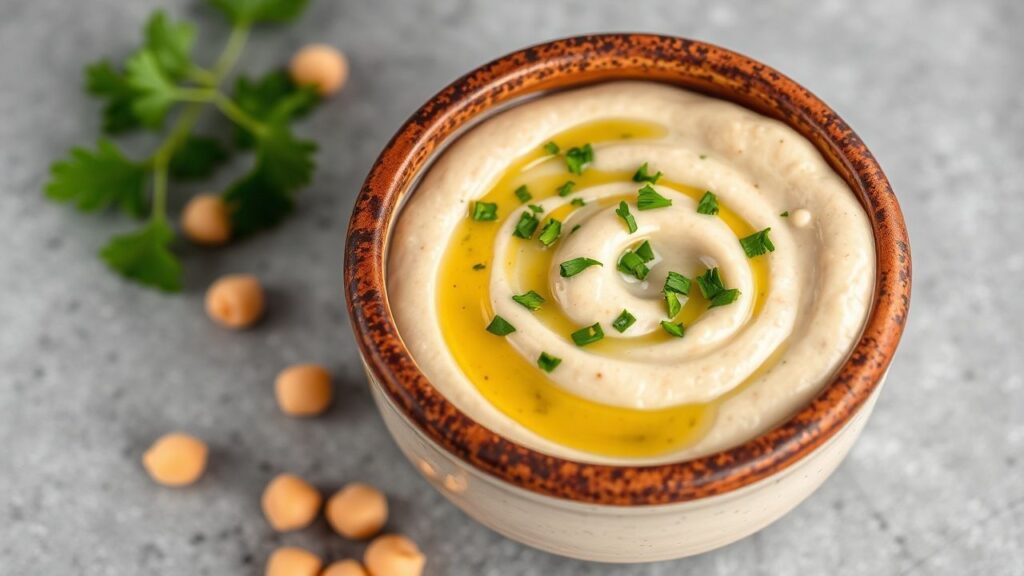
Mastering Tahini Sauce:
- Tahini Paste: 1 cup (240g) good quality tahini paste.
- Lemon Juice: 1/4 cup (60ml) freshly squeezed lemon juice (adjust to taste).
- Garlic: 2-3 cloves garlic, minced to a paste.
- Water: 1/4 cup (60ml) ice-cold water, plus more as needed.
- Salt: 1/2 tsp sea salt or kosher salt, or to taste.
- Optional: 1/4 tsp ground cumin.
The Shawarma Platter: A Symphony of Textures and Tastes
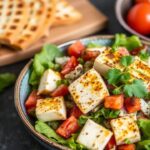
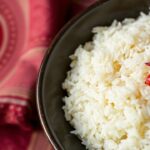
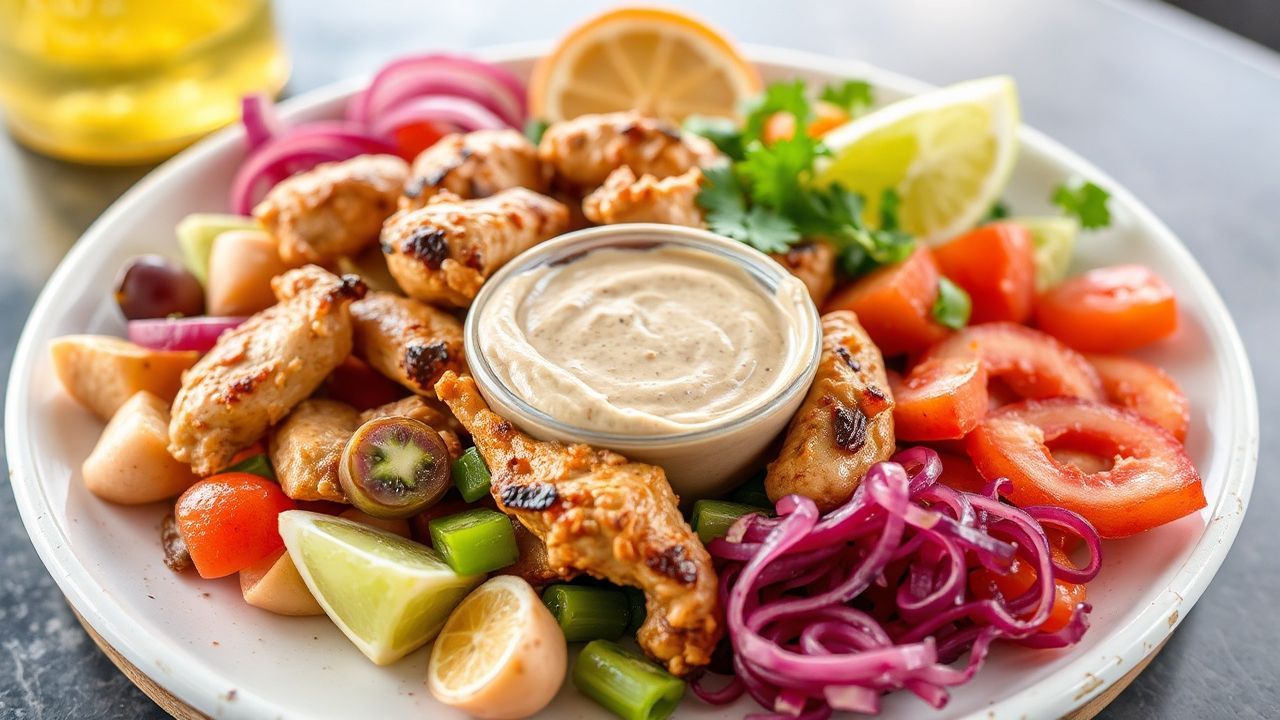
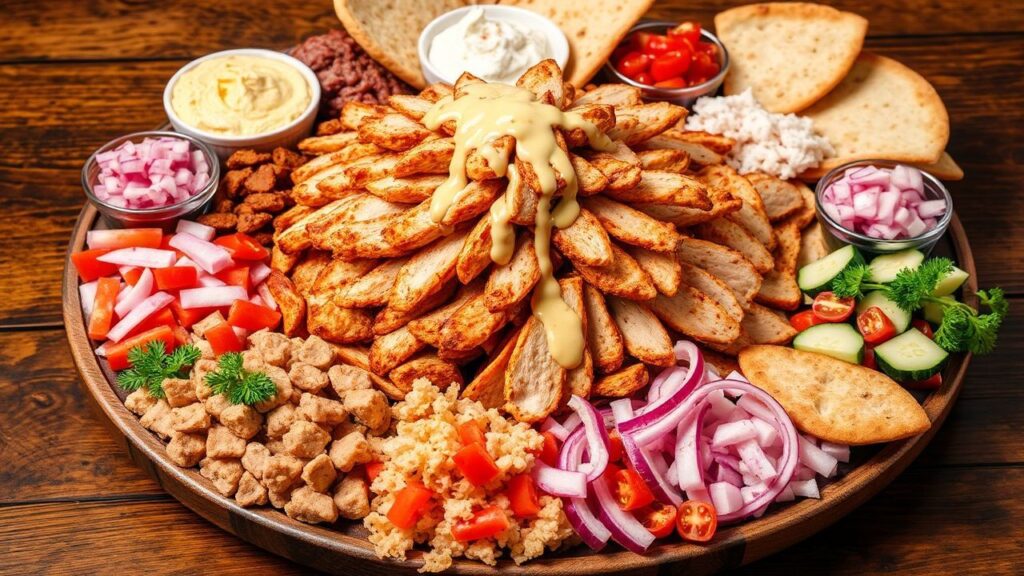
The true artistry of the chicken shawarma platter lies in its composition. It’s not merely a pile of ingredients; it’s a carefully curated experience designed to engage all the senses. Beyond the star of the show – the perfectly cooked chicken – a truly exceptional platter is a mosaic of complementary elements. The foundation is often a bed of fluffy basmati rice or warm, pillowy pita bread, providing a comforting base. Then come the vibrant accompaniments that add pops of colour, acidity, and textural contrast. Pickled turnips, with their striking pink hue and sharp tang, are a classic and essential element, cutting through the richness of the meat and sauce. Hummus, creamy and comforting, offers a smooth, protein-rich component. Fresh, crisp elements like shredded lettuce, chopped tomatoes, cucumbers, and thinly sliced red onions provide a refreshing counterpoint and vital crunch.
Beyond these staples, the possibilities for elevation are vast. Grilled halloumi adds a salty, squeaky chew. Roasted red peppers bring a sweet smokiness. A scattering of toasted pine nuts or slivered almonds can introduce a delightful crunch and nutty aroma. The goal is to create a harmonious balance: the tender, spiced chicken, the creamy tahini, the sharp pickles, the cool vegetables, and the satisfying starch. Each bite should offer a new combination of textures and flavours, proof of thoughtful assembly. This approach elevates the shawarma platter from a simple meal to a culinary adventure.
The Culinary Journey: From Marinade to Platter Perfection
The preparation of a truly outstanding chicken shawarma platter is a multi-stage process, each step building upon the last. It demands patience and attention to detail, but the rewards are immeasurable. Begin by preparing the chicken marinade. In a large bowl, combine the yogurt or lemon juice, minced garlic, grated onion, all the ground spices, olive oil, salt, and optional parsley. Add the chicken thighs, ensuring they are thoroughly coated. Cover the bowl tightly and refrigerate for at least four hours, and ideally overnight. This extended marination is crucial for deep flavour penetration.
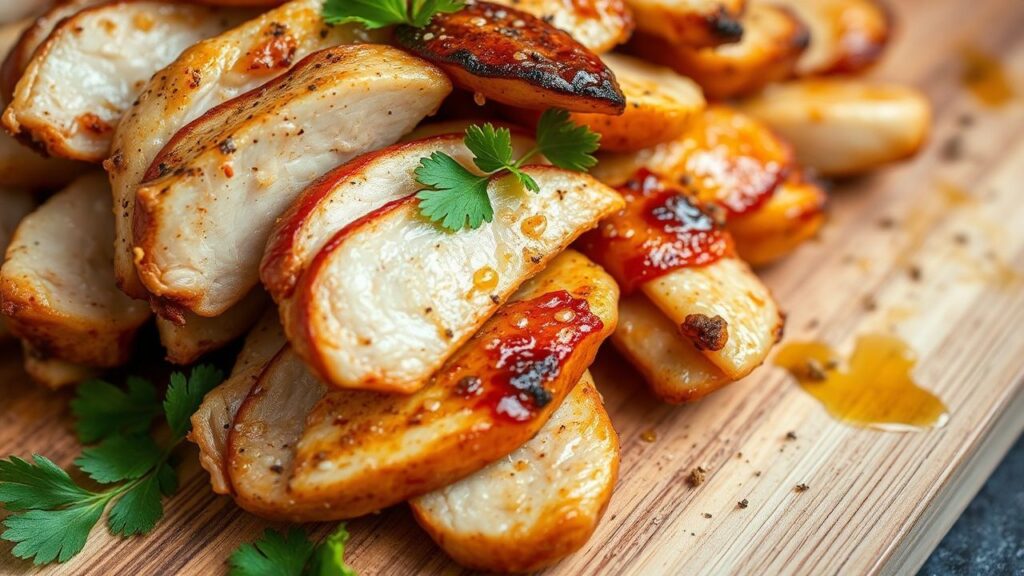
While the chicken marinates, prepare your accompaniments. Make the tahini sauce by whisking together the tahini paste, lemon juice, garlic paste, and salt until smooth. Gradually whisk in the ice-cold water, a tablespoon at a time, until you achieve a pourable, creamy consistency. Set aside. Prepare your chosen base – cook rice, warm pita bread, or chop your vegetables and prepare pickles. Once the chicken has marinated, it’s time to cook it. For the most authentic texture, a vertical rotisserie is ideal, but a very hot oven or a grill can yield excellent results. If using an oven, preheat to 425°F (220°C). Thread the marinated chicken thighs onto skewers, layering them tightly, or arrange them in a single layer on a baking sheet lined with parchment paper. Roast for 25-35 minutes, or until cooked through and slightly charred at the edges. For a stovetop method, heat a cast-iron skillet or grill pan over medium-high heat with a little oil. Sear the chicken pieces in batches until golden brown and cooked through. Once cooked, let the chicken rest for a few minutes before slicing it thinly against the grain.
Detailed Preparation Method:
- Marinate the Chicken: In a large bowl, whisk together all marinade ingredients (yogurt/lemon juice, garlic, onion, spices, olive oil, salt, parsley). Add chicken thighs and toss to coat evenly. Cover and refrigerate for at least 4 hours, or preferably overnight.
- Prepare Tahini Sauce: In a medium bowl, whisk together tahini paste, lemon juice, garlic paste, and salt. Gradually whisk in cold water, 1 tbsp at a time, until a smooth, pourable sauce forms. Cover and refrigerate.
- Prepare Accompaniments: Cook rice according to package directions, warm pita bread, chop vegetables (tomatoes, cucumbers, onions), and prepare pickled turnips if making from scratch.
- Cook the Chicken:
- Oven Method: Preheat oven to 425°F (220°C). Arrange marinated chicken thighs in a single layer on a parchment-lined baking sheet. Roast for 25-35 minutes, flipping halfway, until cooked through and edges are slightly charred.
- Skillet/Grill Method: Heat 1 tbsp olive oil in a large cast-iron skillet or grill pan over medium-high heat. Sear chicken pieces in batches for 4-5 minutes per side, until golden brown and cooked through.
- Slice the Chicken: Once cooked, let the chicken rest for 5-10 minutes. Slice thinly against the grain.
- Assemble the Platter: Arrange your chosen base (rice or pita) on a large platter. Top with sliced chicken shawarma. Drizzle generously with tahini sauce. Arrange all prepared accompaniments around the chicken. Serve immediately.
Nutritional Insights: A Savoury, Satisfying Experience
A typical serving of a chicken shawarma platter, when prepared with lean chicken thighs and balanced accompaniments, can be a remarkably nutritious meal. Chicken thighs, while containing a bit more fat than breast meat, offer a richer flavour and a higher concentration of iron and zinc. The healthy fats in olive oil and tahini contribute to satiety and aid in the absorption of fat-soluble vitamins. The combination of protein from the chicken and carbohydrates from rice or pita provides sustained energy. The array of fresh vegetables and pickles offers essential vitamins, minerals, and dietary fibre, crucial for digestive health and overall well-being.
The nutritional profile can, of course, vary significantly based on portion sizes and the specific accompaniments chosen. Opting for whole wheat pita, a generous serving of salad, and a moderate amount of tahini sauce can enhance the fibre and micronutrient content while managing calorie intake. For instance, a platter with 6 ounces of chicken, half a cup of rice, and a good portion of salad and hummus might provide around 600-800 calories, with a significant amount of protein (40-50g) and a good balance of carbohydrates and healthy fats. It’s a meal that can be both deeply satisfying and contribute positively to a balanced diet when enjoyed mindfully.
Approximate Nutritional Information (Per Serving – based on 1/4 of a platter with rice, salad, and moderate tahini):
| Calories | 650-800 kcal |
| Protein | 40-50g |
| Fat | 30-45g |
| Saturated Fat | 7-10g |
| Carbohydrates | 50-70g |
| Fibre | 8-12g |
| Sodium | 800-1200mg (varies greatly with salt added) |
Elevating Your Shawarma Game: Expert Pro-Tips
To truly elevate your chicken shawarma platter from home-cooked to restaurant-worthy, several expert techniques come into play. The quality of the chicken is fundamental; opt for boneless, skinless chicken thighs for the best balance of flavour and tenderness. If using chicken breast, marinate for a shorter period and be extremely mindful of cooking time to avoid dryness. The charring on the chicken is not merely aesthetic; it contributes significantly to the flavour profile. Achieving this can be done on a very hot grill, under a broiler, or by carefully searing in a cast-iron skillet. Don’t overcrowd the pan when searing, as this will steam the chicken rather than char it.
The tahini sauce is another area for refinement. For an intensely nutty flavour, toast your sesame seeds lightly before grinding them into tahini paste, if you’re making it from scratch. If using store-bought tahini, taste it first. Some brands can be quite bitter; you might need a touch more lemon juice or a pinch of sugar to balance it. Ice-cold water is crucial for emulsification; it helps the tahini and lemon juice bind together more effectively, creating a smoother, creamier sauce. Consider adding a pinch of smoked paprika or a dash of za’atar to the tahini sauce for an extra layer of intrigue.
The accompaniments are where you can truly personalize and enhance your platter. While pickles, hummus, and salad are traditional, don’t be afraid to experiment. Consider adding a dollop of baba ghanoush for a smoky eggplant dimension, or a serving of tabbouleh for a fresh, herby contrast. Roasted red peppers, marinated artichoke hearts, or even a spicy harissa paste can add exciting new flavour profiles. The key is to think about how each component will interact with the chicken and the tahini sauce, creating a balanced and exciting culinary narrative on the plate.
Conclusion: A Culinary Canvas of Comfort and Culture
The chicken shawarma platter with tahini sauce is far more than just a meal; it’s a celebration of flavour, texture, and cultural heritage. From the meticulous marination of the chicken to the velvety embrace of the tahini sauce and the vibrant symphony of its accompaniments, each element matter significantly in crafting an unforgettable dining experience. By understanding the nuances of flavour development, mastering essential techniques, and embracing thoughtful composition, you can transform this beloved dish into a personal culinary triumph. Whether you’re seeking a taste of authentic Middle Eastern cuisine or simply aiming to impress with a flavourful and satisfying meal, the chicken shawarma platter offers a delicious and rewarding journey for any home cook.
Frequently Asked Questions About Shawarma
What is the best cut of chicken to use for shawarma?
For the most flavourful and tender chicken shawarma, boneless, skinless chicken thighs are overwhelmingly recommended by culinary experts. Their higher fat content allows them to remain moist and succulent during the cooking process, even with high-heat methods. While chicken breast can be used, it requires more careful attention to avoid drying out and typically benefits from a shorter marination time. The fat in thighs also contributes to a richer flavour profile that is characteristic of authentic shawarma.
How can I achieve the signature charred edges on my shawarma chicken?
Achieving the desirable char on your chicken shawarma is a matter of high heat and direct contact. If you have access to a vertical rotisserie, this is the most traditional and effective method. In a home kitchen, you can replicate this by cooking the marinated chicken in a very hot cast-iron skillet over medium-high to high heat, or by using the broiler in your oven. Ensure the pan or broiler is thoroughly preheated before adding the chicken. Sear the chicken in batches, allowing it to develop a deep golden-brown crust and slightly blackened edges before flipping or removing. Avoid overcrowding the pan, as this will cause the chicken to steam rather than sear.
My tahini sauce is too thick or too thin. How can I fix it?
Adjusting the consistency of tahini sauce is straightforward. If your sauce is too thick, gradually whisk in ice-cold water, one tablespoon at a time, until it reaches your desired pourable consistency. Be patient; the sauce can thicken as it sits. If your sauce is too thin, the best way to thicken it is to add more tahini paste, a tablespoon at a time, whisking thoroughly until incorporated. You can also try adding a small amount of lemon juice, which can sometimes help to bind a thinner sauce, but be cautious not to make it too tart. Ensure you are using good quality tahini paste, as its consistency can also affect the final sauce.
See also: Shawarma