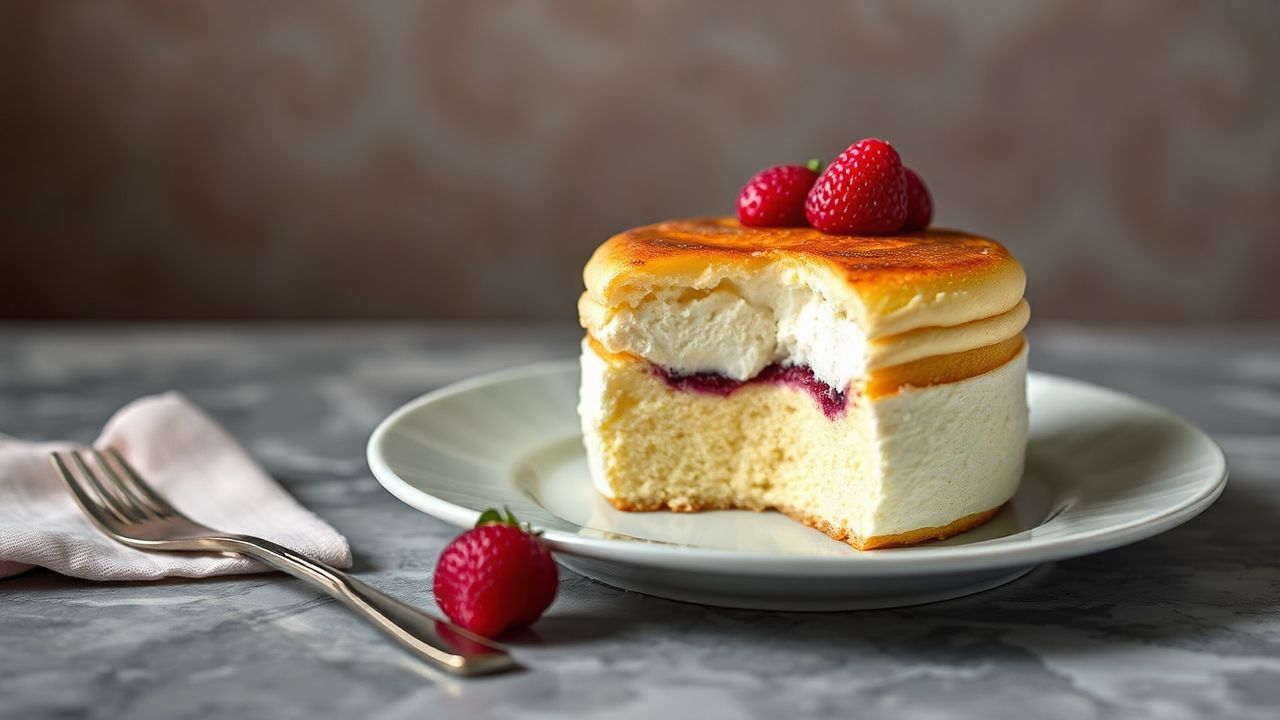

The Ethereal Ascent: Unveiling the Magic of Soufflé Cake
Imagine a dessert that seems to float on the plate, proof of culinary alchemy. Soufflé cake, in its many forms, represents a pinnacle of pastry technique, a delicate balance of structure and air that can, quite literally, rise to the occasion. While often associated with its savory cousins, the sweet soufflé cake offers a lighter, more whimsical alternative, a whispered promise of elegance. It’s a dish that commands attention, not through ostentatious decoration, but through its sheer, gravity-defying presence. The very act of its creation is a dance with physics, a meticulous process that rewards patience and precision with an unparalleled textural experience.
- The Ethereal Ascent: Unveiling the Magic of Soufflé Cake
- The Science Behind the Sublime: Understanding Soufflé Mechanics
- Crafting the Cloud: A Classic Vanilla Bean Soufflé Cake Recipe
- Nutritional Snapshot: A Lighter Indulgence
- Elevating the Soufflé: Expert Tips for Restaurant-Quality Results
- Variations on a Theme: Beyond Vanilla
- The Soufflé’s Legacy: More Than Just a Dessert
- Frequently Asked Questions About Soufflé Cake
At a Glance: Key Takeaways for Soufflé Success
- The Foundation: A stable base, often a béchamel or pastry cream, is crucial for supporting the whipped egg whites.
- The Lift: Properly whipped egg whites, with stiff peaks that hold their shape, are the engine of the soufflé’s rise.
- Gentle Folding: A delicate hand is required to incorporate the whites without deflating them, preserving the air.
- Temperature Control: Even oven heat and immediate serving are paramount to prevent collapse.
The allure of the soufflé cake lies in its ephemerality. It is a dessert meant to be savored in the moment, a fleeting masterpiece that embodies the very essence of “now.” This characteristic, while daunting to some home bakers, is precisely what elevates it to an art form. It’s proof of the fact that the most profound culinary experiences are often transient, leaving a lasting impression long after the last bite has vanished. The history of the soufflé, dating back to 18th-century France, speaks to a long-held fascination with this seemingly impossible creation. Initially, the focus was on savory preparations, but the dessert soufflé soon emerged, bringing with it a wave of delicate sweetness and airy texture.
The Science Behind the Sublime: Understanding Soufflé Mechanics
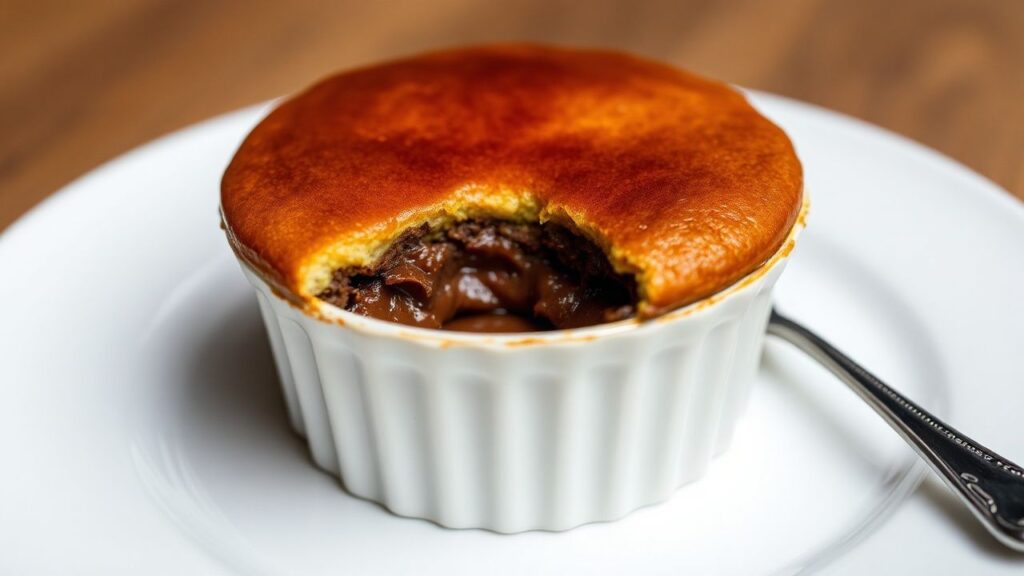
At its heart, a soufflé cake is a marvel of applied thermodynamics and protein chemistry. The dramatic rise is achieved through the expansion of air trapped within beaten egg whites. When these whites are heated in the oven, the air bubbles expand, causing the mixture to puff upwards. Simultaneously, the proteins in the egg whites coagulate, forming a stable structure that holds the expanded air in place. This delicate interplay is what gives the soufflé its characteristic lightness and airy texture. The base of the soufflé, whether a rich chocolate ganache, a zesty lemon curd, or a classic vanilla pastry cream, provides flavor and a crucial anchor for the egg whites.
The fat content in the egg yolk and the base is also a critical factor. While a small amount of fat can contribute to richness and tenderness, too much can inhibit the egg whites from reaching their full whipping potential. This is why many recipes call for separating the eggs meticulously, ensuring not a trace of yolk contaminates the whites. The acidity of the environment also plays a role; a touch of cream of tartar or lemon juice can help stabilize the egg whites, making them more resilient to the rigors of folding and baking. Understanding these fundamental principles is the first step towards mastering the art of the soufflé.
Crafting the Cloud: A Classic Vanilla Bean Soufflé Cake Recipe
This recipe focuses on a classic vanilla bean soufflé cake, a versatile base that allows the pure flavors and textures to shine. It requires precision, but the reward is immeasurable.
Yields: 4-6 servings
Prep time: 25 minutes
Bake time: 20-25 minutes
Ingredients:
- For the Base:
- 4 large egg yolks (about 70g)
- 50g granulated sugar
- 25g all-purpose flour
- 250ml whole milk, warmed
- 1 teaspoon pure vanilla extract
- 1/2 vanilla bean, seeds scraped (optional, but highly recommended)
- For the Meringue:
- 5 large egg whites (about 150g)
- 50g granulated sugar
- 1/4 teaspoon cream of tartar (or a few drops of lemon juice)
- For Preparing the Ramekins:
- Softened unsalted butter, for greasing
- Granulated sugar, for coating
Equipment:
- 4-6 individual ramekins (6-8 ounce capacity)
- Medium saucepan
- Whisk
- Rubber spatula
- Electric mixer (stand or handheld)
- Large mixing bowl
Preparation Method:
- Prepare the Ramekins: This is a non-negotiable step for a good rise. Generously grease the inside of each ramekin with softened butter, using upward strokes from the bottom to the rim. This encourages the batter to climb. Then, coat the buttered insides with granulated sugar, tapping out any excess. This sugar coating provides a surface for the soufflé to cling to as it rises.
- Make the Base: In a medium saucepan, whisk together the egg yolks and 50g of granulated sugar until pale and slightly thickened. Whisk in the flour until smooth, ensuring no lumps remain.
- Gradually whisk in the warm milk, a little at a time, until fully incorporated. If using, add the vanilla bean seeds and pod.
- Place the saucepan over medium heat and cook, whisking constantly, until the mixture thickens to a pastry cream consistency, coating the back of a spoon. This typically takes about 5-8 minutes. Do not let it boil vigorously.
- Remove from heat, discard the vanilla bean pod (if used), and stir in the vanilla extract. Transfer the pastry cream to a clean bowl, cover the surface directly with plastic wrap to prevent a skin from forming, and let it cool slightly.
- Whip the Meringue: In a clean, dry bowl (preferably metal or glass), beat the egg whites with an electric mixer on medium speed until frothy. Add the cream of tartar.
- Gradually add the remaining 50g of granulated sugar, a tablespoon at a time, while continuing to beat. Increase the speed to high and beat until stiff, glossy peaks form. The meringue should hold its shape when the beaters are lifted, and the peaks should curl slightly at the tip.
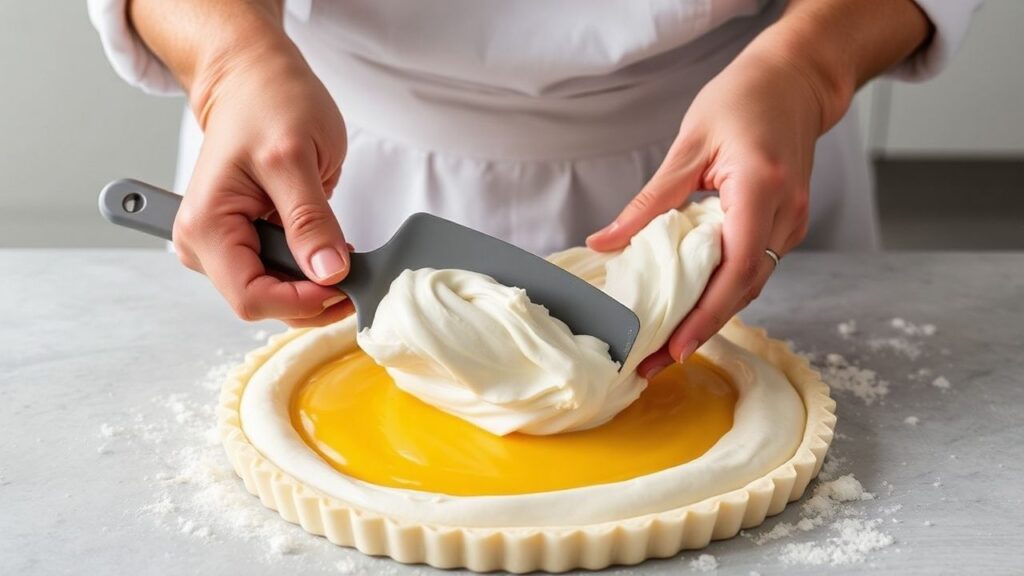
- Combine and Bake: Gently fold about one-third of the meringue into the slightly cooled pastry cream base. This lightens the base, making it easier to incorporate the remaining meringue without deflating it.
- Carefully fold the remaining meringue into the base in two additions, using a rubber spatula. Use a light, lifting motion, cutting down through the center and folding over, rotating the bowl as you go. Stop folding as soon as no white streaks of meringue remain; overmixing will deflate the batter.
- Gently spoon the soufflé batter into the prepared ramekins, filling them almost to the brim. Run your thumb around the inside rim of each ramekin to create a slight channel; this helps the soufflé rise evenly.
- Place the ramekins on a baking sheet. Bake in a preheated oven at 190°C (375°F) for 20-25 minutes, or until puffed, golden brown, and set. The center should still have a slight wobble.
- Serve Immediately: Soufflé cakes are best enjoyed straight from the oven. Dust with powdered sugar, serve with a drizzle of crème anglaise, or a dollop of whipped cream.
Nutritional Snapshot: A Lighter Indulgence
While soufflé cakes are undeniably decadent, their ingredient profile can be surprisingly balanced, especially when compared to denser cakes. The primary components are eggs, milk, sugar, and flour, with flavorings contributing minimally to the overall calorie count. The airy structure also means that a serving of soufflé cake is often lighter in weight and, consequently, in calories and fat, than a comparable slice of traditional cake.
For a typical vanilla bean soufflé cake serving (approximately 1/4 of the recipe, assuming 4 servings):
| Nutrient | Approximate Amount |
|---|---|
| Calories | 250-300 kcal |
| Protein | 8-10g |
| Fat | 10-15g |
| Carbohydrates | 30-40g |
| Sugar | 20-30g |
These figures are estimates and can vary based on the specific ingredients and portion sizes. The use of whole milk and sugar contributes to the carbohydrate and fat content, but the protein from the eggs provides a valuable nutritional component. For those seeking to reduce sugar, a sugar substitute could be explored, though this may affect texture and browning.
Elevating the Soufflé: Expert Tips for Restaurant-Quality Results
Achieving a truly exceptional soufflé cake is an art that benefits from a few key insights. These aren’t merely procedural steps; they are ingrained techniques that elevate a good soufflé to a spectacular one.
The preparation of the ramekins cannot be stressed enough. The upward strokes for greasing and the generous coating of sugar are not just for adhesion; they create channels that guide the batter upwards, ensuring an even and impressive rise. Think of it as building a tiny, edible scaffold for your soufflé.
When folding the meringue, it’s a delicate dance. The goal is to incorporate the airy whites without expelling the trapped air. Imagine you are trying to lift the heavier base *onto* the lighter meringue, rather than vigorously mixing them. A light hand and a patient approach are your greatest allies here. The moment you see streaks of white, stop. A few tiny flecks of unmixed meringue are far preferable to a deflated batter.
The oven temperature is critical. Too low, and the soufflé won’t rise properly; too high, and the exterior will cook too quickly, potentially causing cracks and preventing the interior from cooking through. A consistent, preheated oven is key. Many chefs recommend placing the soufflés on the middle or lower-middle rack to ensure even heat distribution.
Finally, the soufflé is a creature of the moment. Its beauty lies in its impermanence. Have your garnishes and accompaniments ready *before* the soufflés come out of the oven. The transition from oven to table should be swift. The visual impact of a perfectly risen soufflé is undeniable, but the textural experience – the slight resistance of the crust giving way to a cloud-like interior – is what truly defines its magic. It’s a fleeting moment of edible perfection.
Variations on a Theme: Beyond Vanilla
The beauty of the soufflé cake lies in its adaptability. Once you’ve mastered the basic vanilla, the flavor possibilities are nearly endless. Chocolate is a natural and beloved pairing. For a chocolate soufflé, a rich ganache or melted dark chocolate is incorporated into the base, often with a touch of espresso powder to deepen the cocoa notes. Citrus zests, such as lemon or orange, can be added to the base for a bright, refreshing twist. For a more complex flavor profile, spices like cinnamon or cardamom can be introduced, or liqueurs like Grand Marnier or Amaretto can be gently folded into the base for an adult-inspired treat.
Even the texture of the base can be varied. A fruit purée, such as raspberry or mango, can be used to create a vibrant fruit soufflé. The key is to ensure the purée is not too watery, as excess moisture can compromise the soufflé’s structure. For a truly avant-garde approach, consider incorporating ingredients like matcha powder for a vibrant green tea soufflé, or even a hint of chili for a surprising sweet-and-spicy sensation. The fundamental technique remains the same, but the flavor combinations offer a canvas for boundless creativity.
Consider the experience of a renowned Parisian pâtisserie that, for a special autumn menu, featured a *poire Belle Hélène* inspired soufflé. They created a delicate pear compote as the base, infused with star anise and a hint of brandy. This was then lightened with a perfectly executed meringue and served with a warm chocolate sauce poured tableside. The visual of the soufflé slowly accepting the warm sauce, its structure yielding slightly, was as captivating as the taste – proof of how a well-executed soufflé can be a performance piece.
The Soufflé’s Legacy: More Than Just a Dessert
The soufflé cake, in its delicate defiance of gravity, is more than just a dessert; it’s a symbol of culinary aspiration. It represents the pursuit of perfection, the willingness to engage with challenging techniques, and the profound satisfaction that comes from creating something truly extraordinary. It’s a dish that encourages us to be present, to appreciate the fleeting moments of culinary artistry. The challenge it presents is part of its allure. It is a reminder that some of the most rewarding experiences in life, much like a perfectly risen soufflé, are best enjoyed in their ephemeral glory.
The knowledge required to master a soufflé cake is transferable to many other areas of baking and cooking. The understanding of protein coagulation, the importance of careful ingredient ratios, and the delicate art of folding are all fundamental skills that will serve any home cook well. It’s an investment in your culinary journey, a stepping stone to greater confidence and creativity in the kitchen. The joy derived from presenting a perfectly risen soufflé to delighted guests is a reward that far outweighs the perceived difficulty.
Frequently Asked Questions About Soufflé Cake
Why does my soufflé cake collapse?
The most common culprit is opening the oven door too early, allowing cool air to rush in and shock the delicate structure. Other reasons include overmixing the batter, which deflates the egg whites, or an oven temperature that is too low, preventing the soufflé from setting properly. Sometimes, a soufflé can also collapse if it is not served immediately after baking, as the internal structure continues to set and then cools, leading to shrinkage.
Can I make soufflé cake ahead of time?
Unfortunately, soufflé cakes are best made and served immediately. The airy structure is inherently unstable and will begin to deflate as it cools. While you can prepare the base and meringue components separately and keep them chilled for a short period (a few hours at most), they must be combined and baked just before serving to achieve the desired rise and texture. Some recipes might allow for partial preparation of the base, but the final assembly and baking are always last-minute endeavors.
What can I serve with soufflé cake?
The classic accompaniments are simple and elegant, designed to complement rather than overpower the soufflé’s delicate flavor and texture. A light crème anglaise (vanilla custard sauce) is a perennial favorite, adding a touch of creamy richness. Fresh berries, such as raspberries or strawberries, provide a burst of fresh acidity. A dusting of powdered sugar is always appropriate, and a small dollop of unsweetened or lightly sweetened whipped cream can offer a textural contrast. For chocolate soufflés, a warm chocolate sauce or a raspberry coulis works beautifully. The key is to keep it relatively light to honor the soufflé’s inherent airiness.
See also: Souffle