

The afternoon sun, a familiar golden caress on a Tuscan piazza, often evokes the comforting embrace of a classic Tiramisu. Yet, the culinary landscape, like the seasons, demands evolution. Imagine, if you will, that same velvety richness, that ethereal lightness, but infused with the bright, invigorating zest of sun-ripened lemons. This is not merely a variation; it’s a reawakening, a sun-kissed reimagining of a beloved Italian icon. For those who find the traditional coffee-and-cocoa profile a touch too robust, or simply crave a dessert that sings with the freshness of spring and summer, the lemon tiramisu offers a sublime alternative. It’s a delicate dance between creamy indulgence and sharp citrus, a sophisticated indulgence that requires precision and an understanding of its inherent balance.
- The Genesis of a Lighter Indulgence: Why Lemon Tiramisu?
- Crafting the Perfect Lemon Tiramisu: A Detailed Culinary Blueprint
- Ingredients: The Symphony of Zest and Cream
- The Method: A Masterclass in Texture and Flavour Infusion
- Nutritional Insights: A Lighter Indulgence
- Expert Touches: Elevating Your Lemon Tiramisu to Patisserie Perfection
- A Culinary Journey Beyond Coffee
- Frequently Asked Questions About Lemon Tiramisu
At a Glance: Elevating the Lemon Tiramisu
- The Citrus Foundation: Achieving the perfect lemon flavour requires a nuanced approach, balancing fresh juice with zested peel for aromatic complexity.
- Mascarpone Mastery: The quality and temperature of the mascarpone are paramount for achieving that signature silken texture without greasiness.
- Ladyfinger Saturation: The method of soaking ladyfingers is critical; an over-soaked biscuit disintegrates, while an under-soaked one remains too firm.
- The Art of Assembly: Layering is not just about structure; it’s about allowing flavours and textures to meld harmoniously over time.
The Genesis of a Lighter Indulgence: Why Lemon Tiramisu?
The ubiquitous tiramisu, a dessert whose name translates to “pick me up,” has a relatively recent history, with its origins often debated, though commonly traced to the Veneto region of Italy in the latter half of the 20th century. Its foundational elements – savoiardi (ladyfingers), coffee, eggs, mascarpone cheese, and cocoa – create a symphony of rich, earthy, and slightly bitter notes. However, the appeal of Italian cuisine lies in its adaptability, its ability to absorb regional influences and seasonal bounty. The introduction of lemon into the tiramisu equation is a natural progression, drawing inspiration from the Amalfi Coast’s famed limoncello and the ubiquitous presence of citrus groves throughout Italy. This adaptation transforms the dessert from a comforting, almost brooding, indulgence into something brighter, more effervescent, and undeniably refreshing. It’s a dessert that speaks of sun-drenched afternoons and leisurely al fresco dining, a delightful counterpoint to the more intense flavours of its predecessor.
The beauty of the lemon tiramisu lies in its inherent duality. It retains the luxurious mouthfeel and comforting structure of a traditional tiramisu, yet it introduces a vibrant, palate-cleansing tang that prevents it from becoming cloying. This makes it an ideal dessert for a variety of occasions, from a light after-dinner treat to a show-stopping centrepiece for a spring or summer gathering. The challenge, as with any successful adaptation of a classic, is to respect the original’s spirit while confidently forging a new identity. This means carefully considering each ingredient and its role in the final composition, ensuring that the lemon flavour is not merely an additive but an integral, harmonizing element.
Crafting the Perfect Lemon Tiramisu: A Detailed Culinary Blueprint
To achieve a truly exceptional lemon tiramisu, one must approach each component with meticulous attention. The foundation of any great tiramisu, regardless of flavour profile, rests on the quality of its ingredients and the precision of its preparation. This recipe is designed to guide you through each step, transforming simple elements into a dessert that is both elegant and profoundly satisfying.
Ingredients: The Symphony of Zest and Cream
This recipe yields approximately 8-10 servings, depending on portion size. It is crucial to use the freshest ingredients possible for optimal flavour and texture.
For the Lemon Cream:
- 6 large egg yolks (pasteurized if you have concerns about raw eggs)
- 150g (¾ cup) granulated sugar
- 500g (2 cups + 2 tbsp) high-quality mascarpone cheese, at room temperature
- Zest of 3 large, unwaxed lemons (about 3-4 tablespoons), finely grated
- 60ml (¼ cup) freshly squeezed lemon juice (from about 1-2 lemons)
- 240ml (1 cup) heavy cream (35% fat), very cold
- 1 teaspoon vanilla extract
For the Ladyfinger Soak:
- 240ml (1 cup) dry white wine (like Pinot Grigio or Sauvignon Blanc)
- 60ml (¼ cup) fresh lemon juice
- 2 tablespoons granulated sugar
- 20-24 savoiardi (Italian ladyfingers)
For Assembly and Garnish:
- Finely grated zest of 1 additional lemon, for garnish
- Fresh mint leaves or candied lemon peel (optional, for garnish)
The Method: A Masterclass in Texture and Flavour Infusion
Patience and a gentle hand are your greatest allies in this process. Each step builds upon the last, creating a harmonious final product.
- Prepare the Lemon Cream Base: In a heatproof bowl set over a saucepan of gently simmering water (a double boiler), whisk together the egg yolks and granulated sugar. Whisk continuously until the mixture is pale yellow, thick, and has increased in volume, reaching a temperature of around 70°C (160°F). This process, known as tempering the eggs, ensures safety and creates a stable base for the cream. Remove the bowl from the heat and continue whisking for another minute or two until it cools slightly.
- Infuse with Lemon: Add the room-temperature mascarpone cheese, grated lemon zest, and freshly squeezed lemon juice to the tempered egg yolk mixture. Gently fold and whisk until just combined and smooth. Be careful not to overmix, as this can cause the mascarpone to break and become grainy. A few small streaks of mascarpone are preferable to a watery, over-mixed consistency.
- Whip the Cream: In a separate, chilled bowl, whip the cold heavy cream with the vanilla extract until medium peaks form. Be vigilant; over-whipped cream can become buttery.
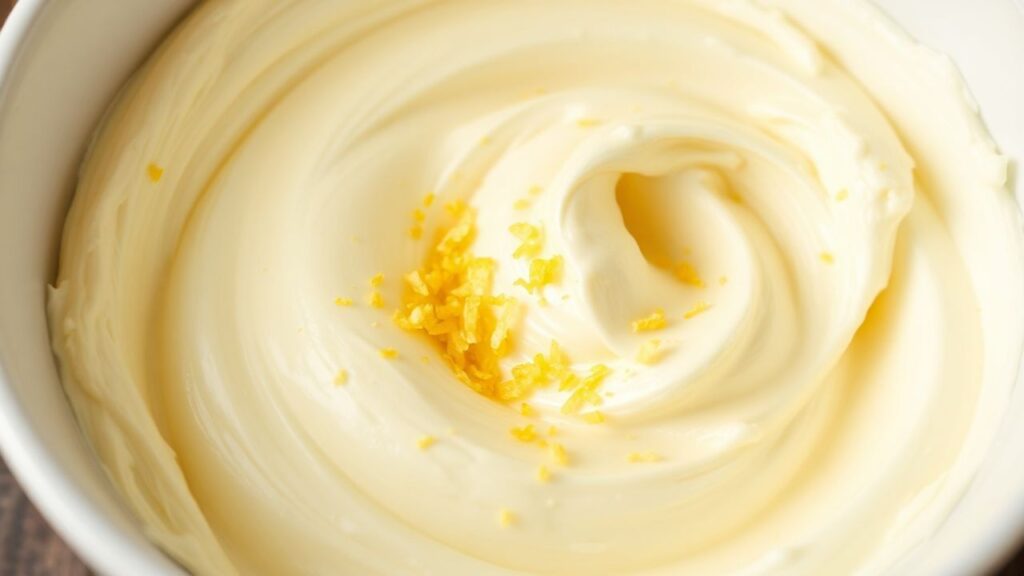
- Combine the Creams: Gently fold about one-third of the whipped cream into the mascarpone mixture to lighten it. Then, carefully fold in the remaining whipped cream until no white streaks remain. The goal is to maintain as much airiness as possible. The resulting cream should be light, airy, and possess a delicate lemony aroma.
- Prepare the Ladyfinger Soak: In a shallow dish, combine the white wine, lemon juice, and 2 tablespoons of granulated sugar. Stir until the sugar is dissolved. This liquid provides both moisture and a subtle alcoholic undertone that complements the lemon beautifully. The wine’s acidity also helps to cut through the richness of the cream.
- Assemble the Tiramisu: Working quickly, dip each savoiardi briefly into the lemon-wine mixture, ensuring they are moistened but not saturated. They should absorb liquid rapidly, so a quick dip is all that’s needed. Arrange a single layer of these soaked ladyfingers in the bottom of your chosen serving dish (a 20x20cm or 8×8 inch square dish is ideal).
- Layer the Cream: Spread half of the lemon cream mixture evenly over the layer of ladyfingers. Ensure it reaches all the corners of the dish for an even texture in every bite.
- Second Layer: Repeat the process with another layer of dipped ladyfingers, followed by the remaining lemon cream. Gently smooth the top layer of cream.
- Chill and Mellow: Cover the dish tightly with plastic wrap and refrigerate for at least 4-6 hours, or preferably overnight. This chilling period is crucial for the flavours to meld and the textures to set, allowing the ladyfingers to soften completely and the cream to firm up.
- Garnish and Serve: Just before serving, generously sprinkle the top of the tiramisu with the finely grated zest of the additional lemon. For an extra touch of elegance, add a few fresh mint leaves or some finely chopped candied lemon peel.
Nutritional Insights: A Lighter Indulgence
While tiramisu is inherently an indulgent dessert, the lemon variation can offer a slightly less heavy profile due to the brightness of the citrus. However, it remains a rich treat, best enjoyed in moderation. The following nutritional information is an estimate per serving (assuming 10 servings) and can vary based on specific ingredients used.
| Nutrient | Approximate Amount per Serving |
|---|---|
| Calories | 350-400 kcal |
| Protein | 5-7g |
| Fat | 25-30g |
| Saturated Fat | 15-18g |
| Carbohydrates | 20-25g |
| Sugars | 15-20g |
| Cholesterol | 100-120mg |
Keep in mind that the use of raw eggs in traditional tiramisu preparation can be a concern for some. Opting for pasteurized eggs mitigates this risk. For those seeking to reduce fat content, using a lighter mascarpone or a combination of mascarpone and Greek yogurt could be explored, though this will alter the authentic texture and flavour profile. The sugar content is also a significant factor, and while necessary for flavour balance and texture, it contributes to the overall calorie count.
Expert Touches: Elevating Your Lemon Tiramisu to Patisserie Perfection

Achieving that perfect balance and exquisite texture in your lemon tiramisu is an art. Here are a few insights from seasoned chefs that can elevate your creation from simply delicious to truly memorable.
The quality of your mascarpone is non-negotiable. Look for a brand that is dense, creamy, and has a clean, slightly sweet flavour. Avoid any mascarpone that appears watery or has a sour tang. Allowing it to come to room temperature gradually is key; if it’s too cold, it will resist incorporation and lead to lumps. Conversely, if it’s too warm, it can become runny and compromise the final texture.
The dipping of the ladyfingers is a delicate operation. They are designed to absorb liquid quickly, but over-soaking turns them into a soggy mess, detracting from the layered structure. A quick, decisive dip is all that is required. Imagine a fleeting kiss of the liquid, not a prolonged immersion. Some chefs even advocate for a very light brush of the soaking liquid onto the ladyfingers if they find them too resistant to absorption, though this is rarely necessary with good quality savoiardi.

The chilling period is not merely a suggestion; it is a critical stage in the tiramisu’s development. During this time, the ladyfingers fully absorb the moisture from the cream and the soaking liquid, softening to a tender, cake-like consistency. The flavours meld and deepen, and the cream sets to its characteristic velvety texture. Rushing this process will result in a disjointed dessert where the layers remain distinct rather than harmonizing into a cohesive whole. A minimum of six hours is recommended, but an overnight rest is truly transformative.
For an even more intense lemon flavour, consider making a simple lemon syrup to brush over the ladyfingers after they are laid in the dish. This would involve simmering lemon juice with sugar until slightly thickened, then brushing it over the biscuits before adding the cream. This technique adds another layer of citrus intensity and ensures every bite is infused with flavour.
The final garnish is where you can add your personal artistic flair. While lemon zest is essential for its aroma and visual appeal, consider adding a sprinkle of finely chopped candied lemon peel for a chewy texture and concentrated citrus burst. A few fresh mint leaves provide a vibrant green contrast and a refreshing aromatic lift. For a truly decadent touch, a light dusting of powdered sugar can be added just before serving, though this can sometimes mute the visual vibrancy of the lemon zest.
A Culinary Journey Beyond Coffee
The lemon tiramisu stands as proof of the enduring appeal and remarkable versatility of Italian desserts. It honors the beloved structure and indulgent creaminess of the original while introducing a bright, zesty character that appeals to a different palate. It is a dessert that invites sunshine into the kitchen, transforming a classic into something new and exciting. Whether you are a seasoned baker or a curious home cook, mastering this lemon variation offers a rewarding culinary experience, proving that even the most cherished traditions can be beautifully reimagined.
The interplay of textures – the yielding softness of the soaked ladyfingers, the silken embrace of the lemon-infused mascarpone cream, and the subtle crunch of the garnishes – creates a delightful sensory journey with every spoonful. It’s a dessert that doesn’t just satisfy a sweet craving; it invigorates and refreshes. The subtle tang of the lemon cuts through the richness of the mascarpone, preventing the dessert from becoming heavy and leaving a clean, lingering citrus note on the palate. This makes it an exceptional choice for concluding a meal, cleansing the palate without overwhelming it.
Frequently Asked Questions About Lemon Tiramisu
H3: Can I make lemon tiramisu without alcohol?
Absolutely. The traditional tiramisu often incorporates Marsala wine or rum. For this lemon variation, the white wine in the soaking liquid can be omitted entirely, or you can substitute it with more lemon juice, a sugar syrup, or even a non-alcoholic sparkling cider for a subtle effervescence. Some recipes also incorporate a small amount of limoncello, a lemon liqueur, which can be replaced with a lemon-flavoured syrup or simply omitted if you prefer to keep it entirely alcohol-free. The key is to ensure the ladyfingers are sufficiently moistened for the desired texture.
H3: How long can lemon tiramisu be stored?
Lemon tiramisu is best enjoyed within 2-3 days of preparation. It should be stored tightly covered in the refrigerator. After 2 days, the ladyfingers can become excessively soft, and the flavours, while still pleasant, may begin to lose some of their vibrancy. Ensure it is kept well-chilled to maintain its freshness and prevent any spoilage. If the dish is made in individual portions, it can be kept for a similar duration, though the textural integrity of the ladyfingers might degrade slightly faster.
H3: What kind of lemons are best for lemon tiramisu?
For the most vibrant and authentic flavour, it is best to use fresh, unwaxed lemons. Meyer lemons are an excellent choice as they are less acidic and have a sweeter, more floral aroma compared to standard Eureka or Lisbon lemons. If using conventional lemons, ensure they are thoroughly washed, especially if you plan to use the zest. The zest contains the essential oils that impart the most fragrant lemon aroma, so using a good amount of finely grated zest is crucial for a pronounced lemon flavour. Avoid bottled lemon juice, as it often lacks the fresh, bright taste of freshly squeezed lemons and can sometimes have a metallic undertone.
See also: Tiramisu