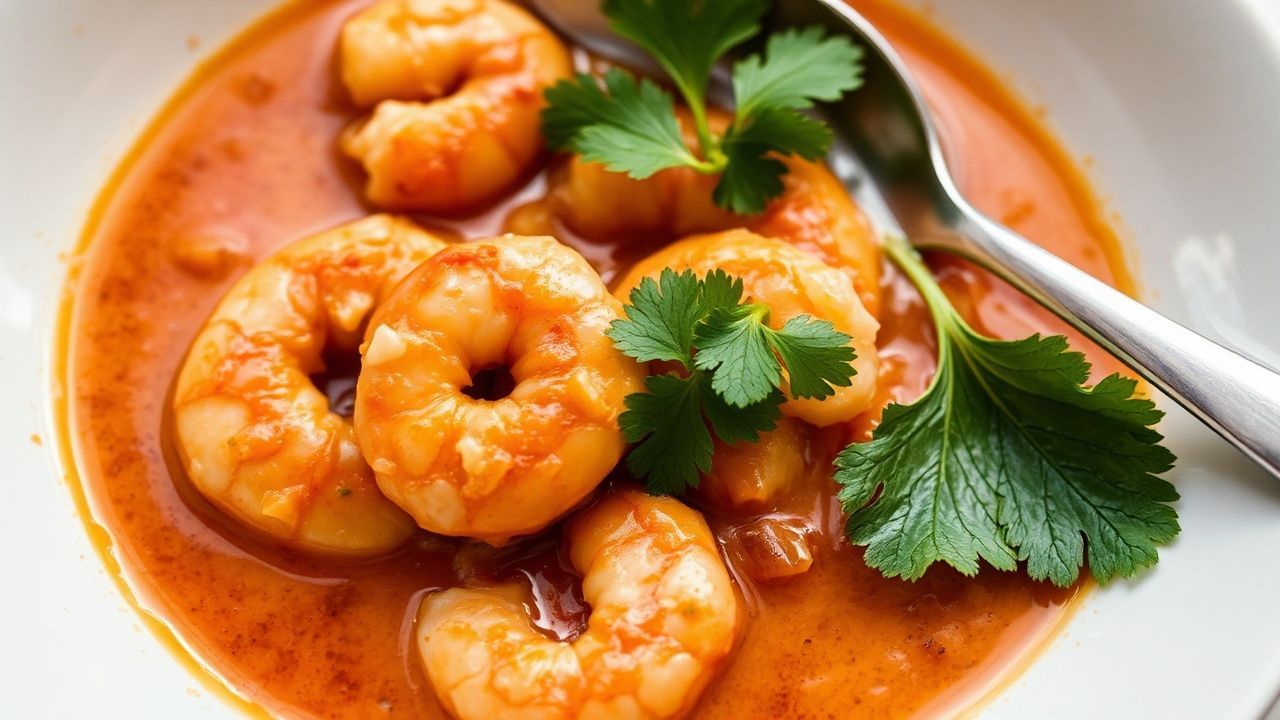

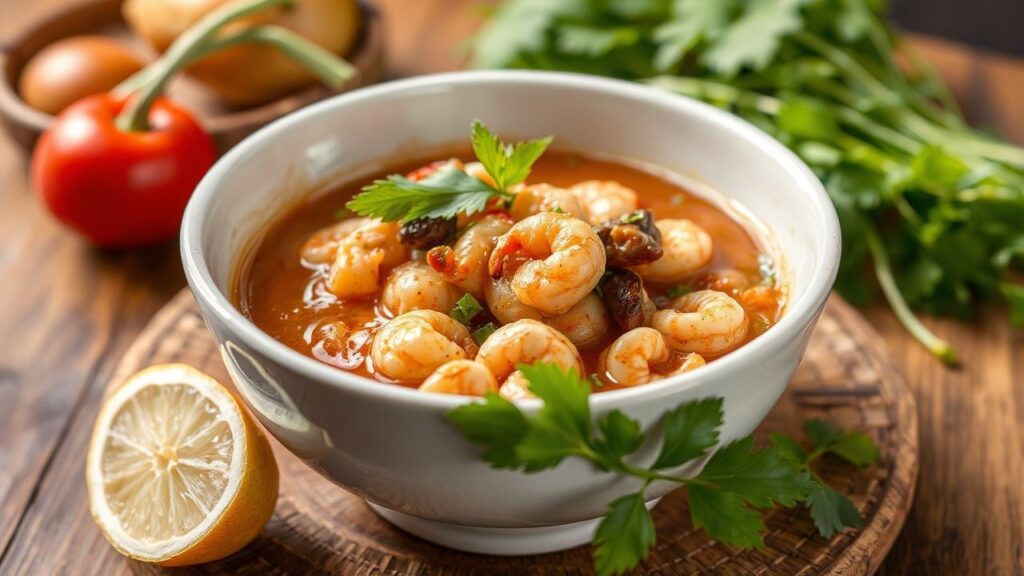
Vatapá, a cornerstone of Bahian cuisine, is far more than just a shrimp stew; it’s a vibrant tapestry woven from African, Indigenous, and Portuguese culinary threads, a dish that embodies the very spirit of Brazil’s Northeast. Its rich, creamy texture and complex flavor profile, a harmonious dance of sweet, savory, and subtly spicy notes, have captivated palates for centuries. To truly understand Vatapá is to understand a significant chapter of Brazilian history and cultural fusion.
At a Glance:
* Vatapá is proof of Brazil’s rich culinary syncretism, blending African, Indigenous, and European influences.
* Its characteristic creamy texture is achieved through a meticulous balance of ingredients, primarily bread, nuts, and coconut milk.
* The dish’s versatility allows for regional variations, showcasing the adaptability of its core structure.
* Preparing Vatapá is an act of culinary storytelling, connecting the cook to a lineage of vibrant flavors.
The genesis of Vatapá lies in the intricate history of the transatlantic slave trade and the subsequent cultural exchange. Enslaved Africans in Brazil, particularly in Bahia, ingeniously adapted their culinary traditions using readily available local ingredients. This adaptation resulted in dishes that were both nourishing and deeply symbolic, often prepared for religious festivals and social gatherings. The use of dendê oil, ground nuts, and coconut milk, central to many West African cuisines, found a new home in the tropical abundance of Brazil, forming the bedrock of Vatapá. It’s a culinary alchemy that transformed humble ingredients into a dish of profound cultural significance.
At its heart, Vatapá is defined by a specific set of ingredients that contribute to its unparalleled richness and depth. The foundational elements are crucial, and their quality directly impacts the final outcome.
The initial aromatic base is paramount. Finely minced onions and garlic are sautéed in a generous amount of dendê oil (red palm oil). This oil, with its distinctive color and slightly peppery, smoky flavor, is non-negotiable for an authentic Vatapá. It imparts a unique character that cannot be replicated. Following this, a medley of finely chopped bell peppers (often a mix of green, red, and yellow for visual appeal and subtle flavor nuances) are introduced. These vegetables soften and meld into the oil, creating a fragrant foundation upon which the rest of the stew is built. The careful sautéing of these aromatics, ensuring they don’t burn, is the first critical step in coaxing out their sweetness and complexity.
The signature creamy texture of Vatapá is a masterclass in emulsification and the judicious use of thickening agents. Stale bread, typically white bread, is soaked in coconut milk. This forms a paste that is then blended with ground peanuts and/or cashews. The nuts add richness, a subtle sweetness, and a further layer of creaminess. The combination of soaked bread and nuts, when blended smooth, creates a luxurious base that coats the palate. The quality of the coconut milk is also vital; a good quality, full-fat coconut milk will yield a far superior result than a watered-down version.
While Vatapá can be made with other proteins like chicken or fish, shrimp is the most celebrated and iconic. Plump, fresh shrimp, peeled and deveined, are the stars. They are typically marinated in a mixture of lime juice, garlic, and salt to tenderize and infuse them with flavor. Beyond the shrimp itself, the liquid used to cook them – often a flavorful fish or shrimp stock – contributes significantly to the stew’s depth. Finally, the vibrant hue and characteristic flavor of dendê oil are essential, lending an unmistakable richness and a subtle, earthy note. Cilantro and parsley, finely chopped, are often stirred in towards the end, providing a burst of freshness and herbaceousness that cuts through the richness.
Creating an authentic Vatapá is a process that rewards patience and attention to detail. It’s not a dish to be rushed.
For the Shrimp Marinade:
- 500g (about 1.1 lbs) large, fresh shrimp, peeled and deveined
- 2 tablespoons fresh lime juice
- 2 cloves garlic, minced
- 1/2 teaspoon salt
For the Vatapá Base:
- 300g (about 2 cups) stale white bread, crusts removed
- 400ml (about 1.7 cups) full-fat coconut milk, divided
- 100g (about 1 cup) raw peanuts or cashews, or a combination
- 1 large onion, finely chopped
- 4 cloves garlic, minced
- 1 red bell pepper, finely chopped
- 1 green bell pepper, finely chopped
- 2 tablespoons fresh cilantro, finely chopped
- 2 tablespoons fresh parsley, finely chopped
- 100ml (about 7 tablespoons) dendê oil (red palm oil)
- 200ml (about 7 fl oz) fish or shrimp stock (or water)
- Salt to taste
- Freshly ground black pepper to taste
1. Marinate the Shrimp: In a medium bowl, combine the shrimp with lime juice, minced garlic, and salt. Toss to coat evenly. Let it marinate for at least 20-30 minutes in the refrigerator.
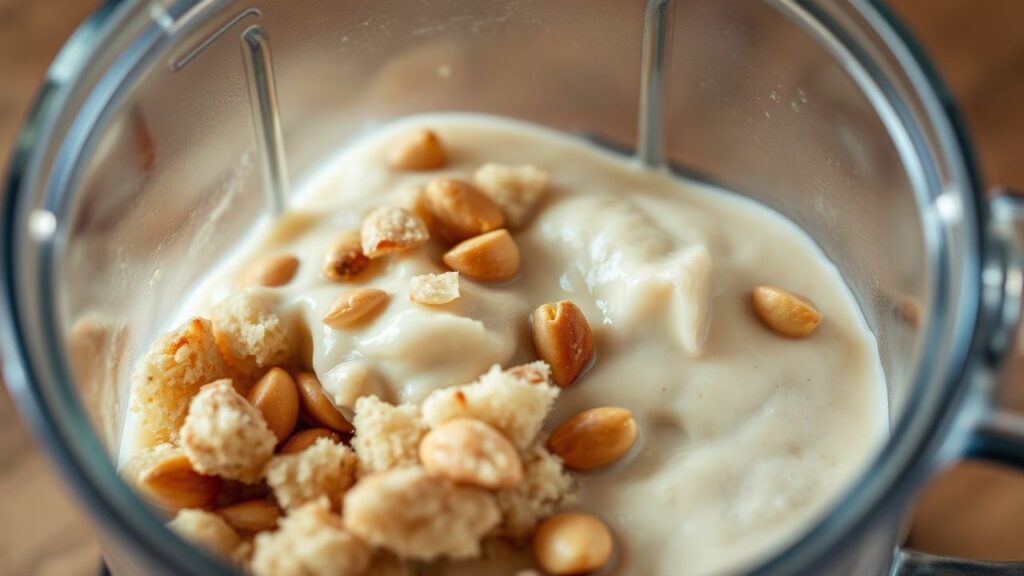
2. Prepare the Bread and Nut Paste: Tear the stale bread into pieces and place them in a bowl. Pour 200ml (about 7 fl oz) of the coconut milk over the bread and let it soak for about 15-20 minutes, until softened. In a separate bowl, soak the peanuts or cashews in hot water for about 10 minutes to soften them, then drain. In a blender or food processor, combine the soaked bread mixture and the drained nuts. Blend until a smooth, thick paste forms. Add a little more coconut milk if needed to achieve a smooth consistency. Set aside.
3. Build the Aromatic Base: Heat the dendê oil in a large, heavy-bottomed pot or Dutch oven over medium heat. Add the finely chopped onion and sauté until softened and translucent, about 5-7 minutes. Add the minced garlic and cook for another minute until fragrant, being careful not to burn it. Stir in the chopped red and green bell peppers and cook until they are tender-crisp, about 5-8 minutes.
4. Incorporate the Base Paste: Add the prepared bread and nut paste to the pot with the sautéed aromatics. Stir well to combine. Cook over low heat, stirring constantly, for about 10 minutes. This process helps to cook out any raw nut flavor and deepen the paste’s richness.
5. Simmer and Thicken: Gradually stir in the fish or shrimp stock (or water) and the remaining coconut milk. Bring the mixture to a gentle simmer, stirring continuously to prevent sticking. The stew will begin to thicken. Continue to simmer for about 15-20 minutes, stirring frequently, until the Vatapá reaches a thick, creamy consistency, similar to a very thick gravy or a pudding. Season generously with salt and freshly ground black pepper.
6. Cook the Shrimp: Add the marinated shrimp to the simmering Vatapá. Stir gently to distribute them evenly. Cook for just 3-5 minutes, or until the shrimp turn pink and opaque and are cooked through. Be careful not to overcook the shrimp, as they will become tough and rubbery.
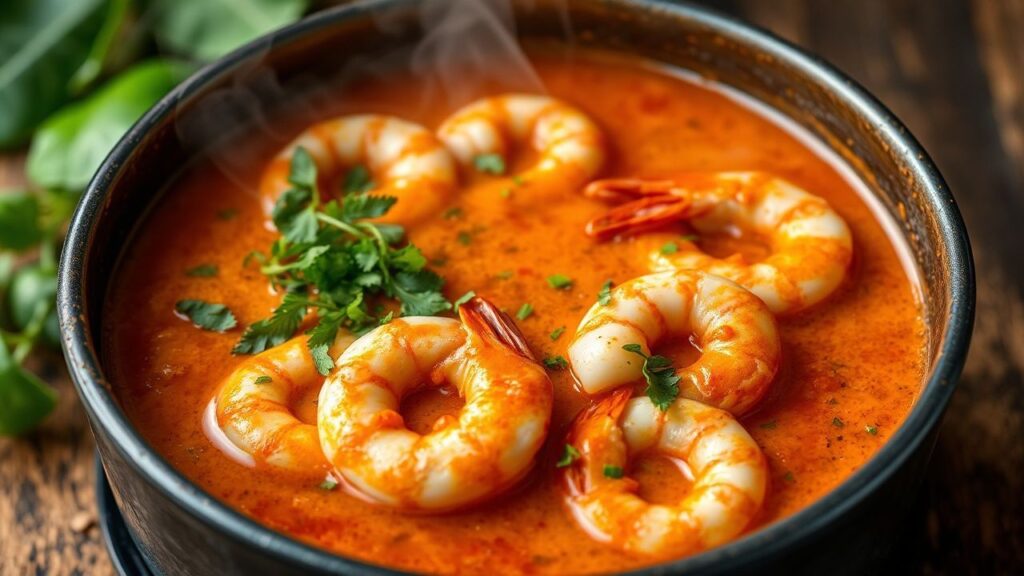
7. Finish and Serve: Stir in the finely chopped cilantro and parsley. Taste and adjust seasoning as needed. Serve the Vatapá hot.
Vatapá is traditionally served with white rice, which acts as a perfect neutral canvas to absorb the rich flavors. It is also commonly accompanied by acarajé (a popular street food from Bahia, made with black-eyed peas and fried in dendê oil), and moqueca (another Bahian seafood stew). A sprinkle of fresh cilantro and a drizzle of extra dendê oil can enhance both the visual appeal and the flavor.
While Vatapá is undeniably a rich and decadent dish, understanding its nutritional profile is key for those mindful of their intake. The primary contributors to its calorie and fat content are the dendê oil, coconut milk, and nuts.
| Nutrient | Per Serving (approx. 1 cup) |
|---|
| :————— | :————————– |
| Calories | 600-750 |
|---|
| Total Fat | 45-60g |
| Saturated Fat | 20-30g |
|---|
| Cholesterol | 150-200mg |
| Sodium | 500-800mg |
|---|
| Total Carbohydrates | 25-35g |
| Protein | 25-35g |
|---|
| Fiber | 3-5g |
Note: These are approximate values and can vary significantly based on the exact quantities of ingredients used, particularly the amount of dendê oil and the type of nuts.
The dendê oil, while high in fat, also contains beneficial antioxidants such as carotenoids. The nuts provide healthy monounsaturated and polyunsaturated fats, as well as protein and fiber. The shrimp offers lean protein and essential minerals like selenium and vitamin B12.
[TIP]Expert Insight: For a slightly lighter, yet still authentic, Vatapá, consider using a blend of full-fat and light coconut milk. You can also reduce the amount of dendê oil slightly and supplement with a neutral oil like canola or sunflower oil for sautéing the aromatics, though this will subtly alter the characteristic flavor. The key is to maintain enough dendê oil to impart its unique aroma and color.
Achieving a truly exceptional Vatapá involves nuances that distinguish it from a home-cooked version. These expert touches can transform a good dish into an unforgettable culinary experience.
The foundation of any great dish is the quality of its ingredients. For Vatapá, this means sourcing the freshest, highest-grade shrimp available. Wild-caught shrimp, when possible, often have a superior texture and flavor compared to farmed varieties. Similarly, using freshly ground nuts will impart a more vibrant flavor than pre-ground versions. The dendê oil should be from a reputable source, as its freshness significantly impacts its aroma and taste. Even the bread used for soaking plays a role; a day-old, good-quality white bread will absorb liquid better and create a smoother paste.
The slow, deliberate cooking of the aromatic base is crucial. Allowing the onions and peppers to soften and sweeten without burning coaxes out their inherent flavors, creating a more complex foundation. The prolonged stirring of the bread and nut paste in the dendê oil is not merely about preventing sticking; it’s about toasting the starches and nuts, developing a deeper, nuttier flavor profile. This step, often overlooked, is a hallmark of truly exceptional Vatapá.
The final seasoning of Vatapá is an art. It requires tasting and adjusting until all elements are in perfect harmony. The saltiness should be balanced by the sweetness of the coconut milk and nuts, while the richness of the dendê oil is cut by the acidity of the lime used in the shrimp marinade. The herbaceous notes of cilantro and parsley added at the end provide a crucial contrast. For added texture, some chefs like to reserve a few cooked shrimp to garnish the top, providing a delightful bite against the creamy stew. A touch of a *malagueta* pepper, finely minced and added sparingly, can introduce a gentle heat that awakens the palate without overpowering the other flavors.
[WARNING]Pro-Caution: Overcooking the shrimp is a common pitfall. Shrimp cook very quickly, and even a minute or two too long can render them tough and unappetizing. It’s best to add them towards the very end of the cooking process and cook them just until they turn pink and opaque.
Vatapá is more than a meal; it is a cultural touchstone. Its presence at family gatherings, festive occasions, and even in its more casual street-food iterations underscores its deep-rooted importance in the Bahian identity. The dish, with its complex history and vibrant flavors, continues to evolve, reflecting the dynamic nature of Brazilian cuisine. As culinary traditions travel and adapt, Vatapá remains a powerful symbol of resilience, creativity, and the joyous fusion of diverse cultures that defines Brazil. Its enduring appeal lies not just in its deliciousness, but in the stories it tells – stories of heritage, community, and the enduring power of food to connect us to our past and to each other.
An authentic Vatapá hinges on a few key components. The creamy base is formed from stale bread, full-fat coconut milk, and ground peanuts or cashews. The distinctive color and flavor come from dendê oil (red palm oil), which is non-negotiable for true Vatapá. Fresh shrimp are the most common protein, typically marinated in lime juice and garlic. Aromatic vegetables like onions, garlic, and bell peppers form the flavor base, with cilantro and parsley added for freshness. A rich fish or shrimp stock is often used to achieve the desired consistency.
Yes, Vatapá can absolutely be adapted for vegetarian and vegan diets. To make it vegetarian, you can substitute the shrimp with firm tofu or firm white fish. For a vegan Vatapá, the shrimp can be replaced with firm tofu or hearty mushrooms like king oyster mushrooms. The rest of the base ingredients—bread, nuts, coconut milk, dendê oil, and aromatics—are already vegan-friendly. When preparing a vegan version, ensure your fish or shrimp stock is replaced with a robust vegetable stock. The resulting vegan Vatapá will retain much of its signature creamy texture and rich flavor profile, making it a satisfying plant-based option. Many restaurants in Bahia now offer excellent vegan versions of this classic dish.
Vatapá can be stored in an airtight container in the refrigerator for up to 3 days. Due to its rich nature, it often tastes even better the next day as the flavors meld further. To reheat, gently warm it over low heat on the stovetop, stirring frequently. You may need to add a splash of water or coconut milk to loosen it up, as it can thicken considerably when chilled. Avoid microwaving, as this can sometimes alter the texture, making it less creamy. If freezing, allow the Vatapá to cool completely before transferring it to a freezer-safe container. It can be frozen for up to 2 months. Thaw overnight in the refrigerator before reheating as described.
See also: Vatapá