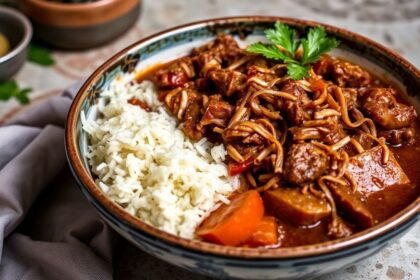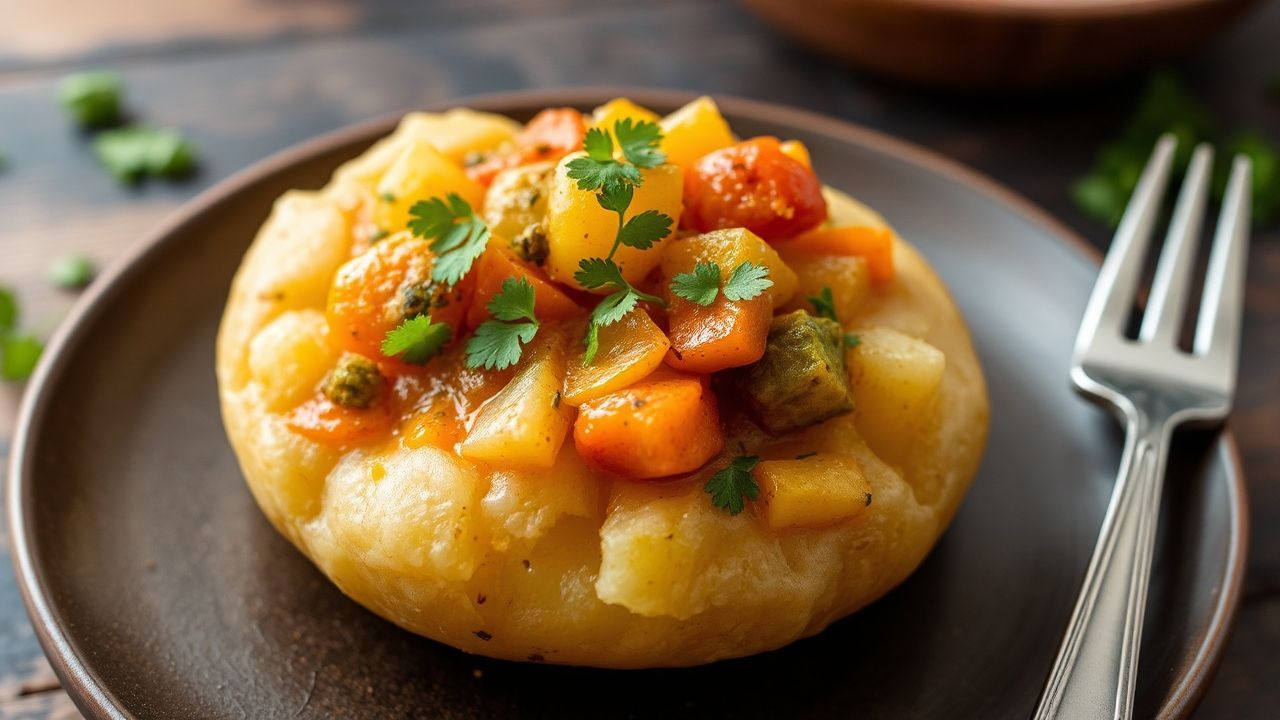

The scent of simmering spices, the gentle hiss of aromatics hitting hot oil, the promise of a deeply satisfying meal – these are the sensations that draw us to a well-made vegetable curry. It’s a dish that transcends borders and cultures, a culinary chameleon capable of adapting to nearly any palate or pantry. At its core, however, lies a fundamental truth: the magic of a great curry often hinges on the humble potato. This starchy marvel, often overlooked, is the unsung hero that absorbs, complements, and grounds the complex symphony of flavors in a vegetable curry, transforming it from a mere collection of vegetables into a truly cohesive and soul-warming experience.
- The Foundation: Why Potatoes Shine in Curry
- Ingredients: Crafting Your Masterpiece
- For the Vegetable Curry Base:
- The Spice Blend (Masala):
- Additional Vegetables (Optional but Recommended):
- The Art of Preparation: Building Layers of Flavor
- Harnessing the Power of Tempering (Tadka/Bhunoo):
- The Spice Transformation:
- The Potato’s Embrace:
- Simmering to Perfection:
- The Final Flourish:
- 💡 Expert Insight Expert Insight: The Humble Potato’s Texture is Key
- Nutritional Information (Approximate per Serving – based on 6 servings)
- Elevating Your Vegetable Curry Potato to Restaurant Quality
- The Searing Technique for Potatoes:
- The Double Spice Infusion:
- The Acidity and Sweetness Balance:
- ⚠️ Pro-Caution Pro-Caution: The Perils of Overcrowding the Pot
- The Importance of Resting:
- The Power of Fresh Herbs:
- Serving Suggestions
- Conclusion
- FAQ
This article guides you through the creation of an exceptional vegetable curry, one where the potato plays a starring role, not as an afterthought, but as a foundational element. We explore the nuances of selecting the right potato, the art of coaxing maximum flavor from your spices, and the techniques that elevate a simple home-cooked meal to restaurant-quality brilliance.
At a Glance: Elevating Your Vegetable Curry Potato
- The Potato’s Crucial Role: Understanding how different potato varieties absorb sauce and contribute texture is key.
- Spice Symphony: Mastering the layering of aromatics and ground spices for a complex, aromatic base.
- Balancing Act: Achieving the perfect harmony between spice, acidity, sweetness, and richness.
- Finishing Touches: The subtle yet impactful elements that bring a curry to its peak.
The Foundation: Why Potatoes Shine in Curry
The potato’s ubiquity in global cuisine is no accident. Its remarkable ability to soak up liquids and flavors makes it an ideal canvas for the rich, often complex sauces characteristic of curries. Unlike more delicate vegetables that might disintegrate under prolonged simmering, potatoes maintain their structure, providing satisfying bites that punctuate the creamy or soupy texture of the curry. Furthermore, their inherent mildness allows them to act as a gentle counterpoint to fiery chilies or pungent ginger, creating a more balanced and approachable dish.
Consider the vast culinary landscape. From the creamy, comforting aloo gobi of North India, where potatoes meld with cauliflower, to the robust, spiced potato curries found in Jamaican and Caribbean traditions, the potato’s adaptability is proof of its culinary prowess. Even in South Indian preparations, where coconut milk and tamarind often dominate, diced potatoes serve to thicken the sauce and provide a mellowing influence. This versatility is precisely what makes it such a cornerstone for a truly magnificent vegetable curry.
Ingredients: Crafting Your Masterpiece
The selection and preparation of your ingredients are paramount. For this elevated vegetable curry potato, we focus on a balanced blend of aromatics, spices, and complementary vegetables.
For the Vegetable Curry Base:
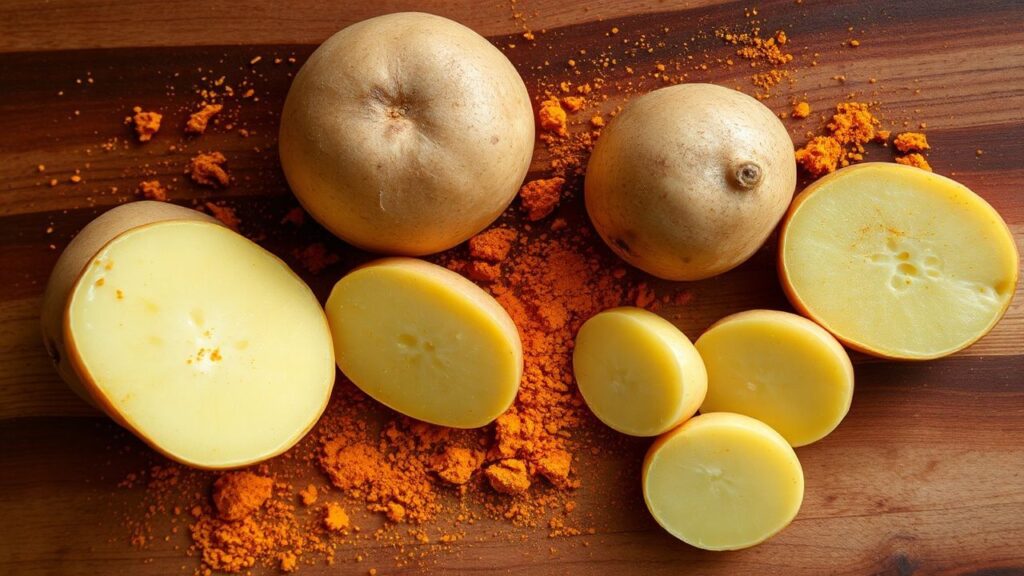
- Potatoes: 1 kg (approx. 2.2 lbs) Yukon Gold or Maris Piper potatoes, peeled and cut into 2.5 cm (1-inch) cubes. These varieties offer a good balance of starch and creamy texture, holding their shape while absorbing flavor beautifully.
- Onions: 2 large (approx. 300g / 10.5 oz), finely chopped. Red or yellow onions work well.
- Garlic: 6-8 cloves, minced.
- Ginger: A 5 cm (2-inch) piece, grated or finely minced.
- Tomatoes: 400g (approx. 14 oz) canned crushed tomatoes (good quality).
- Vegetable Stock: 500 ml (approx. 2 cups).
- Coconut Milk: 200 ml (approx. ¾ cup) full-fat canned coconut milk.
- Oil: 3 tablespoons neutral cooking oil (e.g., sunflower, canola, or refined coconut oil).
- Fresh Coriander (Cilantro): A generous handful, chopped, for garnish.
- Lime or Lemon: 1, cut into wedges, for serving.
The Spice Blend (Masala):
- Ground Cumin: 2 teaspoons.
- Ground Coriander: 2 teaspoons.
- Turmeric Powder: 1 teaspoon.
- Garam Masala: 1.5 teaspoons (add towards the end).
- Red Chili Powder (Kashmiri for color, or to taste): ½ to 1 teaspoon.
- Mustard Seeds: 1 teaspoon (black or brown).
- Fenugreek Seeds (optional): ½ teaspoon, for a subtle bitter complexity.
- Whole Spices (for tempering): 1 bay leaf, 2-3 green cardamom pods, 2-3 cloves, 1-inch cinnamon stick.
Additional Vegetables (Optional but Recommended):
- 1 large carrot, peeled and sliced into ½ cm (¼-inch) rounds.
- 1 red bell pepper, deseeded and cut into 2.5 cm (1-inch) chunks.
- 100g (approx. 3.5 oz) green peas (fresh or frozen).
- A small head of cauliflower, cut into florets (adds another layer of texture).
The Art of Preparation: Building Layers of Flavor
Mastering a vegetable curry potato is less about following a rigid recipe and more about understanding the interplay of heat, aromatics, and spices. This is where the true artistry emerges.
Harnessing the Power of Tempering (Tadka/Bhunoo):
The initial stages of cooking are crucial for developing the deep, aromatic base of any curry. Begin by heating your oil in a large, heavy-bottomed pot or Dutch oven over medium heat. Once shimmering, add the whole spices: bay leaf, cardamom pods, cloves, and cinnamon stick. Allow them to sizzle for about 30 seconds until fragrant, releasing their essential oils into the hot fat. This process, known as tempering or *tadka*, infuses the entire dish with a subtle, complex aroma.
Next, add the mustard seeds and fenugreek seeds (if using). Be cautious, as mustard seeds can splutter. Once they begin to pop, introduce the finely chopped onions. Sauté the onions, stirring frequently, until they turn a deep golden brown. This caramelization is critical; it provides sweetness and depth that cannot be replicated by simply softening the onions. Patience here is rewarded tenfold.
Now, incorporate the minced garlic and grated ginger. Cook for another minute until their raw aroma dissipates, being careful not to burn them. This fragrant paste forms the aromatic heart of your curry.
The Spice Transformation:
It’s time to introduce the ground spices. Reduce the heat to low to prevent burning. Add the ground cumin, ground coriander, turmeric powder, and chili powder. Stir them into the onion-garlic-ginger mixture and cook for about 1-2 minutes, stirring constantly. This process, known as *bhunoo*, gently toasts the spices, unlocking their full flavor potential and aroma. You’ll notice the mixture becoming fragrant and slightly darker.
If you are adding other vegetables like carrots or bell peppers at this stage, add them now and sauté for a few minutes to coat them in the spice mixture.
The Potato’s Embrace:
Introduce the cubed potatoes to the pot. Stir them thoroughly to ensure they are well-coated with the spiced onion mixture. This step is crucial for ensuring every surface of the potato begins to absorb the burgeoning flavors. Cook for another 3-5 minutes, stirring occasionally, allowing the potatoes to develop a slight sear.
Pour in the crushed tomatoes. Stir well and cook for 5-7 minutes, allowing the tomatoes to break down and meld with the spices. The mixture will thicken slightly.
Simmering to Perfection:
Now, pour in the vegetable stock. Bring the mixture to a simmer, scraping any browned bits from the bottom of the pot – this is where much of the flavor resides. Add any other vegetables like cauliflower florets or frozen peas at this point.
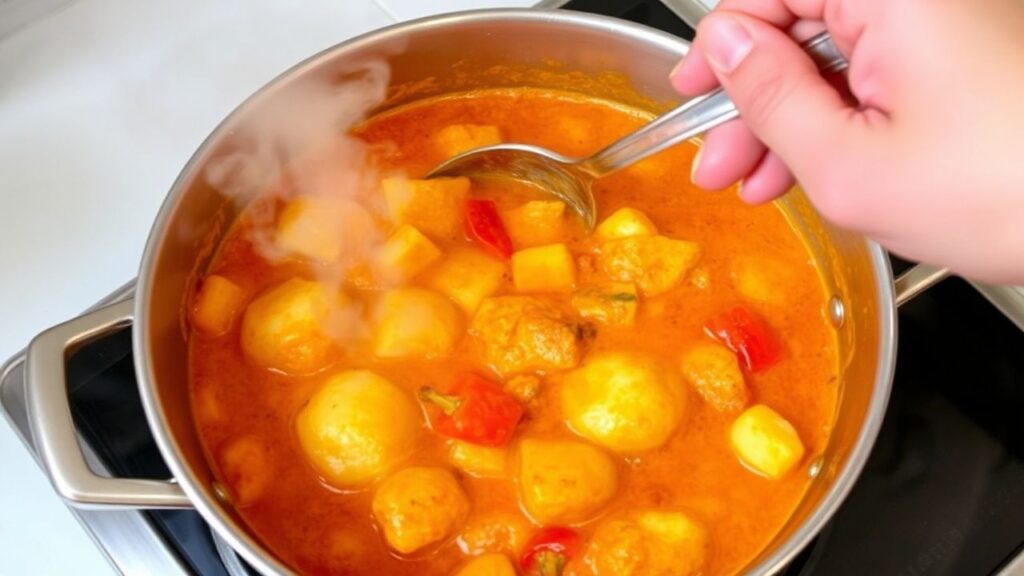
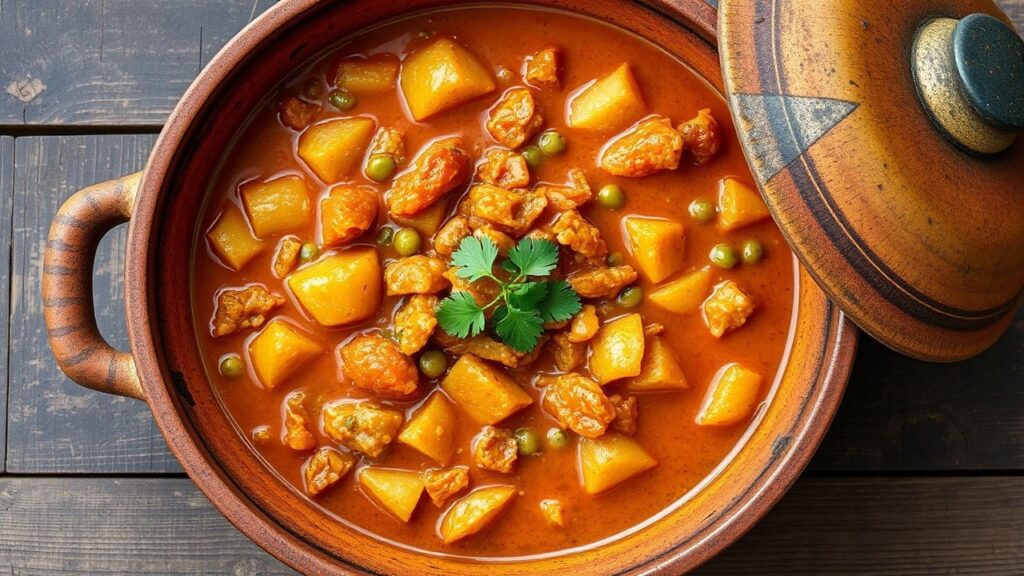
Cover the pot, reduce the heat to low, and let the curry simmer gently for 20-25 minutes, or until the potatoes are tender when pierced with a fork. Stir occasionally to prevent sticking.
The Final Flourish:
Once the potatoes are tender, stir in the full-fat coconut milk. This adds a luxurious creaminess and balances the spice. Allow the curry to simmer gently for another 5 minutes, uncovered, to allow the sauce to thicken slightly. Do not boil vigorously after adding coconut milk, as it can sometimes curdle.
Finally, stir in the garam masala. This blend of ground spices adds a final layer of warmth and complexity. Taste and adjust seasoning if necessary, adding salt and a pinch of sugar if a touch of sweetness is desired to balance the acidity of the tomatoes. A squeeze of fresh lime or lemon juice just before serving will brighten all the flavors.
💡 Expert Insight
Expert Insight: The Humble Potato’s Texture is Key
Choosing the right potato is more than just a preference; it’s a textural decision that profoundly impacts the final dish. For a curry where you want distinct, tender potato pieces that hold their shape and absorb sauce, waxy or all-purpose varieties like Yukon Gold, Maris Piper, or Red Bliss are excellent. Starchy potatoes, such as Russets, tend to break down more readily, which can be desirable if you’re aiming for a thicker, almost mashed-potato-like consistency within the curry, but they can also turn mushy if overcooked. For this recipe, aiming for a balance, Yukon Golds or Maris Pipers offer the best of both worlds.
Nutritional Information (Approximate per Serving – based on 6 servings)
This is a general guideline and can vary based on specific ingredients and portion sizes.
- Calories: 350-450 kcal
- Protein: 6-8g
- Fat: 15-20g (primarily from coconut milk and oil)
- Saturated Fat: 8-12g
- Carbohydrates: 45-60g
- Fiber: 8-12g
- Sodium: 300-600mg (highly dependent on added salt and stock)
The nutritional profile of this vegetable curry potato is commendably balanced. The potatoes provide complex carbohydrates for sustained energy and dietary fiber. The various vegetables contribute essential vitamins, minerals, and antioxidants. Coconut milk adds healthy fats, which aid in the absorption of fat-soluble vitamins from the vegetables. The spices themselves, particularly turmeric and ginger, are lauded for their anti-inflammatory and antioxidant properties.
Elevating Your Vegetable Curry Potato to Restaurant Quality
Even a well-executed home curry can benefit from a few expert touches that push it into truly exceptional territory.
The Searing Technique for Potatoes:
Before adding the potatoes to the main pot, consider searing them in a separate pan with a little oil until they have a golden-brown crust on a few sides. This creates a delightful textural contrast and intensifies their natural sweetness. While this adds an extra step, the payoff in terms of flavor and texture is significant.
The Double Spice Infusion:
Beyond the initial tempering and toasting of ground spices, consider a “finishing spice” or a small amount of freshly ground spice added right at the end. For instance, a pinch of freshly ground black pepper or a whisper of ground cardamom added with the garam masala can provide a vibrant aromatic lift.
The Acidity and Sweetness Balance:
The interplay of acidity and sweetness is crucial in any complex dish. Ensure you have a good squeeze of lime or lemon juice at the end. If your tomatoes were particularly tart or your spices lean towards the bitter, a teaspoon of jaggery or brown sugar can beautifully round out the flavors.
⚠️ Pro-Caution
Pro-Caution: The Perils of Overcrowding the Pot
When sautéing onions or toasting spices, resist the temptation to overcrowd the pan. Overcrowding leads to steaming rather than browning, which prevents the development of deep, caramelized flavors. Similarly, when adding vegetables, ensure there’s enough space for them to cook evenly. If your pot is too full, it’s better to cook in batches and combine them later. This applies particularly to the initial sauté of onions and the toasting of ground spices, where browning is paramount.
The Importance of Resting:
Like many stews and braises, a vegetable curry potato often tastes even better the next day. The flavors have more time to meld and deepen. If time permits, making the curry a day in advance and reheating it gently will yield a more profound and harmonious taste.
The Power of Fresh Herbs:
While fresh coriander is a classic garnish, don’t underestimate other fresh herbs. A few sprigs of mint or even some finely chopped parsley can offer a surprising and refreshing counterpoint to the rich spices.
Serving Suggestions
This vegetable curry potato is wonderfully versatile. It pairs beautifully with:
- Basmati Rice: The classic accompaniment, its fluffy texture and subtle aroma are perfect for soaking up the curry sauce.
- Naan or Roti: For a more hands-on dining experience, tear off pieces of warm flatbread to scoop up the curry.
- A dollop of plain yogurt or Raita: This provides a cooling contrast to the heat of the spices.
- A simple green salad: To add a fresh, crisp element to the meal.
Conclusion
The vegetable curry potato is far more than just a simple meal; it’s proof of the power of humble ingredients and thoughtful preparation. By understanding the role of each component – from the starchy embrace of the potato to the intricate dance of spices – you can transform a weeknight staple into a culinary revelation. This recipe provides a robust framework, but the true magic lies in your willingness to experiment, to taste, and to imbue each step with your own culinary intuition. So, gather your ingredients, embrace the aromas, and start to create a vegetable curry that is as deeply satisfying as it is exquisitely flavorful.
FAQ
H2: Frequently Asked Questions About Vegetable Curry Potato
H3: What are the best potatoes to use for vegetable curry?
The ideal potatoes for vegetable curry are those that hold their shape well while becoming tender and absorbing flavor. Varieties like Yukon Gold and Maris Piper are excellent choices, offering a creamy texture without disintegrating. Red potatoes or fingerlings also perform admirably. Starchy potatoes, such as Russets, can be used, but they are more prone to breaking down, which can result in a thicker, mushier curry. If you prefer distinct potato pieces, opt for waxy or all-purpose potatoes.
H3: How can I make my vegetable curry spicier or milder?
Adjusting the spice level is straightforward. To make your vegetable curry spicier, increase the amount of red chili powder (Kashmiri chili powder adds color without excessive heat, while cayenne pepper or a hotter chili variety will provide more pronounced heat). You can also add a fresh green chili, finely chopped, along with the ginger and garlic. For a milder curry, reduce or omit the chili powder entirely. You can also balance the heat by adding a bit more coconut milk or a touch of sweetener like sugar or jaggery, which can help to mellow the chili’s intensity.
H3: Can I make this vegetable curry potato ahead of time?
Absolutely. Vegetable curry potato, like many stews and braises, often benefits from being made ahead. The flavors have more time to meld and deepen overnight, resulting in a more complex and harmonious taste. Allow the curry to cool completely, then store it in an airtight container in the refrigerator for up to 3-4 days. Reheat gently on the stovetop or in the microwave, adding a splash of water or vegetable stock if the sauce has thickened too much. It’s advisable to add delicate herbs like fresh coriander just before serving.
H3: What vegetables can I add to a vegetable curry potato?
The beauty of vegetable curry lies in its adaptability. Beyond potatoes, you can incorporate a wide array of vegetables. Excellent additions include cauliflower florets, broccoli, carrots, peas (fresh or frozen), green beans, bell peppers (any color), spinach or kale (added towards the end of cooking), zucchini, eggplant, sweet potatoes, and even firm tofu or paneer for added protein. Aim for a variety of colors and textures to create a visually appealing and nutritionally diverse dish. Ensure you add vegetables according to their cooking times; harder root vegetables should go in earlier than softer ones like spinach.
See also: Vegetable curry