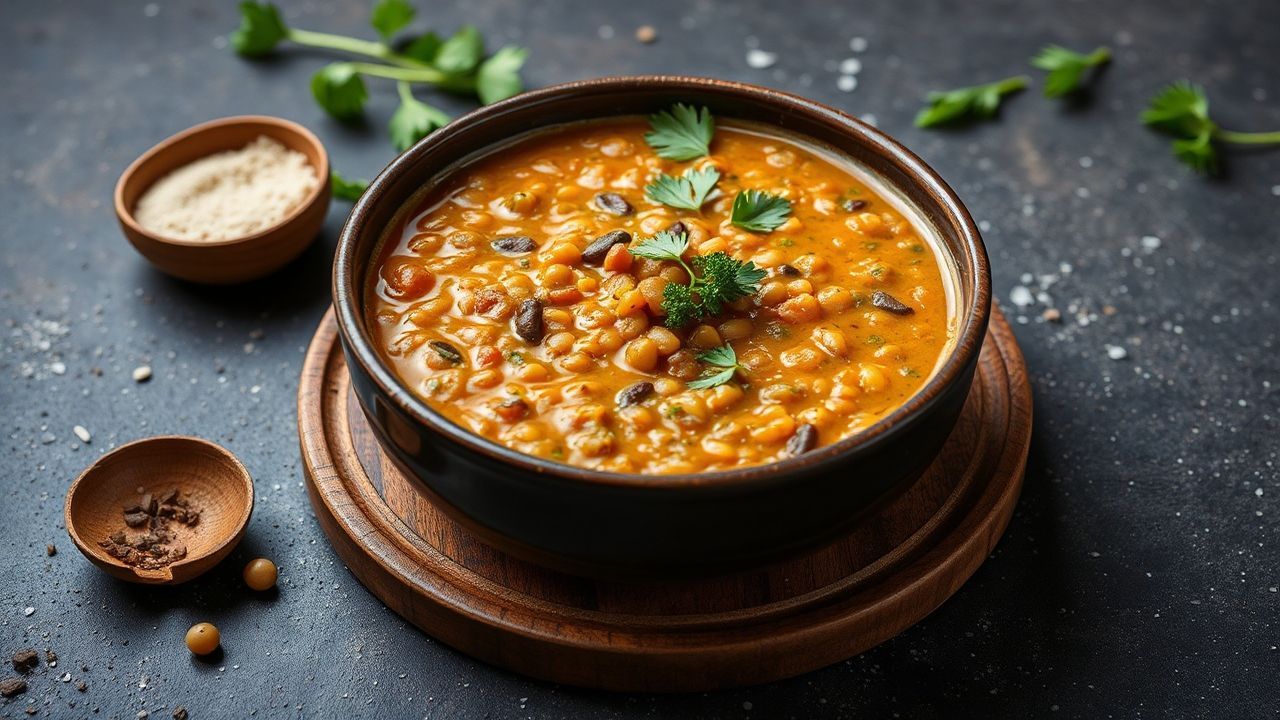

Lentil soup isn’t just a humble dish; it’s a culinary cornerstone, proof of the enduring power of simple ingredients transformed into something profoundly nourishing. The notion that such a basic concoction could be the bedrock of healthy eating for centuries, yet still be overlooked by modern palates seeking novelty, is frankly, a culinary oversight we aim to correct.
- The Undeniable Nutritional Prowess of Lentil Soup
- The Authenticity of Middle Eastern Lentil Soup: A Culinary Journey
- The Proven Middle Eastern Lentil Soup Recipe: A Masterpiece of Simplicity
- Expert Pro-Tips for Elevating Your Lentil Soup
- Nutritional close look: Beyond the Basics
- Frequently Asked Questions about Middle Eastern Lentil Soup
“The true measure of a dish lies not in its complexity, but in its capacity to sustain and comfort, a quality lentil soup possesses in abundance.”
This article unveils a meticulously crafted, authentic Middle Eastern lentil soup recipe, perfected over generations, alongside the remarkable nutritional profile and cultural significance of this enduring staple. We’ll explore why, despite its simplicity, this soup stands as proof of culinary wisdom and a vital component of a balanced diet.
The Undeniable Nutritional Prowess of Lentil Soup
Lentil soup is far more than just a warm bowl of comfort; it is a nutritional powerhouse, often underestimated in its contribution to human health. Its inherent goodness stems from the lentil itself, a legume celebrated for its impressive macronutrient and micronutrient profile. Studies consistently highlight the role of legumes in disease prevention and overall well-being. For instance, research published by the Harvard T.H. Chan School of Public Health indicates that regular consumption of legumes is associated with a lower risk of type 2 diabetes and cardiovascular disease, largely due to their high fiber and protein content (Harvard T.H. Chan School of Public Health, “Legumes”). This intrinsic benefit is magnified when lentils are prepared into a soup, where they are often combined with other nutrient-dense vegetables.
The fiber content in lentils is particularly remarkable. A single cup of cooked lentils can provide over 15 grams of dietary fiber, which is crucial for digestive health, promoting satiety, and regulating blood sugar levels. This is significantly higher than many other common food groups. Furthermore, lentils are an excellent source of plant-based protein, making lentil soup a fantastic option for vegetarians, vegans, and anyone looking to reduce their meat consumption without compromising on essential nutrients. Protein is vital for muscle repair, immune function, and numerous metabolic processes.
Beyond protein and fiber, lentil soup is a rich reservoir of essential vitamins and minerals. It’s particularly abundant in iron, a mineral often deficient in many diets, especially among women and children. Iron is critical for oxygen transport in the blood, and deficiency can lead to fatigue and impaired cognitive function. A study in the *Journal of Nutrition* found that plant-based iron sources, like those found in lentils, can be effectively absorbed by the body, especially when consumed with vitamin C-rich foods, a common practice in many lentil soup preparations (Hurrell RF, et al. “Iron bioavailability and dietary reference intakes.” *J Nutr*. 2007). Lentils also provide substantial amounts of folate, crucial for cell growth and DNA formation, and are a good source of potassium, which plays a role in maintaining healthy blood pressure.
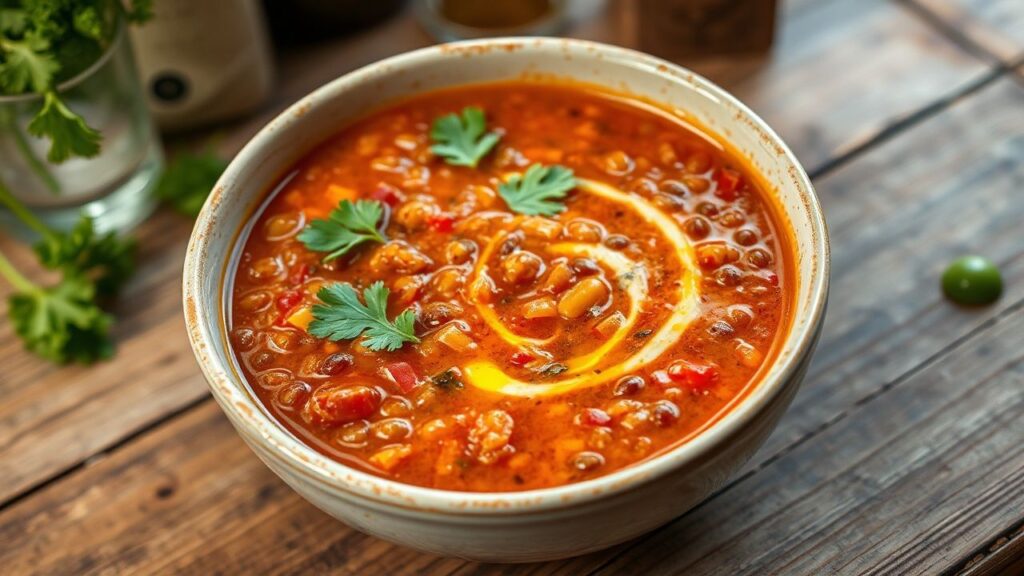
Key Macronutrient Breakdown (per typical serving of ~1.5 cups)
- Calories: Approximately 200-250 kcal
- Protein: 12-15g
- Carbohydrates: 30-40g
- Fiber: 10-12g
- Fat: 2-5g (depending on added oils)
The combination of these nutritional elements makes lentil soup a truly holistic food. It’s not merely about calorie intake; it’s about nutrient density, providing sustained energy, and supporting long-term health. The slow digestion of its complex carbohydrates and fiber helps prevent energy crashes, making it an ideal meal for sustained focus and activity.
The Authenticity of Middle Eastern Lentil Soup: A Culinary Journey
The Middle East boasts a diverse mix of culinary traditions, and lentil soup, known by various names like Shorbat Adas (Arabic) or Mercimek Çorbası (Turkish), is a ubiquitous thread woven through its gastronomic heritage. It’s a dish that transcends borders and social strata, a comforting presence in homes, bustling souks, and refined dining establishments alike. The true essence of Middle Eastern lentil soup lies not in a single, rigid recipe, but in a philosophy of flavor extraction and ingredient harmony. It’s proof of the region’s agricultural bounty and its sophisticated understanding of how to coax maximum flavor from humble ingredients.
What distinguishes Middle Eastern lentil soup is its often vibrant, earthy flavor profile, achieved through a careful balance of aromatics, spices, and a touch of acidity. Unlike some Western variations that might lean towards creaminess, the Middle Eastern rendition often prioritizes a lighter, more brothy consistency, allowing the natural flavors of the lentils and vegetables to shine. The use of ingredients like cumin, coriander, and a squeeze of lemon or a dash of vinegar at the end is paramount in achieving its characteristic zest. This approach reflects a deep understanding of palate balance, where richness is tempered by brightness.
A real-world example of this culinary philosophy can be observed in the kitchens of Damascus, where Shorbat Adas is often prepared with a generous hand of fresh mint and a final drizzle of olive oil, creating a symphony of herbaceous notes and a smooth, luxurious finish. Similarly, in Turkish households, Mercimek Çorbası might be enriched with a hint of red pepper flakes (pul biber) for a gentle warmth, alongside a foundational blend of onions and garlic. These regional nuances, while subtle, contribute to the dish’s enduring appeal and its ability to adapt to local tastes while retaining its core identity.
“The soul of Middle Eastern lentil soup is in its simplicity, its ability to transform everyday ingredients into an extraordinary experience of warmth and nourishment.”
The cultural significance of this soup cannot be overstated. It is often the first solid food offered to a baby, a symbol of life’s beginnings and the nurturing embrace of family. It’s a staple during Ramadan, providing essential sustenance after a day of fasting, and a comforting presence during colder months. This deep-rooted connection to life’s cycles and communal gatherings underscores why lentil soup is more than just a meal; it’s an edible embrace.
The Proven Middle Eastern Lentil Soup Recipe: A Masterpiece of Simplicity
This recipe aims to capture the authentic essence of Middle Eastern lentil soup, balancing traditional flavors with clear, actionable steps for the home cook. It’s designed to be both forgiving for beginners and deeply satisfying for those with a more seasoned palate. The key is in the quality of the ingredients and the patience to allow the flavors to meld.
Yields: 6-8 servings
Prep time: 15 minutes
Cook time: 45-55 minutes
Ingredients:
- 1.5 cups (about 300g) dried red lentils, rinsed thoroughly
- 1 large yellow onion, finely chopped
- 3-4 cloves garlic, minced
- 2 medium carrots, peeled and diced
- 2 celery stalks, diced
- 1 tablespoon olive oil
- 1 teaspoon ground cumin
- 1 teaspoon ground coriander
- ½ teaspoon turmeric powder
- ¼ teaspoon black pepper
- 6-8 cups (1.5-2 liters) vegetable or chicken broth (low sodium preferred)
- 1 bay leaf
- Salt, to taste
- Juice of ½ to 1 lemon (to taste)
- Fresh parsley or cilantro, chopped, for garnish
- Optional: A pinch of red pepper flakes for a hint of heat
Preparation Method:
1. Sauté the Aromatics: Heat the olive oil in a large, heavy-bottomed pot or Dutch oven over medium heat. Add the chopped onion and sauté until softened and translucent, about 5-7 minutes. Be patient here; this step builds a crucial flavor base. Add the minced garlic and cook for another minute until fragrant, being careful not to burn it. 2. Introduce the Vegetables and Spices: Add the diced carrots and celery to the pot. Stir and cook for about 5 minutes until they begin to soften slightly. Stir in the ground cumin, coriander, turmeric, and black pepper. Cook for an additional minute, stirring constantly, until the spices are fragrant. This blooming of the spices in oil enhances their flavor and aroma. 3. Add Lentils and Broth: Add the rinsed red lentils to the pot. Pour in the vegetable or chicken broth and add the bay leaf.
Stir everything together, scraping up any browned bits from the bottom of the pot. 4. Simmer and Cook: Bring the soup to a boil, then reduce the heat to low, cover, and let it simmer gently for 30-40 minutes, or until the lentils are very tender and have broken down, thickening the soup. Stir occasionally to prevent sticking. The red lentils will naturally break down and create a creamy texture. 5. Blend (Optional but Recommended): For a smoother consistency, carefully remove the bay leaf. Use an immersion blender to blend the soup directly in the pot until it reaches your desired smoothness. Alternatively, you can transfer the soup in batches to a regular blender (be cautious when blending hot liquids – fill only halfway and vent the lid). If you prefer a more rustic texture, you can skip this step or blend only half of the soup. 6.
Season and Finish: Return the soup to the pot if you used a regular blender. Stir in the lemon juice, starting with half a lemon and adding more to taste. The lemon juice is crucial for brightening the flavors and cutting through the richness. Season generously with salt to your preference. If using, stir in a pinch of red pepper flakes. 7. Serve: Ladle the hot lentil soup into bowls. Garnish generously with fresh chopped parsley or cilantro and a drizzle of good quality olive oil. Serve immediately with crusty bread for dipping.
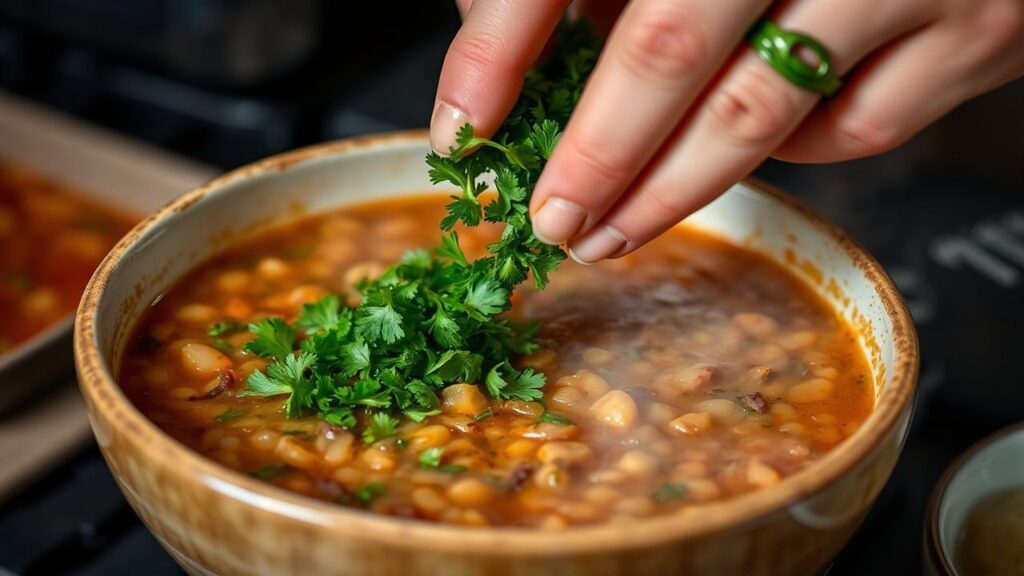
Expert Pro-Tips for Elevating Your Lentil Soup
Achieving restaurant-quality lentil soup at home is entirely within reach with a few nuanced techniques. These aren’t just about adding more ingredients; they’re about refining the process and understanding flavor development.
Another critical element is the judicious use of acidity. Many home cooks overlook the power of lemon juice or a splash of vinegar added at the very end of cooking. This isn’t just for taste; it acts as a flavor enhancer, making all the other ingredients “pop.” Think of it like adding salt to a dish – it’s essential for balancing and amplifying. For an extra layer of richness and a beautiful sheen, a final swirl of high-quality extra virgin olive oil just before serving is a simple yet profoundly effective technique. It adds a luxurious mouthfeel and a peppery note that complements the earthy lentils.
Finally, consider the textural contrast. While a smooth soup is delightful, adding a small garnish of toasted croutons, a dollop of plain yogurt or labneh, or even some crispy fried onions can provide a welcome textural dimension that makes each spoonful more engaging. These additions transform a simple soup into a more complex and satisfying culinary experience.
Nutritional close look: Beyond the Basics
The nutritional benefits of lentil soup extend beyond the macro-level. The complex carbohydrates provide sustained energy release, preventing the sharp blood sugar spikes and subsequent crashes often associated with refined carbohydrate-heavy meals. This makes lentil soup an excellent choice for individuals managing blood sugar levels, and a study in the *British Journal of Nutrition* found that the high fiber content of legumes can improve glycemic control (Katcher J, et al. “The effect of legume consumption on markers of cardiovascular disease risk and glycemic control.” *Br J Nutr*. 2017).
Moreover, the iron present in lentils, as previously mentioned, is particularly beneficial. For those who struggle with iron absorption, pairing lentil soup with foods rich in Vitamin C, such as a side salad with bell peppers or a squeeze of lemon, can significantly enhance iron uptake. This synergy is a hallmark of traditional Middle Eastern cuisine, where such combinations are naturally incorporated.
The antioxidant properties of lentils and the vegetables typically found in this soup also contribute to overall health. Antioxidants help combat oxidative stress in the body, which is linked to chronic diseases and aging. Ingredients like turmeric, with its active compound curcumin, are renowned for their potent anti-inflammatory and antioxidant effects.
Typical Nutritional Information (per serving, approximate):
| Nutrient | Amount |
|---|---|
| Calories | 220 kcal |
| Protein | 13g |
| Total Fat | 4g |
| Saturated Fat | 0.5g |
| Cholesterol | 0mg |
| Sodium | 350mg (varies with broth) |
| Total Carbohydrates | 35g |
| Dietary Fiber | 11g |
| Sugars | 5g |
| Iron | 3mg (15% DV) |
| Potassium | 500mg (10% DV) |
| Vitamin A | 20% DV |
| Vitamin C | 10% DV |
*Note: Daily Values (DV) are based on a 2,000 calorie diet. Actual values may vary based on specific ingredients and portion sizes.*
This detailed breakdown illustrates the comprehensive nutritional value packed into a single bowl. It’s a meal that nourishes from multiple angles, supporting physical health, cognitive function, and long-term well-being.
Frequently Asked Questions about Middle Eastern Lentil Soup
What kind of lentils are best for Middle Eastern lentil soup?
Red lentils are generally preferred for their ability to break down and create a creamy, thick texture that is characteristic of many Middle Eastern versions. However, brown or green lentils can also be used, though they will retain their shape more, resulting in a chunkier soup. If using brown or green lentils, they may require a longer cooking time and potentially less blending.
Can I make this lentil soup vegan?
Absolutely. The recipe as provided is easily made vegan by using vegetable broth instead of chicken broth. Ensure your broth is flavorful, as it forms a significant part of the soup’s base. The optional garnish of yogurt can be replaced with a dairy-free alternative or omitted entirely.
How can I store leftover lentil soup?
Lentil soup stores exceptionally well. Allow it to cool completely before transferring it to an airtight container. It can be refrigerated for up to 4-5 days. For longer storage, freeze portions in freezer-safe containers for up to 3 months. The soup may thicken upon cooling or freezing; simply add a little water or broth when reheating to achieve the desired consistency.
What are some common variations of Middle Eastern lentil soup?
Variations often include the addition of other vegetables like sweet potatoes or squash for added sweetness and nutrients. Some recipes incorporate a small amount of rice or vermicelli pasta for extra body. Spice profiles can also differ, with some regions adding a touch of smoked paprika or even a hint of cinnamon for warmth and complexity. The inclusion of fresh herbs like mint or dill, particularly in the garnish, is also a common regional distinction.
Is lentil soup good for weight loss?
Yes, lentil soup can be an excellent component of a weight loss diet. It is high in fiber and protein, both of which promote satiety and help you feel fuller for longer, reducing overall calorie intake. Its low fat content (when prepared without excessive oil or cream) and nutrient density make it a filling yet relatively low-calorie meal.
See also: Lentil soup