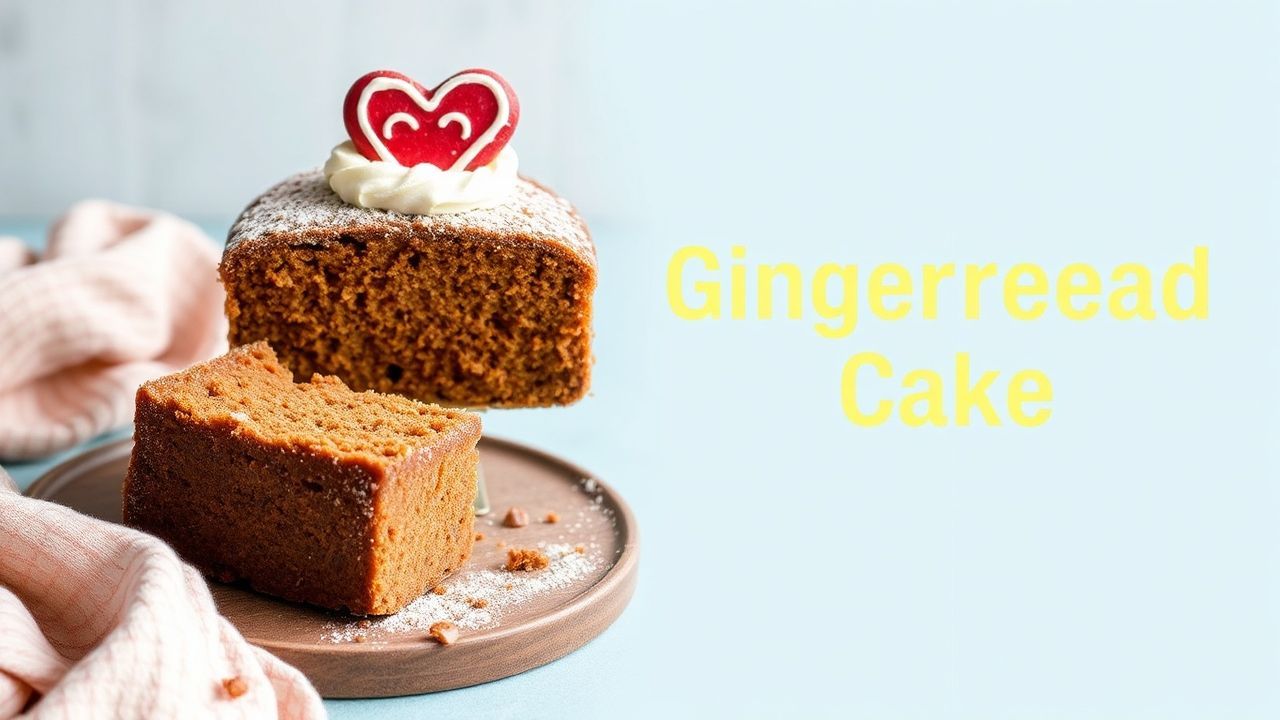

Gingerbread, a confectionary icon, boasts a rich history. For centuries, its warming spices have signaled the holiday season, evoking memories of cozy kitchens and festive cheer. Yet, for many navigating dietary restrictions, the traditional gingerbread cake, often laden with eggs and dairy, has remained an elusive pleasure. This guide demystifies the creation of a truly exceptional vegan gingerbread cake, proving that plant-based baking can rival, and even surpass, its conventional counterparts in both flavor and texture.
- The Allure of Vegan Gingerbread: More Than Just a Trend
- The Cornerstone Ingredients: Building Flavor and Structure
- Mastering the Vegan Binder: Egg Replacements in Practice
- The Art of Assembly: Crafting the Perfect Vegan Gingerbread Cake
- Flavor Enhancements and Variations: Beyond the Basic Recipe
- Serving Suggestions: Elevating the Experience
- Troubleshooting Common Vegan Gingerbread Cake Issues
- The Nutritional Profile: A Healthier Indulgence
- Frequently Asked Questions about Vegan Gingerbread Cake
- Is vegan gingerbread cake healthier than traditional gingerbread cake?
- What is the best vegan egg replacer for gingerbread cake?
- How can I ensure my vegan gingerbread cake is moist?
- Can I make gluten-free vegan gingerbread cake?
- What spices are essential for authentic gingerbread flavor?
- Final Recommendations: Embracing the Vegan Gingerbread Revolution
The Allure of Vegan Gingerbread: More Than Just a Trend
The concept of vegan baking has transcended niche dietary preferences to become a mainstream culinary movement, driven by growing awareness of ethical considerations, environmental sustainability, and healthier lifestyle choices. For the modern baker, recreating beloved classics with innovative, compassionate ingredients presents both a challenge and a reward. A vegan gingerbread cake serves as a perfect case study, demanding a thoughtful understanding of how to replace the emulsifying and binding properties of eggs, and the richness and moisture provided by dairy butter and milk, all while preserving that signature spicy, molasses-infused depth. The goal is not merely substitution, but elevation, creating a dessert that is both indulgent and inherently good.
The true art of vegan baking lies not in mere imitation, but in understanding the fundamental science of ingredients to achieve superior results, proving that compassion and culinary excellence are not mutually exclusive.
The Cornerstone Ingredients: Building Flavor and Structure
Crafting a superior vegan gingerbread cake hinges on the intelligent selection and combination of key ingredients. The foundational elements of traditional gingerbread – flour, sweetener, fat, leavening, and spices – remain, but their vegan counterparts demand careful consideration.
Flour Power: The Structural Backbone
All-purpose flour is the standard, providing necessary gluten structure. For a richer, more tender crumb, some bakers incorporate a portion of whole wheat pastry flour or even finely ground oat flour. This adds subtle nutty complexity and can improve moisture retention. The key is balance; too much whole grain can lead to a dense, heavy cake.
The Sweet Spectrum: Molasses and Beyond
Molasses is indispensable for authentic gingerbread flavor, its dark, robust notes and syrupy texture unparalleled. However, its intensity can be modulated. A common practice is to combine dark molasses with a lighter sweetener, such as maple syrup or agave nectar. This balances the flavor profile and contributes to the cake’s moisture. Research indicates that the type of sugar used significantly impacts cake texture; darker sugars like molasses contain more mineral impurities which can affect gluten development and moisture binding, leading to a moister cake (Source: Institute of Food Technologists).
Fat Choices: Embracing Plant-Based Richness
Fat tenderizes the crumb, enhances flavor, and contributes to moisture. In vegan gingerbread, this is typically achieved through plant-based oils or vegan butter. Refined coconut oil offers a neutral flavor and firm texture at room temperature, beneficial for cake structure. Unrefined coconut oil imparts a subtle coconut aroma that can complement the spices. Alternatively, a high-quality vegan butter blend provides richness akin to dairy butter, often yielding a more classic flavor profile. Some recipes advocate for a combination of oil and vegan butter to leverage the benefits of both.
Leavening Agents: The Breath of the Cake
Traditional gingerbread often relies on baking soda, activated by acidic ingredients like molasses or buttermilk. In vegan versions, this is usually supplemented with baking powder for adequate lift. The precise ratio is critical. Too little leavening results in a dense cake, while too much can cause it to rise too rapidly and then collapse. A common combination involves both baking soda and baking powder, carefully calibrated to the recipe’s other ingredients.
The Spice Symphony: Defining Gingerbread’s Soul
This is where the magic truly happens. The quintessential gingerbread spice blend typically includes ginger, cinnamon, cloves, and nutmeg. Freshly grated ginger offers a more pungent, vibrant heat than ground ginger. Allspice, cardamom, and even a pinch of black pepper can add layers of complexity. The quality of your spices is paramount; stale spices result in lackluster flavor. For optimal results, consider toasting whole spices before grinding them for an intensified aroma and taste.
Mastering the Vegan Binder: Egg Replacements in Practice
One of the most significant hurdles in vegan baking is replicating the binding and emulsifying properties of eggs. Fortunately, the plant-based world offers a versatile array of solutions.
Flax and Chia Eggs: The Nutrient-Rich Duo
A “flax egg” or “chia egg” is created by mixing ground flaxseed or chia seeds with water and allowing them to gel. This gelatinous mixture mimics the binding capabilities of an egg. For a standard egg replacement, one tablespoon of ground flaxseed or chia seeds mixed with three tablespoons of water, left to sit for about 5-10 minutes until thickened, is typically sufficient. These are excellent for cakes and muffins, adding a slight nutritional boost and a subtle earthy note.
Applesauce and Mashed Banana: Moisture and Binding
Unsweetened applesauce and ripe mashed banana are fantastic natural binders that also contribute significant moisture. Applesauce provides a neutral flavor and smooth texture, making it versatile. Mashed banana, while delicious, imparts its own distinct flavor, which can be a delightful addition to gingerbread, amplifying sweetness and adding unique depth. A quarter cup of applesauce or half a mashed banana is generally equivalent to one egg.
Commercial Egg Replacers: Convenience and Consistency
For those seeking convenience and predictable results, commercial egg replacers are readily available. These are typically starch-based powders that, when mixed with water, form a binding agent. They are formulated to provide consistent results and are often a reliable choice for beginners or when exact replication of traditional textures is desired.
The Art of Assembly: Crafting the Perfect Vegan Gingerbread Cake
The process of mixing and baking a vegan gingerbread cake requires a nuanced approach, paying close attention to ingredient temperatures and mixing techniques.
The Muffin Method vs. Creaming Method (Veganized)
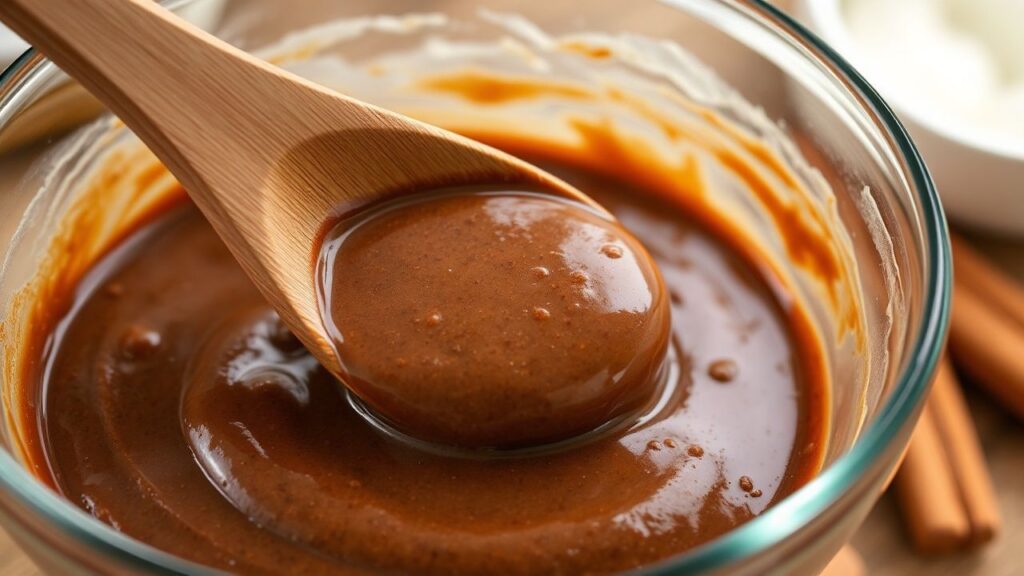
While traditional cakes often employ the creaming method (beating butter and sugar), vegan gingerbread cakes often benefit from the muffin method, which is simpler and generally more forgiving. This involves whisking together the dry ingredients in one bowl and the wet ingredients in another, then combining them until just mixed. Overmixing can develop gluten excessively, leading to a tough cake.
Temperature Matters: Room Temperature Ingredients
Even in vegan baking, ingredient temperature matter significantly. While eggs are absent, ensuring your plant-based milk, melted vegan butter or oil, and any other wet ingredients are at room temperature helps them emulsify more effectively with the dry ingredients, leading to a smoother batter and a more even bake.
The Baking Process: Patience and Precision
Preheating your oven is non-negotiable. A consistent oven temperature is key to a cake that rises evenly and bakes through without drying out. Lower temperatures for slightly longer periods can sometimes yield a moister cake, but it’s essential to follow the specific recipe’s guidance. It’s also vital to resist the urge to open the oven door too early, as this can cause the cake to deflate.
Cooling and Resting: The Crucial Final Steps
Once baked, the cake should cool in the pan for 10-15 minutes before being inverted onto a wire rack to cool completely. This prevents the cake from steaming and becoming soggy. Allowing the cake to rest for several hours, or even overnight, permits flavors to meld and texture to further develop, making it even more delicious.
Flavor Enhancements and Variations: Beyond the Basic Recipe
While a classic vegan gingerbread cake is delightful on its own, several additions and variations can elevate it.
Citrus Zest: A Bright Counterpoint
The warming spices of gingerbread are beautifully complemented by bright, zesty notes of citrus. Orange zest is a popular choice, offering a fragrant counterpoint to deep molasses and spice. Lemon zest can also be used for a sharper, more invigorating tang. Add the zest of one orange or lemon to your dry ingredients for a subtle yet impactful flavor enhancement.
Chocolate Infusion: A Decadent Twist
For chocolate lovers, incorporating vegan chocolate chips or chunks into the batter is a simple yet effective way to create a decadent gingerbread cake. Ensure your chocolate is dairy-free. A drizzle of melted vegan chocolate over the cooled cake can also serve as a luxurious topping.
Nutty Additions: Texture and Depth
Chopped walnuts, pecans, or even hazelnuts add wonderful textural contrast and rich, nutty flavor to vegan gingerbread cake. Fold them gently into the batter just before baking. Toasted nuts offer an even more intense flavor.
Gluten-Free Considerations: Adapting the Recipe
For individuals requiring a gluten-free option, adapting a vegan gingerbread cake is feasible. A high-quality gluten-free all-purpose flour blend, often containing rice flour, tapioca starch, and potato starch, can be used. You might need to adjust liquid content slightly, as gluten-free flours absorb moisture differently. Adding a binder like xanthan gum (typically 1/2 to 1 teaspoon per cup of flour) is often necessary to mimic gluten’s binding properties.
According to the Whole Grains Council, whole grains, when properly incorporated into baking, can offer a significant boost in fiber and essential nutrients, contributing to a healthier dietary profile. While pure whole wheat flour can sometimes make baked goods dense, a blend or specific types like whole wheat pastry flour can offer a good balance of nutrition and texture.
Serving Suggestions: Elevating the Experience
The presentation and accompanying elements can transform a simple vegan gingerbread cake into a gourmet dessert.
Vegan Frostings and Glazes: The Perfect Finish
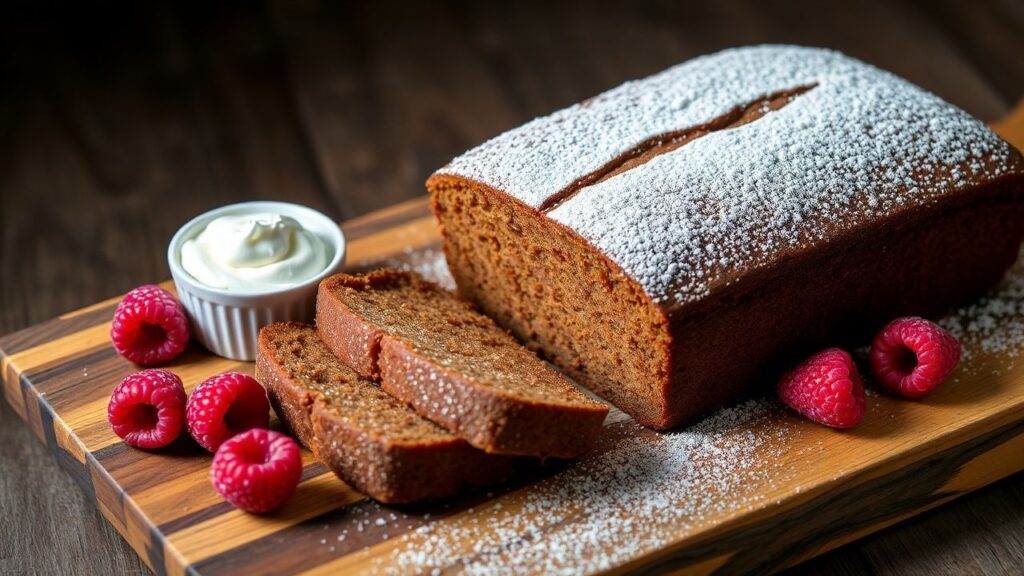
A classic vegan cream cheese frosting, made with vegan cream cheese, vegan butter, powdered sugar, and vanilla extract, pairs exceptionally well with gingerbread. For a lighter option, a simple glaze from powdered sugar and plant-based milk or lemon juice offers a sweet, tangy finish. A dusting of powdered sugar or a sprinkle of cinnamon can also be elegant and understated.
Accompaniments: Complementary Flavors and Textures
Serve slices of warm vegan gingerbread cake with a dollop of vegan whipped cream or a scoop of dairy-free vanilla ice cream for a classic dessert experience. Fresh berries add a refreshing contrast to the rich, spicy cake. For a more sophisticated presentation, consider a drizzle of raspberry coulis or a sprinkle of candied ginger.
Troubleshooting Common Vegan Gingerbread Cake Issues
Even with the best intentions, baking challenges can arise. Understanding common pitfalls helps achieve perfect results.
The Dense Cake Conundrum
A dense vegan gingerbread cake can stem from overmixing, too little leavening, or incorrect ingredient proportions. Ensure accurate flour measurement (spoon and level method) and avoid overworking the batter once wet and dry ingredients are combined. Double-check expiry dates on your baking powder and baking soda.
The Dry Cake Dilemma
A dry cake often indicates overbaking or insufficient fat or liquid. Bake until a toothpick inserted into the center comes out with moist crumbs attached, not completely clean (which means it’s overdone). Recipes heavy on molasses can sometimes be prone to dryness if not balanced with enough moisture-providing ingredients like plant-based milk or applesauce.
Flavor Imbalance: Too Spicy or Not Spicy Enough
Achieving the perfect spice balance is subjective. If a recipe calls for ground ginger, but you prefer a bolder flavor, consider adding a small amount of freshly grated ginger. Conversely, if the spice is too strong, a touch more sweetener or citrus zest can mellow it.
The Nutritional Profile: A Healthier Indulgence
While gingerbread cake is a treat, the vegan adaptation offers potential nutritional advantages. Replacing dairy and eggs with plant-based ingredients reduces saturated fat and cholesterol intake. Ingredients like molasses are good sources of iron and other minerals. Unsulfured blackstrap molasses can provide up to 20% of the daily recommended iron intake per tablespoon (Source: USDA FoodData Central). Using whole grain flours increases fiber content, contributing to better digestive health and sustained fullness.
Frequently Asked Questions about Vegan Gingerbread Cake
Is vegan gingerbread cake healthier than traditional gingerbread cake?
Vegan gingerbread cake can be considered healthier due to the absence of dairy and eggs, sources of saturated fat and cholesterol. Utilizing plant-based fats and sweeteners, and potentially incorporating whole grains, can result in a lower saturated fat profile and increased fiber. However, it remains a treat and should be consumed in moderation.
What is the best vegan egg replacer for gingerbread cake?
The best vegan egg replacer depends on the desired outcome. For binding and moisture, flax eggs or chia eggs are excellent, adding nutritional value. Applesauce or mashed banana are great for moisture and binding, with banana adding distinct flavor. Commercial egg replacers offer consistency and are a reliable choice.
How can I ensure my vegan gingerbread cake is moist?
To ensure a moist vegan gingerbread cake, use ample moistening agents like molasses, maple syrup, applesauce, or plant-based milk. Avoid overbaking by checking for doneness with a toothpick that comes out with moist crumbs. Ensure adequate fat content, as fat contributes significantly to moisture retention.
Can I make gluten-free vegan gingerbread cake?
Yes, you can make gluten-free vegan gingerbread cake. Use a high-quality gluten-free all-purpose flour blend and consider adding xanthan gum for binding, as gluten is absent. You may need to adjust liquid content slightly for batter consistency.
What spices are essential for authentic gingerbread flavor?
The essential spices for authentic gingerbread flavor are ginger, cinnamon, cloves, and nutmeg. Proportions can be adjusted to personal preference, but these four form the classic foundation. Allspice or cardamom can add complexity.
Final Recommendations: Embracing the Vegan Gingerbread Revolution
The journey to a perfect vegan gingerbread cake is an exploration of flavor, texture, and conscious culinary practice. By understanding ingredient roles, mastering vegan binders, and employing careful baking techniques, you can consistently create a cake that is not only delicious but also aligns with your values. Don’t hesitate to experiment with different spice blends, sweeteners, and additions. The world of vegan baking is dynamic and rewarding, offering endless possibilities to recreate and reinvent beloved classics. Embrace the opportunity to share this joyful, spiced delight with everyone, proving that compassion and exquisite taste can indeed go hand-in-hand.
See also: Gingerbread