
The Heart of the Celebration: Crafting the Perfect Eid Dinner
Eid dinner is more than just a meal; it’s the culmination of a month of spiritual reflection, a vibrant tapestry woven with family, community, and profound gratitude. As the crescent moon signals the end of Ramadan, the air fills not only with joyous prayers but also with the tantalizing aromas of festive cooking. For many, the Eid dinner represents the most significant culinary event of the year, a chance to reconnect with cherished traditions and to share blessings with loved ones. The preparation itself is an act of devotion, a labor of love that begins long before the first guest arrives, and the menu is carefully curated, a reflection of cultural heritage and personal culinary artistry. This is where culinary expertise meets heartfelt hospitality, creating an experience that nourishes both body and soul.
- The Heart of the Celebration: Crafting the Perfect Eid Dinner
- Essential Eid Dinner Dishes: A Culinary Journey
- Slow-Cooked Lamb Mandi: Aromatic Elegance
- Chicken Biryani: A Fragrant Masterpiece
- Moroccan Tagine with Apricots and Almonds: A Sweet and Savory Delight
- Accompaniments and Sides: Completing the Eid Feast
- Sweet Endings: Desserts for the Eid Celebration
- Elevating Your Eid Dinner Experience
- Presentation Matters: The Visual Feast
- The Art of Balance: Flavor and Texture Harmony
- Guest Comfort and Dietary Needs
- Frequently Asked Questions About Eid Dinner Menus
“The true essence of Eid dinner lies not just in the exquisite flavors, but in the shared moments of laughter and connection around the table.”
The Significance of Eid al-Fitr Feasting
Eid al-Fitr, the “Festival of Breaking the Fast,” marks a joyous transition. After a period of intense fasting, prayer, and self-discipline, the celebratory feasts are a physical and spiritual reward. Historically, these meals have served to strengthen communal bonds, with families and neighbors coming together to partake in abundant food, signifying prosperity and well-being. The act of sharing food is deeply ingrained in Islamic culture, embodying generosity and compassion. According to the Pew Research Center, a significant majority of Muslims globally view Eid al-Fitr as a time for family gatherings and communal celebration, with food playing a central role in these traditions. The dishes prepared are often elaborate and time-honored, passed down through generations, each with its own story and cultural significance. This culinary heritage is a vital part of preserving identity and fostering a sense of belonging.
- The Eid dinner menu is a reflection of diverse cultural influences and regional specialties across the Muslim world.
- Planning an Eid dinner involves a thoughtful balance of traditional favorites and potential new culinary explorations.
- The act of preparing and sharing food during Eid dinner is a profound expression of gratitude and community spirit.
Essential Eid Dinner Dishes: A Culinary Journey
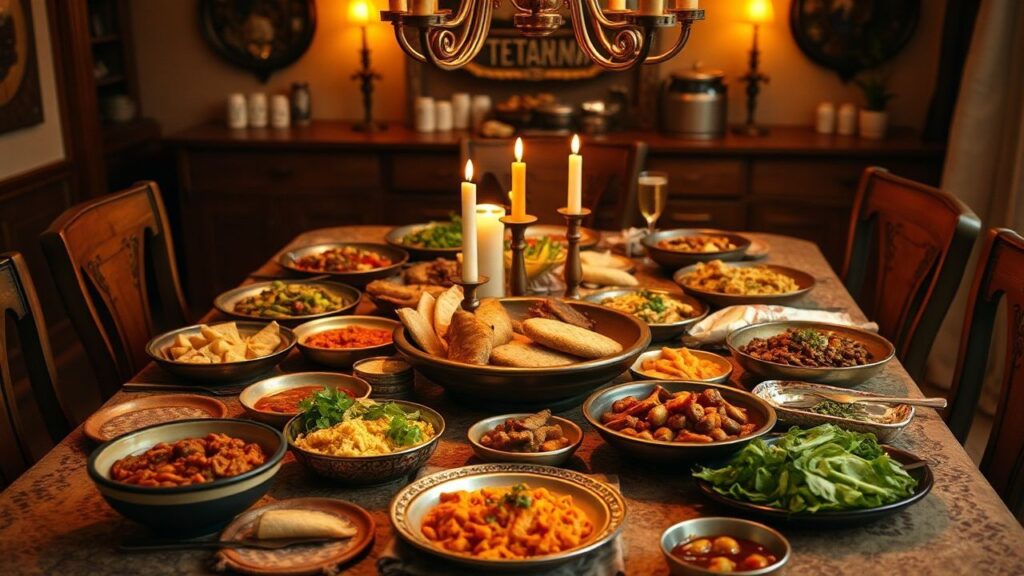
The Eid dinner menu is a grand affair, a symphony of flavors and textures designed to delight the senses and honor the occasion. While regional variations abound, certain dishes are universally recognized as staples, each contributing its unique character to the celebratory spread. These are the dishes that evoke nostalgia, comfort, and the sheer joy of togetherness. From savory slow-cooked meats to fragrant rice dishes and delicate sweets, the Eid dinner is proof of culinary tradition and skilled preparation.
Slow-Cooked Lamb Mandi: Aromatic Elegance
Lamb Mandi, a Yemeni dish, has become a beloved centerpiece for Eid dinner tables across many regions. Its appeal lies in the incredibly tender lamb, infused with fragrant spices, and served atop a bed of subtly flavored, long-grain rice. The slow-cooking process is key, allowing the meat to become fork-tender and absorb the complex aromas of the spice blend.
Ingredients:
- 1 whole lamb leg (approx. 2-3 kg / 4.5-6.5 lbs)
- 2 cups Basmati rice, rinsed and drained
- 4 cups water or lamb broth
- 1 large onion, finely chopped
- 4 cloves garlic, minced
- 2 tablespoons olive oil
- Mandi Spice Blend:
- 2 tablespoons ground cumin
- 1 tablespoon ground coriander
- 1 tablespoon smoked paprika
- 1 teaspoon ground turmeric
- 1 teaspoon ground cardamom
- 1 teaspoon ground cloves
- 1/2 teaspoon ground cinnamon
- 1/2 teaspoon black pepper
- 1/4 teaspoon ground nutmeg
- Salt to taste
- For Garnish: Toasted slivered almonds, chopped parsley
Preparation Method:
- Preheat oven to 160°C (320°F).
- In a large bowl, mix the Mandi spice blend with olive oil, minced garlic, and salt.
- Rub the lamb leg generously with this spice mixture, ensuring it’s well-coated.
- In a large, oven-safe pot or Dutch oven, sauté the chopped onion in a little oil until softened.
- Add the marinated lamb leg to the pot.
- Pour in the water or lamb broth. Bring to a simmer, then cover tightly.
- Transfer to the preheated oven and slow-cook for 3-4 hours, or until the lamb is exceptionally tender and falling off the bone.
- About 30 minutes before the lamb is done, prepare the rice. In a separate pot, heat a tablespoon of oil, add the rinsed rice, and sauté for a minute.
- Pour in the water or broth and season with salt. Bring to a boil, then reduce heat, cover, and simmer for 15-20 minutes, or until cooked and fluffy.
- Once the lamb is cooked, carefully remove it from the pot and set aside to rest.
- Strain the cooking liquid from the lamb pot, reserving the flavorful broth.
- To serve, spread the cooked rice onto a large serving platter.
- Place the rested lamb leg on top of the rice.
- Drizzle some of the reserved lamb broth over the rice and lamb for extra moisture and flavor.
- Garnish generously with toasted slivered almonds and chopped fresh parsley.
Nutritional Information (per serving, approximate):
Calories: 750-850 kcal | Protein: 60-70g | Fat: 40-50g | Carbohydrates: 40-50g | Fiber: 3-5g
Chicken Biryani: A Fragrant Masterpiece
Biryani, a staple in many South Asian and Middle Eastern cuisines, is an art form in itself. This layered rice dish, typically featuring chicken or lamb, is celebrated for its complex aromas and harmonious blend of spices. A well-executed Chicken Biryani is a showstopper for any Eid dinner. The technique of “dum” cooking, where the pot is sealed to allow the ingredients to steam and meld together, is crucial for achieving its signature depth of flavor.
Ingredients:
- 1 kg (2.2 lbs) chicken pieces (thighs and drumsticks work best), bone-in or boneless
- 2 cups Basmati rice, rinsed and soaked for 30 minutes
- 1 large onion, thinly sliced and fried until golden brown (for birista)
- 1/2 cup plain yogurt
- 1/4 cup chopped fresh mint
- 1/4 cup chopped fresh cilantro
- 2-3 green chilies, slit (adjust to spice preference)
- 4 tablespoons ghee or unsalted butter
- 1/4 cup milk
- Pinch of saffron threads, soaked in milk
- Whole Spices:
- 2-3 bay leaves
- 4-5 green cardamom pods
- 3-4 cloves
- 1-inch piece of cinnamon stick
- 1 star anise
- Ground Spices:
- 1 tablespoon ginger-garlic paste
- 1 teaspoon red chili powder
- 1 teaspoon ground turmeric
- 1 teaspoon ground cumin
- 1 teaspoon ground coriander
- 1/2 teaspoon garam masala
- Salt to taste
Preparation Method:
- Marinate the chicken: In a bowl, combine chicken pieces with yogurt, ginger-garlic paste, ground spices, chopped mint and cilantro, green chilies, half of the fried onions (birista), and salt. Mix well and let it marinate for at least 1 hour, or preferably longer in the refrigerator.
- Cook the rice: In a large pot of boiling water, add whole spices, salt, and the soaked rice. Cook until the rice is about 70% done (al dente). Drain the rice thoroughly and set aside.
- Assemble the biryani: In a heavy-bottomed pot or Dutch oven, heat the ghee or butter over medium heat.
- Add the marinated chicken mixture to the pot and cook for about 5-7 minutes, stirring gently, until the chicken changes color.
- Layer the rice over the chicken: Spread half of the partially cooked rice evenly over the chicken.
- Sprinkle some of the remaining fried onions and a few more chopped mint and cilantro leaves over the rice layer.
- Add the remaining rice on top, creating a second layer.
- Drizzle the saffron-infused milk and any remaining ghee over the top layer of rice.
- Seal the pot: Cover the pot tightly with a lid. For a better seal, you can place a piece of foil over the pot before putting on the lid, or use dough to seal the edges of the lid.
- Cook on “dum”: Place the pot on very low heat (or use a tawa/griddle underneath to diffuse the heat) and cook for 25-30 minutes. The steam trapped inside will cook the rice and chicken completely, allowing the flavors to meld beautifully.
- Rest and serve: Let the biryani rest for about 10-15 minutes after cooking before opening the lid. Gently mix the layers from the sides to serve.
Nutritional Information (per serving, approximate):
Calories: 600-700 kcal | Protein: 35-45g | Fat: 30-40g | Carbohydrates: 50-60g | Fiber: 4-6g
Moroccan Tagine with Apricots and Almonds: A Sweet and Savory Delight
The Moroccan Tagine is a slow-cooked stew, traditionally prepared in a conical earthenware pot of the same name. This version, featuring tender chicken or lamb simmered with sweet apricots and crunchy almonds, offers a delightful balance of sweet and savory, making it a sophisticated addition to an Eid dinner. The complex spice profile and the richness of the dried fruits create an unforgettable taste experience.
Ingredients:
- 1 kg (2.2 lbs) lamb shoulder or chicken thighs, cut into large cubes
- 2 large onions, thinly sliced
- 3 cloves garlic, minced
- 1 tablespoon grated fresh ginger
- 1/2 cup dried apricots, halved
- 1/4 cup slivered almonds, toasted
- 2 tablespoons olive oil
- 1 teaspoon ground turmeric
- 1 teaspoon ground cumin
- 1 teaspoon ground coriander
- 1/2 teaspoon ground cinnamon
- 1/4 teaspoon ground ginger
- Pinch of saffron threads (optional)
- 2 cups chicken or lamb broth
- 1 tablespoon honey
- Salt and freshly ground black pepper to taste
- Fresh cilantro or parsley, chopped, for garnish
Preparation Method:
- Heat olive oil in a tagine pot or a heavy-bottomed Dutch oven over medium heat.
- Brown the lamb or chicken pieces on all sides. Remove from the pot and set aside.
- Add the sliced onions to the pot and sauté until softened and lightly golden.
- Add the minced garlic and grated fresh ginger, and cook for another minute until fragrant.
- Stir in the ground spices (turmeric, cumin, coriander, cinnamon, ground ginger) and saffron (if using). Cook for 30 seconds until fragrant.
- Return the browned meat to the pot.
- Pour in the broth, ensuring it mostly covers the meat. Season with salt and pepper.
- Bring to a simmer, then reduce the heat to low, cover the tagine pot tightly (or the Dutch oven lid).
- Simmer gently for 1.5-2 hours for chicken, or 2.5-3 hours for lamb, or until the meat is very tender.
- About 30 minutes before serving, stir in the halved dried apricots and honey. Continue to simmer, uncovered for the last 15 minutes to allow the sauce to thicken slightly.
- Just before serving, stir in most of the toasted slivered almonds.
- Garnish with the remaining toasted almonds and fresh chopped cilantro or parsley.
- Serve hot, traditionally with couscous or crusty bread to soak up the delicious sauce.
Nutritional Information (per serving, approximate):
Calories: 550-650 kcal | Protein: 40-50g | Fat: 30-40g | Carbohydrates: 30-40g | Fiber: 4-6g
Accompaniments and Sides: Completing the Eid Feast
No Eid dinner is complete without a selection of carefully chosen sides that complement the main courses and add variety to the table. These dishes, while often simpler than the mains, are crucial for creating a balanced and satisfying meal. They offer different textures, flavors, and nutritional profiles, ensuring every guest finds something to their liking.
Tabbouleh: A Refreshing Lebanese Salad
This vibrant salad is a refreshing counterpoint to richer dishes. Its bright, herbaceous flavors and light texture make it a perfect accompaniment to any Eid dinner. The key to an excellent Tabbouleh is the quality of its fresh ingredients and the finely chopped texture.
Ingredients:
- 2 cups finely chopped fresh parsley
- 1 cup finely chopped fresh mint
- 1/2 cup fine bulgur wheat
- 2-3 ripe tomatoes, finely diced
- 1/2 medium red onion, very finely minced
- 1/4 cup fresh lemon juice
- 1/4 cup extra virgin olive oil
- Salt and freshly ground black pepper to taste
Preparation Method:
- Rinse the bulgur wheat briefly under cold water and drain well. Set aside to soak up any residual moisture for about 10 minutes.
- In a large bowl, combine the finely chopped parsley, mint, diced tomatoes, and minced red onion.
- Add the softened bulgur wheat to the bowl.
- Whisk together the lemon juice and olive oil in a small bowl. Season with salt and pepper.
- Pour the dressing over the salad ingredients and toss gently to combine.
- Taste and adjust seasoning as needed. For best flavor, let the salad sit for at least 15-20 minutes before serving to allow the flavors to meld.
Nutritional Information (per serving, approximate):
Calories: 150-200 kcal | Protein: 3-5g | Fat: 10-15g | Carbohydrates: 15-20g | Fiber: 4-6g
Moutabal (Baba Ghanoush): Smoky Eggplant Dip
This classic Levantine dip, made from roasted eggplant, is a smoky, creamy delight. Its rich flavor and smooth texture make it an ideal starter or side dish for an Eid dinner, pairing wonderfully with bread and other mezze. The smoky essence is paramount, achieved through careful roasting of the eggplant.
Ingredients:
- 2 large eggplants
- 1/4 cup tahini
- 2-3 cloves garlic, minced
- 2-3 tablespoons fresh lemon juice
- 2 tablespoons extra virgin olive oil, plus more for drizzling
- Salt to taste
- Pinch of ground cumin
- For Garnish: Pomegranate seeds, chopped parsley
Preparation Method:
- Roast the eggplants: Prick the eggplants all over with a fork. You can roast them directly over an open flame on a gas stove (turning frequently until charred and soft), or roast them in a hot oven (200°C / 400°F) for 45-60 minutes, until very soft and the skin is blackened.
- Cool and scoop: Once roasted, let the eggplants cool slightly. Cut them in half and scoop out the flesh, discarding the skin. Drain any excess liquid from the eggplant pulp.
- Mash the eggplant: Place the eggplant flesh in a colander for about 15-20 minutes to drain further. Then, transfer it to a bowl. Mash the eggplant using a fork or a potato masher until it reaches your desired consistency (some prefer it slightly chunky, others very smooth).
- Combine ingredients: Add the tahini, minced garlic, lemon juice, olive oil, salt, and cumin to the mashed eggplant.
- Mix thoroughly: Stir everything together until well combined and creamy. Taste and adjust seasoning, adding more lemon juice or salt as needed.
- Serve: Transfer the Moutabal to a serving dish. Drizzle with extra virgin olive oil and garnish with pomegranate seeds and chopped parsley. Serve with pita bread or vegetable sticks.
Nutritional Information (per serving, approximate):
Calories: 200-250 kcal | Protein: 6-8g | Fat: 15-20g | Carbohydrates: 15-20g | Fiber: 6-8g
Sweet Endings: Desserts for the Eid Celebration
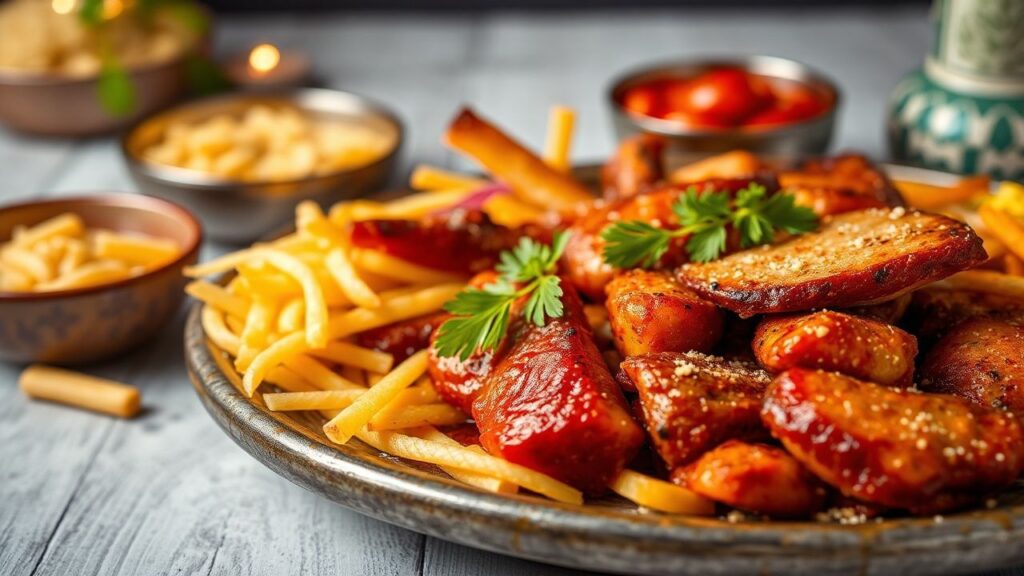
No festive meal is truly complete without a selection of delectable sweets. For Eid dinner, desserts are an opportunity to indulge in traditional favorites and showcase culinary creativity. These sweet treats are a joyous conclusion to the celebratory feast.
Baklava: Layers of Sweet Perfection
This iconic pastry, made with layers of filo dough, chopped nuts, and sweet syrup, is proof of the art of sweet-making. Its crisp texture, rich nutty filling, and honeyed sweetness make it an irresistible indulgence for any Eid dinner.
Ingredients:
- 1 package (450g / 1 lb) filo dough, thawed
- 1 cup (225g / 8 oz) unsalted butter, melted
- 3 cups mixed nuts (walnuts, pistachios, almonds), finely chopped
- 1 teaspoon ground cinnamon
- For the Syrup:
- 2 cups granulated sugar
- 1 cup water
- 1/4 cup honey
- 1 tablespoon lemon juice
- 1 teaspoon rose water or orange blossom water (optional)
Preparation Method:
- Prepare the syrup: In a saucepan, combine sugar, water, and honey. Bring to a boil, then reduce heat and simmer for 10-15 minutes until slightly thickened. Stir in lemon juice and rose water (if using). Let it cool completely.
- Prepare the nut filling: In a bowl, mix the finely chopped nuts with cinnamon.
- Assemble the baklava: Preheat oven to 175°C (350°F). Brush a 9×13 inch baking pan with melted butter.
- Lay one sheet of filo dough in the pan, brushing it generously with melted butter. Repeat this process with 5-7 more sheets of filo, buttering each layer.
- Spread half of the nut mixture evenly over the filo layers.
- Layer another 5-7 sheets of filo dough on top, buttering each layer as you go.
- Spread the remaining nut mixture over this layer.
- Top with the remaining filo sheets, buttering each one thoroughly. Ensure the top layer is well-buttered for a golden, crisp finish.
- Cut the baklava: Using a sharp knife, carefully cut the baklava into diamond or square shapes before baking. This makes it easier to serve later.
- Bake: Bake for 40-50 minutes, or until the baklava is golden brown and crisp.
- Soak with syrup: Immediately after removing the baklava from the oven, slowly and evenly pour the cooled syrup over the hot baklava. The syrup should sizzle as it hits the hot pastry.
- Cool and serve: Let the baklava cool completely in the pan for several hours (preferably overnight) to allow the syrup to be absorbed. Garnish with extra chopped nuts if desired.
Nutritional Information (per serving, approximate):
Calories: 300-400 kcal | Protein: 4-6g | Fat: 15-25g | Carbohydrates: 35-45g | Fiber: 2-3g
Basbousa: Semolina Cake with Coconut
Basbousa is a sweet semolina cake, often infused with coconut and drenched in a fragrant syrup. It’s a beloved dessert across the Middle East and North Africa, offering a tender crumb and a delightful sweetness that perfectly caps off an Eid dinner.
Ingredients:
- 2 cups fine semolina
- 1 cup granulated sugar
- 1 cup plain yogurt
- 1/2 cup unsalted butter, melted
- 1/2 cup shredded unsweetened coconut
- 1 teaspoon baking powder
- 1 teaspoon vanilla extract
- For the Syrup:
- 1.5 cups granulated sugar
- 1 cup water
- 1 tablespoon lemon juice
- 1/2 teaspoon rose water or orange blossom water (optional)
- For Garnish: Slivered almonds or chopped pistachios
Preparation Method:
- Prepare the syrup: In a saucepan, combine sugar, water, and lemon juice. Bring to a boil, then simmer for 10 minutes until slightly thickened. Stir in rose water (if using) and let cool completely.
- Prepare the cake batter: Preheat oven to 180°C (350°F). Grease a 9×13 inch baking pan.
- In a large bowl, combine semolina, sugar, shredded coconut, and baking powder.
- In a separate bowl, whisk together yogurt, melted butter, and vanilla extract.
- Pour the wet ingredients into the dry ingredients and mix gently until just combined. Do not overmix.
- Pour the batter into the prepared baking pan and spread evenly.
- Score the top: Using a knife, score the top of the batter into diamond or square shapes. Place a slivered almond or pistachio in the center of each score.
- Bake for 25-30 minutes, or until golden brown and a skewer inserted into the center comes out clean.
- Soak with syrup: Immediately after removing from the oven, pour the cooled syrup evenly over the hot Basbousa.
- Cool and serve: Let the cake cool completely for at least a couple of hours to absorb the syrup. Cut along the scored lines and serve.
Nutritional Information (per serving, approximate):
Calories: 350-450 kcal | Protein: 4-6g | Fat: 15-20g | Carbohydrates: 50-60g | Fiber: 2-3g
Elevating Your Eid Dinner Experience
Beyond the specific dishes, several overarching principles can elevate your Eid dinner from a mere meal to a truly memorable occasion. These are the subtle nuances that distinguish good hospitality from exceptional.
Presentation Matters: The Visual Feast
The visual appeal of your Eid dinner is as important as its taste. Consider how you arrange the food on platters, the choice of serving dishes, and the overall table setting. Fresh garnishes like chopped herbs, pomegranate seeds, or toasted nuts add color and texture. Using elegant serving ware and ensuring the table is beautifully set with linens, candles, and perhaps some subtle floral arrangements can significantly enhance the dining experience. A well-presented meal demonstrates care and attention to detail, making guests feel truly honored. Research from Cornell University’s Food and Brand Lab suggests that presentation can significantly influence the perceived taste and enjoyment of food.
The Art of Balance: Flavor and Texture Harmony
A successful Eid dinner menu achieves a delicate balance of flavors and textures. Juxtapose rich, savory dishes with lighter, refreshing ones. For instance, a creamy Moutabal or a hearty lamb mandi pairs beautifully with the crispness of Tabbouleh. The crunch of nuts in desserts like Baklava or Basbousa offers a satisfying contrast to softer textures. Ensuring variety in cooking methods—roasting, slow-cooking, fresh—adds further complexity and appeal to the Eid dinner.
Guest Comfort and Dietary Needs
A truly hospitable host considers the comfort and dietary needs of their guests. While traditional Eid dinner menus are often set, being mindful of common allergies or dietary restrictions (e.g., vegetarian options, gluten-free considerations) can make a significant difference. Having a few well-prepared vegetarian dishes, like a hearty lentil soup or a vegetable tagine, ensures everyone can partake fully in the celebration. Communicating with guests in advance about any specific needs can help you tailor your menu accordingly, demonstrating thoughtful consideration.
Frequently Asked Questions About Eid Dinner Menus
What are the most traditional Eid dinner dishes?
Traditional Eid dinner dishes vary greatly by region and culture. However, common themes include slow-cooked meats like lamb or chicken (e.g., Mandi, Tagine, Biryani), flavorful rice dishes, rich stews, and a variety of mezze (appetizers) like hummus and Moutabal. Desserts are also critical, with favorites like Baklava, Basbousa, and various fruit-based sweets being very popular.
How can I make my Eid dinner impressive without spending too much time cooking?
To save time, focus on dishes that can be prepared in advance or require minimal active cooking. Slow-cooker recipes like lamb mandi or tagines are excellent for this. Many dips and salads, such as Tabbouleh and Moutabal, can be made a day ahead. For desserts, consider simpler options like Basbousa or purchasing high-quality store-bought baklava to supplement homemade items. Prioritize one or two show-stopping main dishes and complement them with easier sides.
What are some good vegetarian options for an Eid dinner menu?
Excellent vegetarian options for an Eid dinner include Vegetable Tagine, a hearty Lentil Soup, a rich Vegetable Biryani, or a selection of Mezze that can form a substantial meal on their own. Dishes like stuffed vegetables (e.g., stuffed bell peppers or zucchini), Fattoush salad, or a flavorful Spinach and Feta pie can also be wonderful additions. Ensure these dishes are as flavorful and well-seasoned as meat-based options.
How far in advance can I prepare Eid dinner dishes?
Many components of an Eid dinner can be prepared a day or two in advance. Dips like Moutabal and hummus, salads like Tabbouleh (dressing kept separate until serving), desserts like Baklava and Basbousa (often taste better after a day or two), and even marinating meats for dishes like Biryani or Tagine can be done ahead. Slow-cooked dishes can often be gently reheated on the day of the celebration without losing quality.
What is the significance of serving dates during Eid?
Dates hold significant cultural and religious importance in Islam. They are believed to have been the Prophet Muhammad’s (peace be upon him) preferred food and are recommended for breaking the fast during Ramadan. Serving dates during Eid is a continuation of this tradition, symbolizing blessings, sweetness, and the breaking of fast. They are often offered as a welcoming gesture to guests and are a customary part of both Iftar and Eid meals.
See also: Eid dinner