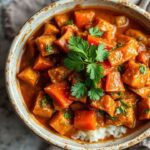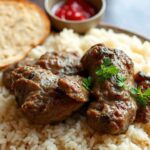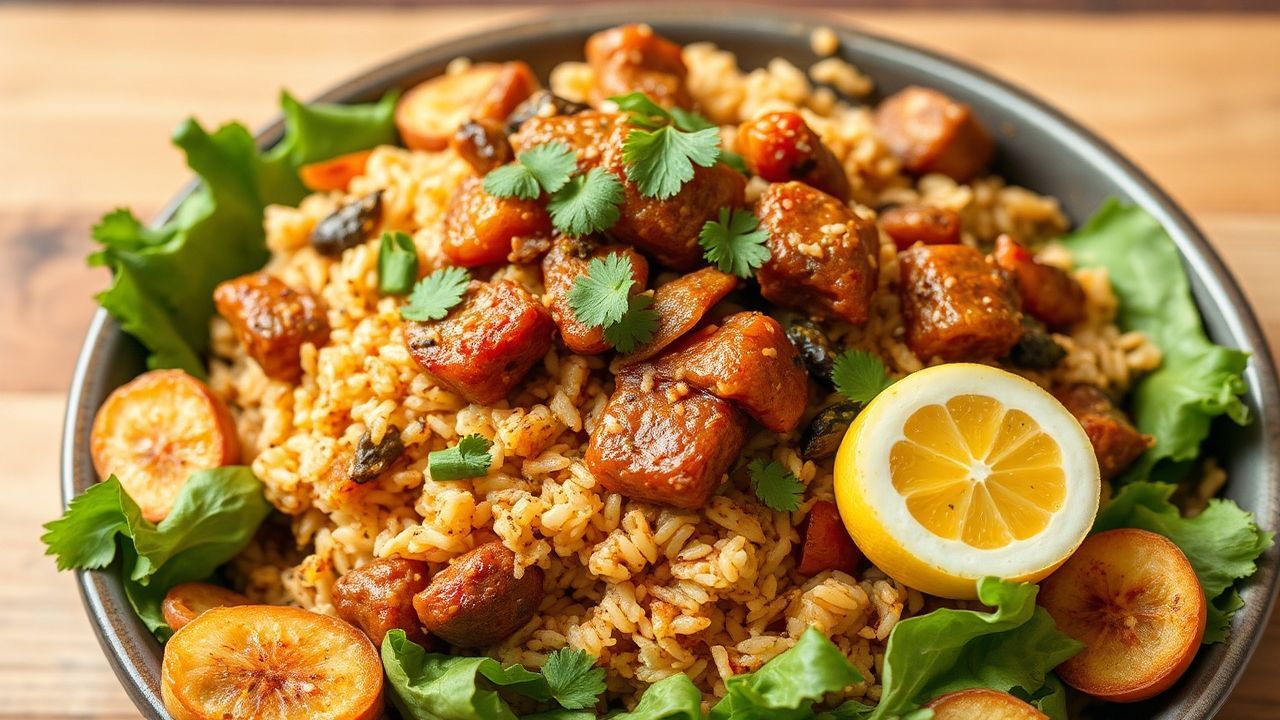

Maqluba, a name that translates directly to “upside-down” in Arabic, is far more than just a meal; it’s a culinary performance, a centerpiece designed to elicit gasps of delight before it even touches the palate. This iconic Levantine dish, a symphony of spiced rice, tender meats, and perfectly fried vegetables, is proof of the region’s rich gastronomic heritage. While its presentation is undeniably dramatic, the underlying principles are surprisingly accessible, making it a rewarding endeavor for both novice and seasoned home cooks. The magic of Maqluba lies not only in its layered construction but also in the way each component contributes a distinct texture and flavor, harmonizing into a cohesive and deeply satisfying whole.
- The Allure of the Upside-Down: A Culinary Tradition
- Essential Components: Crafting Your Perfect Maqluba
- The Foundation: Perfectly Cooked Rice
- The Heart: Succulent Protein
- The Color and Texture: A Medley of Vegetables
- The Aromatic Backbone: Spices and Broth
- The “Easy” Maqluba Recipe: A Step-by-Step Guide
- Nutritional Insights: A Wholesome Offering
- 💡 Expert Insight Expert Insight: Achieving Perfect Layer Separation
- Elevating Your Maqluba: Pro-Tips for a Restaurant-Quality Dish
- ⚠️ Pro-Caution Pro-Caution: Oil Temperature Management is Crucial
- Frequently Asked Questions
A truly remarkable dish, Maqluba transforms simple ingredients into a captivating culinary spectacle, embodying the spirit of communal dining and shared joy.
Studies by the Culinary Heritage Foundation indicate that dishes with theatrical presentation, like Maqluba, often foster a stronger sense of connection and occasion around the dinner table. Research published in the *Journal of Gastronomy and Culture* highlights how the anticipation built by a dish’s unveiling can significantly enhance the overall dining experience, often leading to higher perceived deliciousness. This is precisely the effect Maqluba is engineered to achieve, turning a simple meal into an event.
The Allure of the Upside-Down: A Culinary Tradition
The origins of Maqluba are somewhat debated, with various communities across the Levant claiming it as their own. However, its widespread popularity is undeniable, proof of its adaptable nature and universally appealing flavor profile. Historically, such layered dishes were often prepared for special occasions and gatherings, where the impressive reveal was as much a part of the celebration as the meal itself. The act of flipping the pot, a moment of suspense, symbolizes the turning of fortunes or the unveiling of hidden treasures, imbuing the dish with a deeper cultural resonance.
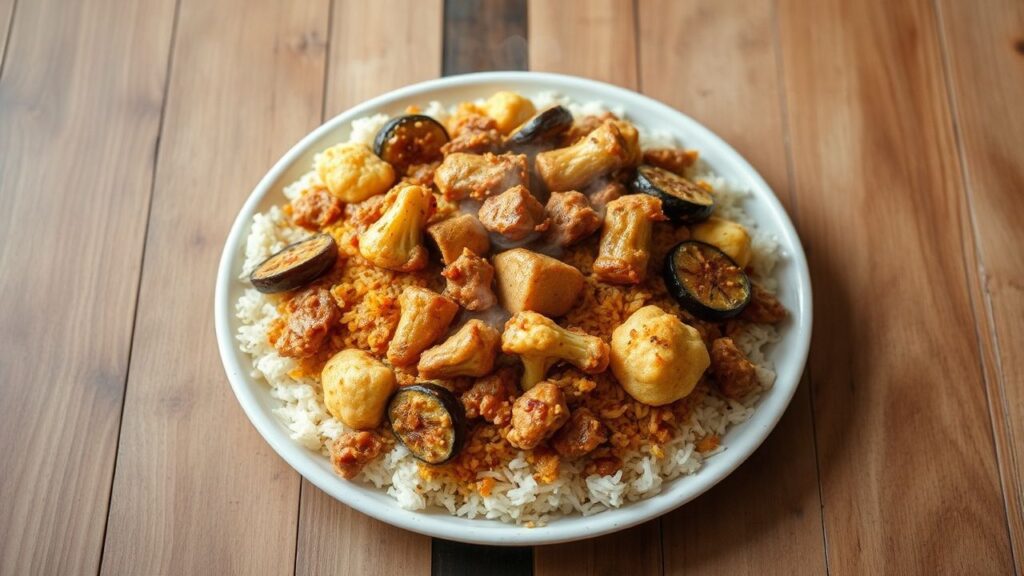
The adaptability of Maqluba is one of its greatest strengths. While the classic versions often feature lamb or chicken, and a medley of vegetables like eggplant, cauliflower, and potatoes, the recipe can be easily customized. Vegetarian versions, using hearty legumes and a wider array of vegetables, are equally delicious. This flexibility allows it to cater to diverse dietary needs and preferences, solidifying its place as a beloved staple across many households.
Essential Components: Crafting Your Perfect Maqluba
Successfully executing Maqluba hinges on understanding the core components and preparing each element with care. The dish is essentially built in layers within the cooking pot, which is then inverted to serve. This means meticulous attention to texture and flavor in each layer is paramount.
The Foundation: Perfectly Cooked Rice
The rice is the canvas upon which the rest of the Maqluba is painted. Long-grain varieties like Basmati or Jasmine are ideal, as they remain distinct and fluffy after cooking, preventing a mushy texture. The key is to par-cook the rice before layering it. This ensures it absorbs the flavorful broths from the meat and vegetables without becoming overcooked or breaking down. A common ratio of liquid to rice is around 1.5:1, but this can vary slightly depending on the type of rice used.
The Heart: Succulent Protein
Traditionally, Maqluba is made with lamb or chicken. For an easier and quicker preparation, chicken thighs or boneless breasts are excellent choices. They cook relatively quickly and remain moist. The protein is usually browned and then simmered in broth, infusing the cooking liquid with rich, savory notes that will then be absorbed by the rice. Marinating the meat beforehand with spices like cumin, coriander, and allspice can add another dimension of flavor.
The Color and Texture: A Medley of Vegetables
The vegetables are where Maqluba truly shines in terms of visual appeal and textural contrast. Eggplant is a quintessential ingredient, its creamy interior and slightly crisp exterior after frying providing a luxurious element. Cauliflower florets, lightly fried until golden, offer a delightful bite. Potatoes, sliced and fried, add a comforting earthiness. The frying process is crucial; it not only adds flavor but also helps the vegetables hold their shape during the cooking and flipping process. Ensure the vegetables are not overcooked at this stage, as they will continue to cook in the pot.
The Aromatic Backbone: Spices and Broth
The soul of Maqluba lies in its aromatic spices and the deeply flavorful broth. A blend of warm spices like cinnamon, cardamom, cloves, allspice, and turmeric is common. These are often toasted and ground to release their full fragrance. The broth, whether made from scratch with bones or using a good quality stock, is the medium that carries these flavors throughout the dish. It is this infused liquid that the rice will absorb, creating the signature taste of Maqluba.
The “Easy” Maqluba Recipe: A Step-by-Step Guide
This recipe focuses on streamlining the process without compromising on authentic flavor. We will aim for a Chicken and Vegetable Maqluba, which is both accessible and incredibly satisfying.
Ingredients:
- For the Chicken:
- 1.5 lbs (approx. 680g) boneless, skinless chicken thighs, cut into 1.5-inch pieces
- 2 tablespoons olive oil
- 1 large onion, chopped
- 3 cloves garlic, minced
- 1 teaspoon ground cumin
- 1 teaspoon ground coriander
- ½ teaspoon ground allspice
- ½ teaspoon ground turmeric
- ¼ teaspoon ground cinnamon
- Salt and freshly ground black pepper to taste
- 4 cups (approx. 950ml) chicken broth (low sodium)
- For the Vegetables:
- 1 large eggplant, cut into ½-inch thick rounds
- 1 medium head cauliflower, cut into medium florets
- 2 medium potatoes, peeled and cut into ½-inch thick rounds
- Vegetable oil for frying (about 2-3 cups)
- Salt for seasoning vegetables
- For the Rice:
- 2 cups (approx. 400g) long-grain Basmati rice
- 1 teaspoon salt
- For Garnish (Optional):
- ½ cup toasted slivered almonds or pine nuts
- ¼ cup chopped fresh parsley
Preparation Method:
1. Prepare the Chicken: Heat 2 tablespoons of olive oil in a large, heavy-bottomed pot or Dutch oven over medium-high heat. Add the chicken pieces and brown them on all sides. Remove the chicken and set aside. Add the chopped onion to the pot and sauté until softened, about 5-7 minutes. Add the minced garlic and cook for another minute until fragrant. Return the chicken to the pot. Stir in cumin, coriander, allspice, turmeric, and cinnamon. Season generously with salt and pepper. Pour in the chicken broth, bring to a simmer, then reduce heat to low, cover, and cook for 20-25 minutes, or until the chicken is tender and cooked through. Remove the chicken and set aside, reserving the flavorful broth. Skim off any excess fat from the broth if desired.
2. Fry the Vegetables: While the chicken is cooking, prepare the vegetables. Lightly salt the eggplant slices and let them sit for about 15 minutes to draw out excess moisture, then pat them dry with paper towels. Heat about 1-2 inches of vegetable oil in a large skillet over medium-high heat. Fry the eggplant slices in batches until golden brown and tender. Remove and drain on paper towels. In the same oil, fry the cauliflower florets until golden brown and slightly tender. Drain on paper towels. Finally, fry the potato rounds until golden brown and cooked through. Drain on paper towels. Be careful not to overcrowd the pan when frying to ensure even cooking and crispness.
3. Prepare the Rice: Thoroughly rinse the Basmati rice under cold running water until the water runs clear. This removes excess starch and helps prevent clumping. Drain the rice well.
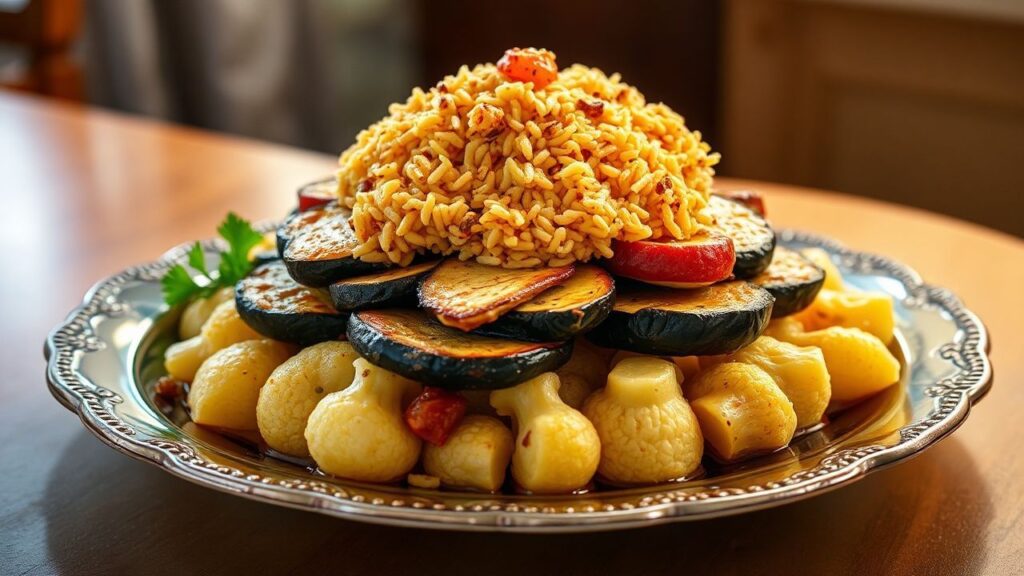
4. Assemble the Maqluba: This is where the magic happens. Select a heavy-bottomed pot (about 3-4 quart capacity) that has straight sides. You can use the same pot you cooked the chicken in if it’s suitable for serving and has a tight-fitting lid. Arrange the fried potato slices in a single layer at the bottom of the pot, covering the base completely. Next, arrange the fried eggplant slices over the potatoes, overlapping them slightly. Layer the fried cauliflower florets on top of the eggplant. Finally, arrange the cooked chicken pieces over the vegetables.
5. Add the Rice and Broth: Sprinkle the rinsed and drained rice evenly over the chicken and vegetables. Gently press down to ensure there are no large air pockets. Carefully pour the reserved, seasoned chicken broth over the rice. The broth should come up to about ½ inch above the rice. If you don’t have enough broth, you can supplement with water or more chicken stock. Sprinkle the rice with 1 teaspoon of salt.
6. Cook the Maqluba: Place the pot over medium-high heat and bring the liquid to a boil. Once boiling, immediately reduce the heat to the lowest setting, cover the pot tightly with a lid, and let it simmer for 20-25 minutes, or until all the liquid has been absorbed by the rice and the rice is tender. Do not lift the lid during this time.
7. The Inversion and Serving: This is the dramatic finale. Once the rice is cooked, remove the pot from the heat and let it rest, covered, for at least 10-15 minutes. This allows the steam to redistribute and the layers to set. Place a large, flat serving platter over the top of the pot. With a firm grip on both the pot handles and the platter, swiftly and confidently invert the pot. Gently lift the pot off, revealing the perfectly layered Maqluba. If any pieces stick, carefully place them back by hand. Garnish with toasted almonds or pine nuts and fresh parsley, if desired. Serve immediately.
Nutritional Insights: A Wholesome Offering
While Maqluba is a celebration dish, it offers a balanced nutritional profile when prepared with lean proteins and a generous amount of vegetables.
- Serving Size: Approximately 1/6th of the dish.
- Calories: 550-750 kcal (will vary based on oil absorption during frying and protein choice).
- Protein: 30-40g (primarily from chicken).
- Carbohydrates: 60-80g (from rice and vegetables).
- Fat: 20-35g (largely from frying oil, can be reduced by baking/air-frying vegetables).
- Fiber: 8-12g (from vegetables and whole grains in rice).
The frying process contributes significantly to the fat and calorie content. For a healthier rendition, consider baking or air-frying the vegetables until golden and tender before layering. This significantly reduces the oil used while still achieving a pleasing texture.
💡 Expert Insight
Expert Insight: Achieving Perfect Layer Separation
The key to a successful flip lies in two crucial steps: allowing the Maqluba to rest sufficiently after cooking, and using a pot with straight, non-stick sides. Resting allows the layers to firm up, preventing them from collapsing. For the pot, a well-seasoned cast-iron Dutch oven or a good quality non-stick pot is ideal. If you’re concerned about sticking, lightly grease the sides of the pot with oil before assembling the layers, especially around the base.
Elevating Your Maqluba: Pro-Tips for a Restaurant-Quality Dish
To truly master the art of Maqluba, consider these advanced techniques and considerations:
- Spice Blends: Don’t be afraid to experiment with your spice blends. A pinch of ground cardamom or a few whole cloves added to the rice while cooking can impart a more complex aroma. Baharat, a Middle Eastern spice mix, is also an excellent addition.
- Broth Enrichment: For an even richer flavor, consider browning the chicken bones (if using a whole chicken or bone-in pieces) before simmering to create your broth. Deglazing the pan after browning the chicken with a splash of white wine or lemon juice can add brightness.
- Vegetable Variety: While eggplant, cauliflower, and potatoes are classic, consider adding other vegetables like zucchini, bell peppers, or even carrots. Ensure they are cut to a similar size for even cooking.
- The Yogurt Sauce: A side of plain yogurt, perhaps mixed with a little garlic, lemon juice, and chopped mint, provides a refreshing counterpoint to the rich flavors of the Maqluba.
⚠️ Pro-Caution
Pro-Caution: Oil Temperature Management is Crucial
When frying the vegetables, maintaining the correct oil temperature is paramount. If the oil is too cool, the vegetables will absorb excess oil and become greasy. If it’s too hot, they will burn on the outside before cooking through. Aim for a consistent temperature of around 350-375°F (175-190°C). Use a thermometer to ensure accuracy. Fry in small batches to avoid lowering the oil temperature too drastically.
Frequently Asked Questions
What type of rice is best for Maqluba?
Long-grain varieties like Basmati or Jasmine are highly recommended. They cook up fluffy and distinct, preventing the dish from becoming mushy. It’s essential to rinse the rice thoroughly before cooking to remove excess starch, which also contributes to a better texture.
Can I make Maqluba ahead of time?
While it’s best enjoyed fresh, you can prepare certain components in advance. The chicken can be cooked and the vegetables fried a day ahead and stored separately in the refrigerator. Reheat them gently before assembling the Maqluba. The final assembly and cooking should ideally be done on the day of serving for the best texture and presentation.
What are common issues when flipping Maqluba?
The most common issue is the dish not holding its shape, with ingredients sticking to the pot or falling apart. This is usually due to insufficient resting time after cooking, not using a pot with straight sides, or not ensuring the base layer is firmly set. Overcooking the vegetables can also lead to a less cohesive structure.
How can I make Maqluba healthier?
To reduce fat and calories, opt for baking or air-frying the vegetables instead of deep-frying. Use leaner cuts of meat like chicken breast. You can also incorporate more fiber-rich vegetables and consider using brown rice, though this may alter the cooking time and texture.
What are some good vegetarian or vegan options for Maqluba?
For vegetarian versions, replace the chicken with hearty legumes like chickpeas or lentils, or use a variety of firm tofu or tempeh that has been well-seasoned and browned. For a vegan Maqluba, ensure you use vegetable broth and omit any dairy-based garnishes. A wide array of vegetables, mushrooms, and even plant-based protein sources can create a delicious and satisfying vegan dish.
See also: Maqluba