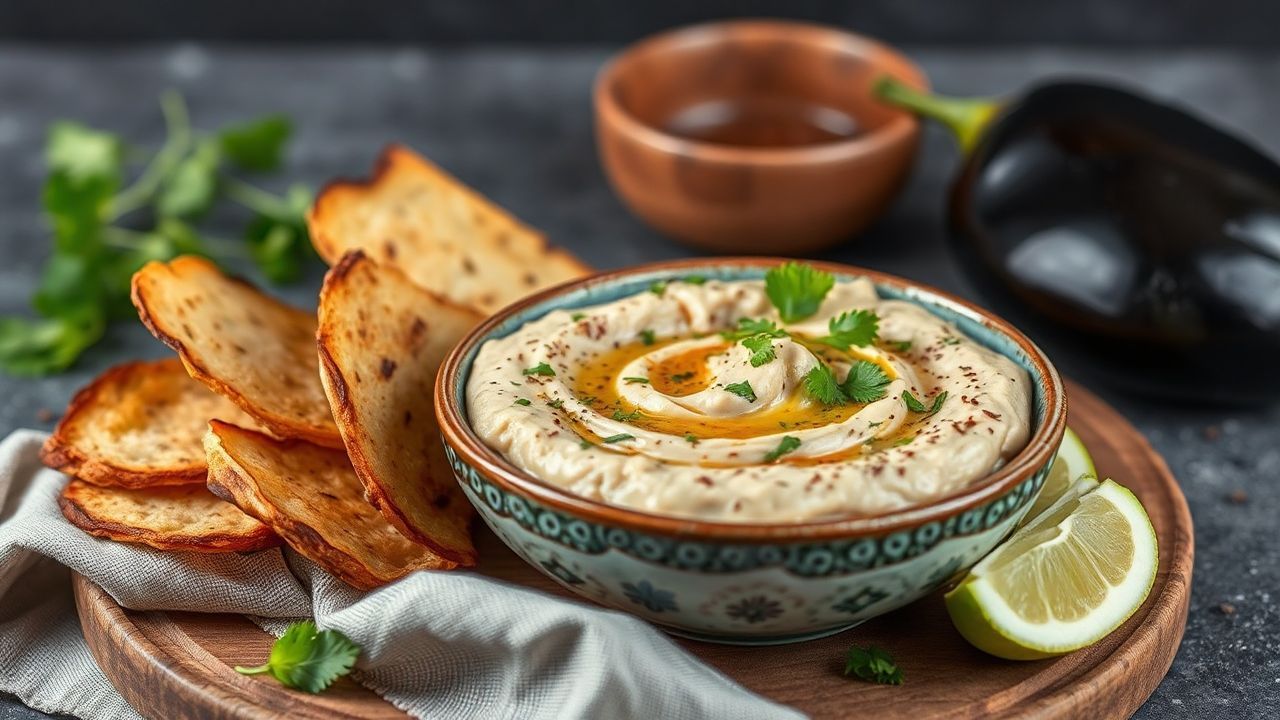

baba ganoush is more than just a dip; it’s a culinary handshake across cultures, proof of the transformative power of fire and simple ingredients. Originating from the Levantine region, this beloved eggplant spread has captivated palates for centuries, its smoky depth and velvety texture a hallmark of authentic Middle Eastern cuisine. While countless recipes exist, achieving that truly transcendent baba ganoush – one that whispers tales of ancient kitchens and outdoor grills – requires more than just following steps. It demands an understanding of technique, a respect for the humble eggplant, and a touch of culinary artistry. Many home cooks falter, ending up with a paste that’s either too bitter, too watery, or lacking that signature char.
- The Foundation: Selecting and Preparing the Eggplant
- Mastering the Smoky Char: Roasting and Grilling Techniques
- The Crucial Cooling and Scooping Phase
- The Art of Tahini and Acidity
- The Essential Seasonings: Garlic and Salt
- Achieving the Perfect Consistency: Blending and Mashing
- Elevating Your Baba Ganoush: Expert Tips and Tricks
- 💡 Expert Insight Expert Insight: The Power of a Tiny Bit of Baking Soda
- The Importance of Resting
- Garnishes that Sing
- Nutritional Profile: A Healthful Indulgence
- Common Pitfalls and How to Avoid Them
- Baba Ganoush in Context: Cultural Significance and Pairings
- Frequently Asked Questions
This comprehensive guide, drawing from years of professional experience and a deep exploration into the science of flavor development, will equip you with the knowledge to craft baba ganoush that is not merely good, but truly unforgettable.
“The soul of baba ganoush lies not just in its ingredients, but in the surrender of the eggplant to the flame, a primal transformation that unlocks its deepest, most alluring flavors.”
The journey to exceptional baba ganoush begins with understanding the eggplant itself. This versatile vegetable, botanically a berry, is known for its spongy texture and ability to absorb flavors, but also its potential for bitterness if not handled correctly. The key to unlocking its creamy, sweet potential is proper cooking. Roasting or grilling the eggplant until it’s thoroughly softened and slightly charred is non-negotiable. This process not only tenderizes the flesh but also caramelizes its natural sugars and, crucially, imparts that coveted smoky essence. Without this step, your baba ganoush will lack the depth and character that defines it.
The Foundation: Selecting and Preparing the Eggplant
The first critical step in crafting superior baba ganoush is selecting the right eggplant. While any large globe eggplant can be used, opting for varieties with thinner skins, such as Italian or Japanese eggplants, can contribute to a smoother texture and less bitterness. The skin contains a significant portion of the bitterness compounds, so selecting an eggplant with a taut, glossy, and unblemished skin is paramount. Avoid eggplants that feel heavy for their size, as this often indicates a higher water content, which can lead to a watery dip.
Once you have your eggplants, the preparation for cooking is straightforward but vital. Pierce the eggplant several times with a sharp knife or fork. This allows steam to escape during cooking, preventing the eggplant from bursting and ensuring even heat penetration. This simple act is a small detail that speaks volumes about understanding the physics of cooking.
Mastering the Smoky Char: Roasting and Grilling Techniques
The soul of baba ganoush is its smoky flavor, and this is achieved through high-heat cooking that allows the eggplant skin to char and blister.
Oven Roasting
For oven roasting, preheat your oven to 400°F (200°C). Place the pierced eggplants directly on the oven rack or on a baking sheet lined with parchment paper. Roast for 45-60 minutes, or until the skin is completely blackened and the eggplant is very soft, yielding easily to a gentle squeeze. The flesh should feel almost liquid. Turning the eggplant halfway through ensures even charring.
Grilling
Grilling imparts an even more intense smoky flavor. Preheat your grill to medium-high heat. Place the pierced eggplants directly on the grates, turning them regularly. Grill for 30-45 minutes, until the skin is charred and the eggplant is completely collapsed and tender. The direct flame contact is what provides that quintessential char.
Gas Burner Method (for a truly authentic char)
For those seeking an exceptionally authentic smoky flavor, directly charring the eggplant over a gas stovetop burner is a highly effective, albeit more hands-on, method. Place the pierced eggplant directly over a medium-low flame, turning it frequently with tongs. The skin will blacken and blister rapidly. Continue until the eggplant is thoroughly softened and the skin is deeply charred. This method requires careful attention to prevent burning.
The Crucial Cooling and Scooping Phase
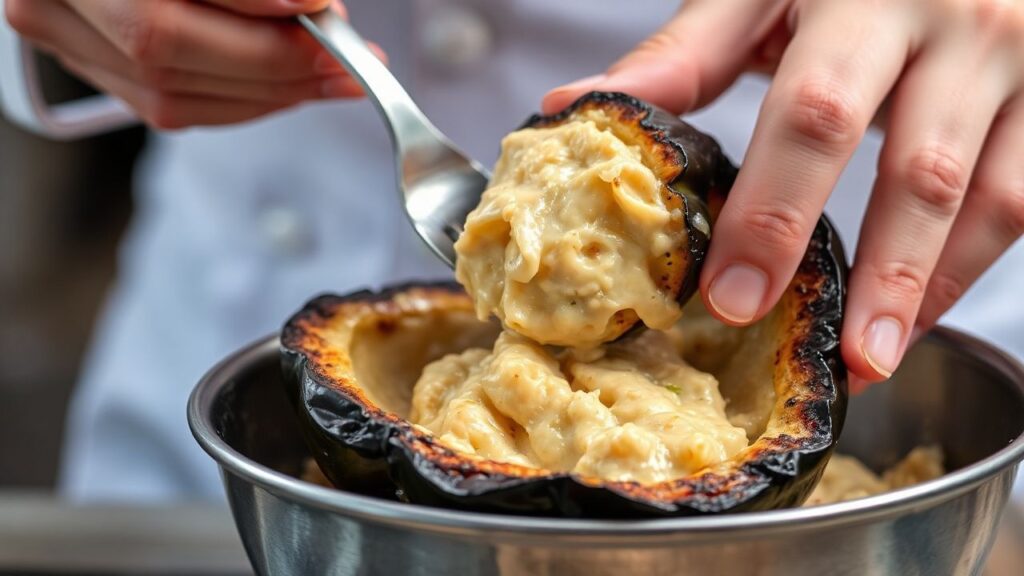
After charring, it’s tempting to rush to scoop out the flesh. However, allowing the eggplant to cool is a critical step often overlooked. Place the hot, charred eggplants in a heatproof bowl and cover tightly with plastic wrap or a lid. Let them steam for 10-15 minutes. This steaming process loosens the skin and further tenderizes the flesh, making it easier to scoop and ensuring a smoother final texture.
Once cooled enough to handle, halve the eggplants and carefully scoop out the smoky flesh. Discard the charred skin. It’s important to be thorough here, but a few tiny flecks of charred skin can add character and depth.
The Art of Tahini and Acidity
Tahini, a paste made from ground sesame seeds, is the other cornerstone ingredient in baba ganoush. Its nutty, slightly bitter profile beautifully complements the sweetness of the roasted eggplant. The quality of your tahini will significantly impact the final flavor. Opt for a good-quality, pure tahini made from hulled sesame seeds.
When combining the eggplant flesh with tahini, the ratio is key. Too little tahini, and the dip will taste predominantly of eggplant. Too much, and it can become overpowering and pasty. A good starting point is a ratio of roughly 2 parts eggplant to 1 part tahini, but this is highly personal.
The role of acidity cannot be overstated. Fresh lemon juice is essential for cutting through the richness of the eggplant and tahini, brightening the flavors, and adding a necessary tang. Start with a modest amount of lemon juice and taste as you go. Different lemons have varying levels of acidity, and personal preference plays a significant role.
The Essential Seasonings: Garlic and Salt
Fresh garlic is indispensable. It adds a pungent kick that awakens the palate. However, raw garlic can be overly assertive. For a more nuanced flavor, consider lightly sautéing or even roasting the garlic cloves before adding them to the dip. This mellows their harshness and brings out their inherent sweetness. The amount of garlic is also a matter of taste, but a little goes a long way.
Salt is crucial for enhancing all the other flavors. It’s not just about making the dip salty; it’s about drawing out the inherent sweetness of the eggplant and the nuttiness of the tahini. Season generously, tasting and adjusting as needed.
Achieving the Perfect Consistency: Blending and Mashing
The desired consistency of baba ganoush can vary from a slightly chunky, rustic mash to a silky-smooth purée.
The Traditional Method: Mashing
For a more traditional and textural experience, mash the eggplant flesh, tahini, lemon juice, garlic, and salt with a fork or a potato masher in a bowl. This method allows for more control over the texture and preserves some of the eggplant’s natural moisture.
The Modern Approach: Food Processor
Using a food processor can yield a wonderfully smooth and creamy baba ganoush. Pulse the ingredients together until the desired consistency is reached. Be careful not to over-process, as this can incorporate too much air and lead to a foamy texture, or even break down the ingredients too much, resulting in a gummy texture. A few pulses are often all that’s needed.
Elevating Your Baba Ganoush: Expert Tips and Tricks
Beyond the basic ingredients and methods, several nuances can elevate your baba ganoush from good to extraordinary.
💡 Expert Insight
Expert Insight: The Power of a Tiny Bit of Baking Soda
For an exceptionally smooth and creamy texture, especially when using the food processor, a mere pinch (about 1/8 teaspoon) of baking soda added during processing can work wonders. Baking soda acts as an emulsifier, helping to break down the eggplant’s cell walls more effectively and creating a lighter, silkier consistency without altering the flavor. This is a technique often employed by professional chefs.
The Importance of Resting
Allowing your baba ganoush to rest in the refrigerator for at least 30 minutes, or ideally a few hours, before serving is paramount. This allows the flavors to meld and deepen. The initial bright tang of the lemon juice will mellow, and the smoky, nutty, and garlicky notes will harmonize beautifully.
Garnishes that Sing
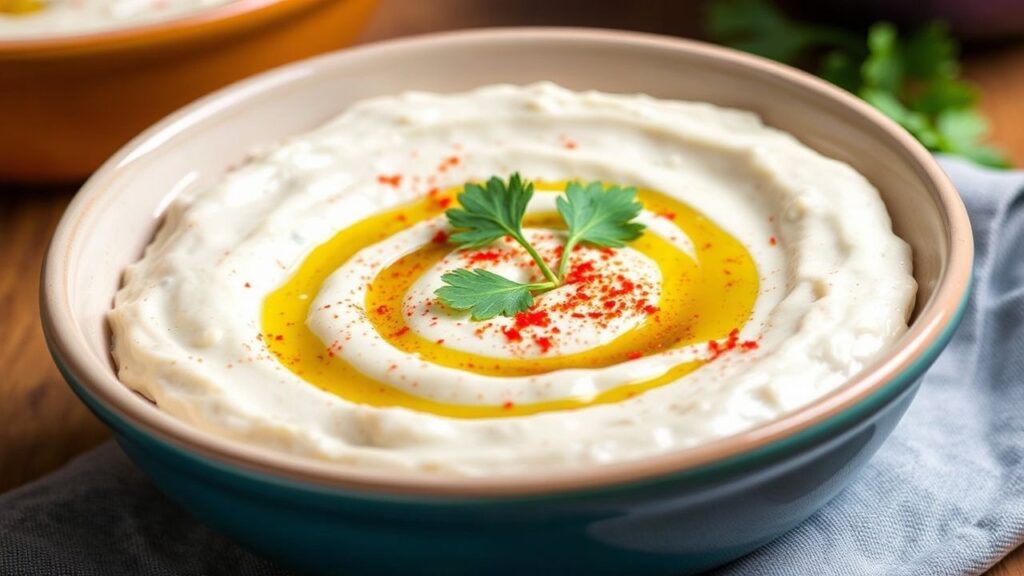
The final flourish can make a significant difference. A generous drizzle of high-quality extra virgin olive oil is non-negotiable. The olive oil adds richness, a peppery note, and a beautiful sheen. Consider garnishes like:
- Pomegranate Seeds: For a burst of sweet-tartness and a vibrant visual appeal.
- Chopped Parsley or Cilantro: For freshness and a hint of herbaceousness.
- Smoked Paprika or Sumac: For an extra layer of smoky flavor and a beautiful color contrast.
- Toasted Pine Nuts or Sesame Seeds: For added texture and nutty depth.
Nutritional Profile: A Healthful Indulgence
Baba ganoush is not only delicious but also offers a surprisingly robust nutritional profile, making it a healthful addition to any meal. Eggplant itself is a good source of dietary fiber, which aids digestion and promotes satiety. It also contains antioxidants, such as nasunin, found in the skin, which studies suggest may have neuroprotective properties. According to the USDA FoodData Central, one cup (approximately 224g) of baba ganoush contains around 200-250 calories, with a significant portion of those calories coming from healthy fats derived from tahini and olive oil. It provides a good source of fiber, vitamin B6, and minerals like manganese and phosphorus.
However, Notably, the nutritional content can vary significantly based on the proportion of tahini and olive oil used. While these ingredients contribute desirable fats and flavors, they also increase the calorie density. Portion control is therefore advisable for those monitoring their caloric intake.
Common Pitfalls and How to Avoid Them
Even with the best intentions, certain issues can arise when making baba ganoush at home. Understanding these common pitfalls can save you from disappointment.
⚠️ Pro-Caution
Pro-Caution: The Bitter Bite
The most common complaint is a bitter taste. This can stem from several factors:
1. Eggplant Type: Some eggplant varieties are naturally more bitter than others.
2. Insufficient Charring: Not charring the eggplant enough means the bitter compounds in the skin and outer flesh haven’t been sufficiently neutralized by the high heat and caramelization.
3. Skin Residue: Not removing enough of the charred skin. While a few specks are fine, large amounts can impart bitterness.
4. Over-reliance on Raw Garlic: Raw garlic, especially in large quantities, can contribute a sharp, pungent bitterness. Consider lightly cooking it.
To mitigate bitterness, ensure thorough charring, use a food processor to finely mince the garlic, and taste frequently, adjusting with more lemon juice or a touch of sweetness (like a tiny pinch of sugar, though this is less traditional).
The Watery Dip Dilemma
A watery baba ganoush is often the result of eggplants that are too watery to begin with or not draining the eggplant flesh adequately after scooping. If your eggplant seems excessively watery after scooping, let it sit in a fine-mesh sieve for 10-15 minutes to allow excess liquid to drain before proceeding.
The Blandness Factor
If your baba ganoush lacks depth, it’s usually due to insufficient seasoning or a lack of essential components. Ensure you’re using good quality tahini, enough salt to enhance flavors, and a generous amount of lemon juice for brightness. The smoky char is also a primary flavor driver; without it, the dip will inevitably taste flat.
Baba Ganoush in Context: Cultural Significance and Pairings
Baba ganoush is a staple in a mezze platter, a vibrant assortment of small dishes served as appetizers or a light meal. Its creamy texture and smoky flavor provide a perfect counterpoint to crisper, brighter dishes like tabbouleh, fattoush, and marinated olives. It’s also a superb accompaniment to grilled meats and kebabs, balancing their richness.
Historically, the preparation of baba ganoush often involved open-flame cooking, a method that has been practiced for millennia across the Middle East. Research on ancient culinary practices in the region highlights the importance of charring and slow-cooking techniques for developing complex flavors from humble ingredients. The UNESCO recognition of Levantine cuisine as intangible cultural heritage underscores the deep cultural roots and traditional preparation methods that imbue dishes like baba ganoush with their significance.
Frequently Asked Questions
What is the best way to get a smoky flavor in baba ganoush?
The most effective method for achieving an authentic smoky flavor is to char the eggplant directly over an open flame, such as on a grill or a gas stovetop burner. Roasting in a very hot oven until the skin is deeply blackened also imparts significant smokiness.
Can I make baba ganoush without tahini?
While tahini is a traditional and essential ingredient that provides a unique nutty depth, it is possible to make a baba ganoush without it. You can substitute it with other nut or seed butters like cashew butter or sunflower seed butter, though the flavor profile will change considerably.
How long does baba ganoush last in the refrigerator?
Properly stored in an airtight container, homemade baba ganoush typically lasts for 3-4 days in the refrigerator. Ensure it is always covered to prevent it from drying out or absorbing other odors from the fridge.
Why is my baba ganoush bitter?
Bitterness in baba ganoush can be caused by insufficient charring of the eggplant, leaving too much of the charred skin, or using raw garlic in large quantities. Ensure your eggplant is thoroughly charred, remove most of the skin, and consider mellowing your garlic by roasting or sautéing it.
What are some creative ways to serve baba ganoush?
Beyond serving it as a dip with pita bread or vegetables, baba ganoush can be used as a spread for sandwiches and wraps, a base for pizzas, or dolloped onto grilled fish or chicken. It also makes an excellent component of a vegan charcuterie board.
See also: baba ganoush