
Manakish, a beloved Levantine flatbread, is far more than just a meal; it’s a culinary cornerstone, a taste of home, and proof of the simple elegance of few, high-quality ingredients. This guide unveils the secrets to crafting an authentic Manakish Za’atar that will transport your senses straight to the heart of the Middle East.
- The Soul of Manakish: Za’atar Unveiled
- Mastering the Dough: The Foundation of Great Manakish
- The Art of Assembly: Spreading the Za’atar Love
- Baking to Perfection: The High-Heat Transformation
- Variations and Enhancements: Beyond the Classic
- The Cultural Significance of Manakish
- Nutritional Snapshot: What’s in Your Manakish?
- Frequently Asked Questions
- What is the best type of flour for Manakish dough?
- How do I know if my Manakish is baked correctly?
- Can I make Manakish dough ahead of time?
- What are some common mistakes to avoid when making Manakish?
- Is Manakish a healthy food?
- Authentic Manakish relies on a specific, high-quality za’atar blend and fresh, good olive oil.
- The dough is crucial: a tender, slightly chewy base is achieved through proper kneading and resting.
- Baking at high temperatures is key for the characteristic crisp-yet-soft texture.
- Za’atar, the star ingredient, is a complex blend of wild thyme, sumac, and toasted sesame seeds, each contributing vital flavor notes.
The Soul of Manakish: Za’atar Unveiled
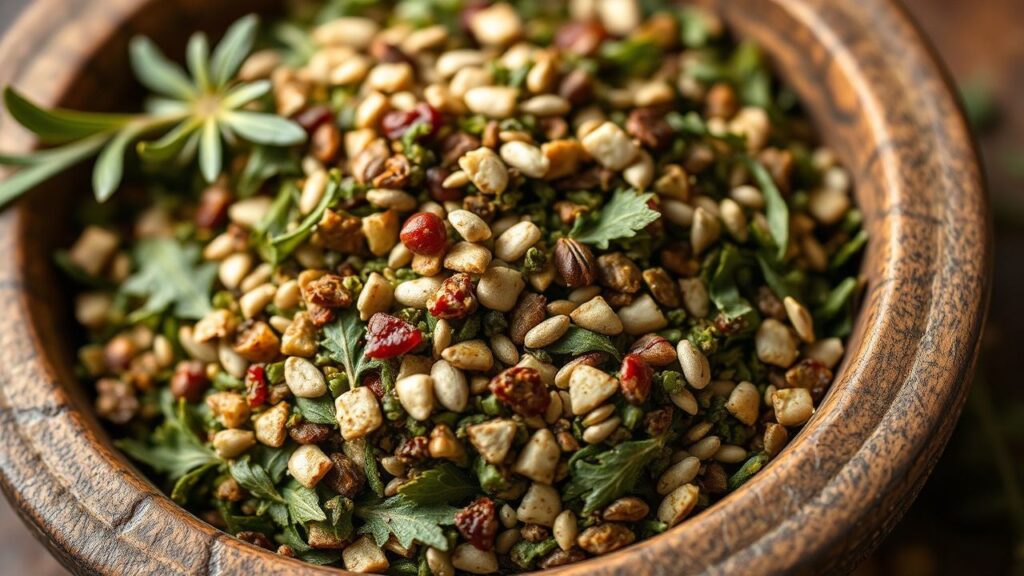
The magic of Manakish Za’atar begins, unequivocally, with the za’atar itself. This aromatic spice blend, a staple across the Levant, is far more than just dried herbs. It’s a symphony of earthy, tangy, and nutty notes that dance on the palate. Traditionally, za’atar is made with wild thyme (za’atar), which possesses a distinct pungency and robustness far superior to common thyme varieties. This is expertly balanced with the sharp, lemony tang of sumac, derived from dried berries, and the rich, toasty depth of roasted sesame seeds. The quality and ratio of these components are paramount; a poorly made za’atar blend will result in a lackluster Manakish.
Research published in the *Journal of Ethnobiology and Ethnomedicine* highlights the historical and cultural significance of za’atar, noting its widespread use not only as a culinary ingredient but also for its perceived medicinal properties, particularly its role as an antioxidant and anti-inflammatory agent. This deep-rooted connection underscores why authentic Manakish is so cherished – it carries generations of tradition and a connection to the land.
Mastering the Dough: The Foundation of Great Manakish
While the za’atar blend is the soul, the dough is the body of the Manakish. Achieving the perfect texture – a delicate balance between a soft, yielding interior and a slightly crisp exterior – is an art form. This isn’t just about flour and water; it’s about understanding the science of gluten development and yeast activity. The dough for authentic Manakish is typically a lean dough, meaning it contains minimal fat, which allows the flavors of the toppings to shine through without being overshadowed.
The process begins with good quality all-purpose flour, warm water, active dry yeast, a pinch of sugar to activate the yeast, and a touch of salt for flavor. The magic happens during kneading. Over-kneading can lead to a tough flatbread, while under-kneading will result in a dough that lacks structure and won’t rise properly. The goal is to develop just enough gluten to create a smooth, elastic ball that springs back when gently pressed.
The subsequent resting period, or proofing, is equally critical. Allowing the dough to rise in a warm environment for at least an hour, or until it has doubled in size, is essential for developing its characteristic airy texture and subtle sweetness. This fermentation process also contributes to the dough’s digestibility.
The Art of Assembly: Spreading the Za’atar Love
Once the dough has achieved its perfect proof, it’s time for the crucial assembly stage. The dough is divided into portions, typically yielding individual-sized Manakish, and then gently shaped into thin rounds or ovals. The key here is to work with a light touch, preserving the air pockets created during proofing.
The topping is then applied. This is where the za’atar blend truly takes center stage. It’s mixed with a generous amount of high-quality extra virgin olive oil. The olive oil acts as a binder, ensuring the za’atar adheres to the dough, and it also imparts a crucial layer of richness and fruity flavor. The ratio of za’atar to olive oil is a matter of personal preference, but a common starting point is a 1:2 or 1:3 ratio of za’atar to oil, respectively. You want a spreadable paste, not a dry powder or an overly oily mixture.
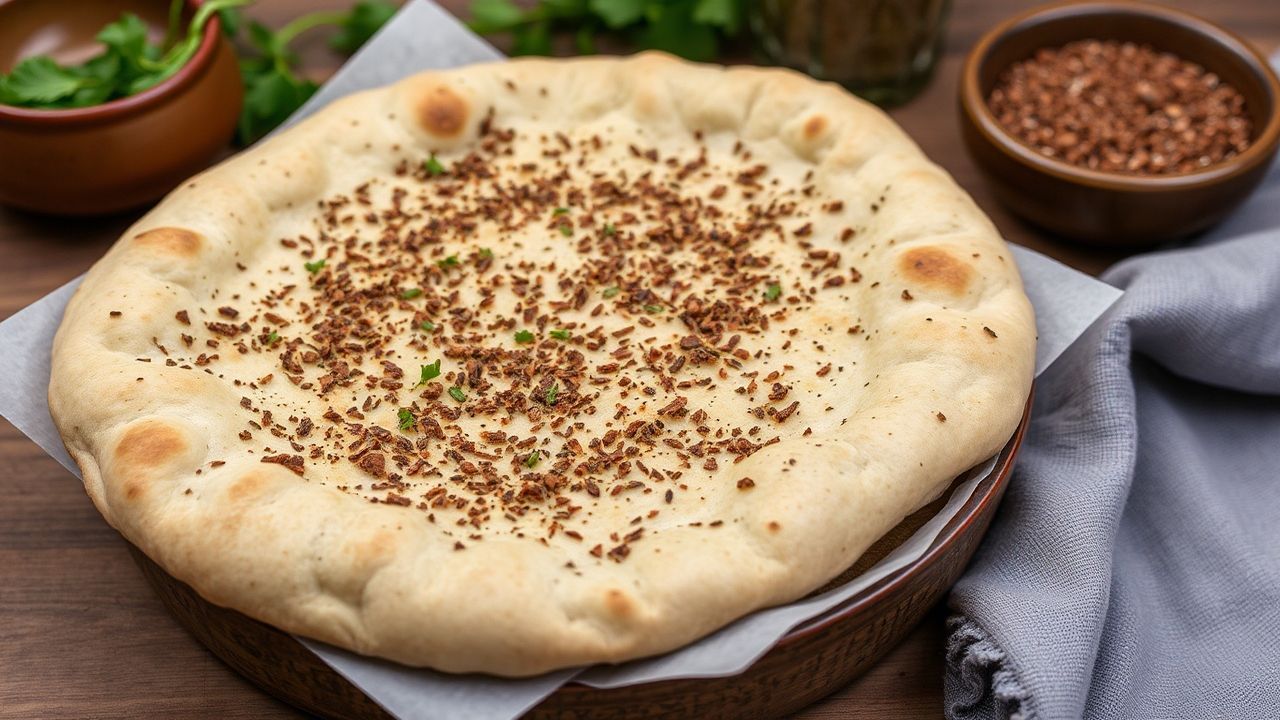
This paste is then spread evenly over the surface of the dough, leaving a small border around the edge to form a slight crust. Some prefer a thicker application of za’atar, while others opt for a lighter dusting. The beauty of Manakish lies in this adaptability.
Baking to Perfection: The High-Heat Transformation
The final, and arguably most transformative, step is the baking. Authentic Manakish is traditionally baked in a very hot oven, often a wood-fired oven, which imparts a unique smoky char and a wonderfully crisp texture. Replicating this at home requires preheating your oven to its highest setting, typically 450-500°F (230-260°C), with a baking stone or steel inside.
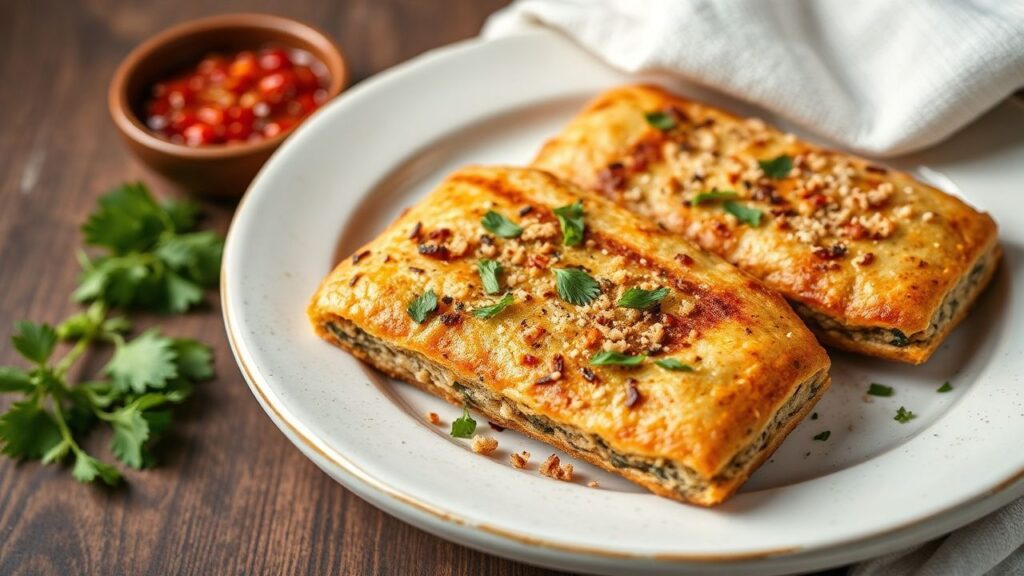
The high heat is crucial for achieving that signature Manakish texture. It quickly cooks the dough, creating a tender interior and a slightly blistered, crisp exterior. The za’atar topping also caramelizes slightly under the intense heat, intensifying its flavors.
Baking time is generally short, usually between 8-12 minutes, depending on your oven and the thickness of your Manakish. You’re looking for the edges to be golden brown and slightly puffed, and the za’atar topping to be fragrant and lightly toasted.
Variations and Enhancements: Beyond the Classic
While Manakish Za’atar is the quintessential offering, the versatility of this flatbread knows no bounds. Many variations exist, each offering a unique culinary experience. One popular iteration is Manakish Jibneh, which features a blend of cheeses, often akkawi and mozzarella, melted over the za’atar or as a standalone topping. The salty, melty cheese creates a delightful contrast to the herbal notes of the za’atar.
Another beloved variation is Manakish Bi Lahmeh, where a spiced ground meat mixture, typically lamb or beef, is spread over the dough. The richness of the meat, often seasoned with pomegranate molasses and spices like cinnamon and allspice, complements the za’atar beautifully.
For those seeking a lighter option, a simple drizzle of honey or a scattering of fresh vegetables like tomatoes and cucumbers can elevate the Manakish into a delightful breakfast or light lunch. The adaptability of the dough and the inherent deliciousness of the za’atar make it a canvas for a myriad of flavors.
According to a report by the Food and Agriculture Organization of the United Nations (FAO), traditional flatbreads like Manakish matter significantly in the dietary patterns of many Middle Eastern countries, providing essential carbohydrates and serving as a vehicle for incorporating nutrient-rich toppings.
The Cultural Significance of Manakish
Manakish is more than just a recipe; it’s a cultural phenomenon. It’s the quintessential breakfast, a street food staple, and a comforting dish enjoyed at family gatherings. The aroma of freshly baked Manakish wafting from bakeries is a nostalgic scent for many, evoking memories of childhood and shared meals.
In many communities, the local bakery that specializes in Manakish is a social hub, a place where people gather to catch up, enjoy a quick bite, and start their day. The communal aspect of sharing Manakish, often torn and dipped into other dishes, reinforces its status as a dish that brings people together. It embodies the spirit of hospitality and the simple pleasure of breaking bread.
The humble Manakish, crafted with care and shared with loved ones, embodies the very essence of Levantine culinary tradition and communal warmth.
Nutritional Snapshot: What’s in Your Manakish?
While Manakish is undeniably delicious, understanding its nutritional profile can help in appreciating its place in a balanced diet. A typical Manakish Za’atar, made with a lean dough and a moderate amount of olive oil, offers a good source of carbohydrates from the flour, providing energy. The za’atar blend contributes beneficial antioxidants and potentially some minerals from the thyme and sumac. The olive oil provides healthy monounsaturated fats.
However, it’s important to be mindful of portion sizes and the amount of olive oil used, as these can significantly impact the calorie and fat content. For example, a Manakish generously topped with cheese or meat will naturally have a higher calorie and fat count.
- Calories: Approximately 250-350 kcal per standard serving (variable based on size and toppings).
- Carbohydrates: Primarily from the flour, providing energy.
- Protein: Moderate, mainly from the flour.
- Fats: Primarily healthy monounsaturated fats from olive oil. Cheese and meat variations will increase saturated fat content.
- Fiber: Present in small amounts from the flour and herbs.
It is crucial to consult with a registered dietitian or nutritionist for personalized dietary advice, as individual nutritional needs vary greatly.
Frequently Asked Questions
What is the best type of flour for Manakish dough?
For authentic Manakish, a good quality all-purpose flour is generally recommended. Some bakers prefer to use a blend of all-purpose and bread flour to achieve a slightly chewier texture due to the higher protein content in bread flour, which aids in gluten development. The key is to use unbleached flour for optimal flavor and texture.
How do I know if my Manakish is baked correctly?
Your Manakish is baked correctly when the edges are golden brown and slightly puffed, and the za’atar topping is fragrant and lightly toasted. The bottom of the flatbread should also be firm and lightly browned. If you are using a baking stone or steel, it should be preheated thoroughly to ensure a crisp base.
Can I make Manakish dough ahead of time?
Yes, you can make Manakish dough ahead of time. After the initial proofing, you can punch down the dough, wrap it tightly in plastic wrap or place it in an airtight container, and refrigerate it for up to 2-3 days. This slow fermentation in the refrigerator can actually develop more complex flavors in the dough. Allow the dough to come to room temperature for about 30-60 minutes before shaping and topping.
What are some common mistakes to avoid when making Manakish?
Common mistakes include using stale or inactive yeast, over-kneading or under-kneading the dough, not allowing sufficient proofing time, using too little olive oil with the za’atar (resulting in a dry topping), and baking at too low a temperature (leading to a soft, undercooked crust). Patience and attention to detail during each step are paramount.
Is Manakish a healthy food?
Manakish can be part of a healthy diet, especially when made with whole wheat flour and a moderate amount of olive oil, and topped with vegetables or lean proteins. The classic za’atar Manakish provides carbohydrates for energy and beneficial antioxidants from the herbs. However, variations with excessive cheese or fatty meats can increase calorie and saturated fat intake, so moderation is key.
See also: Manakish