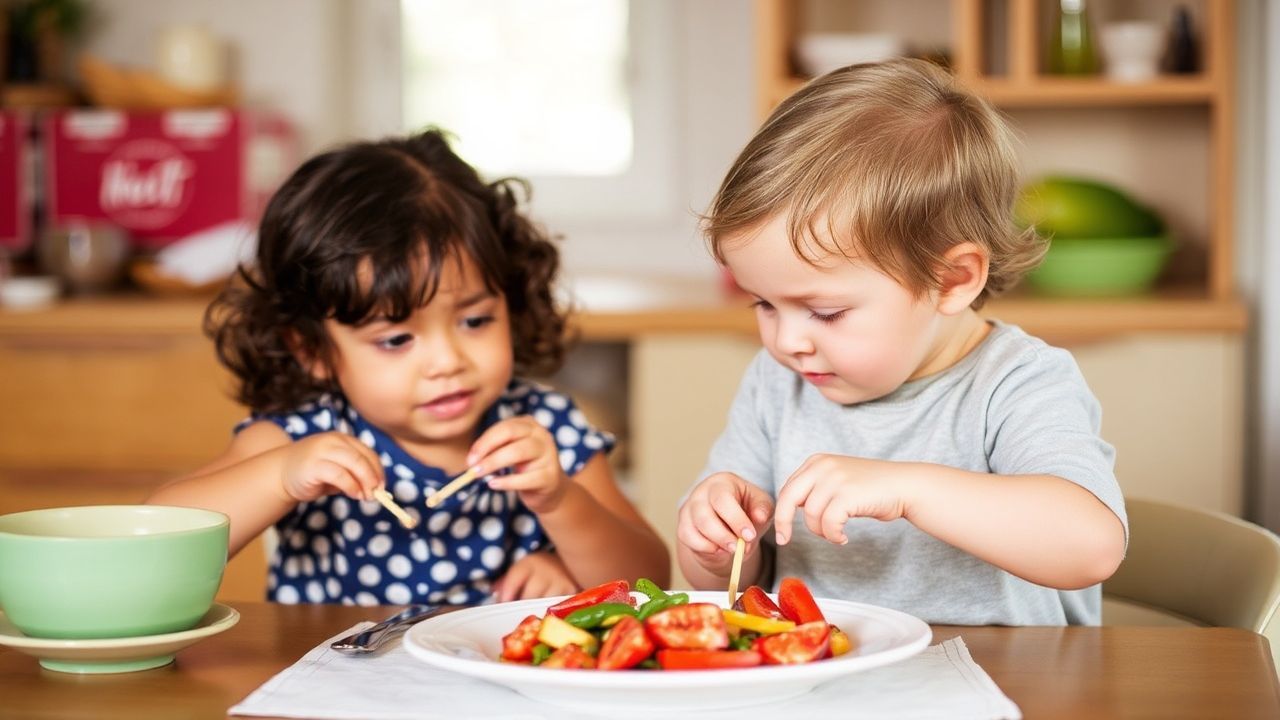

Toddler Dinners: Transforming Mealtime Battles into Family Wins
Dinner time with toddlers often feels like navigating a minefield. It’s a delicate balance of patience, offering choices, and providing gentle guidance. When those tiny voices push away the plate, mealtime quickly becomes a small leadership challenge for parents. With the right approach, you can shift the mood from outright resistance to a sense of curiosity.
- Toddler Dinners: Transforming Mealtime Battles into Family Wins
- Understanding Why Toddlers Say No
- Plan for Dinner Time Wins
- Recipe Focus: Quinoa Veggie Patties
- Serving Ideas and Family Involvement
- FAQ
- Q: How can I tell if my toddler is full at dinner?
- Q: Should I offer new foods every night or wait for curiosity to grow?
- Q: What if my toddler resists all meals and only wants snacks?
- Q: How can I prevent mealtime battles without resorting to rewards or coercion?
- Q: When should I seek professional help for persistent eating concerns?
- In Summary
You can move from mealtime chaos to genuine connection that lasts far beyond the last bite. This article delivers practical, evidence-informed strategies designed to make dinner time calmer and more enjoyable for everyone at the table. We’ll explore why toddlers say no, how to plan for mealtime wins, and even share a kid-friendly recipe. These are approaches grounded in an understanding of child development and effective family nutrition practices.
- Understand that refusals are common at this age and tied to natural development.
- Offer familiar foods alongside new textures and colors to encourage exploration.
- Establish a calm, predictable routine and model positive eating behaviors.
Understanding Why Toddlers Say No
Toddlers are in a crucial stage of learning about their own autonomy. This strong drive for independence often surfaces at the dinner table. It manifests as a natural pull against perceived boundaries. Their appetite and taste preferences can swing dramatically from one day to the next.
Sometimes, specific textures or smells can override any interest in a new dish, no matter how appealing it looks. It’s important to recognize that a “no” at dinner is rarely a personal failure on your part. Instead, view it as a signal of their growing independence and ongoing sensory exploration.
For a deeper frame on this developmental stage, understanding child development science can explain these shifts. It also highlights how consistent routines can support secure and positive eating patterns. Another significant lens through which to view toddler mealtime behavior is sensory development.
Tiny mouths and evolving fine motor skills mean that every bite requires planning, coordination, and careful taste testing. A simple way to observe this is to notice how many toddlers strongly prefer bite-sized textures they can easily control themselves. If you want a quick overview of this developmental arc, the toddler Wikipedia page offers valuable context on typical milestones and common sensitivities that significantly affect mealtime behavior.
This phase of development is characterized by a strong desire for control. When faced with new foods or unfamiliar situations, saying “no” becomes a way for them to assert that control. It’s not necessarily about dislike, but about navigating their world and testing boundaries. Understanding this core motivation is the first step toward creating a more peaceful mealtime experience.
Plan for Dinner Time Wins
Creating a predictable, low-pressure mealtime routine is key to setting expectations and reducing anxiety for both the child and the caregiver. Start with a calm transition from playtime to plate time. This involves clearing surfaces, ensuring hands are washed, and establishing a consistent seating time for everyone.
Offering choices within defined limits, such as asking “Would you like carrots or peas with your patty?”, gives your toddler a sense of control while still guiding the meal. This structured yet flexible approach aligns well with findings in nutrition and family eating practices. It also fosters trust around food, making meals a more positive experience.
For more on foundational eating patterns that support healthy development, exploring the basics of nutrition is highly recommended. These principles support growing bodies effectively. Toddlers respond best to predictable routines. Build a simple pre-meal ritual that lasts 5–7 minutes—handwashing, a brief chat about the day, and a quiet transition to the table.
Present the unfamiliar item in a friendly, bite-sized form. This strategy supports healthy appetite cues and helps children learn that meals are safe, enjoyable events rather than battlegrounds. For reference on how feeding strategies intersect with family dynamics, you can consult the food preference literature and related resources.
Be mindful of not pressuring or scolding when a plate is refused. The ultimate goal is to keep mealtimes calm, curious, and child-centered. If you find yourself hitting a wall or feeling frustrated, pause, breathe, and revisit the routine the next day.
The idea is not to coax every single bite, but to nurture positive associations with eating and with the simple act of shared meals. Evidence shows that repeated, low-pressure exposure to foods significantly improves willingness over time. This theme is strongly supported by nutrition science and child development research.
The consistent presence of familiar foods alongside new ones is a strategy that builds confidence. It allows children to explore at their own pace. This repeated exposure, in a relaxed environment, is a cornerstone of overcoming picky eating habits. It’s about creating a positive food landscape for your child to explore.
Recipe Focus: Quinoa Veggie Patties
These patties are thoughtfully designed to balance protein, fiber, and gentle flavors. They also offer a wonderfully kid-friendly texture that toddlers tend to enjoy. The binding power comes from a light mix of cottage cheese or ricotta cheese with an egg. This combination helps maintain their shape during the cooking process, making them easy to handle.
Quinoa provides complete amino acids, essential for growth, and a mild, nutty note that most toddlers readily accept. If dairy is a concern for your child, you can easily substitute with mashed avocado or a small amount of mashed white beans to maintain creaminess without dairy ingredients. This adaptability makes the recipe suitable for various dietary needs.
To prepare, combine cooked quinoa with finely grated carrot, chopped broccoli florets, and mashed sweet potato into a cohesive batter. Gently fold in the cottage cheese or ricotta, then add a touch of whole wheat flour and mild, toddler-appropriate seasoning. Cook them in a non-stick skillet with a little olive oil until each patty is golden brown and firm to the touch.
For a broader view on balanced meals for little diners, see the general nutrition overview and standard meal guidance. Note on safety and practicality: It’s important to keep the patties small, about 2 inches in diameter, so little fingers can handle them easily. Allow them to cool slightly before serving to prevent any burns.
If the batter seems too wet to hold its shape, add more flour in small increments until it holds together without crumbling. A batch can be frozen in individual portions for quick, healthy dinners on busy nights. This approach supports dwell time and repeat engagement with a family-friendly recipe, aligning perfectly with practical cooking strategies for busy households.
Nutritional Value
The patties deliver a well-balanced macro profile, ensuring your child receives essential nutrients. They feature plant-based protein from quinoa, dairy-based protein from the cheese, and complex carbohydrates from the whole grains. Carrots and broccoli contribute valuable fiber, vitamin A, and vitamin C.
Sweet potato adds beta-carotene and a gentle sweetness that many toddlers respond to very positively. For a broader view on how these nutrients specifically support growth, consider the nutrition overview linked earlier. Also, food preference studies explain precisely why texture and flavor are so critical at this developmental stage. Understanding these factors can inform your meal planning decisions.
One important detail to consider is portion size. A typical patty might provide around 70 calories, with modest amounts of protein and fat that fit well into a toddler’s typical meal pattern. If your child has a smaller appetite, serve 1–2 patties alongside a handful of fruit and a small dairy portion.
If their appetite is more robust, offer 2 patties and a side of vegetables. The key is to observe hunger cues closely and respond with flexible portions that feel adequate without being overwhelming. These nutritional components support overall toddler well-being and development.
Texture and Sensory Play
Texture is a central driver of food acceptance for toddlers. These patties are specifically designed to be soft on the inside with a gentle, appealing crust. This offers a familiar chew while introducing a new vegetable profile in an approachable way.
For enhanced sensory engagement, invite your child to help with shaping the patties. This hands-on involvement significantly increases their curiosity and the likelihood of them tasting the final product. Tangible involvement should always be balanced with simple, clear instructions and a supportive, encouraging tone.
The texture-focused approach aligns perfectly with current research on food acceptance and sensory development in early childhood. It can be further augmented with tactile play during prep moments, outside of the actual mealtime itself. To further support sensory exploration and encourage trying new foods, consider pairing the patties with a dip.
A simple yogurt-based dip or a mild hummus works wonderfully. Dips provide an excellent opportunity to experiment with texture and flavor in a low-stakes, fun way. This encourages dipping and tasting without any pressure. If you’d like more information on sensory-friendly food experiences, consult the nutrition and feeding resources linked earlier.
Serving Ideas and Family Involvement
Presentation truly matters when serving toddler meals. Use bright plates, fun shapes, and a variety of colors to create visual appeal that can draw a child in. Slice patties into bite-sized sticks and arrange them attractively with cucumber coins, apple wedges, or steamed corn kernels.
A small bowl of a yogurt-based dip or a light hummus offers a creamy counterpoint for dipping, which can help introduce textures gradually and playfully. An optional garnish of finely chopped herbs can add a touch of color and aroma, making the plate feel special without overwhelming the senses. This attention to detail can make a significant difference in a toddler’s willingness to engage with their food.
For broader reading on how meals fit into family routines, see the linked Wikipedia resources above. Consider how meals influence social development and attachment during early childhood. Family involvement powerfully reinforces positive mealtime behavior. Invite your child to select one fruit or vegetable to feature on the plate, or let them be the official “taste tester” for small portions of new foods.
This inclusive approach builds a sense of ownership and significantly reduces resistance. To expand ideas for your family’s meal planning, we’ve included internal links to helpful snack and meal resources that stay on your site and support sustained engagement: Healthy Toddler Snacks and Toddler Meals Plan. When planning serving options, always consider adding flexible components for dairy-free or gluten-free diets.
A mashed avocado can effectively replace cheese for a creamy texture, while extra mashed beans can supply protein in place of cheese. The overarching goal is to maintain a balanced, appealing plate that supports growth and fosters a positive, lifelong relationship with food. If you’re looking for more ideas, our internal snack and meal resources can be a helpful next step in your family’s mealtime journey.
FAQ
Q: How can I tell if my toddler is full at dinner?
A: Look for subtle cues like a relaxed posture, playing with food instead of eating it, or gently pushing the plate away. If your child stops eating after just a few bites and shows no signs of distress or hunger, it’s often a natural fullness signal. Avoid pressuring them to finish their food, as this can create negative associations with meals and lead to power struggles.
Q: Should I offer new foods every night or wait for curiosity to grow?
A: Consistent, relaxed exposure is the most effective strategy. Present new foods alongside familiar favorites multiple times over several weeks. Repetition in a low-pressure setting helps children overcome initial hesitation and forms positive associations with new tastes and textures. For context, see the food preference literature cited earlier.
Q: What if my toddler resists all meals and only wants snacks?
A: Snacks should complement meals, not replace them. Limit snack duration and timing so your child arrives at dinner hungry but not famished. Focus on nutrient-dense snacks and keep meals calm and inviting to reestablish a healthy eating rhythm for your child.
Q: How can I prevent mealtime battles without resorting to rewards or coercion?
A: Build predictable routines, offer choices within limits, and model calm, positive eating behaviors yourself. Praise progress and effort rather than the amount eaten, and keep expectations age-appropriate. If boredom or overstimulation is an issue, shorten mealtime windows slightly and provide a predictable end time rather than extending the session into frustration.
Q: When should I seek professional help for persistent eating concerns?
A: If a toddler consistently refuses a wide variety of foods across multiple weeks, exhibits significant weight loss, or shows a severely limited range of accepted foods, consult a pediatrician or a feeding specialist. Early guidance can effectively support growth and reduce anxiety for both families and children alike.
In Summary
Navigating toddler mealtime requires a significant amount of patience, structure, and creative framing. With a balanced recipe approach, consistent routines, and a strong focus on positive experiences, those early “no’s” can gradually transform into curious “yeses.” Each dinner is a valuable opportunity to reinforce healthy eating habits, strengthen family bonds, and help your child develop a confident, positive relationship with food.
By staying on topic, applying these practical steps, and leveraging reliable sources for deeper context, you can transform dinner time into a predictable, enjoyable part of your family’s day. Here’s to turning every “no” into a stepping stone toward a nourishing, joyful supper experience for your entire family.
See also: Toddler dinners