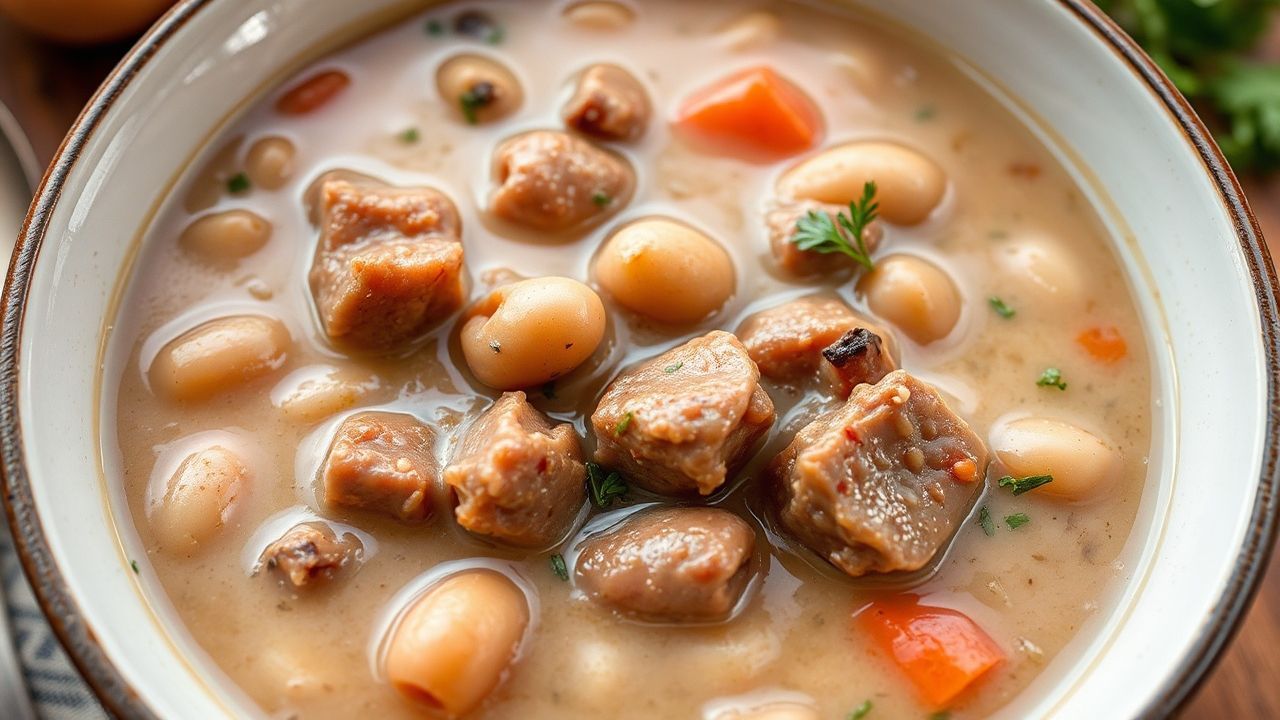

Ground Beef White Bean Soup is more than just a meal; it’s a culinary hug, a warming embrace on a chilly evening, and proof of the simple, profound satisfaction that honest ingredients can provide. But what elevates a good soup to an *extraordinary* one, capable of banishing the blues and igniting pure culinary bliss?
- The Soul of the Soup: Choosing Your Ground Beef
- Secret #1: The Deep Umami Foundation
- Secret #2: The Aromatic Trio and Beyond
- Secret #3: The Bean’s Role – Texture and Creaminess
- Secret #4: Liquid Gold – The Broth Matters
- Secret #5: The Slow Simmer – Patience is a Virtue
- Secret #6: The Finishing Touches – Brightness and Balance
- Secret #7: Serving It with Soul
- Ground Beef White Bean Soup Recipe: A Masterclass in Comfort
- Nutritional Information (Per Serving, approximate):
- Expert Pro-Tips for Restaurant-Quality Soup
- A Case Study in Comfort: The Power of Nostalgia
- Frequently Asked Questions
The true magic of comfort food lies not just in its warmth, but in the carefully orchestrated harmony of simple ingredients, each playing its part to perfection, creating an experience that nourishes the soul as much as the body.
This hearty, deeply flavorful soup, a staple across many cultures for its accessibility and nourishing qualities, offers a canvas for culinary artistry. We’ll explore seven secrets that transform this humble dish into an ultimate comfort food experience, drawing on decades of kitchen wisdom and a dash of culinary science.
The Soul of the Soup: Choosing Your Ground Beef
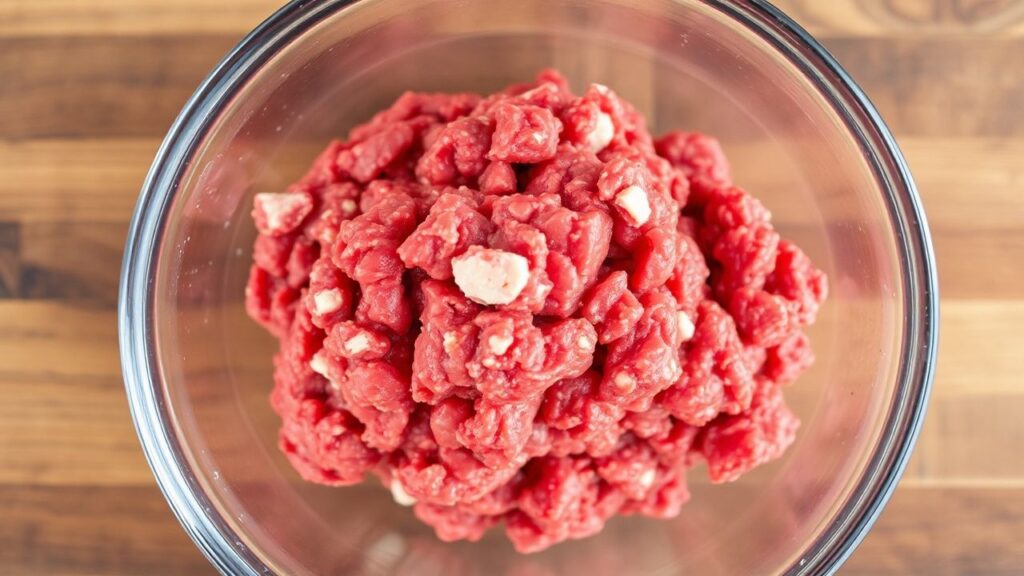
The foundation of any exceptional ground beef dish is, predictably, the ground beef itself. While many recipes might simply state “ground beef,” the discerning home cook understands that this is where the journey truly begins. The fat content is paramount. For a soup, a blend that offers a good balance of flavor and richness without becoming greasy is ideal. Aim for an 80/20 or 85/15 lean-to-fat ratio. Anything leaner can result in a dry, less flavorful soup, while a much higher fat content might render the broth unpleasantly oily.
The quality of the beef also matters. Opting for grass-fed ground beef can impart a slightly different, often more robust, flavor profile compared to conventionally raised beef. This is due to differences in the cattle’s diet, which can affect the fatty acid composition and overall taste. Furthermore, consider the grind. A coarser grind can offer a more pleasing texture in the soup, providing distinct morsels of beef rather than a uniform paste. Always purchase from a reputable butcher or grocery store where the meat is handled with care and freshness is guaranteed.
Secret #1: The Deep Umami Foundation
Many comforting dishes achieve their depth through a deliberate layering of umami-rich ingredients. In our Ground Beef White Bean Soup, this begins with browning the ground beef properly. This isn’t just about cooking the meat; it’s about developing the Maillard reaction, a complex chemical process that creates hundreds of new flavor compounds, including those crucial umami notes.
Don’t crowd the pan. Browning the beef in batches ensures that each piece achieves a beautiful, caramelized crust rather than steaming. This crust is where the flavor resides. Once browned, deglazing the pan with a splash of liquid – be it beef broth, red wine, or even water – is essential. This step scrapes up all those delicious brown bits (fond) left behind, incorporating them directly into the soup’s base.
Beyond the beef, consider adding ingredients like tomato paste and a touch of Worcestershire sauce or soy sauce to the initial sauté. These are potent umami boosters that create a savory bedrock for the entire soup. Tomato paste, when caramelized slightly, adds a concentrated depth of flavor that is far more impactful than simply adding canned tomatoes later.
Secret #2: The Aromatic Trio and Beyond
The aromatic foundation of any great soup is non-negotiable. For this Ground Beef White Bean Soup, we’re talking about the classic mirepoix: onions, carrots, and celery. These vegetables, when sautéed gently until softened and slightly translucent, release their inherent sugars and create a sweet, aromatic base that perfumes the entire dish.
But we can elevate this. Consider adding finely minced garlic and perhaps a pinch of red pepper flakes for a subtle warmth that awakens the palate without imparting overt heat. For an extra layer of complexity, experiment with a bay leaf or a sprig of fresh thyme or rosemary during the simmering phase. These herbs infuse the broth with their nuanced, herbaceous notes, adding a sophisticated dimension to the comforting flavors. Research has shown that the volatile compounds released from these aromatics contribute significantly to the perceived deliciousness and comfort of food.
Secret #3: The Bean’s Role – Texture and Creaminess
White beans are the perfect counterpoint to the savory richness of ground beef. Varieties like cannellini, Great Northern, or navy beans are ideal. When using dried beans, proper soaking and cooking are crucial to ensure they are tender and digestible. However, for the sake of expediency and consistent texture, high-quality canned beans are often a home cook’s best friend.
The secret here is not just adding the beans; it’s how you integrate them. Reserve about a cup of the cooked beans and mash them with a fork or blend them briefly with a little of the broth. Stirring this mashed bean mixture back into the soup towards the end of the cooking process helps to naturally thicken the broth and imparts a wonderful, creamy texture without the need for dairy. This technique, rooted in traditional cooking methods, provides a luxurious mouthfeel that is both satisfying and wholesome.
Secret #4: Liquid Gold – The Broth Matters
The liquid base of your soup is its lifeblood. While water can be used, it will result in a significantly less flavorful outcome. High-quality beef broth or a rich chicken broth is the preferred choice. For an even deeper flavor, consider using a combination of beef broth and a bit of the reserved liquid from cooking dried beans (if using).
The true experts, however, understand the power of homemade stock. If time permits, making your own beef or chicken stock from bones and vegetable scraps will elevate your soup to an entirely new level. The collagen and gelatin released from bones during a slow simmer contribute a luxurious mouthfeel and profound depth of flavor that store-bought broths can rarely replicate. A study published in the *Journal of Sensory Studies* highlighted how mouthfeel, influenced by viscosity and texture, plays a significant role in our perception of food quality and enjoyment.
Secret #5: The Slow Simmer – Patience is a Virtue
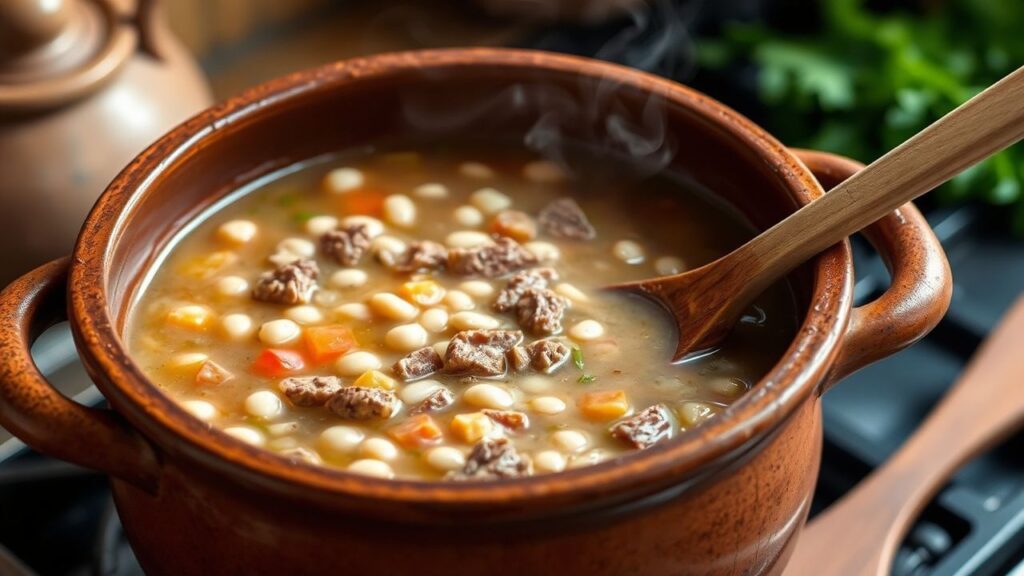
While a quick soup can be convenient, true comfort food often benefits from a slow, gentle simmer. This allows the flavors to meld and deepen. Once all the ingredients are in the pot and the soup has come to a gentle boil, reduce the heat to low, cover, and let it simmer for at least 30-45 minutes, or even longer.
This extended cooking time not only tenderizes the beans and vegetables further but also allows the complex flavors to fully integrate. The aroma that fills your kitchen during this process is part of the comfort itself. It signals that something delicious is on its way, building anticipation and enhancing the eventual enjoyment. Rushing this stage can result in a soup that tastes like its individual components rather than a harmonious whole.
Secret #6: The Finishing Touches – Brightness and Balance
A truly exceptional soup isn’t just about deep, rich flavors; it’s also about balance. This is where the finishing touches come into play. Just before serving, stir in a generous squeeze of fresh lemon juice. This brightens the entire soup, cutting through the richness of the beef and the earthiness of the beans, and making all the other flavors pop.
Consider also a final flourish of freshly chopped parsley or chives. The vibrant green adds visual appeal and a burst of fresh, herbaceous flavor. A drizzle of good quality extra virgin olive oil over each bowl can add a final layer of richness and aroma. For those who enjoy a touch of heat, a sprinkle of crushed red pepper flakes or a dash of your favorite hot sauce can be added at the table. This personalization allows each diner to tailor the soup to their preference, further enhancing the comfort factor.
Secret #7: Serving It with Soul
The final secret to ultimate comfort food is how you serve it. This Ground Beef White Bean Soup is best enjoyed piping hot, ladled into warm bowls. Accompany it with crusty bread for dipping – a rustic sourdough, a chewy baguette, or even some warm cornbread are perfect partners for soaking up every last drop of the flavorful broth.
A simple side salad with a light vinaigrette can provide a refreshing contrast. For a more substantial meal, consider serving it with a grilled cheese sandwich, a classic pairing that amplifies the comfort food experience. The ritual of serving and sharing this soup, perhaps around a table with loved ones, is as much a part of its comforting power as the ingredients themselves.
Ground Beef White Bean Soup Recipe: A Masterclass in Comfort
This recipe incorporates the secrets discussed above to create an unparalleled comfort food experience.
Yields: 6-8 servings
Prep time: 20 minutes
Cook time: 1 hour 15 minutes
Ingredients:
- 2 tablespoons olive oil
- 1.5 lbs (approx. 680g) 80/20 ground beef
- 1 large yellow onion, finely chopped
- 2 medium carrots, finely chopped
- 2 celery stalks, finely chopped
- 4 cloves garlic, minced
- 1 teaspoon dried thyme
- 1/2 teaspoon dried rosemary
- 1/4 teaspoon red pepper flakes (optional, for a touch of heat)
- 2 tablespoons tomato paste
- 1 tablespoon Worcestershire sauce (or soy sauce for a gluten-free option)
- 8 cups (approx. 1.9 liters) beef broth (low sodium preferred)
- 2 (15-ounce / 425g) cans cannellini beans, rinsed and drained
- 1 (15-ounce / 425g) can Great Northern beans, rinsed and drained
- 1 bay leaf
- Salt and freshly ground black pepper to taste
- 1/4 cup fresh parsley, chopped (for garnish)
- 1 tablespoon fresh lemon juice (optional, for brightness)
Preparation Method:
1. Brown the Ground Beef: Heat the olive oil in a large, heavy-bottomed pot or Dutch oven over medium-high heat. Add the ground beef and cook, breaking it up with a spoon, until deeply browned and cooked through. This should take about 8-10 minutes. Do not drain off all the fat; leave about 1-2 tablespoons in the pot for sautéing the aromatics. Transfer the browned beef to a plate, leaving the rendered fat in the pot. 2. Sauté Aromatics: Add the chopped onion, carrots, and celery to the pot. Cook over medium heat, stirring occasionally, until softened and slightly translucent, about 8-10 minutes. 3. Build Flavor: Stir in the minced garlic, dried thyme, dried rosemary, and red pepper flakes (if using). Cook for 1 minute more until fragrant. Add the tomato paste and cook, stirring constantly, for 1-2 minutes, allowing it to caramelize slightly. Stir in the Worcestershire sauce. 4.
Combine and Simmer: Return the browned ground beef to the pot. Pour in the beef broth, scraping up any browned bits from the bottom of the pot. Add the rinsed and drained cannellini beans and Great Northern beans, and the bay leaf. Bring the soup to a gentle boil. 5. Develop Flavors: Reduce the heat to low, cover the pot, and let the soup simmer gently for at least 45 minutes, or up to 1 hour, allowing the flavors to meld and deepen. 6. Thicken and Season: Remove and discard the bay leaf. To thicken the soup naturally, scoop out about 1 cup of the beans and a ladleful of broth. Mash the beans with a fork in a small bowl, or briefly pulse them in a food processor with the broth until mostly smooth. Stir this mixture back into the soup.
Season generously with salt and freshly ground black pepper to taste. If desired, stir in the fresh lemon juice for brightness. 7. Serve: Ladle the hot soup into bowls. Garnish with fresh chopped parsley. Serve with crusty bread for dipping.
Nutritional Information (Per Serving, approximate):
- Calories: 350-400 kcal
- Protein: 25-30g
- Fat: 15-20g
- Saturated Fat: 5-7g
- Carbohydrates: 25-30g
- Fiber: 8-10g
- Sodium: Varies based on broth and added salt
Expert Pro-Tips for Restaurant-Quality Soup
When browning the ground beef, ensure you achieve a deep, dark crust. This is non-negotiable for maximizing flavor. Don’t be afraid of a little charring on the beef bits – it translates directly into deliciousness. If your pot seems too crowded, brown the beef in two batches.
If you find the soup is too thick after adding the mashed beans, simply add a little more broth or water until you reach your desired consistency. Conversely, if it’s too thin, you can simmer it uncovered for a bit longer to allow some of the liquid to evaporate, or mash a few more beans.
For a vegetarian or vegan variation, omit the ground beef and use vegetable broth. Add mushrooms or a plant-based ground for umami and texture. The white beans will still provide a creamy, satisfying base.
A Case Study in Comfort: The Power of Nostalgia
The enduring appeal of dishes like Ground Beef White Bean Soup often taps into deep-seated nostalgic connections. Consider the widely observed phenomenon where the aroma of baking bread or simmering soups can evoke powerful memories of childhood or specific comforting moments. Research suggests that our sensory experiences are deeply intertwined with our emotional well-being and sense of comfort. This soup, with its familiar ingredients and hearty aroma, provides a tangible link to these positive associations, making it more than just sustenance; it’s an emotional anchor.
Frequently Asked Questions
H3: Can I make this soup ahead of time?
Absolutely. This Ground Beef White Bean Soup often tastes even better the next day as the flavors have more time to meld. Cool it completely before storing it in an airtight container in the refrigerator for up to 3-4 days. Reheat gently on the stovetop or in the microwave, adding a splash of broth or water if it has become too thick.
H3: What kind of white beans are best for this soup?
Cannellini beans, Great Northern beans, and navy beans are all excellent choices. Cannellini beans tend to be creamier, while Great Northern beans offer a slightly firmer texture. Using a combination, as suggested in the recipe, provides a pleasant textural variety.
H3: Can I freeze this soup?
Yes, this soup freezes very well. Allow it to cool completely, then transfer it to freezer-safe containers or bags. It can be stored in the freezer for up to 3 months. Thaw overnight in the refrigerator and reheat as described above.
H3: How can I make this soup spicier?
To increase the heat, you can add more red pepper flakes during the sautéing stage. You could also add a pinch of cayenne pepper or a dash of your favorite hot sauce to individual bowls before serving. Some people also enjoy adding a jalapeño or serrano pepper, finely minced, along with the other aromatics.
H3: What if I don’t have beef broth?
If you don’t have beef broth, a good quality chicken broth or even a vegetable broth can be used. For the best flavor, try to use a low-sodium variety and adjust seasoning accordingly. Using water as a base is possible but will result in a less flavorful soup.
See also: Ground Beef