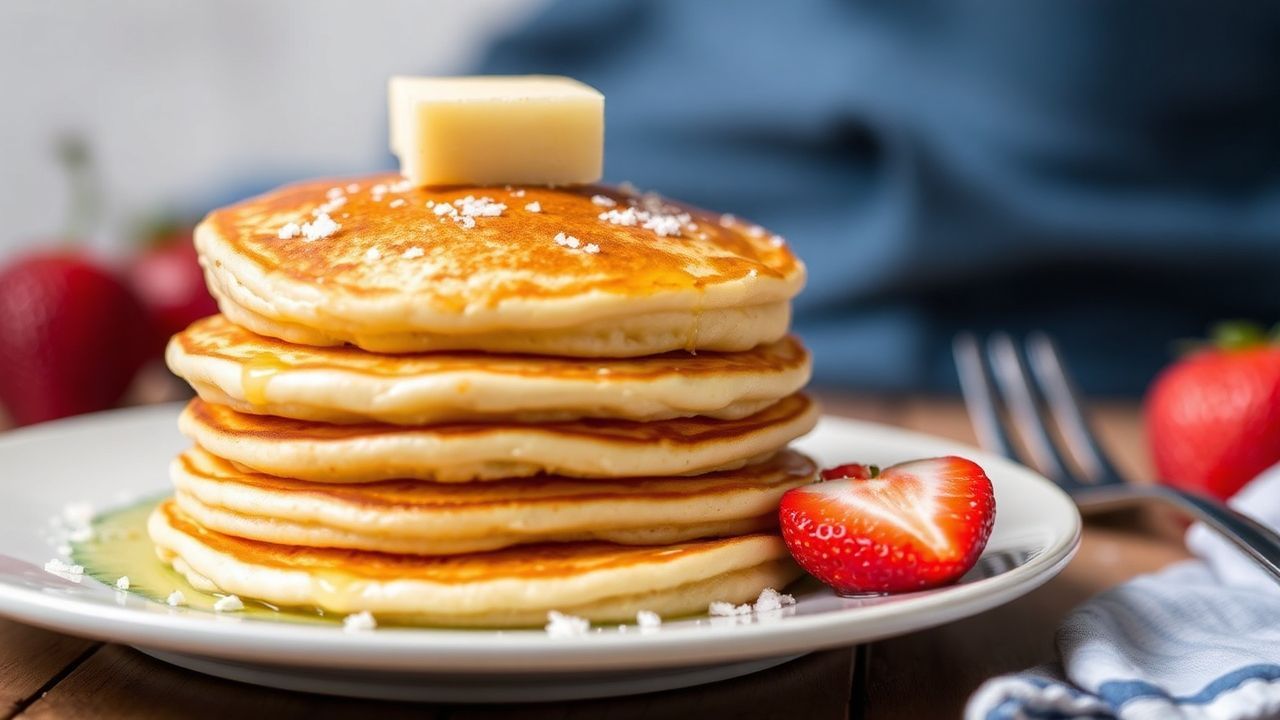

Unlock the Secret to Perfectly Fluffy Pancakes: A Mix Mastery Guide
Achieving that ethereal, cloud-like texture in your homemade pancakes is a culinary quest many embark on. The promise of a golden stack, light and airy, can elevate any morning into a moment of pure comfort. However, the path to this perfect fluffiness often seems shrouded in mystery.
- Fluffiness is a science: Understand ingredient ratios and mixing techniques for lift.
- Gentle mixing prevents toughness: Avoid overworking the batter to ensure a tender crumb.
- Resting the batter allows leavening agents to perform their magic.
- Temperature control is key for even cooking and optimal rise.
If dense, flat flapjacks are a frequent visitor to your breakfast table, you’re not alone. This guide demystifies the process, revealing the secrets to light, airy pancakes that practically dissolve on your tongue. We’ll navigate everything from ingredient science to the art of precise mixing, transforming your pancakes from ordinary to extraordinary.
The Foundation of Fluffy Pancakes: Ingredients and Ratios
The journey to superior pancake fluffiness begins with a deep understanding of your core ingredients and their precise interplay. The delicate balance of flour, leavening agents, and liquids fundamentally dictates the final texture of your pancakes. Getting these ratios just right is the indispensable first step toward achieving that coveted, airy crumb.
Each component plays a distinct, crucial role. Flour provides the essential structural framework. Leavening agents, such as baking powder and baking soda, are responsible for creating the gas bubbles that expand dramatically during the cooking process. The correct amount of liquid hydrates the flour and, critically, activates these leaveners. Too much liquid, however, results in a thin batter that struggles to hold its shape and achieve proper lift.
Key Leavening Agents for Maximum Lift
Your primary allies in the pursuit of fluffy pancakes are baking powder and baking soda. Baking powder acts as a complete leavening system, containing both an acid and a base. It reacts initially when moistened and then again when subjected to heat. Baking soda, conversely, is a base that requires the presence of an acidic ingredient—think buttermilk or yogurt—to initiate its leavening power.
When these agents work in concert, they produce carbon dioxide gas. This gas becomes trapped within the batter’s developing gluten structure, forming microscopic air pockets. As these pockets encounter heat, they expand, pushing the batter upward and creating the light, airy texture so highly desired. Always ensure these leaveners are fresh; expired agents are a frequent culprit behind disappointing, flat pancakes.
The Role of Buttermilk and Acids
Buttermilk stands out as a remarkable ingredient for achieving supreme pancake fluffiness. Its inherent acidity initiates a beautiful, vigorous reaction with baking soda, generating a substantial volume of carbon dioxide gas. This chemical synergy provides an invaluable boost of lift that plain milk simply cannot match.
Beyond its impressive leavening capabilities, buttermilk imparts a subtle, pleasing tanginess and contributes to an incredibly tender crumb. For those without buttermilk readily available, a simple substitute can be made: combine one tablespoon of white vinegar or fresh lemon juice with one cup of milk, then let it stand for five minutes. This quick fix effectively mimics buttermilk’s essential acidic properties, allowing the baking soda to perform optimally.
The Art of Mixing: Techniques for Optimal Texture
Once all your ingredients are assembled, the method of combining them becomes critically important. This is a frequent stumbling block for many home cooks, often leading to the common pitfall of overmixing. The true objective is to integrate the ingredients just enough, rather than striving for a perfectly homogenous batter.
Excessive gluten development is the sworn enemy of fluffy pancakes. Gluten forms when flour, once hydrated, is subjected to agitation. Overmixing leads directly to tough, rubbery pancakes. In contrast, a batter that is gently combined, even with a few small lumps, will yield a tender, delightfully airy result. Embrace those lumps; they are promising indicators of impending fluffiness.
Gentle Folding vs. Vigorous Stirring
The specific technique used to combine your wet and dry ingredients dramatically impacts the final outcome. Instead of employing vigorous stirring, opt for a more delicate folding motion using a spatula or a wooden spoon. This approach significantly minimizes gluten development while ensuring that all dry pockets of flour are thoroughly incorporated.
Continue mixing only until you can no longer observe distinct streaks of dry flour. The batter should still possess a somewhat lumpy appearance. This visual cue serves as your signal to cease mixing. Remember, a few small lumps are a strong indicator of a tender pancake, so resist the overwhelming urge to overwork the mixture in your pursuit of absolute smoothness.
The Power of Resting the Batter
Allowing your pancake batter to rest is a non-negotiable step for achieving a superior texture and optimal fluffiness. This brief pause, typically lasting between 5 to 10 minutes, fulfills several vital functions that significantly contribute to both lightness and tenderness.
During this resting period, the flour fully hydrates, effectively absorbing moisture from the liquids. This process also allows the gluten strands to relax, which is crucial for preventing toughness. Concurrently, the leavening agents begin to activate, initiating the production of tiny bubbles that will expand even further during the cooking phase. This resting phase, though simple, is a mighty contributor to a lighter, more tender pancake.
Cooking Techniques for Perfect Golden Browns
The journey to achieving perfectly fluffy pancakes extends beyond the batter preparation; the cooking process itself is equally vital. Even the most impeccably mixed batter can lead to disappointing results if the griddle temperature is mismanaged or the cooking technique is flawed.
Discovering the ideal heat setting for your griddle or pan is absolutely essential. Excessive heat will invariably scorch the exterior before the interior has adequate time to cook and puff up, leading to a burnt surface and a dense, undercooked center. Conversely, cooking at too low a heat can produce pale, dense pancakes that conspicuously lack that desirable golden hue and appealing texture.
Griddle Temperature: The Golden Mean
Maintaining a medium heat setting is your most reliable strategy when cooking pancakes. This temperature allows the batter to spread evenly across the surface, cook through thoroughly, and rise beautifully without the risk of burning. A practical test involves flicking a few drops of water onto the griddle; they should sizzle and evaporate promptly but not vanish instantaneously.
Thoroughly preheating your griddle is also a critical component of the process. A consistently heated surface guarantees that each pancake cooks uniformly from start to finish. Lightly greasing the surface with butter or oil not only prevents sticking but also promotes even browning, contributing significantly to that classic, appetizing pancake appearance. Understanding the science behind Maillard reactions can further inform your browning techniques.
Knowing When to Flip
Patience is a paramount virtue when cooking pancakes. You must actively resist the temptation to flip them prematurely. The definitive indicators that signal it’s time to flip include the appearance of numerous bubbles forming on the surface of the batter and the edges of the pancake beginning to look set and slightly dry.
Typically, this process takes approximately 2 to 3 minutes per side. Employ a thin, flexible spatula to carefully slide beneath the pancake and execute a confident flip. The second side generally cooks more rapidly, so vigilant observation is necessary to achieve that perfect golden-brown finish. This precise timing is crucial for optimal heat transfer and cooking.
Serving and Enjoying Your Masterpiece
Once your pancakes have been cooked to absolute perfection, the manner in which you present them can significantly enhance the entire dining experience. Stacking them high creates an inherently inviting presentation, evoking the comforting charm of classic diner breakfasts or sophisticated brunch spreads.
Classic accompaniments, such as warm maple syrup, a scattering of fresh berries, or a generous dollop of whipped cream, are perennial favorites. For those inclined towards a more indulgent treat, consider incorporating a smear of rich nut butter or a sprinkle of toasted nuts to introduce added texture and delightful flavor complexity. The final presentation is key to the overall gastronomic enjoyment.
Frequently Asked Questions About Fluffy Pancakes
Q1: Why do my pancakes always turn out flat?
Flat pancakes are frequently the consequence of overmixing the batter, which leads to excessive gluten development, or using leavening agents that have lost their potency. For fluffier outcomes, mix your batter gently until just combined, even if it contains lumps, and always verify that your baking powder and baking soda are fresh. Allowing the batter to rest also plays a significantly important role in achieving proper lift.
Q2: What is the secret to exceptionally light and airy pancakes?
One highly effective secret involves the strategic inclusion of buttermilk, which reacts robustly with baking soda to generate ample lift. An advanced technique entails separating the eggs, whipping the whites to achieve soft peaks, and then delicately folding them into the batter. This method infuses significant air, resulting in pancakes that are incredibly light and voluminous.
Q3: How can I tell if I’ve overmixed my pancake batter?
Overmixing typically results in a batter that appears unnaturally smooth and uniform, entirely devoid of lumps. The fundamental key to achieving fluffy pancakes is to cease mixing the moment the dry ingredients are just incorporated. A few small lumps are perfectly acceptable and are actually a positive sign that you have not overdeveloped the gluten. Think of the process as a gentle blend, rather than an aggressive workout.
Q4: Does the cooking temperature significantly impact pancake fluffiness?
Absolutely. Cooking pancakes on a medium heat setting is absolutely crucial for achieving optimal fluffiness. This allows the batter to cook through uniformly, providing the leavening agents sufficient time to activate and the pancakes adequate opportunity to rise properly. High heat can prematurely burn the exterior before the interior has a chance to puff, inevitably leading to dense, undercooked centers.
Q5: Is it really necessary to let pancake batter rest?
Yes, letting pancake batter rest is an essential step for ensuring tender and fluffy pancakes. This brief period permits the flour to hydrate fully and the leavening agents to commence their crucial work, generating small bubbles within the batter. This short pause culminates in a lighter texture and a more delicate crumb.
Q6: Can adding mix-ins like blueberries affect pancake fluffiness?
While undeniably delicious, heavy or excessively wet mix-ins can indeed weigh down pancake batter, thereby hindering its ability to rise effectively. If you choose to incorporate mix-ins, it’s advisable to opt for smaller, lighter ingredients such as fresh or frozen berries (added just before cooking) or finely chopped nuts. Avoid overloading the batter, as this can compromise the desired fluffy texture.
Q7: What’s the best way to measure flour for pancake batter?
Accurate measurement is paramount, especially when dealing with flour. The most effective method involves gently spooning the flour into your measuring cup and then leveling it off with a straight edge, such as the back of a knife. Avoid scooping directly from the flour container, as this practice can compact the flour, leading to an excess being used and ultimately resulting in denser pancakes. Proper flour measurement is a cornerstone of good baking.
Q8: Can I make pancake batter in advance?
While freshly made batter consistently yields the fluffiest pancakes, it is indeed possible to prepare it ahead of time. Store the batter covered in the refrigerator for a duration of up to 24 hours. It is best to give it a gentle stir before cooking, as some separation may occur. For an enhanced lift if the batter has been refrigerated for an extended period, consider whisking in a small additional amount of baking powder before cooking.
Mastering these fundamental techniques will undoubtedly transform your pancake mornings into a celebration of fluffiness and exquisite flavor. With these expertly curated tips now firmly integrated into your culinary repertoire, you are exceptionally well-equipped to create stacks of golden delights that simply melt in your mouth. The ultimate secret, as you’ve discovered, lies not solely in the ingredients themselves, but in the gentle, attentive approach you adopt with your batter. Therefore, whisk with meticulous care, fold with practiced finesse, and observe with delight as your pancakes rise to unparalleled perfection, because every single flapjack truly deserves to be a culinary masterpiece.
See also: Pancake Mix
- Unlock the Secret to Perfectly Fluffy Pancakes: A Mix Mastery Guide
- The Foundation of Fluffy Pancakes: Ingredients and Ratios
- The Art of Mixing: Techniques for Optimal Texture
- Cooking Techniques for Perfect Golden Browns
- Serving and Enjoying Your Masterpiece
- Frequently Asked Questions About Fluffy Pancakes
- Q1: Why do my pancakes always turn out flat?
- Q2: What is the secret to exceptionally light and airy pancakes?
- Q3: How can I tell if I’ve overmixed my pancake batter?
- Q4: Does the cooking temperature significantly impact pancake fluffiness?
- Q5: Is it really necessary to let pancake batter rest?
- Q6: Can adding mix-ins like blueberries affect pancake fluffiness?
- Q7: What’s the best way to measure flour for pancake batter?
- Q8: Can I make pancake batter in advance?
- Related Articles