
The aroma of simmering spices, the gentle hum of conversation punctuated by laughter, the clinking of injera platters – these are the sensory threads that weave the diverse mix of Ethiopian dining. For many, myself included, the first encounter with Ethiopian food is a revelation, a bold departure from the familiar. It’s a cuisine that doesn’t merely feed the body but nourishes the soul, proof of centuries of culinary artistry honed through resourcefulness and a deep connection to the land. Among its many iconic dishes, Gomen stands out, not just for its humble origins but for its profound ability to showcase the beauty of simplicity and the power of well-loved ingredients. I recall a particular evening in Addis Ababa, seated on a low stool in a bustling local eatery, when a steaming platter of Gomen arrived. The vibrant green, flecked with crimson chili and glistening with fragrant oil, was a visual promise of the depth of flavor to come. It was more than just a side dish; it was an edible story, a reflection of the Ethiopian ethos of making something extraordinary from the everyday.
- The Essence of Gomen: More Than Just Greens
- The Alchemy of Ingredients: Building Flavor from the Ground Up
- Mastering the Technique: A Step-by-Step Guide to Authentic Gomen
- Ingredients:
- Preparation Method:
- Nutritional Information (per serving, approximate, based on 6 servings):
- Elevating Gomen: Pro-Tips for Restaurant-Quality Results
- Gomen in Context: A Culinary Cornerstone
- Frequently Asked Questions About Gomen
- What is the best type of collard greens to use for Gomen?
- How can I make Gomen vegan or vegetarian?
- What are common accompaniments for Gomen?
At a Glance: Mastering Gomen
- Cultural Significance: Gomen is a staple, deeply embedded in Ethiopian culinary traditions and communal dining experiences.
- Flavor Profile: Achieves a complex, savory depth through slow simmering with aromatics, often accented with a subtle heat.
- Versatility: While traditionally served with injera, it complements a wide array of dishes, acting as a vital component of any Ethiopian feast.
- Nutritional Powerhouse: Rich in vitamins, minerals, and fiber, making it a healthful as well as delicious choice.
The Essence of Gomen: More Than Just Greens
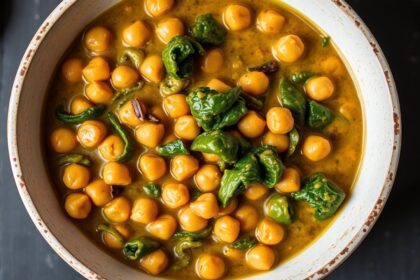
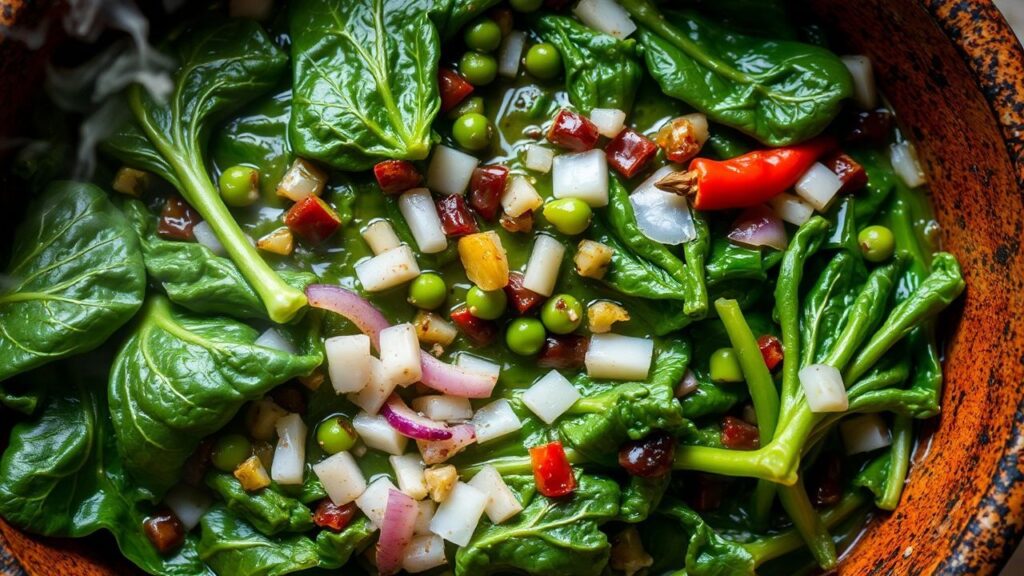
Gomen, at its heart, is a slow-cooked dish of collard greens (or sometimes kale, depending on regional availability and preference). However, to simply label it as “collard greens” is to do a profound disservice to its nuanced preparation and cultural weight. It is a dish that speaks of patience, of coaxing out the inherent sweetness and earthy character of the greens through careful simmering with a symphony of aromatic spices. The foundation of truly exceptional Gomen lies in the quality of the greens themselves – robust, fresh, and ideally, harvested at their peak. The preparation is not about flash or speed; it’s about a deliberate transformation, a culinary alchemy that turns humble leaves into a deeply satisfying and profoundly flavorful experience.
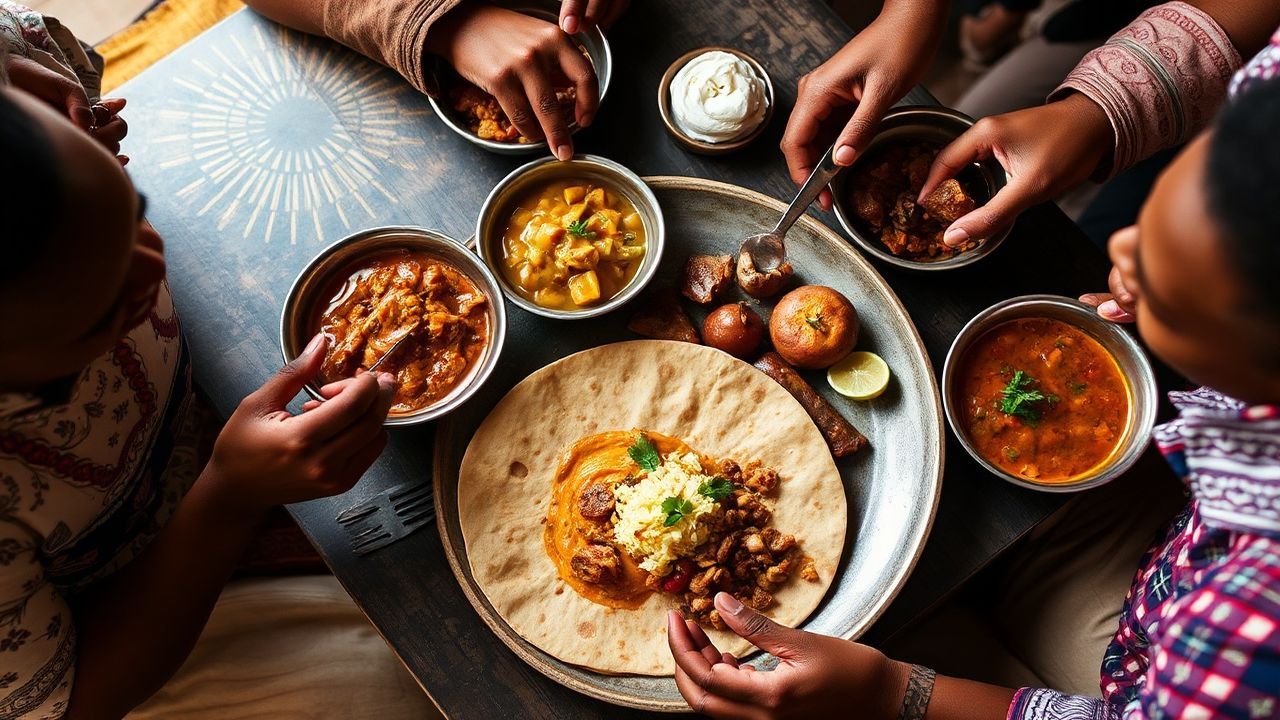
In Ethiopia, Gomen is not merely a side dish; it is often a central component of a larger meal, served communally on a large platter of injera. This fermented flatbread, with its slightly sour, spongy texture, acts as both the plate and the utensil, and its unique character perfectly balances the richness of the Gomen. The act of tearing off pieces of injera to scoop up the greens is an integral part of the dining ritual, fostering connection and shared enjoyment. This communal aspect is crucial to understanding Gomen’s place in Ethiopian culture – it is a dish that brings people together, a symbol of hospitality and shared sustenance.
The Alchemy of Ingredients: Building Flavor from the Ground Up
The magic of Gomen unfolds in the careful selection and layering of its components. While the star is undoubtedly the collard greens, the supporting cast is equally vital in creating its signature taste. The base is typically built with onions, garlic, and ginger, sautéed until softened and fragrant, releasing their sweet and pungent aromas into the cooking oil. This aromatic foundation is essential, providing depth and complexity that will permeate the entire dish.
The spices are where Gomen truly sings. While variations exist, a common and highly effective blend includes turmeric, which imparts a beautiful golden hue and a subtle earthy bitterness, and black pepper, offering a gentle warmth. A pinch of chili powder, or a fresh green chili, can be added for a touch of heat, but the aim is usually to complement, not overpower, the delicate flavor of the greens. Some recipes also incorporate a touch of cardamom or fenugreek, adding further layers of aromatic complexity. The choice of cooking fat is also significant; traditionally, niter kibbeh, a spiced clarified butter, is used, infusing the Gomen with a rich, herbaceous depth. However, a good quality vegetable oil or unsalted butter can also yield excellent results.
Mastering the Technique: A Step-by-Step Guide to Authentic Gomen
Achieving the perfect Gomen requires patience and attention to detail. It’s a process of coaxing out the best from each ingredient, allowing them to meld and harmonize over time. This recipe is designed to guide you through the creation of a truly authentic and deeply satisfying Gomen, suitable for any table.
Ingredients:
- Collard Greens: 2 pounds (approx. 900g), tough stems removed, leaves roughly chopped. (Alternatively, use kale or a mix of both.)
- Yellow Onion: 1 large, finely chopped.
- Garlic: 4-6 cloves, minced.
- Fresh Ginger: 1 tablespoon, finely grated.
- Niter Kibbeh (Spiced Clarified Butter) or Unsalted Butter/Vegetable Oil: 3-4 tablespoons.
- Turmeric Powder: 1 teaspoon.
- Black Pepper: ½ teaspoon, freshly ground.
- Green Chili (optional): 1 small, finely minced (adjust to your spice preference).
- Water or Vegetable Broth: ½ cup (or as needed).
- Salt: To taste.
Preparation Method:
- Prepare the Greens: Thoroughly wash the collard greens under cold running water. Remove the tough, fibrous stems by holding the stem and stripping the leaves away. Stack the leaves and chop them into bite-sized pieces, about 1-2 inches wide. You can do this by hand or with a knife. If using kale, you may wish to blanch it briefly to soften it before chopping, though this is not strictly necessary for collards.
- Sauté the Aromatics: In a large, heavy-bottomed pot or Dutch oven, heat the niter kibbeh (or chosen fat) over medium heat. Add the chopped onion and sauté until softened and translucent, about 5-7 minutes. Do not rush this step; allowing the onions to caramelize slightly builds a crucial layer of sweetness.
- Build the Spice Base: Add the minced garlic and grated ginger to the pot. Sauté for another 1-2 minutes until fragrant, being careful not to burn the garlic. Stir in the turmeric powder and black pepper, and the optional minced green chili. Cook for about 30 seconds, allowing the spices to bloom in the hot fat. This awakens their aromas and flavors.
- Introduce the Greens: Add the chopped collard greens to the pot. They will seem like a lot, but they will wilt down considerably. Stir them in, ensuring they are coated with the aromatic mixture.
- Simmer and Tenderize: Pour in the water or vegetable broth. Bring the mixture to a gentle simmer. Cover the pot, reduce the heat to low, and let the Gomen cook for at least 45-60 minutes, or until the greens are tender and have softened. Stir occasionally to prevent sticking and to ensure even cooking. If the greens appear dry, add a little more liquid, a tablespoon at a time.
- Season and Finish: Once the greens are tender to your liking, taste and season generously with salt. Stir well to distribute the salt evenly. Continue to cook, uncovered, for another 5-10 minutes if you desire a thicker consistency, allowing some of the liquid to evaporate. The final texture should be tender and flavorful, with a rich, slightly saucy coating.
Nutritional Information (per serving, approximate, based on 6 servings):
This nutritional breakdown is an approximation and can vary based on specific ingredients and quantities used.
| Nutrient | Amount |
|---|---|
| Calories | 150-200 kcal |
| Protein | 5-7g |
| Fat | 10-15g |
| Saturated Fat | 3-5g |
| Carbohydrates | 10-15g |
| Fiber | 5-7g |
| Vitamin A | Excellent source |
| Vitamin C | Good source |
| Iron | Good source |
| Calcium | Good source |
Elevating Gomen: Pro-Tips for Restaurant-Quality Results
While the basic preparation of Gomen is straightforward, a few expert touches can elevate it from a simple side dish to a truly memorable culinary creation. These are techniques honed over years of experience, passed down through generations of Ethiopian cooks.
One often-overlooked aspect is the quality of the greens. For the most authentic texture and flavor, seek out young, tender collard greens. Older, tougher leaves can be used, but they will require a longer cooking time and may not achieve the same delicate, melt-in-your-mouth quality. If you can find them, Ethiopia’s native “gomenzer” (a specific variety of collard greens) is ideal, but standard collards or a good quality kale are excellent substitutes. Blanching tougher greens for a few minutes before chopping can help to soften them and reduce cooking time, ensuring they don’t become mushy while the tougher parts tenderize.
The slow simmering is crucial. Don’t be tempted to rush the process. The low and slow cooking allows the flavors to meld and deepen, and the greens to break down into a rich, unctuous consistency. The goal is for the greens to be tender but not mushy, with a sauce that coats them beautifully. Think of it as a culinary meditation – the longer it simmers, the more profound the flavor becomes. This patient approach is what differentiates truly exceptional Gomen from the merely passable.
Consider adding a small piece of dried Scotch bonnet or habanero pepper to the simmering liquid for a more complex and sustained heat, which can be removed before serving. Another nuanced technique involves incorporating a small amount of berbere, Ethiopia’s iconic spice blend, during the sautéing of the aromatics. This adds a layer of warmth and complexity, though it should be used sparingly to avoid masking the primary flavors of the greens and spices.
Gomen in Context: A Culinary Cornerstone

Gomen is more than just a dish; it is a cultural touchstone. Its presence on the table signifies abundance, hospitality, and a connection to ancestral traditions. In many Ethiopian households, especially during fasting periods mandated by the Ethiopian Orthodox Church, Gomen (prepared without niter kibbeh) becomes a primary source of sustenance, showcasing its versatility and nutritional value. The absence of animal products during these times doesn’t diminish its flavor; rather, it highlights the inherent deliciousness of the vegetables and spices themselves. This adaptability underscores its importance in the Ethiopian diet, proving that a deeply satisfying meal can be crafted from simple, plant-based ingredients.
The global appreciation for Ethiopian cuisine has, thankfully, brought Gomen to tables far beyond its homeland. As more people discover the vibrant flavors and unique culinary practices of Ethiopia, dishes like Gomen are gaining well-deserved recognition. The key to its enduring appeal lies in its ability to transcend cultural boundaries, offering a taste of comfort, tradition, and wholesome goodness that resonates with diners worldwide. Its earthy flavors, coupled with the nutritional benefits of collard greens, make it a dish that is both satisfying and healthful, a rare combination in the culinary landscape.
Frequently Asked Questions About Gomen
What is the best type of collard greens to use for Gomen?
For the most authentic and tender Gomen, young, tender collard greens are ideal. They have a milder flavor and a more delicate texture that cooks down beautifully. If you can find them, Ethiopian “gomenzer” is the traditional choice. However, standard collard greens from your local market will work well. If you are using older or tougher collard greens, or even kale, you might consider blanching them for a few minutes in boiling water before chopping to help soften them and reduce the overall cooking time. This step can prevent the tougher parts from remaining fibrous while the rest of the greens become tender.
How can I make Gomen vegan or vegetarian?
Traditionally, Gomen is often prepared with niter kibbeh, a spiced clarified butter, which makes it vegetarian but not vegan. To make a truly vegan Gomen, simply substitute the niter kibbeh with a high-quality vegetable oil, such as sunflower, canola, or even a light olive oil. The key is to ensure the oil is flavorful enough to build a good base. Some recipes also suggest using vegan butter for a richer flavor. The rest of the preparation, including the use of onions, garlic, ginger, and spices like turmeric and black pepper, remains the same. The slow simmering process will still yield a delicious and satisfying vegan dish.
What are common accompaniments for Gomen?
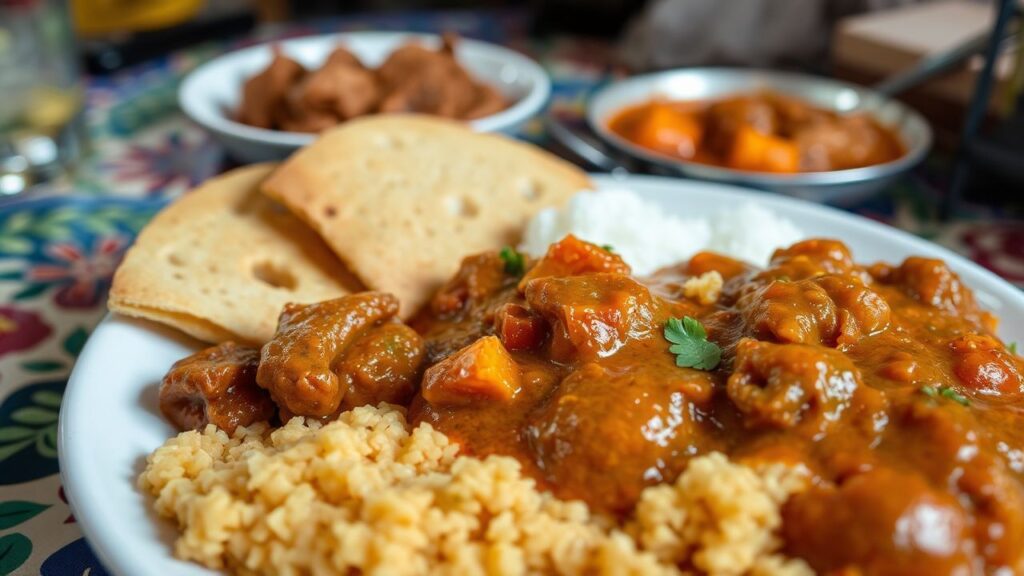
The most traditional and essential accompaniment for Gomen in Ethiopian cuisine is injera. This naturally leavened, sourdough flatbread, made from teff flour, serves as both the plate and the utensil, allowing you to scoop up the Gomen and other stews. Beyond injera, Gomen is often served as part of a larger Ethiopian “beyaynetu,” which is a platter featuring a variety of vegetarian and meat dishes. It pairs exceptionally well with spicy meat stews like Doro Wat (chicken stew) or Siga Wat (beef stew), as well as lentil dishes such as Misir Wat (red lentil stew) or Kik Alicha (split pea stew). Its earthy, slightly bitter notes provide a welcome contrast to richer and spicier dishes, creating a balanced and harmonious meal.
See also: Gomen